
MOKO
French · Nakagyō, Kyoto
Restaurant in Kyoto, Japan
 Book with Pearl
The Read
Kyoto-Sourced Classical French
Price
$150–200per person
Dress
Smart Casual
Why go
MOKO holds a Michelin star and for good reason: it applies French technique to Japanese ingredients, Ohara vegetables, in-house aged fish and meat, with a precision that justifies the booking difficulty. At ¥¥¥, it sits below the ¥¥¥¥ kaiseki tier while delivering a comparable level of seriousness. Book four to six weeks out, more during Kyoto's peak seasons.
About MOKO
Verdict
MOKO earns its Michelin star and its booking difficulty. This is the right call for a special occasion dinner in Kyoto if French technique applied to Japanese ingredients is what you want: and if you are willing to plan well ahead to get a table. Book here when you want precision cooking without the full ceremony of a traditional kaiseki progression.
The Restaurant
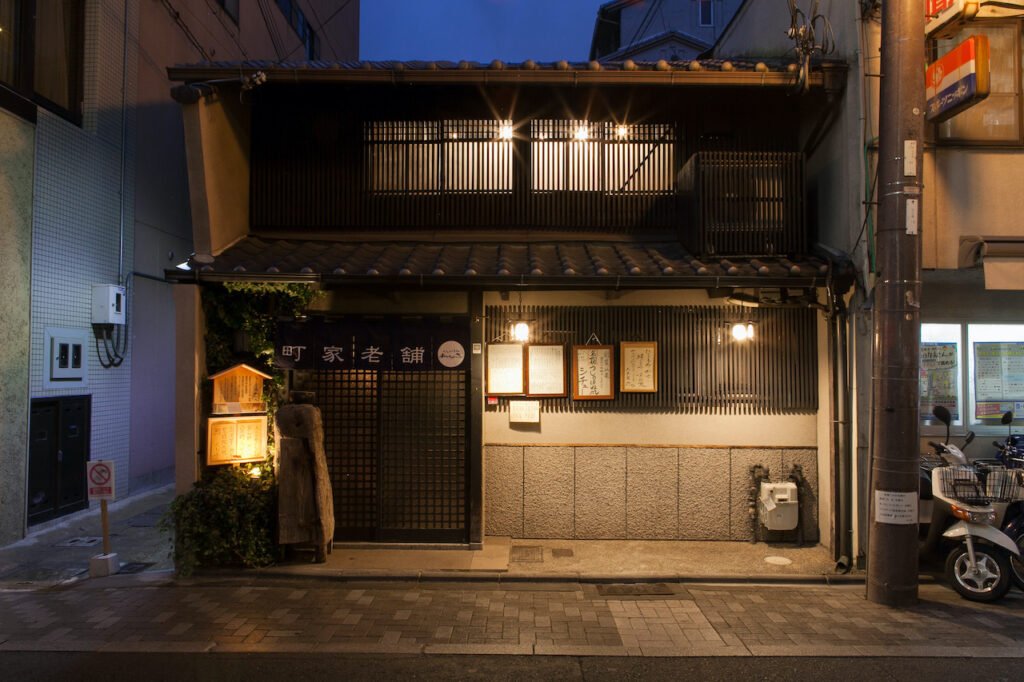
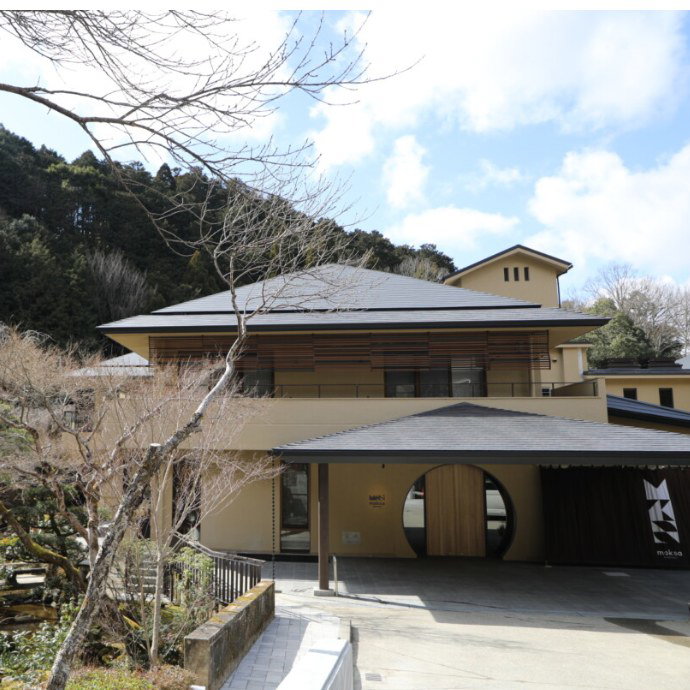
MOKO sits in Nakagyo Ward at a Kyoto address that signals intent before you arrive: 235-2 Tamauecho, inside what was once a merchant's house that previously served as a dietary school. The building is not incidental to the restaurant's identity. Chef Alexis Moko trained in Paris and London before relocating to Kyoto, and the space he chose reflects a deliberate meeting point between French culinary discipline and Japanese material culture. That context matters when you are deciding whether to book, because MOKO is not a European restaurant that happens to be in Japan. The sourcing is Japanese: notably vegetables from Ohara, the farming village north of Kyoto known for produce quality, and the kitchen runs a curing warehouse to age fish and meat and build umami depth. The result is French in structure but Japanese in ingredient logic.
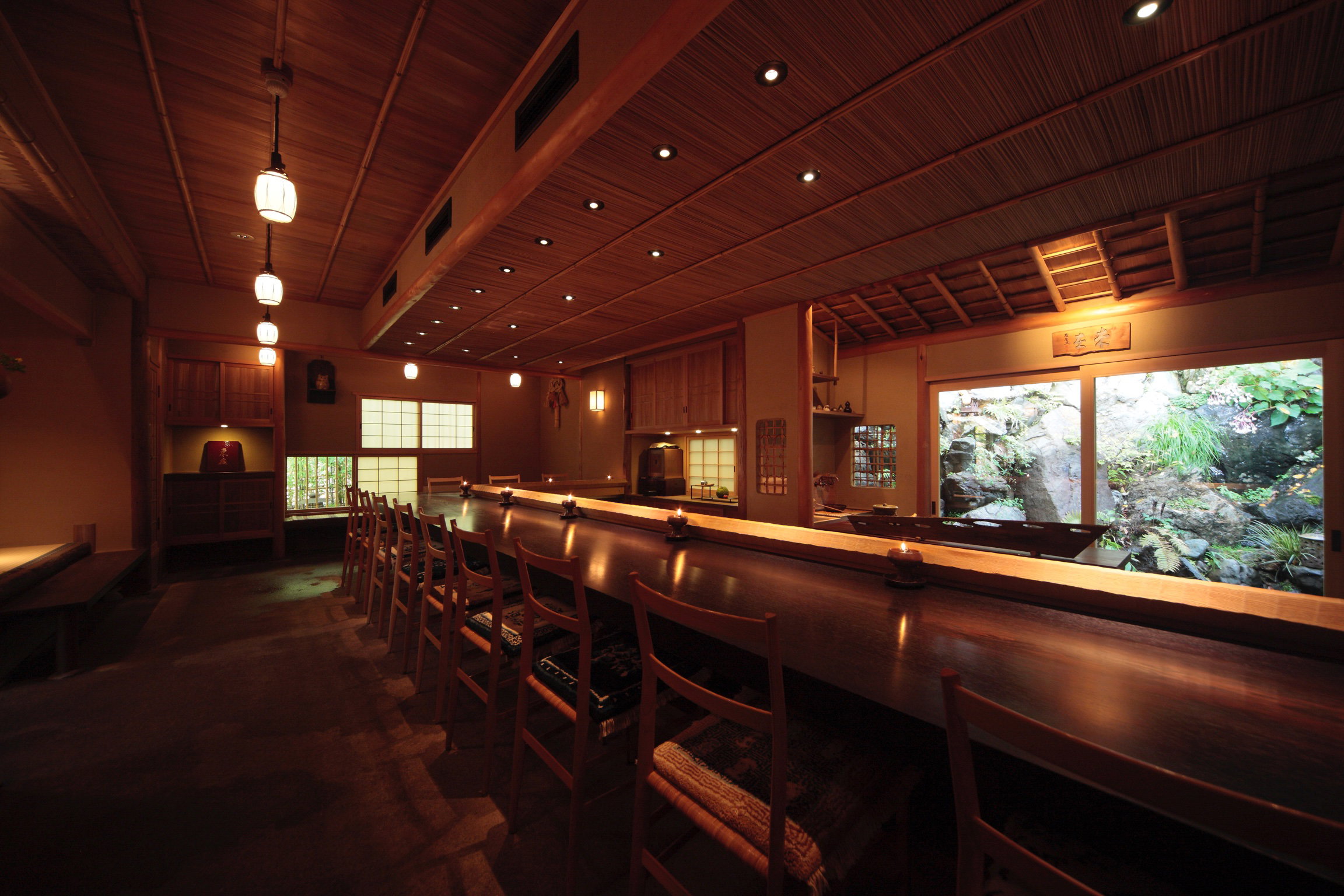
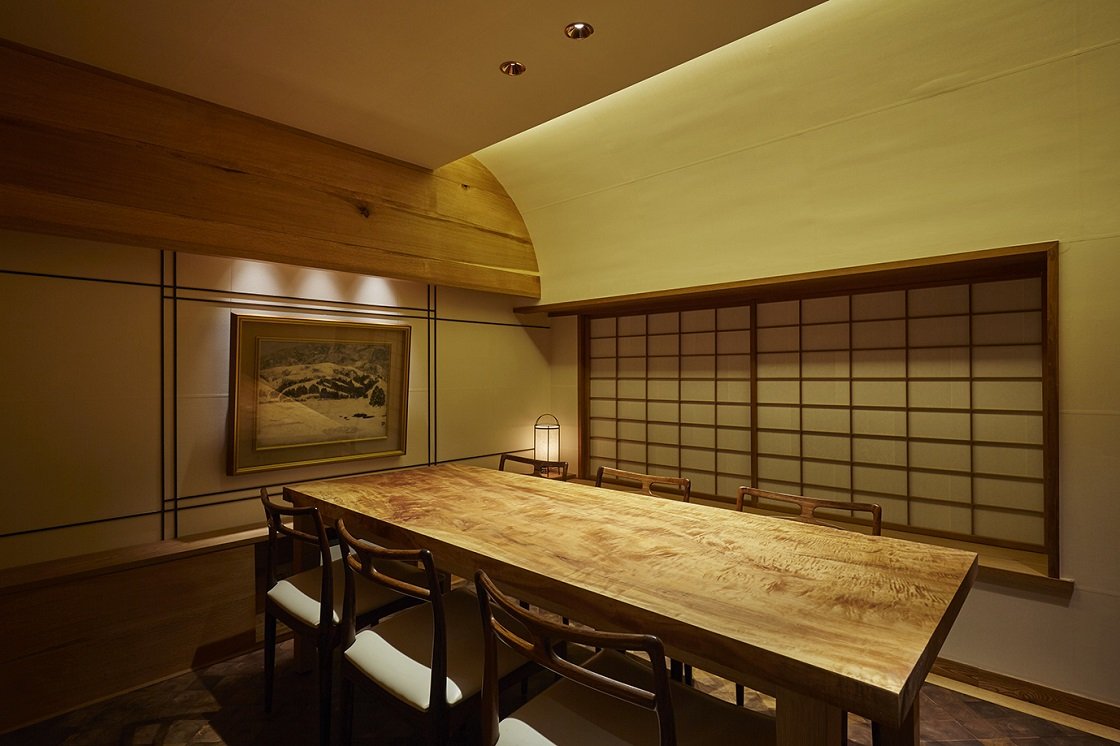
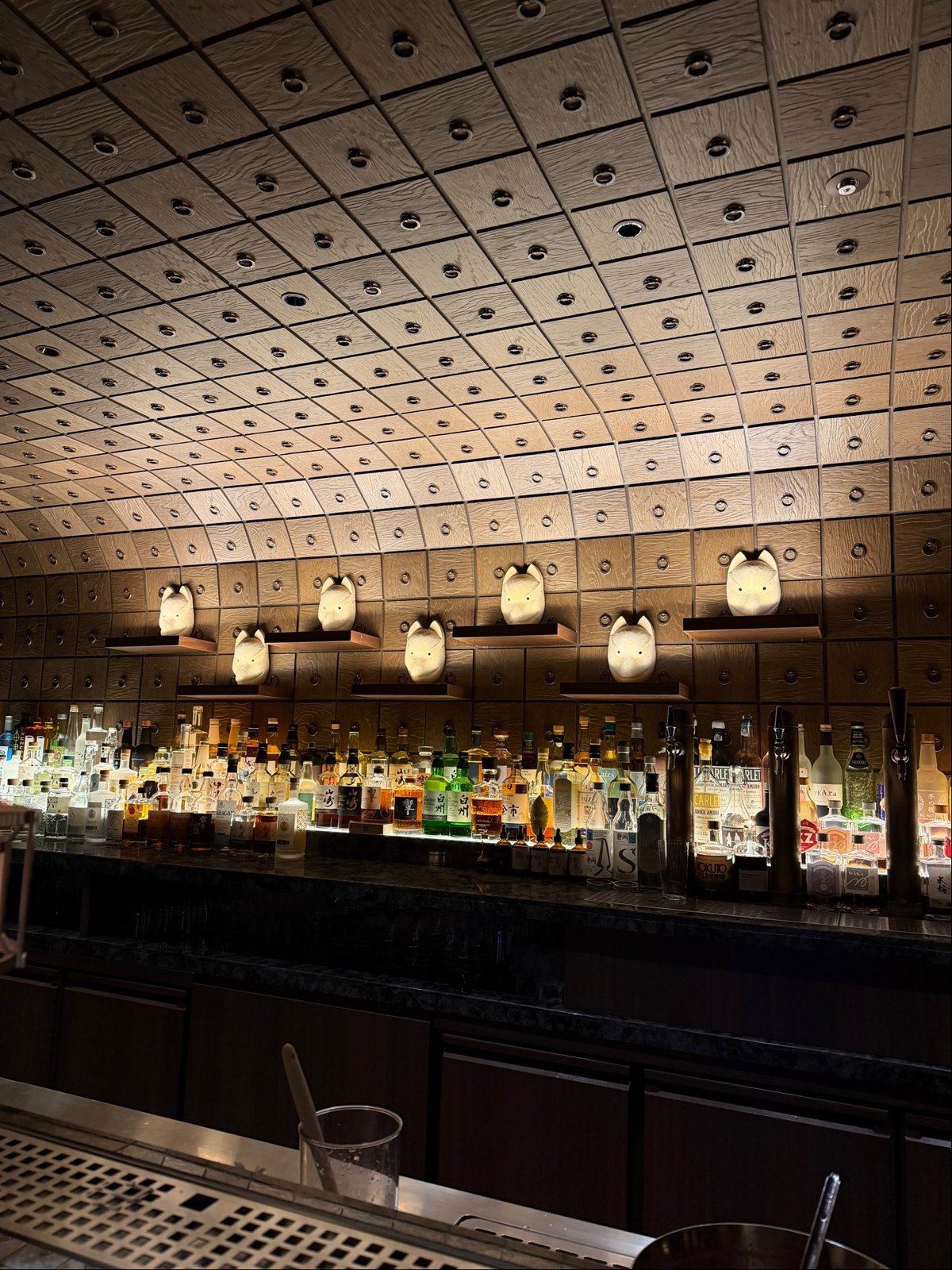
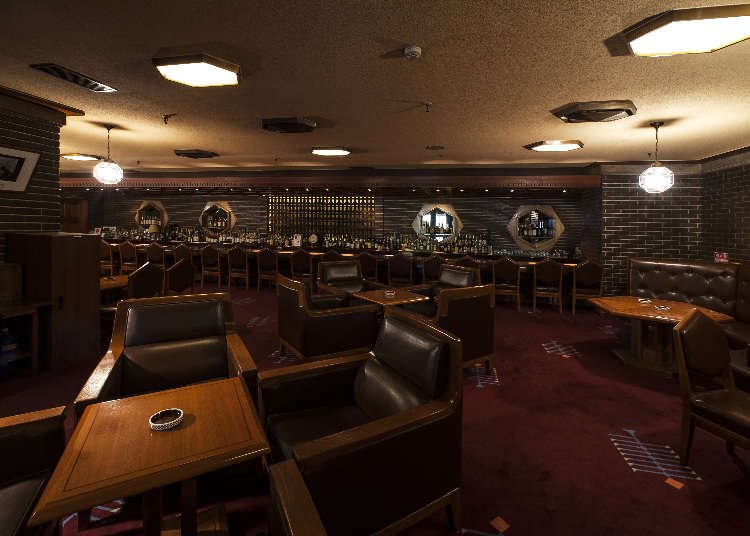
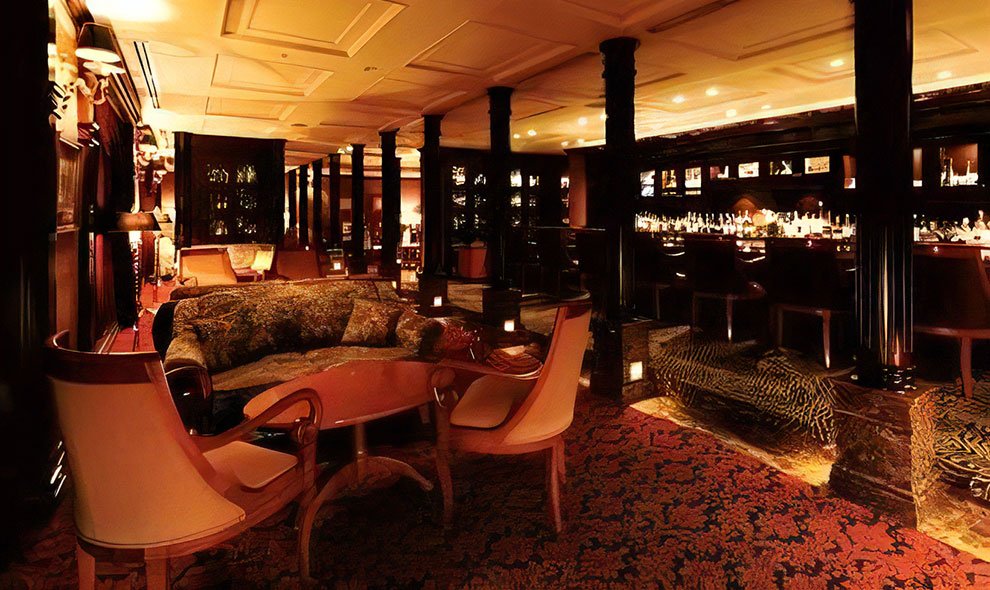
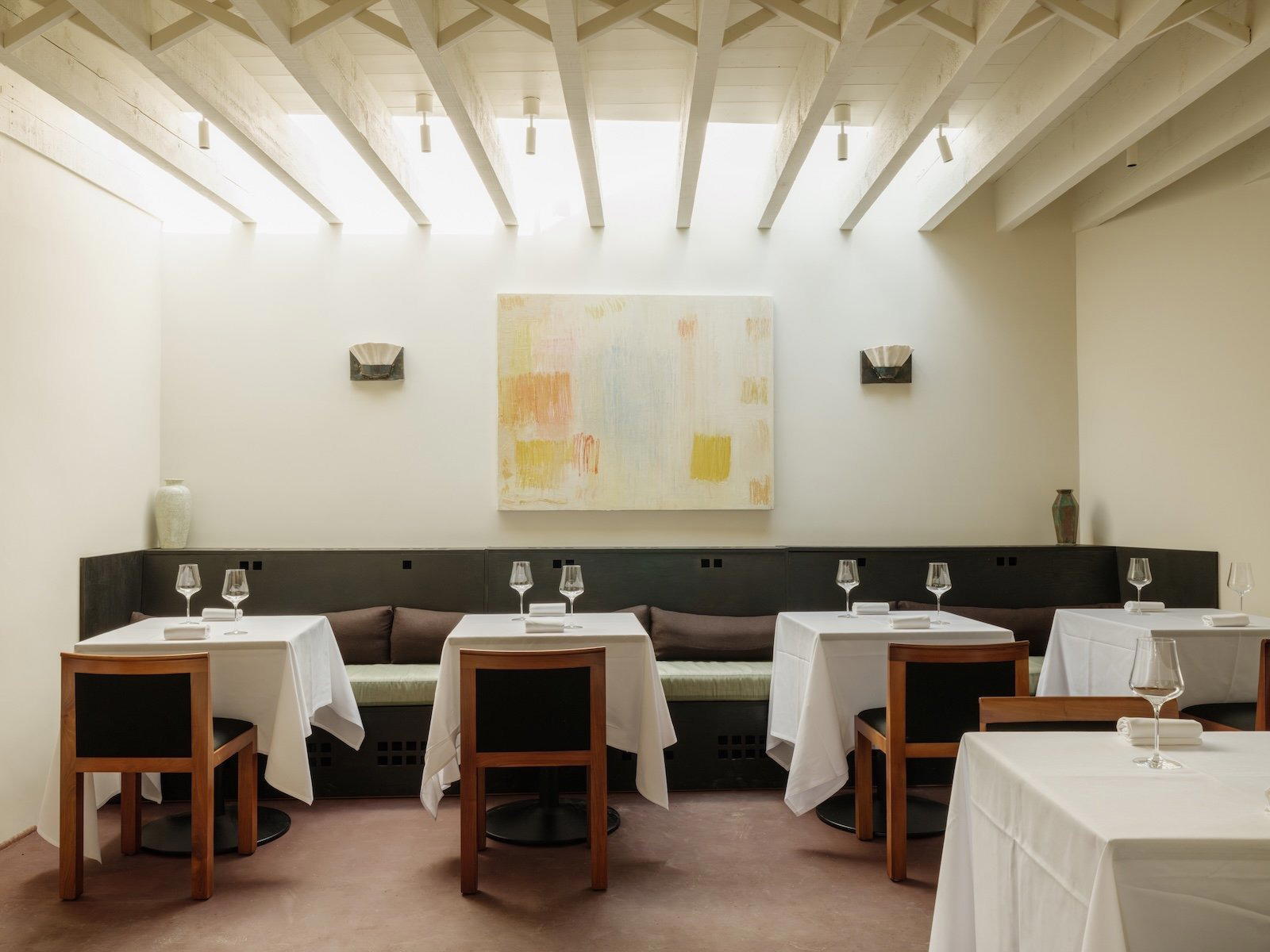
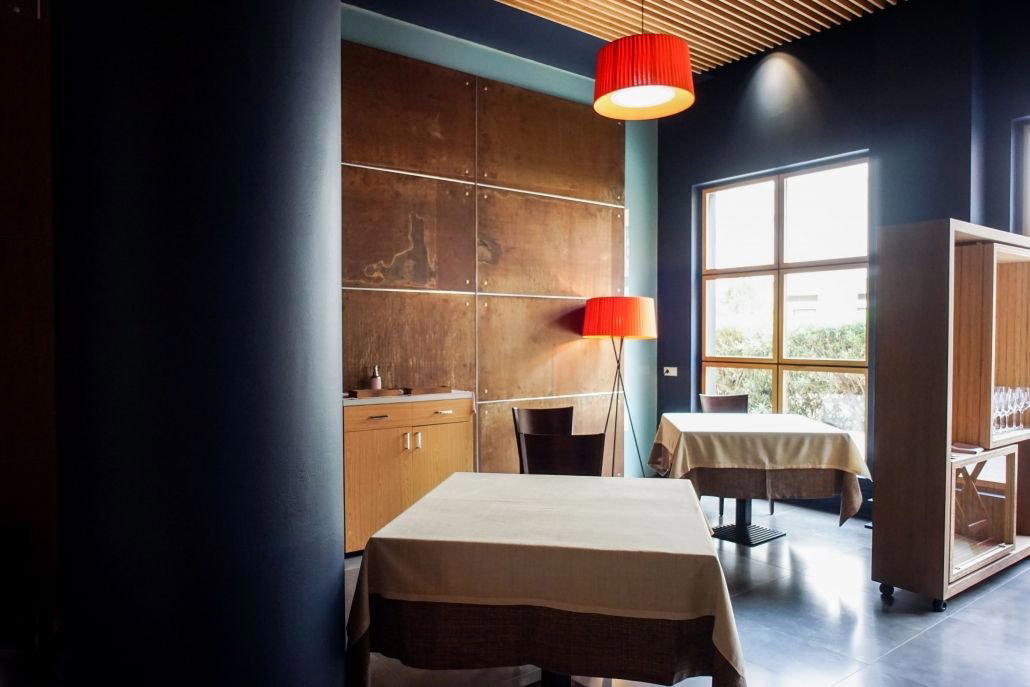
The atmosphere at MOKO is composed rather than animated. Expect the kind of quiet that comes with serious cooking and a room where most diners are treating the meal as an event. If you are after a buzzy, high-energy dinner, this is not the right fit. For a date, anniversary, or a business meal where the food needs to do some of the work, the measured tone of the room is an asset. The energy does not spike and it does not drag, it stays at a register that lets conversation happen without competing with the kitchen's presentation moments. Compare this to the more theatrical atmosphere at SEN, Kyoto's other serious French-Japanese address, where the room operates at a higher pitch.
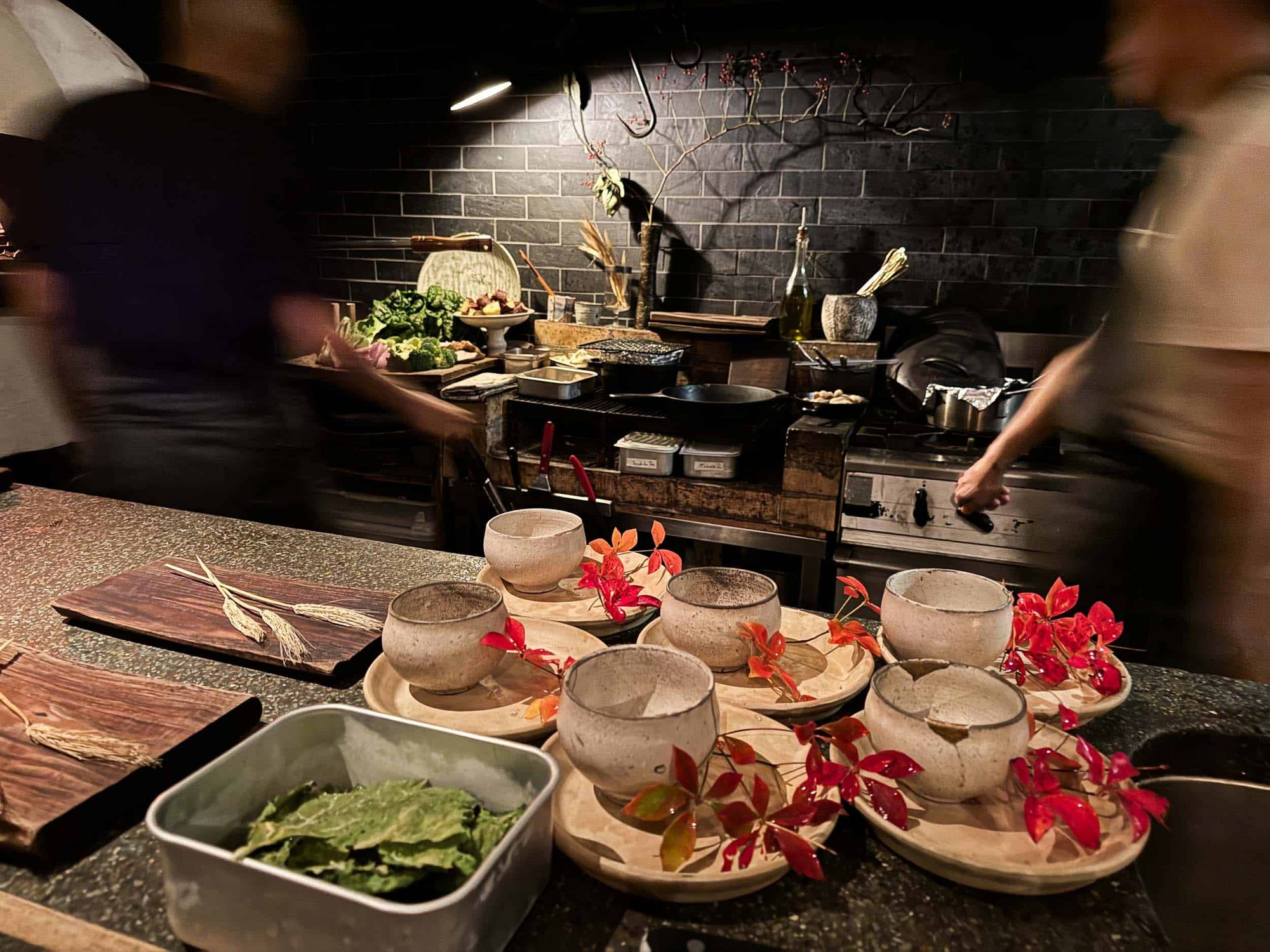
Dishes are framed around classic French cuisine but dressed in sauces designed for lightness rather than richness. That distinction is worth understanding before you book: this is not the butter-forward, reduction-heavy style of traditional French fine dining. The approach is closer to what French-trained chefs working in Japan have developed over the past two decades, technique intact, palate recalibrated toward brightness and umami. For diners who find classic French cooking heavy, that recalibration is a reason to book MOKO rather than a compromise.
Timing and Booking
MOKO is hard to book, and that difficulty is structural rather than seasonal. A Michelin star in Kyoto, a small room inside a converted machiya, and a reputation that travels internationally means demand outpaces supply consistently. Plan a minimum of four to six weeks ahead; for weekend dinners or public holidays in Japan, particularly the spring cherry blossom period in late March and early April, and the autumn foliage window in November, extend that to eight weeks or more. Kyoto's peak travel seasons compress reservation availability across the entire fine dining tier, not just at MOKO.
Reservations are most reliably made through a hotel concierge if you are staying at a property with strong local relationships, or through a specialist booking service. If you are exploring broader dining options across the city while you plan, our full Kyoto restaurants guide covers the current fine dining field. For context on where to stay while you are arranging this, our full Kyoto hotels guide is the place to start.
For Special Occasions
MOKO works well as a celebration venue specifically because it delivers at the level the occasion demands without requiring you to commit to ¥¥¥¥ pricing. A Michelin-starred meal that reads as a genuine event, converted merchant house setting, serious sourcing from Ohara, aged fish and meat from an in-house curing warehouse, covers the conditions a special occasion needs to feel considered. The composed room atmosphere supports that framing better than louder alternatives. For anniversaries or milestone dinners where you want the meal to carry weight, this is a more practical choice than the top-tier kaiseki houses, which require greater cultural familiarity with the format to get full value from the experience.
If your group is considering other Kyoto restaurants at the serious end of the spectrum, Hiramatsu Kodaiji and La Biographie··· both operate in adjacent territory and are worth comparing before you commit. For French cooking in Kyoto at a slightly different register, Droit, anpeiji, and la bûche each offer a point of comparison depending on what you are prioritising.
For French cuisine elsewhere in Japan, HAJIME in Osaka is the benchmark for the format at its most ambitious, while akordu in Nara offers an interesting counterpoint for anyone moving between cities. Further afield, Les Amis in Singapore and Hotel de Ville Crissier represent the classic French fine dining reference points that give MOKO's training lineage its context.
Explore More in Kyoto
Browse our full Kyoto bars guide, our full Kyoto wineries guide, and our full Kyoto experiences guide to complete your trip planning. For Japanese fine dining beyond Kyoto, Harutaka in Tokyo, Goh in Fukuoka, 1000 in Yokohama, and 6 in Okinawa are worth adding to your broader itinerary.
Planning details
- Hours
- Monday: Closed · Tuesday: 6–10 PM
- Location
- 235-2 Tamauecho, Nakagyo Ward, Kyoto, 604-0005, Japan
- Website
- instagram.com/restaurant_moko_kyoto
- Phone
- +81 75-252-1523
The take
The Take
The Vibe
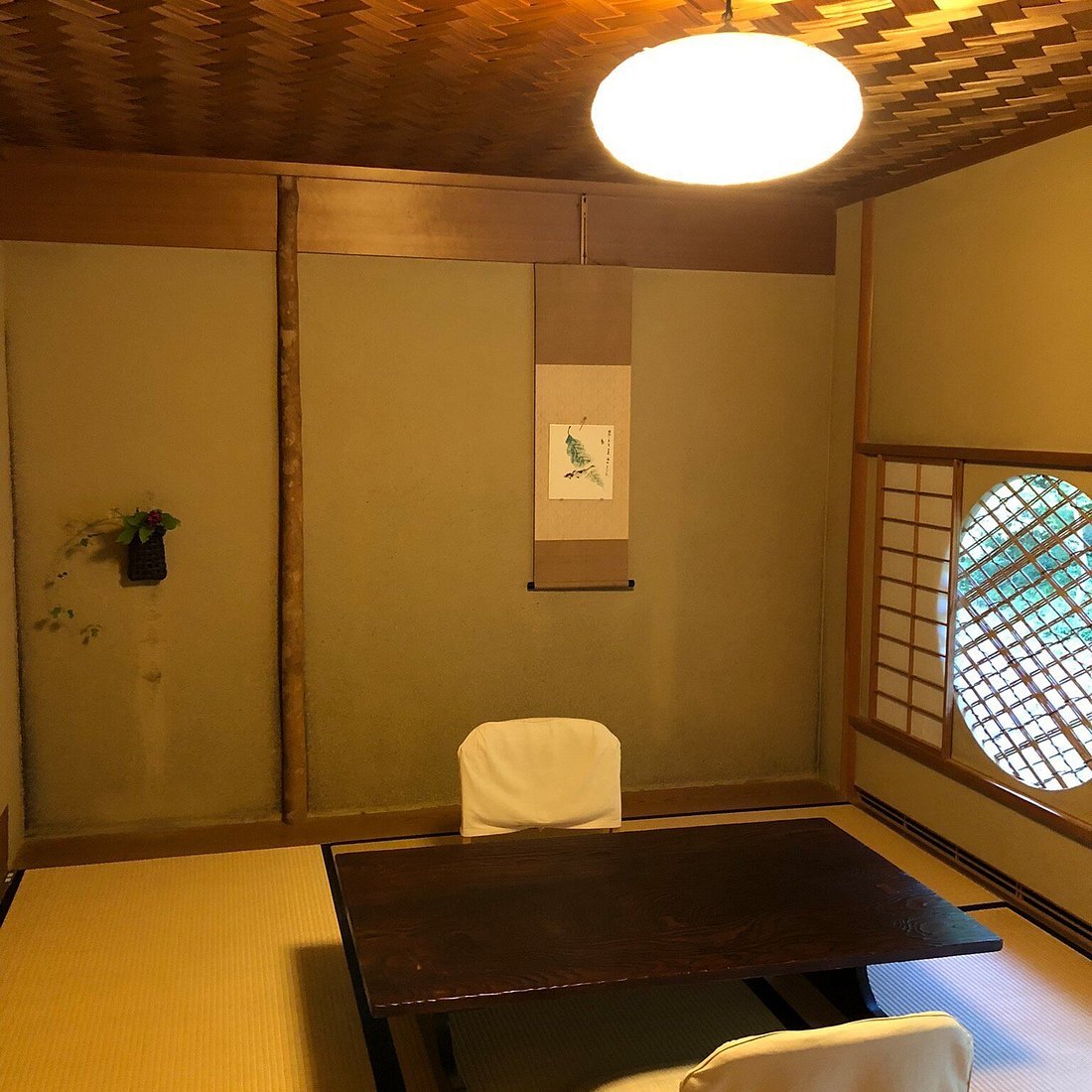
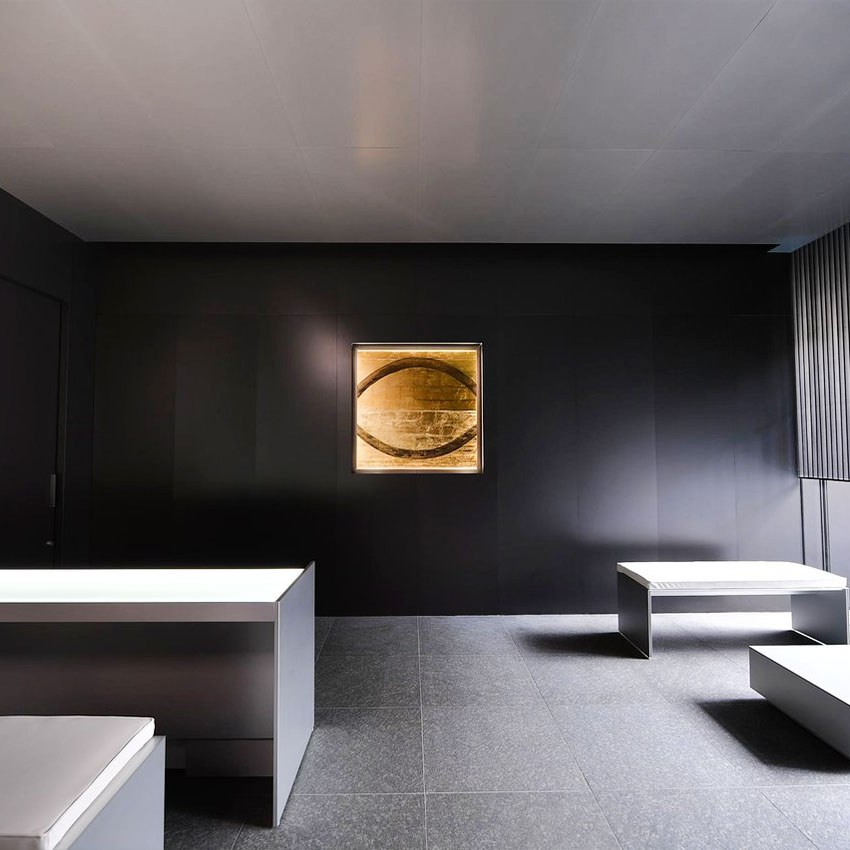
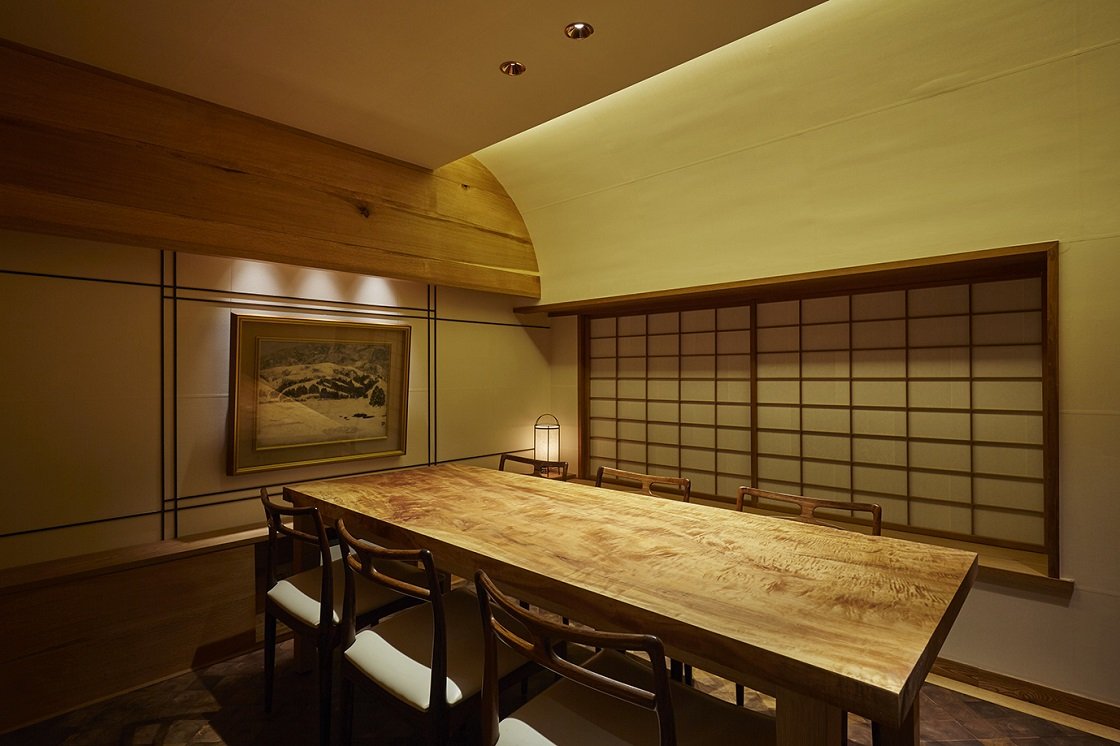
MOKO sits inside a restored machiya, and the building’s merchant-house lineage shapes the room’s personality. Thick walls, considered proportions and a past life as a dietary school give the dining space a purposeful calm that favors the food. The interior doesn’t shout; it quietly amplifies the cooking, creating an experience that feels measured and refined. The kitchen’s dialogue with Kyoto (seasonal discipline, local sourcing and restraint) further calms the room’s temperament, making MOKO feel like a quietly serious French restaurant nested in the city’s historic fabric.
Best For
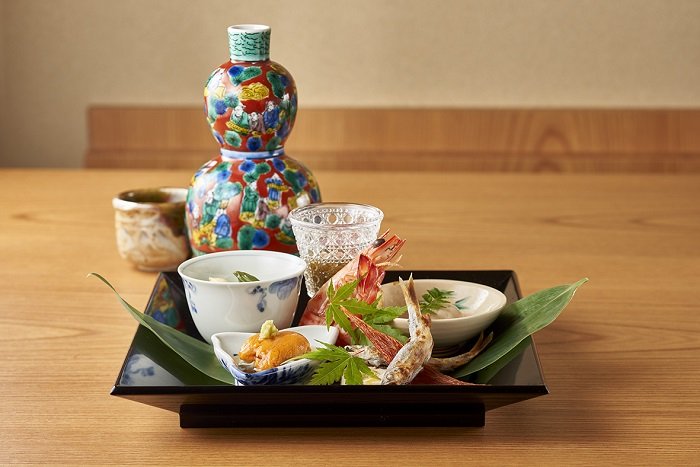
MOKO is best experienced at dinner, where its one Michelin star and French-classical approach meet Kyoto’s seasonal sensibility. The kitchen emphasizes vegetables from Ohara and aged proteins, and signature plates such as French-inspired chawanmushi, smoked Biwa trout and white asparagus from Hokkaido exemplify that focus. Priced in the ¥¥¥ range, MOKO offers a more accessible entry into Kyoto’s starred tier compared with some high-end kaiseki rooms, making it well suited to special evenings: intimate celebrations or a refined date night that prioritizes local ingredients and careful technique.
Ordering Tips
Menus at MOKO revolve around seasonality and an interplay of French structure with local produce, so look for preparations that highlight Ohara vegetables and aged proteins. Given the kitchen’s attention to seasonal sourcing, expect the bill of fare to change with availability: seek out the smoked Biwa trout and white asparagus when they appear. The restaurant’s dessert work (for example the praline millefeuille) is a last-course highlight. Note the ¥¥¥ price positioning mentioned in coverage if you’re planning the evening’s budget.
Venue details
Ambiance
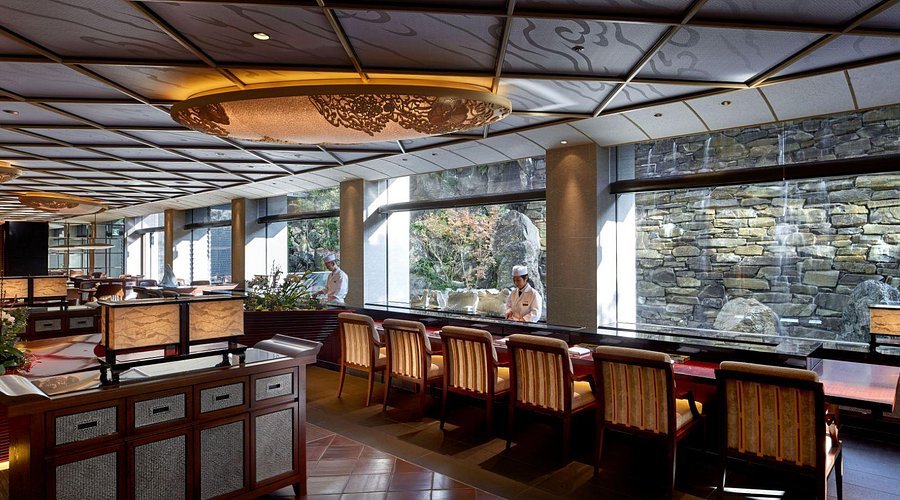
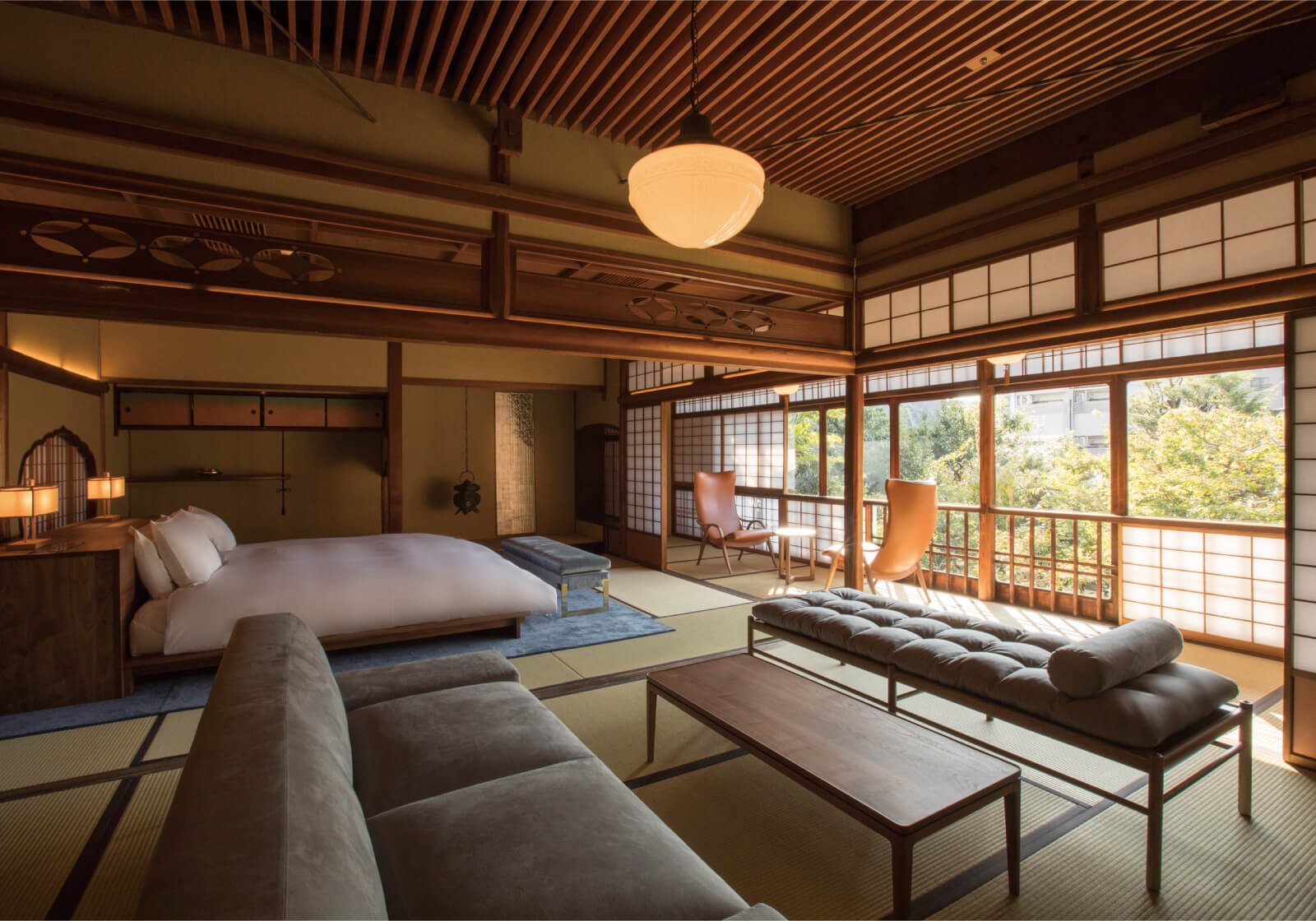
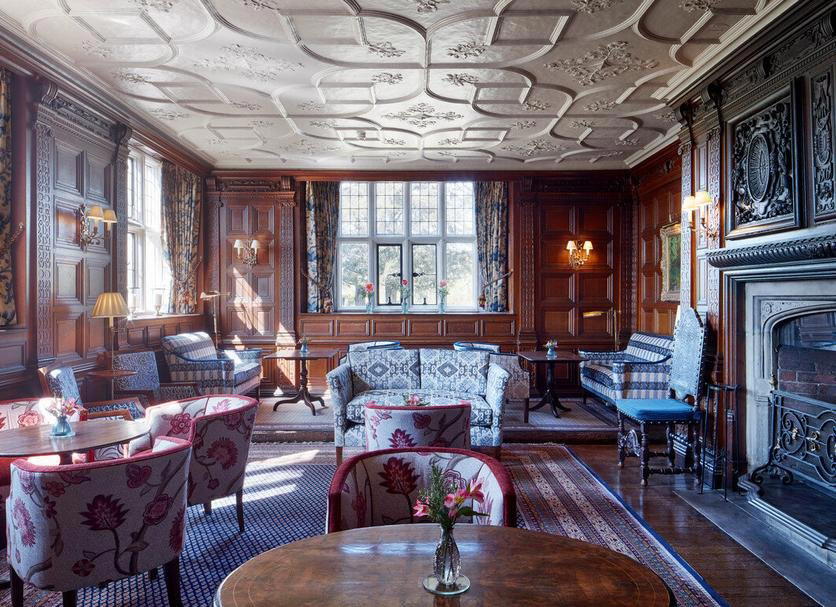
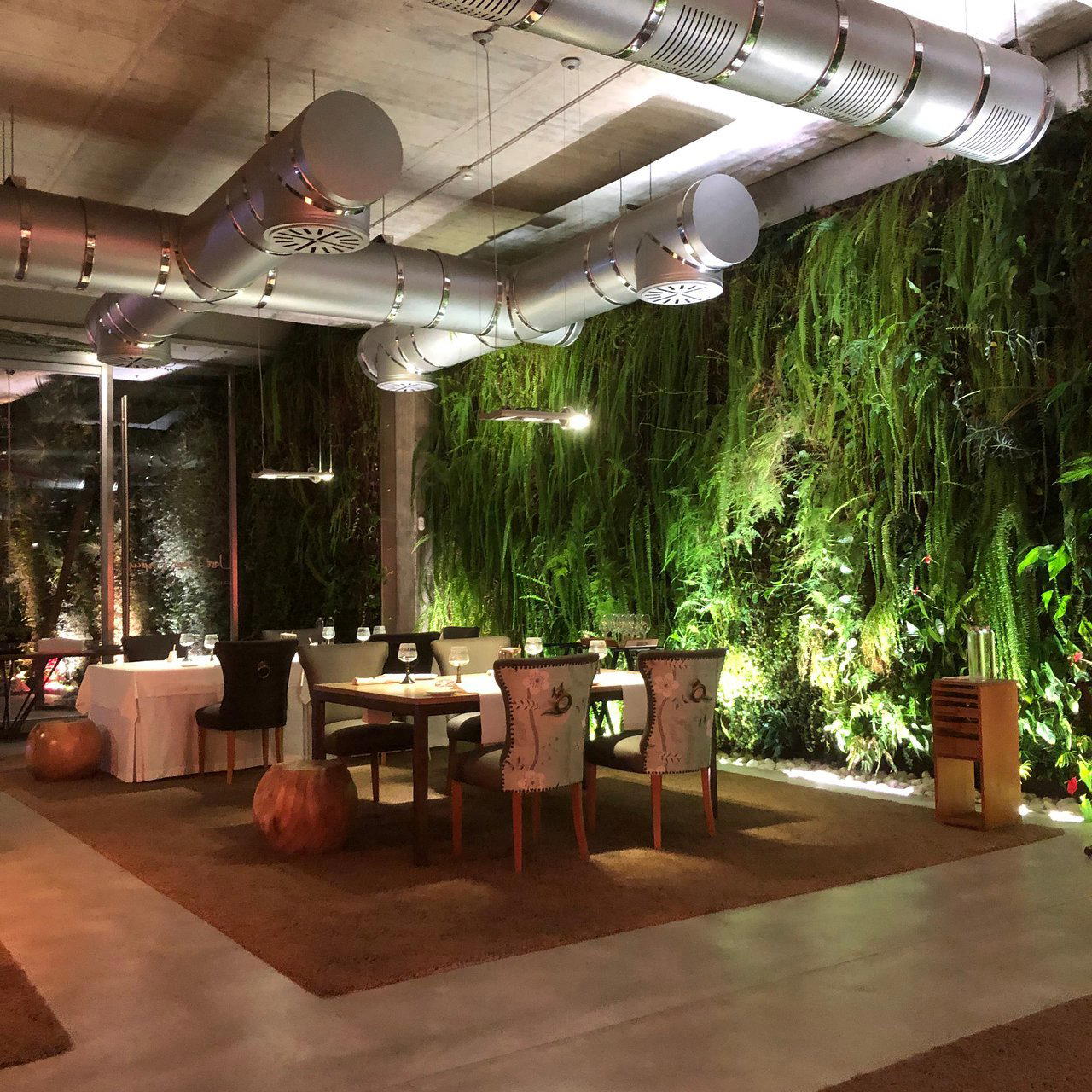
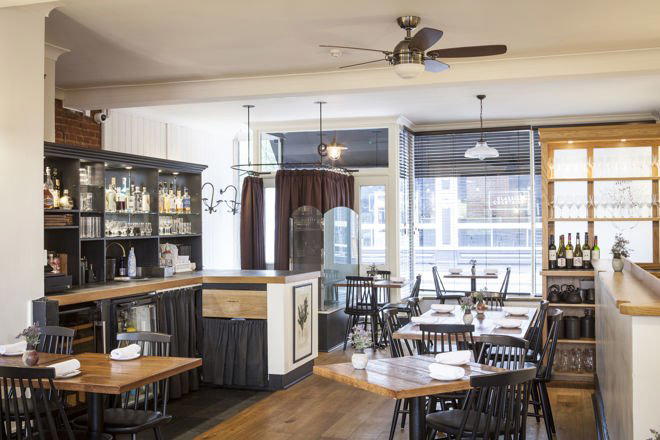
Warm and welcoming atmosphere within a beautifully restored historic townhouse with open-ceiling interior, traditional Japanese architectural elements, and an open kitchen allowing guests to witness culinary preparation.
Tags
Vibe
Best For
Experience
Sourcing
View
Accessibility
At the Table
- Dress Code
- Smart Casual
- Noise Level
- Quiet
- Service Style
- Formal
- Meal Pacing
- Extended Experience
- Capacity
- Intimate
- Kitchen
- Seasonal
- Menu Format
- Tasting menu, Counter dining
- Drinks Focus
- French wines
- Dietary
- Vegetarian friendly, Allergy accommodating
- Private Dining
- Available
Signature Dishes
- French-inspired chawanmushi
- praline millefeuille
- smoked Biwa trout
- white asparagus from Hokkaido
Know before you go
Know Before You Go
- Getting there
- 235-2 Tamauecho, Nakagyo Ward, Kyoto, 604-0005, Japan
Planning details
Hours
- Monday
- Closed
- Tuesday
- 6–10 PM
- Wednesday
- 12–3 PM, 6–10 PM
- Thursday
- 12–3 PM, 6–10 PM
- Friday
- 12–3 PM, 6–10 PM
- Saturday
- 12–3 PM, 6–10 PM
- Sunday
- Closed
Location
235-2 Tamauecho, Nakagyo Ward, Kyoto, 604-0005, Japan · Directions
Recognition and awards
Also consider
Also Consider
- Gion Sasaki: Kaiseki, Japanese, ¥¥¥¥
- cenci: Italian, ¥¥¥
- Ifuki: Kaiseki, ¥¥¥¥
- Kyokaiseki Kichisen: Japanese, ¥¥¥¥
- SEN: French, Japanese, ¥¥¥¥
Restaurant context
MOKO's clearest advantage over Kyoto's ¥¥¥¥ fine dining field is price without a proportional drop in quality. Gion Sasaki and Kyokaiseki Kichisen both operate at ¥¥¥¥ and deliver kaiseki at its most refined, but the format demands familiarity with the progression to get full value from it. For a diner whose reference points are European rather than Japanese, MOKO's French structure is more legible and arguably more rewarding. Ifuki is the strongest argument for kaiseki at ¥¥¥¥ if you want something more traditional, but again, the price premium is real and the format is less immediately accessible.
cenci is the most direct peer at ¥¥¥: Italian technique applied to Japanese ingredients rather than French, and slightly easier to book. If MOKO is full and you are not specifically committed to French cuisine, cenci is a practical alternative that operates in the same spirit. SEN is the French-Japanese comparison at ¥¥¥¥ and brings a different room energy, higher and more theatrical, which suits some diners and not others. For a quiet, composed special occasion dinner, MOKO is the better call. For diners who want French-Japanese cooking at the most ambitious end, SEN's ¥¥¥¥ position reflects a correspondingly higher level of ambition.
On booking difficulty, all five venues are competitive during Kyoto's peak seasons. MOKO and cenci are marginally more achievable than the ¥¥¥¥ kaiseki addresses, which carry longer international waiting lists. If you are planning a trip and want to anchor it around one serious dinner, MOKO at ¥¥¥ with a Michelin star and a 4.9 rating is the most defensible choice for a first visit to Kyoto's fine dining tier: particularly if your group's food culture leans European.
Explore Kyoto
Around this place
Discover more on Pearl
Unlock the full MOKO guide in Pearl, including awards, comparisons, FAQs, planning details, and nearby places.
Compare MOKO
| Venue | Awards | Price |
|---|---|---|
| MOKO | 2026 Michelin 1 StarMichelin Guide Kyoto Osaka 20262024 Michelin 1 Star | ¥¥¥ |
| Gion Sasaki | 2026 Tabelog Bronze · #3862026 OAD Top Restaurants in Japan RecommendedMichelin Guide Kyoto Osaka 20262026 La Liste Top RestaurantsTabelog 100 - Japanese cuisine - WEST - 2025 · #132025 OAD Top Restaurants in Japan Ranked · #2462025 Tabelog Silver2025 Michelin 3 Stars2025 La Liste Top Restaurants | ¥¥¥¥ |
| cenci | 2026 Tabelog Bronze · #442026 Asia's 50 Best Restaurants · #762026 OAD Top Restaurants in Japan Highly RecommendedMichelin Guide Kyoto Osaka 2026Tabelog 100 - Italian - WEST - 2025 · #632025 Asia's 50 Best Restaurants · #632025 OAD Top Restaurants in Japan Ranked · #1682025 Tabelog Bronze2024 OAD Top Restaurants in Japan Ranked · #135 | ¥¥¥ |
| Ifuki | 2026 OAD Top Restaurants in Japan Ranked · #1222026 Tabelog Bronze · #128Michelin Guide Kyoto Osaka 20262026 La Liste Top RestaurantsTabelog 100 - Japanese cuisine - WEST - 2025 · #622025 OAD Top Restaurants in Japan Ranked · #1002025 La Liste Top Restaurants2025 Tabelog Bronze2025 Michelin 2 Stars | ¥¥¥¥ |
| Kyokaiseki Kichisen | 2026 Tabelog Bronze · #1752026 OAD Top Restaurants in Japan Highly RecommendedMichelin Guide Kyoto Osaka 20262025 OAD Top Restaurants in Japan Ranked · #1862025 Michelin 2 Stars2025 La Liste Top Restaurants2024 OAD Top Restaurants in Japan Ranked · #1422024 Michelin 2 Stars2023 OAD Top Restaurants in Japan Ranked · #136 | ¥¥¥¥ |
| SEN | 2026 Tabelog Bronze · #3952026 OAD Top Restaurants in Japan RecommendedMichelin Guide Kyoto Osaka 20262026 Michelin PlateTabelog 100 - Japanese cuisine - WEST - 2025 · #652025 Michelin Plate2025 Tabelog Bronze2024 OAD Top Restaurants in Japan Ranked · #3622024 Michelin Plate | ¥¥¥¥ |







.png?width=1200&quality=80)
How MOKO stacks up against the competition.
FAQ
Frequently Asked Questions
What are alternatives to MOKO in Kyoto?
Gion Sasaki is the comparison point if you want Japanese kaiseki at a similar price tier rather than French technique applied to local ingredients. cenci offers a comparable French-influenced approach with slightly different sourcing priorities. Kyokaiseki Kichisen sits a tier above in both price and formality. MOKO is the clearest choice if you specifically want French cuisine expressed through Kyoto and Ohara produce inside a converted machiya setting.
Is MOKO good for a special occasion?
Yes, it earns the booking for a special occasion. The Michelin star (2024), the converted merchant's house setting in Nakagyo Ward, and the ¥¥¥ price point place it at a level that signals occasion without requiring ¥¥¥¥ commitment. It works better for a dinner of two than a large group, given the small room size.
Can MOKO accommodate groups?
Large groups are unlikely to be straightforward here. MOKO operates inside a converted historic merchant's house in Nakagyo Ward, which structurally limits capacity. A dinner of two to four is the format this venue suits. For larger Kyoto groups needing fine dining, Kyokaiseki Kichisen or SEN may offer more flexibility.
Is the tasting menu worth it at MOKO?
At ¥¥¥ pricing and with a 2024 Michelin star, MOKO delivers French technique with Ohara vegetables and aged fish and meat: a combination that justifies the spend if that format appeals to you. If you want pure kaiseki or prefer à la carte flexibility, look at cenci or Ifuki instead. The tasting menu format here is the point, not a constraint.
How far ahead should I book MOKO?
Book at least four to six weeks out. A Michelin star, a small converted machiya in Kyoto, and a kitchen shaped around one chef's philosophy means covers are limited and demand is consistent. Leaving this to the week before your trip is a reliable way to miss it.