
Kyoryori Fujimoto
Japanese · Nakagyō, Kyoto
Restaurant in Kyoto, Japan
 Book with Pearl
The Read
Market-Root Kyoryori
Price
¥¥¥
Dress
Smart Casual
Why go
A Michelin-starred (2024) vegetable-forward Japanese restaurant in Nakagyo Ward, Kyoto, Kyoryori Fujimoto earns its place on a special occasion shortlist through genuine produce sourcing depth rather than ceremony. At ¥¥¥, it sits a tier below Kyoto's grand kaiseki institutions and delivers a more distinctive, seasonally rooted experience. Book well in advance — availability is limited and the booking process is not straightforward for international visitors.
About Kyoryori Fujimoto
Verdict: Book If You Can Get In
Kyoryori Fujimoto holds a Michelin star (2024) and seats a small room in Nakagyo Ward, Kyoto. Availability is tight and the booking process is not direct for international visitors without Japanese-language support. If you can secure a table, this is one of Kyoto's stronger cases for vegetable-forward kaiseki at the ¥¥¥ price point, a tier below the city's grand kaiseki institutions. For a special occasion dinner where produce quality matters as much as ceremony, it warrants serious consideration.
What Kyoryori Fujimoto Delivers
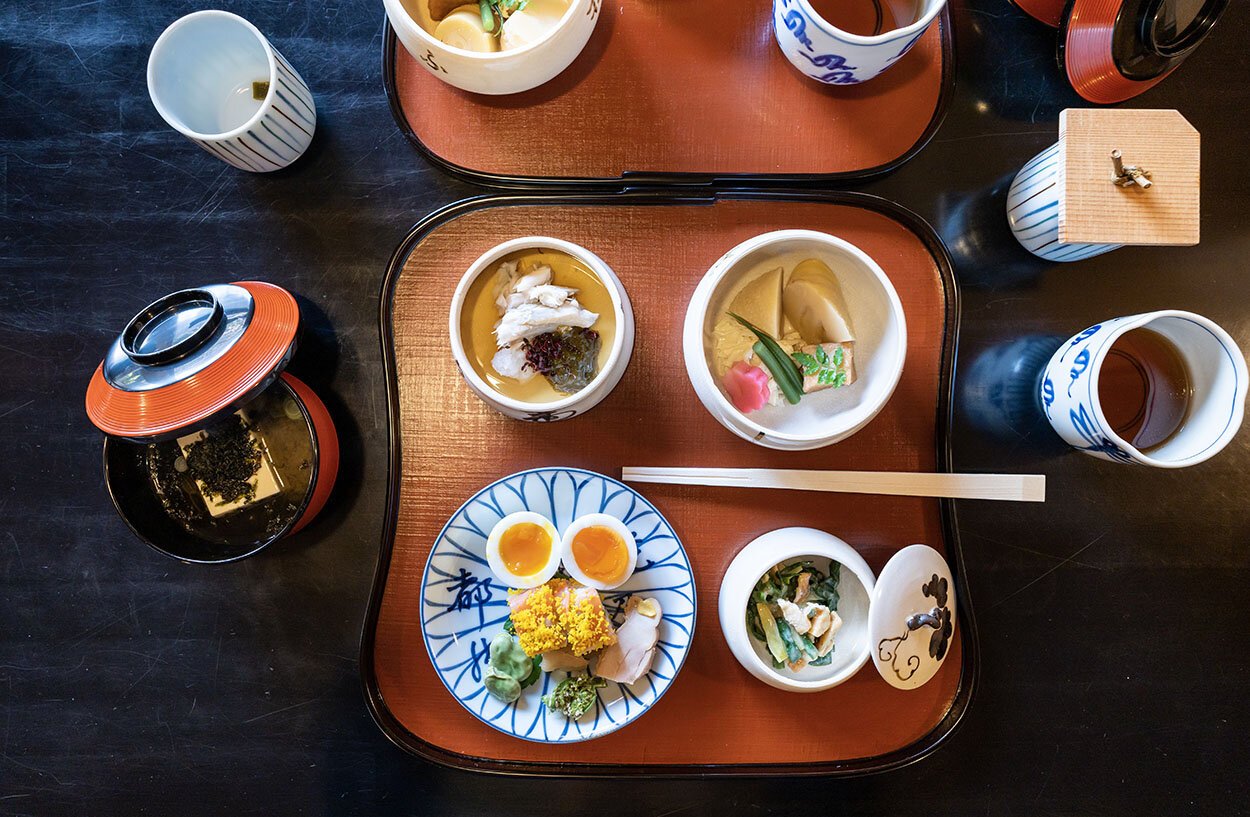
The cooking here is grounded in a direct relationship with produce. The chef grew up in a family of vegetable wholesalers and trained under a mentor who brought apprentices to market to learn how to read ingredients, build trust with wholesalers, and understand what seasonal actually means in practice. That background shows up on the plate: the menu leans heavily on vegetables, and the sourcing reflects a level of supplier relationship that most restaurants cannot replicate simply by intention.
This is not the kind of kaiseki that leads with dashi theatre or aged wagyu. The point of differentiation is produce intelligence and seasonal specificity. If you are booking a special occasion dinner in Kyoto and want something that feels rooted in the city's agricultural identity rather than its ceremonial kaiseki tradition, Fujimoto is a more distinctive choice than most ¥¥¥¥ rooms where the format is more predictable.
The Room and the Experience
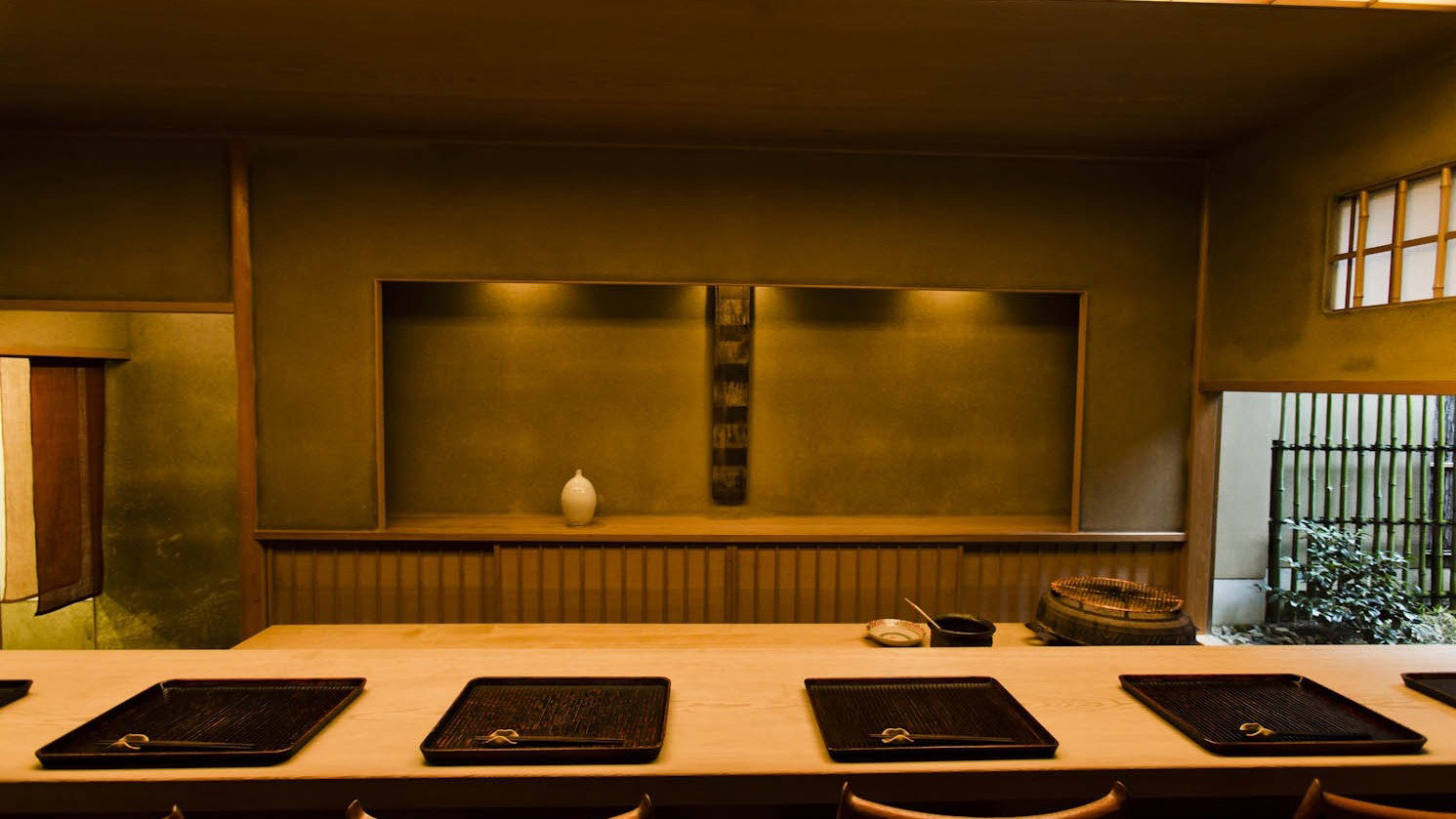
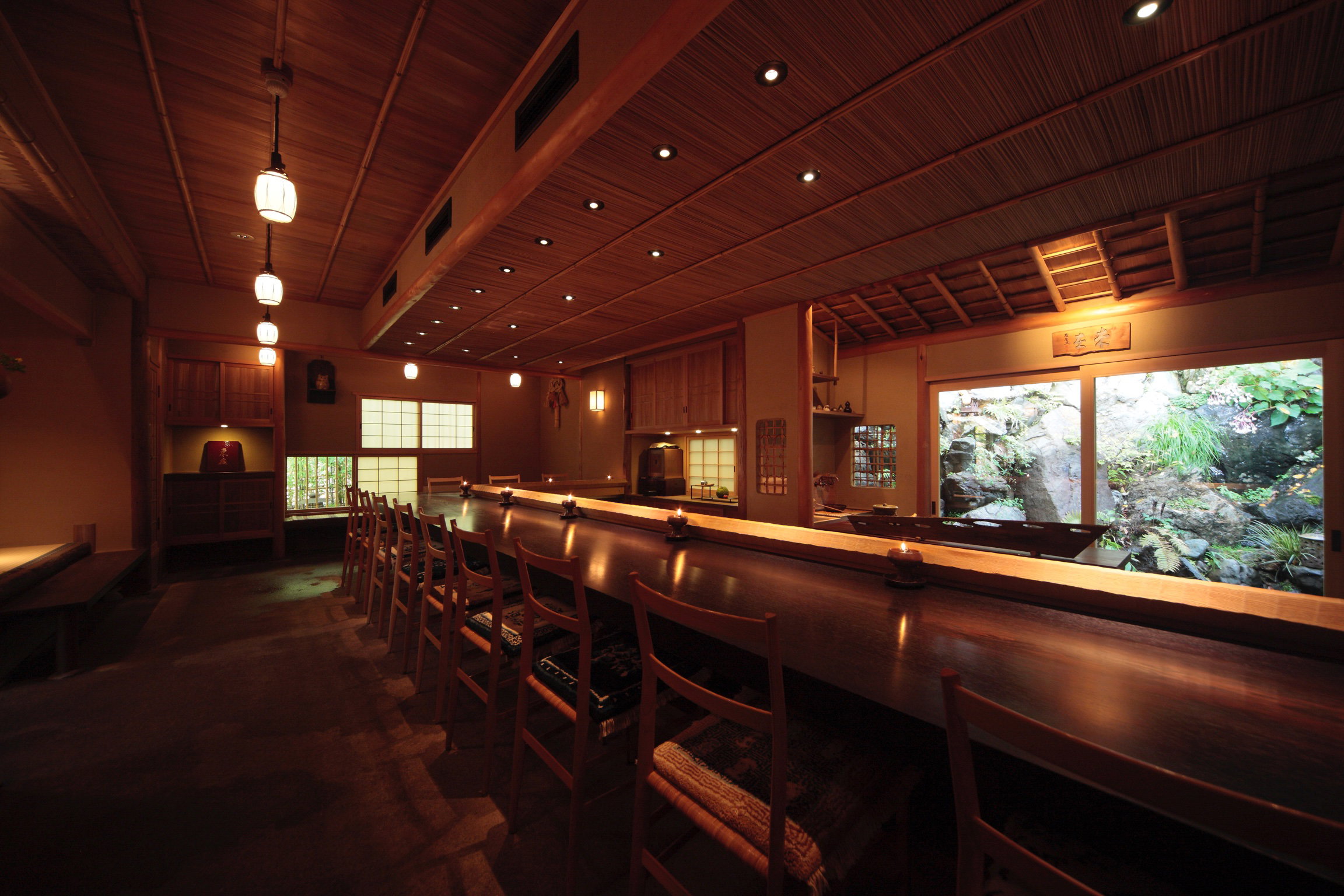
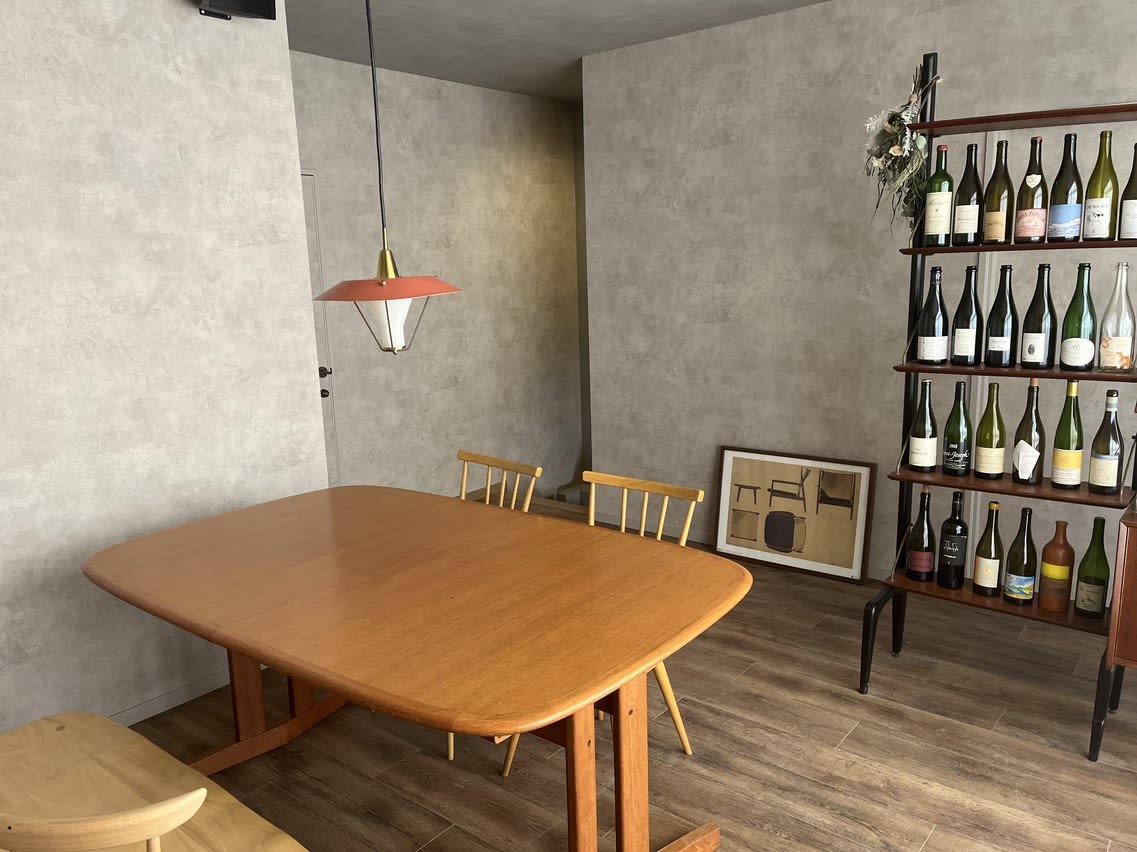
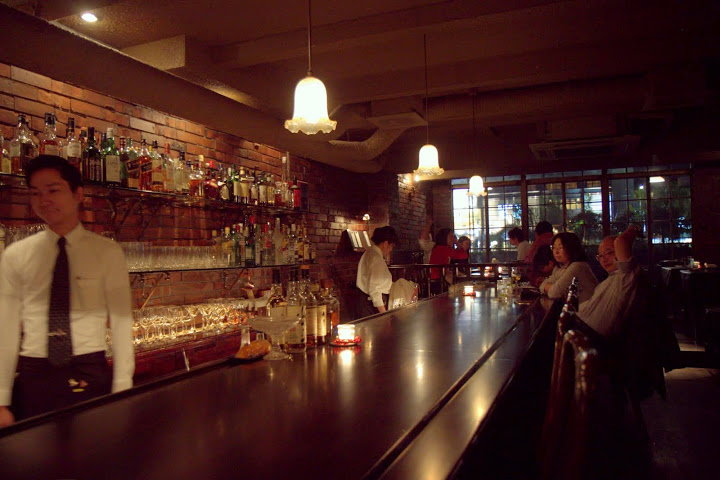
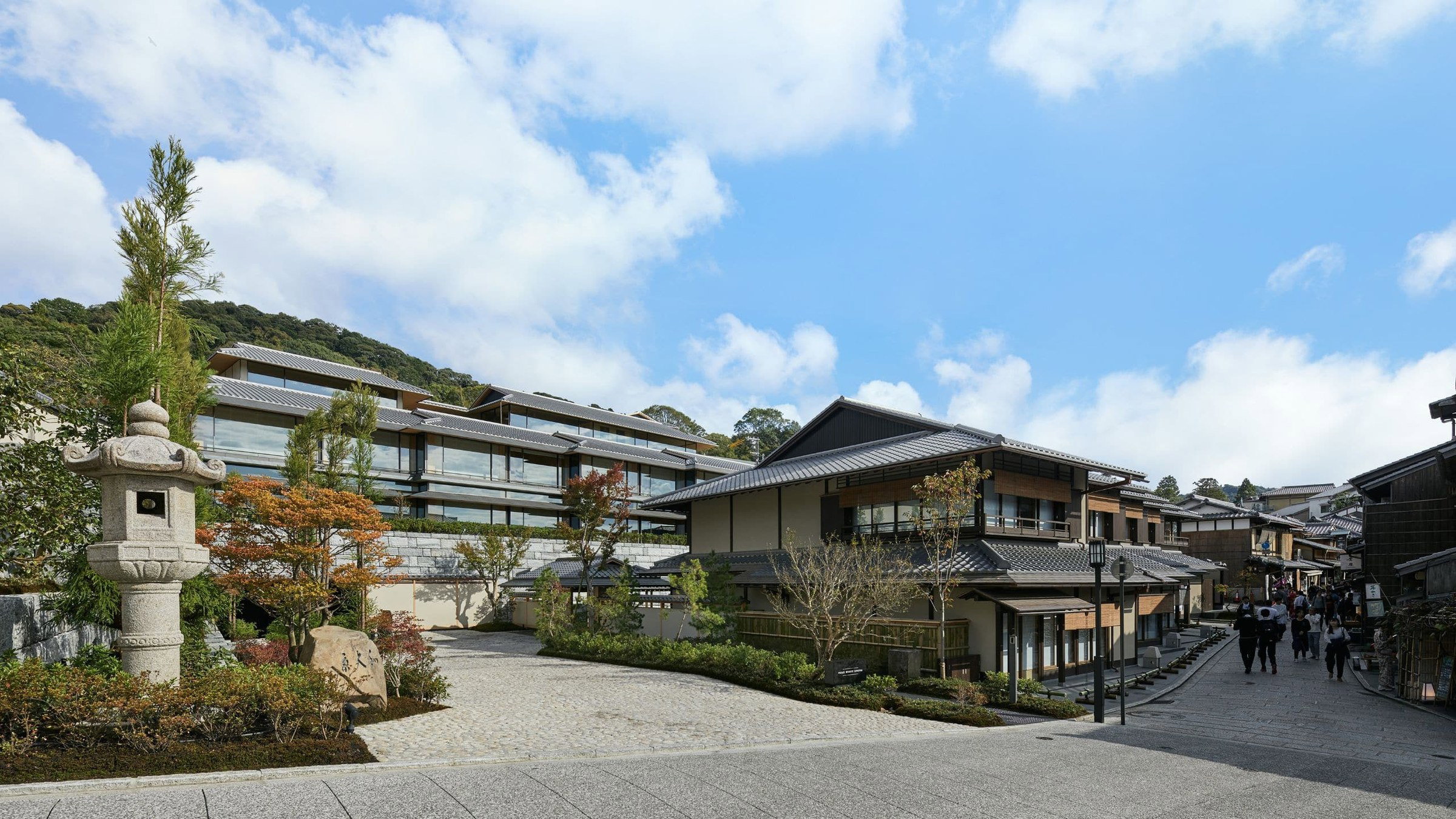
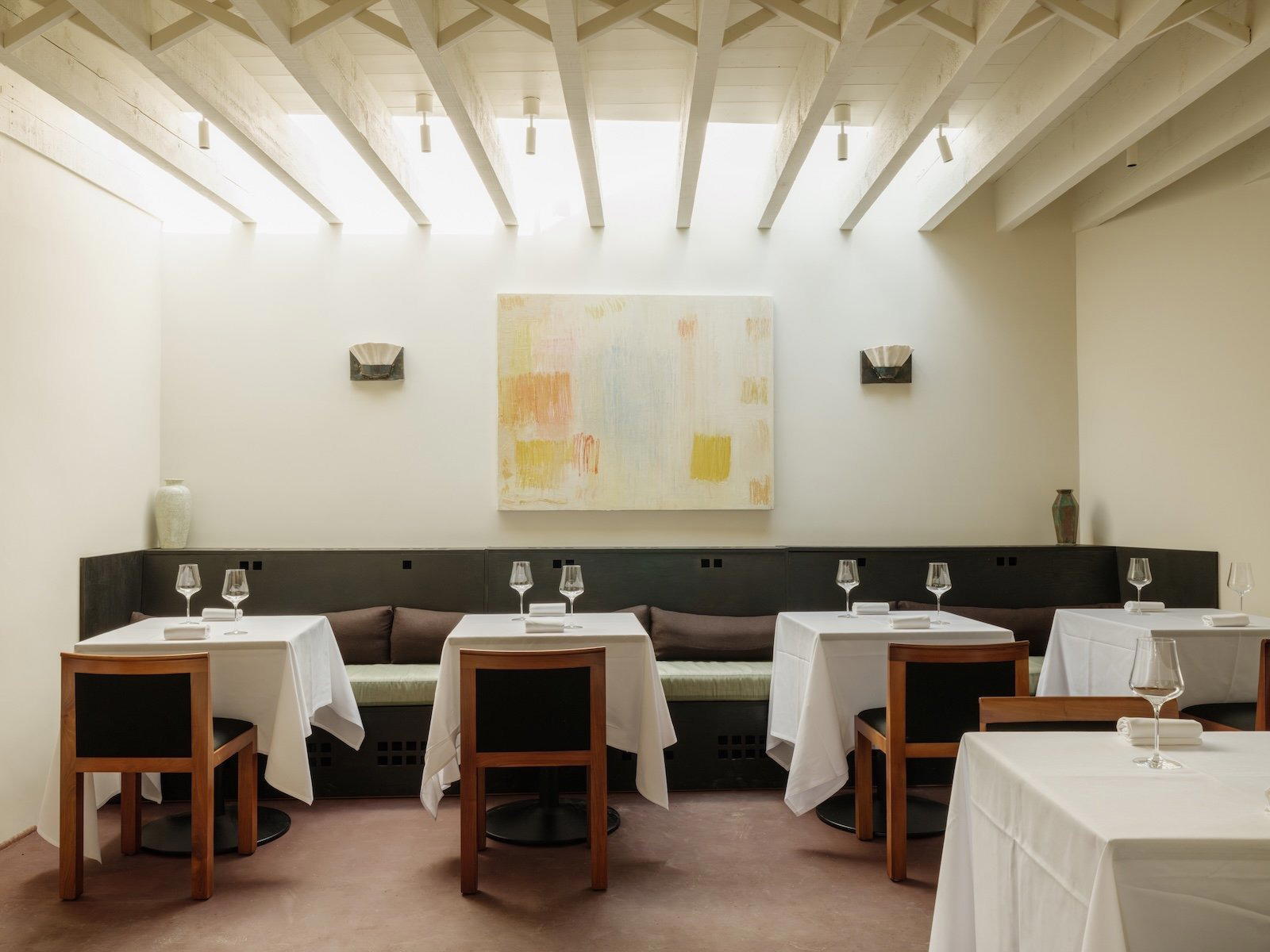
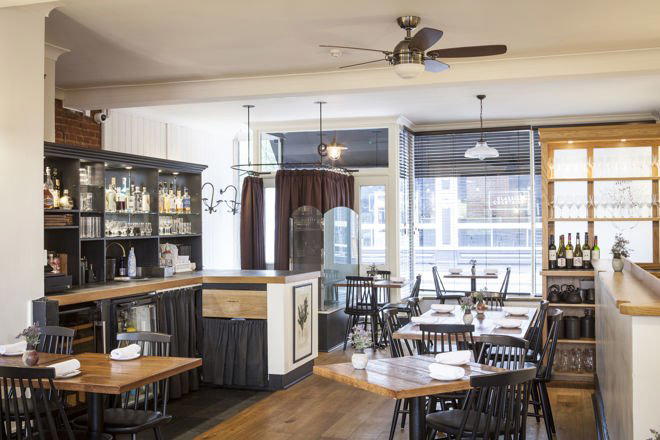
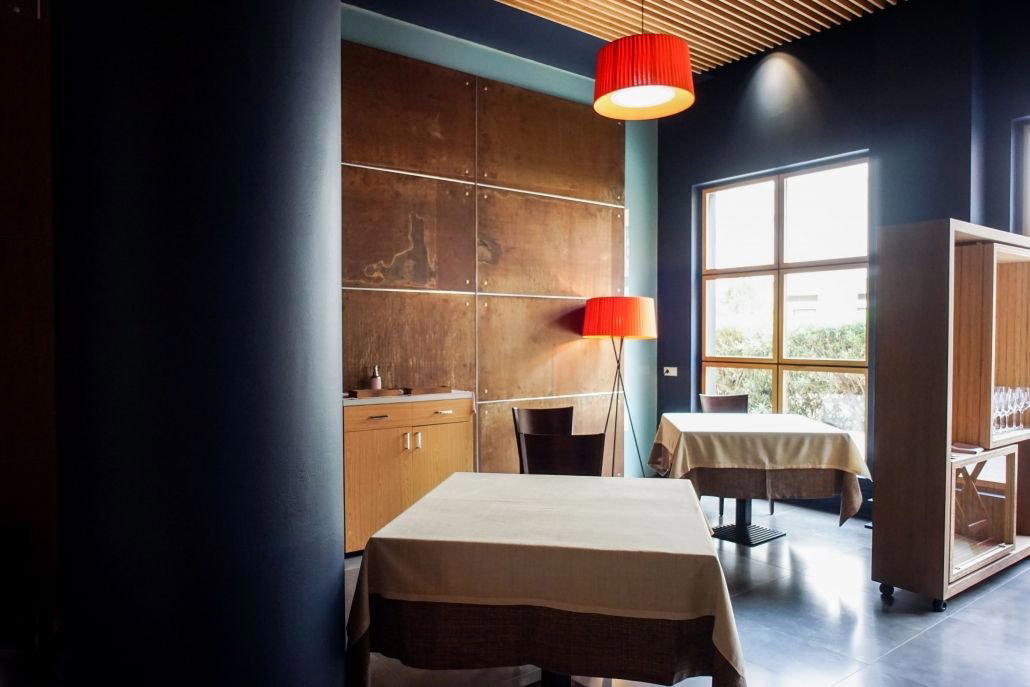
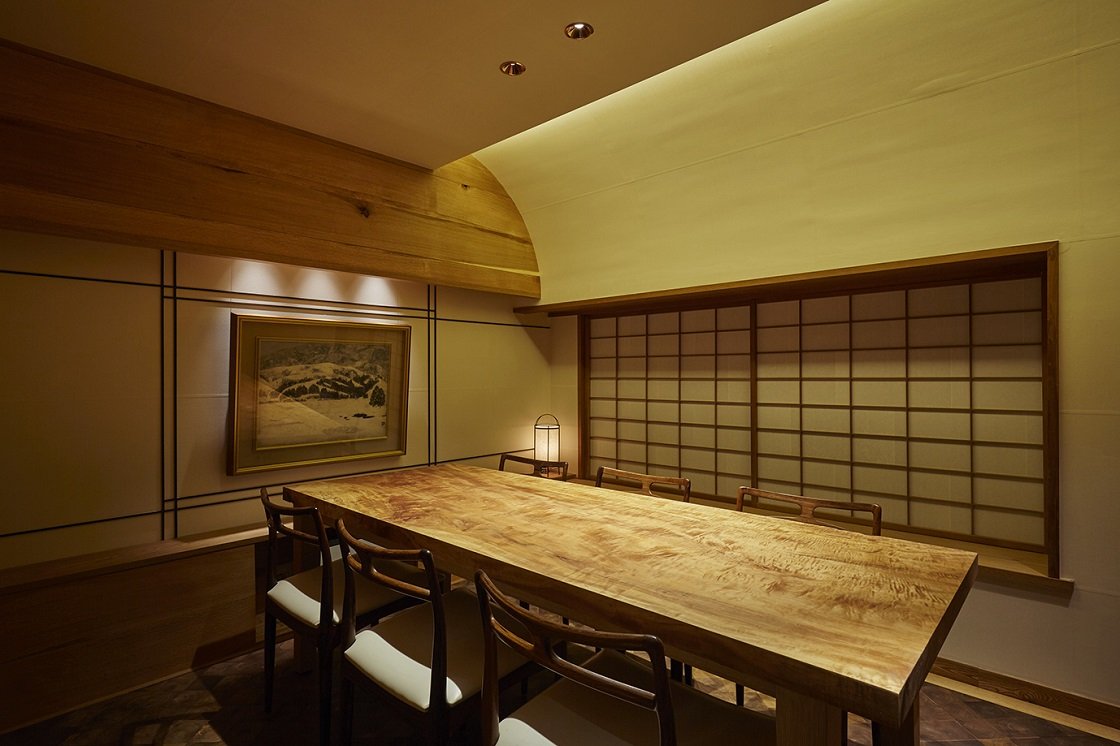
The restaurant occupies the ground floor of a building in Shinmeicho, Nakagyo Ward. Seat count is not confirmed in available data, but the address and format suggest an intimate room rather than a large dining hall. For a special occasion, that scale works in your favour: the atmosphere is close and the service attention-to-table ratio is likely high. This is not a venue where you will feel processed through a dining format. The physical space positions it well for dates, milestone dinners, and small group celebrations where the conversation matters as much as the food.
Private or group dining arrangements are not confirmed in available data, so if you are planning a gathering of four or more and want dedicated space, contact the restaurant directly before assuming that option exists. What the room does offer, based on its neighbourhood and format, is the kind of quiet that Kyoto's older dining quarters preserve well. Nakagyo Ward sits away from the more trafficked tourist corridors, and an evening here will feel less performative than dining in some of Gion's more visible addresses.
Timing and Booking
Book as far in advance as possible. This is a Michelin-starred room with limited seats and no confirmed online booking platform in the available data. International visitors should plan on reaching out well ahead of their travel dates and may need local assistance or hotel concierge support to make the reservation. Walking in without a booking is not a realistic option.
Timing within the year matters at a restaurant built around seasonal produce. Kyoto's distinct seasons, particularly the autumn harvest period and the transition into spring, tend to produce the most expressive vegetable-led menus across the city's produce-focused kitchens. If you have flexibility in your travel dates, those windows are worth targeting. Summer brings its own range of Kyoto-specific ingredients, but the autumn menus at vegetable-forward restaurants in this city are consistently the most layered.
For a special occasion dinner, an earlier seating is advisable if the option exists, both for the quality of service attention and to allow time afterward in Nakagyo Ward, which has good bar options within walking distance. Check our full Kyoto bars guide for post-dinner options.
Price and Value
At ¥¥¥, Fujimoto sits a tier below Kyoto's most formal kaiseki institutions. For context, Kyokaiseki Kichisen and Kikunoi Roan operate at higher price points with more established ceremonial formats. Fujimoto's pricing makes it accessible to diners who want Michelin-level produce-focused cooking without committing to the full financial weight of Kyoto's top-tier kaiseki. That said, ¥¥¥ in Kyoto's dining context is still a meaningful spend, and this should be treated as a considered booking rather than a casual dinner.
Compared to other Michelin-recognised options in the city, the value case here rests on specificity: the vegetable sourcing philosophy is a genuine point of difference, not a positioning statement. For diners who have already done the grand kaiseki circuit at venues like Isshisoden Nakamura or Gion Matayoshi, Fujimoto offers a different register entirely.
Pearl Ratings
- 4.4 / 5 (101 reviews)
- Awards: Michelin 1 Star (2024)
Practical Details
| Detail | Kyoryori Fujimoto | Kikunoi Roan | Kodaiji Jugyuan |
|---|---|---|---|
| Price tier | ¥¥¥ | ¥¥¥ | ¥¥¥ |
| Michelin recognition | 1 Star (2024) | 1 Star | Listed |
| Cuisine focus | Vegetable-forward Japanese | Kaiseki | Kyoto cuisine |
| Booking difficulty | Hard | Moderate-Hard | Moderate |
| Leading for | Special occasion, produce focus | Classic kaiseki | Accessible Kyoto dining |
For broader planning, see our full Kyoto restaurants guide, our full Kyoto hotels guide, and our full Kyoto experiences guide.
If You Are Travelling Beyond Kyoto
Kyoto sits within easy reach of strong dining options across the Kansai region and further afield. HAJIME in Osaka and akordu in Nara are both worth considering as part of a wider Japan itinerary. For Japanese cooking with a different sensory emphasis, Myojaku in Tokyo and Azabu Kadowaki in Tokyo represent the Tokyo counterpart to what Fujimoto is doing in Kyoto. Further afield, Goh in Fukuoka and Harutaka in Tokyo round out a strong multi-city Japan dining plan. See also 1000 in Yokohama and 6 in Okinawa for more options across the country.
Planning details
- Location
- Japan, 〒604-8207 Kyoto, Nakagyo Ward, Shinmeicho, 72 エリタージュ新町 1階
- Website
- hitosara.com/0010001099/?cid=gm_hp
- Phone
- +81 75-211-9105
The take
The Take
The Vibe
Kyoryori Fujimoto presents a restrained, sophisticated presence in Nakagyo, favouring understatement over spectacle. The dining room registers as intimate and quietly refined: it occupies the ground floor of the Éritage Shinmachi building and deliberately does not announce itself. The kitchen’s approach reflects Kyoto’s domestic kyoryori tradition—seasonal, technically assured and often vegetable-forward—so the overall mood is thoughtful rather than showy. A Michelin star confirms the kitchen’s coherent point of view, but the experience feels rooted in local market relationships and repeat patronage rather than theatrical formality.
Best For
This is a venue best suited to intimate evenings and special occasions where attentive, ingredient-led cooking is the focus. The Michelin recognition and ¥¥¥ price point place Fujimoto within Kyoto’s fine-dining ecosystem, but its kyoryori orientation—less rigid than formal kaiseki—makes for a slightly more relaxed, ingredient-forward tasting experience. Counter seating and a compact footprint reward diners who appreciate close engagement with the chef and the pacing of a market-driven sequence, making it an attractive choice for couples or small groups seeking a quietly memorable dinner.
Ordering Tips
Expect a market-driven, seasonal sequence that privileges vegetables alongside other regional ingredients; kyoryori intentionally offers more flexibility than a strict kaiseki progression. Allow the kitchen to set the pacing and follow the chef’s selections rather than insisting on rigid substitutions—the menu logic centres on what the chef sources and the relationships he maintains at market. At the ¥¥¥ price point the meal sits below Kyoto’s very top-tier starred houses, but the Michelin star signals a coherent culinary point of view, so prioritise tasting-style items that showcase seasonal produce and technique.
Venue details
Ambiance
Serene traditional atmosphere with tatami seating and counter, emphasizing cultural authenticity and tranquility.
Tags
Vibe
Best For
Sourcing
At the Table
- Dress Code
- Smart Casual
- Noise Level
- Quiet
- Service Style
- Formal
- Meal Pacing
- Leisurely
- Capacity
- Intimate
Know before you go
Know Before You Go
- Getting there
- Japan, 〒604-8207 Kyoto, Nakagyo Ward, Shinmeicho, 72 エリタージュ新町 1階
Planning details
Location
Japan, 〒604-8207 Kyoto, Nakagyo Ward, Shinmeicho, 72 エリタージュ新町 1階 · Directions
Recognition and awards
Also consider
Also Consider
- Gion Sasaki, Kaiseki, Japanese, ¥¥¥¥
- cenci, Italian, ¥¥¥
- Ifuki, Kaiseki, ¥¥¥¥
- Kyokaiseki Kichisen, Japanese, ¥¥¥¥
- SEN, French, Japanese, ¥¥¥¥
Restaurant context
Against Kyoto's ¥¥¥¥ kaiseki rooms, Fujimoto's ¥¥¥ pricing is a meaningful differentiator. Gion Sasaki and Kyokaiseki Kichisen operate at higher price points with more elaborate ceremonial kaiseki formats. If the classic multi-course kaiseki experience with lacquerware and full formal service is your goal, those rooms deliver it more completely. Fujimoto is the better choice if you want Michelin-level cooking with a tighter, more produce-specific philosophy and a less formal room.
Ifuki and SEN both operate at ¥¥¥¥ and offer different registers: Ifuki for traditional kaiseki rigour, SEN for French-Japanese crossover. Neither has Fujimoto's specific vegetable-sourcing identity. For diners choosing between them, the question is format: if you want the most expansive and ceremonially complete experience, go ¥¥¥¥. If the cooking itself matters more than the ceremony and budget is a factor, Fujimoto makes a stronger case at its price tier.
cenci at ¥¥¥ is the most direct price-tier comparison, though the cuisine is Italian rather than Japanese. For an international visitor choosing between a Michelin-starred Italian and a Michelin-starred Japanese experience in Kyoto, the decision comes down to what you want from the city. Fujimoto is the more specifically Kyoto choice, rooted in local produce relationships and Japanese cooking tradition. cenci is the option if you want a break from Japanese formats mid-trip. Booking difficulty at Fujimoto is higher than at cenci given the limited seats and the language barrier for international reservations.
Explore Kyoto
Around this place
Discover more on Pearl
Unlock the full Kyoryori Fujimoto guide in Pearl, including awards, comparisons, FAQs, planning details, and nearby places.
Compare Kyoryori Fujimoto
| Venue | Price | Awards |
|---|---|---|
| Kyoryori Fujimoto | ¥¥¥ | 2026 Michelin 1 Star2024 Michelin 1 Star |
| Gion Sasaki | ¥¥¥¥ | 2026 Tabelog Bronze · #3862026 OAD Top Restaurants in Japan RecommendedMichelin Guide Kyoto Osaka 20262026 La Liste Top RestaurantsTabelog 100 - Japanese cuisine - WEST - 2025 · #132025 OAD Top Restaurants in Japan Ranked · #2462025 Tabelog Silver2025 Michelin 3 Stars2025 La Liste Top Restaurants |
| cenci | ¥¥¥ | 2026 Tabelog Bronze · #442026 Asia's 50 Best Restaurants · #762026 OAD Top Restaurants in Japan Highly RecommendedMichelin Guide Kyoto Osaka 2026Tabelog 100 - Italian - WEST - 2025 · #632025 Asia's 50 Best Restaurants · #632025 OAD Top Restaurants in Japan Ranked · #1682025 Tabelog Bronze2024 OAD Top Restaurants in Japan Ranked · #135 |
| Ifuki | ¥¥¥¥ | 2026 OAD Top Restaurants in Japan Ranked · #1222026 Tabelog Bronze · #128Michelin Guide Kyoto Osaka 20262026 La Liste Top RestaurantsTabelog 100 - Japanese cuisine - WEST - 2025 · #622025 OAD Top Restaurants in Japan Ranked · #1002025 La Liste Top Restaurants2025 Tabelog Bronze2025 Michelin 2 Stars |
| Kyokaiseki Kichisen | ¥¥¥¥ | 2026 Tabelog Bronze · #1752026 OAD Top Restaurants in Japan Highly RecommendedMichelin Guide Kyoto Osaka 20262025 OAD Top Restaurants in Japan Ranked · #1862025 Michelin 2 Stars2025 La Liste Top Restaurants2024 OAD Top Restaurants in Japan Ranked · #1422024 Michelin 2 Stars2023 OAD Top Restaurants in Japan Ranked · #136 |
| SEN | ¥¥¥¥ | 2026 Tabelog Bronze · #3952026 OAD Top Restaurants in Japan RecommendedMichelin Guide Kyoto Osaka 20262026 Michelin PlateTabelog 100 - Japanese cuisine - WEST - 2025 · #652025 Michelin Plate2025 Tabelog Bronze2024 OAD Top Restaurants in Japan Ranked · #3622024 Michelin Plate |







.png?width=1200&quality=80)
How Kyoryori Fujimoto stacks up against the competition.
FAQ
Frequently Asked Questions
Is Kyoryori Fujimoto good for solo dining?
For a solo diner, a Michelin-starred counter or small room in Kyoto's Nakagyo Ward is often a better experience than a table for one at a larger kaiseki institution — you tend to get closer to the kitchen rhythm. Fujimoto's intimate format, suggested by its Shinmeicho address and the personal cooking philosophy behind it, suits solo visitors who want to eat seriously without the formality of somewhere like Kyokaiseki Kichisen. Confirm seat configuration directly when booking, as counter availability for singles is not documented in available data.
What should I order at Kyoryori Fujimoto?
At a ¥¥¥ Michelin-starred Japanese restaurant of this type, the format is almost certainly a set menu rather than à la carte, so ordering is not a decision you will need to make. The cooking is defined by seasonal vegetables sourced through relationships the chef built from childhood and refined under his mentor — so the menu shifts with the season and you should expect the kitchen to lead. Arrive with no expectations about specific dishes and let the produce determine the meal.
What is Kyoryori Fujimoto known for?
Kyoryori Fujimoto is primarily known for Japanese in Kyoto.