
Kako Okamoto
Japanese · Higashiyama, Kyoto
Restaurant in Kyoto, Japan
 Book with Pearl
The Read
Citrus-Layered Kappo Lineage
Price
¥¥¥
Dress
Smart Casual
Why go
Kako Okamoto is a Michelin-starred kappo counter in Kyoto's Higashiyama Ward, known for its baked sesame tofu and a layered, citrus-brightened menu that reflects the chef's unusually wide culinary frame of reference. At ¥¥¥ it sits below the top kaiseki tier in price while delivering a genuine starred counter experience. Book well in advance; this is not a walk-in venue.
About Kako Okamoto
Verdict
Kako Okamoto earns its Michelin star by doing something specific well: kappo cooking that draws on an unusually wide frame of reference, pairing the precision of Japanese technique with ingredient combinations shaped by the chef's time at Poland's ambassadorial residence. If you want a Kyoto meal that feels both grounded in tradition and quietly unexpected, this is worth the booking difficulty. If you want full kaiseki ceremony with lacquerware processions, look at Kyokaiseki Kichisen or Kikunoi Roan instead.
About Kako Okamoto
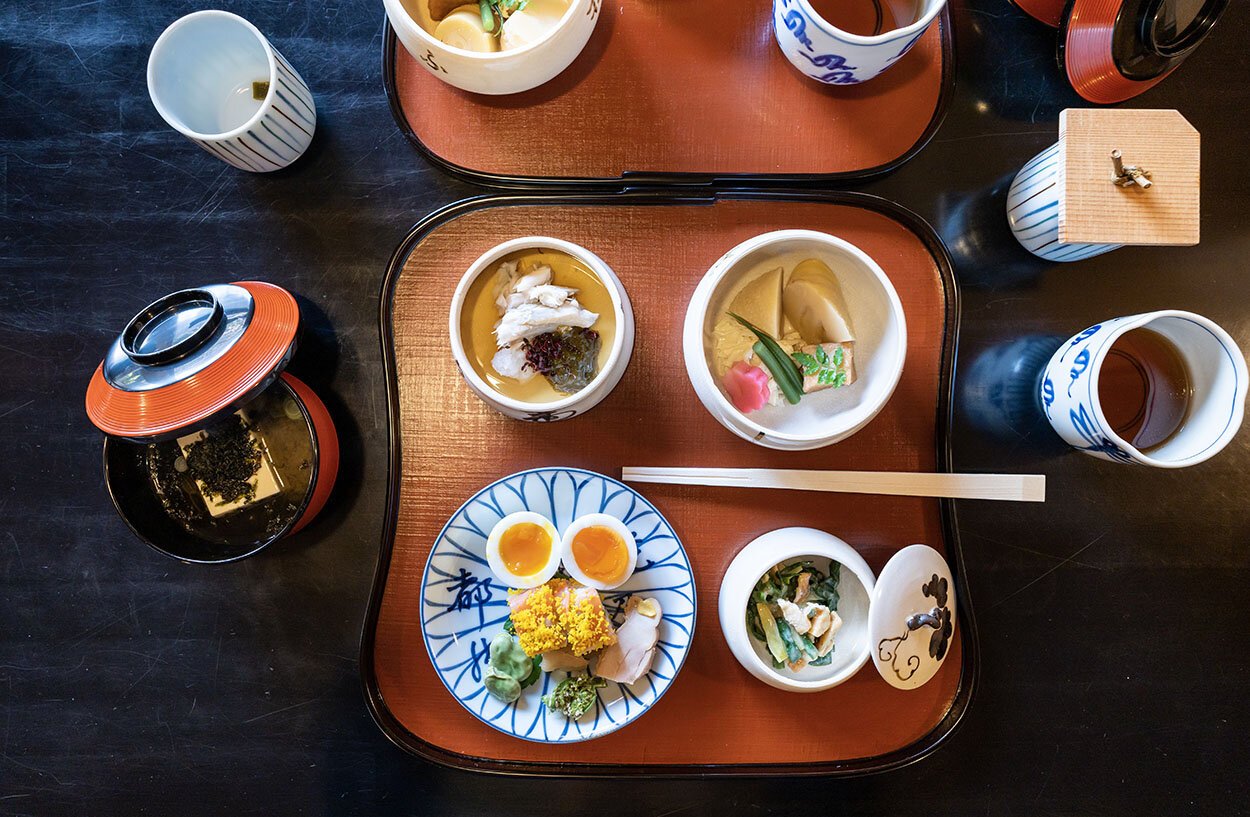
Picture a plate of baked sesame tofu arriving at the counter: pale, firm at the edges, with a faint warmth still coming off it. The rice alongside it has just left the pot. That combination; the restaurant's most talked-about dish; tells you what Kako Okamoto is about. Freshness timed to the moment, flavour built in layers rather than announced on arrival.
Kako Okamoto is the original establishment in the Miyazawa chain of kappo restaurants. Kappo, for context, sits between the formality of kaiseki and the informality of izakaya dining: you eat at a counter, the chef works in front of you, the menu is shaped by what arrived that morning and what the cook decides to do with it. It is an inherently seasonal format, at Kako Okamoto that seasonality runs through every dish. Right now, as the calendar moves through its current season, expect citrus and tart fruit accents to appear across the menu, brightening heavier preparations without overwhelming them.
The chef's time at the Polish ambassador's residence in Kyoto is not a biographical footnote, it shows up in how dishes are layered. Japanese cooking tends to isolate flavour; here, ingredients are stacked, brightness added not just through dashi but through citrus, fruit reductions, acidic counterpoints that feel more continental in logic even when the components are Japanese. The result is a menu that surprises without being confused about its identity.
Soba dishes are also part of the repertoire, built around seasonal ingredients. At a restaurant where the rice is timed to arrive at the table freshest after cooking, the soba carries the same philosophy: timing and sourcing as technique in themselves.
Lunch vs Dinner: How the Two Experiences Compare
The Miyazawa kappo format tends to work better at lunch than many Kyoto restaurants of comparable standing. Kappo counters in Japan often run abbreviated lunch services at more accessible price points than dinner, Kako Okamoto's ¥¥¥ pricing positions it below the ¥¥¥¥ tier of Gion Matayoshi and Isshisoden Nakamura at any time of day. If you are planning a Kyoto itinerary and trying to allocate spend sensibly, a lunch booking here can give you the Michelin-starred kappo experience while preserving budget for a more elaborate evening elsewhere.
Dinner at Kako Okamoto is the fuller expression of the kitchen. The layered, multi-ingredient approach described in the menu philosophy takes more time to develop across an evening service, the counter dynamic at kappo restaurants is more engaged when the kitchen is not running against a lunch turnaround. For a special occasion or a first visit, dinner gives the chef more room. For a solo traveller or a couple building a multi-restaurant day through Higashiyama, lunch is the sharper value proposition.
The address in Higashiyama Ward is worth noting for logistics. The neighbourhood draws heavy daytime foot traffic from temple visitors, which means the walk from any of the major Higashiyama sights is short, but the area quietens noticeably by evening. A dinner booking here puts you in a calmer version of the same streets, which suits the counter-dining format well.
Know Before You Go
Practical Details
- Cuisine: Japanese (Kappo)
- Price range: ¥¥¥
- Address: 470-4 Tokiwacho, Higashiyama Ward, Kyoto, 605-0874
- Awards: Michelin 1 Star (2024)
- Booking difficulty: Hard, advance reservations required; this is not a walk-in venue
- Leading for: Counter dining, seasonal Japanese cooking, food-focused travellers
- Group suitability: Leading for 2; larger groups should confirm availability when booking
How It Compares
See the full comparison below. For the wider picture on eating in Kyoto, visit our full Kyoto restaurants guide. For where to stay, see our Kyoto hotels guide. For bars and drinks, our Kyoto bars guide covers the options. You can also explore Kyoto wineries and Kyoto experiences.
Further Afield
If you are travelling through the Kansai region and want to benchmark what a single Michelin star kappo represents against other Japanese cooking formats, HAJIME in Osaka offers a very different register at the top of the price range. For counter-focused Japanese dining in Tokyo, Myojaku and Azabu Kadowaki are worth comparing against. Harutaka in Tokyo represents the premium end of counter omakase if you are calibrating expectations. Further out, akordu in Nara, Goh in Fukuoka, 1000 in Yokohama, and 6 in Okinawa each show what a single star means in different regional contexts across Japan.
Planning details
- Location
- 470-4 Tokiwacho, Higashiyama Ward, Kyoto, 605-0874, Japan
- Phone
- +81 75-551-1055
The take
The Take
The Vibe
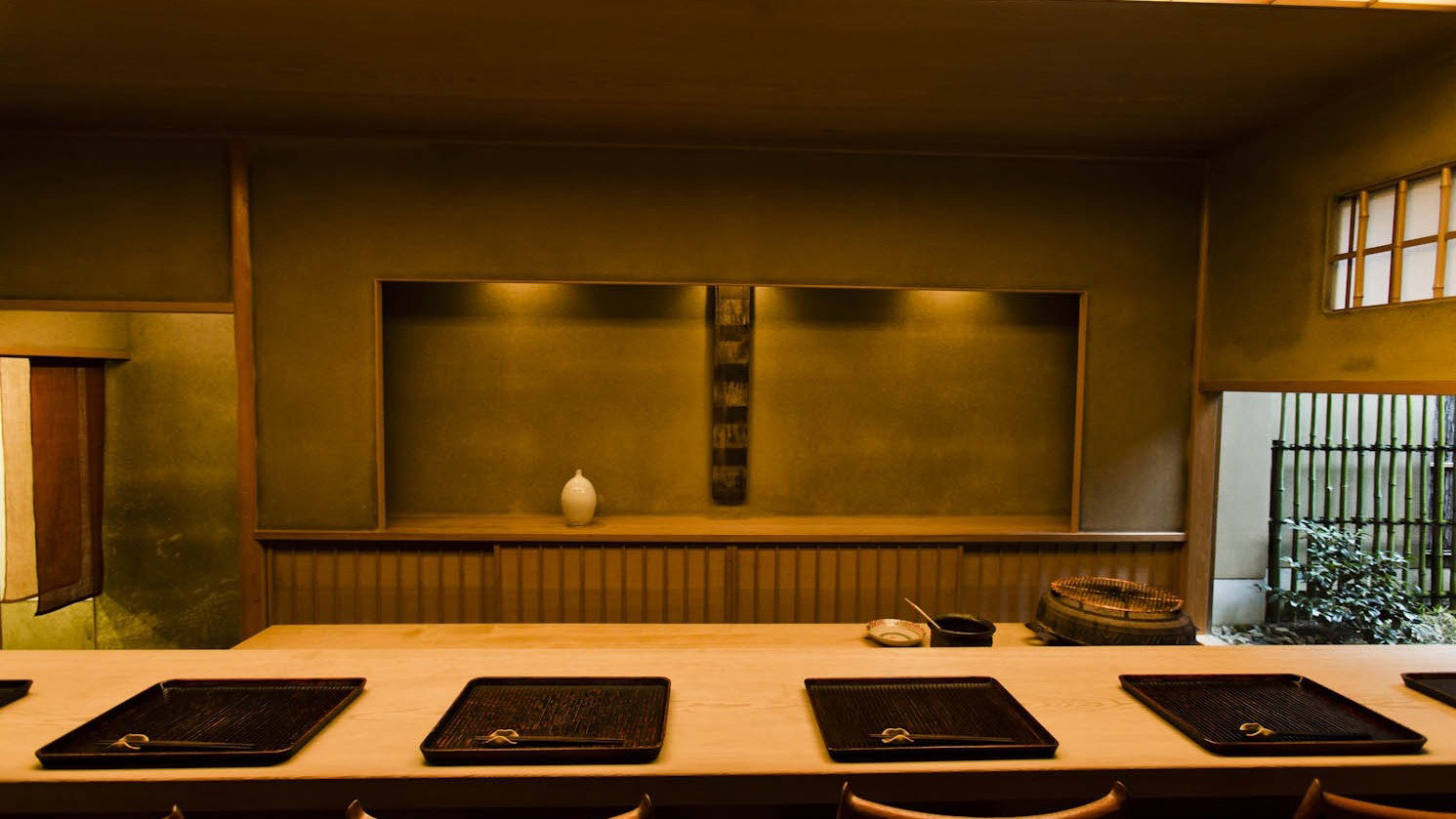
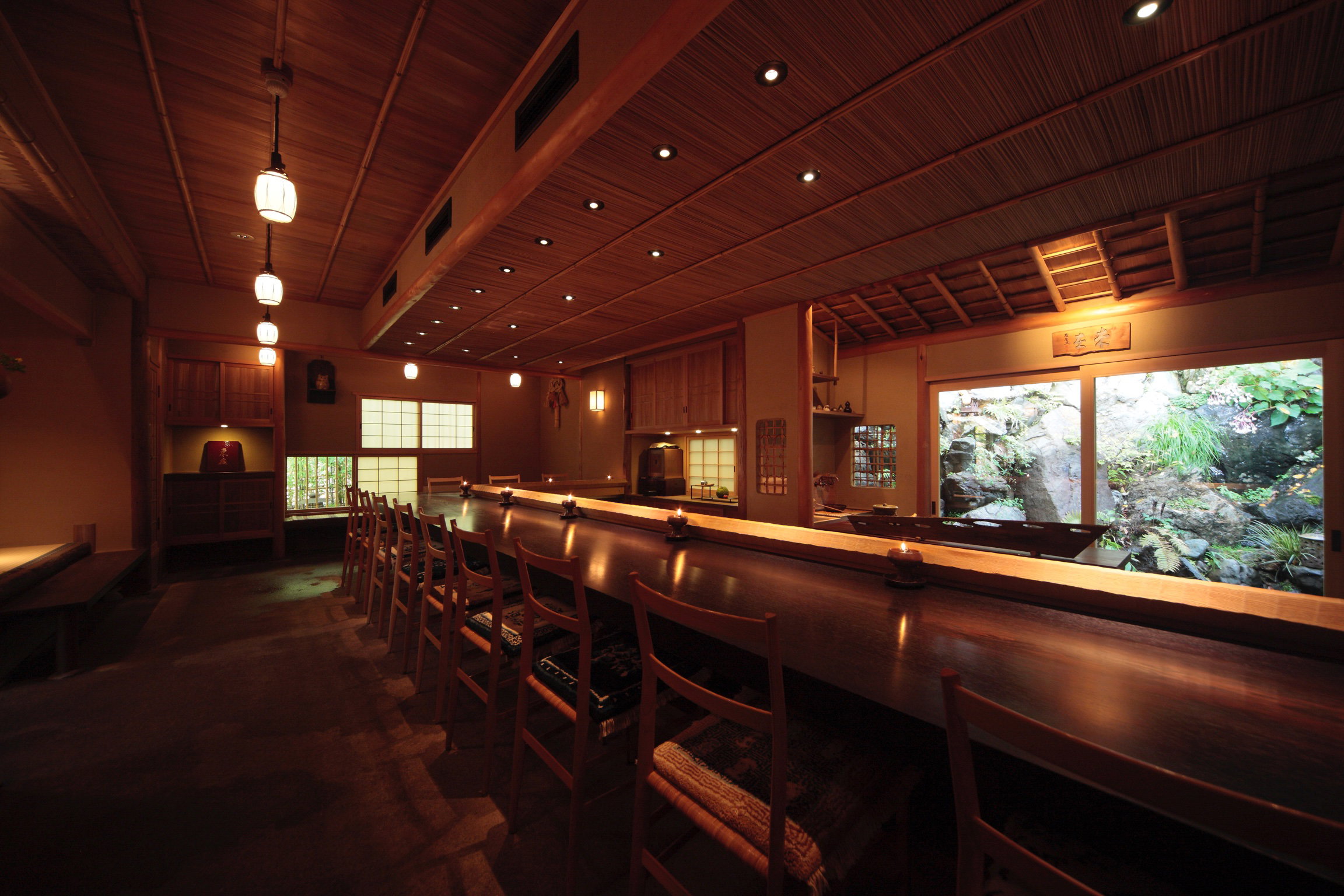
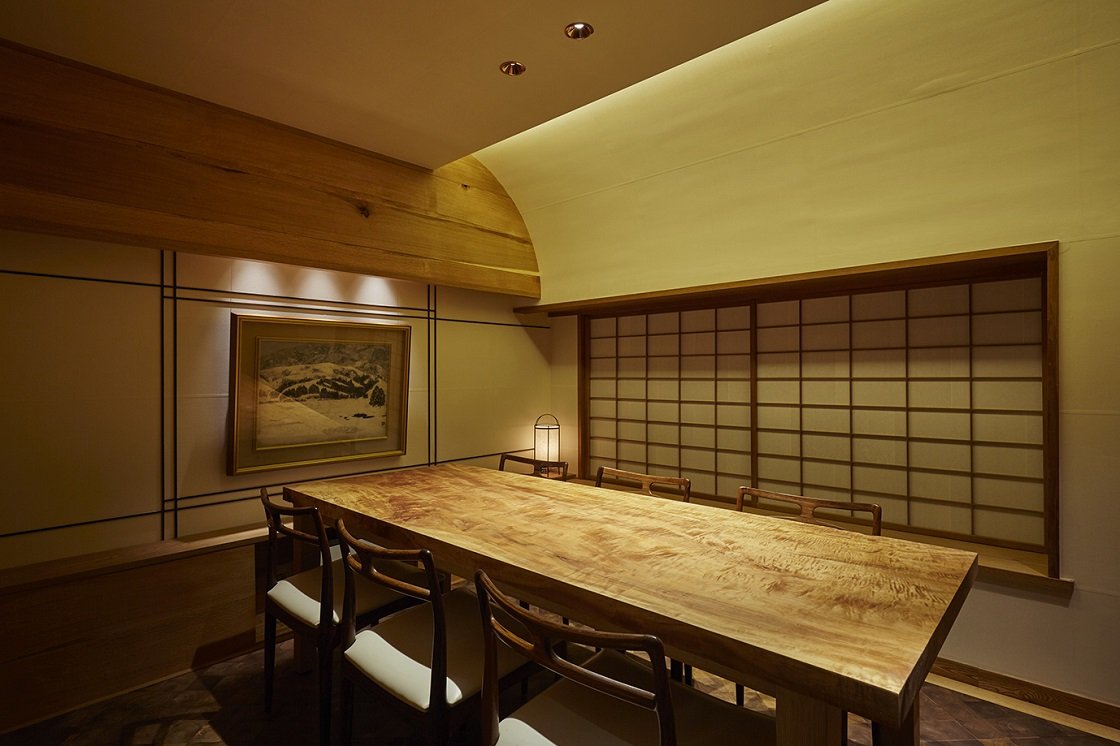
Kako Okamoto sits discreetly in Higashiyama amid stone‑paved lanes and preserved machiya frontages, so the restaurant feels rooted in Kyoto’s historic streetscape. The kappo counter is intentionally low‑key: the place does not announce itself, and the chef prepares dishes directly in front of guests, making the meal a focused exchange between cook and diner. That restraint foregrounds craft and lineage rather than theatrics, producing an understated, classic Kyoto atmosphere—quiet, composed, and concentrated on seasonality and technique.
Best For
Kako Okamoto is best suited to an evening tasting where the meal itself is the attraction. The kappo format privileges counter seating and direct dialogue with the chef, so it works especially well for date night or a special‑occasion dinner when you want an immersive, chef‑led experience. The restaurant’s Miyazawa lineage and discipline attract diners who value traditional technique and a measured, seasonal progression rather than a casual, loud night out.
Ordering Tips
Observe the kappo rhythm: dishes arrive in a sequence set by the kitchen rather than a fixed menu, and the chef’s timing shapes the meal. Aim to sit at the counter if you can—preparation happens in view and conversation with the cook is part of the service. Defer to the kitchen’s pacing, ask about seasonal ingredients and technique, and treat the meal as an interactive tasting where the chef controls the flow rather than an à la carte ordering session.
Venue details
Ambiance
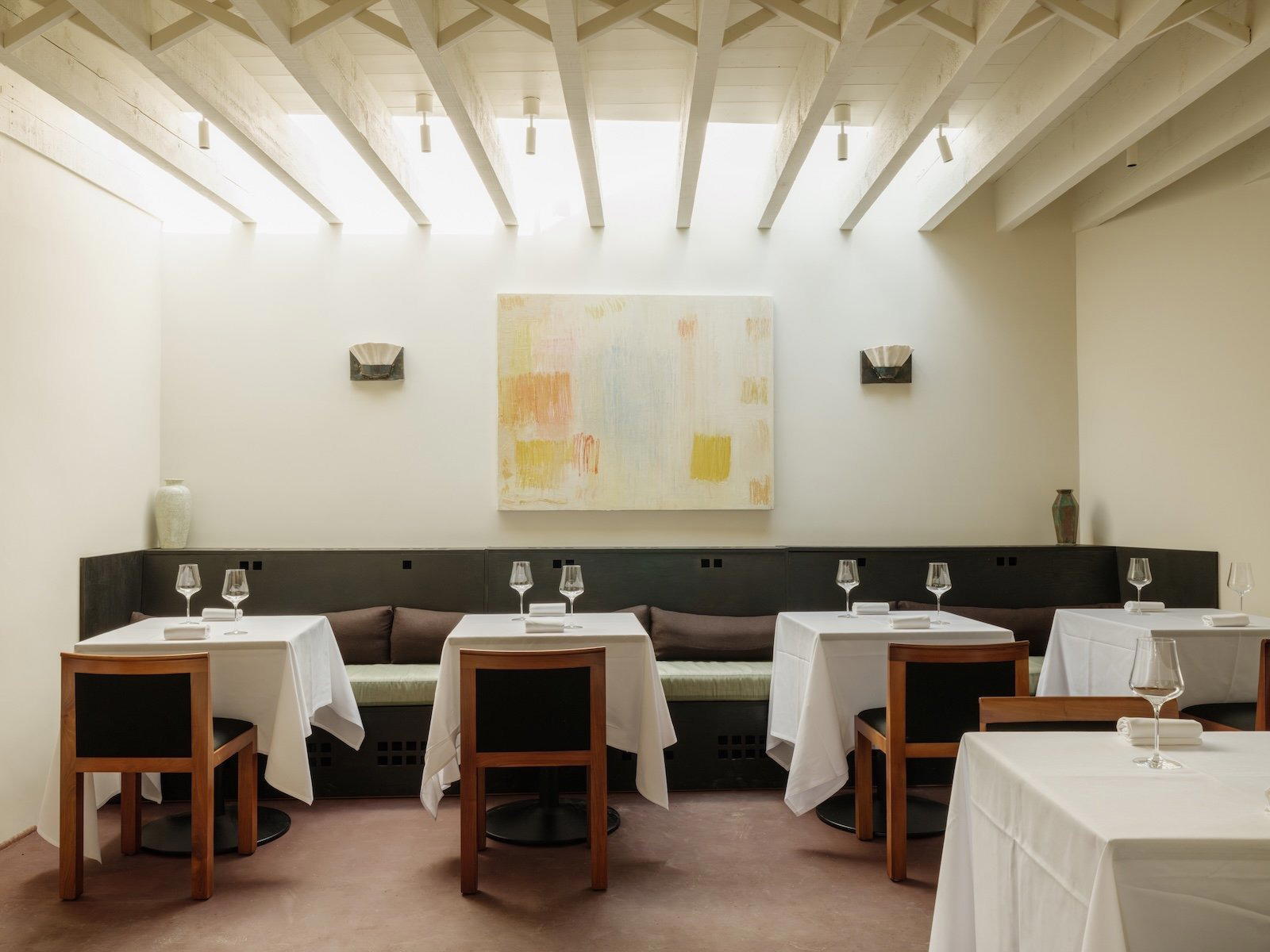
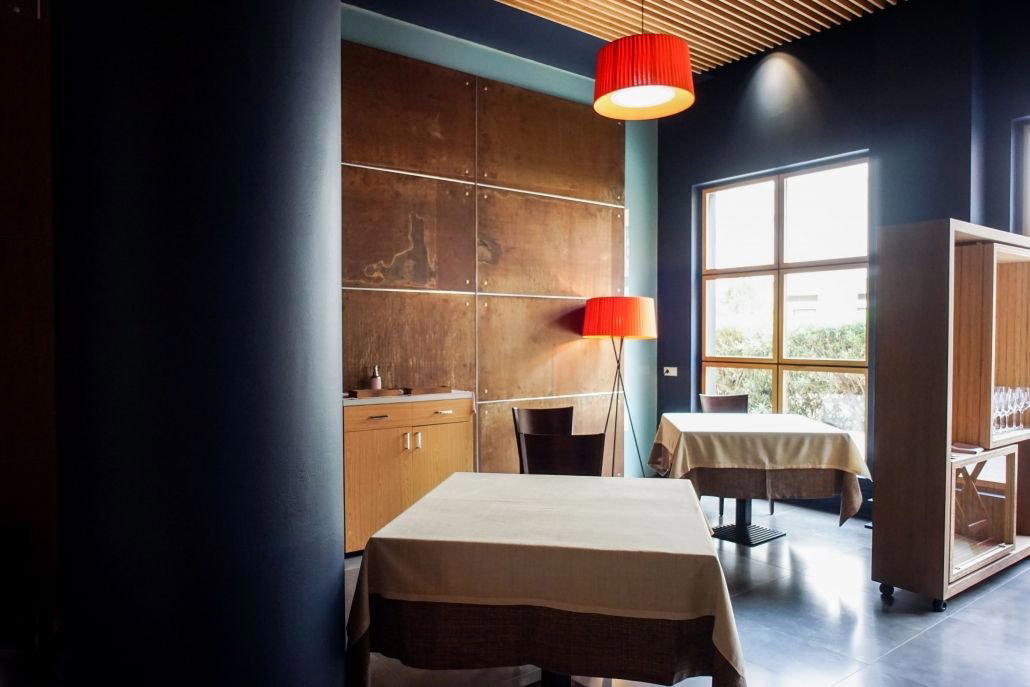
Serene and refined counter seating with a focus on intimate, unhurried interactions and the chef's craftsmanship.
Tags
Vibe
Best For
Experience
At the Table
- Dress Code
- Smart Casual
- Noise Level
- Quiet
- Service Style
- Formal
- Meal Pacing
- Leisurely
- Capacity
- Intimate
Planning details
Location
470-4 Tokiwacho, Higashiyama Ward, Kyoto, 605-0874, Japan · Directions
Recognition and awards
Also consider
Also Consider
- Gion Sasaki; Kaiseki, Japanese, ¥¥¥¥
- cenci; Italian, ¥¥¥
- Ifuki; Kaiseki, ¥¥¥¥
- Kyokaiseki Kichisen; Japanese, ¥¥¥¥
- SEN; French, Japanese, ¥¥¥¥
Restaurant context
Kako Okamoto's strongest case is its price tier. At ¥¥¥, it offers a Michelin-starred counter experience at a lower spend than Gion Sasaki, Ifuki, Kyokaiseki Kichisen, and SEN, all of which sit at ¥¥¥¥. If your goal is a serious, chef-driven meal in Kyoto without committing to the highest spend bracket, Kako Okamoto is the argument. The kappo format also means you are eating at the counter while the chef works in front of you, which delivers a different kind of engagement than the room-and-service formality of full kaiseki.
For sheer kaiseki ceremony and prestige, Kyokaiseki Kichisen is the ceiling in Kyoto; three Michelin stars, full lacquerware service, the most formal expression of the tradition. Gion Sasaki and Ifuki both operate at ¥¥¥¥ with kaiseki formats that offer more elaborate multi-course structure than kappo. If the format and ritual matter as much as the food itself, those options deliver more theatre. SEN at ¥¥¥¥ adds a French-Japanese angle for diners who want a different kind of culinary cross-reference from the one Kako Okamoto offers.
cenci at ¥¥¥ is the only peer at the same price tier, but its Italian approach makes it a different kind of evening entirely rather than a direct substitute. For most food-focused travellers in Kyoto deciding between these options: book Kako Okamoto if you want a counter-format starred meal at a controlled price, book Kyokaiseki Kichisen if budget is secondary and ceremony is the priority, book Gion Sasaki or Ifuki if you want kaiseki at the level below the very top without the counter-only format.
Explore Kyoto
Around this place
Discover more on Pearl
Unlock the full Kako Okamoto guide in Pearl, including awards, comparisons, FAQs, planning details, and nearby places.
Compare Kako Okamoto
| Venue | Price | Awards |
|---|---|---|
| Kako Okamoto | ¥¥¥ | Michelin Guide Kyoto Osaka 20262026 Michelin 1 Star2024 Michelin 1 Star |
| Gion Sasaki | ¥¥¥¥ | 2026 Tabelog Bronze · #3862026 OAD Top Restaurants in Japan RecommendedMichelin Guide Kyoto Osaka 20262026 La Liste Top RestaurantsTabelog 100 - Japanese cuisine - WEST - 2025 · #132025 OAD Top Restaurants in Japan Ranked · #2462025 Tabelog Silver2025 Michelin 3 Stars2025 La Liste Top Restaurants |
| cenci | ¥¥¥ | 2026 Tabelog Bronze · #442026 Asia's 50 Best Restaurants · #762026 OAD Top Restaurants in Japan Highly RecommendedMichelin Guide Kyoto Osaka 2026Tabelog 100 - Italian - WEST - 2025 · #632025 Asia's 50 Best Restaurants · #632025 OAD Top Restaurants in Japan Ranked · #1682025 Tabelog Bronze2024 OAD Top Restaurants in Japan Ranked · #135 |
| Ifuki | ¥¥¥¥ | 2026 OAD Top Restaurants in Japan Ranked · #1222026 Tabelog Bronze · #128Michelin Guide Kyoto Osaka 20262026 La Liste Top RestaurantsTabelog 100 - Japanese cuisine - WEST - 2025 · #622025 OAD Top Restaurants in Japan Ranked · #1002025 La Liste Top Restaurants2025 Tabelog Bronze2025 Michelin 2 Stars |
| Kyokaiseki Kichisen | ¥¥¥¥ | 2026 Tabelog Bronze · #1752026 OAD Top Restaurants in Japan Highly RecommendedMichelin Guide Kyoto Osaka 20262025 OAD Top Restaurants in Japan Ranked · #1862025 Michelin 2 Stars2025 La Liste Top Restaurants2024 OAD Top Restaurants in Japan Ranked · #1422024 Michelin 2 Stars2023 OAD Top Restaurants in Japan Ranked · #136 |
| SEN | ¥¥¥¥ | 2026 Tabelog Bronze · #3952026 OAD Top Restaurants in Japan RecommendedMichelin Guide Kyoto Osaka 20262026 Michelin PlateTabelog 100 - Japanese cuisine - WEST - 2025 · #652025 Michelin Plate2025 Tabelog Bronze2024 OAD Top Restaurants in Japan Ranked · #3622024 Michelin Plate |







.png?width=1200&quality=80)
Side-by-side comparison to help you decide where to book.
FAQ
Frequently Asked Questions
What should I wear to Kako Okamoto?
A kappo counter in Kyoto at the ¥¥¥ price point typically calls for neat, understated clothing; nothing formal, but avoid overly casual attire. The counter setting at Higashiyama Ward places you close to the chef's work, so presentation matters. There is no dress code published in the venue record, but dressing as you would for a serious dinner rather than a casual izakaya is the right call.
Is Kako Okamoto worth the price?
At ¥¥¥ with a Michelin star (2024), Kako Okamoto justifies the spend if kappo-format dining interests you. The kitchen's frame of reference is broader than most Kyoto kappo counters, drawing on the chef's experience at a Polish ambassador's residence, which shows in the layering of citrus and fruit alongside traditional technique. If you want a more straightforward kaiseki progression, Kyokaiseki Kichisen is a higher-tier option; but for a single-star kappo at this price, the value holds.
Can Kako Okamoto accommodate groups?
Kappo counters in Japan are generally built for small parties: couples and groups of two to four are the format's natural fit. The address at 470-4 Tokiwacho, Higashiyama Ward does not indicate private dining room capacity in the available data, so larger groups should confirm directly before booking. For groups of six or more, a private-room kaiseki venue will likely serve you better.
Is Kako Okamoto good for a special occasion?
Yes, with caveats. The Michelin 1-star recognition and the counter format create a focused, attentive meal that works well for a dinner for two or a small celebration. The dishes; baked sesame tofu, citrus-layered courses, seasonal soba; have enough specificity to feel considered rather than generic. If you want a grander, more ceremonial occasion, Kyokaiseki Kichisen operates at a higher tier; Kako Okamoto suits a celebratory dinner that feels intimate rather than theatrical.
What should I order at Kako Okamoto?
The baked sesame tofu is the dish most associated with the Miyazawa chain and is the clearest reason to book this counter specifically. The menu is chef-led and changes with the season, so ordering around it is not an option; the kitchen sets the progression. Soba dishes are prepared using seasonal ingredients and are worth noting as a departure point from standard kappo formats.