


Gion Rakumi
Japanese · Higashiyama, Kyoto
Restaurant in Kyoto, Japan
 Book with Pearl
The Read
Guest-Led Ingredient Selection
Price
¥¥¥
Why go
Gion Rakumi is a Michelin Plate-recognised Japanese restaurant in Gion where there is no printed menu; instead, guests choose raw ingredients from a wooden box and work with the kitchen on preparation. Backed by the Gion Sasaki group's sourcing standards, it delivers serious ingredient quality at ¥¥¥ in a deliberately casual, counter-focused setting. The easiest booking in its peer group, the right call for return Kyoto visitors wanting something more playful than kaiseki.
About Gion Rakumi
Should You Book Gion Rakumi?
If you want a Michelin-recognised meal in Gion that feels nothing like a formal kaiseki sitting, Gion Rakumi is the answer. The format is relaxed, the pricing sits at ¥¥¥, and the experience is genuinely interactive: you choose raw ingredients from a wooden box, talk through your preferences with the kitchen, let them cook from there. For repeat visitors to Kyoto who have already done the reverent tasting-menu circuit, this is where to go next.
What Gion Rakumi Actually Is
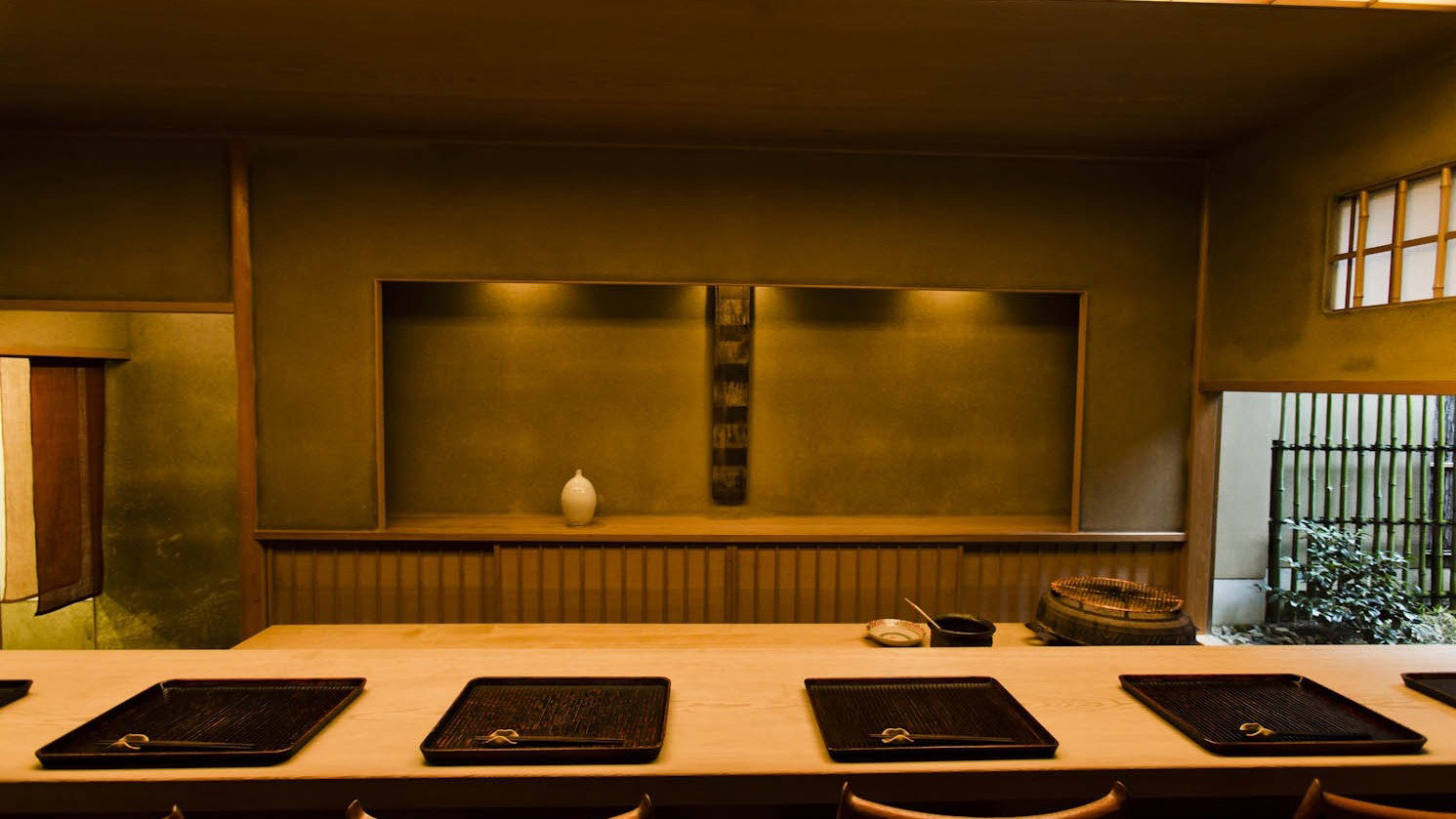
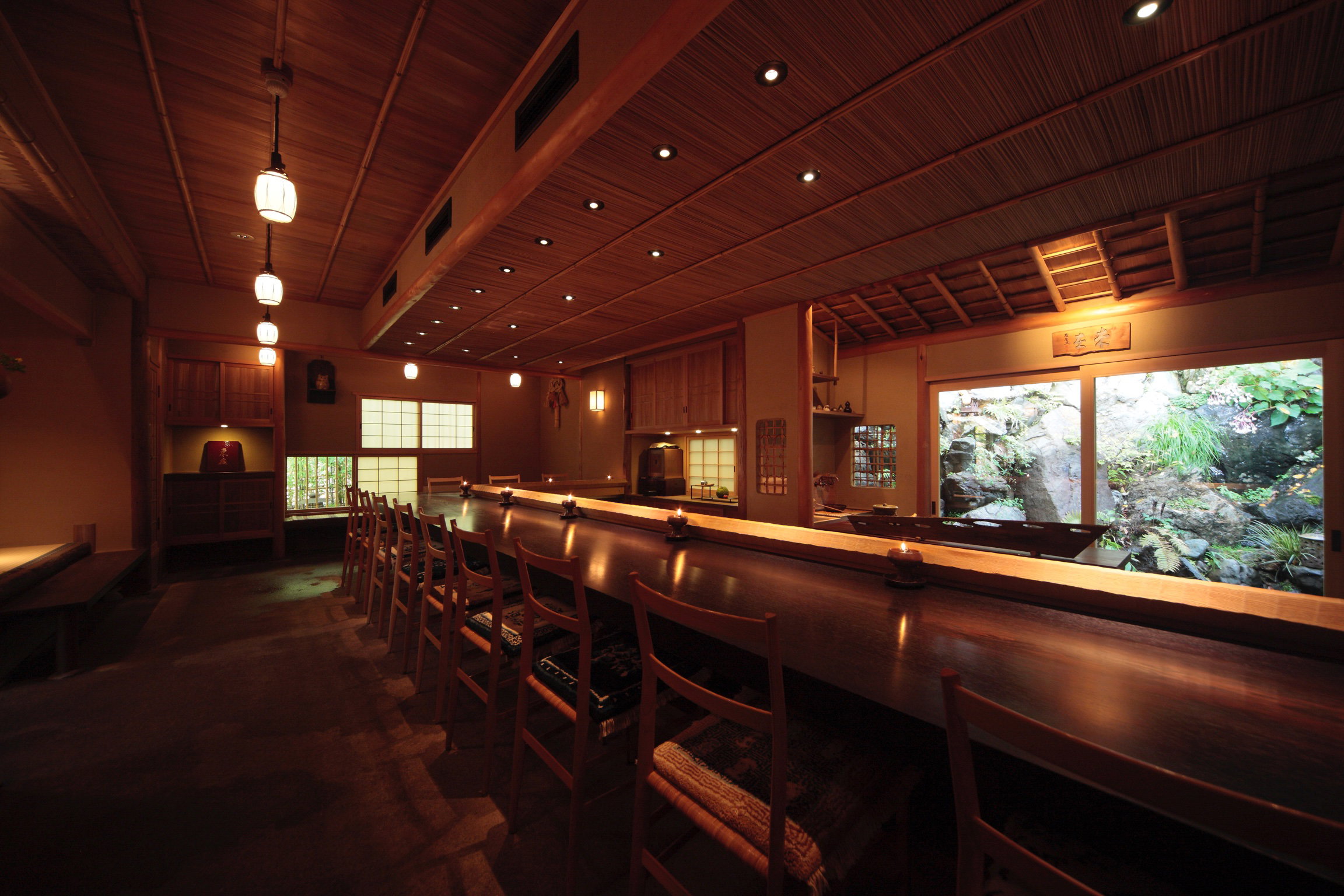
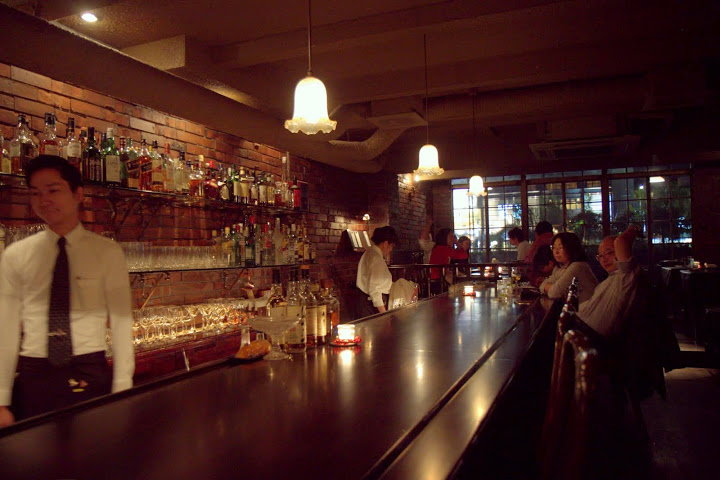
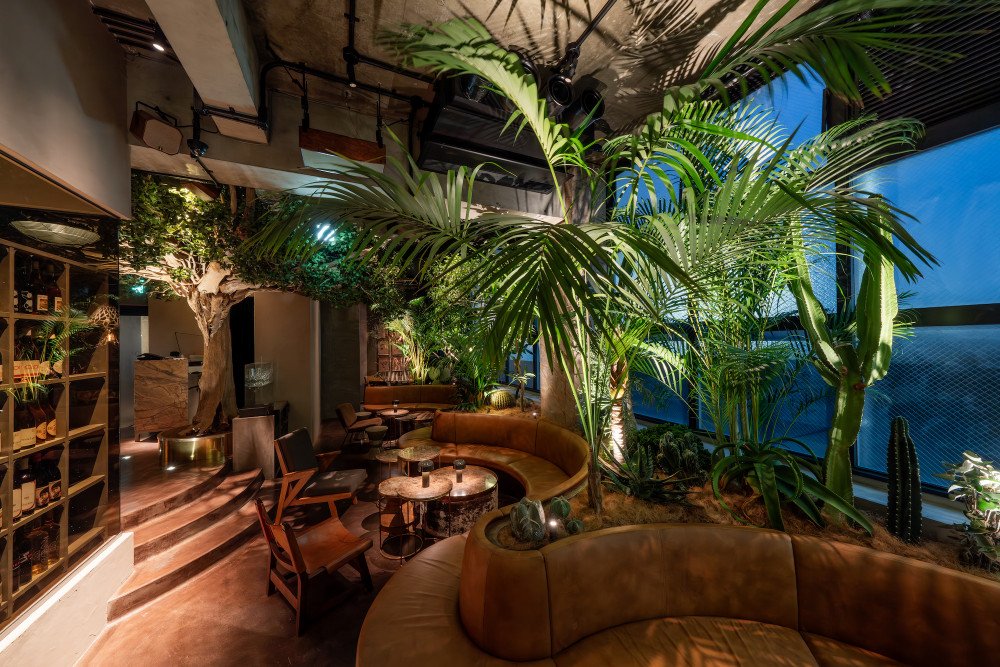
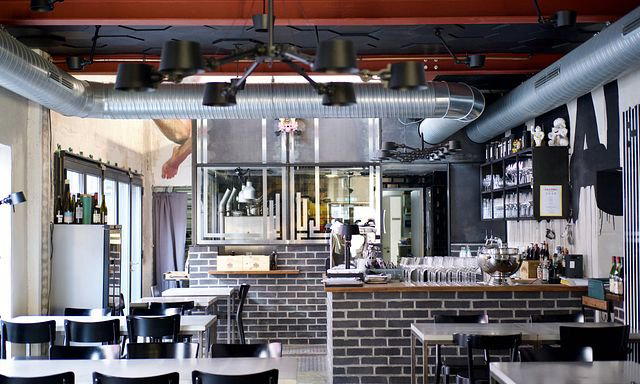
Walk into Gion Rakumi and the first thing you register is the wooden counter; warm-toned, unpretentious, close enough to the kitchen that you can watch the cooks move. This is not a room that performs quiet luxury. The atmosphere, by design, reads more like a lively pub than a shrine to seasonal Japanese cuisine, that contrast is exactly the point.
There is no printed menu. The format begins when a wooden box of ingredients is placed in front of you. You look at what is available, ask questions, state preferences, a dish takes shape through conversation. That process repeats. It is à la carte in structure but collaborative in spirit, which means two tables eating the same night can have entirely different meals. For anyone who finds set tasting menus passive, that distinction matters.
The kitchen operates under the Gion Sasaki umbrella, which gives the ingredient sourcing its authority. Gion Sasaki itself holds a different tier of recognition in Kyoto; a ¥¥¥¥ kaiseki benchmark, Rakumi inherits its supplier standards without the ceremonial weight. You get produce that would not be out of place at a Michelin-starred kaiseki counter, prepared in a room where the cooks are visibly enjoying themselves. The combination is harder to find in Gion than it sounds.
The Michelin Plate in 2024 confirms the kitchen is producing food that meets a recognised quality threshold. It is not a star, but at this price tier and with this format, it is the right credential: quality without the formality premium that two or three stars usually bring.
The Drinks Angle
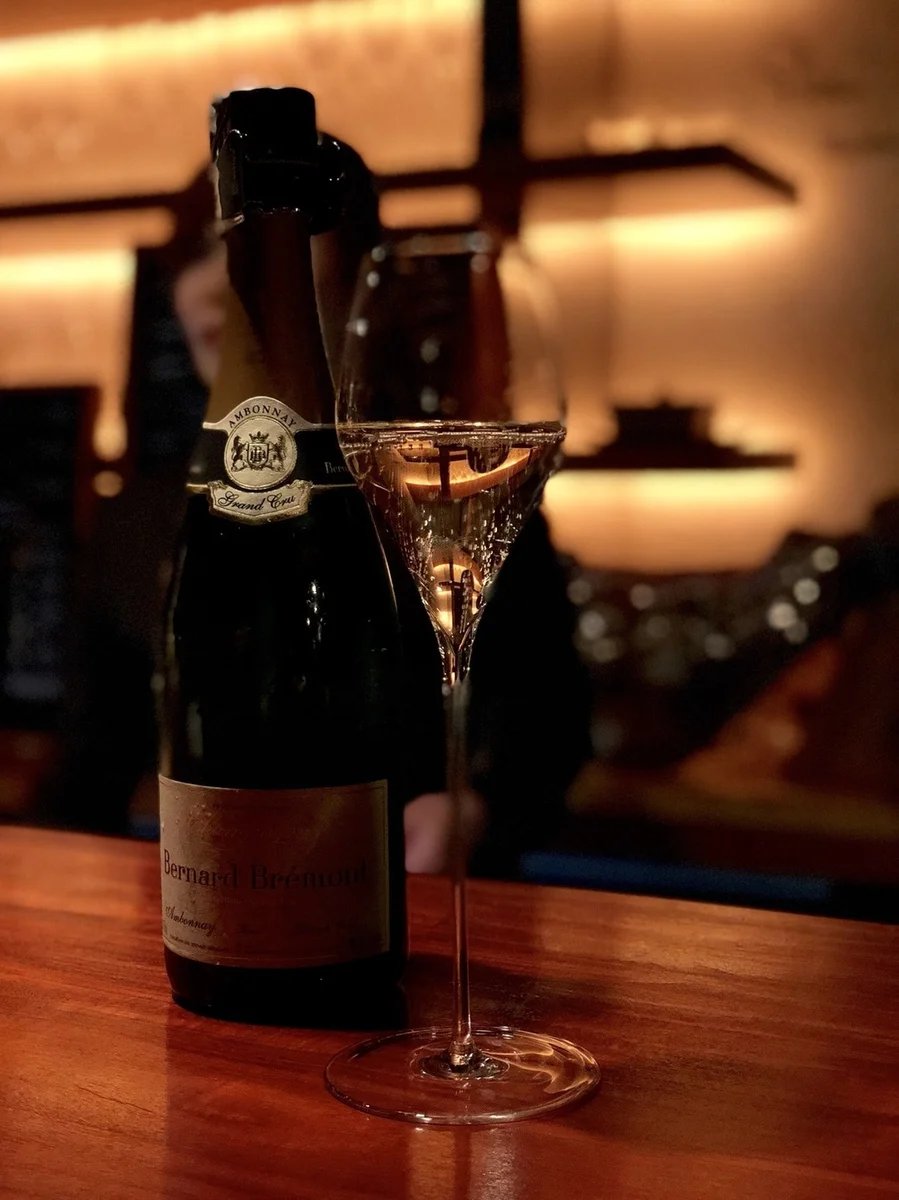
Venue's stated identity, 'Delicious, fun flavours', extends to the drinks side of the counter experience. At a wooden-counter Japanese restaurant with pub-like energy, the drinks program is not decorative. The format of arriving, choosing ingredients, negotiating the meal with the kitchen pairs naturally with unhurried drinking, the atmosphere supports that pace. Japanese sake categories pair particularly well with this kind of interactive à la carte format, where dishes arrive as they are ready rather than in a predetermined procession. The counter setting means you are close enough to the kitchen to ask what is pouring well tonight, which is worth doing. No specific drinks list is available in public records, but for context on how seriously Gion-area Japanese restaurants approach sake and shochu programs, the neighbourhood's overall reputation is among the strongest in the country. If you want cocktail-forward bar energy in Kyoto, check our full Kyoto bars guide, Rakumi's value is in the food-and-drink integration at the counter, not a standalone bar program.
Timing and When to Visit
Kyoto's peak dining seasons, cherry blossom in late March through April, autumn foliage in November, bring significant pressure to Gion-area restaurants. Booking at Gion Rakumi is currently rated Easy, which makes it a practical option when the heavier-demand venues nearby are fully committed weeks or months in advance. Mid-week evenings outside the spring and autumn rush give you the most relaxed version of the experience: the counter is less pressured, the kitchen has more time for the ingredient conversation, the pub-like joviality the venue is known for tends to land better when the room is not at full capacity. If you are visiting during peak foliage season, book ahead; if you are travelling in the quieter months of June, July, or February, you have more flexibility.
Early evening arrival is worth considering over late booking. The interactive format, where dishes emerge in your own sequence based on ingredient choices, works well when there is no time pressure on either side of the counter. Arriving when the kitchen is fresh gives you more room to have the actual conversation that makes this format work.
Who This Is For
Gion Rakumi makes most sense for diners who have some familiarity with Japanese restaurant formats and want something more playful than a structured kaiseki sitting. If you have eaten at places like Kikunoi Roan or Isshisoden Nakamura and want a different register, this is the logical next booking. Solo diners do well here: counter seating and interactive formats reward the single diner who can hold a conversation with the kitchen. Groups of two are the natural fit. Larger groups should check whether the counter accommodates them before booking.
For special occasions where the ceremonial weight of kaiseki is part of the point, this is probably not the right call. The energy is celebratory but casual, not reverential. If you want the Gion Sasaki standard with more ceremony attached, the parent restaurant is the answer, at a higher price point and with considerably more booking difficulty.
Travellers moving through the Kansai region with broader dining ambitions can cross-reference HAJIME in Osaka and akordu in Nara for contrasting formats at different price tiers. Within Kyoto, Gion Matayoshi and Kodaiji Jugyuan offer alternative angles on the neighbourhood's Japanese dining options. Our full Kyoto restaurants guide covers the wider field if you are still deciding on the right fit for your visit.
Know Before You Go
CuisineJapanese, à la carte, no fixed menuPrice tier¥¥¥FormatGuests choose ingredients from a wooden box; dishes prepared to order through conversation with the kitchenAwardsMichelin Plate (2024)Booking difficultyEasyAddress570-206 Gionmachi Minamigawa, Higashiyama Ward, KyotoLeading forReturn Kyoto visitors, solo diners, counter dining, casual Japanese without the formality of kaisekiAffiliationGion Sasaki groupHow It Compares
Planning details
- Location
- 570-206 Gionmachi Minamigawa, Higashiyama Ward, Kyoto, 605-0074, Japan
- Phone
- +81 75-531-3733
The take
The Take
The Vibe
Gion Rakumi trades the formal ceremony of traditional kaiseki for a more immediate, ingredient-forward experience. Affiliated with Gion Sasaki, it brings the same exacting sourcing standards into a smaller, livelier room that feels less ceremonial and more conversational. The tone is intimate and energetic: instead of a precomposed tasting, guests engage directly with raw materials, which exposes the provenance and quality of each ingredient. The result is a place that still honors classic Kyoto technique and seasonality but presents it in a brisker, more approachable register.
Best For
Rakumi is best suited to diners who prioritize ingredient quality and provenance over formal ritual. It performs especially well for evening meals where guests want the rigor of Kyoto kaiseki without the full-price, ceremonial format: think serious food lovers who enjoy making choices at the table, those who appreciate seasonal Japanese produce, and anyone seeking a high-quality but more relaxed alternative to three- or four-Michelin-star kaiseki rooms nearby. Its location on Gion's concentrated dining strip also makes it a focused stop on a culinary evening.
Ordering Tips
There is no printed menu: the server brings a wooden box of the evening's available ingredients and guests select what they want before consulting with the kitchen on preparation. Treat the visit like a high-grade market conversation — ask questions about provenance and recommended preparations, and be prepared to choose items rather than follow a set sequence. The format is à la carte in structure but improvised in practice, so pace your selections and lean on the staff for guidance on cooking methods that will best showcase each ingredient.
Venue details
Ambiance
Warm and restrained, centered around a wooden counter with an intimate, local-gourmet atmosphere.
Tags
Vibe
Best For
Experience
Sourcing
At the Table
- Noise Level
- Quiet
- Service Style
- Upscale Casual
- Meal Pacing
- Leisurely
- Capacity
- Small
Planning details
Location
570-206 Gionmachi Minamigawa, Higashiyama Ward, Kyoto, 605-0074, Japan · Directions


Also consider
Also Consider
- Gion Sasaki; Kaiseki, Japanese, ¥¥¥¥
- cenci; Italian, ¥¥¥
- Ifuki; Kaiseki, ¥¥¥¥
- Kyokaiseki Kichisen; Japanese, ¥¥¥¥
- Kyo Seika; Chinese, ¥¥¥
Restaurant context
Gion Rakumi sits at ¥¥¥ in a neighbourhood where most of the serious competition operates at ¥¥¥¥. That price gap is the most practical reason to choose it over Gion Sasaki, its parent restaurant, which demands both a higher spend and a considerably harder booking. If you want the Gion Sasaki ingredient standard without the full kaiseki commitment in time or money, Rakumi is the direct answer. Ifuki and Kyokaiseki Kichisen both operate at ¥¥¥¥ with formal kaiseki structures; they are the right choice if ceremony and a choreographed sequence matter more than interaction and informality.
At the same ¥¥¥ tier, cenci offers a completely different proposition: Italian cooking in Kyoto with a structured tasting format. If the ingredient-selection, no-menu format at Rakumi sounds more stressful than enjoyable, cenci's set progression is an easier entry point at the same spend. Kyo Seika rounds out the ¥¥¥ tier with Chinese cooking; a meaningful contrast if you are building a multi-night Kyoto itinerary across different formats. For most visitors choosing between these options, Rakumi makes the most sense for a second or third Kyoto trip when the formal kaiseki boxes are already ticked and you want something with more energy at the counter.
On booking difficulty, Rakumi is the most accessible option in its competitive set. The ¥¥¥¥ kaiseki houses can require weeks or months of lead time, particularly during peak seasons. If your travel window is short or you are booking late, Rakumi's Easy rating gives it a practical advantage that the alternatives cannot match. That accessibility does not signal lower quality here; it reflects a format and room size that suits a different type of evening rather than a lesser one.
Explore Kyoto
Around this place
Discover more on Pearl
Unlock the full Gion Rakumi guide in Pearl, including awards, comparisons, FAQs, planning details, and nearby places.
Compare Gion Rakumi
| Venue | Price | Booking Difficulty | Awards |
|---|---|---|---|
| Gion Rakumi | ¥¥¥ | Easy | Star Wine Lists 20262026 OAD Top Restaurants in Japan RecommendedMichelin Guide Kyoto Osaka 20262026 Michelin Plate2025 Michelin Plate2024 Michelin Plate |
| Gion Sasaki | ¥¥¥¥ | Unknown | 2026 Tabelog Bronze · #3862026 OAD Top Restaurants in Japan RecommendedMichelin Guide Kyoto Osaka 20262026 La Liste Top RestaurantsTabelog 100 - Japanese cuisine - WEST - 2025 · #132025 OAD Top Restaurants in Japan Ranked · #2462025 Tabelog Silver2025 Michelin 3 Stars2025 La Liste Top Restaurants |
| cenci | ¥¥¥ | Unknown | 2026 Tabelog Bronze · #442026 Asia's 50 Best Restaurants · #762026 OAD Top Restaurants in Japan Highly RecommendedMichelin Guide Kyoto Osaka 2026Tabelog 100 - Italian - WEST - 2025 · #632025 Asia's 50 Best Restaurants · #632025 OAD Top Restaurants in Japan Ranked · #1682025 Tabelog Bronze2024 OAD Top Restaurants in Japan Ranked · #135 |
| Ifuki | ¥¥¥¥ | Unknown | 2026 OAD Top Restaurants in Japan Ranked · #1222026 Tabelog Bronze · #128Michelin Guide Kyoto Osaka 20262026 La Liste Top RestaurantsTabelog 100 - Japanese cuisine - WEST - 2025 · #622025 OAD Top Restaurants in Japan Ranked · #1002025 La Liste Top Restaurants2025 Tabelog Bronze2025 Michelin 2 Stars |
| Kyokaiseki Kichisen | ¥¥¥¥ | Unknown | 2026 Tabelog Bronze · #1752026 OAD Top Restaurants in Japan Highly RecommendedMichelin Guide Kyoto Osaka 20262025 OAD Top Restaurants in Japan Ranked · #1862025 Michelin 2 Stars2025 La Liste Top Restaurants2024 OAD Top Restaurants in Japan Ranked · #1422024 Michelin 2 Stars2023 OAD Top Restaurants in Japan Ranked · #136 |
| Kyo Seika | ¥¥¥ | Unknown | Tabelog 100 - Chinese cuisine - WEST - 2026 · #762026 Tabelog Bronze · #2162026 OAD Top Restaurants in Japan Recommended2026 Michelin 1 Star2025 OAD Top Restaurants in Japan Ranked · #3262025 Tabelog Bronze2024 OAD Top Restaurants in Japan Ranked · #3042024 Michelin Plate2024 Michelin 1 Star |
.png?width=1200&quality=80)






Side-by-side comparison to help you decide where to book.
FAQ
Frequently Asked Questions
Can I eat at the bar at Gion Rakumi?
Yes; the wooden counter is the main event at Gion Rakumi, not a secondary option. Sitting there puts you close enough to the kitchen to watch the cooks in action, which is part of the appeal. Counter seating suits solo diners and pairs well; larger groups should check whether the full party fits comfortably.
Does Gion Rakumi handle dietary restrictions?
The format works in your favour here. Because there is no fixed menu, guests choose ingredients from a wooden box and discuss preparation directly with the chef, which opens the door for adjustments. That said, communicate restrictions clearly at booking or on arrival; there is no documented allergy policy in publicly available sources, so don't leave it to chance on the night.
What are alternatives to Gion Rakumi in Kyoto?
For a more formal kaiseki experience in the same neighbourhood, Gion Sasaki is the parent operation and sets a higher bar for structured, ingredient-driven cooking. Kichisen (Kyokaiseki Kichisen) is the option if budget is no constraint and you want a full kaiseki sitting with deep ceremony. If you want something similarly relaxed but with a different focus, cenci offers a European-influenced tasting format; Ifuki covers traditional kaiseki at a more accessible price point.
What should a first-timer know about Gion Rakumi?
There is no printed menu. You pick ingredients from a wooden box and work out what you want with the chef; so go in curious, not anxious. The mood is pub-like and lively, not reverent. It carries a Michelin Plate (2024), which signals ingredient quality rather than formal technique. Gion-area restaurants fill fast during cherry blossom season (late March to April) and autumn foliage (November), so book ahead.
Is Gion Rakumi good for a special occasion?
It works for occasions where the celebration is about enjoying good food together, not marking a milestone with ceremony. The atmosphere is cheerful and lively rather than hushed and theatrical, so if your guest expects a formal kaiseki moment, this is not that. For a birthday dinner between food-interested friends, it is a strong call at ¥¥¥ pricing with Michelin-recognised quality behind it.
Is Gion Rakumi worth the price?
At ¥¥¥, you are paying for Gion Sasaki-level ingredient sourcing in a format that is notably more relaxed and interactive than what that price usually buys in Kyoto. The Michelin Plate (2024) backs the quality claim. If you want ceremony and structured courses to justify the spend, look at Ifuki or Kichisen instead. If you want quality ingredients in a playful, low-pressure setting, Gion Rakumi delivers solid value.
Is the tasting menu worth it at Gion Rakumi?
Gion Rakumi does not offer a tasting menu; the format is entirely à la carte with no set structure. Guests select ingredients from a wooden box and agree on preparation with the chef. If a tasting menu format matters to you, this is the wrong venue; consider cenci or Kichisen for that experience.