.png?width=1200&quality=80)
Fuyacho 103
Oden · Nakagyō, Kyoto
Restaurant in Kyoto, Japan
 Book with Pearl
The Read
Italian-Inflected Oden Counter
Price
¥¥
Dress
Smart Casual
Why go
A Michelin Bib Gourmand oden counter in Nakagyo Ward, Fuyacho 103 takes its name from its address and its reputation from a kitchen that applies Italian culinary technique to a Japanese hot-pot format. At ¥¥, it is one of Kyoto's most accessible Michelin-recognised dinners. Book ahead: the intimate room and the award-level cooking mean it fills faster than the anonymous entrance suggests.
About Fuyacho 103
Should You Book Fuyacho 103?
If your benchmark for a Kyoto dinner is the multi-course kaiseki format served at Gion Sasaki or Hyotei, Fuyacho 103 will reset your expectations entirely. This is a ¥¥ oden counter in a mixed-use building in Nakagyo Ward, and it holds a 2025 Michelin Bib Gourmand. That combination — low price, serious recognition, a format that most tourists skip — makes it one of the most interesting bookings in the city for a diner who wants something technically accomplished without a four-figure bill.
The Venue
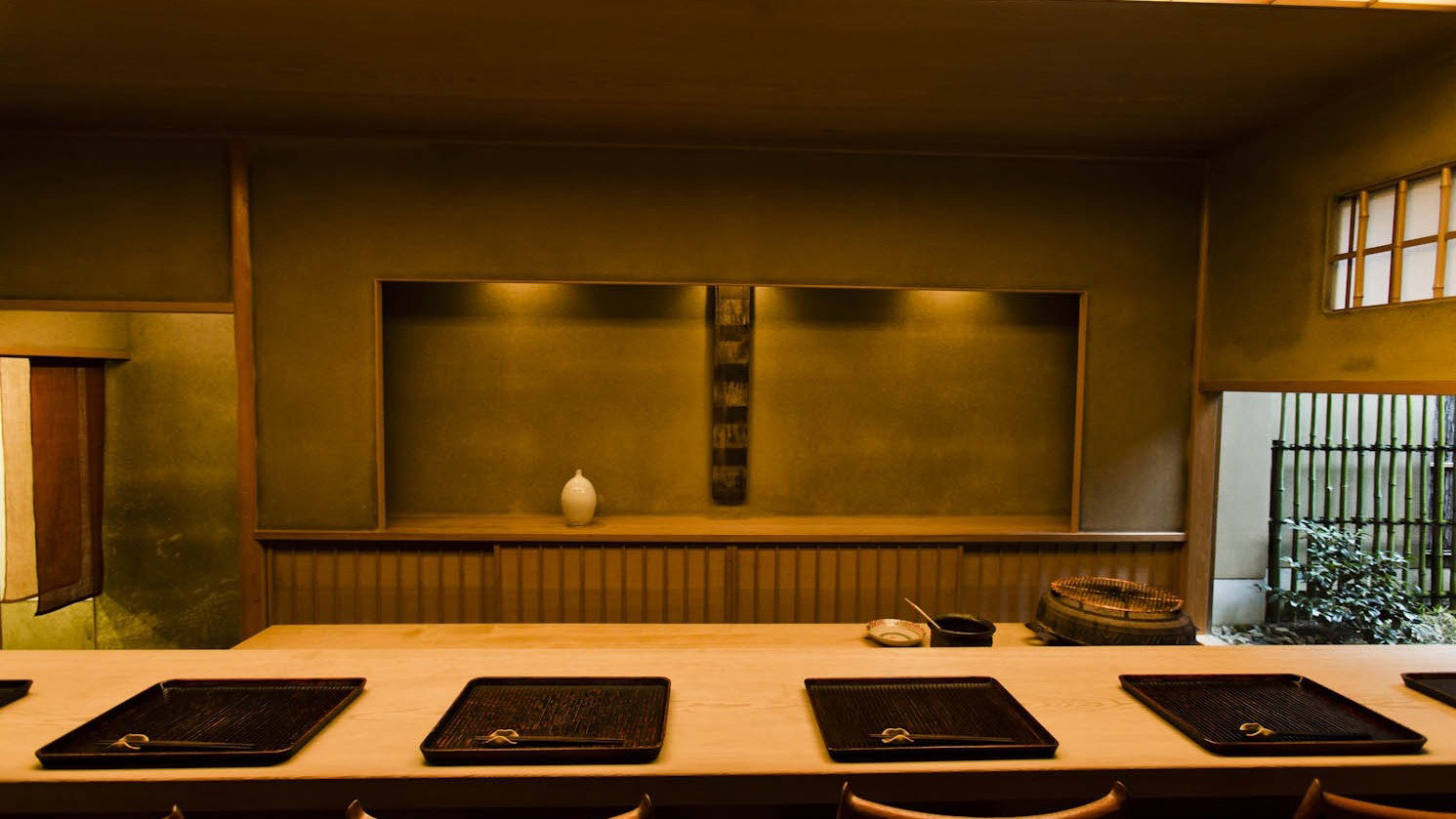
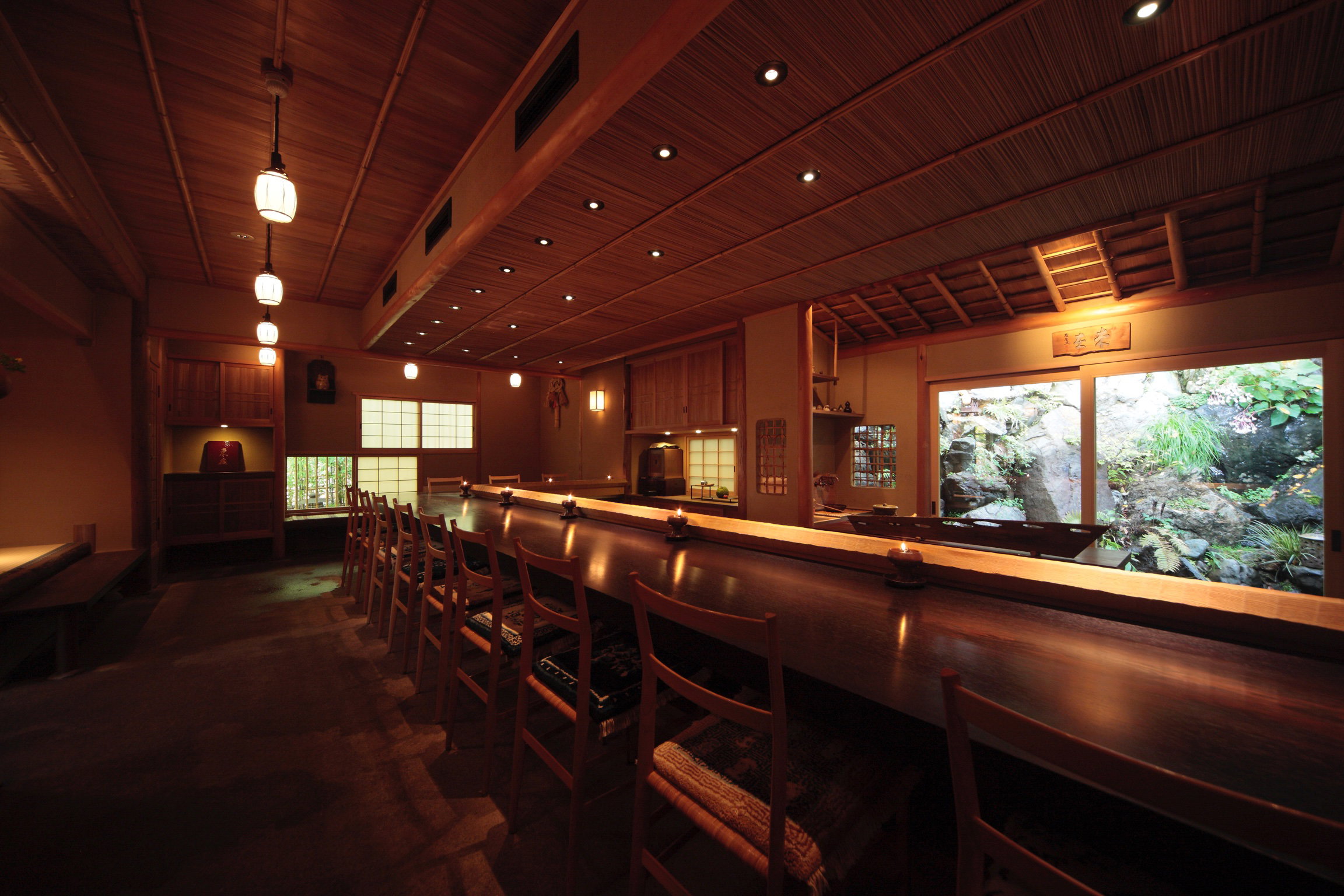
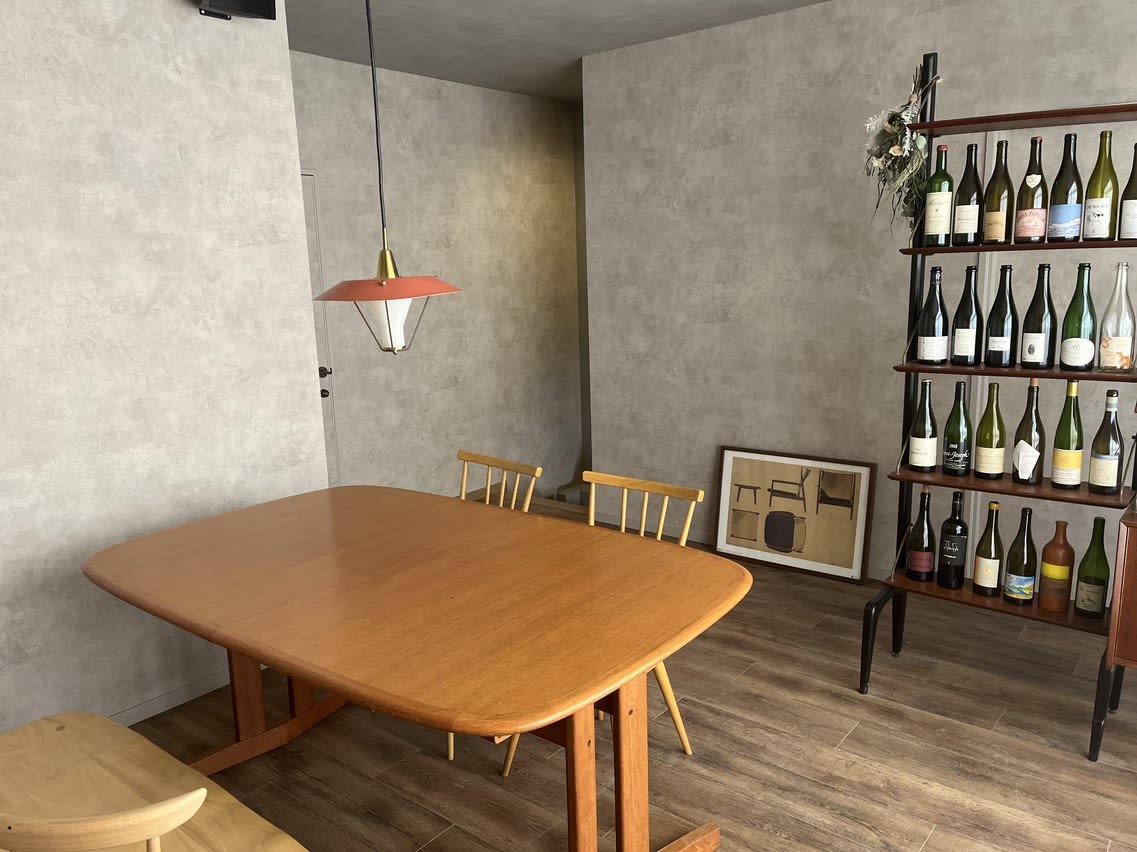
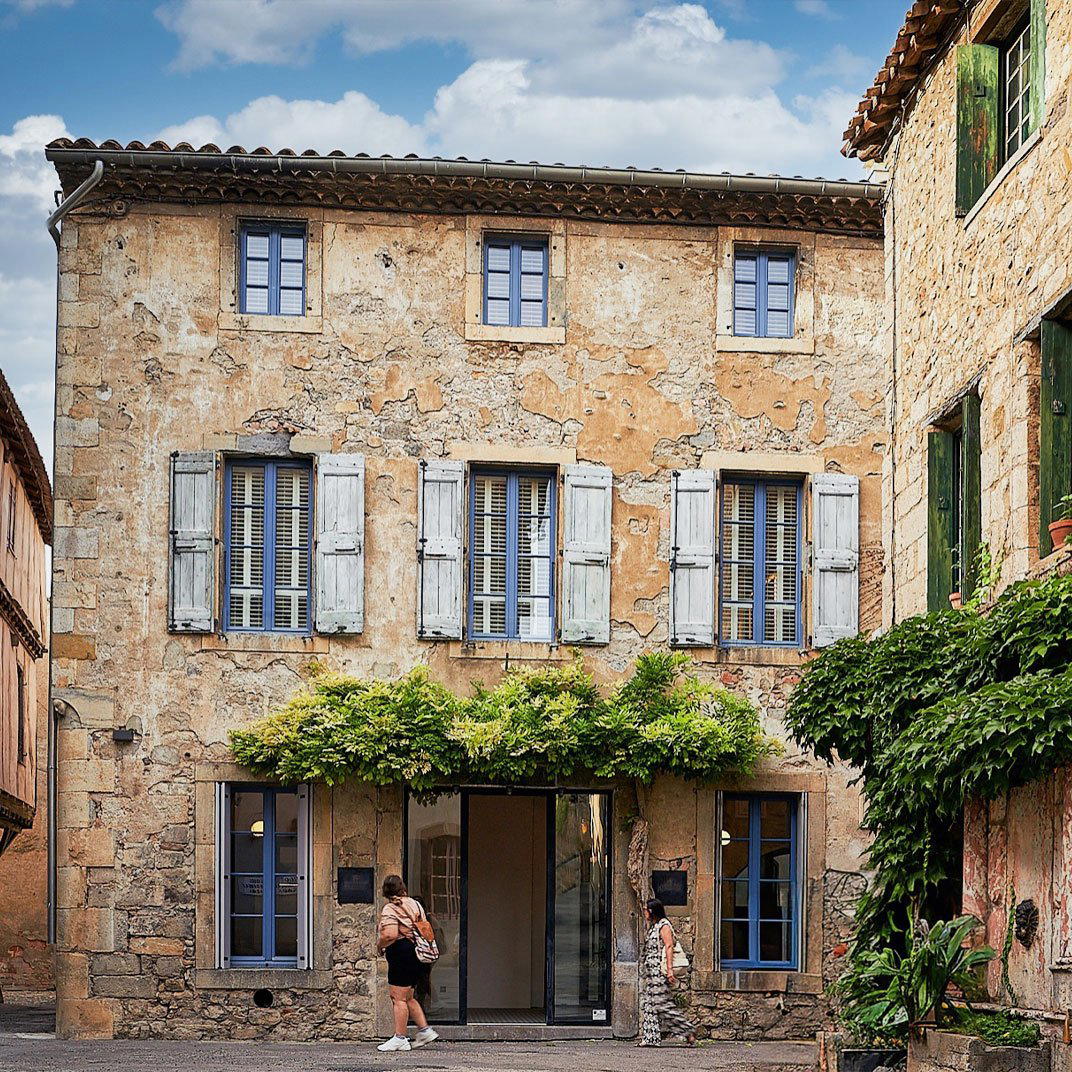
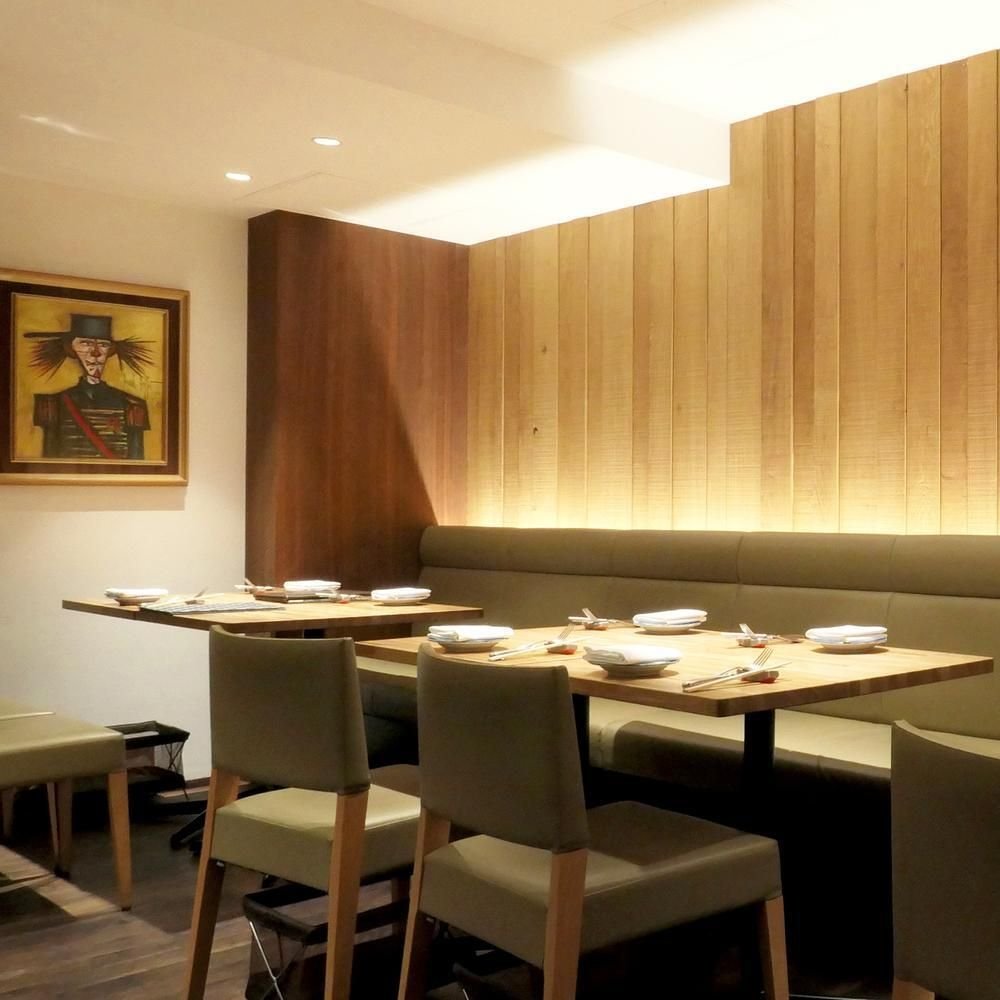
The name is the address: 225 Owaricho, tucked into a building that gives nothing away from the street. Cross the threshold and the room is defined by warm wood panelling and a coffered ceiling designed to echo the compartments of an oden pot itself. It is a deliberate visual metaphor, and it works. The interior signals that the kitchen takes the format seriously rather than treating oden as comfort food that needs no craft. For a special occasion that does not require white tablecloths, the room delivers atmosphere with restraint, exactly the register that Kyoto does well.
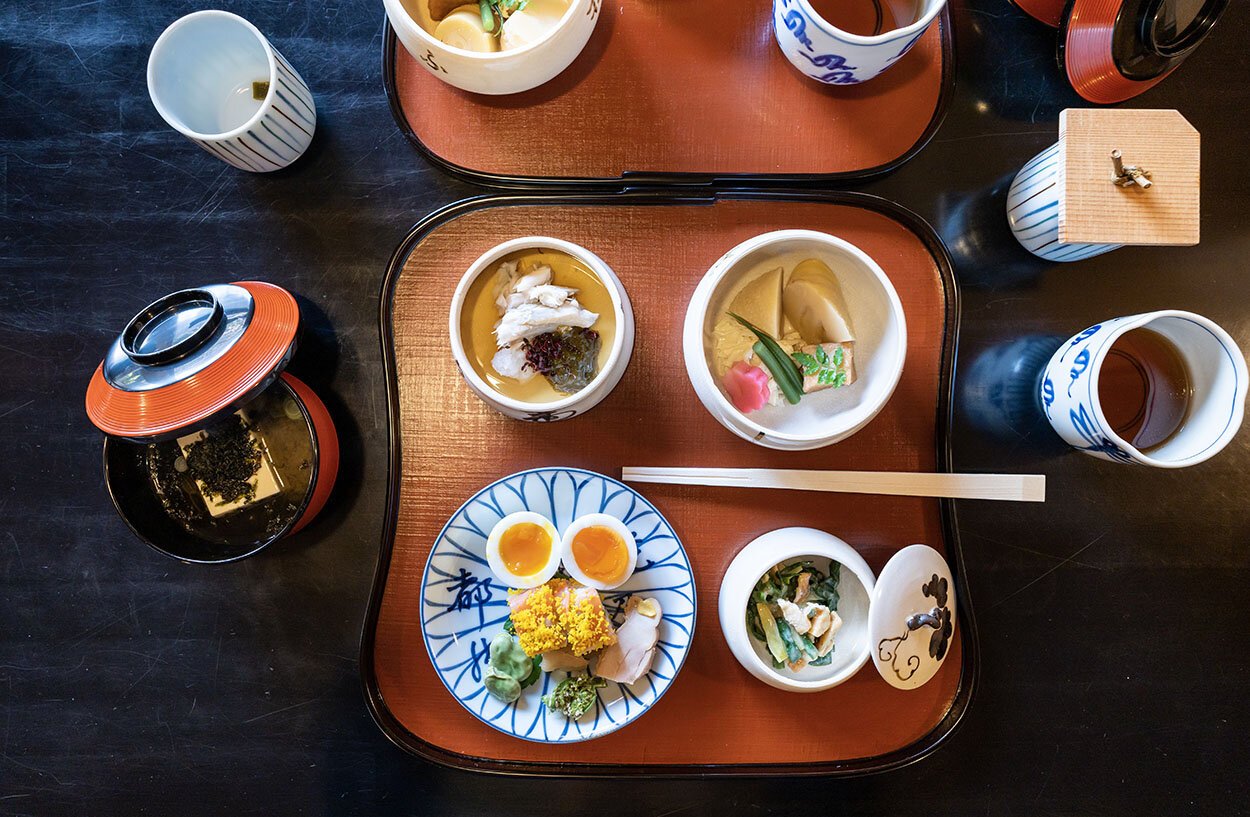
Oden is a long-simmered Japanese hot-pot tradition built around dashi stock, and at most counters the range is predictable: daikon radish, konjac, boiled egg, fish cake. Fuyacho 103 covers that ground, daikon and deep-fried tofu are on the menu, but the kitchen extends well beyond it. The chef brings a background in Italian cuisine to the format, which produces combinations that no conventional oden counter attempts: caciocavallo cheese as an ingredient, and a steak preparation that takes its cue from bistecca and pairs the meat with oden dashi stock. These are not gimmicks appended to a traditional menu. They are the result of a kitchen that understands both traditions well enough to splice them without losing coherence in either direction.
That culinary mastery is precisely what the Bib Gourmand recognises. Michelin's Bib designation is awarded to venues offering quality cooking at a price point below the starred tier, and at ¥¥ this kitchen is delivering a level of technical and conceptual sophistication that punches above its price category. For context, Man-u in Osaka and Yoshitaka in Osaka represent the broader Kansai oden tradition; Fuyacho 103 operates in the same format but with a creative latitude that is specific to this kitchen.
Who Should Book
This is a strong choice for a date or a low-key special occasion where the priority is quality over ceremony. The ¥¥ price point means you can eat well here without the financial weight of a kaiseki evening at Kyokaiseki Kichisen or Isshisoden Nakamura. It also works well for solo diners: oden counters are structured around individual orders from a shared pot, which makes eating alone here comfortable rather than awkward. Groups are less naturally suited to this format, oden is an intimate, item-by-item experience rather than a table-share spread, though nothing in the available data suggests groups are excluded.
First-time visitors to Kyoto who want to eat something genuinely local and technically serious, rather than a well-marketed tourist-facing experience, will find Fuyacho 103 worth seeking out. The Bib Gourmand is the most reliable signal available that the kitchen is consistent, and at this price tier the risk is low. For broader planning, see our full Kyoto restaurants guide.
Booking and Practical Details
Fuyacho 103 is a small venue in a non-obvious location, which means walk-in availability is genuinely possible on quieter evenings, but this is a Michelin-recognised counter and demand tracks that status. Book ahead where possible. No booking difficulty data is on file, but the Bib Gourmand designation and the intimate counter format suggest that popular evening slots fill faster than the address might imply. Reservations: Advance booking recommended; no online booking data confirmed. Budget: ¥¥, among the most accessible price points for Michelin-recognised dining in Kyoto. Dress: No formal dress code data on file; the relaxed wood-panelled interior suggests smart-casual is appropriate. Address: 225 Owaricho, Nakagyo Ward, Kyoto. Getting there: Nakagyo Ward is central Kyoto; the venue is accessible from the main subway and bus network. For accommodation planning, see our full Kyoto hotels guide, and for bars and nightlife nearby, our Kyoto bars guide.
The Wider Picture
Oden as a format rarely receives this level of attention. The genre sits in the background of Japanese dining, reliable, warming, inexpensive, and the ambition at Fuyacho 103 to bring Italian culinary thinking into contact with it is a specific kind of creative project. For comparison, cenci in Kyoto runs Italian-Japanese fusion at the ¥¥¥ tier in a more formally structured format. Fuyacho 103 arrives at a similar cross-cultural premise from the opposite direction, through a Japanese format rather than an Italian one, and does it at a lower price point. That is not a small distinction for a diner deciding where the evening's budget goes.
For dining in the same price tier across Japan, Oito and Takocho offer useful Kyoto comparisons, while further afield akordu in Nara and Goh in Fukuoka represent the broader Kansai-region dining conversation. For high-end reference points in other cities, HAJIME in Osaka and Harutaka in Tokyo show where the ceiling sits. Fuyacho 103 sits nowhere near that ceiling in price, and that is the point. Also worth exploring: 1000 in Yokohama, 6 in Okinawa, Kyoto wineries, and Kyoto experiences for broader trip planning.
FAQs: Fuyacho 103
Is Fuyacho 103 good for solo dining?
Yes. Oden counters are built for solo eating: you order items individually and eat at your own pace, which makes the format more comfortable alone than a shared-plate dinner. At ¥¥, the bill stays manageable, and the counter setting means you are never conspicuously alone. It is a better solo option than a kaiseki room, where solo bookings can feel more formal and the cost per head is higher.
What are alternatives to Fuyacho 103 in Kyoto?
For oden specifically, the closest comparison is the broader Kansai tradition represented by Man-u and Yoshitaka in Osaka, though those require a trip. In Kyoto, for a Michelin-recognised meal at a similar or adjacent price, Oito and Takocho are worth comparing. If you want Italian-Japanese fusion at a higher price tier, cenci at ¥¥¥ is the Kyoto reference point.
Can Fuyacho 103 accommodate groups?
No group capacity data is confirmed. The oden counter format and the intimate room described in the venue record suggest this is better suited to two or three people than a larger party. If you are planning for a group of four or more, contact the venue directly to confirm. At ¥¥, the bill per head stays low regardless of group size, which is a practical advantage.
What should a first-timer know about Fuyacho 103?
The venue is not signposted the way a restaurant on a tourist strip would be, the name is simply the address, and it is inside a mixed-use building. Allow time to find it. Once inside, order from the oden selection as items appeal rather than trying to map it to a set-course structure. The Italian-influenced items (caciocavallo cheese, the steak-and-dashi pairing) are worth trying; they represent what makes this kitchen different from a standard oden counter. The Bib Gourmand confirms the quality is consistent.
Is the tasting menu worth it at Fuyacho 103?
No tasting menu format is confirmed for Fuyacho 103. Oden is typically ordered à la carte by item from the pot, which means the experience is self-directed rather than chef-led in a tasting menu sense. At ¥¥, the value question almost answers itself: this is Michelin-recognised cooking at one of Kyoto's most accessible price points. Order widely and the bill remains reasonable.
Is Fuyacho 103 good for a special occasion?
Yes, with the right expectations. If the occasion calls for a formal multi-course kaiseki service, look at Gion Sasaki or Hyotei instead. But if the goal is a memorable, quality-driven dinner in an atmospheric room without the ceremony or the ¥¥¥¥ bill, Fuyacho 103 delivers. The wood-panelled interior, the Michelin recognition, and the creative menu make it a credible special-occasion choice at a fraction of the cost of Kyoto's formal dining tier.
Is Fuyacho 103 worth the price?
At ¥¥ with a 2025 Michelin Bib Gourmand, the value case is strong. You are getting technically accomplished, creatively distinctive cooking at a price point that most Michelin-recognised venues in Kyoto cannot match. The comparison that matters: a kaiseki dinner at Kyokaiseki Kichisen or Isshisoden Nakamura costs multiples more. Fuyacho 103 does not replicate that experience, but for what it is, a serious oden counter with a genuine creative point of view, the price-to-quality ratio is difficult to argue.
Planning details
- Location
- 225 Owaricho, Nakagyo Ward, Kyoto, 604-0934, Japan
- Website
- instagram.com/fuyacyou.ichizerosan?igsh=MWFsaG0wZW44dTJncw%3D%3D
- Phone
- +81 75-213-8080
The take
The Take
The Vibe
Fuyacho 103 favors quiet precision over flash. The compact interior pairs wood panelling with a coffered ceiling whose pattern echoes the partitioned sections of a traditional oden pot, and that restrained geometry sets the tone: deliberate, warm and focused. The room’s physical warmth—matched to the gently simmered broth—feels intentional rather than theatrical, and the kitchen’s Italian training surfaces in thoughtful twists without undermining the format’s simplicity. The result is a quietly classic, warmly detailed counter experience where material choices and a transparent Kyoto-style dashi keep attention squarely on the food.
Best For
This is a place for slow, focused meals rather than rowdy group dinners. The counter layout and low-key atmosphere make it well suited to date nights, solo visits or small gatherings that want a relaxed, attentive experience around a single pot. The cooking rewards unhurried pacing, so it’s best encountered at dinner when you can order in more than one round and let the subtly layered broths reveal themselves. It’s also a good fit for modest special occasions when the priority is craftsmanship over spectacle.
Ordering Tips
Start with the anchor items—daikon and deep-fried tofu—to get a sense of the restaurant’s clear, Kyoto-style dashi; those elements function as reliable touchstones. Branch out to signature items like beef tendon curry and cabbage rolls, and don’t miss the kitchen’s caciocavallo twist if it’s listed, for a textural, savory contrast. Pace your meal and order in multiple rounds so you can taste how ingredients evolve in the broth; the menu rewards a patient, iterative approach rather than a single large selection.
Venue details
Ambiance
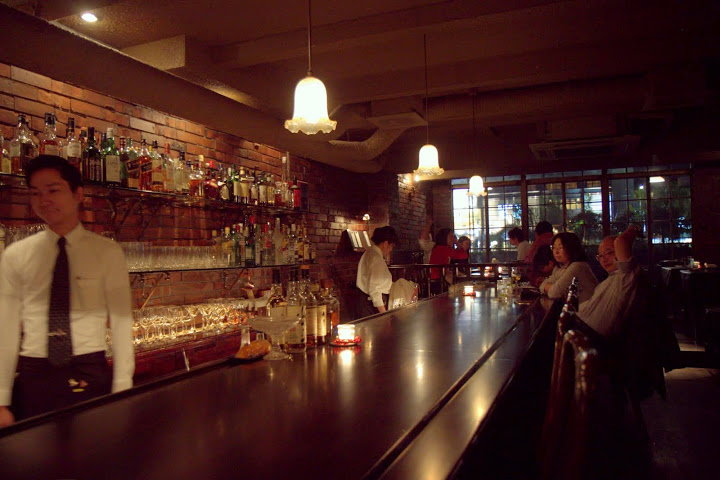
Cozy elbow-to-elbow seating with bossa nova tunes, dashi aromas, and rustic brick kitchen island.
Tags
Vibe
Best For
Experience
At the Table
- Dress Code
- Smart Casual
- Noise Level
- Conversational
- Service Style
- Casual
- Meal Pacing
- Standard
- Capacity
- Intimate
Signature Dishes
- beef tendon curry
- daikon radish oden
- cabbage rolls
Know before you go
Know Before You Go
- Getting there
- 225 Owaricho, Nakagyo Ward, Kyoto, 604-0934, Japan
Planning details
Location
225 Owaricho, Nakagyo Ward, Kyoto, 604-0934, Japan · Directions
instagram.com/fuyacyou.ichizerosan?igsh=MWFsaG0wZW44dTJncw%3D%3D
Recognition and awards
Also consider
Also Consider
- Gion Sasaki, Kaiseki, Japanese, ¥¥¥¥
- cenci, Italian, ¥¥¥
- Ifuki, Kaiseki, ¥¥¥¥
- Kyokaiseki Kichisen, Japanese, ¥¥¥¥
- Kyo Seika, Chinese, ¥¥¥
Restaurant context
Against Kyoto's ¥¥¥¥ kaiseki rooms, Fuyacho 103 is not competing, it is operating in a different register entirely. Gion Sasaki and Ifuki offer multi-course kaiseki at the top of the city's formal dining tier; Kyokaiseki Kichisen sits in the same bracket. If the occasion demands ceremony and a chef-directed progression of courses, those venues are the right call. Fuyacho 103 is the better booking when you want Michelin-level craft without the ¥¥¥¥ commitment or the formal dress-and-reservation choreography those rooms require.
cenci is the most direct conceptual peer in terms of cross-cultural ambition: it runs an Italian-Japanese fusion format at ¥¥¥ in a more structured setting. Fuyacho 103 arrives at a similar premise from the oden tradition rather than the Italian one, and does so at a lower price. If the creative fusion angle appeals, cenci gives you more formal structure and a clearer tasting progression; Fuyacho 103 gives you more flexibility and a lower bill. For a first Kyoto visit where you want to experience something technically serious rather than tourist-facing, Fuyacho 103 at ¥¥ is the lower-risk, higher-value entry point. Kyo Seika at ¥¥¥ fills a different gap, Chinese cuisine in a city saturated with Japanese formats, and is not a like-for-like alternative.
The practical summary: book Fuyacho 103 when budget matters and you want Michelin confidence without the formality. Book Gion Sasaki or Ifuki when the occasion requires the full kaiseki experience and price is secondary. Book cenci if you want a more structured cross-cultural menu at an intermediate price. Fuyacho 103 has the clearest value proposition of the group for solo diners, couples, and anyone visiting Kyoto on a considered but not unlimited budget.
Explore Kyoto
Around this place
Discover more on Pearl
Unlock the full Fuyacho 103 guide in Pearl, including awards, comparisons, FAQs, planning details, and nearby places.
Compare Fuyacho 103
| Venue | Cuisine | Price | Awards | Booking Difficulty |
|---|---|---|---|---|
| Fuyacho 103 | Oden | ¥¥ | 2026 Bib Gourmand2025 Michelin Bib Gourmand | Easy |
| Gion Sasaki | Kaiseki, Japanese | ¥¥¥¥ | 2026 Tabelog Bronze · #3862026 OAD Top Restaurants in Japan RecommendedMichelin Guide Kyoto Osaka 20262026 La Liste Top RestaurantsTabelog 100 - Japanese cuisine - WEST - 2025 · #132025 OAD Top Restaurants in Japan Ranked · #2462025 Tabelog Silver2025 Michelin 3 Stars2025 La Liste Top Restaurants | Unknown |
| cenci | Italian | ¥¥¥ | 2026 Tabelog Bronze · #442026 Asia's 50 Best Restaurants · #762026 OAD Top Restaurants in Japan Highly RecommendedMichelin Guide Kyoto Osaka 2026Tabelog 100 - Italian - WEST - 2025 · #632025 Asia's 50 Best Restaurants · #632025 OAD Top Restaurants in Japan Ranked · #1682025 Tabelog Bronze2024 OAD Top Restaurants in Japan Ranked · #135 | Unknown |
| Ifuki | Kaiseki | ¥¥¥¥ | 2026 OAD Top Restaurants in Japan Ranked · #1222026 Tabelog Bronze · #128Michelin Guide Kyoto Osaka 20262026 La Liste Top RestaurantsTabelog 100 - Japanese cuisine - WEST - 2025 · #622025 OAD Top Restaurants in Japan Ranked · #1002025 La Liste Top Restaurants2025 Tabelog Bronze2025 Michelin 2 Stars | Unknown |
| Kyokaiseki Kichisen | Japanese | ¥¥¥¥ | 2026 Tabelog Bronze · #1752026 OAD Top Restaurants in Japan Highly RecommendedMichelin Guide Kyoto Osaka 20262025 OAD Top Restaurants in Japan Ranked · #1862025 Michelin 2 Stars2025 La Liste Top Restaurants2024 OAD Top Restaurants in Japan Ranked · #1422024 Michelin 2 Stars2023 OAD Top Restaurants in Japan Ranked · #136 | Unknown |
| Kyo Seika | Chinese | ¥¥¥ | Tabelog 100 - Chinese cuisine - WEST - 2026 · #762026 Tabelog Bronze · #2162026 OAD Top Restaurants in Japan Recommended2026 Michelin 1 Star2025 OAD Top Restaurants in Japan Ranked · #3262025 Tabelog Bronze2024 OAD Top Restaurants in Japan Ranked · #3042024 Michelin Plate2024 Michelin 1 Star | Unknown |









.png?width=1200&quality=80)
A quick look at how Fuyacho 103 measures up.
FAQ
Frequently Asked Questions
Is Fuyacho 103 good for solo dining?
Yes — a small, counter-friendly oden format suits solo diners well, and the ¥¥ price point removes any financial pressure around ordering freely. The relaxed pace of oden service, where dishes arrive at your own tempo, makes it easier to eat alone here than at a formal multi-course venue. If you want a solo Kyoto dinner with Michelin recognition behind it, Fuyacho 103 is one of the more comfortable options at this price level.
What are alternatives to Fuyacho 103 in Kyoto?
For a step up in formality and price, Ifuki or cenci offer a more structured dining format. If ceremony and prestige matter, Kyokaiseki Kichisen is the reference point for traditional kaiseki in the city, though the price gap is considerable. Fuyacho 103 sits in its own category: Michelin-acknowledged, casual, and significantly less expensive than most alternatives in Kyoto's recognised restaurant pool.
Can Fuyacho 103 accommodate groups?
The venue is small and tucked into a mixed-use building, which limits large group suitability. Pairs and groups of three or four are the practical ceiling before space becomes a consideration. For a group dinner in Kyoto, check availability directly — the venue does not list contact or booking details publicly, so approaching early is advisable.
What should a first-timer know about Fuyacho 103?
The name is the address — 225 Owaricho — and the building exterior gives little indication there is a restaurant inside. The menu spans familiar oden staples like daikon and deep-fried tofu alongside chef-driven options such as caciocavallo cheese, reflecting a background in Italian cuisine. Come expecting a focused, warm room and a format that rewards curiosity over a wide-ranging menu.
Is the tasting menu worth it at Fuyacho 103?
Fuyacho 103 is an oden restaurant, not a tasting menu format — dishes are selected from the menu rather than served as a fixed sequence. That structure suits diners who prefer control over pacing and spend. At ¥¥, the value relative to a Michelin Bib Gourmand recognition is strong; if you want a set multi-course experience, Ifuki or cenci are closer comparisons.
Is Fuyacho 103 good for a special occasion?
It works well for a low-key special occasion where quality matters more than ceremony. The Michelin Bib Gourmand (2025) gives it credibility without the formality or cost of Kyoto's kaiseki venues. If the occasion calls for a grander setting or a more elaborate sequence of courses, consider Gion Sasaki or Hyotei instead.
Is Fuyacho 103 worth the price?
At ¥¥, it is one of the clearest value propositions among Michelin-recognised restaurants in Kyoto. The Bib Gourmand designation specifically flags good cooking at a reasonable price, and the oden format — augmented by Italian-influenced additions like caciocavallo and steak with dashi stock — makes it more interesting than a standard oden-ya. For the price tier, the answer is yes.