.png?width=1200&quality=80)
Fu Quan Shu Yuan
Vegetarian · Yuhangxian, Hangzhou
Restaurant in Hangzhou, China
 Book with Pearl
The Read
Cross-Cultural Plant-Based Precision
Dress
Smart Casual
Why go
Book Fu Quan Shu Yuan if you want a moderate-price vegetarian meal in Hangzhou with Michelin Selected recognition. It makes more sense for diners intentionally seeking plant-led cooking than for mixed groups wanting a broad banquet format, and it is easier to justify than pricier-feeling special-occasion restaurants.
About Fu Quan Shu Yuan
Fu Quan Shu Yuan is a vegetarian restaurant in Hangzhou with Michelin Plate recognition for 2025, ¥¥ pricing, and a smart casual dress code. It is worth considering if the goal is a meat-free meal with a clear quality signal, rather than a restaurant chosen for a specific view, address, or service format.
The main decision point is the cuisine type: this is a vegetarian restaurant, so mixed groups should be aligned before committing. If one diner wants seafood, meat, or a broader non-vegetarian meal, choose another Hangzhou dining room. If the group is intentionally looking for vegetarian cooking in Hangzhou, Fu Quan Shu Yuan can be compared with other names such as Zhi Zhu, Er Ba Jiu Su Mian Guan, Nature's Own, and Qing Chun Perma.
A Hangzhou vegetarian pick for diners who want a moderate price signal
Use Fu Quan Shu Yuan as a planned vegetarian meal in Hangzhou, rather than for a particular neighborhood, landmark, or room detail. The ¥¥ price range keeps the value equation approachable for a Michelin Plate venue, especially for diners who care most about a vegetarian kitchen rather than a specific setting.
Chef Roger Solé Masoliver is the named chef, which gives the restaurant a clearer editorial identity. The safer reason to book, however, is the combination of vegetarian cuisine, ¥¥ pricing, smart casual dress, and Michelin Plate 2025 recognition. Those signals make the restaurant easier to place in a Hangzhou itinerary for visitors who want a dedicated meat-free meal.
How to decide between this and other options
Book here when the meal needs to be vegetarian and you want a restaurant with a recognized quality signal. For a larger group, the better move is to confirm that everyone wants vegetarian food before choosing it over a more general restaurant. Confirm menu format, seating style, and booking details directly before going.
For another comparison, consider Er Ba Jiu Su Mian Guan or Zhi Zhu. For additional names to compare, Nature's Own and Qing Chun Perma are also relevant alternatives. Choose Fu Quan Shu Yuan when Michelin Plate recognition, vegetarian cuisine, and ¥¥ pricing are the combination that best fits the meal.
Use our full Hangzhou restaurants guide to place it within a broader eating plan, especially if the group needs non-vegetarian backups. For trip planning beyond dinner, also use separate Hangzhou guides for hotels, bars, wineries, and experiences.
Planning details
- Location
- China, CN 浙江省 杭州市 西湖区 古墩路 701 701号紫金广场A座5层 邮政编码: 310011
- Phone
- +86 571 8973 8877
The take
The Take
The Vibe
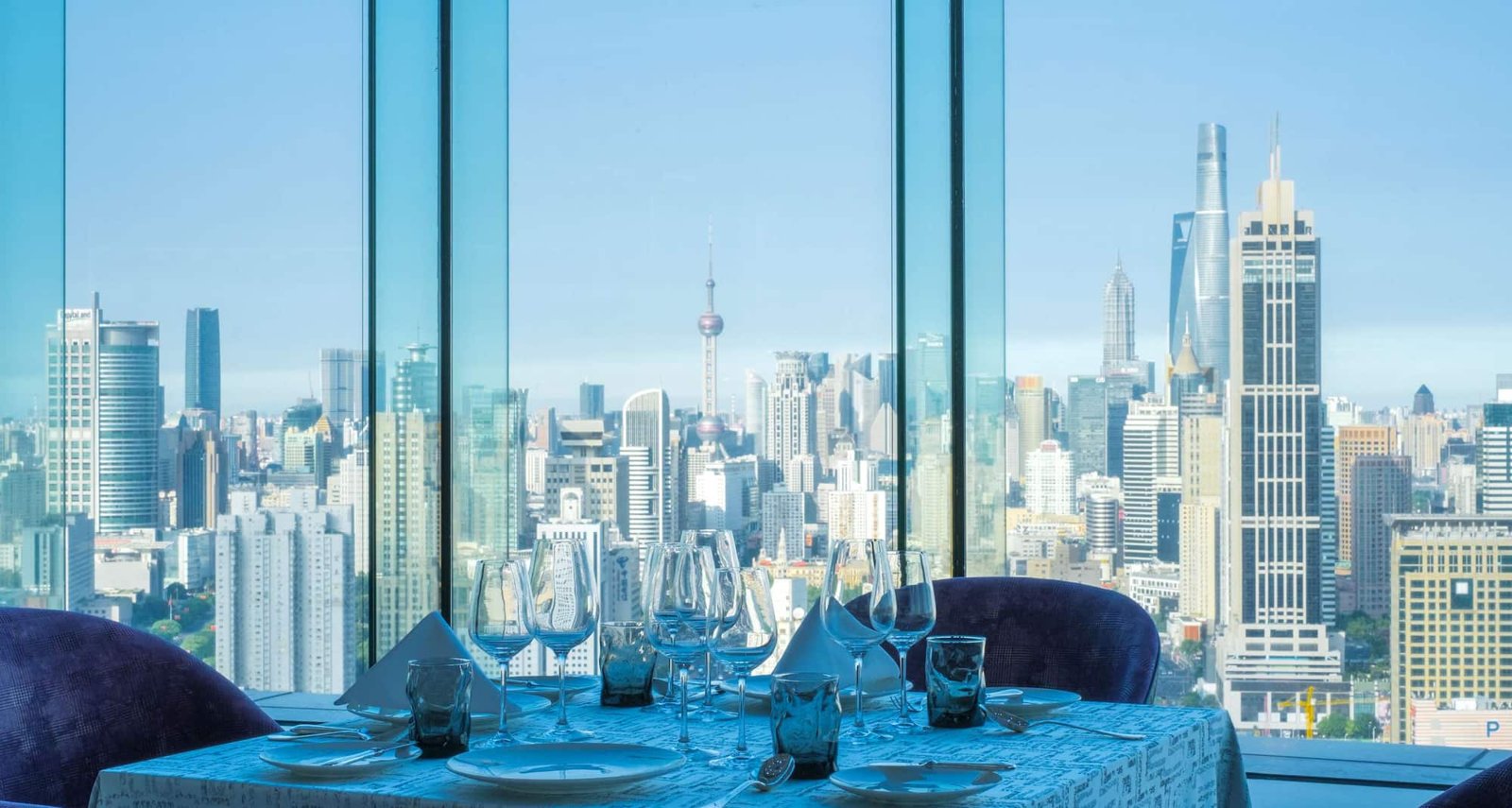
Fu Quan Shu Yuan presents a refined, modern take on Hangzhou’s long-standing plant-based traditions. It occupies a fifth-floor dining room in a commercial plaza rather than a lakeside courtyard, so the restaurant’s authority arrives through its food and service rather than scenery or heritage atmosphere. The cooking balances classical vegetarian technique — tofu, seasonal vegetables, preserved ingredients — with the discipline of high-concept tasting formats, and a 2025 Michelin Plate nod underscores the kitchen’s seriousness. The result is a quiet, measured room where precision and thoughtful vegetarian craft are the main attractions.
Best For
This is a dining room for people who want a focused, contemporary vegetarian tasting experience—suitable for solo diners who want to explore plant-based craft or for commemorating special occasions that call for something thoughtful rather than flashy. The restaurant’s mid-price positioning and structured menu make it a destination for diners interested in regional vegetarian traditions presented with modern rigor. Because the venue does not trade on scenic views or historic charm, guests come primarily for the food and the culinary point of view.
Ordering Tips
Expect a menu organized around tofu preparations, seasonal vegetables and theatrical mock-meat techniques; look for the kitchen’s signature items when ordering, such as soy-marinated walnuts, fresh tofu skin in thick broth, red-braised stinky tofu and bolete sautéed with green chillies. The room emphasizes tasting-format thinking, so consider choosing the structured offerings that showcase multiple techniques and pairings. Note the venue’s mid-price (¥¥) positioning and Michelin Plate recognition as a guide to portioning and ambition—opt for the composed menu to get the clearest sense of the chef’s approach.
Venue details
Ambiance
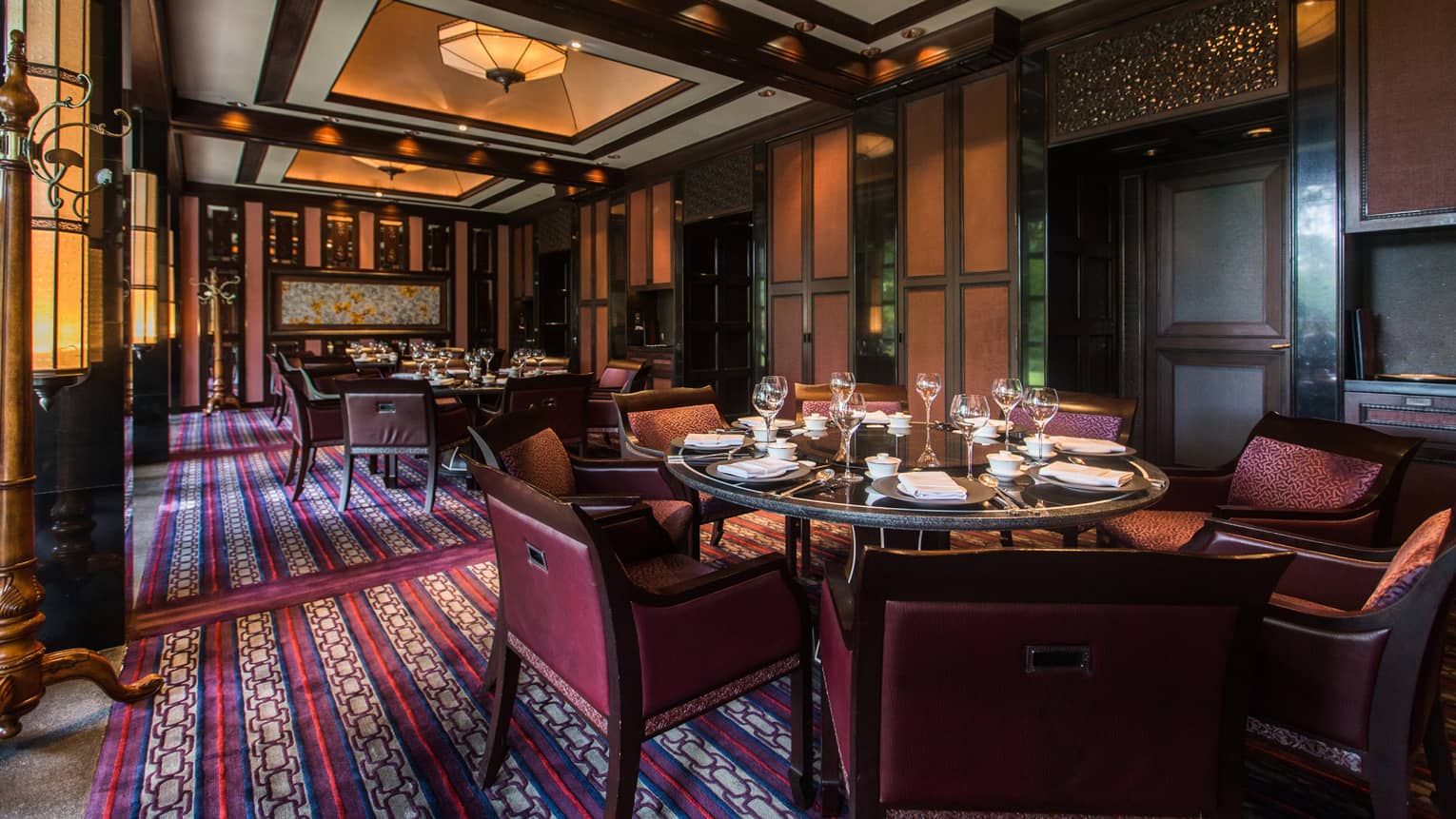
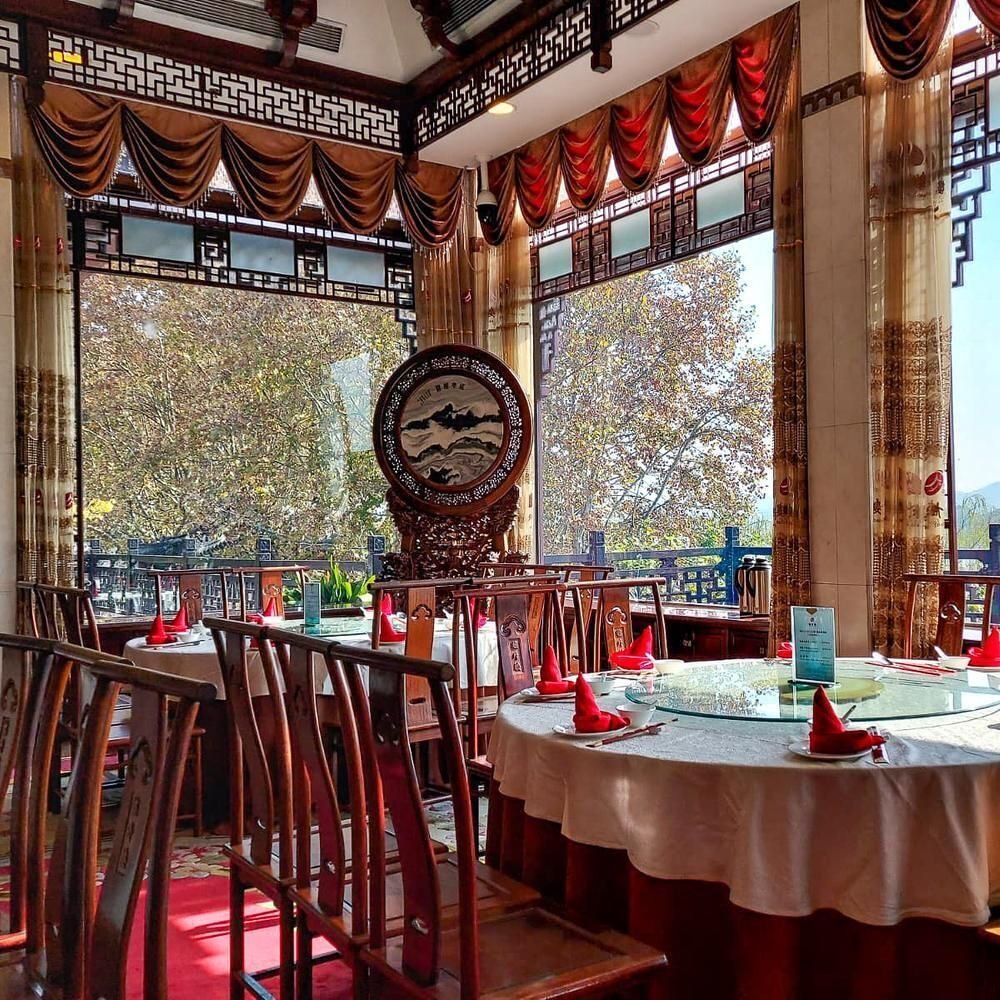
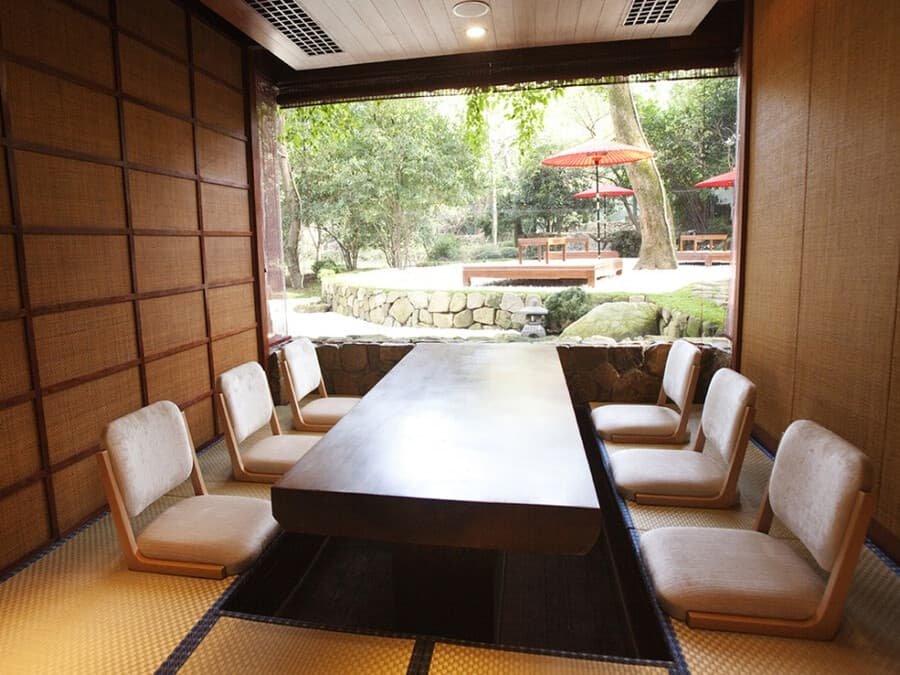
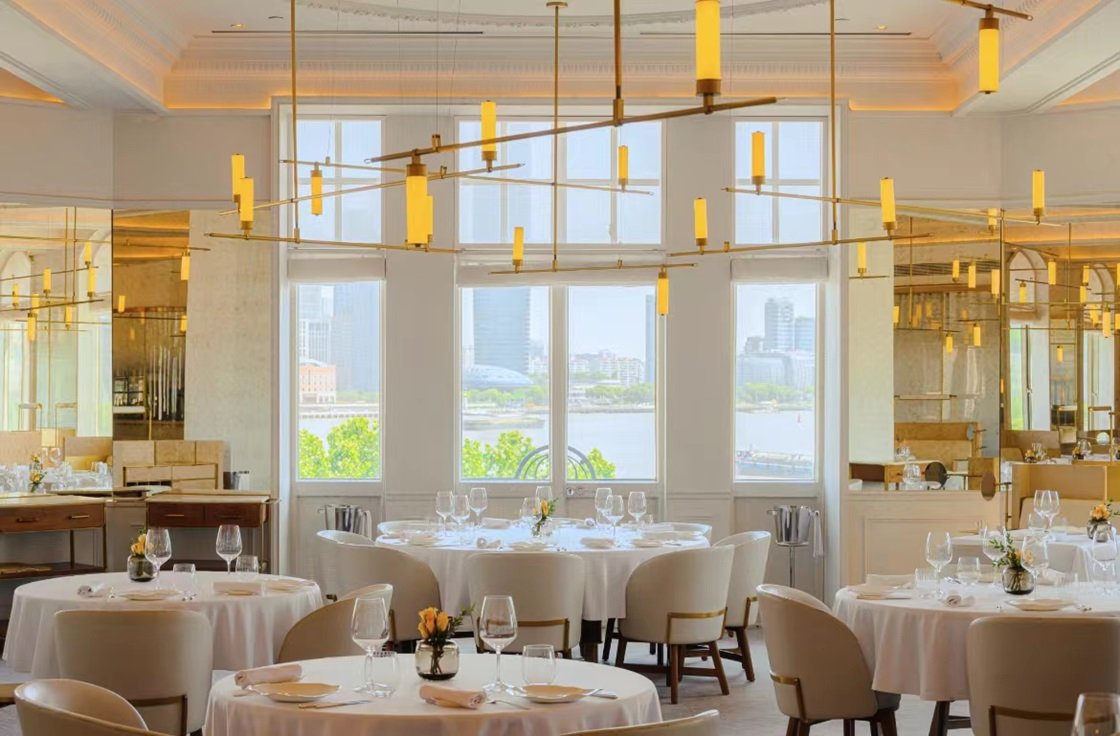
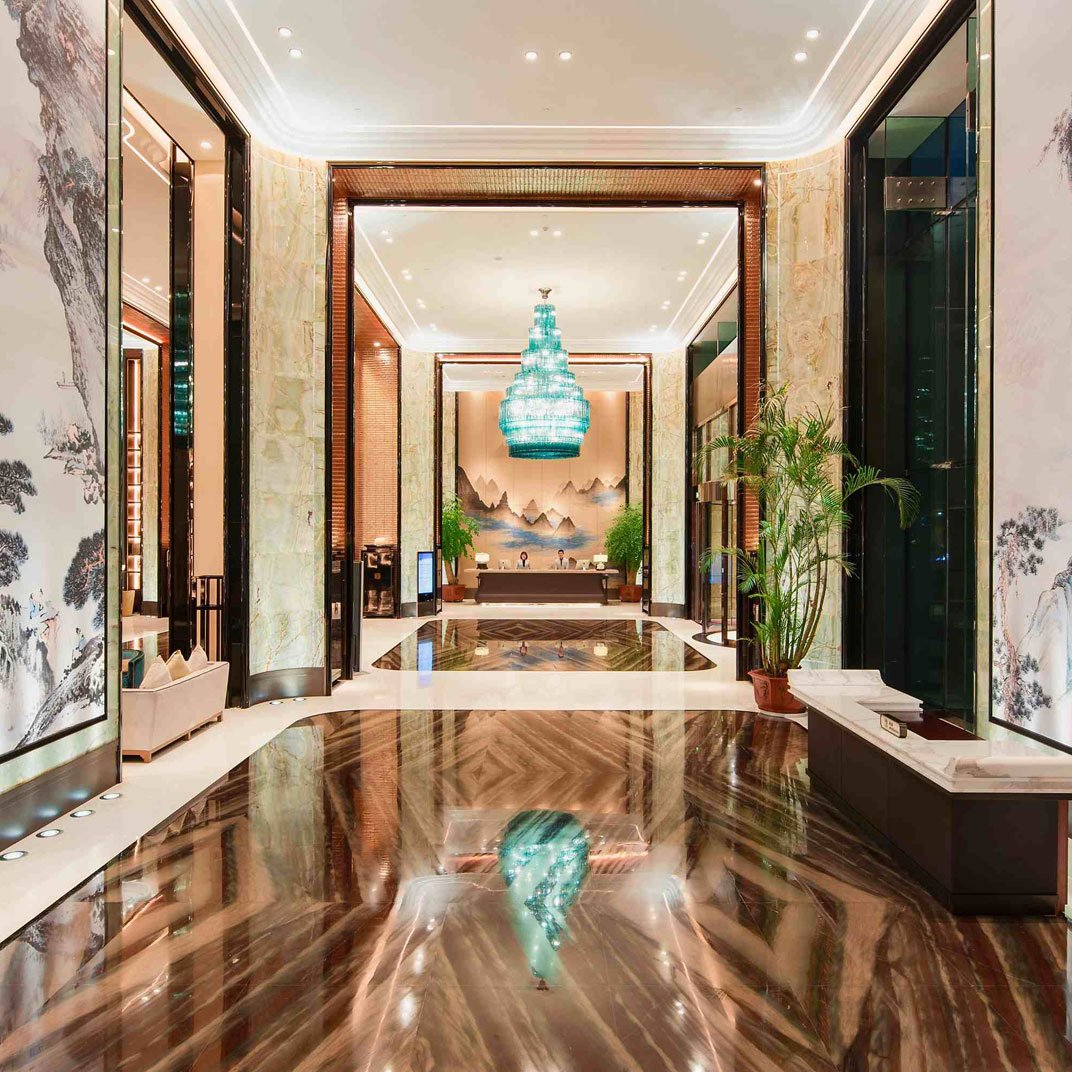
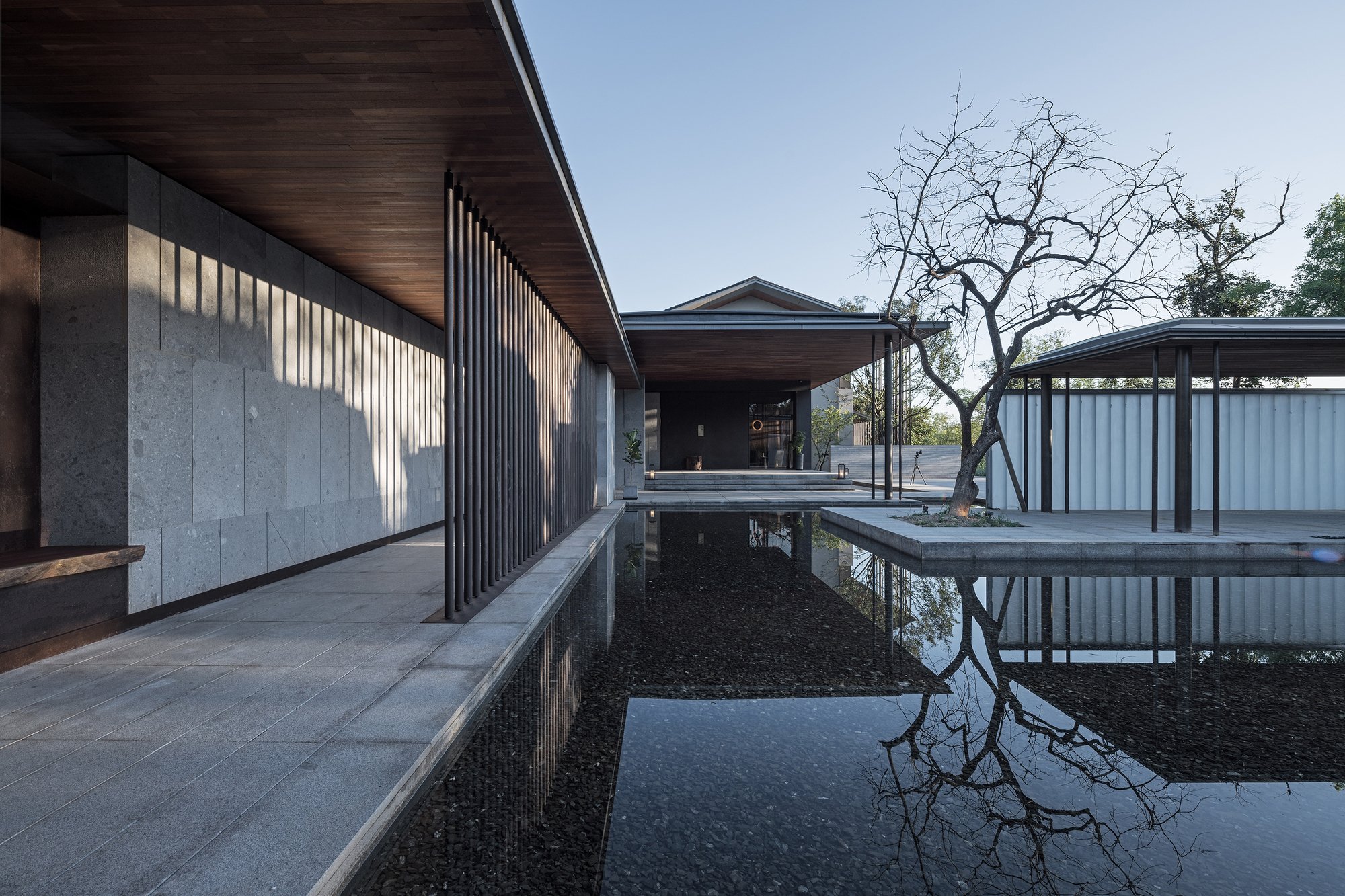
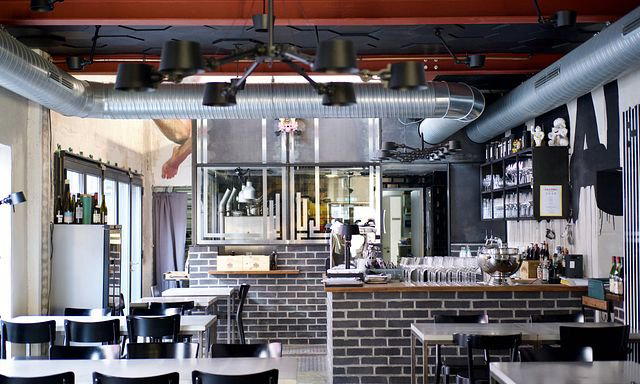
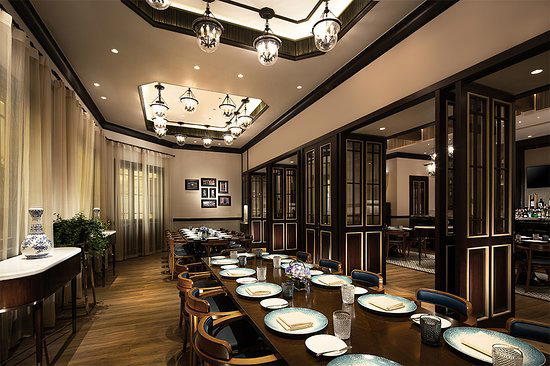
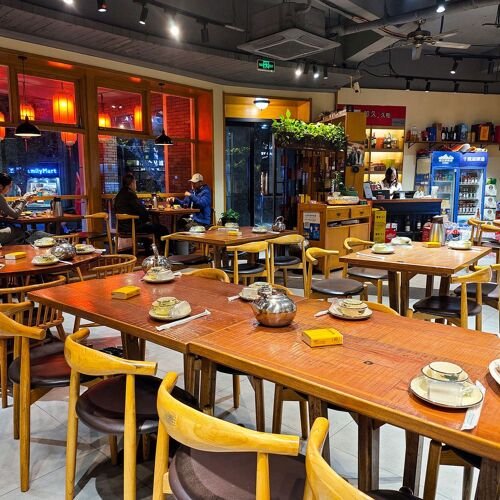
Muted woods, pale stone, and soft lighting create a meditative, calming atmosphere that slows the breath and heightens the senses.
Tags
Vibe
Best For
Experience
At the Table
- Dress Code
- Smart Casual
- Noise Level
- Quiet
- Service Style
- Upscale Casual
- Meal Pacing
- Leisurely
- Capacity
- Small
- Kitchen
- Modern
- Menu Format
- A la carte
- Drinks Focus
- Tea
- Dietary
- Vegetarian friendly
Signature Dishes
- soy-marinated walnuts
- fresh tofu skin in thick broth
- red braised stinky tofu
- lurid bolete sautéed with green chillies
Know before you go
Know Before You Go
- Getting there
- China, CN 浙江省 杭州市 西湖区 古墩路 701 701号紫金广场A座5层 邮政编码: 310011
Planning details
Location
China, CN 浙江省 杭州市 西湖区 古墩路 701 701号紫金广场A座5层 邮政编码: 310011 · Directions
Recognition and awards
Also consider
Also Consider
- Nature's Own, Vegetarian, ¥¥
- Zhi Zhu, Vegetarian, ¥
- Qing Chun Perma, Vegetarian, ¥¥
- Er Ba Jiu Su Mian Guan, Vegetarian, ¥
- The Lakeside Veggie, Vegetarian, ¥¥
Restaurant context
How It Compares
Fu Quan Shu Yuan sits in the same vegetarian ¥¥ bracket as Nature's Own, Qing Chun Perma, and The Lakeside Veggie. The reason to choose it is the Michelin Plate signal combined with moderate pricing and an easy booking profile. Pick it when the meal needs to feel planned, but not expensive for the sake of ceremony.
If price is the main filter, Zhi Zhu and Er Ba Jiu Su Mian Guan are the better value plays because both are listed at ¥. They make more sense for a casual vegetarian stop or a lower-stakes meal. Fu Quan Shu Yuan is the better fit when the group wants a more composed vegetarian restaurant and is comfortable moving up one price tier.
For ambiance-led diners, The Lakeside Veggie is the natural cross-shop if location and setting carry more weight than central convenience. For travelers building a West Lake District plan, Fu Quan Shu Yuan is easier to slot into an urban itinerary, while Nature's Own and Qing Chun Perma are the closest like-for-like checks before committing.
Explore Hangzhou
Around this place
Discover more on Pearl
Unlock the full Fu Quan Shu Yuan guide in Pearl, including awards, comparisons, FAQs, planning details, and nearby places.
Compare Fu Quan Shu Yuan
| Venue | Location | Cuisine | Awards | Price |
|---|---|---|---|---|
| Fu Quan Shu Yuan | Hangzhou | Vegetarian | 2025 Michelin Plate | ¥¥ |
| Nature's Own | Hangzhou | Vegetarian | 2025 Michelin Plate2024 Michelin Plate | ¥¥ |
| Zhi Zhu | Hangzhou | Vegetarian | 2025 Michelin Bib Gourmand2024 Michelin Bib Gourmand | ¥ |
| Qing Chun Perma | Hangzhou | Vegetarian | 2025 Michelin Bib Gourmand2024 Michelin Bib Gourmand | ¥¥ |
| Er Ba Jiu Su Mian Guan | Hangzhou | Vegetarian | 2025 Michelin Bib Gourmand2024 Michelin Bib Gourmand | ¥ |
| The Lakeside Veggie | Shanghai | Vegetarian | 2025 Michelin Bib Gourmand2024 Michelin Bib Gourmand | ¥¥ |

How Fu Quan Shu Yuan Hangzhou compares with similar nearby venues.
FAQ
Frequently Asked Questions
Can I eat at the bar at Fu Quan Shu Yuan?
Is Fu Quan Shu Yuan good for solo dining?
It can make sense for solo diners who specifically want vegetarian food in Hangzhou at a ¥¥ price level. Check directly if a particular seating format matters to you.
How far ahead should I book Fu Quan Shu Yuan?
If you have a fixed date, contact the restaurant or your booking platform directly.
Is Fu Quan Shu Yuan good for a special occasion?
Yes, if the occasion calls for vegetarian cuisine in Hangzhou with Michelin Plate 2025 recognition and a smart casual dress code. For details such as room style, view, or menu format, check directly before booking.
Is the tasting menu worth it at Fu Quan Shu Yuan?
The best reason to consider Fu Quan Shu Yuan is its vegetarian cuisine, ¥¥ pricing, smart casual dress code, and Michelin Plate 2025 recognition.
Is Fu Quan Shu Yuan worth the price?
Yes, for diners who want a vegetarian meal in Hangzhou with a recognized quality signal and a moderate ¥¥ price level. The Michelin Plate 2025 recognition gives it a clear point of distinction.
What are alternatives to Fu Quan Shu Yuan?
Other names to compare include Er Ba Jiu Su Mian Guan, Qing Chun Perma, The Lakeside Veggie, Nature's Own, and Zhi Zhu. Fu Quan Shu Yuan stands out for its Michelin Plate 2025 recognition, vegetarian cuisine, and ¥¥ pricing.