

Fuunji
Ramen · Shibuya, Tokyo
Restaurant in Tokyo, Japan
 Book with Pearl
The Read
Kanto Counter Intensity
Price
$10–20per person
Chef
Shigeyuki Miyake
Dress
Casual
Why go
Based in Yoyogi near Shinjuku, it is an Easy book and delivers a craft-focused bowl at a price well below what any comparable OAD-listed experience costs. Go for lunch; go for the tsukemen.
About Fuunji
Fuunji, Tokyo — Pearl Verdict
If you are making one ramen stop in Shibuya, this is the address to know. The caveat: expect a queue, a compact space, and a cash-focused, no-frills experience. Book this for a focused, high-quality bowl rather than a celebratory dinner with linen and wine.
Portrait
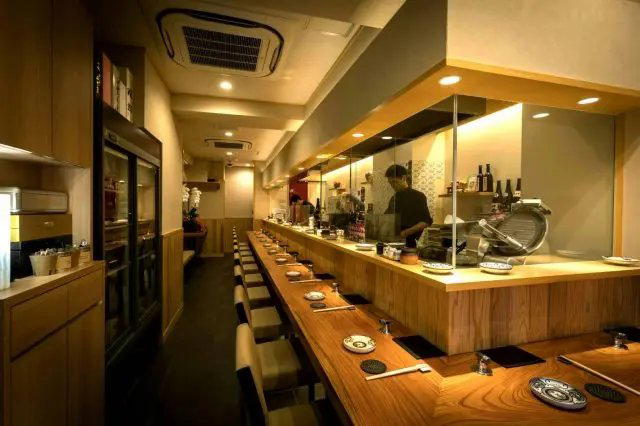
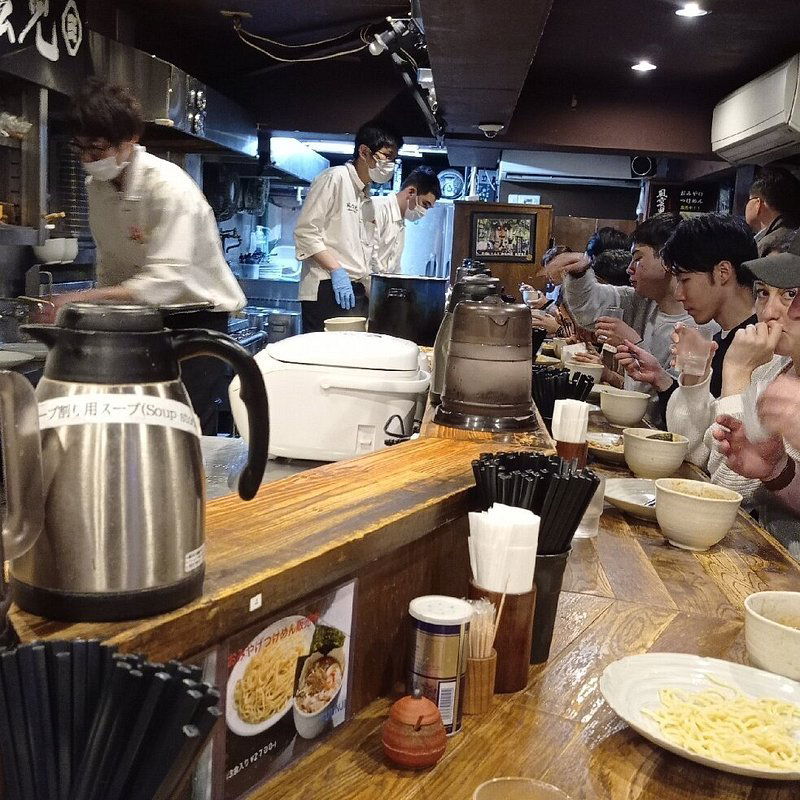
Fuunji sits on the ground floor of a low-rise building in Yoyogi, a short walk from Shinjuku's southern exit, which puts it in a convenient position relative to most central Tokyo hotels. The room is small, the seating is counter-focused, and the atmosphere is functional rather than romantic. Chef Shigeyuki Miyake's kitchen has earned its OAD ranking through consistency and precision rather than spectacle: this is a shop that rewards visitors who come to eat seriously, not to mark a milestone anniversary.
As a ramen destination, Fuunji does not have a conventional wine program, and that is not a weakness to apologise for. The drink pairing here is the broth itself: the liquid in the bowl is the thing that justifies the visit, and it functions with the same kind of intentional depth that a good sommelier applies to a glass. If you are someone who normally expects a curated beverage list alongside your meal, adjust your expectations before you arrive. What Fuunji offers instead is concentration: a singular focus on the bowl that, for the right diner, is more satisfying than a long wine list attached to a diffuse kitchen.
For a special occasion framing, Fuunji works well as a deliberate, low-key lunch rather than a formal dinner. The experience is intimate in a different way from a tasting-menu restaurant, it is the intimacy of craft stripped of ceremony. Pair it in your itinerary with a cocktail bar visit later in the evening (see our full Tokyo bars guide for options) and you have a genuinely satisfying day. If your companion expects white tablecloths and a sommelier, go elsewhere for the main event and save Fuunji for a solo lunch or a low-key outing.
Logistically, Fuunji is accessible and bookable without the lead time required by Tokyo's high-end tasting-menu circuit. Booking difficulty is rated Easy, a meaningful advantage over much of the OAD Japan list. Queues at peak times are real, so arriving before the lunch rush or early in the dinner window is the practical move. Price is not publicly listed in the available data, but ramen at this tier in Tokyo typically runs well under ¥2,000 per bowl, making it one of the most affordable OAD-ranked experiences in the city. For context on how that fits into Tokyo's broader dining picture, see our full Tokyo restaurants guide.
Fuunji is part of a strong cluster of serious ramen destinations in Tokyo. For tsukemen and intense broth work, compare it against Chukasoba Ginza Hachigou and Chukasoba KOTETSU. For a lighter shio style, Hakodate Shioramen Goryokaku is a useful counterpoint. Afuri and Chuogo Hanten Mita round out the broader category for different style preferences. If ramen is also on your radar elsewhere in Japan, Chinese Noodles ROKU in Kyoto and Chukasoba Mugen in Osaka are worth adding to the same trip.
For broader Japan trip planning beyond ramen, HAJIME in Osaka, Gion Sasaki in Kyoto, akordu in Nara, Goh in Fukuoka, 1000 in Yokohama, and 6 in Okinawa cover the high end of the country's dining range. For everything else in the capital, see our Tokyo hotels guide, our Tokyo wineries guide, and our Tokyo experiences guide.
Frequently Asked Questions
What should I order at Fuunji?
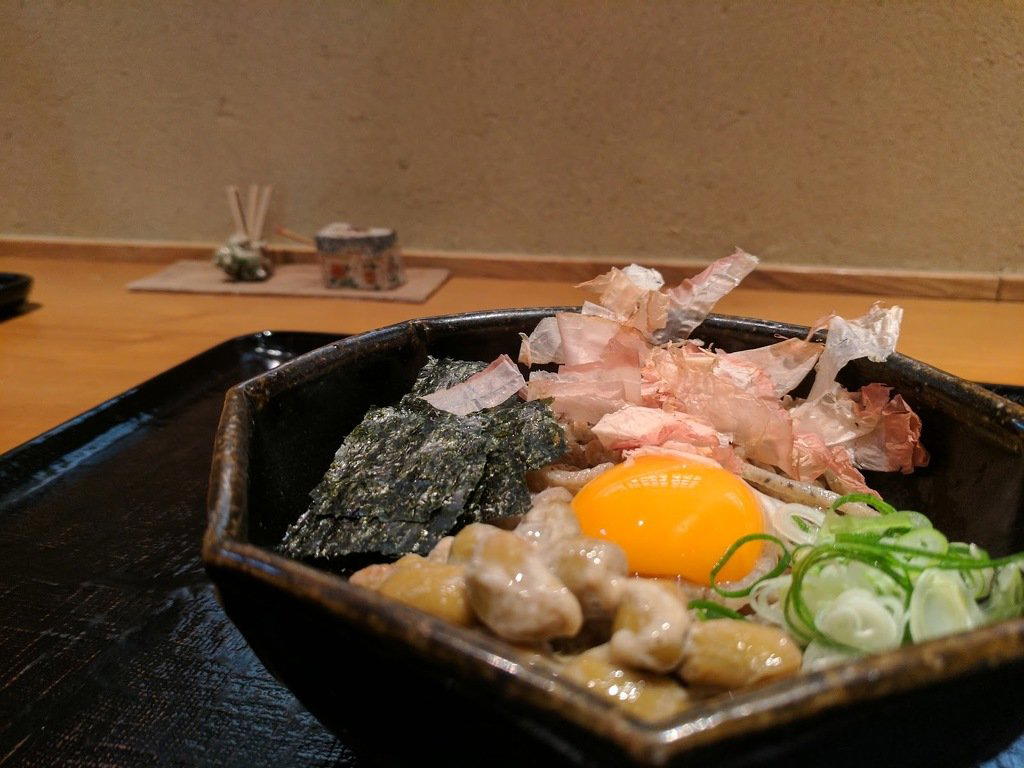
- Fuunji's OAD recognition points to its tsukemen, a dipping-style ramen where noodles are served separately from a concentrated broth, as the draw. Specific menu items are not confirmed in the available data, but tsukemen is the format the shop is renowned for among serious ramen followers. Order that first.
How far ahead should I book Fuunji?
- Booking difficulty at Fuunji is rated Easy, which means you do not need weeks of lead time the way you would at a tasting-menu restaurant. That said, peak lunch periods generate queues. Arriving at opening or late in a service window reduces your wait. Same-day visits are realistic most days.
Can Fuunji accommodate groups?
- The counter-led, compact layout typical of serious Tokyo ramen shops is not well-suited to large groups. Parties of two are fine; groups of four or more may face difficulty seating together and should visit in pairs or be prepared to queue in rotation. Specific seat count is not confirmed in available data.
Is Fuunji good for a special occasion?
- It depends on what you mean by special. If the occasion calls for a quiet, craft-focused meal that rewards attention, a low-key birthday lunch, a deliberate solo treat, a meaningful stop on a food-focused trip, Fuunji delivers. If the occasion requires a formal room, a wine list, and service choreography, look instead at RyuGin or L'Effervescence for that kind of experience.
What are alternatives to Fuunji in Tokyo?
- For ramen in a similar serious-casual register, consider Chukasoba Ginza Hachigou, Chukasoba KOTETSU, and Afuri. For a lighter style, Hakodate Shioramen Goryokaku is a useful contrast. If you want to step outside ramen entirely, Harutaka is the sushi option in Tokyo's high-end tier.
Can I eat at the bar at Fuunji?
- Counter seating is standard at Fuunji and, based on the shop's format, likely the primary seating arrangement. For solo diners or pairs, the counter is the practical and preferred option. This is not a bar in the cocktail-lounge sense, it is a ramen counter, which means quick service, close quarters, and full focus on the bowl.
Planning details
- Location
- Japan, 〒151-0053 Tokyo, Shibuya, Yoyogi, 2 Chome−14−3 北斗第一ビル 1F
- Website
- fu-unji.com
- Phone
- +81364138480
The take
The Take
The Vibe
Fuunji reads like an essential neighbourhood institution rather than a showpiece. It sits on the first floor of a low-rise on a quiet Yoyogi side street, and a queue forms before the shutters go up — a low-key ritual that signals steady demand. The shop's repeated presence in the Opinionated About Dining Casual Japan rankings over consecutive years underlines a reputation built on consistency rather than hype. The tone is understated and intensely focused on the food: regulars and repeat visitors anchor the room, and the experience favors the serious ramen enthusiast over flashy theatrics.
Best For
Fuunji is best for people who want an unvarnished, high-quality ramen experience and are willing to wait for it. The shop appeals to locals and repeat visitors who prize consistency: its sustained ranking and thousands of reviews point to reliable results. Solo diners and small groups who appreciate Kanto-style broth and the shop’s signatures — notably the Special Tsukemen and the Rich Seafood Tsukemen — find it especially rewarding. Visitors who prefer a quieter neighbourhood setting outside the main tourist circuits will also value Fuunji’s location in Yoyogi.
Ordering Tips
Expect to queue and plan to arrive before the shutters lift if you want a shorter wait: the pavement outside the shop regularly holds a line before opening. Lean into the house specialties — the Special Tsukemen and the Rich Seafood Tsukemen are the signatures cited for a reason. Given the shop’s compact storefront and high demand, order decisively and be prepared for a focused, food-first service rhythm. The venue’s steady rankings and broad base of reviews suggest that sticking with the signature tsukemen is the most reliable way to sample what Fuunji does best.
Venue details
Ambiance
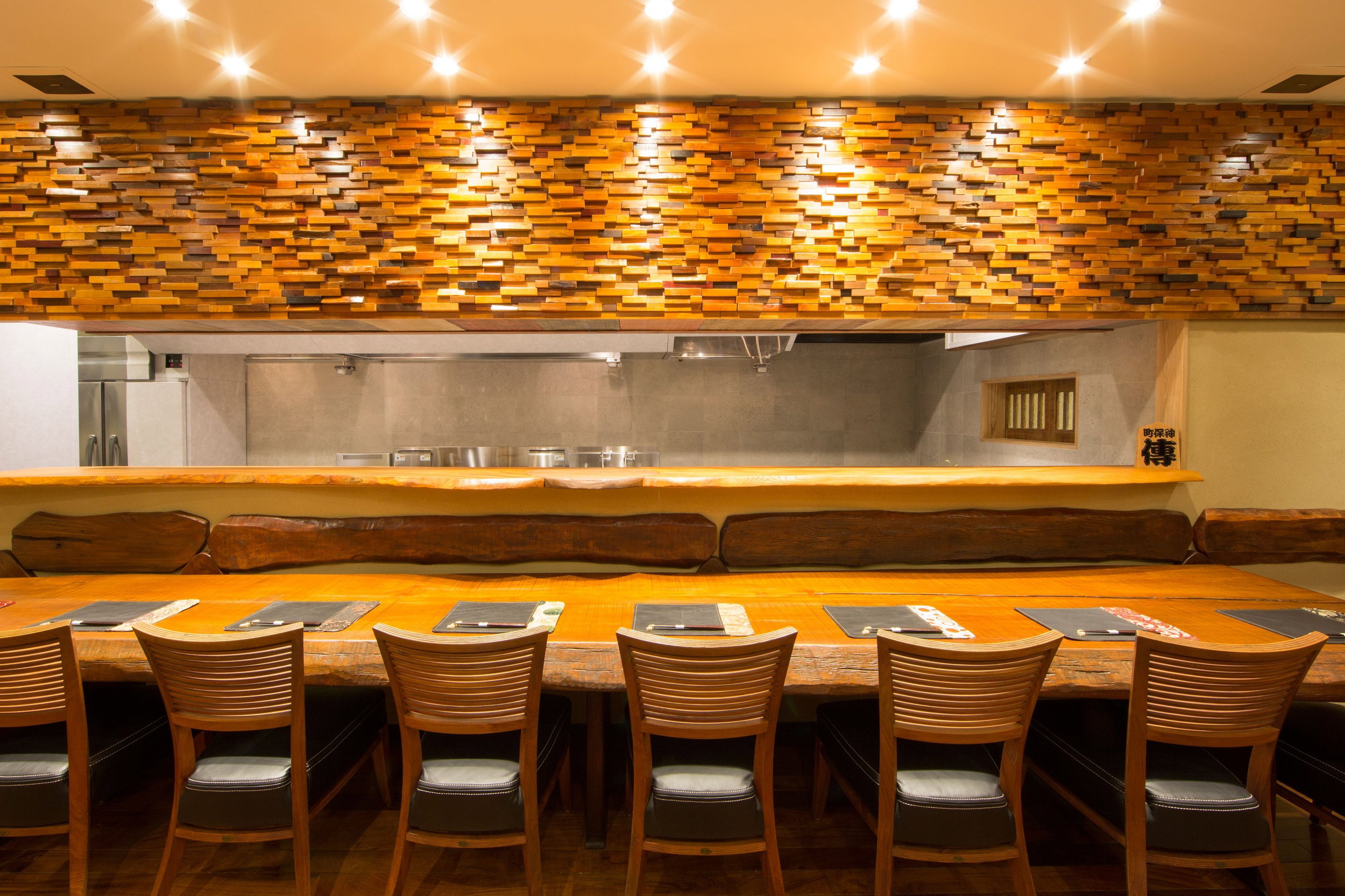
Narrow, energetic counter seating facing the open kitchen with quick turnover and queues, creating an authentic fast-paced Tokyo ramen experience.
Tags
Vibe
Best For
Experience
At the Table
- Dress Code
- Casual
- Noise Level
- Lively
- Service Style
- Counter Service
- Meal Pacing
- Quick Bite
- Capacity
- Intimate
- Kitchen
- Traditional
- Menu Format
- Counter dining, A la carte
Signature Dishes
- Special Tsukemen
- Rich Seafood Tsukemen
Know before you go
Know Before You Go
- Getting there
- Japan, 〒151-0053 Tokyo, Shibuya, Yoyogi, 2 Chome−14−3 北斗第一ビル 1F
Planning details
Location

Also consider
Also Consider
- Harutaka, Sushi, ¥¥¥¥
- RyuGin, Kaiseki, Japanese, ¥¥¥¥
- L'Effervescence, French, ¥¥¥¥
- HOMMAGE, Innovtive French, French, ¥¥¥¥
- Florilège, French, ¥¥¥
Restaurant context
Fuunji sits in a different category from most of its Tokyo dining peers. Against tasting-menu destinations like RyuGin (kaiseki, ¥¥¥¥) or L'Effervescence (French, ¥¥¥¥), the comparison is really about intent rather than quality tier. If your Tokyo itinerary has one slot for a serious lunch and budget is a real consideration, Fuunji's OAD ranking at a fraction of a kaiseki price tag makes it the sharper value play. If the occasion demands a full service experience with beverage pairings and a formal room, RyuGin is the obvious step up.
Within the fine-casual French category, Florilège (¥¥¥) and HOMMAGE (¥¥¥¥) target a diner who wants creative cooking with a wine list and a designed room. Fuunji targets someone for whom the bowl itself is the point. These are not competing for the same occasion, but if you are deciding how to allocate a single serious meal in Tokyo, the question is whether craft execution or full-service experience matters more to you on this trip.
Among sushi options, Harutaka (¥¥¥¥) is the benchmark for technical precision at the high end. Book Harutaka when the format and the price are both justified by the occasion. Book Fuunji when you want something equally deliberate but lower in ceremony and cost. The two venues are easy to schedule on the same Tokyo trip without overlap, Harutaka for a special-occasion dinner, Fuunji for a focused lunch the following day.
Explore Tokyo
Around this place
Discover more on Pearl
Unlock the full Fuunji guide in Pearl, including awards, comparisons, FAQs, planning details, and nearby places.
Compare Fuunji
| Venue | Location | Cuisine | Awards | Price |
|---|---|---|---|---|
| Fuunji | Tokyo | Ramen | 2026 OAD Casual in Japan Ranked · #147Tabelog 100 - Ramen - TOKYO - 2025 · #102025 OAD Casual in Japan Ranked · #172024 OAD Casual in Japan Ranked · #152023 OAD Casual in Japan Ranked · #9 | , |
| Harutaka | Tokyo | Sushi | 2026 Tabelog Silver · #312026 OAD Top Restaurants in Japan Ranked · #1282026 Michelin 3 Stars2026 La Liste Top RestaurantsTabelog 100 - Sushi - TOKYO - 2025 · #372025 Asia's 50 Best Restaurants · #762025 OAD Top Restaurants in Japan Ranked · #1172025 La Liste Top Restaurants2025 Tabelog Bronze | ¥¥¥¥ |
| RyuGin | Tokyo | Kaiseki, Japanese | 2026 OAD Top Restaurants in Japan Ranked · #802026 Tabelog Bronze · #3772026 Michelin 3 Stars2026 La Liste Top RestaurantsTabelog 100 - Japanese cuisine - TOKYO - 2025 · #212025 OAD Top Restaurants in Japan Ranked · #542025 Michelin 3 Stars2025 La Liste Top Restaurants2025 The Best Chef Three Knives | ¥¥¥¥ |
| L'Effervescence | Tokyo | French | 2026 Tabelog Silver · #682026 OAD Top Restaurants in Japan Ranked · #103Star Wine Lists 20262026 Black Pearl 2 Diamond2026 Relais Chateaux Restaurants2026 La Liste Top Restaurants2026 Michelin 3 Stars2025 Asia's 50 Best Restaurants · #692025 OAD Top Restaurants in Japan Ranked · #92 | ¥¥¥¥ |
| HOMMAGE | Tokyo | Innovtive French, French | 2026 Tabelog Bronze · #1232026 OAD Top Restaurants in Japan Highly Recommended2026 Michelin 2 StarsTabelog 100 - French - TOKYO - 2025 · #762025 Asia's 50 Best Restaurants · #782025 OAD Top Restaurants in Japan Ranked · #1752025 Michelin 2 Stars2025 The Best Chef One Knife2025 La Liste Top Restaurants | ¥¥¥¥ |
| Florilège | Tokyo | French | 2026 Asia's 50 Best Restaurants · #312026 Tabelog Bronze · #712026 OAD Top Restaurants in Japan Ranked · #1242026 Black Pearl 1 Diamond2026 Michelin 2 Stars2026 La Liste Top Restaurants2025 Asia's 50 Best Restaurants · #172025 World's 50 Best Restaurants · #36Tabelog 100 - French - TOKYO - 2025 · #68 | ¥¥¥ |











How Fuunji Tokyo compares with similar nearby venues.
FAQ
Frequently Asked Questions
What should I order at Fuunji?
Fuunji built its reputation on tsukemen — thick noodles served separately from a rich dipping broth — and that remains the reason most visitors make the trip. Chef Shigeyuki Miyake has kept the format tight and focused rather than running an extensive menu, so ordering the tsukemen is not a gamble. If you're unfamiliar with the format, the counter staff can guide portion size.
How far ahead should I book Fuunji?
Fuunji does not take reservations — it operates as a queue-based ramen counter. Arrive before opening to avoid a long wait, particularly on weekends. Its three consecutive appearances on Opinionated About Dining's Casual Japan list (ranked #9 in 2023) mean word-of-mouth traffic is real, so early arrival is the only reliable strategy.
Can Fuunji accommodate groups?
Counter seating and a no-reservations policy make Fuunji a poor fit for groups larger than two or three. Parties of four or more will likely be seated in stages depending on counter availability. If a group meal is the goal, a reservable Tokyo ramen or noodle shop is a more practical choice.
Is Fuunji good for a special occasion?
Not in the conventional sense. There are no reservations, no private spaces, and the format is a casual counter. That said, if the occasion is specifically about eating one of Tokyo's most consistently rated bowls of ramen — it has ranked in Japan's OAD Casual top 20 every year from 2023 to 2025 — then it delivers on that narrow brief.
What are alternatives to Fuunji in Tokyo?
For tsukemen specifically, Rokurinsha in Tokyo Station is the most direct comparison and easier to access if you're transiting. For a broader ramen experience closer to Shinjuku, the neighbourhood has several well-regarded shops without the same queue pressure. Fuunji's OAD ranking places it above most walk-in alternatives, so if the queue doesn't deter you, the trade-off favours Fuunji.
Can I eat at the bar at Fuunji?
Yes — Fuunji is a counter-only operation, so bar seating is the entire dining format. There are no tables. You queue, take a seat at the counter when one opens, and order from there. It is a solo or two-person format by design, and the experience moves at the pace of a bowl of ramen rather than a sit-down meal.