
.png?width=1200&quality=80)
Chu Shan Si Ji
Hubei · Chuiyangliu, Beijing
Restaurant in Beijing, China
 Book with Pearl
The Read
Central China Water Cooking
Dress
Smart Casual
Why go
Two consecutive Michelin Plates (2024–2025) and a 2025 Black Pearl Diamond make Chu Shan Si Ji the most credentialed Hubei restaurant in Beijing's Chaoyang district. At ¥¥¥ pricing, the awards-to-cost ratio works strongly in your favour. Booking is easy relative to its recognition level, making it a practical choice for group dinners and special occasions.
About Chu Shan Si Ji
The Verdict
Two consecutive Michelin Plates (2024 and 2025) plus a Black Pearl 1 Diamond in 2025 make Chu Shan Si Ji one of the most credentialed Hubei-cuisine restaurants in Beijing right now. At ¥¥¥ pricing, it sits in a mid-to-upper tier where the awards-to-price ratio genuinely works in your favour. If you are looking for a special-occasion table that serves regional Chinese cooking at a documented level of quality, this is a strong booking. If you need a venue where the private or group dining experience carries real weight, read the section below carefully.
Portrait
Chu Shan Si Ji occupies a plot on East Third Ring Middle Road in Chaoyang, one of Beijing's most commercially active districts. The address puts it in a neighbourhood where restaurants compete hard for business diners and celebration tables, which means the kitchen has had to earn its following against well-funded competition. Two years of Michelin recognition suggests it has. For Hubei cuisine specifically, that kind of sustained external validation is meaningful: this is not a well-mapped cuisine in Beijing's fine-dining conversation, and the awards signal that the kitchen is doing something technically coherent rather than trading on novelty.
Hubei cooking, for context, draws from the Yangtze River basin and leans on freshwater fish, preserved vegetables, and a broader flavour palette than the chilli-heat profiles most Beijing diners associate with central Chinese food. It is distinct from the Sichuan or Hunan cooking that dominates this category in the capital, which gives Chu Shan Si Ji a particular positioning: if you are building a Beijing dining itinerary and want regional Chinese cuisine that sits outside the usual options, this fills a gap that venues like Chao Shang Chao (Chaoyang) or Xin Rong Ji (Xinyuan South Road) do not.
The spatial profile matters here. The physical address, opposite a KTV venue on the East Third Ring, does not suggest the kind of hushed, architecturally curated room you would find at Lamdre. What the Chaoyang location does offer is accessibility: it is central, well-connected, and the kind of address a business host can cite without confusion. For a special occasion where the surroundings need to feel credible without being intimidating, that positioning has practical value.
Group and Private Dining
This is where Chu Shan Si Ji's case is most compelling. Chinese regional cuisine at this price tier is typically designed for the table format: shared dishes, ordered in rounds, paced across an evening. That structure plays to a group's advantage in a way that tasting-menu formats at venues like Chef Tam's Seasons or Western-influenced formats such as Le Bernardin do not. At ¥¥¥, the per-head spend for a group table is manageable enough that hosts can order generously without the bill becoming awkward.
Private room availability is not confirmed in the data we hold, so you should ask directly when booking. What the awards record does imply is that the kitchen can deliver consistent output under group-dining conditions, which is not a given at this category. Venues that have maintained Michelin recognition across two consecutive cycles have typically stabilised their kitchen operation. For a business dinner, a family celebration, or a group table where the host needs the kitchen to perform reliably, that consistency matters more than it might seem.
Compare this to booking a group table at Xin Rong Ji (Xinyuan South Road) at ¥¥¥¥: the Taizhou cuisine there is technically exceptional, but the price premium is significant and the format can feel more formal than is useful for a celebratory group. Chu Shan Si Ji at ¥¥¥ gives you award-backed quality with less financial pressure on the table, which is often the better outcome for group occasions.
Booking and Timing
Booking difficulty is rated easy, which is genuinely useful information at this recognition level. Many Michelin-recognised restaurants in Beijing require multi-week advance planning; Chu Shan Si Ji appears to be more accessible. Weekend evenings and Chinese public holidays are still likely to fill, so book ahead for those dates, but if you need a mid-week dinner, availability should be reasonable. Phone and website details are not held in our current data, so approach booking through a hotel concierge or a local reservations platform if direct contact is not immediately obvious.
For broader Beijing dining context, our full Beijing restaurants guide covers the city's range from street-level to fine dining. If you are building a longer itinerary, the Beijing hotels guide, bars guide, and experiences guide sit alongside it.
How It Sits in the Regional Chinese Picture
Hubei cooking is underrepresented in Beijing's dining scene relative to its quality ceiling, which is partly why the awards here carry weight. If you have eaten at Ru Yuan in Hangzhou or 102 House in Shanghai, you will understand the tier of regional Chinese restaurant that takes its source cuisine seriously and executes it at a technical level that justifies the price. Chu Shan Si Ji is making the same argument for Hubei food in Beijing. Whether the room and service match that ambition is something we will update as more data becomes available, but the kitchen credentials are documented.
For other regional perspectives in Beijing, Hong Fan Qie (Yuyuantan South Road) and Jingyi (Liulichang East Street) offer different reference points worth considering when planning a multi-restaurant trip. And if you are travelling the broader China circuit, Imperial Treasure Fine Chinese Cuisine in Guangzhou, Dai Yuet Heen in Nanjing, and Xin Rong Ji in Chengdu provide useful benchmarks for what award-level regional Chinese cooking looks like across the country.
Planning details
- Location
- China, Beijing, Chaoyang, 61, E 3rd Ring Middle Rd, 61号麦乐迪对面 邮政编码: 100020
- Phone
- +86 10 8777 4188
The take
The Take
The Vibe
Chu Shan Si Ji stakes a clear, unapologetic claim: it is a dedicated Hubei room in a Beijing scene dominated by coastal and southern traditions. The restaurant's repeated Michelin Plate recognition and a Black Pearl 1 Diamond underline a kitchen with a consistent point of view rather than a flash-in-the-pan trend. Because Hubei cooking is less celebrated in the capital, the venue reads as a focused, specialist destination for diners who want to explore central-Chinese technique and ingredients. The tone conveyed by the writing is serious and purposeful — a regional outpost rather than a tourist-facing novelty.
Best For
This is a restaurant for diners who are specifically interested in central Chinese cooking and for people who follow the guidebook circuit: critics, curious locals, and visitors seeking a distinct regional encounter. The venue's consecutive Michelin Plate mentions signal reliability and craft, making it suitable for business dinners and special-occasion meals where provenance and technique matter. Located in Chaoyang on East 3rd Ring Middle Road, Chu Shan Si Ji functions as a destination for those who want to sample Hubei's freshwater-driven flavors rather than the more familiar coastal cuisines found elsewhere in the city.
Ordering Tips
When you order, prioritize the signature Hubei preparations highlighted in the listing: River Catfish in Pickled Chili Broth, Spicy Fish Maw with Aromatic Offal, Lotus-Root–Stuffed Pork with Hubei Rice Flour, and the Lamb-and-Fish Stew. The description emphasizes Hubei’s relationship with rivers, lakes and freshwater ingredients, so expect dishes that showcase river fish, lake produce and regional starches. Opt for a selection that samples several of these specialties to get a rounded sense of the province’s ingredient logic and the kitchen’s consistent approach praised by the Michelin Plate citations.
Venue details
Ambiance
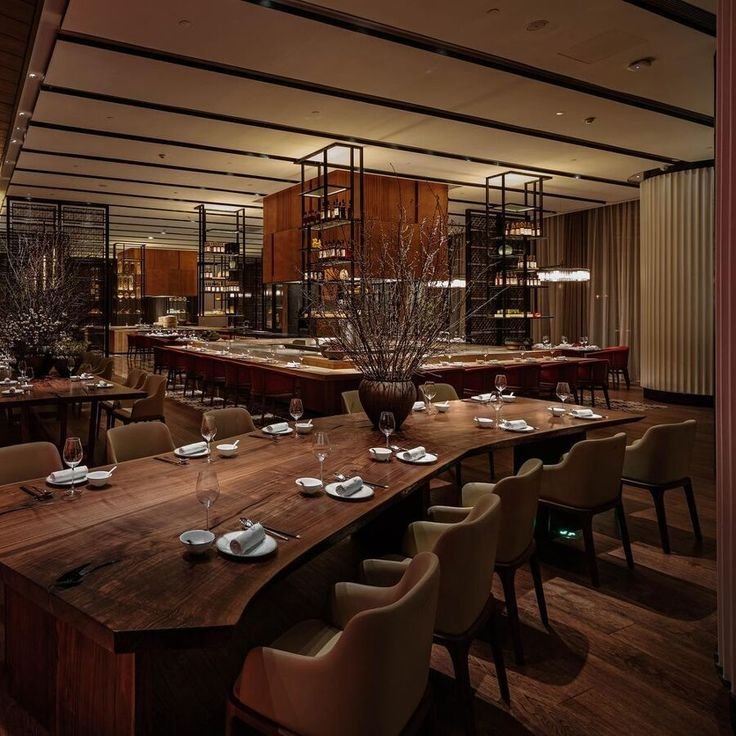
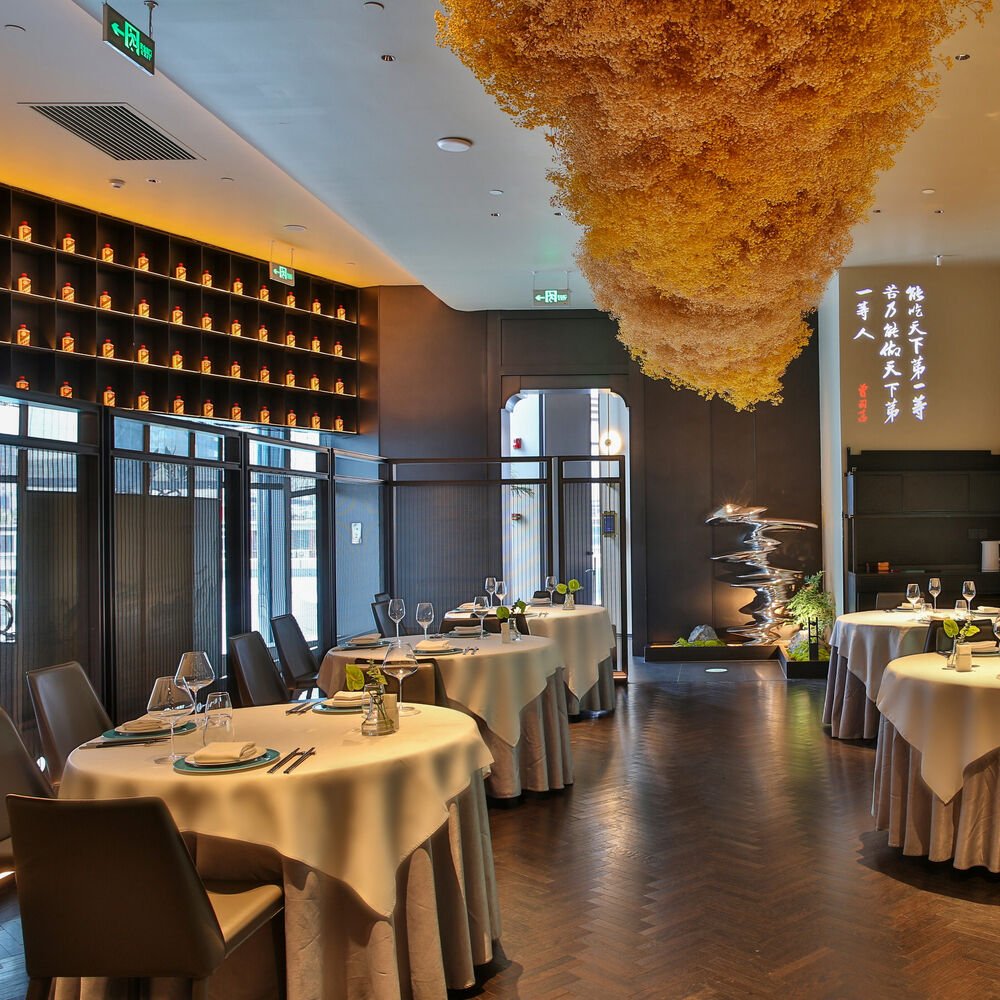
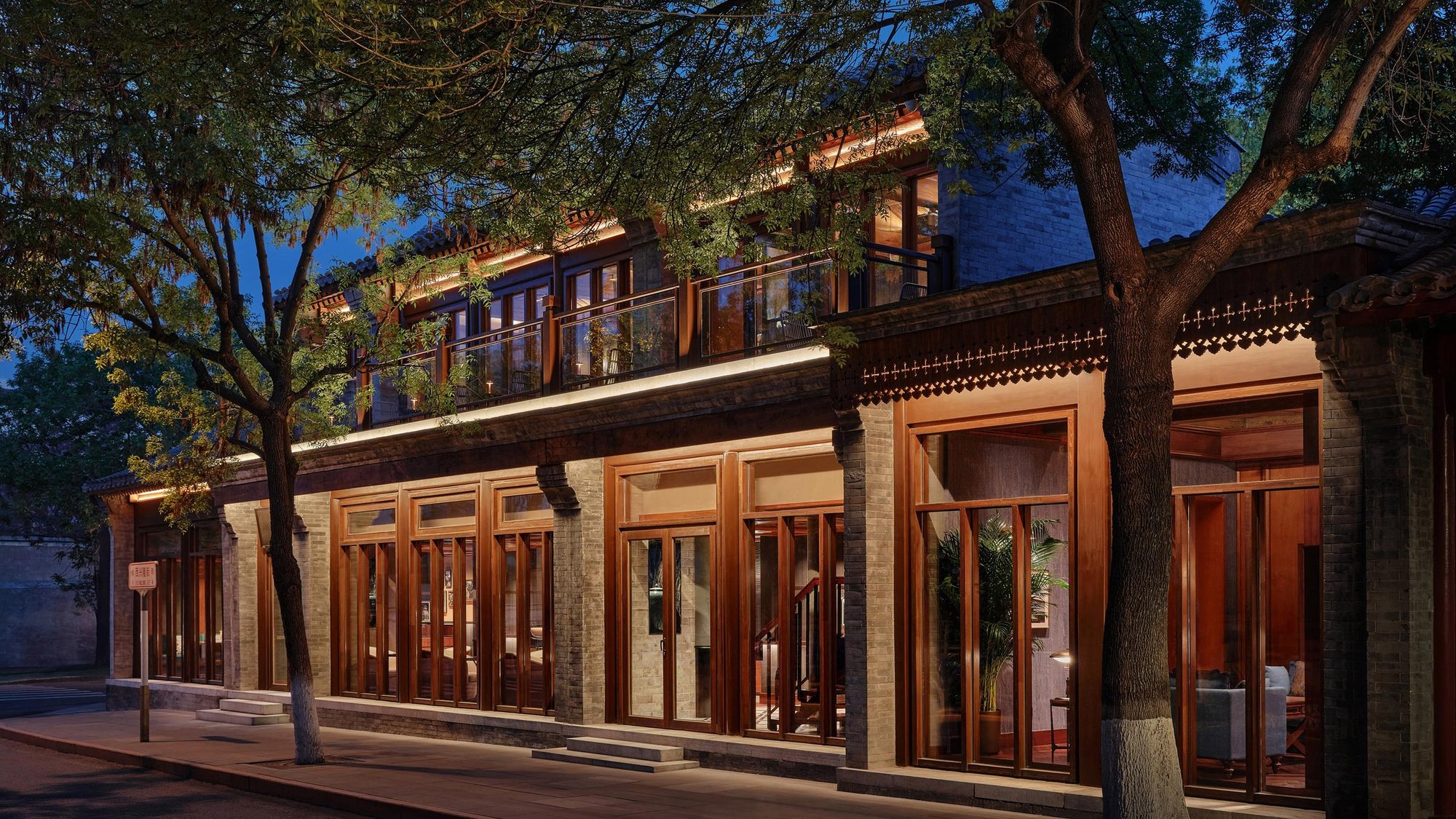
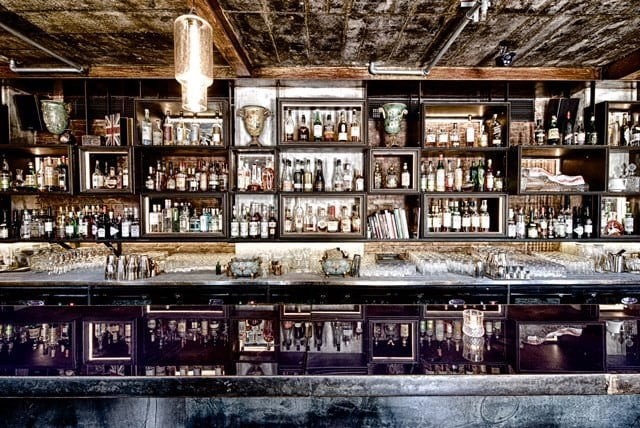
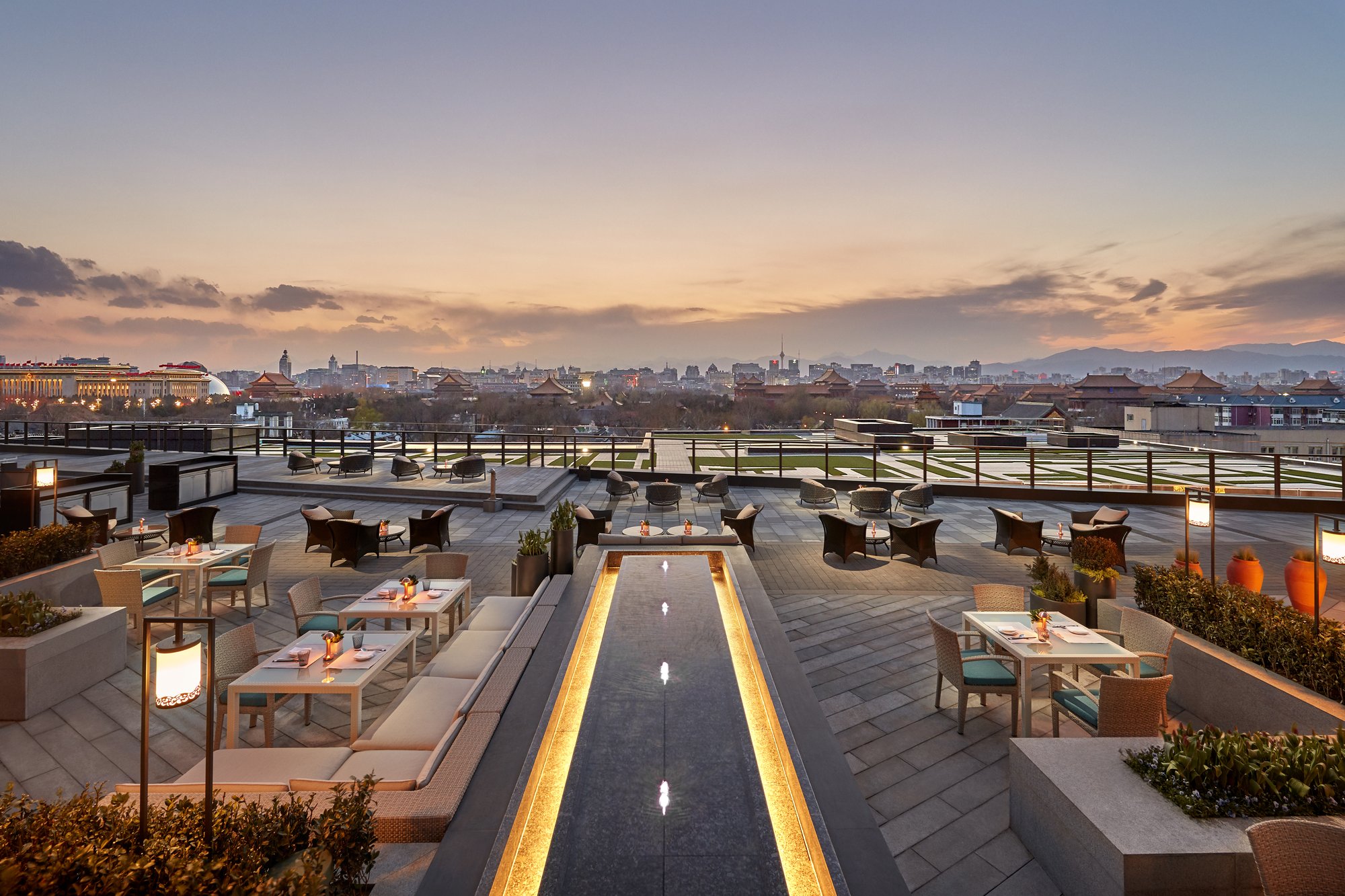
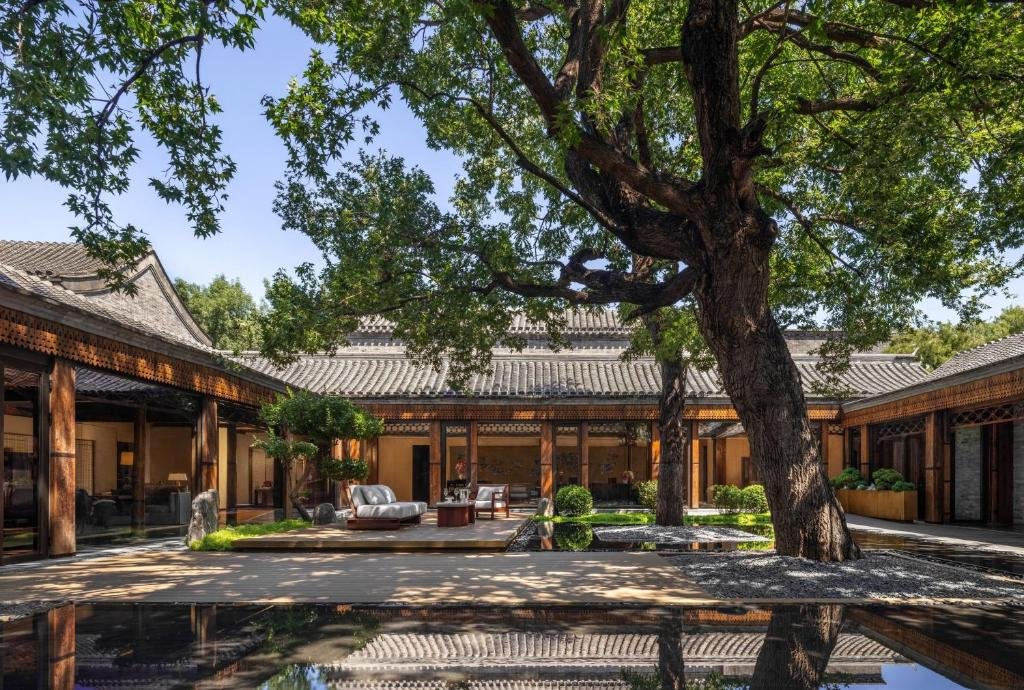
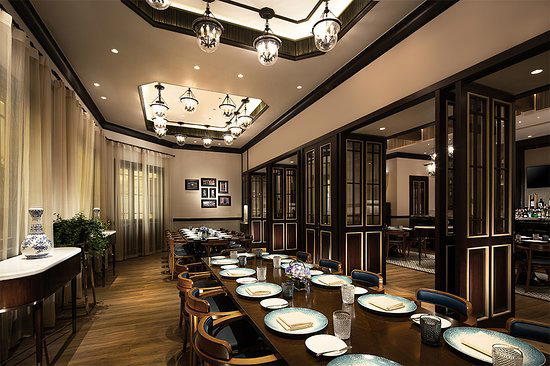
Understated elegance with warm wood, lacquered accents, and river-stone tones evoking Hubei's lakes and waterways.
Tags
Vibe
Best For
Experience
Sourcing
At the Table
- Dress Code
- Smart Casual
- Noise Level
- Quiet
- Service Style
- Formal
- Meal Pacing
- Leisurely
- Capacity
- Small
- Kitchen
- Traditional
- Menu Format
- A la carte, Prix fixe
- Wine Program
- Curated
- Private Dining
- Available
Signature Dishes
- River Catfish in Pickled Chili Broth
- Spicy Fish Maw with Aromatic Offal
- Lotus-Root–Stuffed Pork with Hubei Rice Flour
- Lamb-and-Fish Stew
Know before you go
Know Before You Go
- Getting there
- China, Beijing, Chaoyang, 61, E 3rd Ring Middle Rd, 61号麦乐迪对面 邮政编码: 100020
Planning details
Location
China, Beijing, Chaoyang, 61, E 3rd Ring Middle Rd, 61号麦乐迪对面 邮政编码: 100020 · Directions
Recognition and awards
Also consider
Also Consider
- Jing, French Contemporary, ¥¥¥
- Xin Rong Ji (Xinyuan South Road), Taizhou, ¥¥¥¥
- Chao Shang Chao (Chaoyang), Chao Zhou, ¥¥¥¥
- Lamdre, Vegetarian, ¥¥¥¥
- Jingji, Beijing Cuisine, ¥¥¥¥
Restaurant context
At ¥¥¥, Chu Shan Si Ji is the most accessible entry point among Beijing's award-recognised regional Chinese tables. Both Xin Rong Ji (Xinyuan South Road) and Chao Shang Chao (Chaoyang) sit at ¥¥¥¥, meaning a comparable group dinner will cost measurably more. If your priority is regional Chinese cuisine at a recognised quality level without the top-tier price commitment, Chu Shan Si Ji is the clearer choice. Xin Rong Ji is worth the premium if Taizhou seafood precision is specifically what you are after; Chao Shang Chao if the Chaozhounese format is the point.
Lamdre at ¥¥¥¥ is a different proposition entirely: vegetarian fine dining with a room that is architecturally considered and better suited to intimate occasions where atmosphere is the priority. If your special occasion requires a visually curated setting, Lamdre competes for that booking. Chu Shan Si Ji is the stronger choice when the food itself needs to anchor the evening. Jingji at ¥¥¥¥ covers Beijing cuisine rather than Hubei, so the comparison is more about cuisine preference than quality tier; both have credentials, but they serve genuinely different regional traditions.
For a group dinner where value-per-head matters, Chu Shan Si Ji is the most practical booking in this peer set. For a date where the room and the broader experience matter as much as the food, Lamdre or Jingji may serve better. The French Contemporary format at Jing (also ¥¥¥) is a relevant comparison only if Western fine dining is an acceptable alternative; for a regional Chinese evening, Chu Shan Si Ji wins that comparison on cuisine authenticity alone.
Explore Beijing
Around this place
Discover more on Pearl
Unlock the full Chu Shan Si Ji guide in Pearl, including awards, comparisons, FAQs, planning details, and nearby places.
Compare Chu Shan Si Ji
| Venue | Price | Awards |
|---|---|---|
| Chu Shan Si Ji | ¥¥¥ | 2026 Black Pearl 1 Diamond2025 Michelin Plate2025 Black Diamond 1 Diamond2024 Michelin Plate |
| Jing | ¥¥¥ | 2025 OAD Top Restaurants in Asia Ranked · #3842025 Wine Spectator Best of Award of Excellence2025 The Best Chef One Knife2025 Michelin 1 Star2025 Black Diamond 1 Diamond2024 OAD Top Restaurants in Asia Ranked · #3522024 Michelin 1 Star2023 OAD Top Restaurants in Asia RecommendedWorld's Best Wine Lists 2022 |
| Xin Rong Ji (Xinyuan South Road) | ¥¥¥¥ | 2026 Asia's 50 Best Restaurants · #842026 La Liste Top Restaurants2025 Asia's 50 Best Restaurants · #732025 Black Diamond 2 Diamond2025 La Liste Top Restaurants2025 Michelin 3 Stars2025 Relais Chateaux Award |
| Chao Shang Chao (Chaoyang) | ¥¥¥¥ | 2026 La Liste Top Restaurants2025 The Best Chef Three Knives2025 Michelin Plate2025 Michelin 3 Stars2024 Michelin 3 Stars |
| Lamdre | ¥¥¥¥ | 2026 Asia's 50 Best Restaurants · #172026 OAD Top Restaurants in Asia Highly Recommended2026 Black Pearl 2 Diamond2026 La Liste Top Restaurants2025 Asia's 50 Best Restaurants · #502025 OAD Top Restaurants in Asia Ranked · #224We're Smart World Top Restaurants 2025We're Smart World Top 100 2025Tatler Best Restaurants Asia-Pacific 2025 |
| Jingji | ¥¥¥¥ | 2026 La Liste Top Restaurants2025 Michelin 2 Stars2024 Michelin 2 Stars |













A quick look at how Chu Shan Si Ji measures up.
FAQ
Frequently Asked Questions
What should I order at Chu Shan Si Ji?
Specific menu items are not documented in available venue data, so ordering blind is a reasonable approach here — the kitchen has earned two consecutive Michelin Plates (2024 and 2025) and a Black Pearl 1 Diamond (2025), which suggests consistent output across the menu. Ask staff for house specialties from the Hubei canon, which typically centres on freshwater fish, braised pork preparations, and rice-based dishes. At the ¥¥¥ price point, leaning into the kitchen's regional strengths rather than ordering cautiously will give you the best return.
Can I eat at the bar at Chu Shan Si Ji?
Bar seating is not documented for Chu Shan Si Ji. Traditional Chinese regional restaurants at this tier are generally table-service focused rather than counter or bar-format venues. If bar dining is your preference, this is likely not the right format — consider it a sit-down, shared-table experience.
Is Chu Shan Si Ji worth the price?
At ¥¥¥, Chu Shan Si Ji sits in the upper-mid tier for Beijing dining. Two consecutive Michelin Plates and a Black Pearl 1 Diamond in 2025 provide external validation that the kitchen is delivering at a level that justifies the spend. For Hubei cuisine specifically — which is underrepresented in Beijing at this standard — the price-to-credential ratio is favourable compared with more generic Chinese fine-dining options at the same price point.
Is Chu Shan Si Ji good for a special occasion?
Yes, with the right expectations. The combination of Michelin Plate recognition and Black Pearl 1 Diamond status gives it the credentials for a meaningful dinner, and the Chaoyang location is easy to reach. It works best as a special-occasion choice for guests who appreciate regional Chinese cuisine rather than those expecting an international fine-dining format. Confirm private dining options in advance if the occasion requires a dedicated space.
What should a first-timer know about Chu Shan Si Ji?
Booking is rated easy, which is genuinely useful given its recognition level — you do not need to plan weeks ahead the way you would at many Michelin-listed Beijing restaurants. The cuisine is Hubei regional, so expect a departure from the Cantonese or Sichuan styles that dominate Beijing's award-restaurant scene. The address on East Third Ring Middle Road in Chaoyang is commercially accessible. No English website is confirmed, so booking via a hotel concierge or Chinese-language platform is advisable.