
Taj Nadesar Palace, Varanasi
Nadesar, Varanasi
Hotel in Varanasi, India
 Book with Pearl
The Read
Sequestered Palace Privacy
Price
$500–750per night
Why go
A strong choice for a special-occasion Varanasi stay when the hotel experience matters as much as the city itinerary. Taj Nadesar Palace, Varanasi makes more sense for couples, family milestones, and business travelers who want a calmer palace-style base than for visitors who need constant riverfront access. Plan early for peak travel periods.
About Taj Nadesar Palace, Varanasi
For travelers considering Taj Nadesar Palace, Varanasi, the essentials are useful: the property is in Varanasi, the dress code is smart casual, and it has a Michelin 1 Key recognition in 2025. That makes it worth considering when you want a stay with a clear quality signal, while still checking current booking details directly before committing.
Book it if the Michelin recognition and the Taj Nadesar Palace, Varanasi name make it a strong fit for your trip. Look elsewhere if you need specific room categories, dining information, prices, facilities, or inclusions settled before you commit. The value case should be based on what is current at the time of booking.
A Varanasi stay with a meaningful quality signal
The strongest point for Taj Nadesar Palace, Varanasi is its Michelin 1 Key recognition in 2025. The smart-casual dress code also suggests guests should plan for a more polished presentation than they might for a purely casual stay.
Compare it carefully with other options before booking. If the trip is tied to a milestone date or a stay where the hotel choice matters, confirm current rates, room types, policies, and inclusions directly through official booking channels.
Who should choose it, and who should look elsewhere
Choose Taj Nadesar Palace, Varanasi if you want a Varanasi stay with a Michelin 1 Key in 2025 and you are comfortable checking the practical details before booking. It is less compelling for travelers who need full specifics in advance about facilities, dining, room categories, or pricing.
The Michelin 1 Key recognition in 2025 gives this a useful external signal for the stay experience. That does not make it the automatic choice for every Varanasi trip. It makes it a strong candidate when that recognition matters to your decision. Compare it with other options based on the exact priorities of your trip before committing.
Part of
Taj Hotels52 locations on PearlPlanning details
- Location
- Raja Bazar Rd, opp. Taksal Cinema Hall, Nadesar, Chaukaghat, Varanasi, Uttar Pradesh 221002
- Website
- tajhotels.com/en-in/hotels/taj-nadesar-palace-varanasi
- Phone
- +91 542 666 0002
The take
The Take
The Vibe
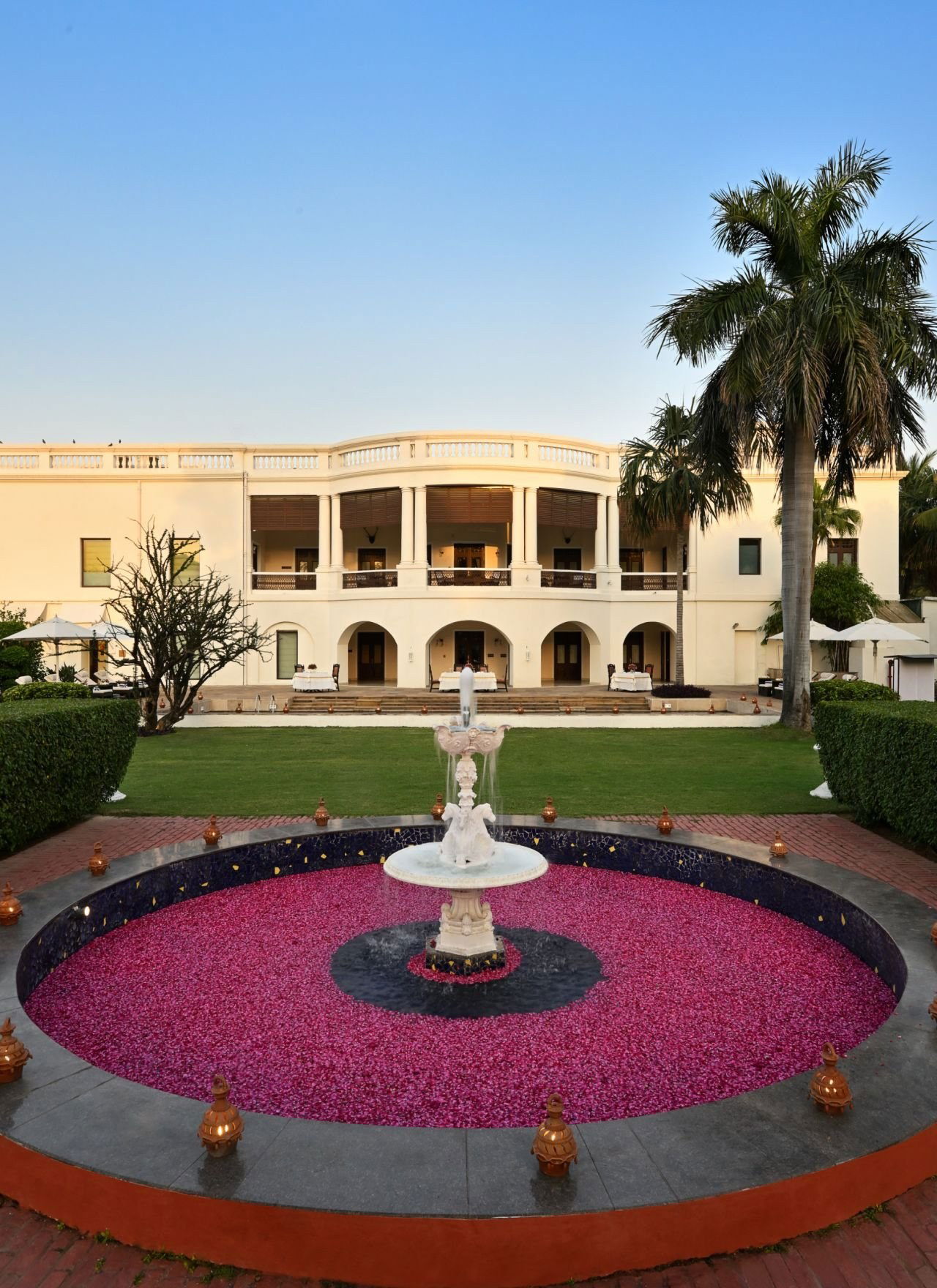
Taj Nadesar Palace feels like a deliberately hushed pocket of history inside one of the world's most intense cities. The property occupies the former private residence of the Maharaja of Benares; its recent renovation is described as respectful of original fabric and 'preservation of intimate scale' is a stated design choice. With just ten rooms and grounds that 'absorb the day,' the hotel cultivates a slow, measured atmosphere where sound and pace recede. The contrast between Varanasi’s public fervor and the palace’s calm is the defining sensory pleasure here.
Best For
This palace hotel is best for travelers seeking a quietly luxurious heritage stay rather than bustling urban energy. The intimate ten-room scale and the sense of seclusion behind gated grounds make it especially well suited to romantic getaways, honeymoons and anniversaries, when privacy and a contemplative atmosphere matter. It also appeals to visitors who want a restful base for experiencing Varanasi’s rhythms without sacrificing elegant, preserved architecture. Guests come for solitude, history and the curated stillness the property offers.
Stay Tips
Plan ahead: the property explicitly operates at a very small scale—ten rooms—so availability is limited and bookings should be made well in advance. The description highlights careful renovation and original details (for example, claw-foot tubs are noted), so if particular room fixtures matter to you, confirm those features when reserving. Expect a quieter, heritage-driven experience rather than large-hotel amenities; prioritize securing your dates early to guarantee the intimate, tranquil stay that defines Nadesar Palace.
Venue details
Ambiance
Regal and serene with lush gardens, live music at meals, and an oasis of peace amid Varanasi's intensity.
Tags
Vibe
Best For
Experience
Amenities
View
Accessibility
About the Stay
- Rooms
- 14
- Check-in
- 14:00
- Check-out
- 12:00
- Property Type
- Palace hotel
- Property Style
- Heritage Palace Hotel with Regal Legacy on Expansive Grounds
- Design Style
- Opulent Historical with Maharaja Antiques and Spacious Suites
- Airport Transfer
- Available
- Pool
- Yes
- Spa
- Yes
- Families
- Welcome
- Cancellation
- Moderate
Know before you go
Know Before You Go
- Getting there
- Raja Bazar Rd, opp. Taksal Cinema Hall, Nadesar, Chaukaghat, Varanasi, Uttar Pradesh 221002
Planning details
Location
Raja Bazar Rd, opp. Taksal Cinema Hall, Nadesar, Chaukaghat, Varanasi, Uttar Pradesh 221002 · Directions
Recognition and awards
Also consider
Also Consider
- Avantika by the Ganges, Notable alternative
- Saraca Hotel Lucknow, Notable alternative
- Oberoi Rajgarh Palace, Notable alternative
- Hotel Anand, Notable alternative
- Taj Usha Kiran Palace, Gwalior, Notable alternative
Hotel context
How it compares in and around Varanasi
Compared with Avantika by the Ganges, Taj Nadesar Palace, Varanasi is the more occasion-led choice: better for privacy, formality, and a stay where the property itself is part of the trip. Avantika by the Ganges is the smarter cross-shop if river proximity is the priority and the hotel needs to sit closer to the daily rhythm of the ghats.
Saraca Hotel Lucknow, Oberoi Rajgarh Palace, Hotel Anand, and Taj Usha Kiran Palace, Gwalior are not direct Varanasi substitutes, but they help frame the decision. If the trip can move outside the city, those options may offer a different value equation. If the destination must be Varanasi and the stay needs to feel polished, this is the splurge pick over the wider set.
For booking difficulty, treat this as the harder plan than a simpler city hotel and less flexible than a value-led fallback. If the preferred dates do not work, start with Avantika by the Ganges for the closest Varanasi alternative, then consider the out-of-metro palace or heritage options only if the itinerary itself is flexible.
Explore Varanasi
Around this place
Discover more on Pearl
Unlock the full Taj Nadesar Palace, Varanasi guide in Pearl, including awards, comparisons, FAQs, planning details, and nearby places.
Compare Taj Nadesar Palace, Varanasi
| Venue | Location | Awards |
|---|---|---|
| Taj Nadesar Palace, Varanasi | Varanasi | 2026 Michelin 1 KeyMichelin 1 Key 20252025 Michelin 1 Key |
| Avantika by the Ganges | Varanasi | No published awards |
| Saraca Hotel Lucknow | Lucknow | No published awards |
| Oberoi Rajgarh Palace | Khajuraho | No published awards |
| Hotel Anand | Jabalpur | No published awards |
| Taj Usha Kiran Palace, Gwalior | Gwalior | 2026 Michelin 1 Key2025 Michelin 1 Key |

How Taj Nadesar Palace, Varanasi compares with similar nearby venues.
FAQ
Frequently Asked Questions
Is Taj Nadesar Palace, Varanasi good for business travel?
If business-specific facilities or services matter, check them directly before booking. Taj Nadesar Palace, Varanasi is in Varanasi, has a smart-casual dress code, and received a Michelin 1 Key in 2025. For a simpler comparison point, Hotel Anand is another option to weigh.
Is Taj Nadesar Palace, Varanasi family-friendly?
If family facilities or child-specific services matter, confirm those details directly before booking. Taj Usha Kiran Palace, Gwalior is a useful comparison if you are considering other notable stays beyond Varanasi.
Which room category is best at Taj Nadesar Palace, Varanasi?
If the trip is for an occasion, compare available categories directly through official booking channels before deciding. Saraca Hotel Lucknow can be a useful reference if you are comparing other hotels in the region more broadly.
How is the location of Taj Nadesar Palace, Varanasi?
It is in Varanasi. Avantika by the Ganges is another option to compare if your decision depends on the style and setting of the stay.
Do loyalty programs work at Taj Nadesar Palace, Varanasi?
If points, status benefits, or member rates matter, check the official booking channel before confirming. Oberoi Rajgarh Palace is another reference point to consider when comparing higher-end stays.
How is the dining at Taj Nadesar Palace, Varanasi?
If food is the main focus of the trip, check current dining information directly with the hotel before booking or making plans, and compare it with other dining in Varanasi.