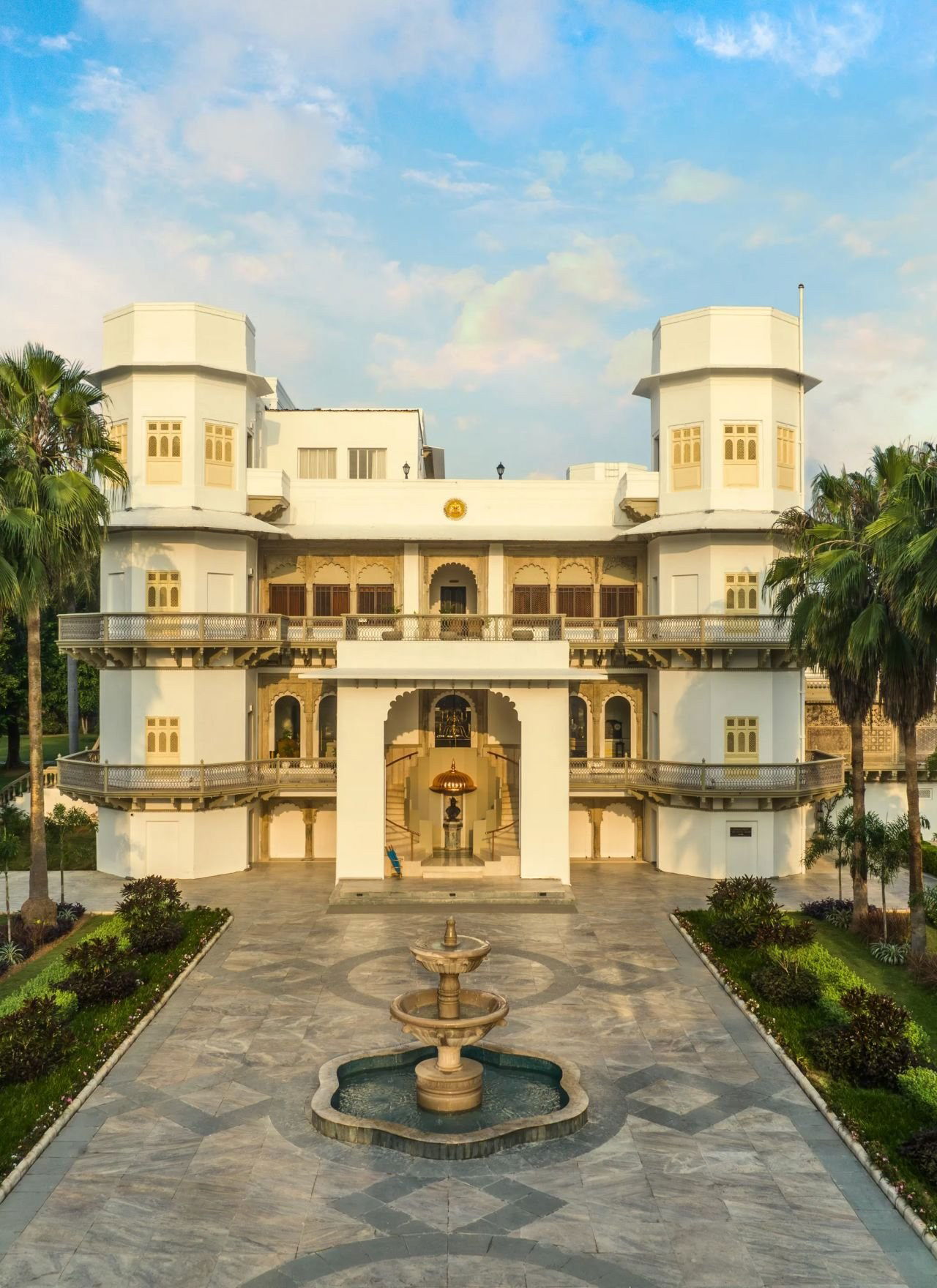

Taj Usha Kiran Palace, Gwalior
Gwalior
Hotel in Gwalior, India
 Book with Pearl
The Read
Institutional Palace Heritage
Why go
A strong choice for a special-occasion Gwalior stay, especially when the hotel setting matters as much as dinner. The Michelin 1 Key recognition supports the luxury-hotel case, but dining-specific details are thin, so treat the restaurant as part of the palace-hotel experience rather than the only reason to book.
About Taj Usha Kiran Palace, Gwalior
Book Taj Usha Kiran Palace, Gwalior when you want a premium Gwalior stay with Michelin 1 Key recognition in 2025 and a smart casual dress code.
The strongest reason to book is the 2025 Michelin 1 Key recognition. That makes Taj Usha Kiran Palace, Gwalior a credible option for travelers who want a recognized stay in Gwalior. If your decision depends on a particular restaurant experience, confirm current dining details directly before booking.
A Gwalior stay with Michelin recognition
For Gwalior, this is best approached as a stay recommendation rather than a dining-only recommendation. The Michelin 1 Key recognition supports confidence in the hotel as a recognized place to stay. Readers comparing the broader city should also scan Our full Gwalior hotels guide, plus Our full Gwalior restaurants guide if the meal itself is the main event.
Do not overbuy this for dining credentials alone. This is a hotel recommendation, not a claim that any restaurant at the property is a destination on its own. For a special occasion where the stay itself matters, the 1 Key recognition is relevant. For a food-led trip, cross-shop other dining in Gwalior first, then consider this as a Gwalior base.
Who should choose it among other India stays
Choose Taj Usha Kiran Palace, Gwalior when the trip is specifically built around Gwalior. Aman-i-Khas, Suján Sher Bagh, and The Oberoi Vanyavilas are better considered for travelers looking at a different style of India itinerary; The Oberoi Amarvilas is another hotel comparison outside Gwalior. Taj Usha Kiran Palace, Gwalior is the practical call when Gwalior is fixed and a Michelin 1 Key stay matters.
For category browsing beyond hotels, use Our full Gwalior bars guide, Our full Gwalior wineries guide, and Our full Gwalior experiences guide. Taj Usha Kiran Palace, Gwalior has Michelin 1 Key recognition in 2025; check current restaurant, room, service, and location details directly before booking.
Bottom line: book when you want a recognized premium stay in Gwalior with a smart casual dress code. Skip if the decision rests only on a named chef, tasting menu, specific cuisine, or standalone restaurant reputation.
Part of
Taj Hotels52 locations on PearlPlanning details
- Location
- near Saraswati Shishu Mandir, Jayendraganj, Lashkar, Gwalior, Madhya Pradesh 474009
- Website
- tajhotels.com/en-in/hotels/taj-usha-kiran-palace-gwalior
- Phone
- +91 751 244 4000
The take
The Take
The Vibe
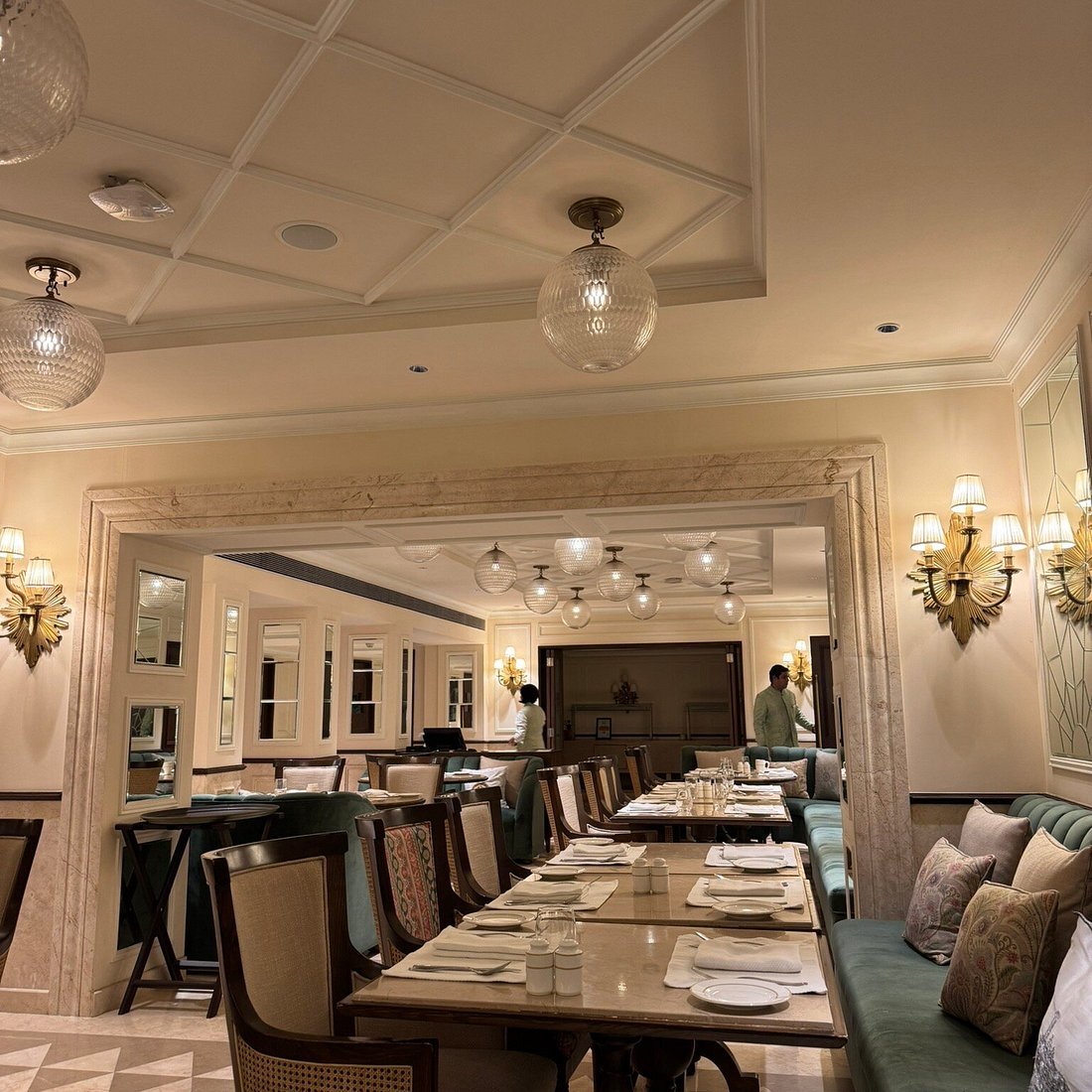
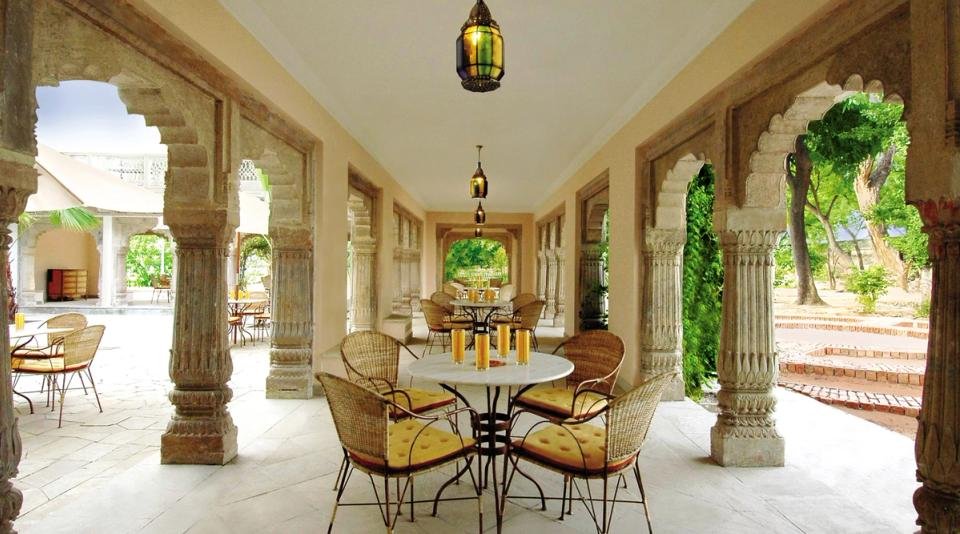
Taj Usha Kiran Palace reads like a compact, historically minded palace rather than an overblown tourist monument. Its Indo‑Saracenic language of arches, colonnades and formal garden geometry gives the building genuine architectural authority; from the driveway it feels imposing, but inside it settles into a more domestic, intimate scale. The property’s forty rooms dispersed across nine acres of gardens create a measured, quietly luxurious atmosphere—heritage details and grand reception spaces are present without feeling theatrical. Overall the experience is thoughtful and restrained: historic in fabric, intimate in scale and quietly elegant in expression.
Best For
This palace is best for travelers who prize architectural history and a tranquil, gardened setting. With relatively few rooms and expansive grounds, it suits couples seeking a hushed, intimate stay and families or small groups who appreciate wandering formal gardens and stately reception spaces. The property’s heritage provenance and careful proportions also make it appealing to anyone interested in Indo‑Saracenic architecture and the lived history of princely India. Guests wanting a quieter, more contemplative alternative to larger palace conversions will find this one especially rewarding.
Stay Tips
Book with the property’s small scale in mind: forty rooms across nine acres means availability can be limited during peak moments, so reserve early. Expect a quieter rhythm rather than the bustle of large resort palaces; allow time in your schedule to explore the formal gardens and the building’s architectural details. If architecture and grounds are priorities for your stay, mention those interests when booking so staff can advise on room location or suggest the best parts of the property to visit. Keep expectations aligned with heritage‑hotel character rather than contemporary city‑hotel amenities.
Venue details
Ambiance
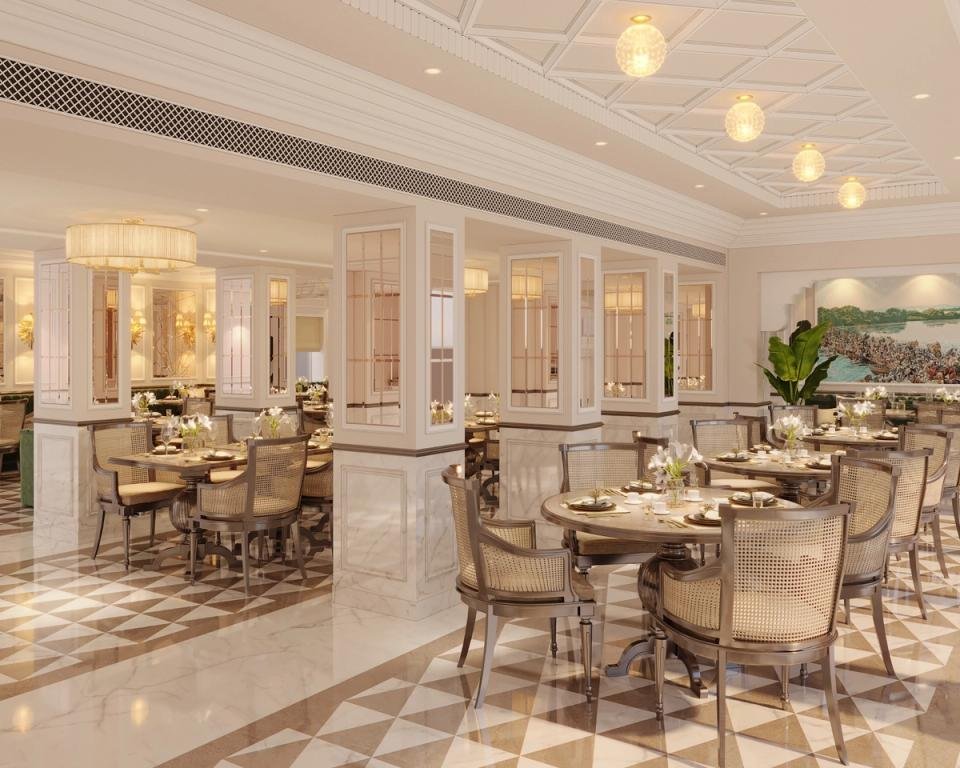
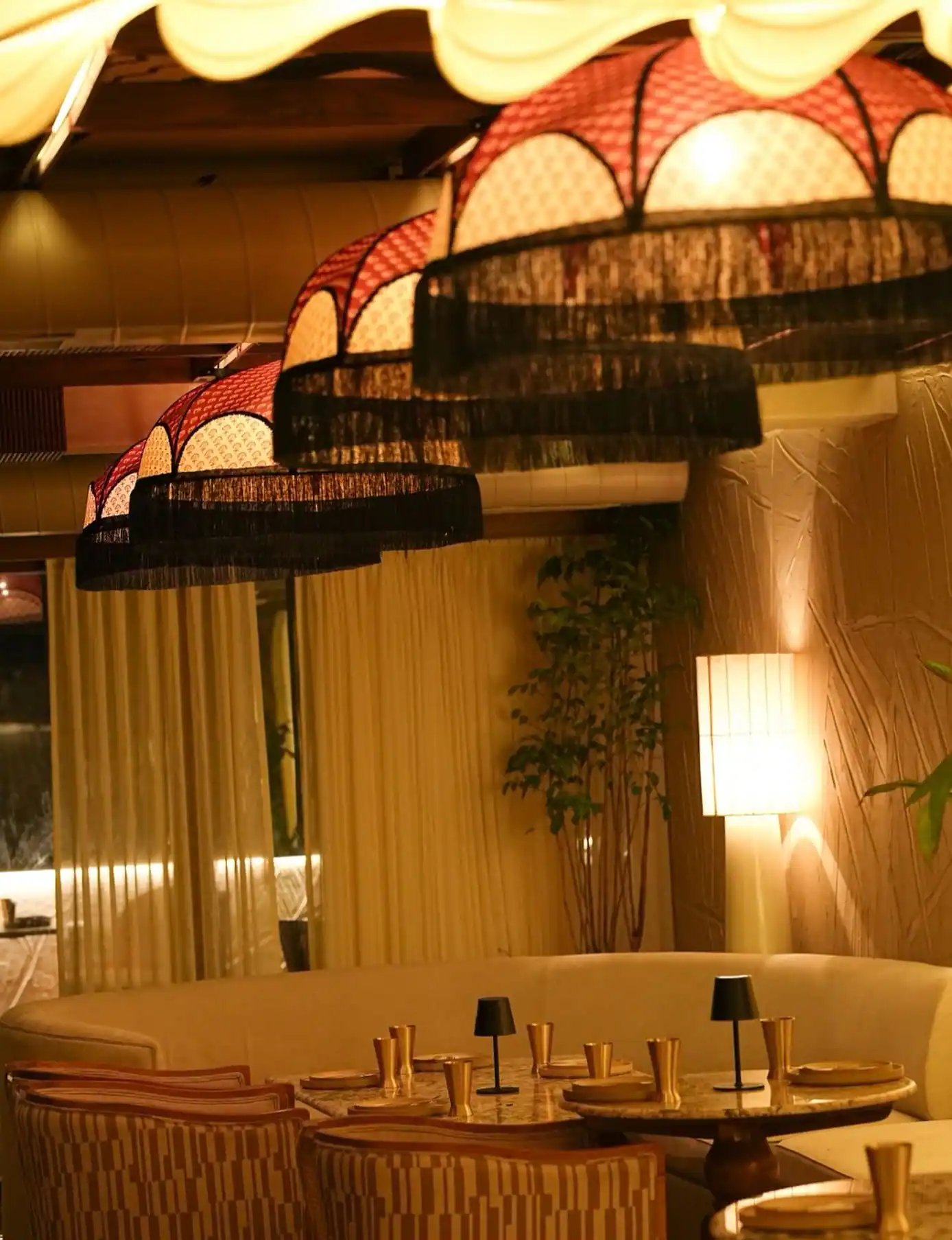
Earthy ochre and fresh green palette in the lobby with manicured gardens and swaying palms; retro-luxe interiors in the bar with refined, sophisticated lighting; tropical contemporary style throughout.
Tags
Vibe
Best For
Experience
Amenities
View
Accessibility
About the Stay
- Rooms
- 50
- Check-in
- 14:00
- Check-out
- 12:00
- Property Style
- Heritage Palace Hotel Blending 1880 Maratha Royal Architecture with Contemporary Tropical Luxury and Modern Amenities.
- Design Style
- Earthy Ochre and Fresh Green Palette with Manicured Gardens, Retro Luxe Interiors, and Contemporary Tropical Furnishings; Premium Bedding and Led Tvs in Rooms.
Know before you go
Know Before You Go
- Getting there
- near Saraswati Shishu Mandir, Jayendraganj, Lashkar, Gwalior, Madhya Pradesh 474009
Planning details
Location
near Saraswati Shishu Mandir, Jayendraganj, Lashkar, Gwalior, Madhya Pradesh 474009 · Directions
Recognition and awards
Also consider
Also Consider
- hotel dasaprakash udupi brindavan, Notable alternative
- The Oberoi Amarvilas, Notable alternative
- Aman-i-Khas, Notable alternative
- Suján Sher Bagh, Notable alternative
- The Oberoi Vanyavilas, Notable alternative
Hotel context
How It Compares
Taj Usha Kiran Palace, Gwalior is the Gwalior-first choice in this set: pick it when the trip is anchored in the city and the stay needs a formal, celebration-ready atmosphere. hotel dasaprakash udupi brindavan reads as the simpler value counterpoint, while this is the more occasion-oriented booking.
The Oberoi Amarvilas is the stronger play for an Agra monument-focused luxury trip, not a practical substitute for Gwalior. Aman-i-Khas, Suján Sher Bagh, and The Oberoi Vanyavilas are better suited to wildlife-led itineraries, with a retreat rhythm rather than a city-hotel base.
Booking difficulty is hard here, so plan earlier than for a simple city hotel. For value, hotel dasaprakash udupi brindavan is the easier low-friction comparison; for atmosphere and recognition, Taj Usha Kiran Palace, Gwalior is the stronger Gwalior call.
Explore Gwalior
Around this place
Discover more on Pearl
Unlock the full Taj Usha Kiran Palace, Gwalior guide in Pearl, including awards, comparisons, FAQs, planning details, and nearby places.
Compare Taj Usha Kiran Palace, Gwalior
| Venue | Location | Awards |
|---|---|---|
| Taj Usha Kiran Palace, Gwalior | Gwalior | 2025 Michelin 1 KeyMichelin 1 Key 2025 |
| hotel dasaprakash udupi brindavan | Agra | No published awards |
| The Oberoi Amarvilas | Agra | 2026 Travel + Leisure 100 Favorite Hotels in the World · #722026 La Liste Top Hotels2025 Travel + Leisure 100 Favorite Hotels in the World · #192025 Michelin 2 Keys2025 Conde Nast Hotels Gold List2023 World's 50 Best Hotels · #45 |
| Aman-i-Khas | Ranthambore | 2026 Virtuoso Luxury Hotel Collection2025 Michelin 2 Keys |
| Suján Sher Bagh | Ranthambhore | 2026 Relais Chateaux HotelsConde Nast Gold List 20262025 Michelin 1 Key2025 Relais Chateaux Award |
| The Oberoi Vanyavilas | Ranthambhore | 2026 La Liste Top Hotels2025 Travel + Leisure 100 Favorite Hotels in the World · #682025 Michelin 1 Key |







How Taj Usha Kiran Palace, Gwalior compares with similar nearby venues.
FAQ
Frequently Asked Questions
How does Taj Usha Kiran Palace, Gwalior compare to other hotels?
Choose this when you want a recognized stay in Gwalior. The Michelin 1 Key recognition in 2025 gives it a clear quality signal. For travelers considering different India itineraries, Aman-i-Khas, Suján Sher Bagh, The Oberoi Vanyavilas, and The Oberoi Amarvilas are useful broader hotel comparisons, but they should not be treated as Gwalior options.
Do loyalty programs work at Taj Usha Kiran Palace, Gwalior?
Is Taj Usha Kiran Palace, Gwalior good for business travel?
It may suit travelers who want a premium Gwalior stay with Michelin 1 Key recognition. If business facilities are important, confirm meeting, dining, transport, and work-related needs directly before booking.
How is the location of Taj Usha Kiran Palace, Gwalior?
Which room category is best at Taj Usha Kiran Palace, Gwalior?
If the stay is for an occasion or a longer trip, compare current room descriptions directly with the hotel and choose based on the space, view, and inclusions that matter to you.