

Tanah Gajah, a Resort by Hadiprana
Ubud
Hotel in Ubud, Indonesia
 Book with Pearl
The Read
Rice Field Pavilion Estate
Why go
Book Tanah Gajah, a Resort by Hadiprana if the goal is a quieter Ubud stay on the Kemenuh side rather than maximum central walkability. Its strongest case is recognized hotel credibility, including La Liste Top Hotels 2026 and MICHELIN Guide Hotels Selected 2025, with an easy booking signal that suits travelers who want less friction.
About Tanah Gajah, a Resort by Hadiprana
Tanah Gajah, a Resort by Hadiprana is a hotel option in Ubud with recognition from La Liste Top Hotels (2026): 93pts and MICHELIN Guide, Hotels Selected (2025). Travelers should confirm exact setting, service style, dining, facilities, or pricing directly.
If you are comparing Ubud stays, Bisma Eight Ubud or our full Ubud hotels guide may be useful starting points alongside Tanah Gajah, a Resort by Hadiprana.
Choose it as a recognized Ubud hotel
The case for Tanah Gajah, a Resort by Hadiprana is direct: it is in Ubud, it has a smart casual dress code, and it has recognition from La Liste Top Hotels and the MICHELIN Guide hotel selection. For exact location details beyond Ubud, walkability, room count, amenities, dining style, or guest experience, travelers should inquire directly.
For comparison, travelers may also look at nearby or relevant Ubud hotel options such as Bisma Eight Ubud, Bumi Kinar Ubud, Gdas Bali Health and Wellness Resort, Kaamala Resort, and Komaneka at Bisma. The better question is whether Tanah Gajah, a Resort by Hadiprana fits the trip based on hotel recognition and the traveler's own needs.
Good value depends on details travelers should verify directly
Travelers should check pricing, room categories, inclusions, restaurant details, and service features directly against the stay dates and booking terms. The accolades can support confidence in the hotel's standing, but they do not by themselves confirm what is included in a specific rate.
For broader trip planning, compare Tanah Gajah, a Resort by Hadiprana with Bisma Eight Ubud, Bumi Kinar Ubud, Gdas Bali Health and Wellness Resort, Kaamala Resort, and Komaneka at Bisma if the goal is to understand other Ubud hotel choices. If the trip also needs dining or activities around the hotel, use our full Ubud restaurants guide before committing.
Quick reference: choose it as a recognized Ubud hotel with La Liste and MICHELIN Guide hotel credentials; verify stay-specific details directly before booking.
Planning details
- Location
- Tengkulak Kaja, Jl. Raya Goa Gajah, Kemenuh, Ubud, Gianyar Regency, Bali 80571
- Website
- tanahgajahubud.com
- Phone
- +62 361 975685
The take
The Take
The Vibe
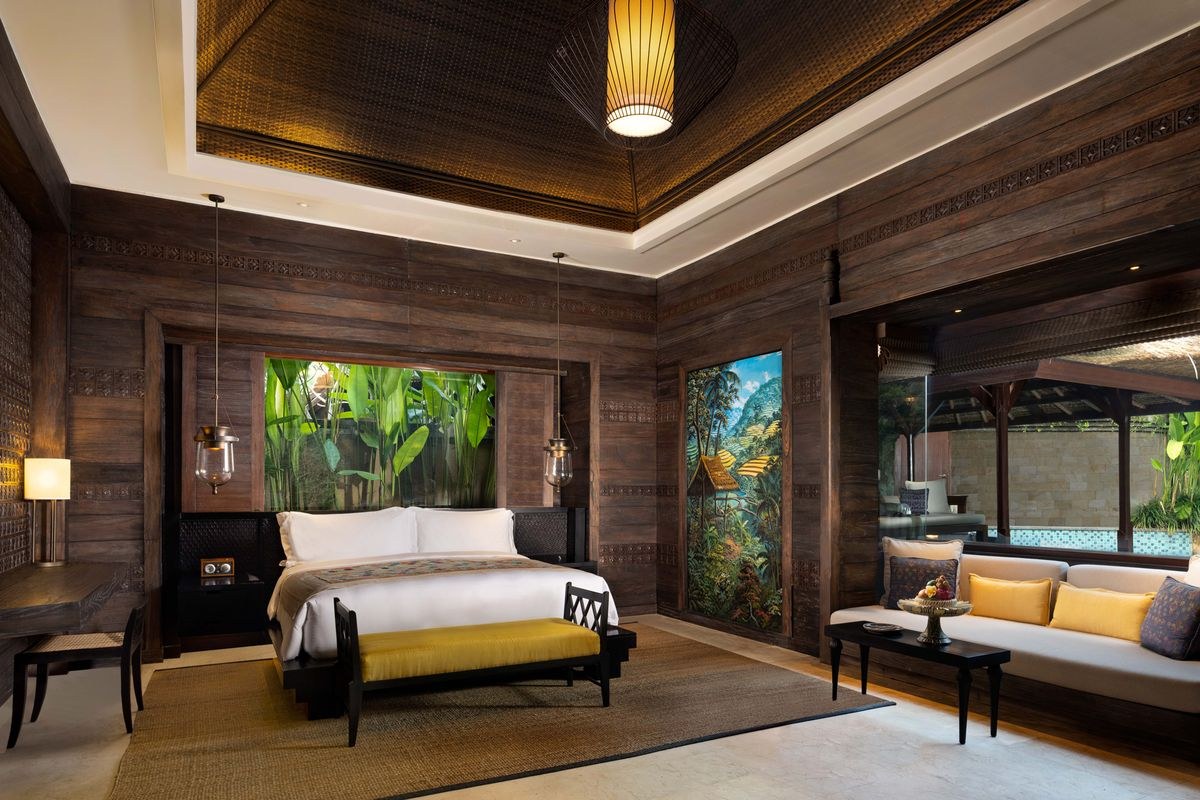
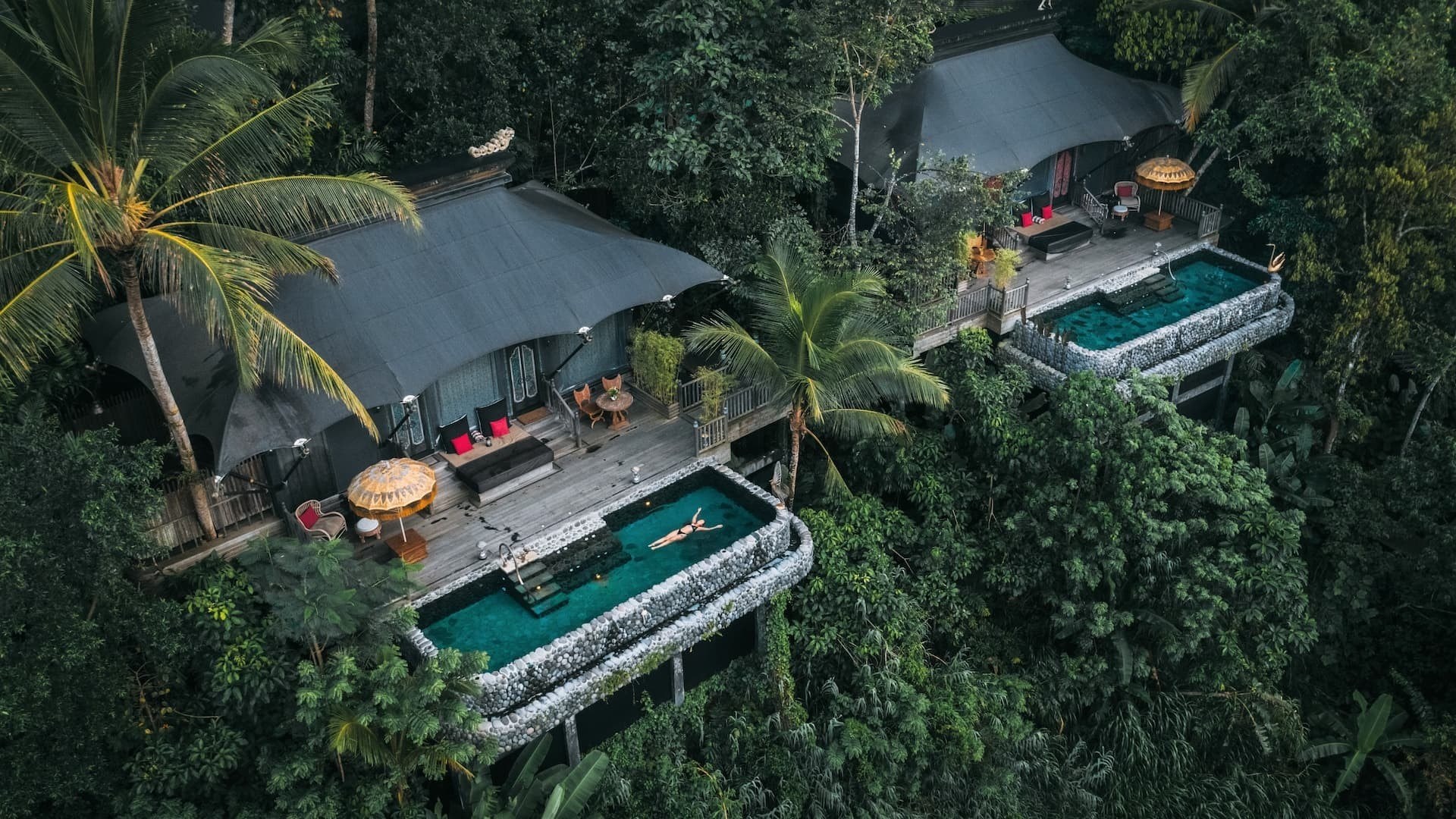
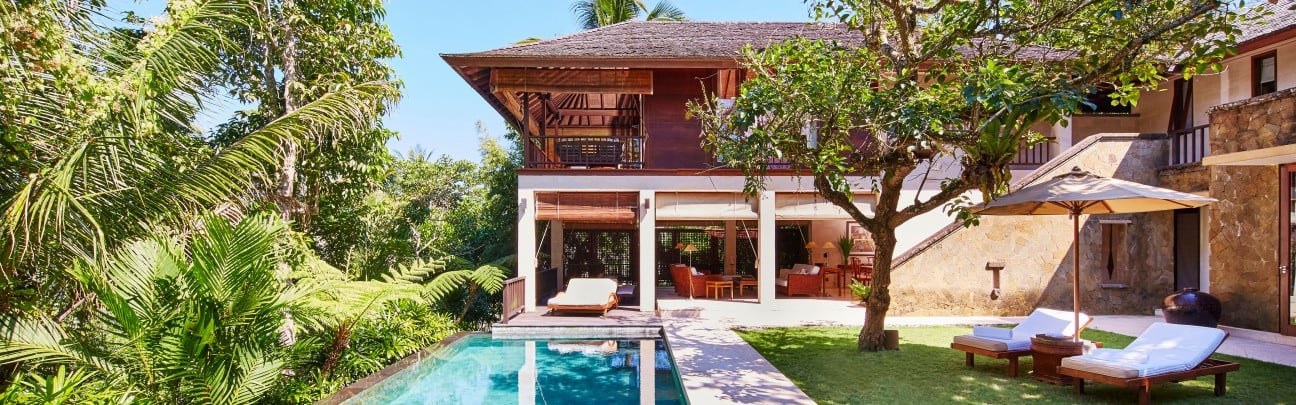
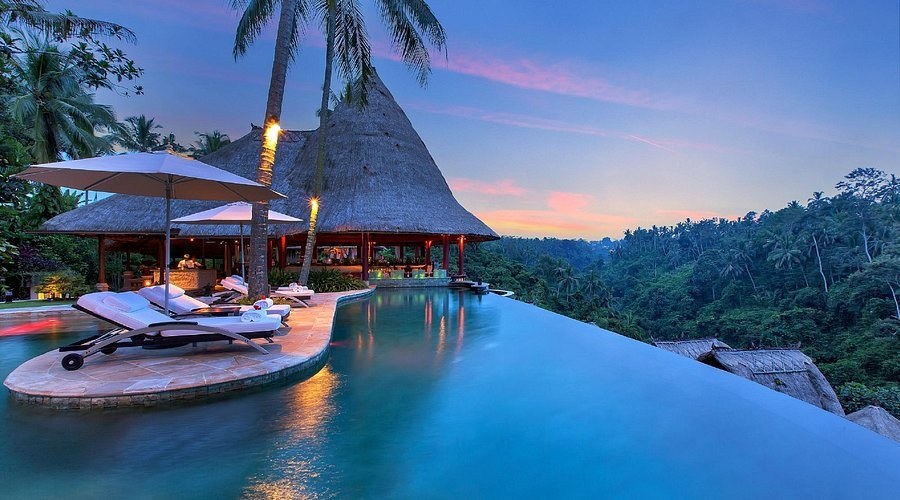
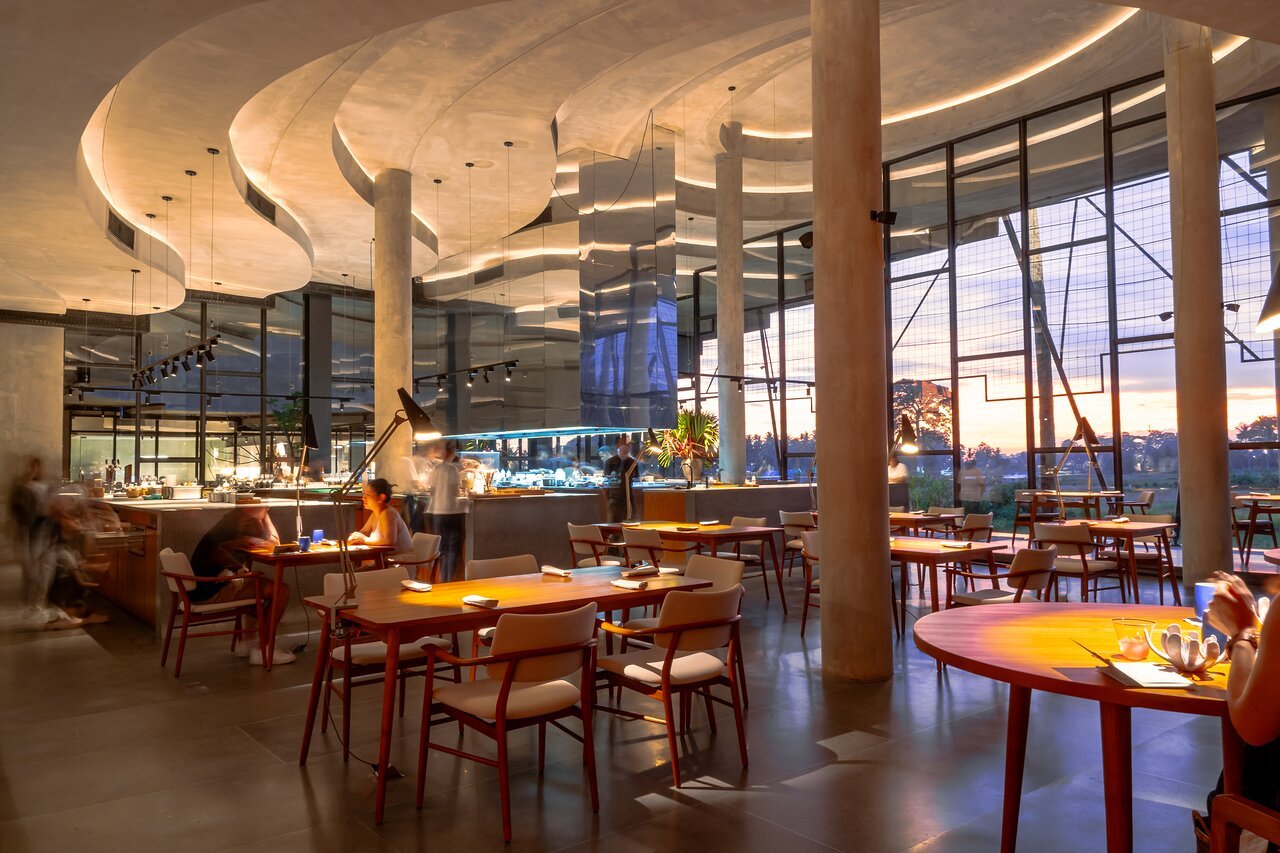
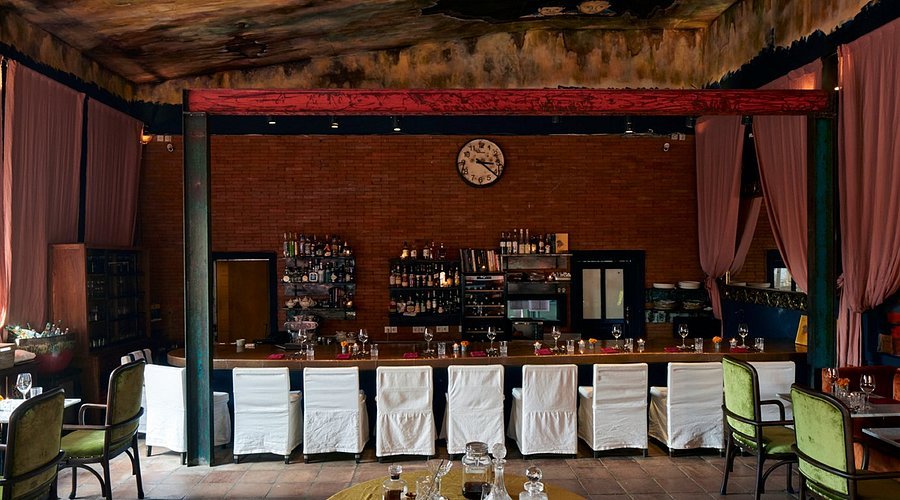
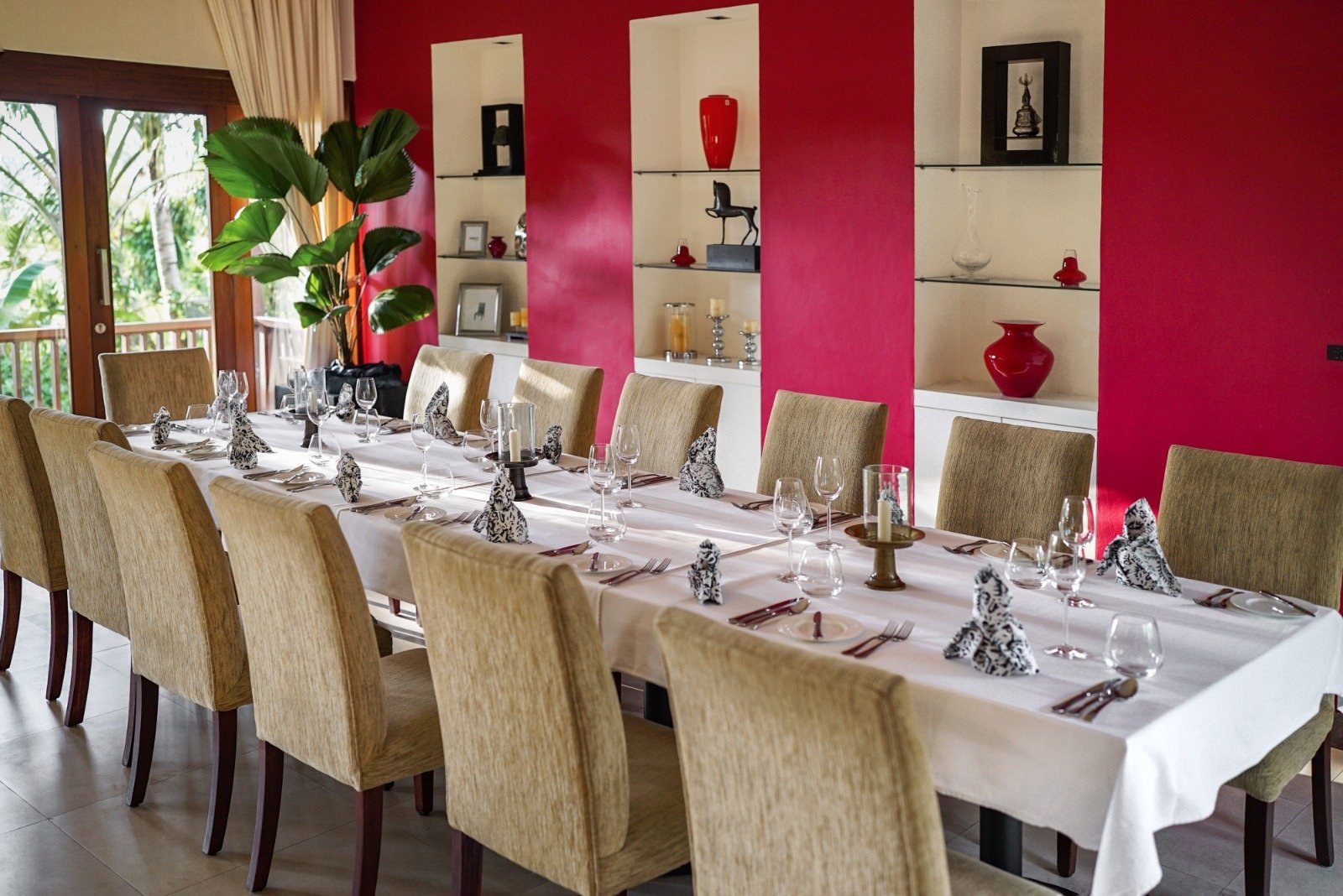
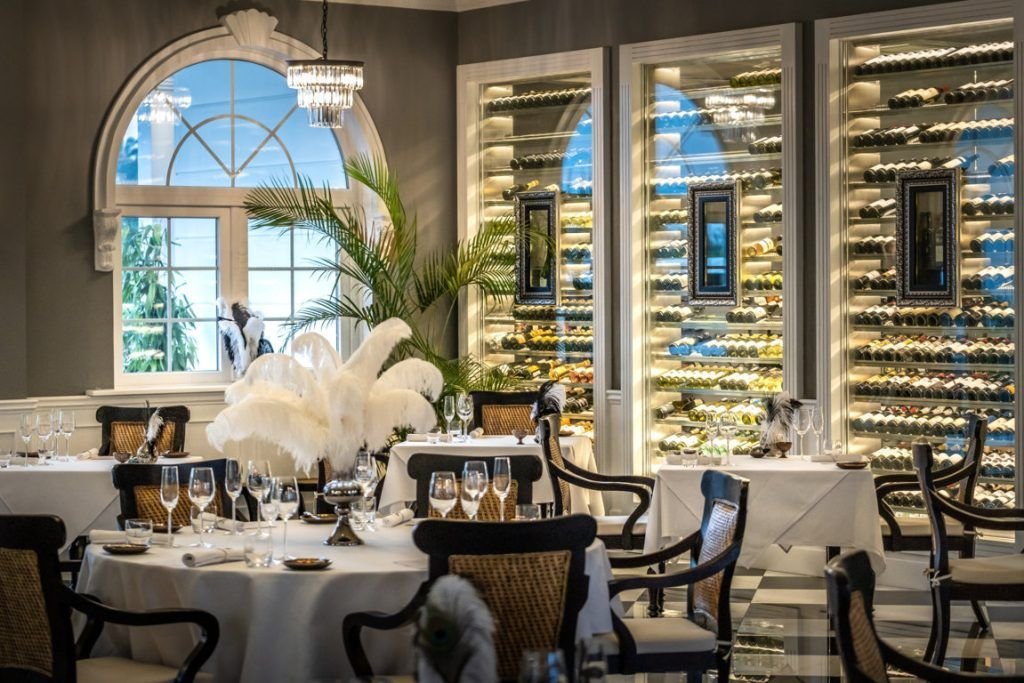
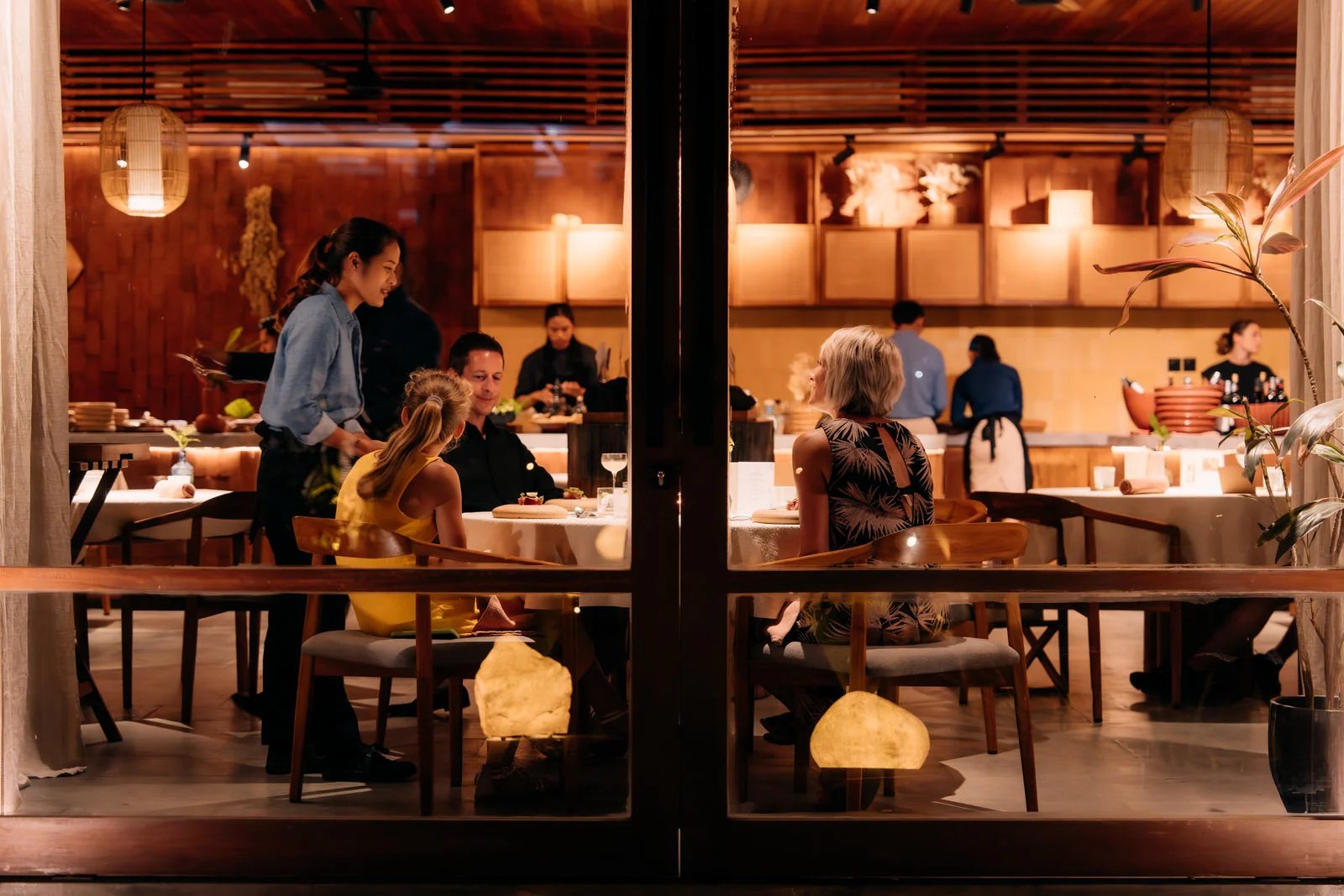
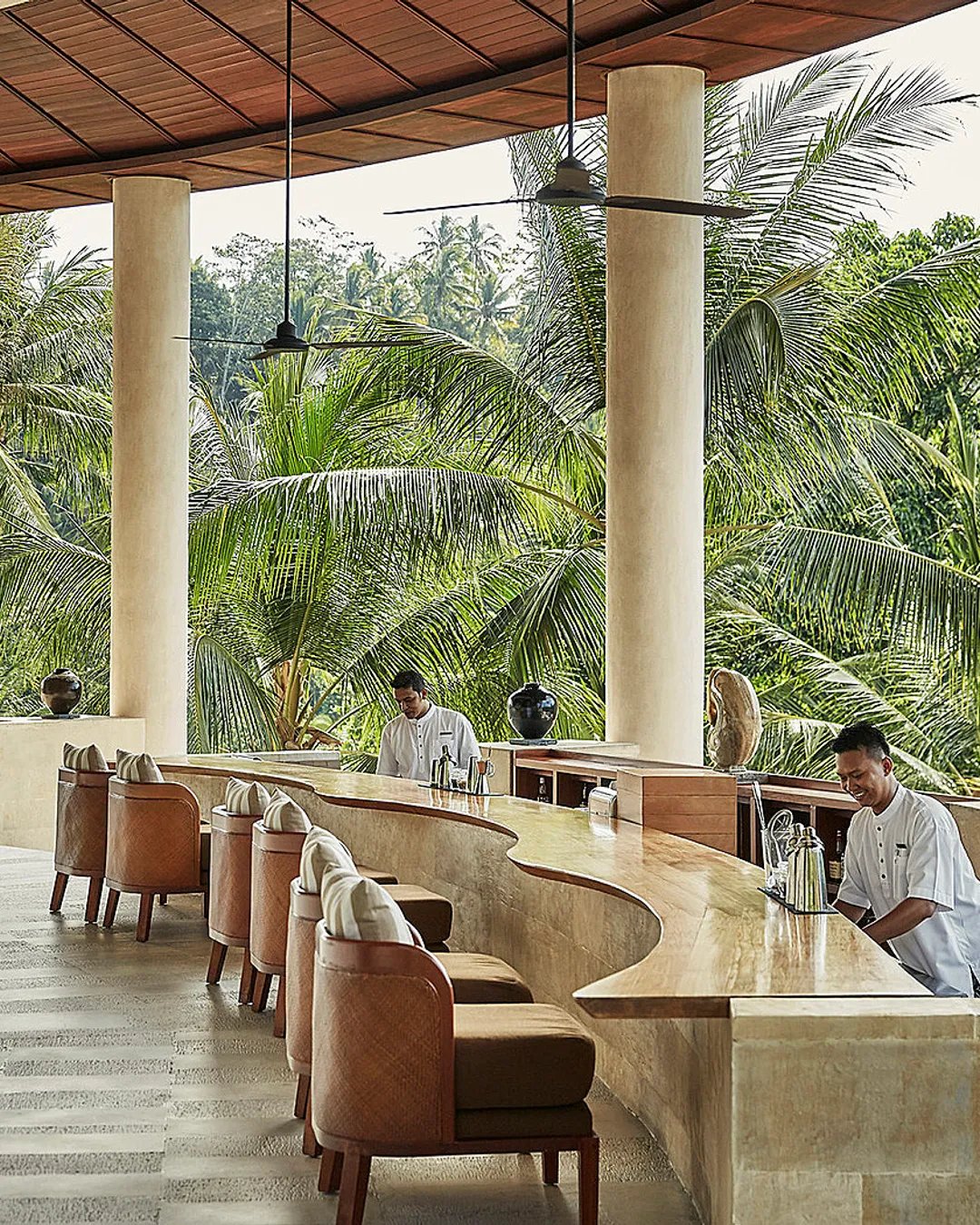
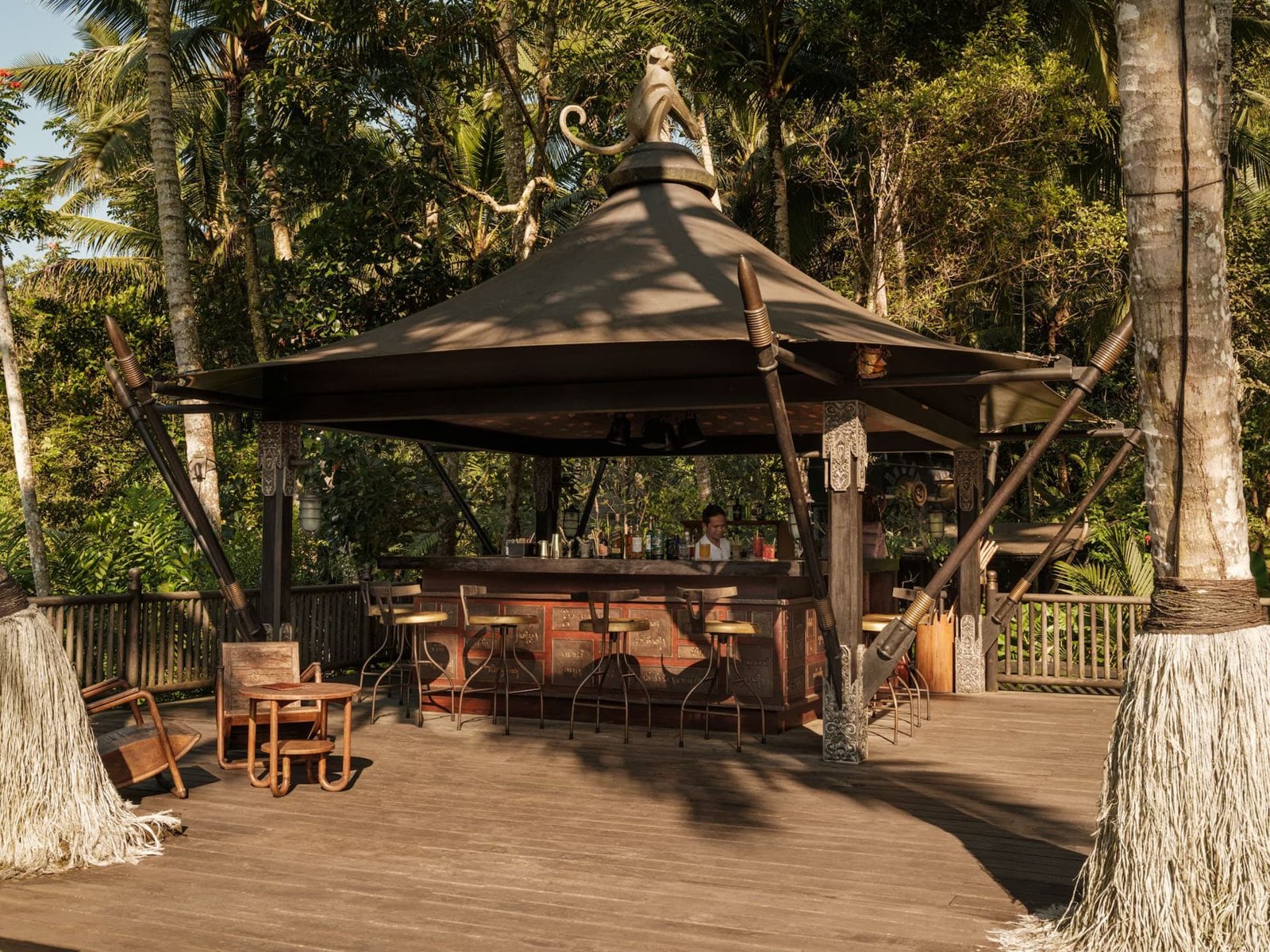
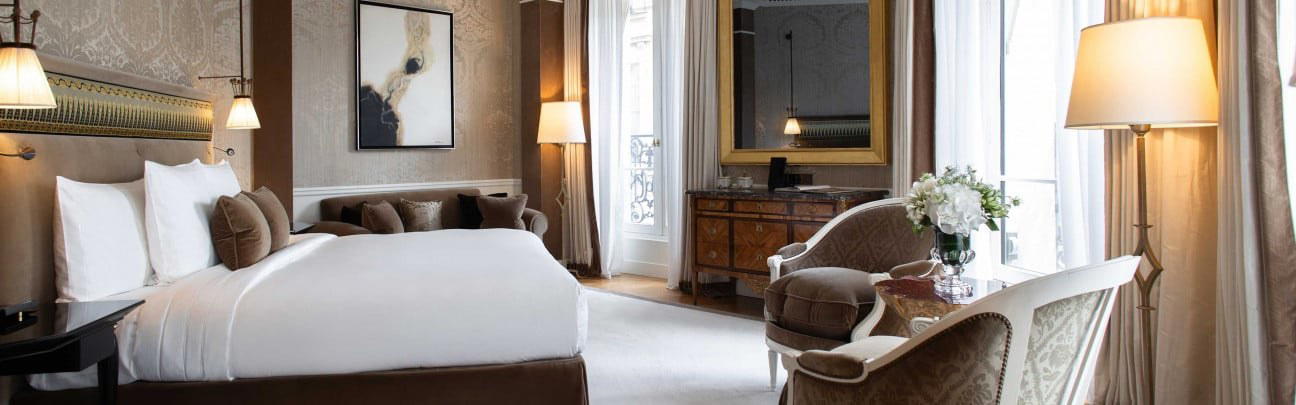
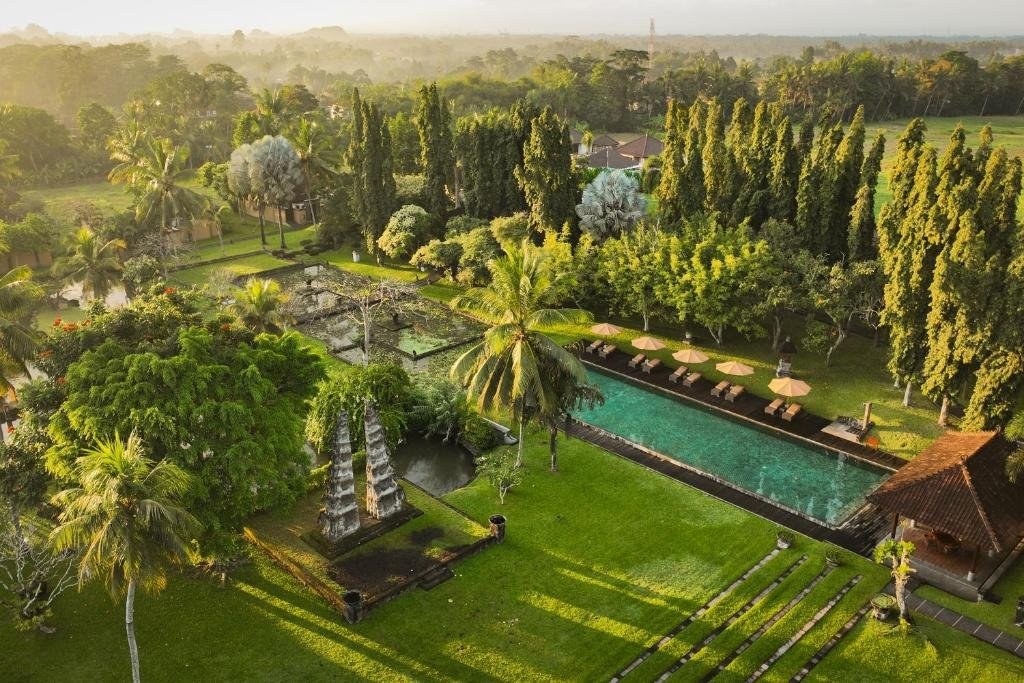
Tanah Gajah reads like a private estate more than a conventional resort. The walled perimeter and the framing of rice paddies make arrival feel intimate and contained; the Hadiprana family's art collection and architectural choices give public spaces a curator's quiet authority. Rather than treating the landscape as mere backdrop, the property works with living gardens and active cultivation, so the grounds feel like a participant in each stay. Overall the tone is refined and serene—an inward-facing luxury that privileges contemplation, craft and cultural context over flashy amenity theater.
Best For
This is a stay for travelers who prize atmosphere and curation: couples on a romantic or anniversary escape, honeymooners, and guests seeking a wellness-minded, design-forward retreat. Cultural travelers who appreciate collections and architecture will find the property's locally rooted sensibility especially rewarding. Because the estate emphasizes landscape and quiet contemplation—rice paddies, temples and gardens—guests who want a paced, restorative experience rather than bustling resort activity get the clearest fit here.
Stay Tips
Plan time to engage with the grounds and the property's collection: the estate is described as 'estate before hotel,' and living gardens shape the rhythm of a stay. Prioritize walking the rice paddies and public garden spaces and allow for slow, exploratory hours rather than tightly scheduled programming. Note that the property's appeal is its curation and atmosphere—expect a stay oriented around seeing the art and architecture and experiencing the landscape as an active part of the visit.
Venue details
Ambiance
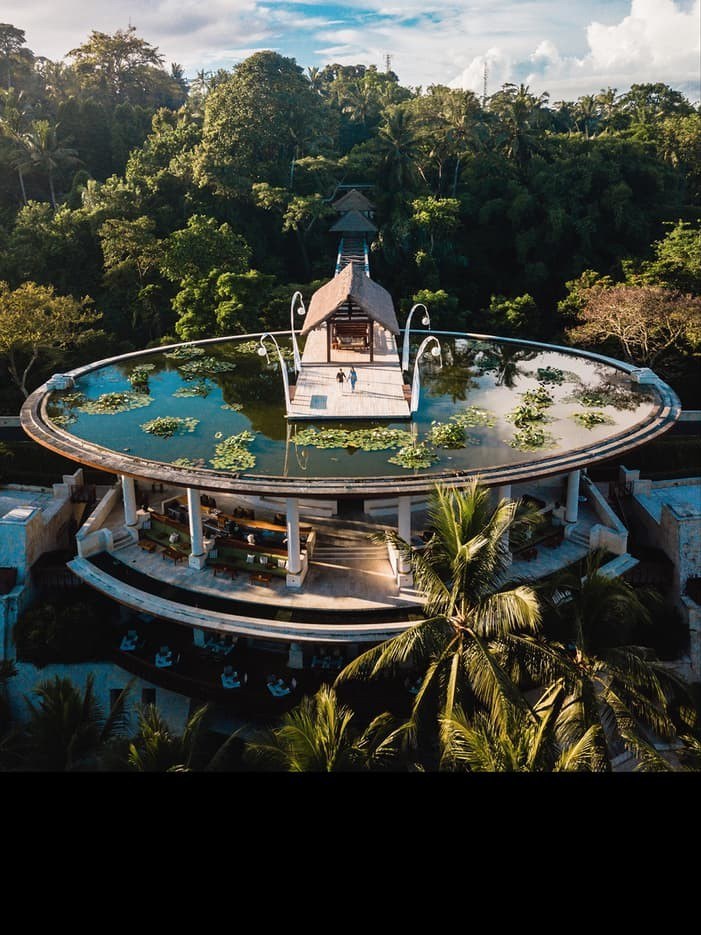
Tranquil and genteel with lush gardens, rice field views, and a serene, royal garden atmosphere enhanced by personalized service.
Tags
Vibe
Best For
Experience
Amenities
View
Accessibility
About the Stay
- Rooms
- 24
- Check-in
- 14:00
- Check-out
- 12:00
- Property Style
- Artistic Balinese Luxury Resort Villa Estate
- Design Style
- Luxe Contemporary Balinese with Traditional Decor and Rich Textures
Know before you go
Know Before You Go
- Getting there
- Tengkulak Kaja, Jl. Raya Goa Gajah, Kemenuh, Ubud, Gianyar Regency, Bali 80571
Planning details
Location
Tengkulak Kaja, Jl. Raya Goa Gajah, Kemenuh, Ubud, Gianyar Regency, Bali 80571 · Directions
Recognition and awards

Also consider
Where to look if this does not fit
If the Kemenuh location feels too removed, start with Bisma Eight Ubud or Komaneka at Bisma for a stay closer to central Ubud activity.
If wellness is the main reason for the trip, Gdas Bali Health and Wellness Resort is the cleaner comparison.
Hotel context
How it compares in Ubud
Choose Tanah Gajah, a Resort by Hadiprana over Bisma Eight Ubud if a calmer out-of-center setting matters more than being closer to central Ubud's daily rhythm. Bisma Eight Ubud is the easier recommendation for travelers who want a more walkable base; Tanah Gajah is the better fit for guests who plan to spend more time at the resort.
Bumi Kinar Ubud and Gdas Bali Health and Wellness Resort are stronger cross-shops if wellness or a more focused retreat brief is driving the trip. Tanah Gajah works better when the brief is a polished Ubud resort stay with a quiet location and recognized hotel credentials, rather than a narrowly wellness-led booking.
Komaneka at Bisma and Kaamala Resort make more sense for guests prioritizing Ubud access and a livelier surrounding area. For value, the decision is practical: book Tanah Gajah when the setting itself adds value to the stay; choose the Bisma-side options when daily convenience will matter more.
Explore Ubud
Around this place
Discover more on Pearl
Unlock the full Tanah Gajah, a Resort by Hadiprana guide in Pearl, including awards, comparisons, FAQs, planning details, and nearby places.
Compare Tanah Gajah, a Resort by Hadiprana
| Venue | Location | Awards |
|---|---|---|
| Tanah Gajah, a Resort by Hadiprana | Ubud | 2026 La Liste Top Hotels2025 Michelin Selected Hotels |
| Bumi Kinar Ubud | Ubud | No published awards |
| Gdas Bali Health and Wellness Resort | Ubud | 2026 Mr & Mrs Smith Luxury HotelsSmall Luxury Hotels Member 2025 |
| Bisma Eight Ubud | Ubud | 2026 Mr & Mrs Smith Luxury Hotels2026 La Liste Top HotelsWorld Travel Awards 20252025 Michelin 1 Key |
| Komaneka at Bisma | Ubud | No published awards |
| Kaamala Resort | Bali | No published awards |



How Tanah Gajah Ubud compares with similar nearby venues.
FAQ
Frequently Asked Questions
Is Tanah Gajah, a Resort by Hadiprana good for business travel?
It may suit some business travelers. Travelers should check directly for information on business facilities, meeting spaces, transport details, or work-focused amenities. The hotel is in Ubud and has La Liste Top Hotels (2026): 93pts and MICHELIN Guide, Hotels Selected (2025) recognition.
How is the location of Tanah Gajah, a Resort by Hadiprana?
Tanah Gajah, a Resort by Hadiprana is in Ubud. Travelers should confirm more specific address, neighborhood, walkability, and access details directly before booking. Compared with Bisma Eight Ubud or Komaneka at Bisma, it should be evaluated based on the traveler's own itinerary and booking details.
What is Tanah Gajah, a Resort by Hadiprana known for?
Tanah Gajah, a Resort by Hadiprana is a hotel in Ubud with recognition from La Liste Top Hotels (2026): 93pts and MICHELIN Guide, Hotels Selected (2025). Its dress code is smart casual.
Where is Tanah Gajah, a Resort by Hadiprana located?
Tanah Gajah, a Resort by Hadiprana is located in Ubud.