
Hotel Tiki Tiki Tulum
Tulum
Hotel in Tulum, Mexico
 Book with Pearl
The Read
Price
$100–200per night
Why go
Hotel Tiki Tiki Tulum is worth considering if you want a calmer Centro base rather than a beachfront resort. The MICHELIN Guide hotel selection adds credibility, but the fit is specific: book it for a design-led, low-key couples' stay where town access and downtime matter more than resort-scale amenities.
About Hotel Tiki Tiki Tulum
Hotel Tiki Tiki Tulum is a hotel in Tulum with a MICHELIN Guide hotel selection for 2025. With a casual dress code, it is best approached as a Tulum stay to compare carefully against your own trip priorities rather than as a hotel defined by a specific restaurant, spa, room category, or resort format.
Use the MICHELIN Guide selection as a credible external signal, but not as a substitute for checking current details directly with the hotel before booking. If your decision depends on beach access, room features, dining, wellness facilities, family policies, transport, or other on-property amenities, confirm those specifics with Hotel Tiki Tiki Tulum.
A Tulum stay with a confirmed MICHELIN Guide hotel selection
The main hook is simple: Hotel Tiki Tiki Tulum is in Tulum and is in the MICHELIN Guide hotel selection for 2025. That makes it relevant for travelers narrowing a Tulum hotel shortlist, especially if outside recognition matters in the decision.
For a special occasion, treat the hotel as one option to investigate carefully. If the trip depends on a particular level of service, dining, wellness programming, or beach convenience, ask the hotel directly before committing and compare it with other Tulum options such as Our full Tulum hotels guide.
What to expect from check-in to departure
Before booking, ask the property about the practical details that matter most for your stay, including check-in style, room layout, dining, spa facilities, pool experience, and service format.
For broader trip planning, use Our full Tulum hotels guide, then pair the stay with Our full Tulum restaurants guide, Our full Tulum bars guide, or Our full Tulum experiences guide depending on the trip focus.
The MICHELIN Guide hotel selection gives Hotel Tiki Tiki Tulum a credible external signal, but it should not be read as a promise of a particular resort scale, amenity list, or service style. Read it as a recognition marker for travelers choosing between Tulum stays, then check the current details that matter to your trip.
Planning details
- Location
- Calle 6 Sur Bis, entre Av. 5 Sur y Av. 10, Calle Camino Tulum, Tulum Centro, Mariano Matamoros, 77780 Tulum, Q.R., Mexico
- Website
- hoteltikitiki.com
- Phone
- +52 984 265 8206
The take
The Take
The Vibe
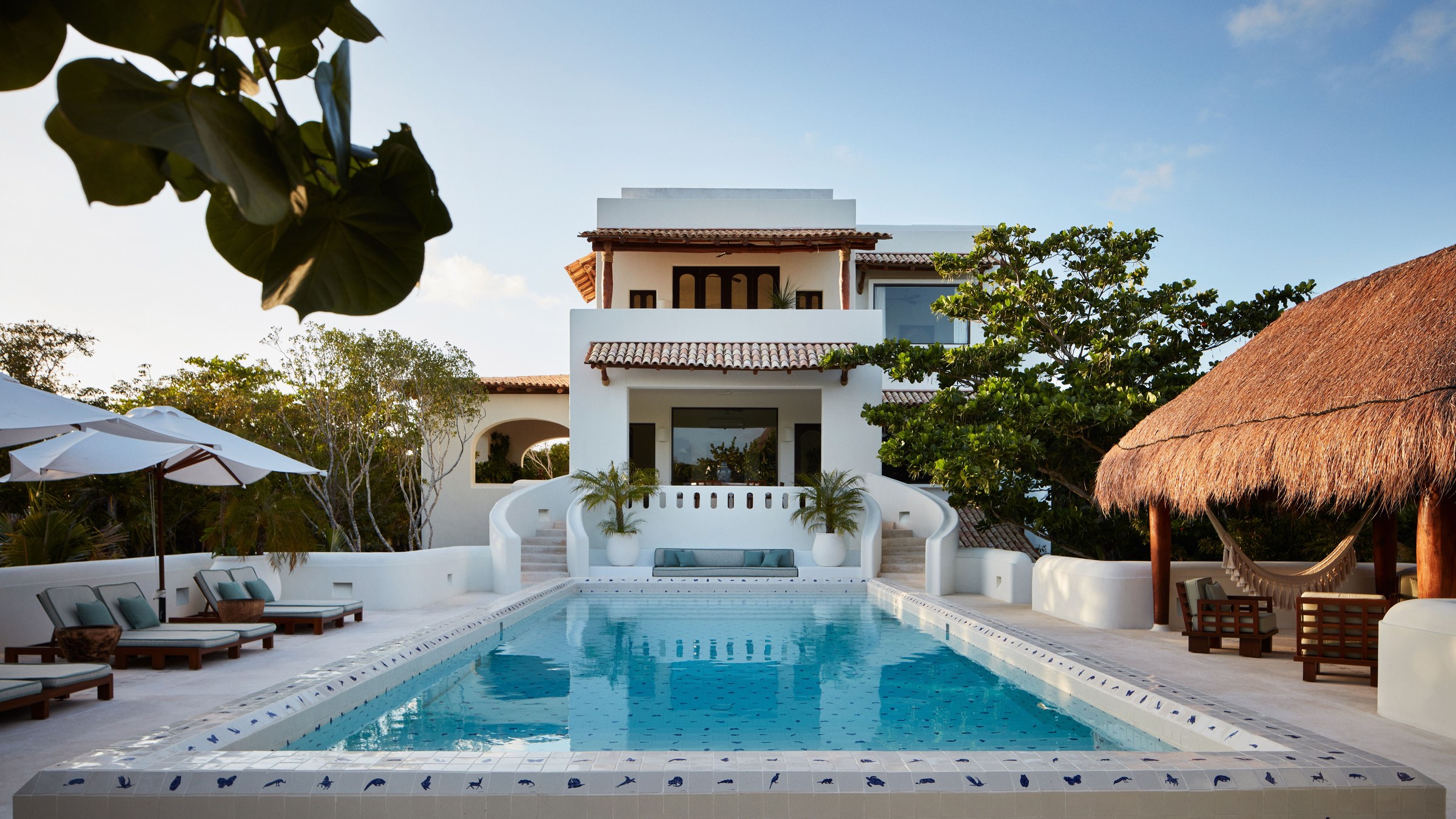
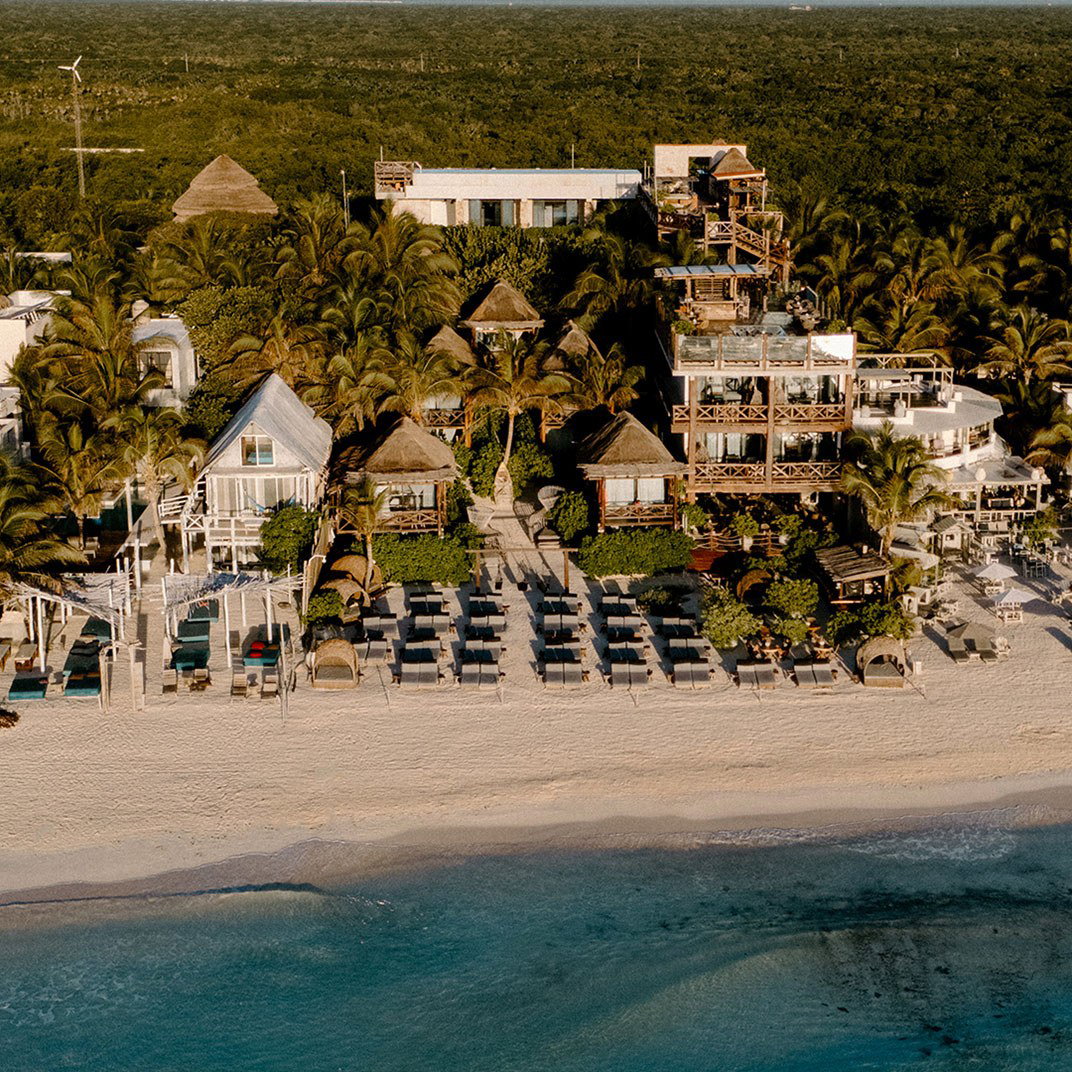
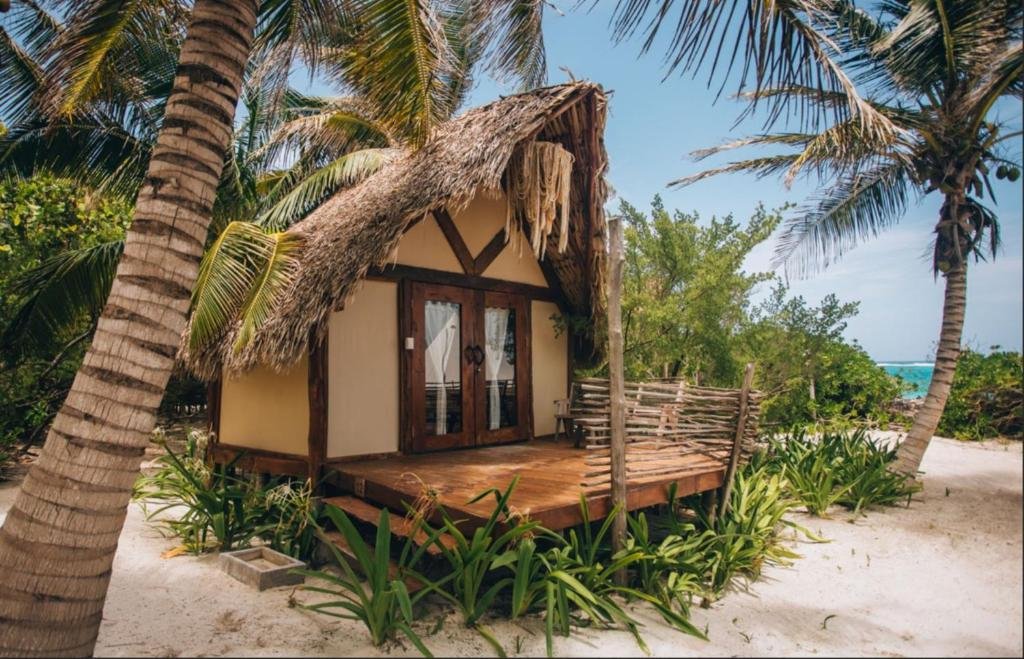
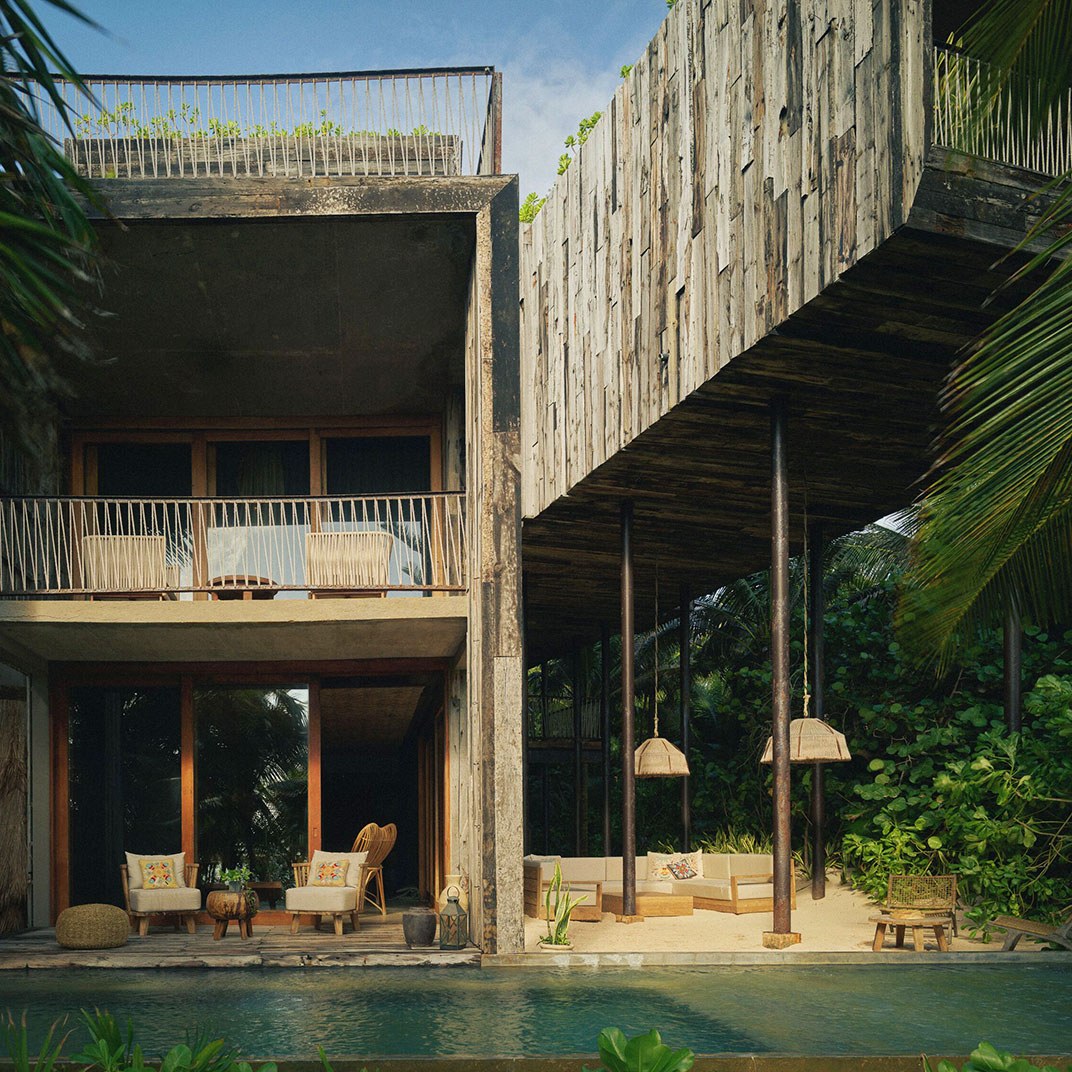
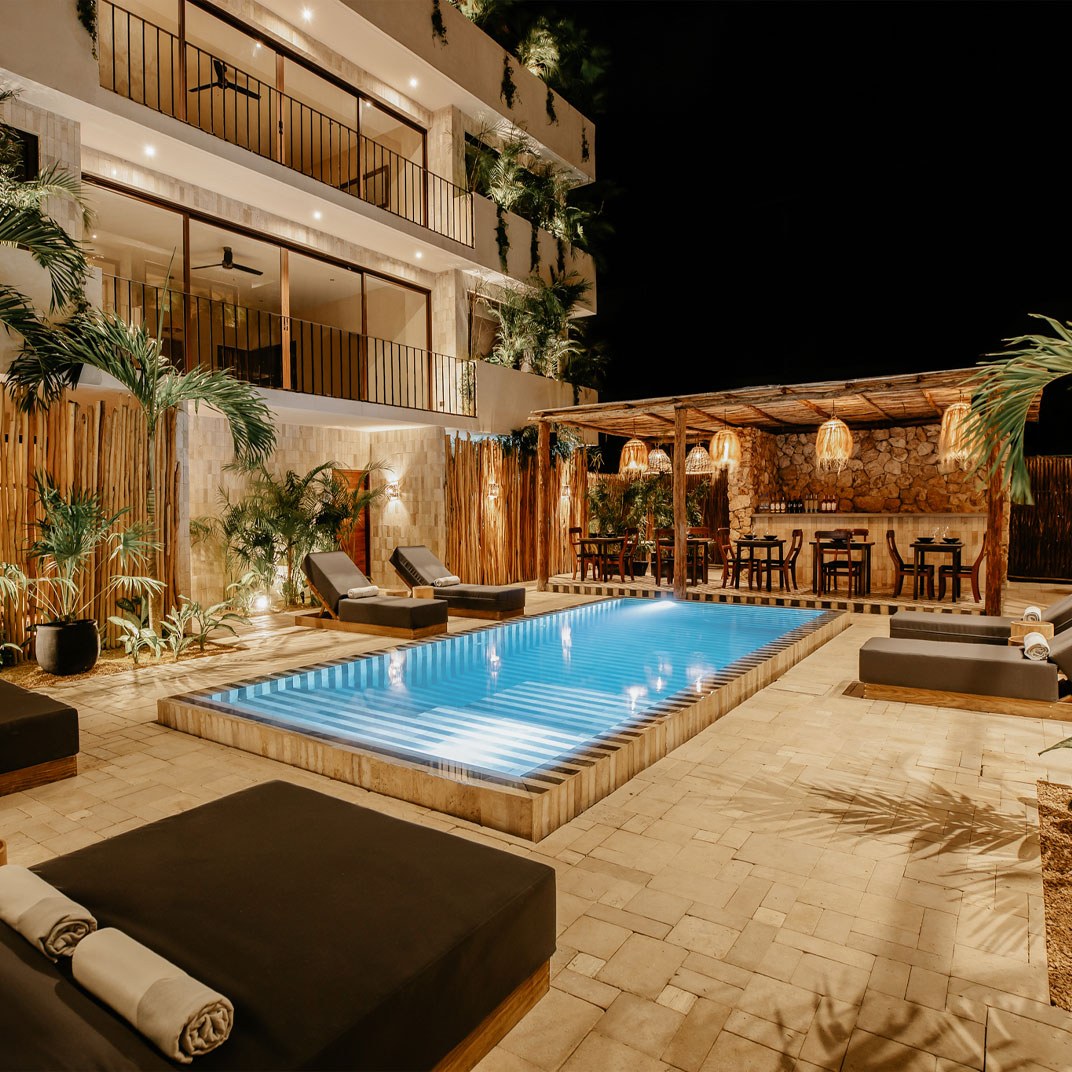
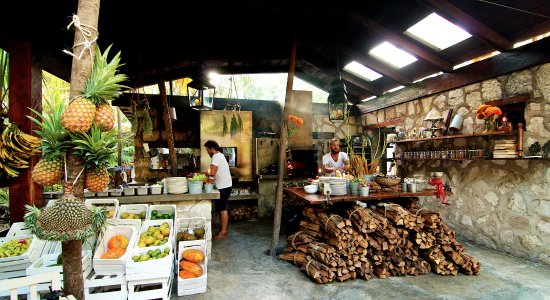
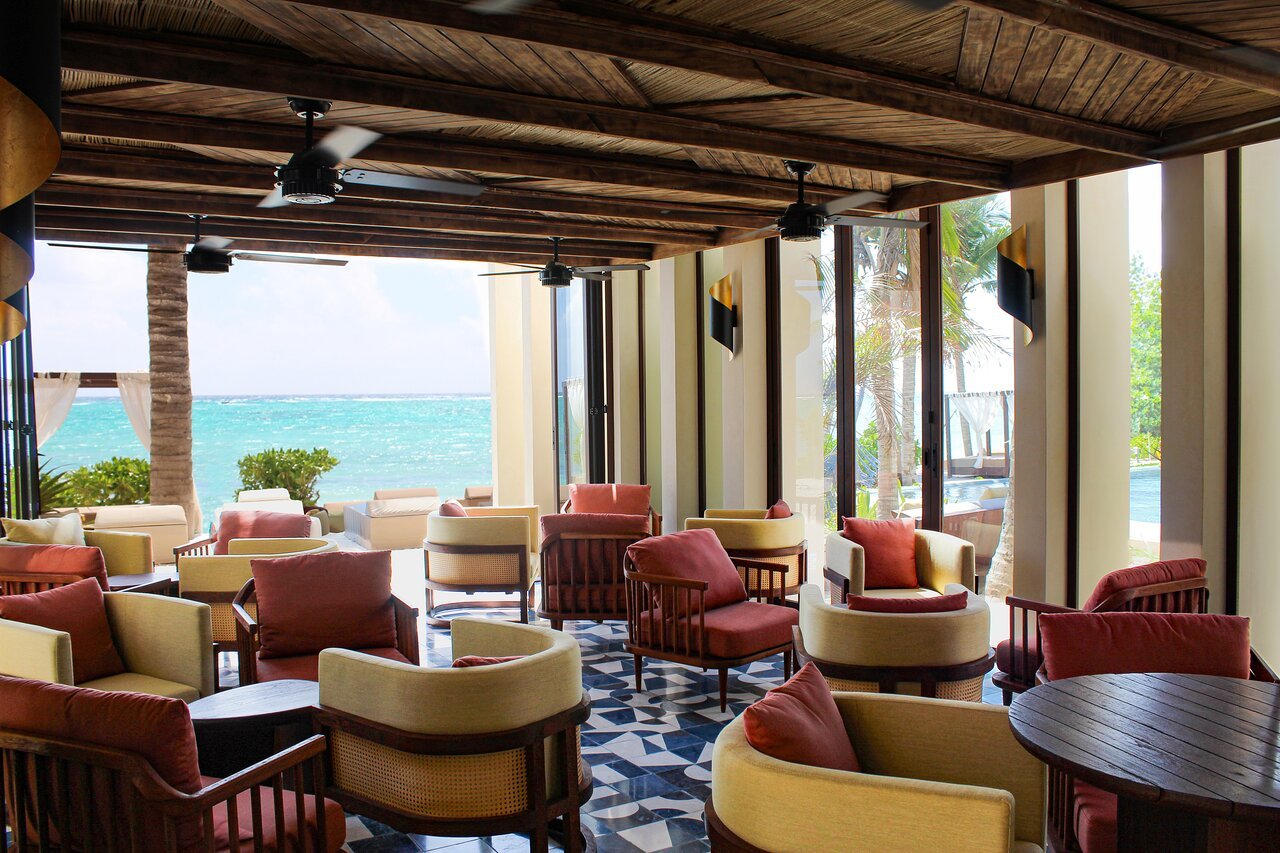
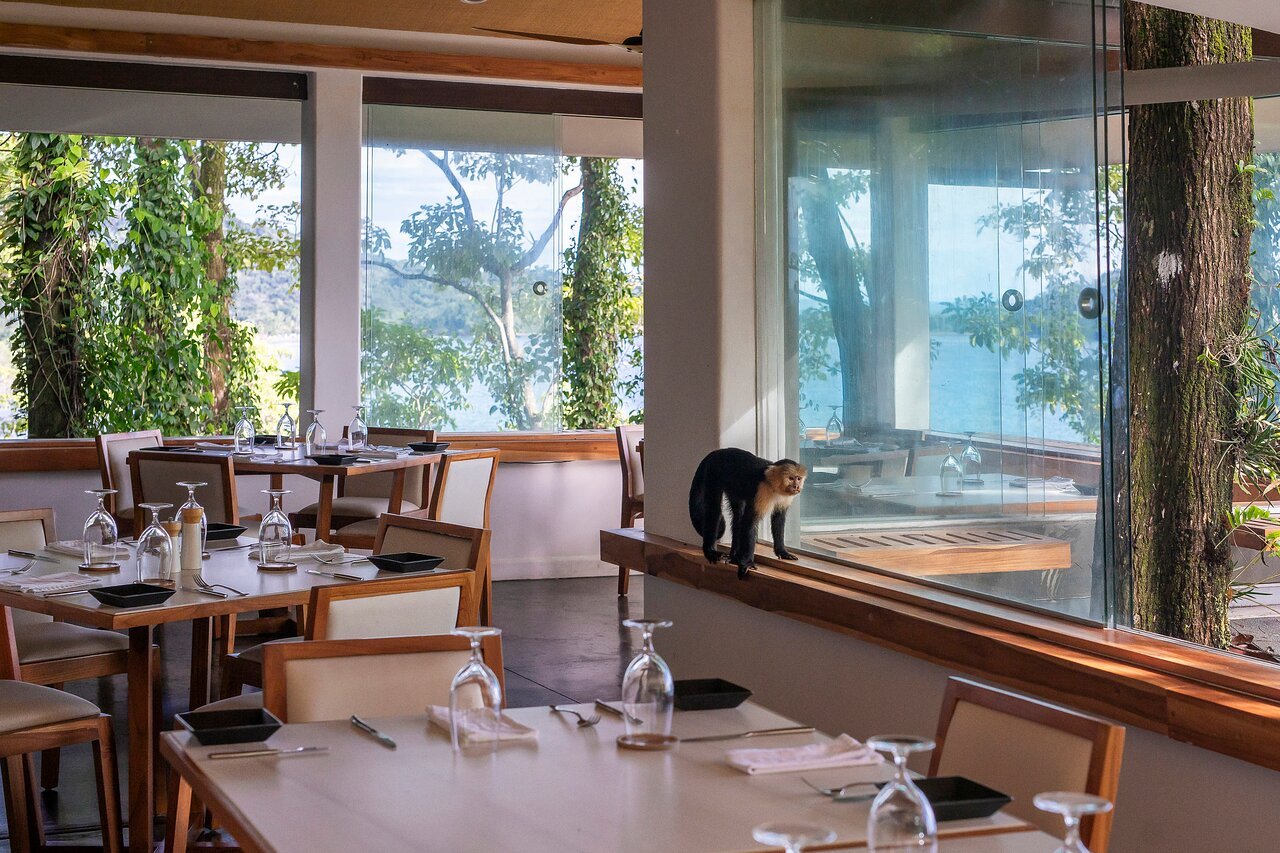
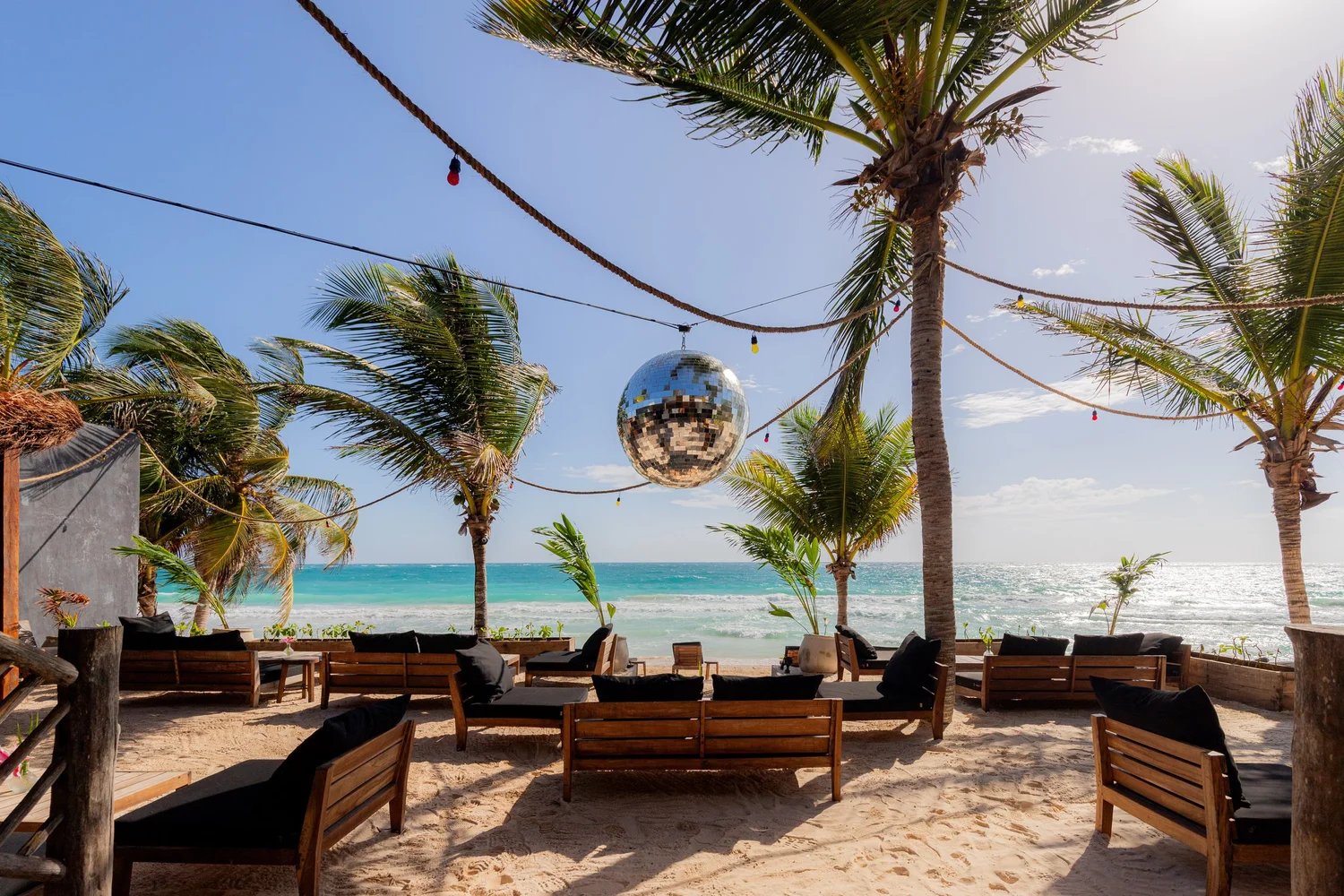
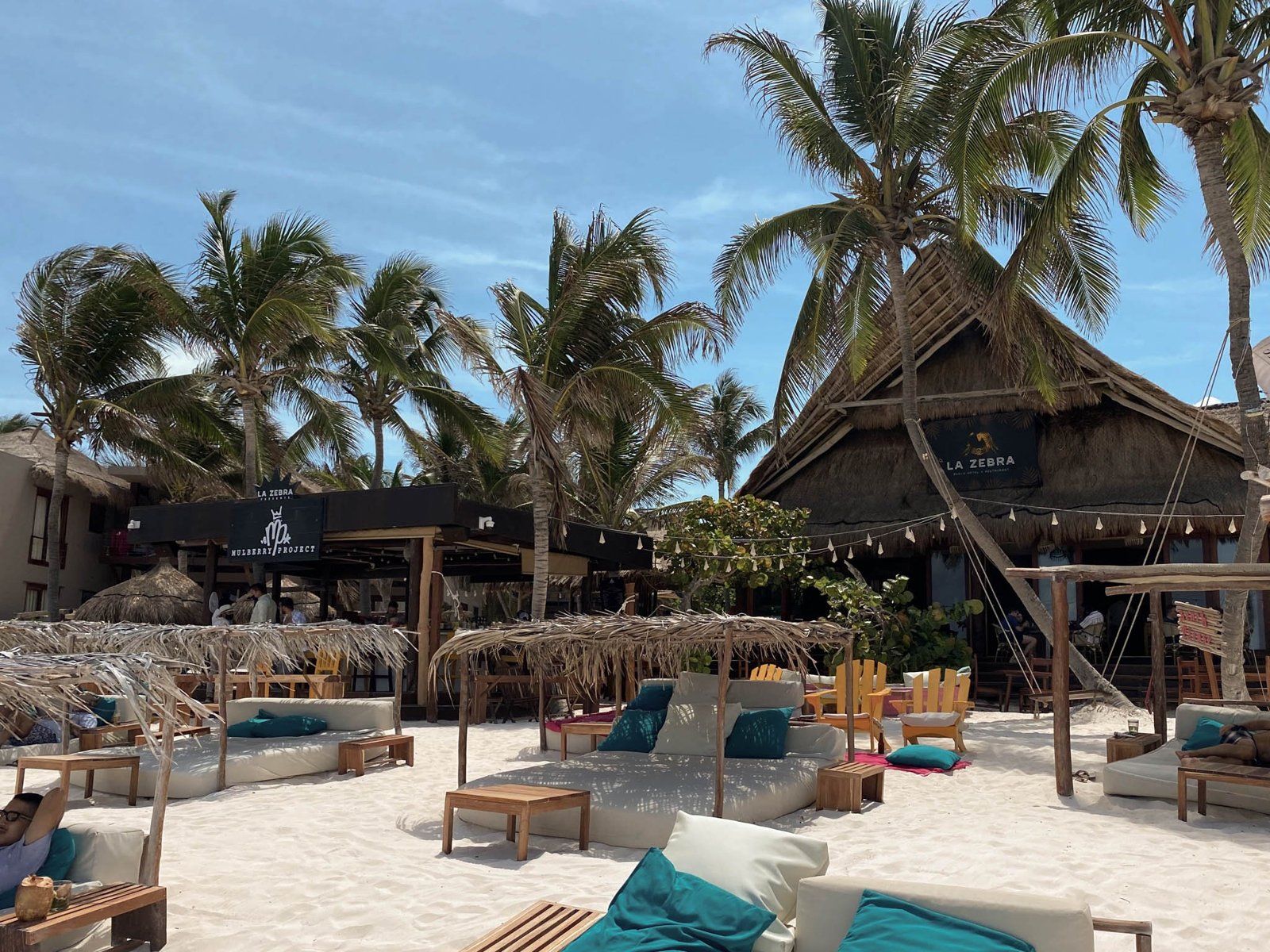
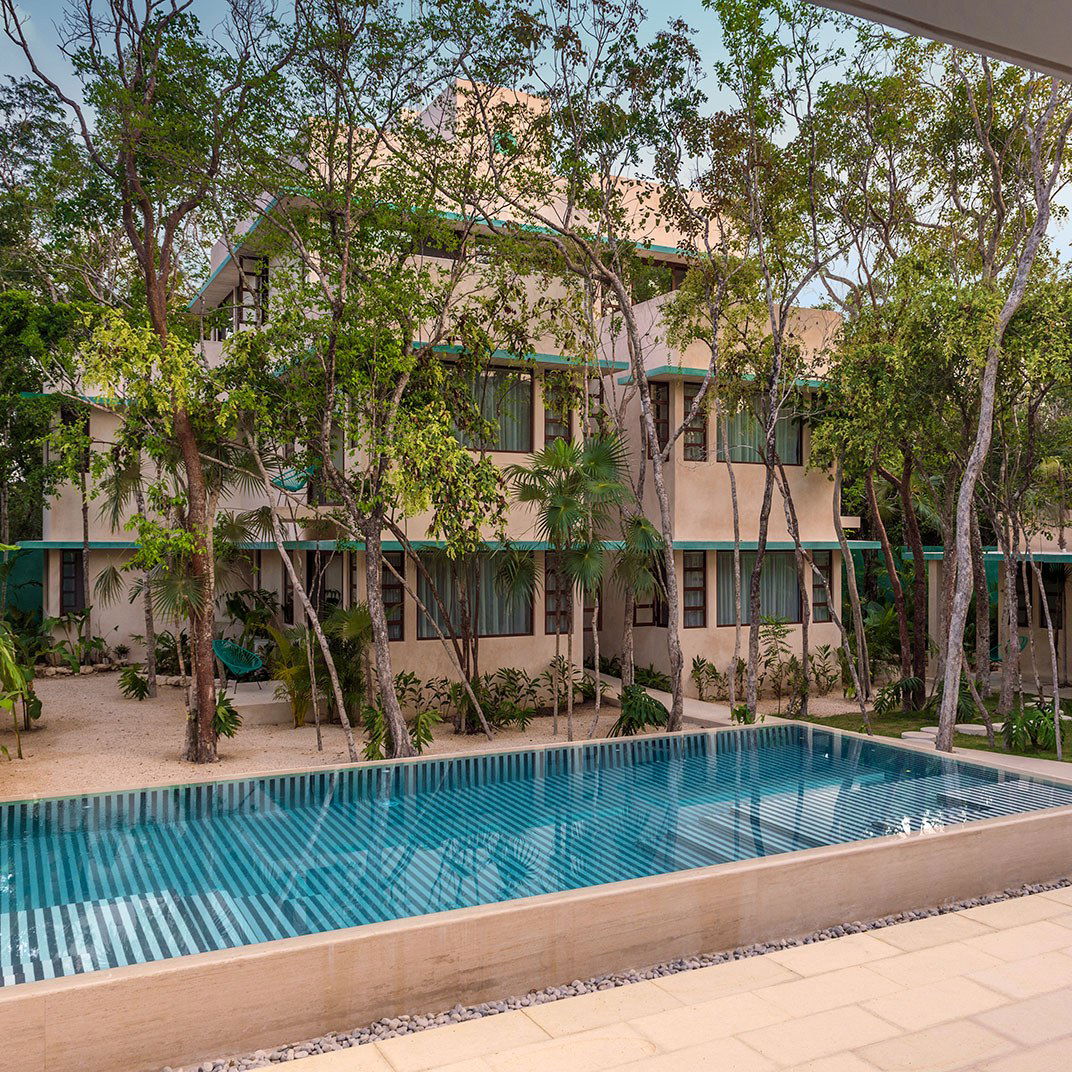
Hotel Tiki Tiki Tulum foregrounds a version of Tulum that predates the resort spectacle: palapa-style roofs, open-air corridors and materials that age gracefully. Its design lets the surrounding jungle take on a starring role, creating a quiet, scenic atmosphere rather than a high-gloss, amenity-driven one. The property sits within Holistika, a development built around ecological integration and wellness, so the overall mood leans rustic and serene. Michelin recognition underscores a character-first approach: this is a place with measured atmosphere and restrained extras.
Best For
This hotel is best for travelers seeking a low-key, wellness-oriented stay in Tulum. Guests who favor morning movement sessions, access to nearby cenotes and an intimate connection to the jungle will find it especially rewarding. It suits couples on quiet getaways and solo or small-group stays focused on nature and wellbeing, rather than those looking for nightlife, bottle-service beach clubs or Instagram-first infinity pools. The Michelin Guide nod signals quality and consistency, making it a solid pick for visitors who want a thoughtfully composed, character-driven hotel experience.
Stay Tips
Book well in advance and inquire about the Holistika wellness schedule. Expect open-air circulation and palapa construction: pack light layers and insect protection for jungle-adjacent evenings. Because the hotel is a smaller, atmosphere-led property and has Michelin recognition, rooms and programming may fill up more quickly than at larger resorts; confirm reservations ahead of arrival and ask staff about recommended times for on-site activities and nearby cenote visits.
Venue details
Ambiance
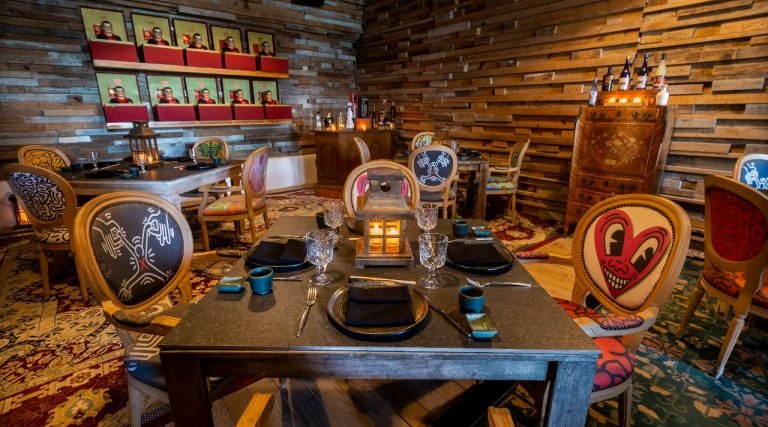
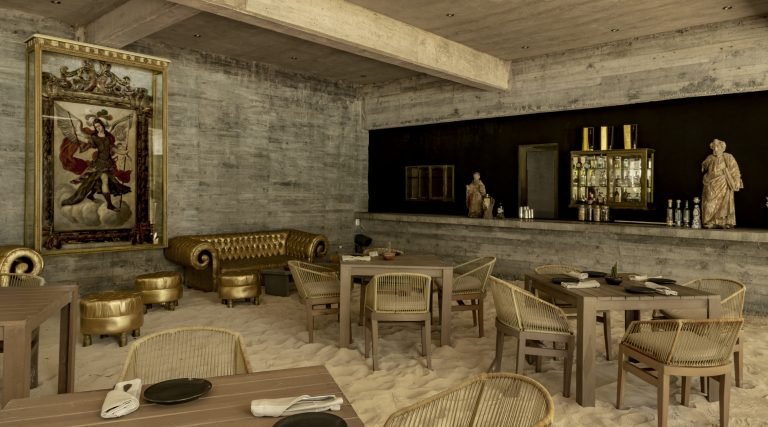
Cozy and relaxing jungle atmosphere with retro-chic design, soft vintage color palette, and peaceful retreat vibe.
Tags
Vibe
Best For
Experience
Amenities
View
About the Stay
- Rooms
- 15
- Check-in
- 15:00
- Check-out
- 12:00
- Property Type
- Boutique hotel
- Property Style
- Small Luxury Design Boutique in Jungle Setting
- Design Style
- Mid Century Modern with Art Deco Influences
- Pool
- Yes
- Families
- Welcome
Know before you go
Know Before You Go
- Getting there
- Calle 6 Sur Bis, entre Av. 5 Sur y Av. 10, Calle Camino Tulum, Tulum Centro, Mariano Matamoros, 77780 Tulum, Q.R., Mexico
Planning details
Location
Calle 6 Sur Bis, entre Av. 5 Sur y Av. 10, Calle Camino Tulum, Tulum Centro, Mariano Matamoros, 77780 Tulum, Q.R., Mexico · Directions
Recognition and awards
Also consider
Also Consider
- MILAM, Notable alternative
- Muaré Tulum Hotel, Notable alternative
- Majaró Tulum, Notable alternative
- Hotel Bardo, Notable alternative
- NABOA Hotel Tulum, Notable alternative
Hotel context
How it compares in Tulum
Choose Hotel Tiki Tiki Tulum if the priority is a quieter town base with a credible quality signal and easier planning. Hotel Bardo is the stronger cross-shop for travelers who want a more immersive adults-focused atmosphere, while Muaré Tulum Hotel is a better fit when the trip is built around wellness-style downtime rather than simple in-and-out Tulum access.
Majaró Tulum and NABOA Hotel Tulum are the sensible alternatives if availability or rate pressure makes this stay less appealing. They keep the search in Tulum without forcing a jump to a larger resort model. MILAM sits outside the immediate metro comparison, so use it only if the broader trip allows a different location rather than as a like-for-like swap.
For value, this hotel is the pick when you want design and calm without making the beach zone the center of the budget. For ambiance, Hotel Bardo and Muaré are better suited to travelers who want the hotel to define more of the trip. For booking ease and a lower-friction stay, keep Hotel Tiki Tiki Tulum and NABOA on the shortlist first.
Explore Tulum
Around this place
Discover more on Pearl
Unlock the full Hotel Tiki Tiki Tulum guide in Pearl, including awards, comparisons, FAQs, planning details, and nearby places.
Compare Hotel Tiki Tiki Tulum
| Venue | Location | Awards |
|---|---|---|
| Hotel Tiki Tiki Tulum | Tulum | 2025 Michelin Selected Hotels |
| MILAM | Riviera Maya | 2026 Michelin 1 Key2025 Michelin 1 Key |
| Muaré Tulum Hotel | Tulum | No published awards |
| Majaró Tulum | Tulum | No published awards |
| Hotel Bardo | Tulum | No published awards |
| NABOA Hotel Tulum | Tulum | Hotel World Architecture and Design Award · 20262026 Michelin 1 KeyTablet Hotels Top 40 New Hotels 2025 · #352025 Michelin Selected Hotels |




How Hotel Tiki Tiki Tulum compares with similar nearby venues.
FAQ
Frequently Asked Questions
How does Hotel Tiki Tiki Tulum compare to other hotels?
Hotel Tiki Tiki Tulum is a Tulum hotel with a MICHELIN Guide hotel selection for 2025. When comparing it with Hotel Bardo, MILAM, Muaré Tulum Hotel, Majaró Tulum, and NABOA Hotel Tulum, confirm current location details, amenities, room types, and service offerings directly with each property.
Is Hotel Tiki Tiki Tulum family-friendly?
Families should contact Hotel Tiki Tiki Tulum directly before booking, especially if they need particular room configurations, children's amenities, or activity options. For comparison, also review NABOA Hotel Tulum and Hotel Bardo.
How is the dining at Hotel Tiki Tiki Tulum?
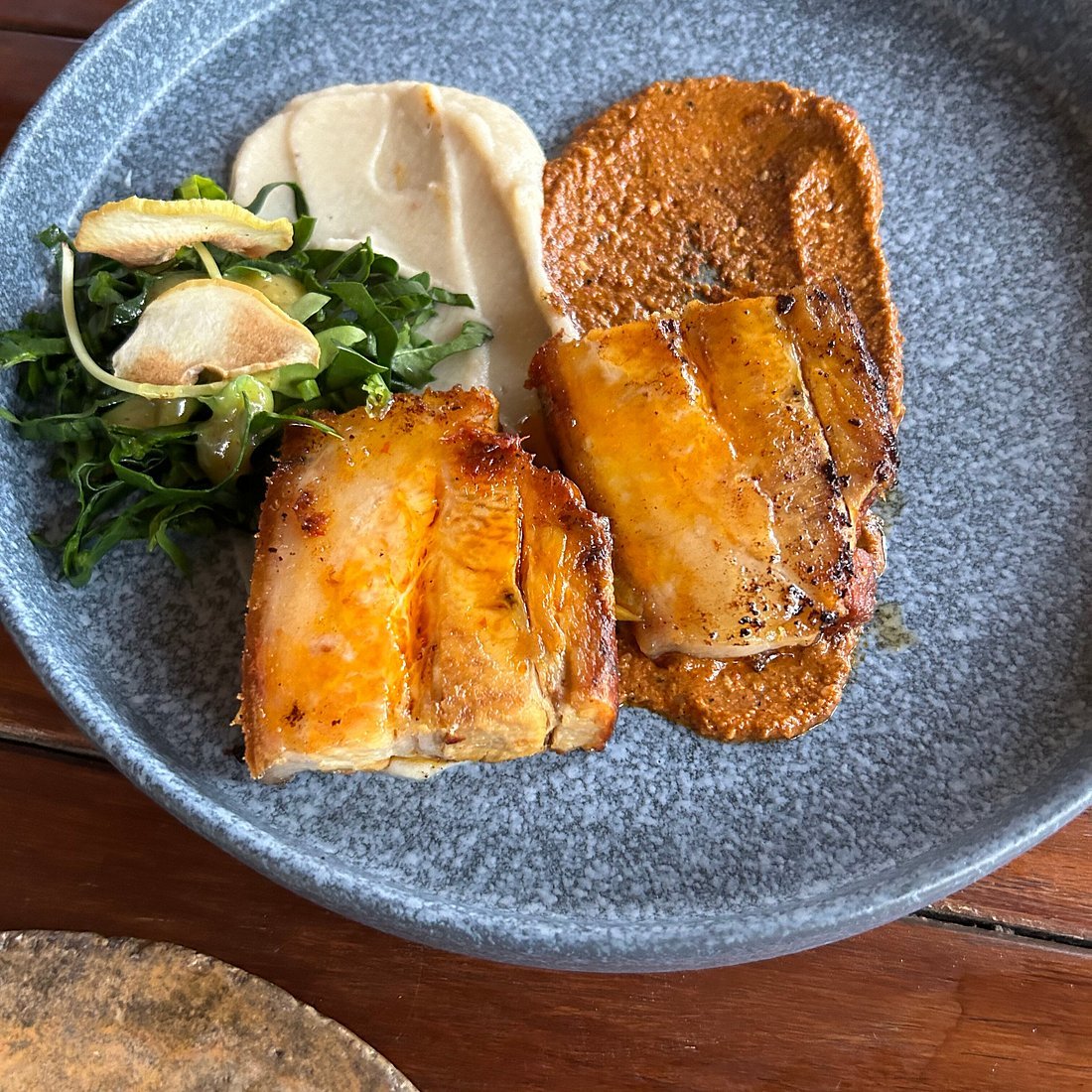
If dining is important to the stay, check directly with Hotel Tiki Tiki Tulum about its current dining format, cuisine, chef, or menu, and also review other dining in Tulum before finalizing plans.