
MILAM
La Veleta, Riviera Maya
Hotel in Riviera Maya, Mexico
 Book with Pearl
The Read
Dream-Yoga Architecture
Price
$200–300per night
Why go
MILAM is a strong Tulum pick for a quieter special-occasion stay in La Veleta, especially if Michelin 1 Key recognition matters more than loyalty points. Book it for atmosphere and quality confidence; compare larger Riviera Maya resorts if beach access, big amenities, or rewards benefits are the priority.
About MILAM
The practical call is to treat MILAM as a recognized Riviera Maya venue rather than to assume a particular resort style. If you are comparing options, consider other venues such as Copal Tulum Hotel, Hotel Bardo, Hotel Tiki Tiki Tulum, Majaró Tulum, or Muaré Tulum Hotel, while checking current booking details directly before deciding.
Book this for a recognized Riviera Maya venue, not for resort specifics
The strongest grounded reason to consider MILAM is its Michelin 1 Key recognition in 2025. Beyond that, travelers should avoid assuming specific amenities, room categories, wellness facilities, dining programs, or a particular location within the region unless confirmed through the venue's current official channels.
dress code is smart casual. For planning purposes, that is the clearest confirmed guidance, especially if the trip includes a celebration or a more polished experience.
Value depends on how much you care about confirmed recognition
Main value argument is quality confidence from the Michelin 1 Key, not any claim about loyalty benefits, inclusions, restaurants, spa facilities, or a particular resort footprint. MILAM is best evaluated on the confirmed recognition and on the current details available at booking.
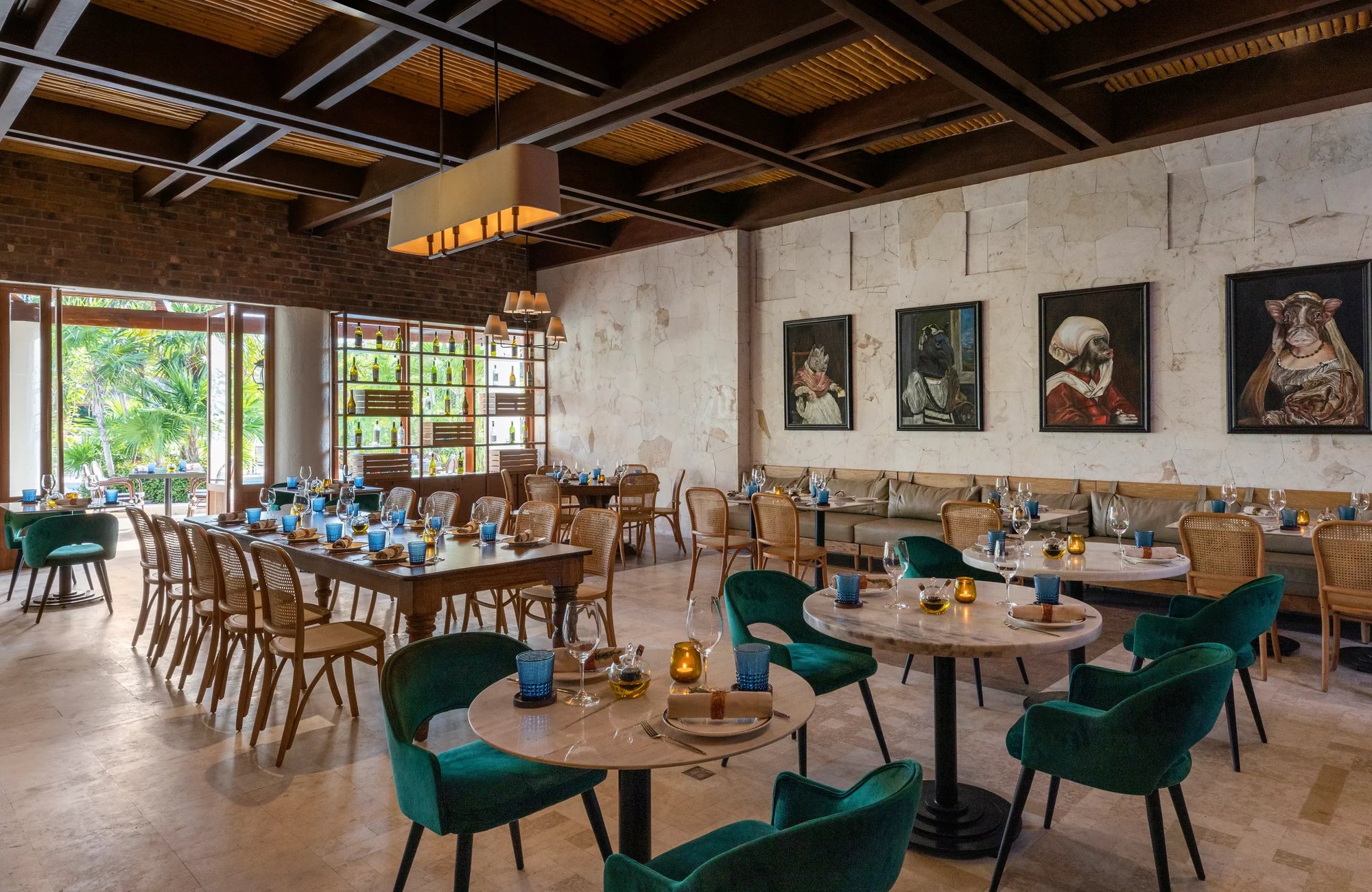
For broader planning, compare MILAM with other Riviera Maya options and keep restaurant, bar, and experience planning separate unless the venue directly confirms current on-site offerings.
Planning details
- Location
- C. 10 Sur Lote 4-ZONA 11, La Veleta, 77760 Tulum, Q.R.
- Website
- hotelmilam.mx
- Phone
- +52 55 6490 3091
The take
The Take
The Vibe
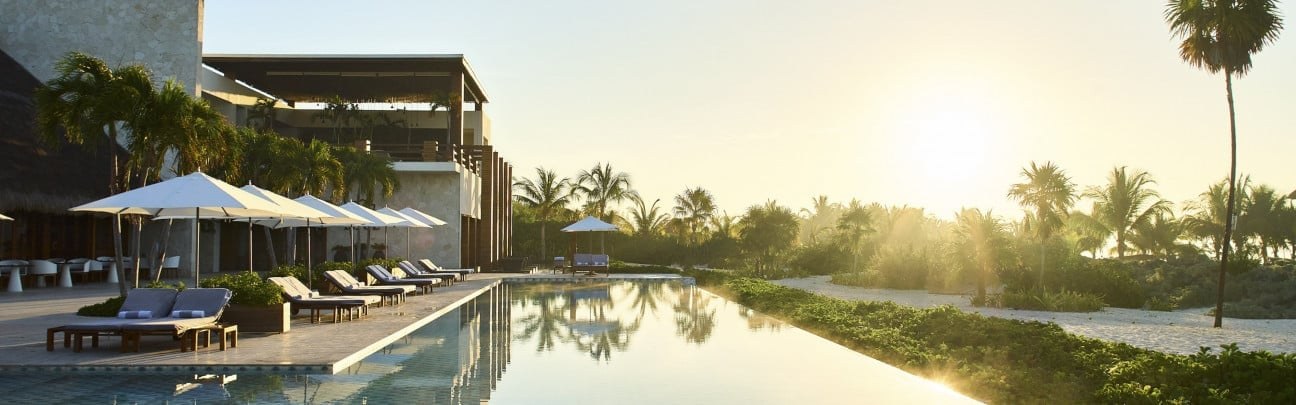
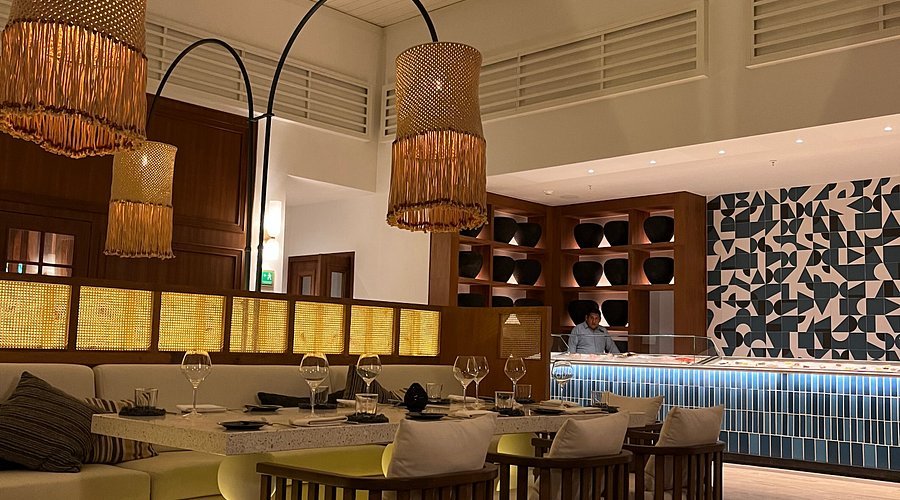
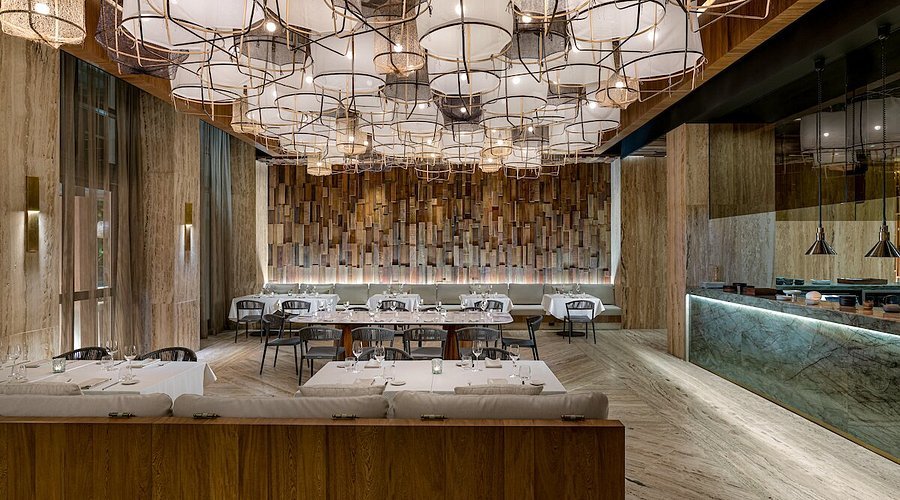
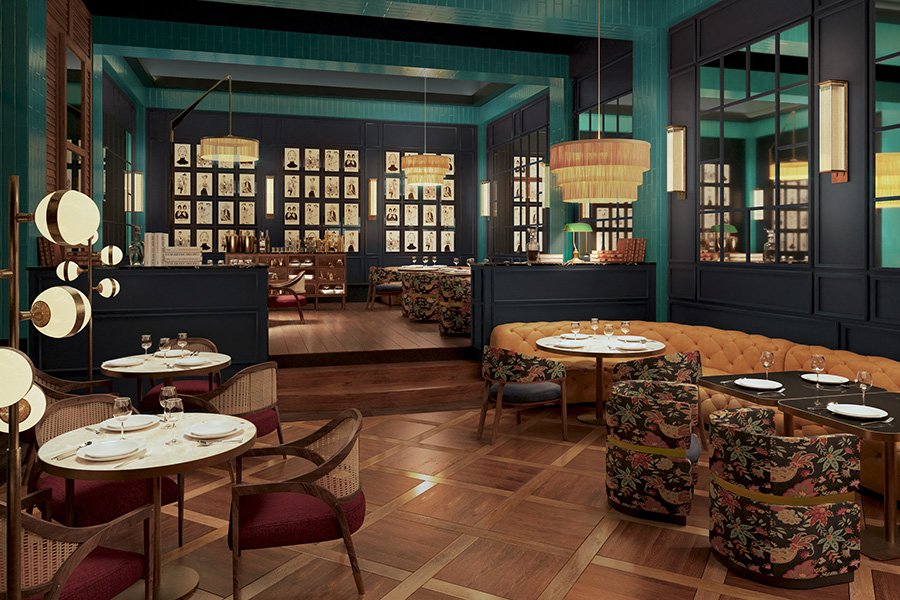
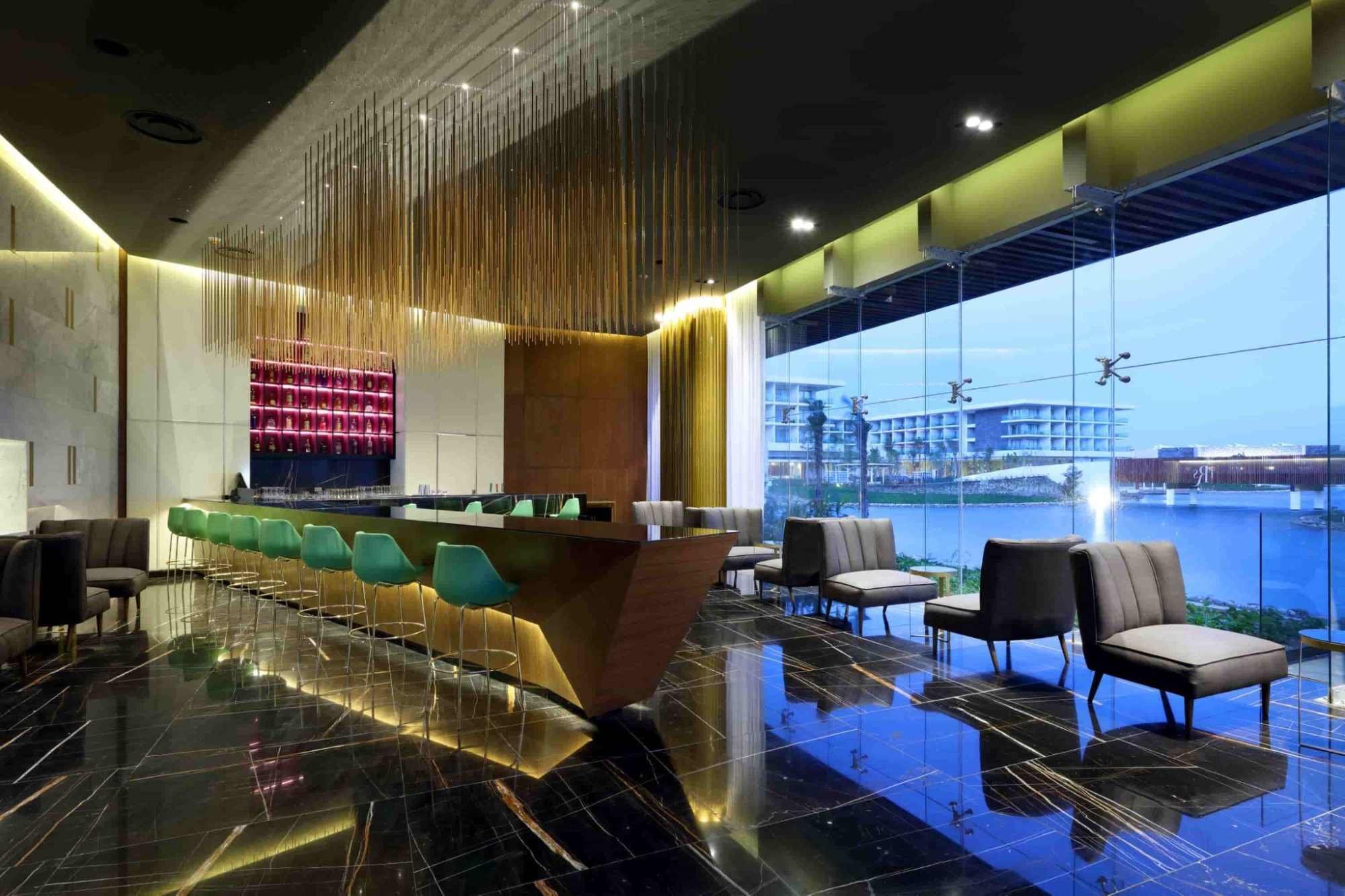
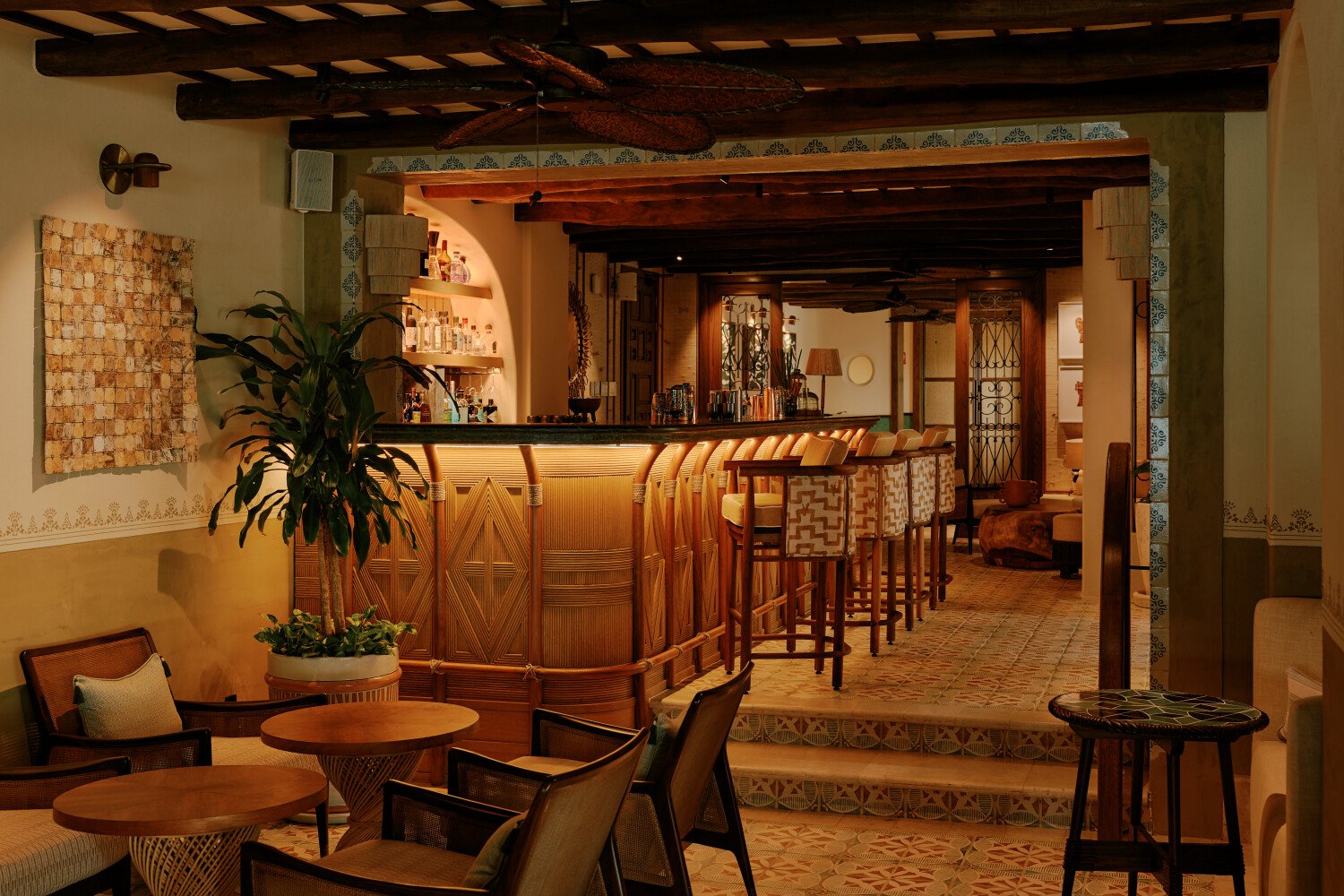
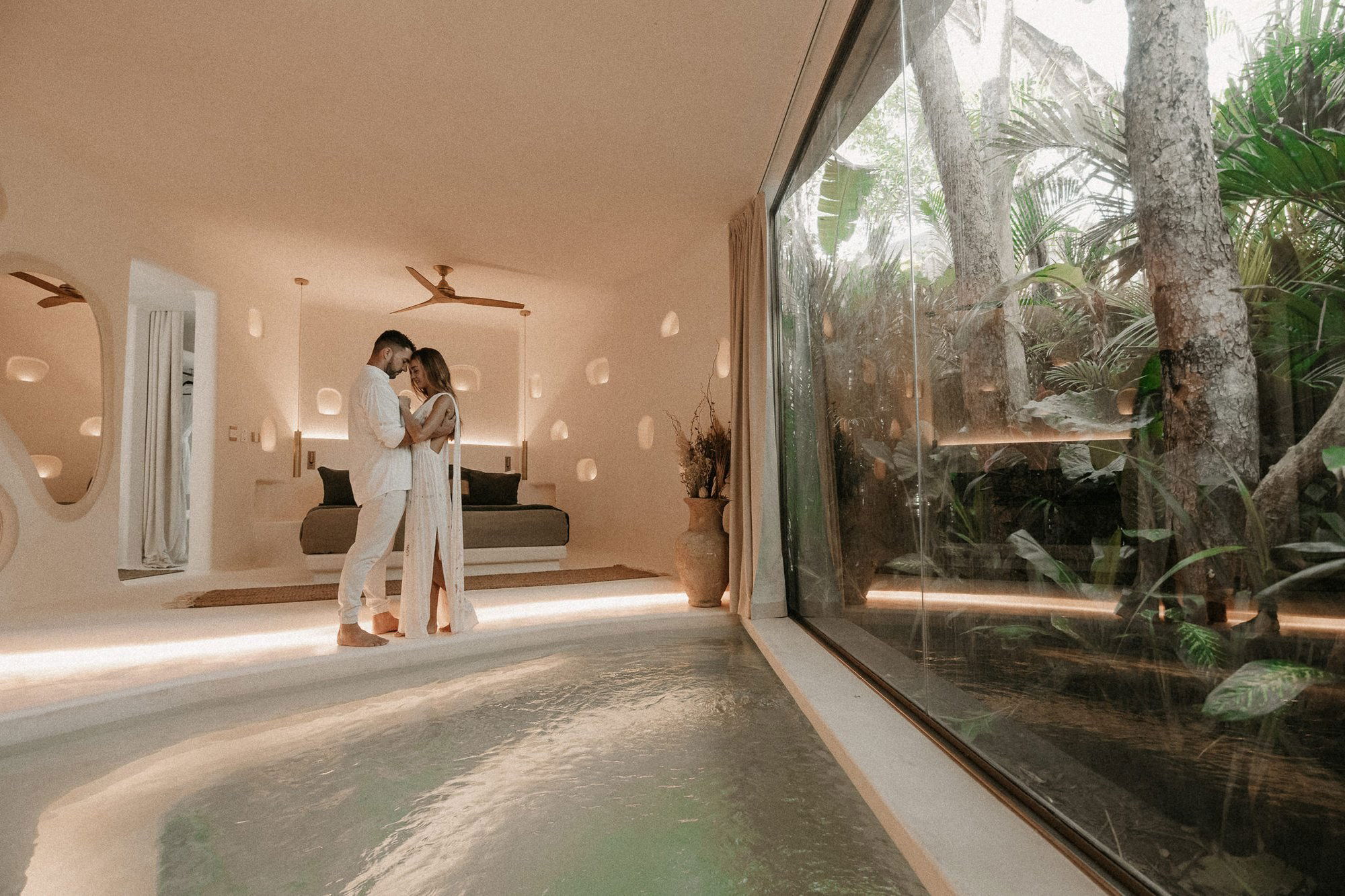
MILAM reads like a compact design village that foregrounds materiality and spatial craft. With 36 rooms, sinuous hand-finished plaster, macramé detailing and whimsical lighting, the property emphasizes a curated, tactile aesthetic over conventional resort programming. The architecture intentionally blurs interior and exterior, producing rooms that function as indoor-outdoor studies in texture and light. The naming and design brief are conceptually driven — milam is drawn from tantric dream-yoga — so guests can expect a cohesive, art-directed environment where the visual and atmospheric choices are the primary draw.
Best For
This hotel is best for travelers who prioritize design, privacy and an intimate scale over beachfront spectacle. Its inland La Veleta location and village-like layout suit couples and small parties seeking a quiet, design-forward stay — including honeymooners and anniversary travelers who value atmosphere. At 36 rooms and a price tier that begins around $425 per night, MILAM attracts guests who are choosing a thoughtful aesthetic proposition rather than amenity-packed resorts. It also appeals to visitors who prefer town-adjacent access to Tulum’s residential and cultural edges.
Stay Tips
Book early: with just 36 rooms the property is small and fills on design- and occasion-driven travel dates. When reserving, ask about room locations and the degree of indoor-outdoor connectivity if a patio or permeable boundary matters to you — the description highlights that interior and exterior are treated as porous rather than fixed. Keep expectations aligned with the hotel’s positioning: MILAM competes on conceptual and architectural integrity rather than on a long list of resort amenities, so confirm inclusions and any additional services before arrival.
Venue details
Ambiance
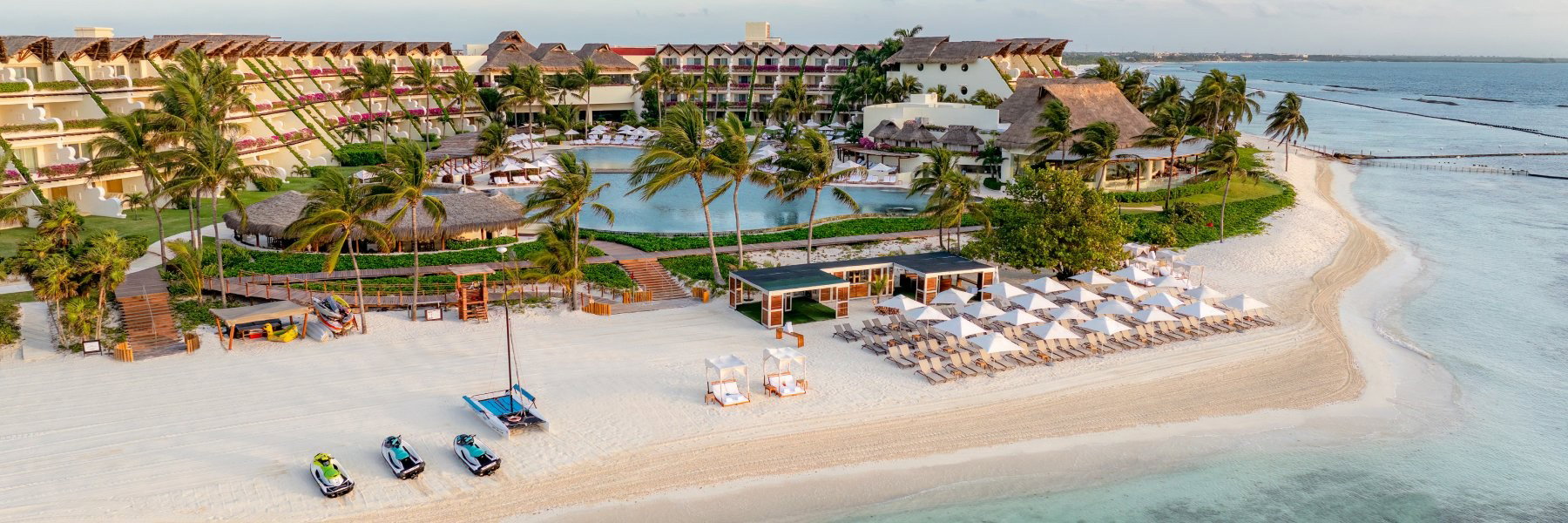
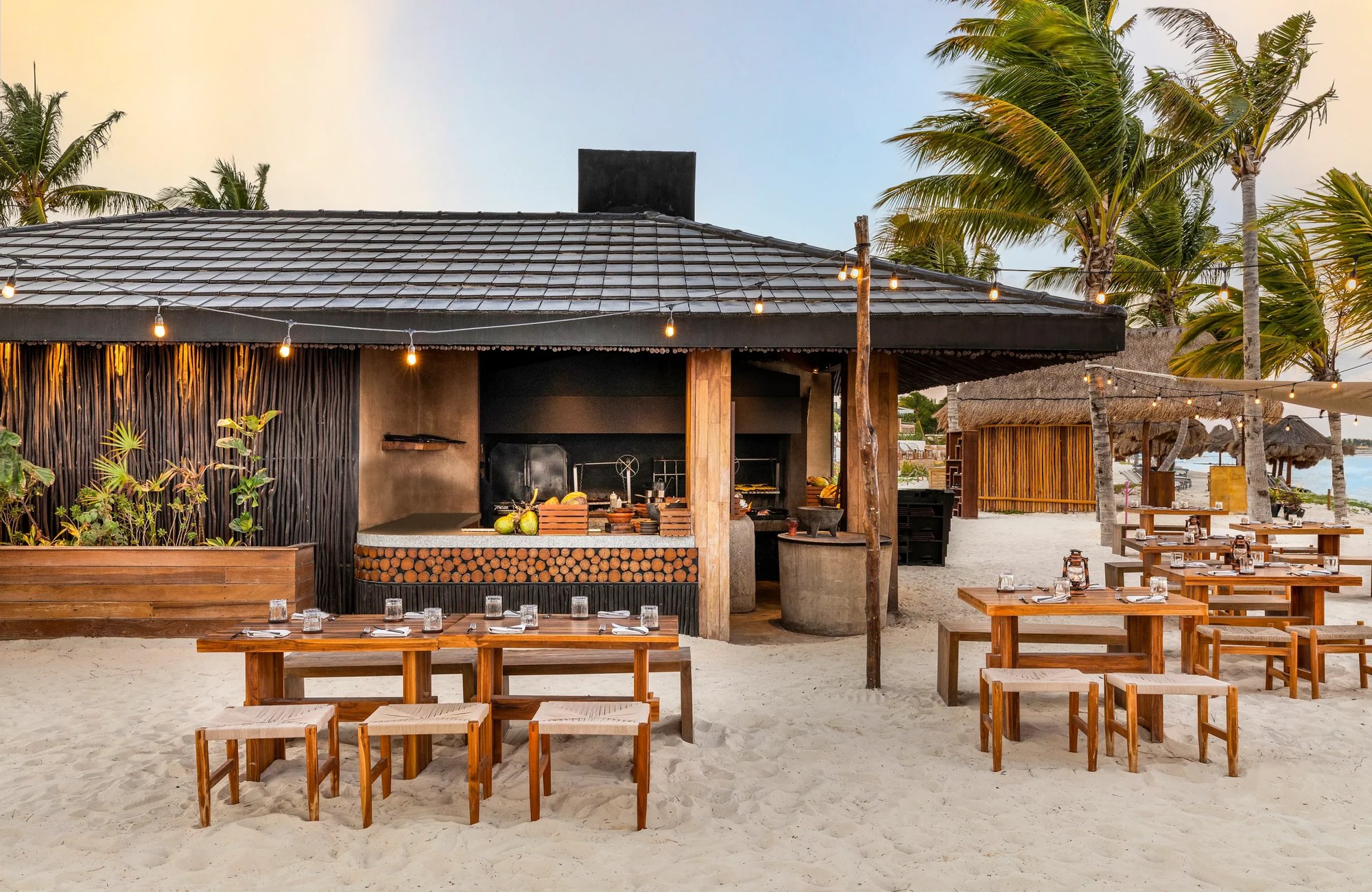
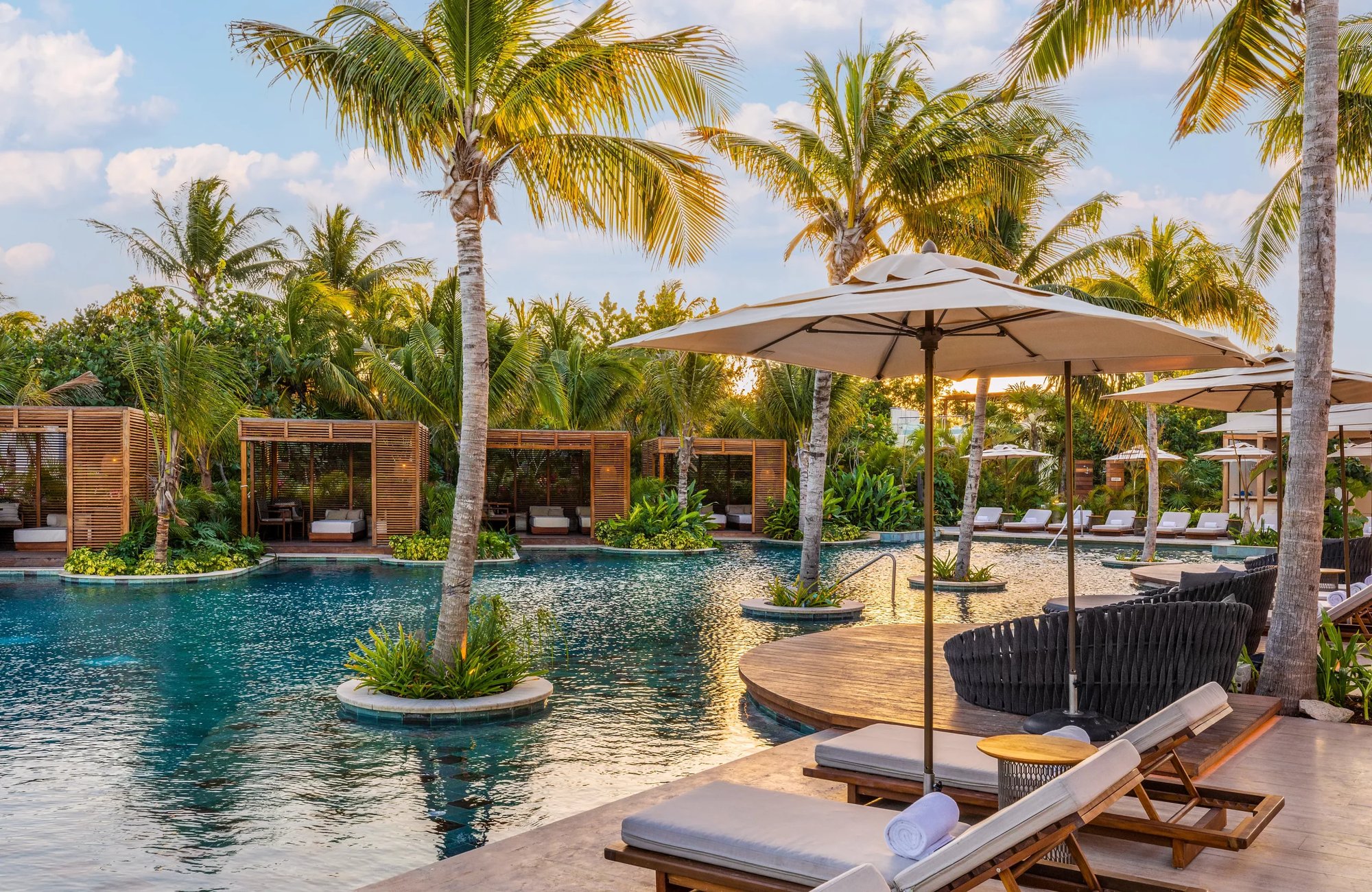
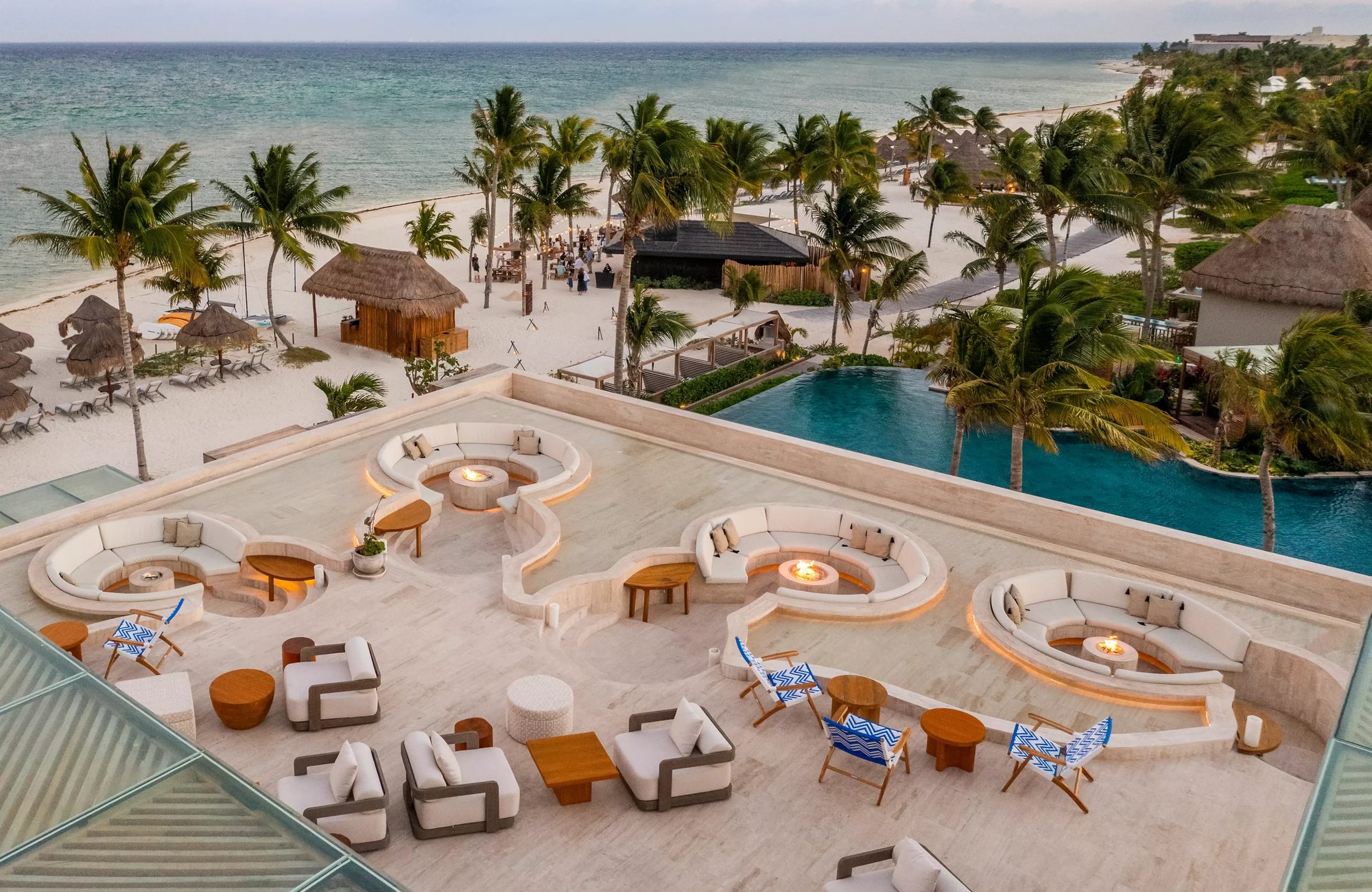
Calming, curved interiors with tropical cream-hued design inspired by Mayan heritage; serene atmosphere enhanced by scattered palm trees, cloud-like loungers, and intimate garden spaces.
Tags
Vibe
Best For
Experience
Amenities
View
Accessibility
About the Stay
- Rooms
- 20
- Check-in
- 15:00
- Check-out
- 12:00
- Property Type
- Boutique hotel
- Property Style
- Contemporary Luxury Boutique Resort with Mayan Inspired Curved Architecture and Tropical Minimalist Design.
- Design Style
- Organic Modernism with Curved Forms, Cream and Earth Tones, Natural Materials, and Integration of Local Cultural Elements.
- Airport Transfer
- Available
- Pool
- Yes
- Spa
- Yes
- Pets
- Allowed
- Cancellation
- Moderate
Know before you go
Know Before You Go
- Getting there
- C. 10 Sur Lote 4-ZONA 11, La Veleta, 77760 Tulum, Q.R.
Planning details
Location
Recognition and awards
Also consider
Where to look if MILAM is full
If the goal is a similar Tulum mood, check Hotel Bardo first, then Muaré Tulum Hotel. Both are more natural backups than larger Riviera Maya resorts because they keep the stay focused on Tulum rather than turning it into a full resort-corridor trip.
For a more value-led backup, compare Copal Tulum Hotel and Majaró Tulum. Pick Hotel Tiki Tiki Tulum if the hotel needs to be stylish but not the main event.
Hotel context
How MILAM compares in Tulum
MILAM is the higher-confidence pick in this set because Michelin 1 Key recognition gives it a clearer quality signal than Hotel Tiki Tiki Tulum, Majaró Tulum, or Copal Tulum Hotel. Choose it when the trip is a celebration and the room itself needs to feel like part of the plan, not just a base.
Hotel Bardo and Muaré Tulum Hotel are the closer cross-shops for mood-driven Tulum stays. MILAM is the safer recommendation when external recognition matters; Bardo or Muaré may be the better fit if the priority is a softer, more retreat-like atmosphere and availability lines up better.
For value, Copal Tulum Hotel and Majaró Tulum are the practical alternatives to check when MILAM is difficult to book or pricing feels too high for a non-beach stay. Hotel Tiki Tiki Tulum is the simpler call for travelers who want style without making the hotel the centerpiece of the trip.
Explore Riviera Maya
Around this place
Discover more on Pearl
Unlock the full MILAM guide in Pearl, including awards, comparisons, FAQs, planning details, and nearby places.
Compare MILAM
| Venue | Location | Awards |
|---|---|---|
| MILAM | Riviera Maya | 2026 Michelin 1 KeyMichelin 1 Key 20252025 Michelin 1 Key |
| Hotel Tiki Tiki Tulum | Tulum | No published awards |
| Hotel Bardo | Tulum | No published awards |
| Muaré Tulum Hotel | Tulum | No published awards |
| Majaró Tulum | Tulum | No published awards |
| Copal Tulum Hotel | Tulum | No published awards |

How MILAM Riviera Maya compares with similar nearby venues.
FAQ
Frequently Asked Questions
Is MILAM family-friendly?
MILAM is a Riviera Maya venue with Michelin 1 Key recognition in 2025, so families should confirm current room, amenity, and policy details directly before booking.
Do loyalty programs work at MILAM?
The confirmed signal is MILAM's Michelin 1 Key recognition in 2025, so book based on the current terms available at the time of reservation rather than assuming points, status benefits, or elite perks.
What is check-in like at MILAM?
MILAM is in Riviera Maya, and guests should use the venue's current booking confirmation or official channels for arrival instructions.
How is the dining at MILAM?
Do not assume a particular cuisine, menu format, restaurant program, or service style unless MILAM confirms it directly.
Which room category is best at MILAM?
When is the best time to book MILAM?
Because MILAM has confirmed Michelin 1 Key recognition in 2025, travelers interested in booking should check current availability and reserve when the terms work for their trip.