

Hoshinoya Tokyo
Chiyoda, Tokyo
Hotel in Tokyo, Japan
 Book with Pearl
The Read
Urban Ryokan Verticality
Why go
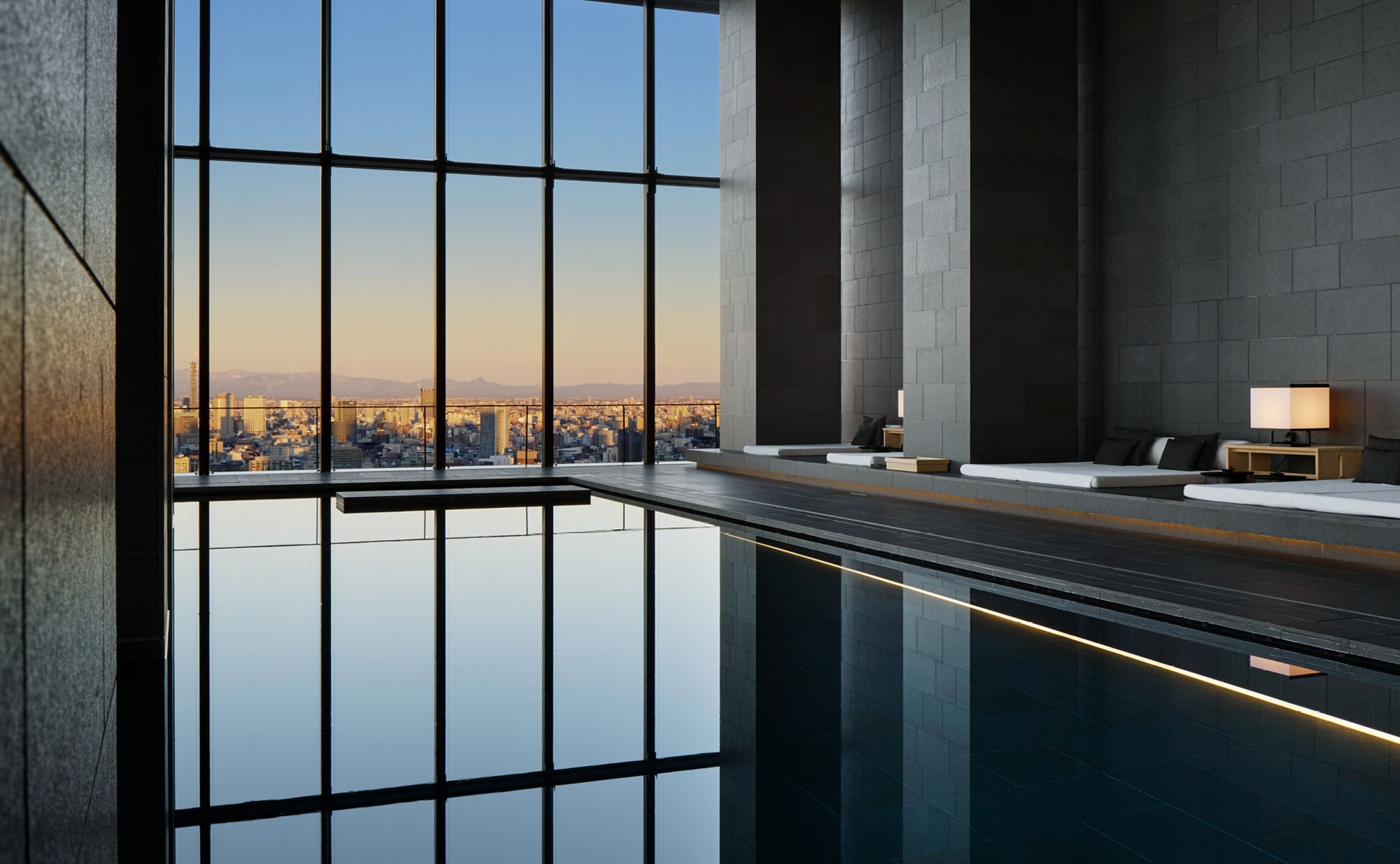
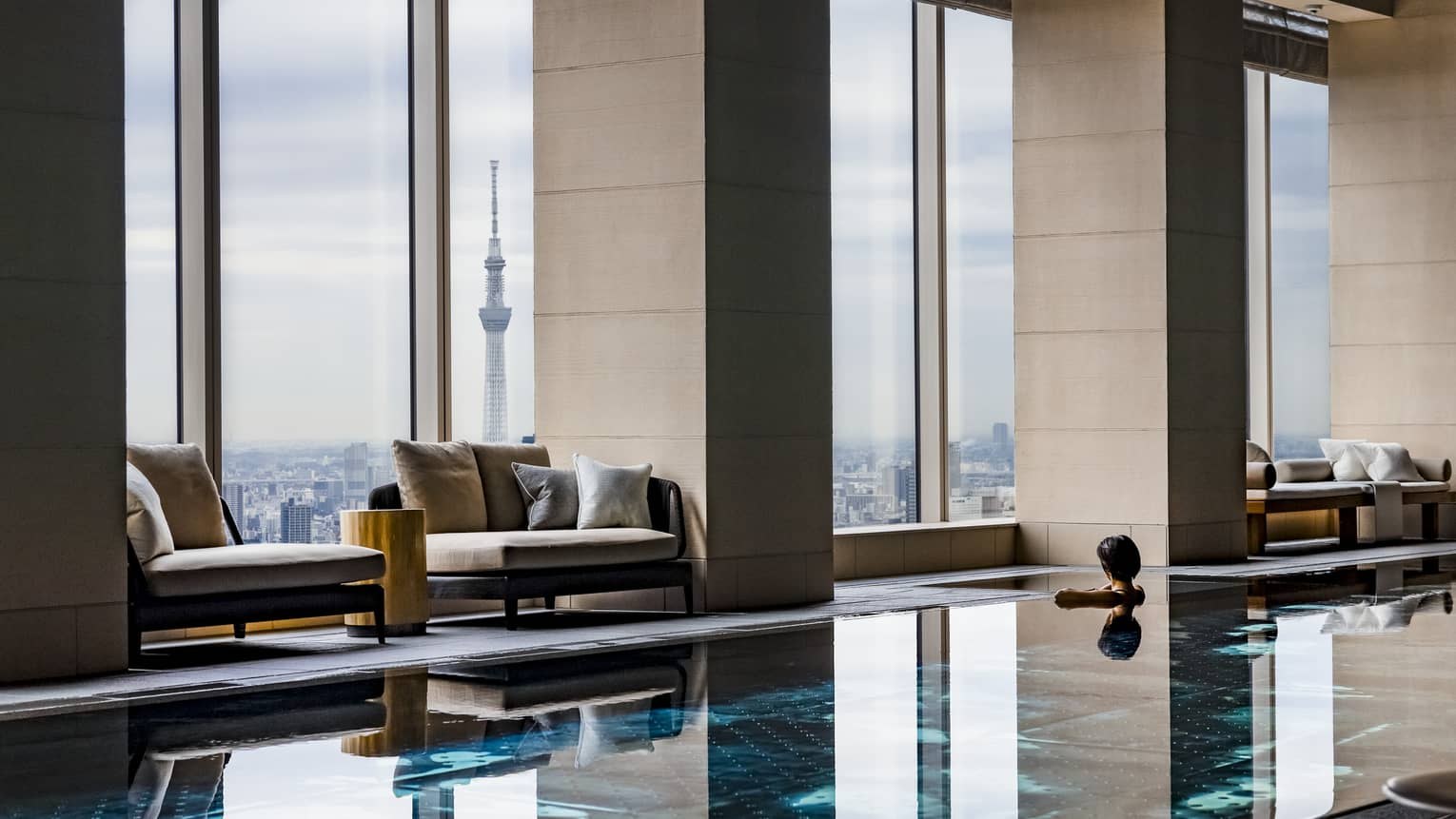
Book Hoshinoya Tokyo if the stay should feel like an urban ryokan rather than a conventional luxury tower. The rooftop onsen, tatami guest floors, floor lounges, and cultural programming justify the high price for wellness-focused travelers, especially first-timers who want Japanese ritual without leaving central Tokyo.
About Hoshinoya Tokyo
Hoshinoya Tokyo is a $$$$ hotel option in Tokyo for travelers considering a high-end stay with a casual dress code.
For planning purposes, the key confirmed points are simple: the venue is in Tokyo, sits at the $$$$ price level, and is listed with a casual dress code. Any decision should be checked against your own needs before booking.
The premium Tokyo positioning is the real value
Hoshinoya Tokyo makes sense if you are looking at the top end of Tokyo hotel pricing and want a property with confirmed hotel recognition. Its World's 50 Best Hotels #39 (2023) placement and MICHELIN Guide, Hotels Selected (2025) listing give it a clear premium profile without needing to invent details about amenities or service style.
For a $$$$ stay, the right choice depends on your party size, privacy needs, and how much time you expect to spend at the property.
Know what is confirmed before you book
The confirmed dress code is casual, which is useful if you want a high-end Tokyo hotel without planning around formal attire.
The same caution applies to dining and other trip details. If food or drinks are a major part of the trip, use the Tokyo restaurants guide, Tokyo bars guide, and Tokyo experiences guide to plan the rest of the stay around confirmed options in the city.
Who should choose it
Choose Hoshinoya Tokyo if you want a $$$$ Tokyo hotel with confirmed recognition from World's 50 Best Hotels and the MICHELIN Guide hotel selection, and if a casual dress code fits the trip. If your decision depends on specific amenities, exact location within Tokyo, dining details, loyalty benefits, wellness features, or business facilities, verify those directly before booking. For broader lodging research, use the full Tokyo hotels guide.
Planning details
- Location
- 1-chōme-9-1 Ōtemachi, Chiyoda City, Tokyo 100-0004
- Website
- hoshinoresorts.com/ja/hotels/hoshinoyatokyo
- Phone
- +81 50-3134-8091
The take
The Take
The Vibe
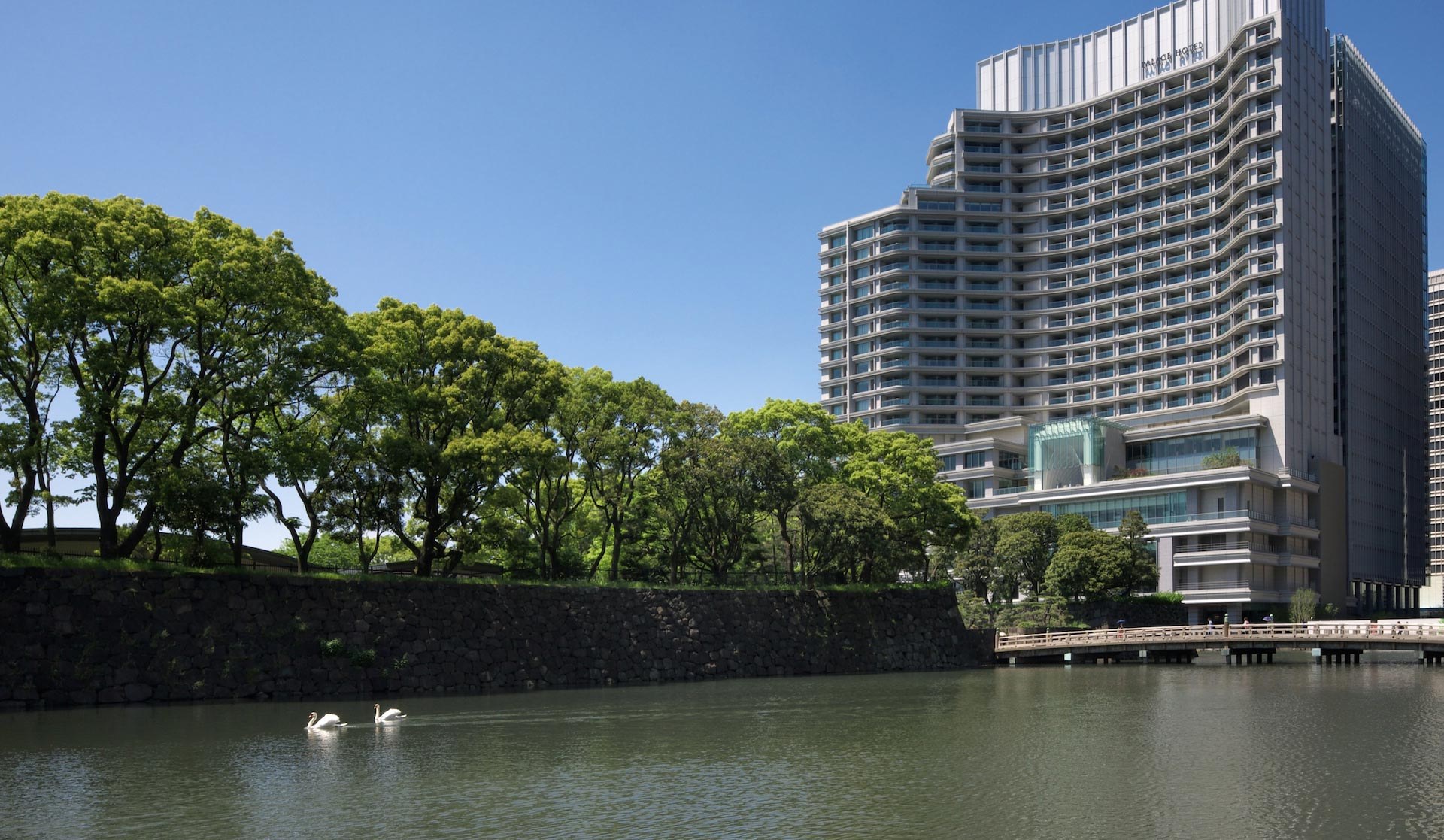
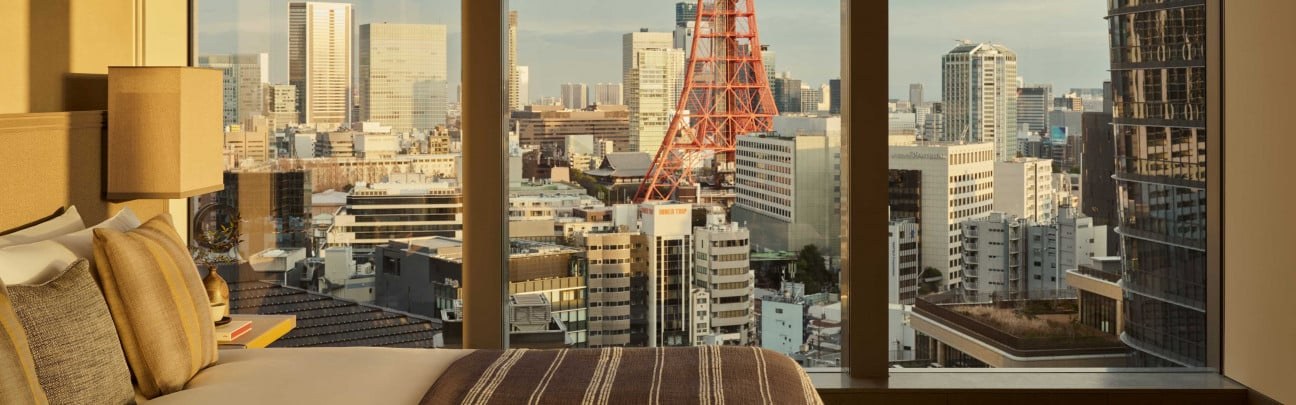
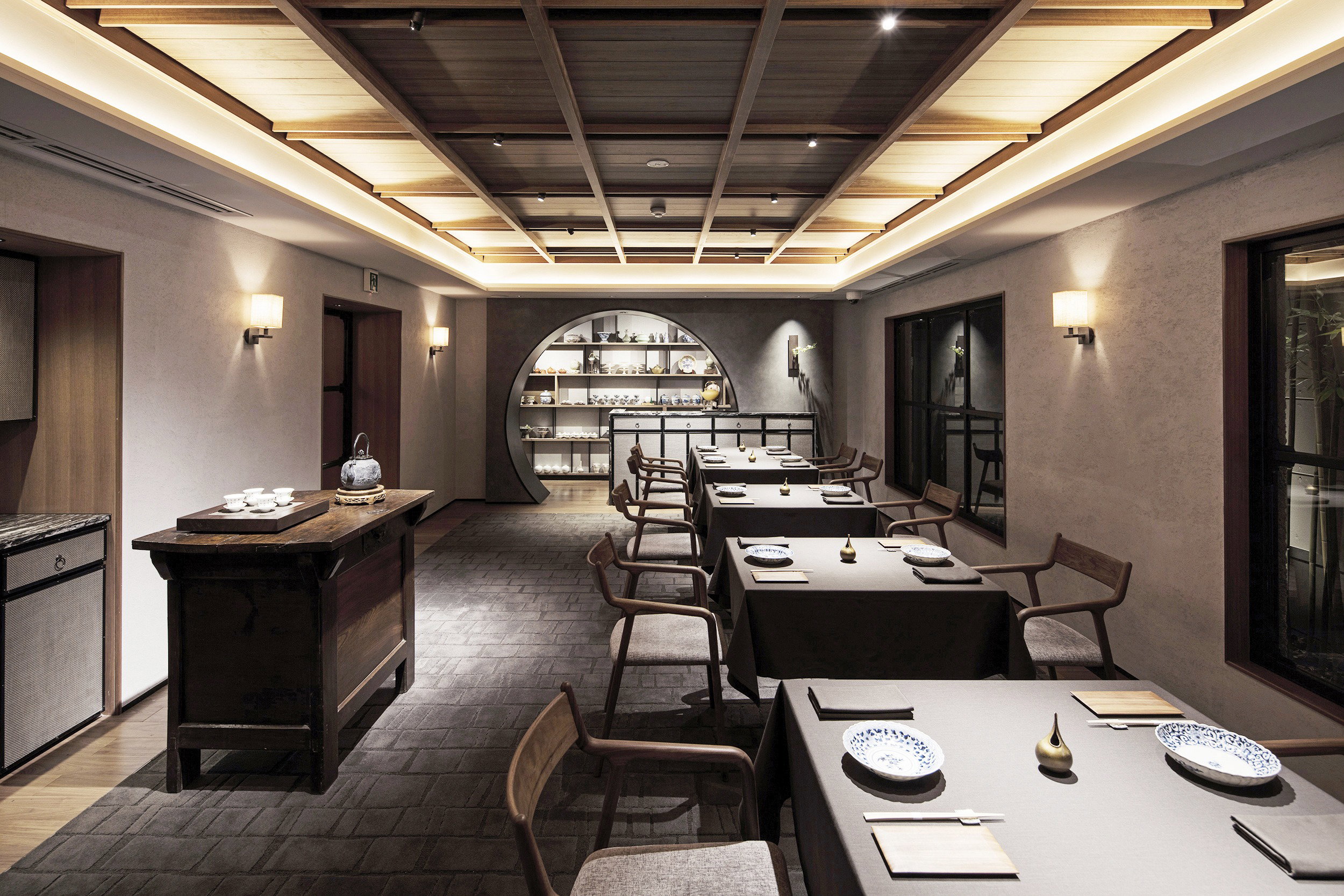
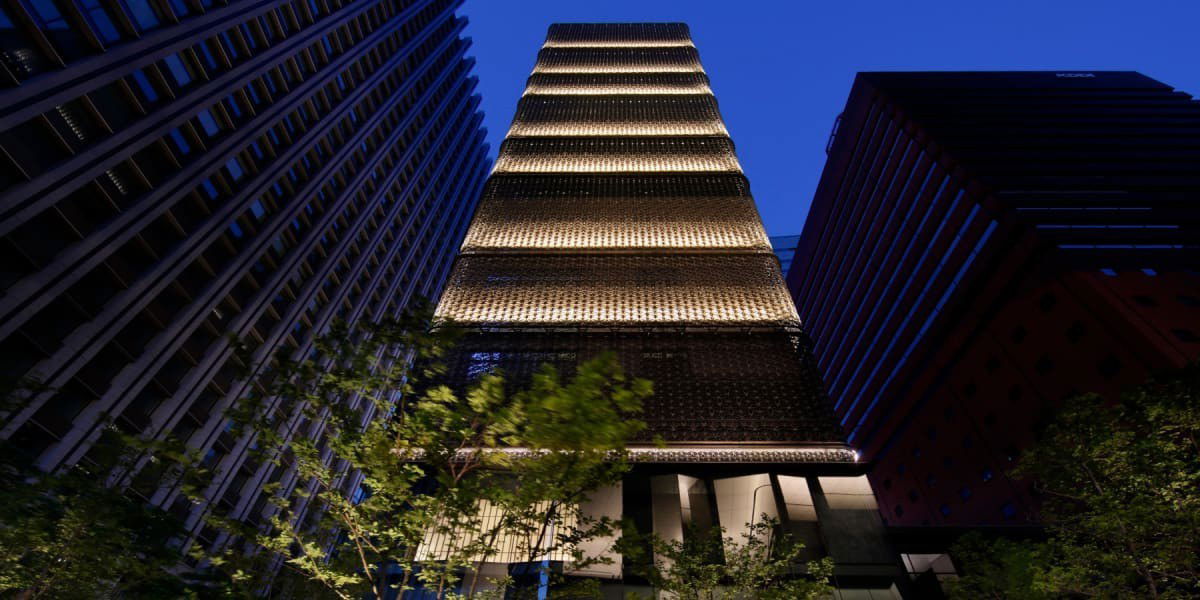
Hoshinoya Tokyo reads like an urban ryokan: a vertical translation of traditional inn rituals into the city. The moment you enter the lobby the property asks for a change of pace — shoes come off and yukata replace street clothes — and the building continues that quiet, ritualized logic upward. It feels intimate and deliberately serene rather than spectacular, a minimalist approach that privileges pacing and ceremony over size. The hotel’s curated point of view, its focus on kaiseki dining and communal bathing practices, produces a quietly charming and intimate atmosphere that rewards visitors who want to slow down in central Tokyo.
Best For
This property suits travelers seeking a contemplative stay in the middle of Tokyo’s business district: couples on a romantic getaway, guests marking an anniversary, or anyone after a restful weekend escape. The ryokan traditions — communal baths and kaiseki sequencing — also make it a natural pick for wellness-minded stays that emphasize ritual and recovery rather than high-energy sightseeing. Its placement in Otemachi additionally makes it practical for travelers with business ties or meetings in the area who want a distinctly Japanese hospitality experience without leaving the city center.
Stay Tips
Expect the hotel’s rituals to shape your visit: remove shoes in the lobby and be prepared to wear a provided yukata while on property. Meals follow a kaiseki rhythm, so allow time for a multi-course dining sequence rather than quick service. Plan around communal-bath routines by leaving ample time for bathing rituals and modesty protocols. Because the property presents itself as a curated, concept-driven hotel rather than a typical luxury resort, come ready to embrace the pacing and ceremony that define the experience rather than seeking conventional amenity-driven service.
Venue details
Ambiance
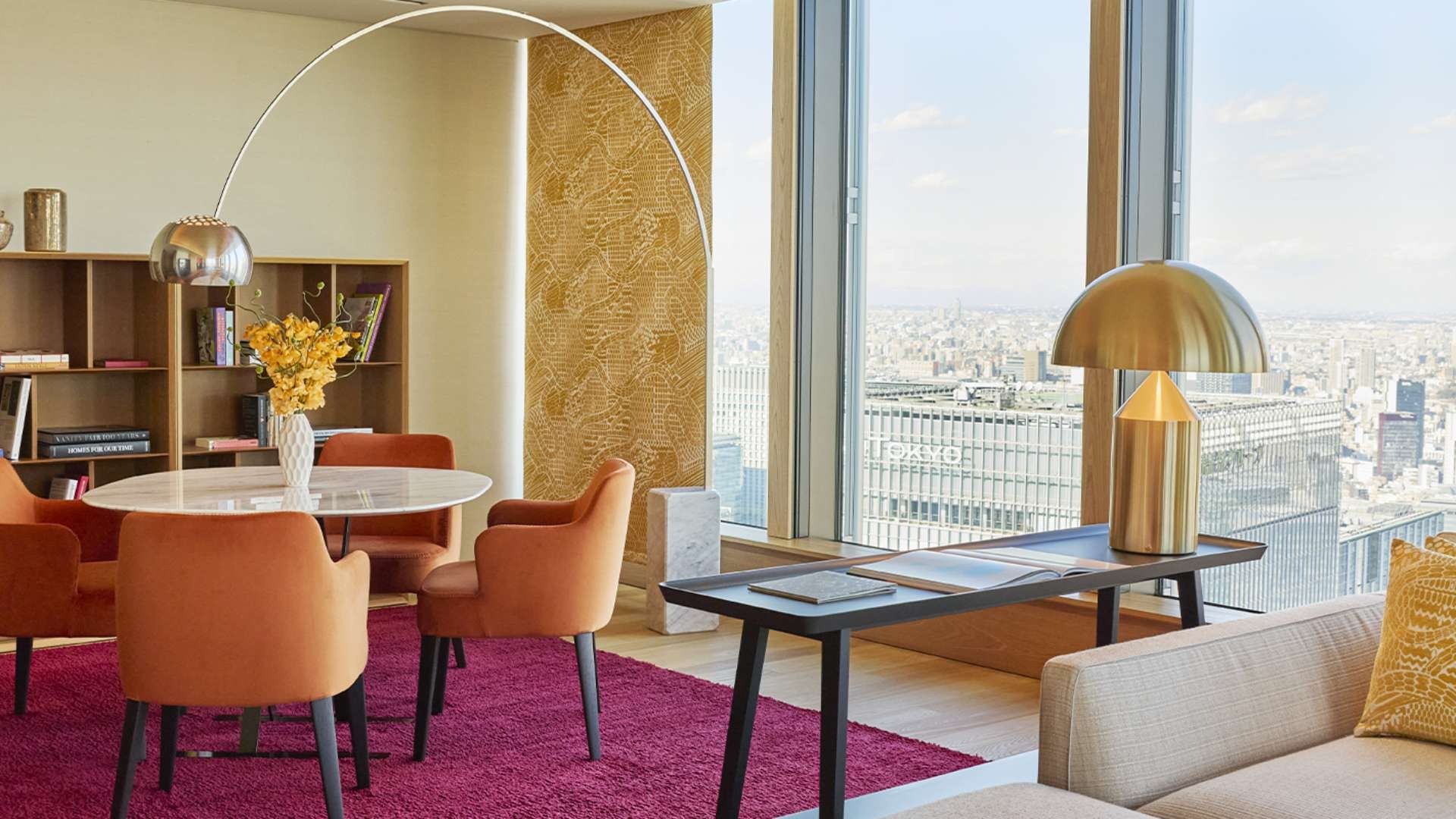
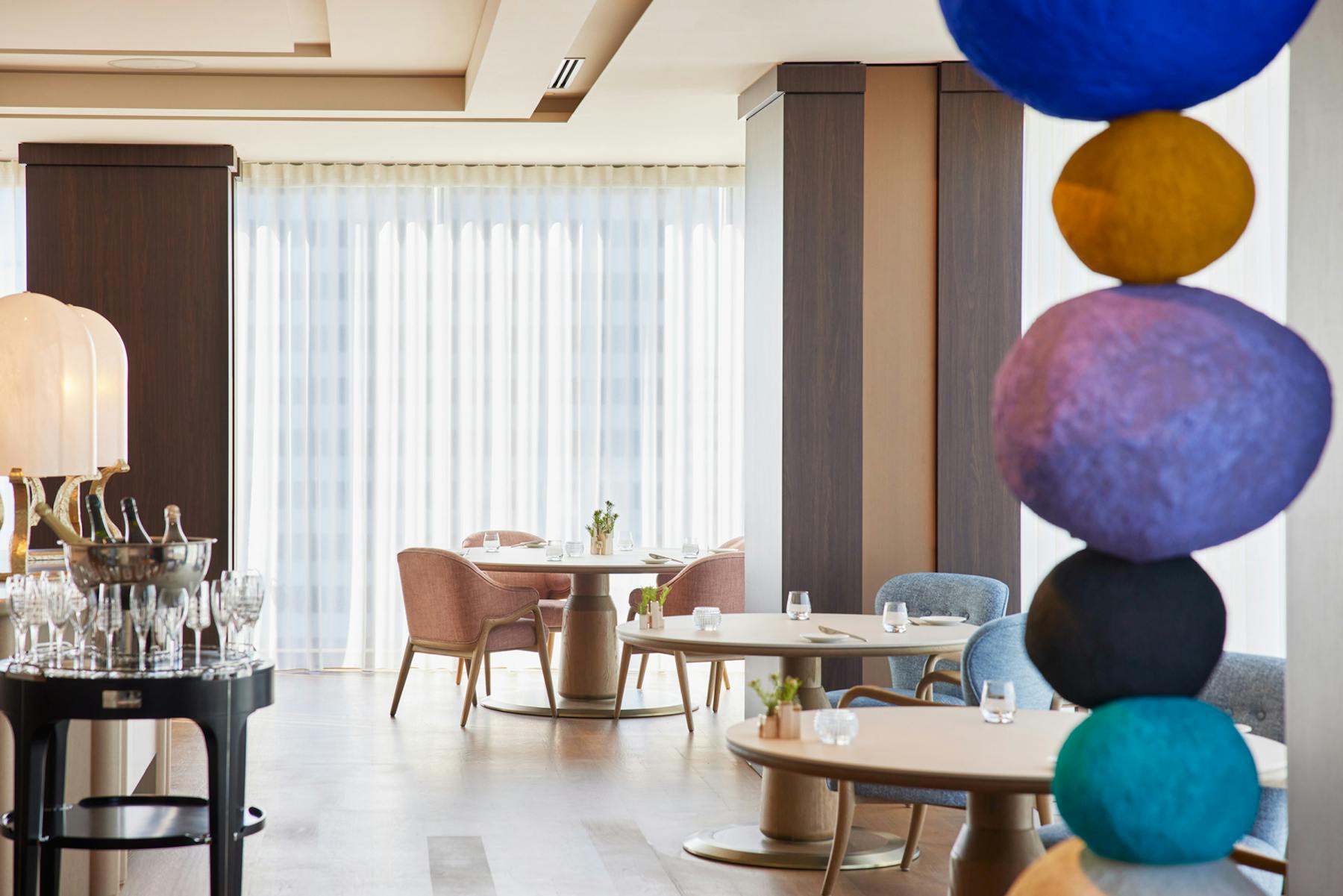
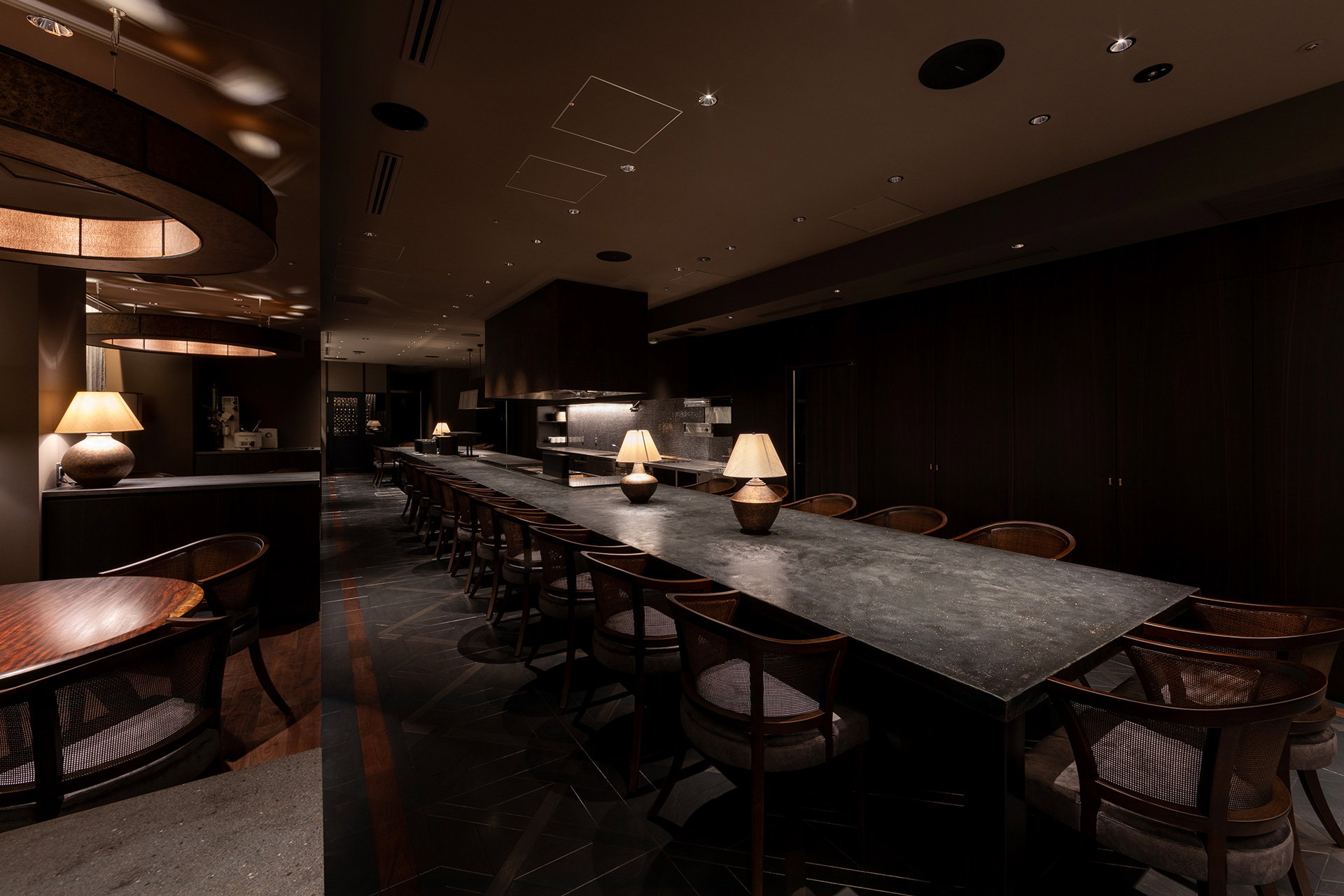
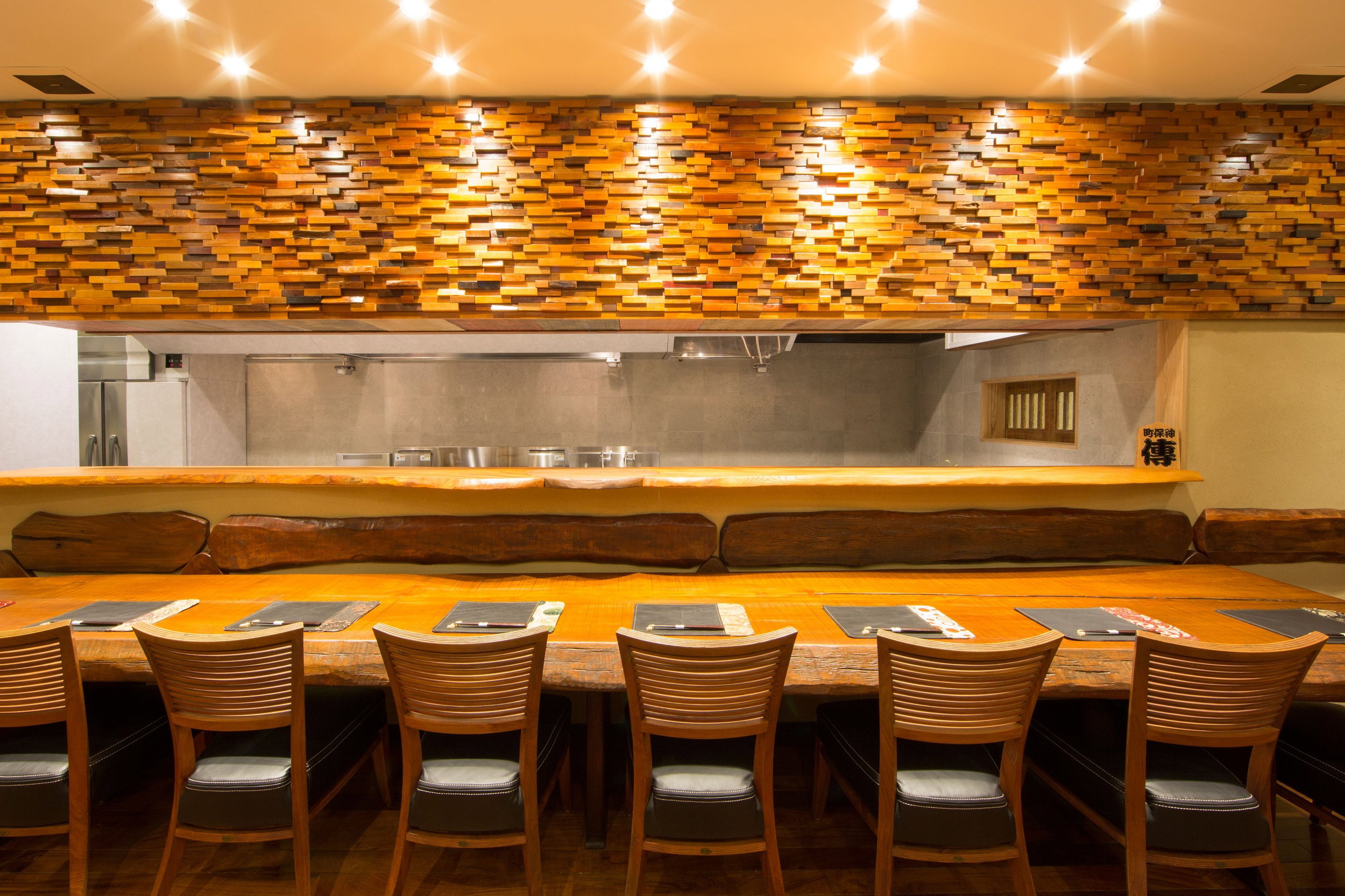
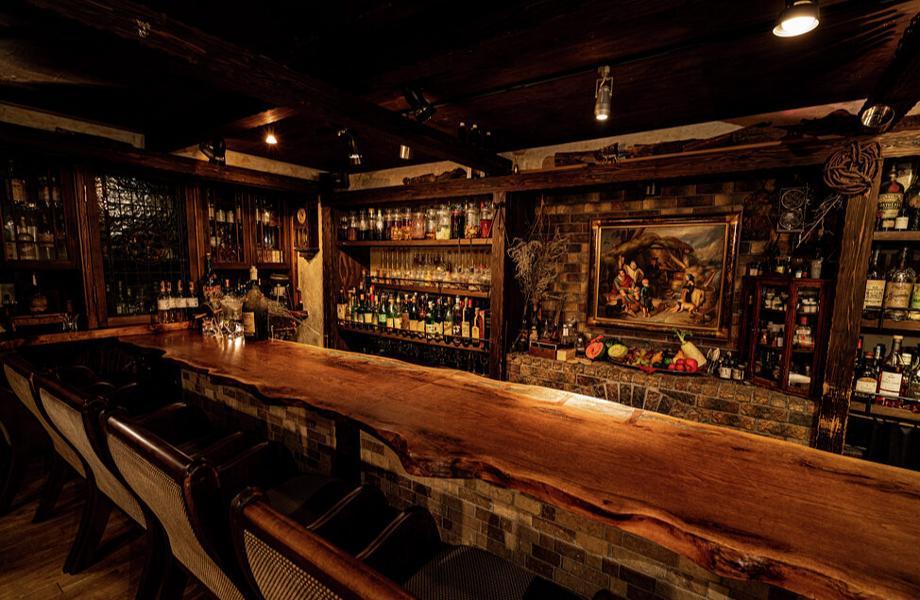
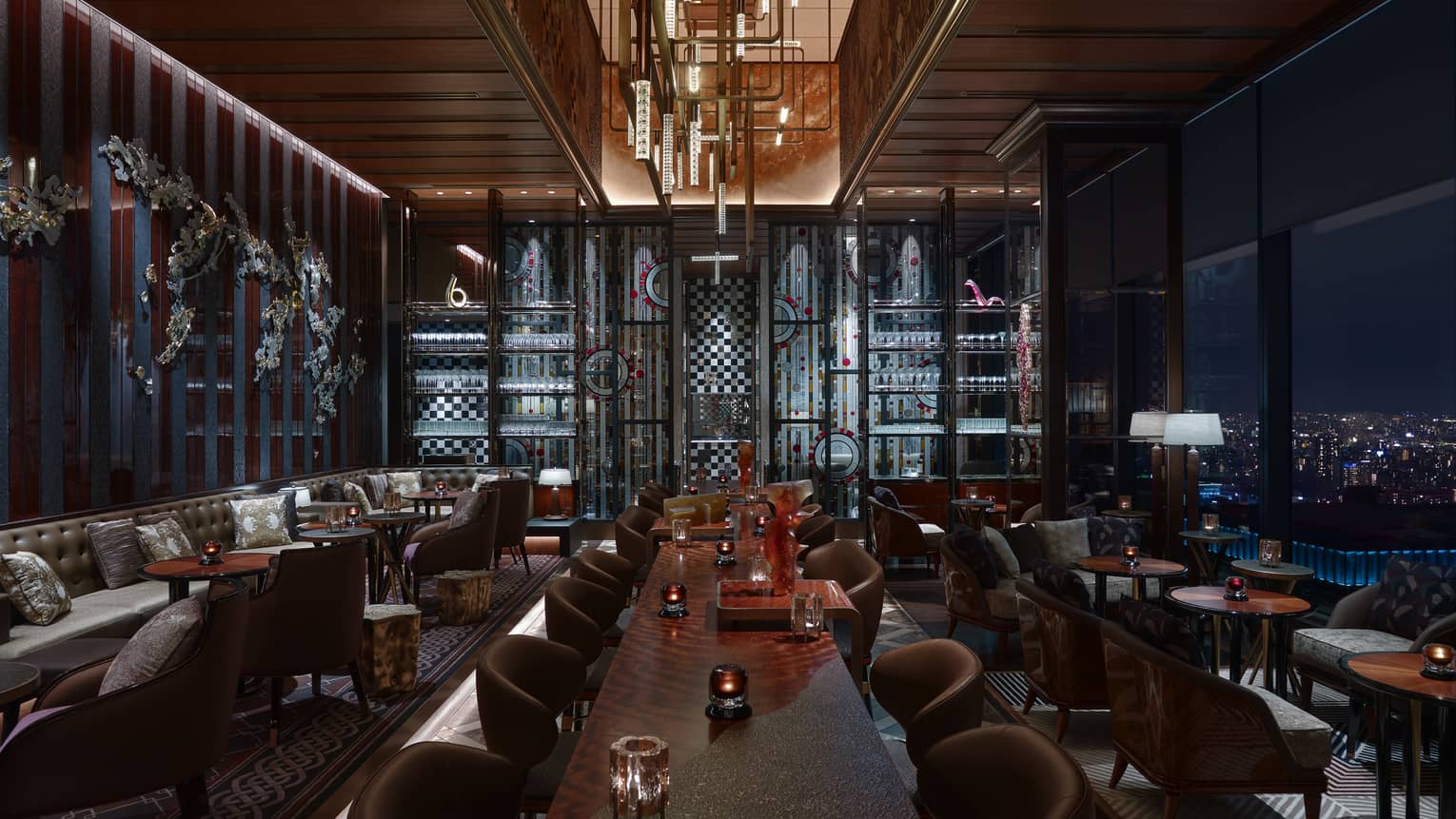
Serene and tranquil with minimalist design; each floor functions as a private retreat with tatami-matted corridors, soft lighting, and a communal lounge stocked with tea and books; the open-air rooftop onsen provides a meditative escape under the Tokyo sky.
Tags
Vibe
Best For
Experience
Amenities
View
Accessibility
About the Stay
- Rooms
- 84
- Check-in
- 15:00
- Check-out
- 12:00
- Property Style
- Contemporary Luxury Ryokan Blending Traditional Japanese Aesthetics with Modern Minimalist Design; Each Floor Operates as a Private Inn with Shared Lounge Spaces.
- Design Style
- Minimalist Modern with Traditional Japanese Elements Including Tatami Flooring, Shoji Screens, Handcrafted Furnishings, and Deep Soaking Tubs; Clean Lines and Pared Down Aesthetics Throughout.
Know before you go
Know Before You Go
- Getting there
- 1-chōme-9-1 Ōtemachi, Chiyoda City, Tokyo 100-0004
Planning details
Location
1-chōme-9-1 Ōtemachi, Chiyoda City, Tokyo 100-0004 · Directions
Recognition and awards

Explore Tokyo
Around this place
Discover more on Pearl
Unlock the full Hoshinoya Tokyo guide in Pearl, including awards, comparisons, FAQs, planning details, and nearby places.
FAQ
Frequently Asked Questions
Which room category is best at Hoshinoya Tokyo?
Because Hoshinoya Tokyo is a $$$$ hotel in Tokyo, compare the current room options directly before booking and choose based on party size, privacy needs, and budget.
What wellness details should I verify at Hoshinoya Tokyo?
Hoshinoya Tokyo is confirmed as World's 50 Best Hotels #39 (2023) and MICHELIN Guide, Hotels Selected (2025), but you should verify any wellness amenities directly before booking.
How is the dining at Hoshinoya Tokyo?
Treat dining details as something to confirm directly with Hoshinoya Tokyo, especially given the $$$$ price level.
Is Hoshinoya Tokyo good for business travel?
When is the best time to book Hoshinoya Tokyo?
For a $$$$ Tokyo hotel, check current availability directly if you want specific dates or room types. Hoshinoya Tokyo is confirmed as MICHELIN Guide, Hotels Selected (2025) and World's 50 Best Hotels #39 (2023), but exact demand patterns and availability should be checked directly.
Do loyalty programs work at Hoshinoya Tokyo?
At the $$$$ level, confirm booking channels, benefits, and cancellation terms directly before deciding.