



Hotel Willa
Downtown Taos Historic District, Taos
Hotel in Taos, United States
 Book with Pearl
The Read
Price
$200–300per night
Why go
Hotel Willa is a strong Taos pick if you want a design-forward in-town base with on-site farm-to-table dining rather than a resort-style stay. Families should book it for easy logistics and access to Taos, not for confirmed kid-specific amenities or a spa-heavy itinerary.
About Hotel Willa
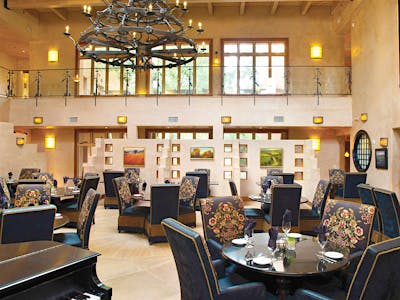
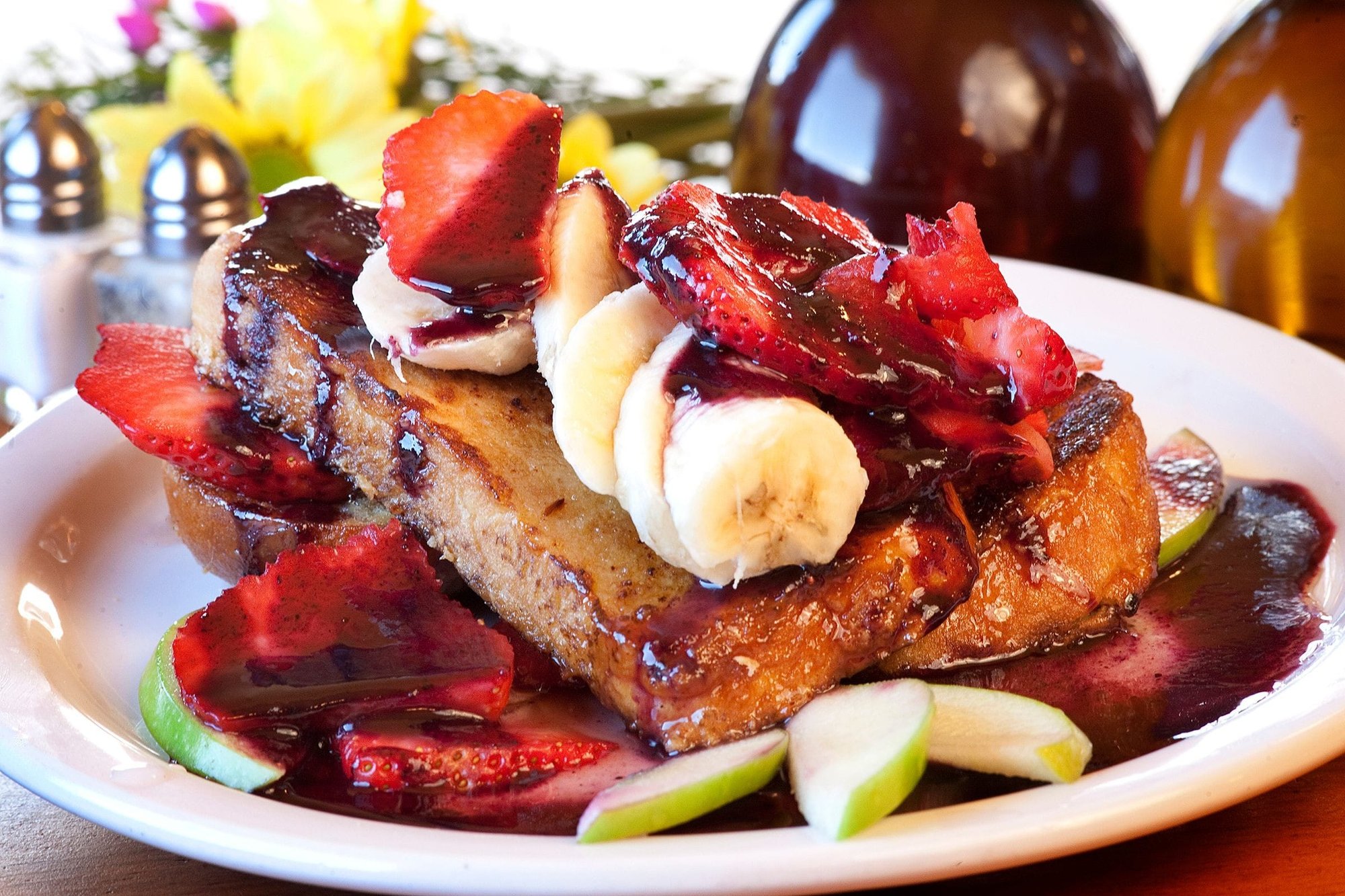
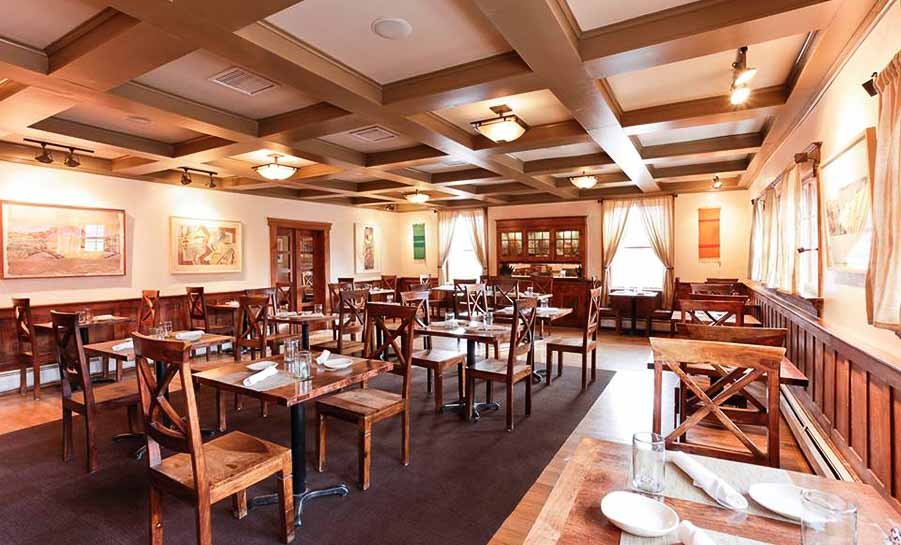
Hotel Willa is a Taos hotel with an on-site restaurant, Juliette, serving farm-to-table Southwestern cuisine. The dress code for Juliette is casual, which makes the dining setup direct for travelers who want a meal connected to the stay.
The strongest reasons to consider Hotel Willa are its Taos location, on-site dining, and hotel recognition. Accolades include Esquire Best New Hotels 2026, Conde Nast Hot List Hotels 2026, Travel + Leisure It List Hotels 2026, Mr & Mrs Smith Seal of Approval 2026, and MICHELIN Guide Hotels Selected 2025.
A smart Taos base when ease matters
Hotel Willa works well as a simple Taos base for travelers who value a hotel stay with dining on site. Juliette gives guests a farm-to-table Southwestern option at the property, and the casual dress code keeps the experience low-friction.
Travelers who need specific room categories, children's amenities, pool facilities, spa services, pricing, or service style should confirm those details directly before booking. The clearest case for Hotel Willa is a Taos stay anchored by recognized hotel status and an on-site restaurant.
Recognition helps justify the short list, but match it to the trip
The external recognition is a real trust signal: Hotel Willa is listed among Esquire Best New Hotels 2026, Conde Nast Hot List Hotels 2026, Travel + Leisure It List Hotels 2026, Mr & Mrs Smith Seal of Approval 2026, and MICHELIN Guide Hotels Selected 2025. That makes it a credible option for travelers narrowing a Taos hotel search.
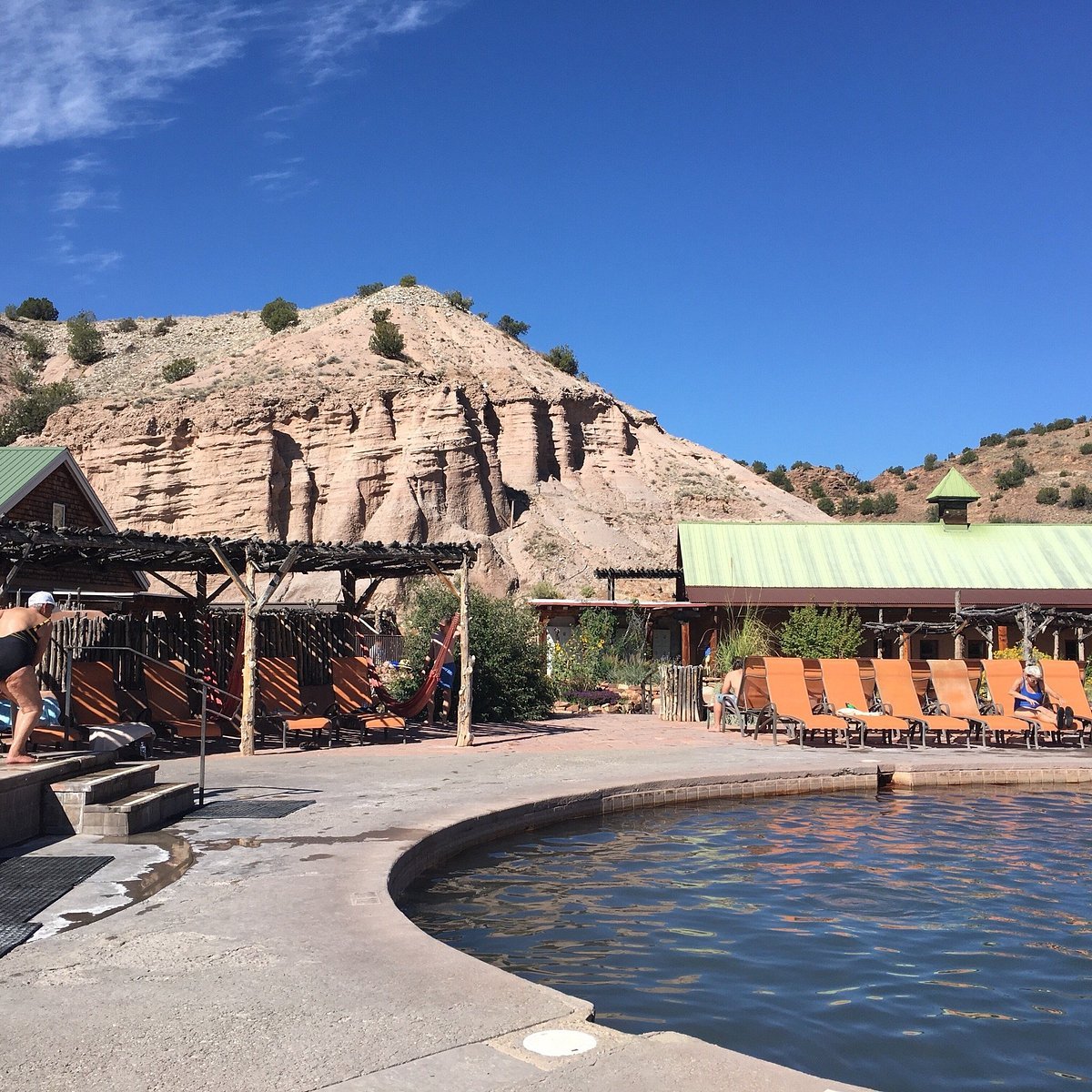
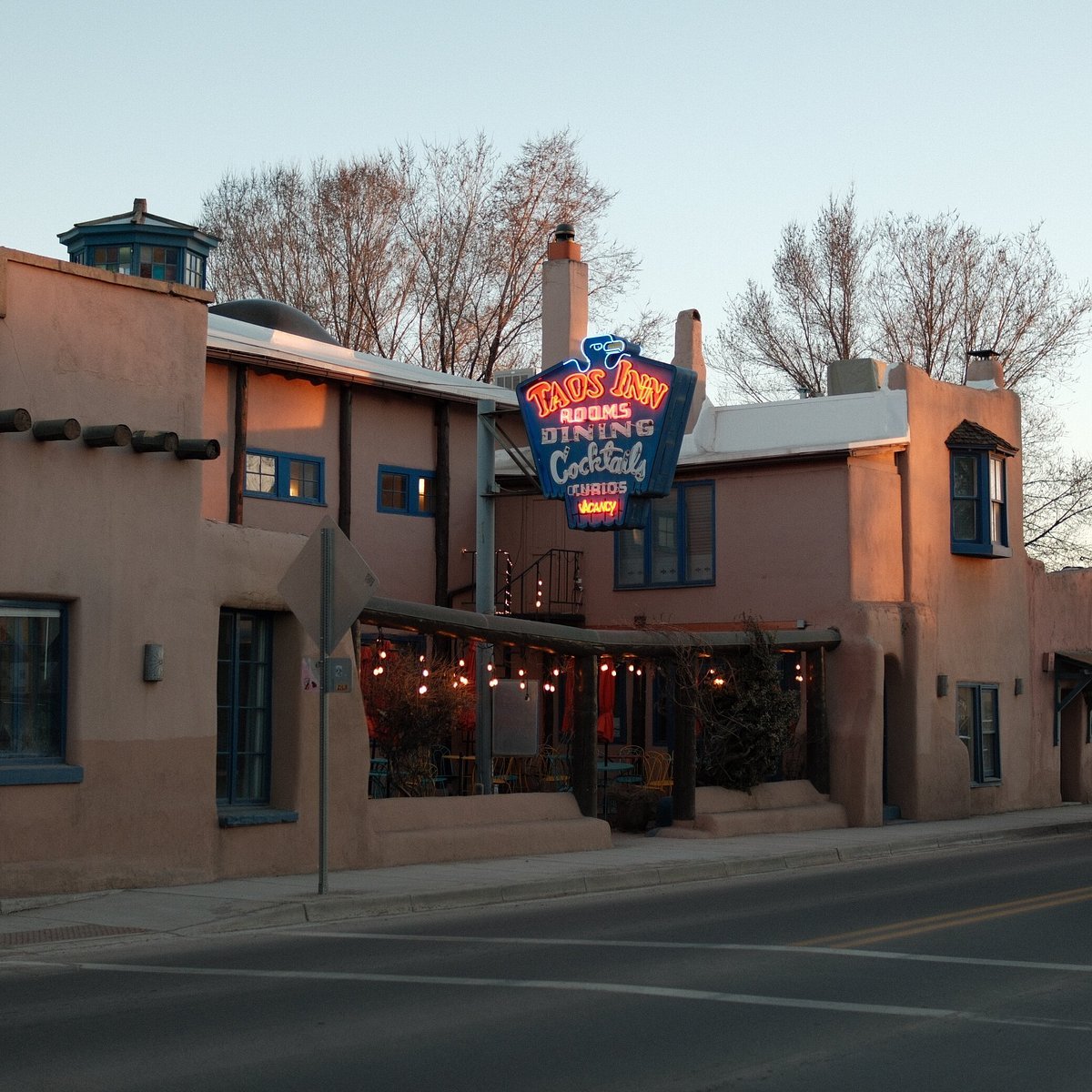
Choose Hotel Willa if you want a Taos hotel with recognized status and on-site farm-to-table Southwestern dining at Juliette. Choose Ojo Caliente Mineral Springs Resort & Spa if that property better fits the type of stay you are planning. Choose The Historic Taos Inn if you are comparing Hotel Willa with another Taos hotel option. For broader planning, use our full Taos hotels guide, then pair the stay with our full Taos restaurants guide.
Quick reference: easiest to recommend for Taos travelers who want a recognized hotel with on-site farm-to-table Southwestern dining.
Planning details
- Location
- 233 Paseo Del Pueblo Sur, Taos, NM 87571
- Website
- hotelwilla.com
- Phone
- (575) 305-7711
The take
The Take
The Vibe
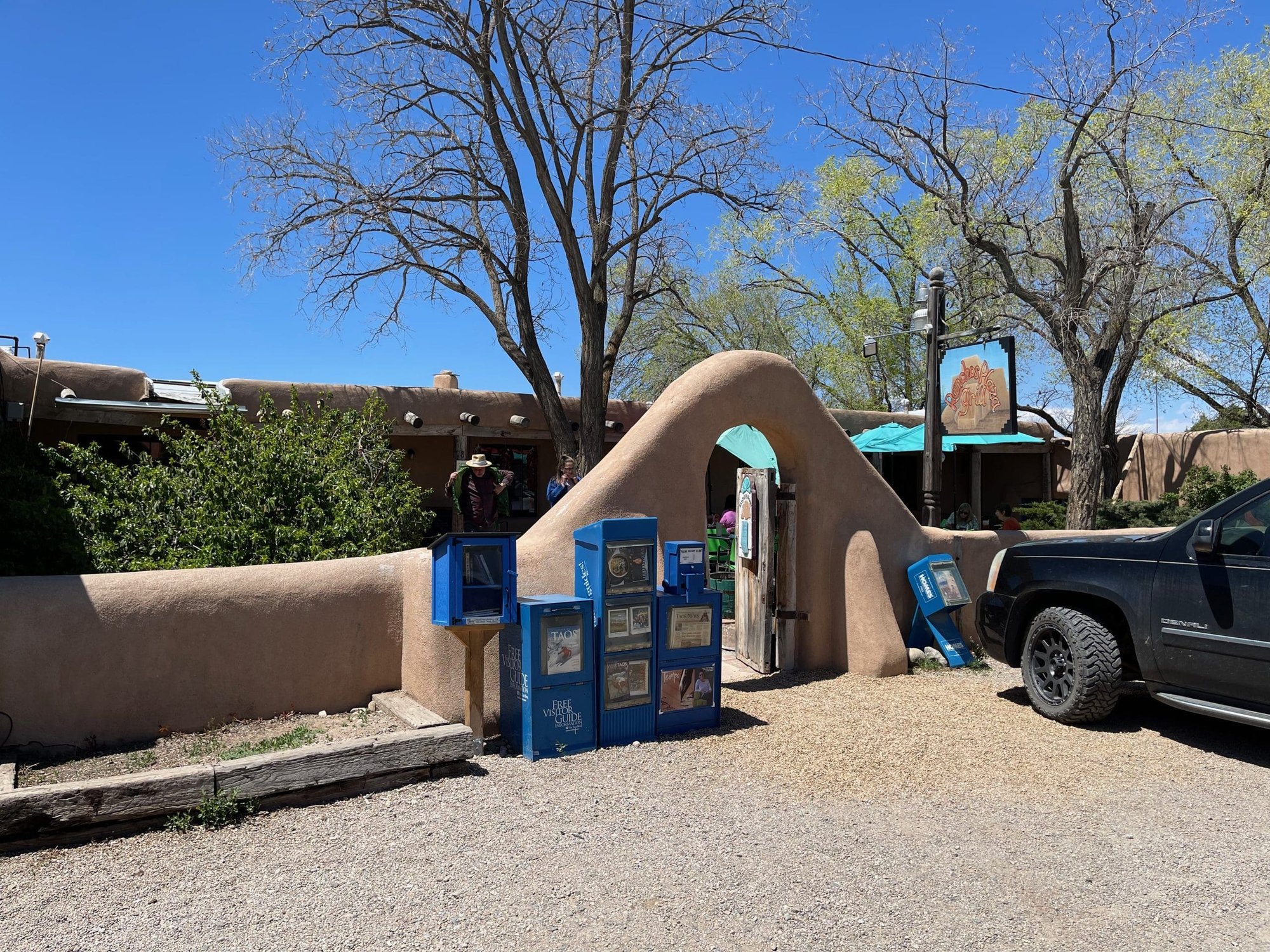
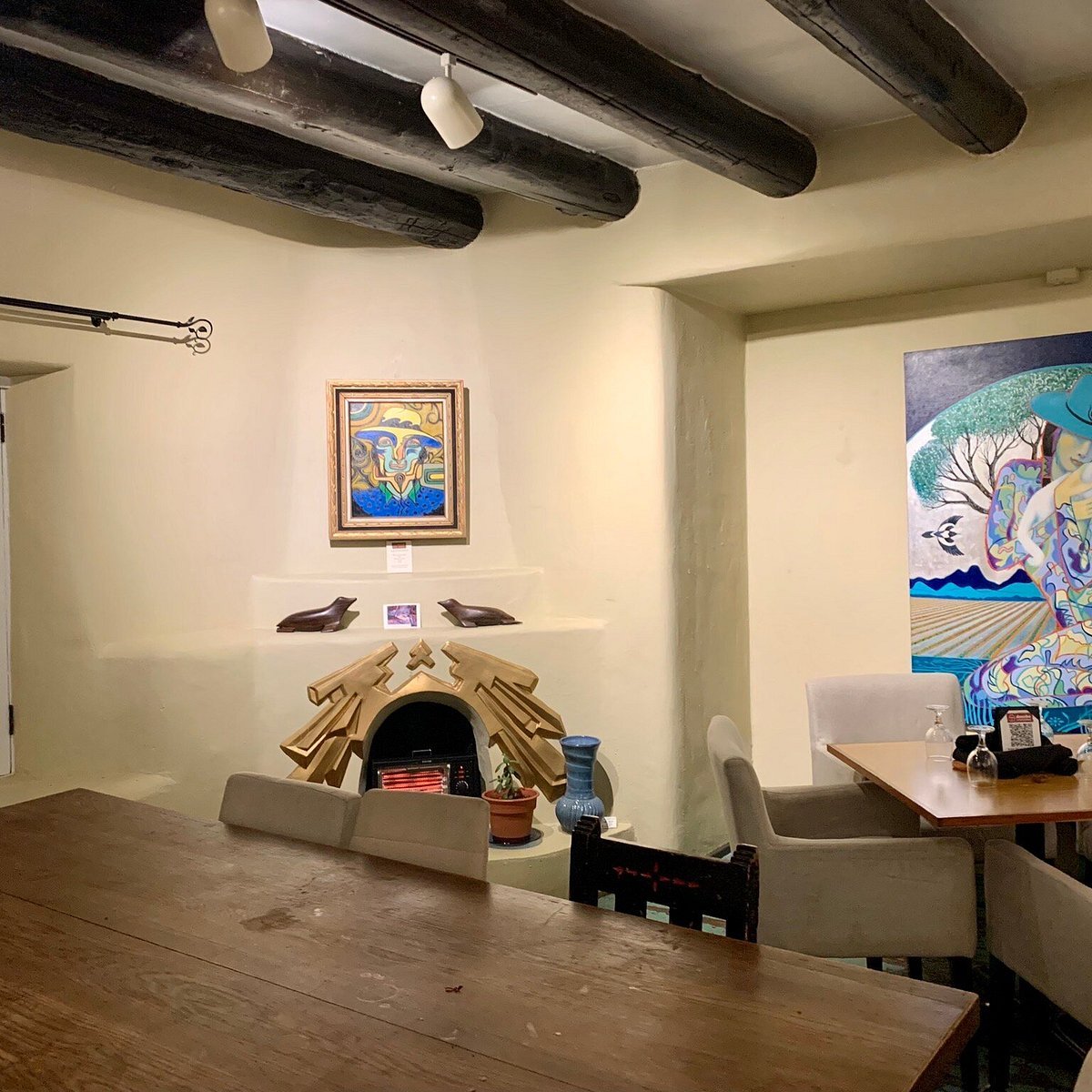
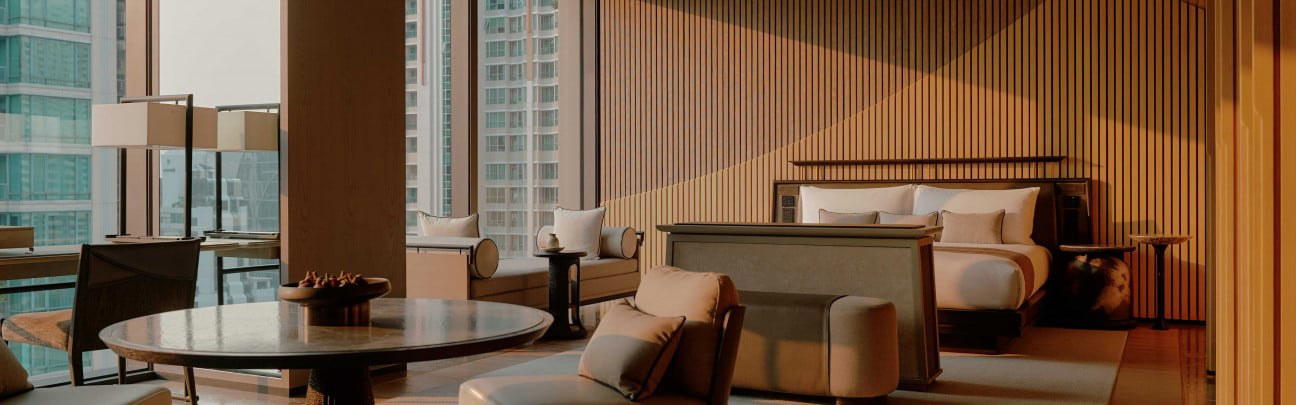
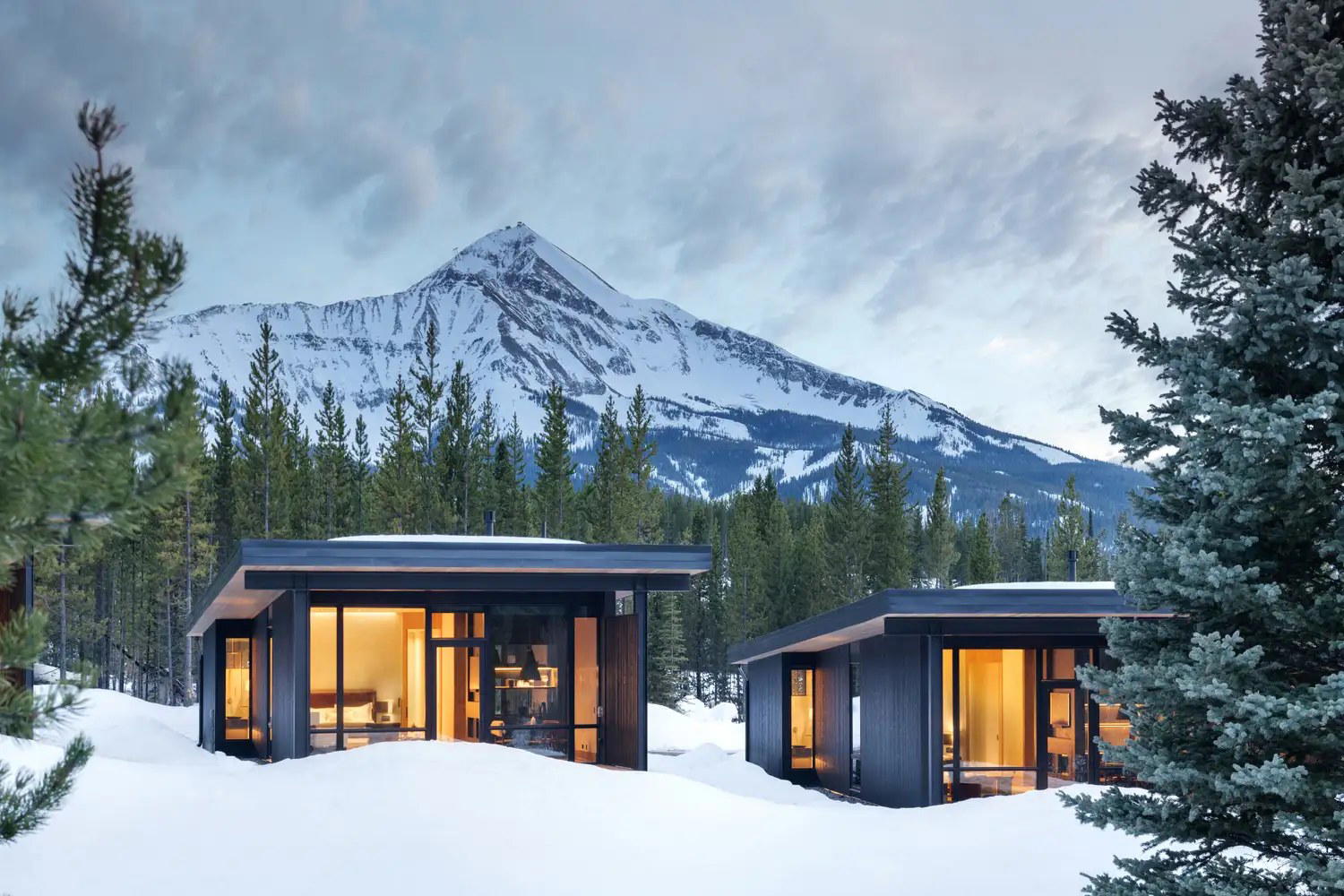
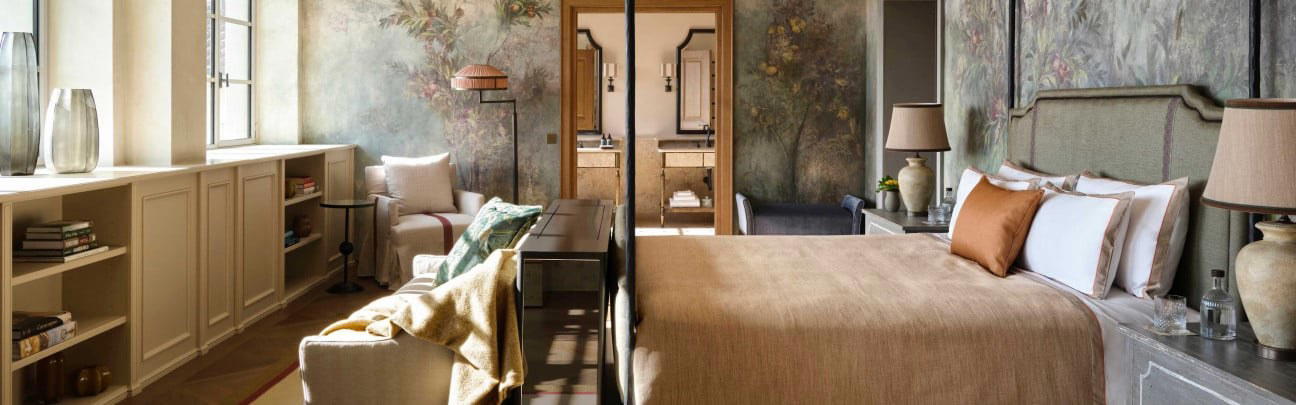
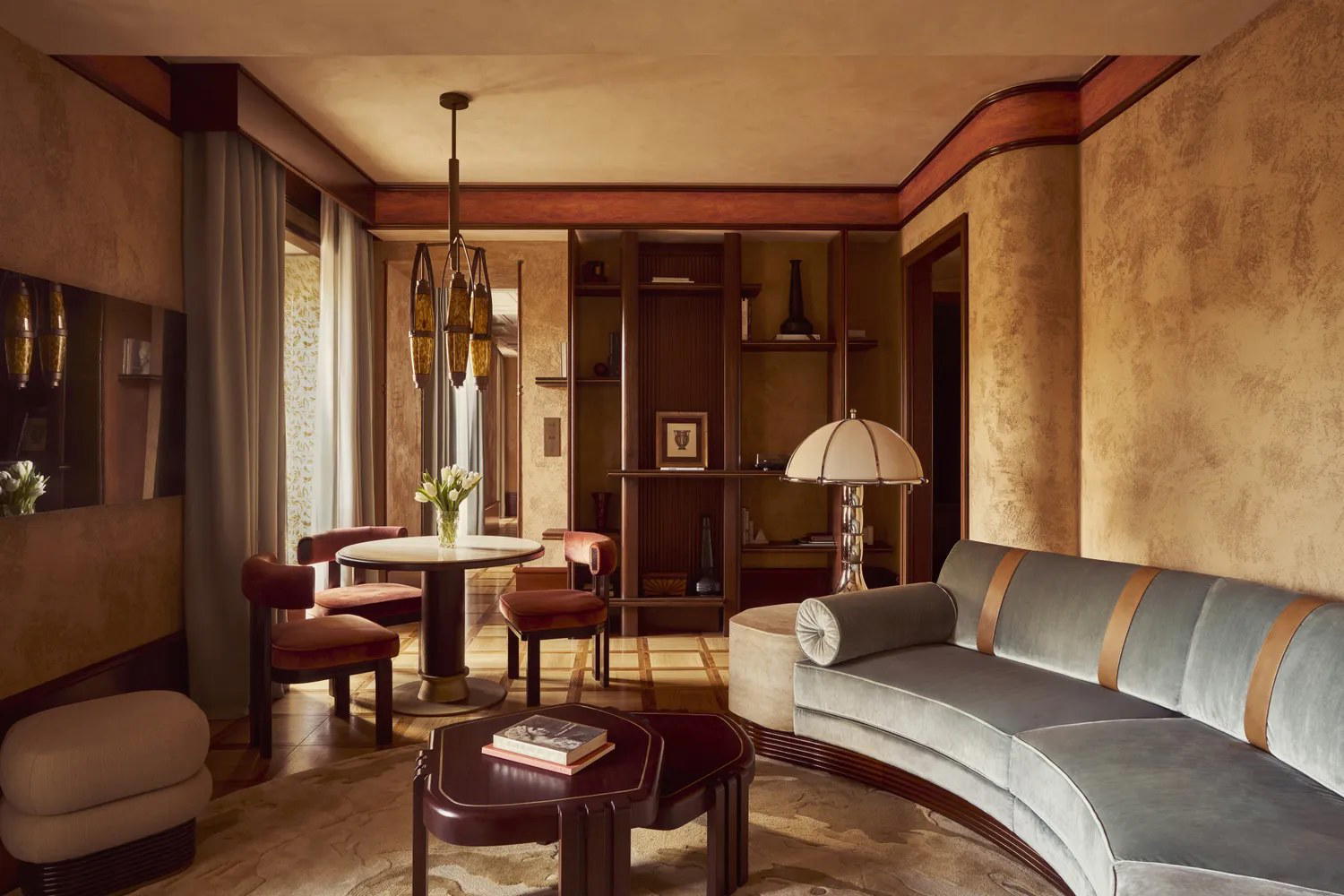
Hotel Willa presents a quietly refined take on northern New Mexican architecture, where hand-troweled adobe walls, exposed viga beams and a restrained palette of ochre and umber create a warm, historic atmosphere. Approaching from Paseo Del Pueblo Sur, the building reads as older than it is—soft exterior illumination, the scent of piñon smoke and locally woven textiles all reinforce a sense of place. Communal spaces are anchored by Kiva-style fireplaces and a central courtyard with an ancient willow, so the overall impression is intimate, site-specific and thoughtfully crafted rather than themed.
Best For
This 51-room boutique conversion suits travelers seeking a quiet, place-driven escape. It works well for romantic getaways and weekend retreats, where guests value rooms that reference regional craft and architecture and communal moments by a crackling hearth. The hotel's deep links to the Taos community—local weaving on walls and a courtyard named through a community event—also appeal to those interested in authentic cultural context and a serene base for exploring the Downtown Historic District.
Venue details
Ambiance
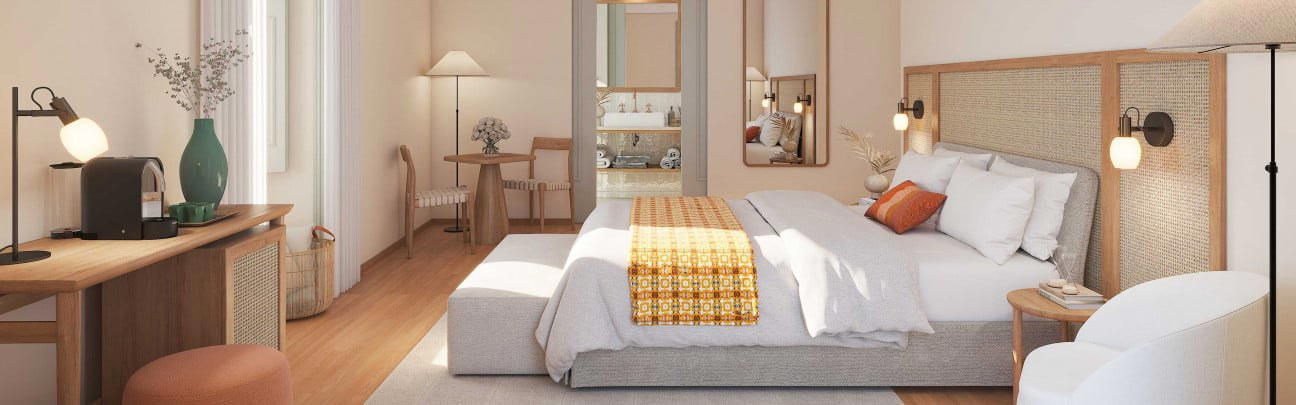
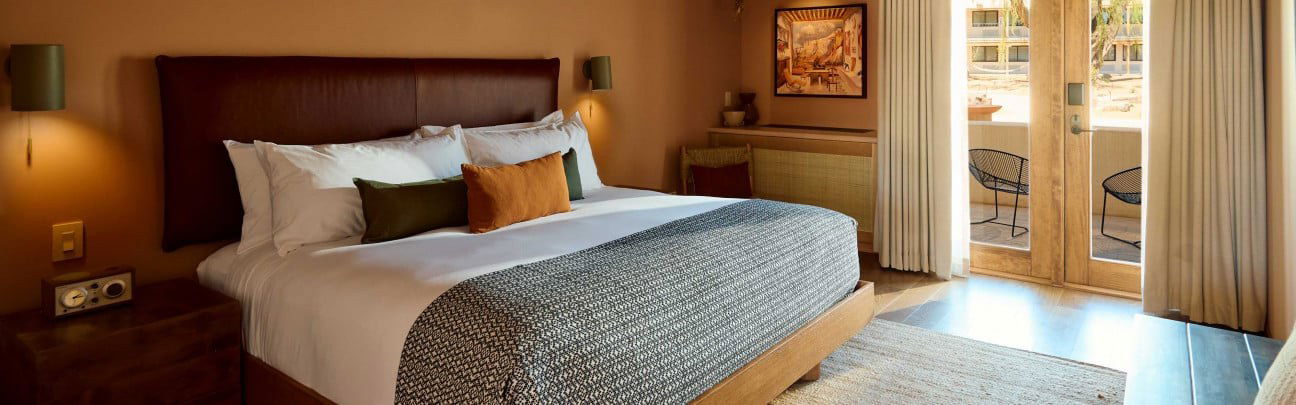
Earthy tones, sun-bleached neutrals, warm woods, exposed beams, and natural light creating a serene, place-driven atmosphere rooted in Taos' creative spirit.
Tags
Vibe
Best For
Experience
Amenities
View
Accessibility
About the Stay
- Rooms
- 50
- Check-in
- 15:00
- Check-out
- 11:00
- Property Type
- Boutique hotel
- Property Style
- Hacienda Rooted in Taos Heritage with Adobe Walls and Local Artisanal Works
- Design Style
- Contemporary Southwestern with Earthy Palette, Terracotta, Warm Woods, and Minimalist Touches
- Pool
- Yes
- Spa
- Yes
- Cancellation
- Moderate
Know before you go
Know Before You Go
- Getting there
- 233 Paseo Del Pueblo Sur, Taos, NM 87571
Planning details
Location



Also consider
Where to look if Hotel Willa is not the right fit
Try The Historic Taos Inn if you want a more traditional Taos stay and do not need the newer design signal. Try Ojo Caliente Mineral Springs Resort & Spa if the trip is built around soaking, spa time, and a slower resort pace rather than being based in town.
Hotel context
How Hotel Willa compares in Taos
Against The Historic Taos Inn, Hotel Willa is the better fit for travelers who want a fresher, more contemporary stay; The Historic Taos Inn is the safer choice for guests who want older local character and a more established Taos feel. For value-seekers, the decision should come down to rate on your dates: choose Hotel Willa when the premium buys a cleaner design experience, and choose The Historic Taos Inn when atmosphere matters more than newness.
Mabel Dodge Luhan House reads more retreat-like and heritage-driven, so it suits travelers who want quiet, history, and a slower pace. Hotel Willa is more practical for families or couples who want to be in Taos with easier daily movement. Ojo Caliente Mineral Springs Resort & Spa is the better call when soaking and wellness are the center of the trip; Hotel Willa is stronger when Taos itself is the reason for going.
Four Seasons Resort Rancho Encantado Santa Fe and Vermejo a Ted Turner Reserve sit in a different decision lane: more destination-resort energy, less Taos-town convenience. Pick those for a higher-service escape. Pick Hotel Willa when the trip needs award-backed polish, easier booking, and a base that keeps the itinerary centered on Taos.
Explore Taos
Around this place
Discover more on Pearl
Unlock the full Hotel Willa guide in Pearl, including awards, comparisons, FAQs, planning details, and nearby places.
Compare Hotel Willa
| Venue | Location | Cuisine | Awards |
|---|---|---|---|
| Hotel Willa | Taos | Farm-to-table / Southwestern (on-site restaurant Juliette) | 2026 Travel + Leisure It List Hotels2026 Conde Nast Traveler Hot List Hotels2026 Mr & Mrs Smith Luxury HotelsEsquire Best New Hotels in the World 20262025 Michelin Selected Hotels |
| The Historic Taos Inn | Taos | No published awards | , |
| Mabel Dodge Luhan House | Taos Pueblo | No published awards | , |
| Ojo Caliente Mineral Springs Resort & Spa | Taos | No published awards | , |
| Four Seasons Resort Rancho Encantado Santa Fe | Santa Fe | 2026 Forbes 4-Star2026 Virtuoso Luxury Hotel Collection2025 Forbes 4-Star2025 Michelin Selected HotelsFour Seasons Hotels | , |
| Vermejo a Ted Turner Reserve | Raton | 2026 Virtuoso Luxury Hotel CollectionPreferred Hotels Member 2025 | , |




How Hotel Willa Taos compares with similar nearby venues.
FAQ
Frequently Asked Questions
Do loyalty programs work at Hotel Willa?
Loyalty-program details may vary, so confirm any benefits before booking. The recognized signals are Hotel Willa's recognition from Esquire Best New Hotels 2026, Conde Nast Hot List Hotels 2026, Travel + Leisure It List Hotels 2026, Mr & Mrs Smith Seal of Approval 2026, and MICHELIN Guide Hotels Selected 2025.
Is Hotel Willa family-friendly?
Hotel Willa may still make sense for travelers who want a Taos hotel with on-site dining at Juliette, but families needing particular room types, services, or facilities should confirm those details directly before booking.
What is check-in like at Hotel Willa?
How is the pool and spa at Hotel Willa?
If those facilities are important to your trip, confirm them before booking. The case for Hotel Willa is its Taos location, on-site Juliette restaurant, and hotel recognition.
How does Hotel Willa compare to nearby hotels?
Pick Hotel Willa if you want a Taos hotel with recognized status and on-site farm-to-table Southwestern dining. The Historic Taos Inn and Mabel Dodge Luhan House are other Taos options to compare, while Ojo Caliente Mineral Springs Resort & Spa may fit a different kind of regional stay.