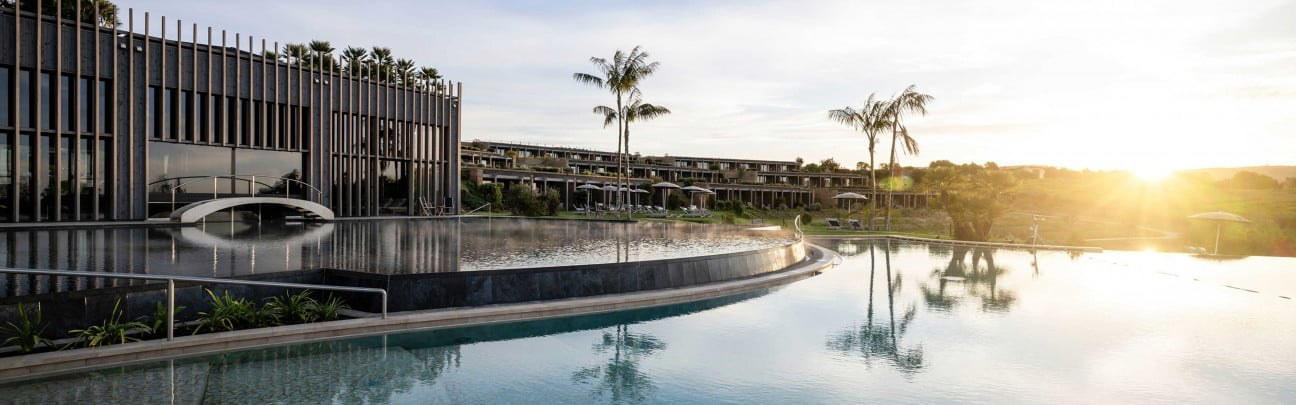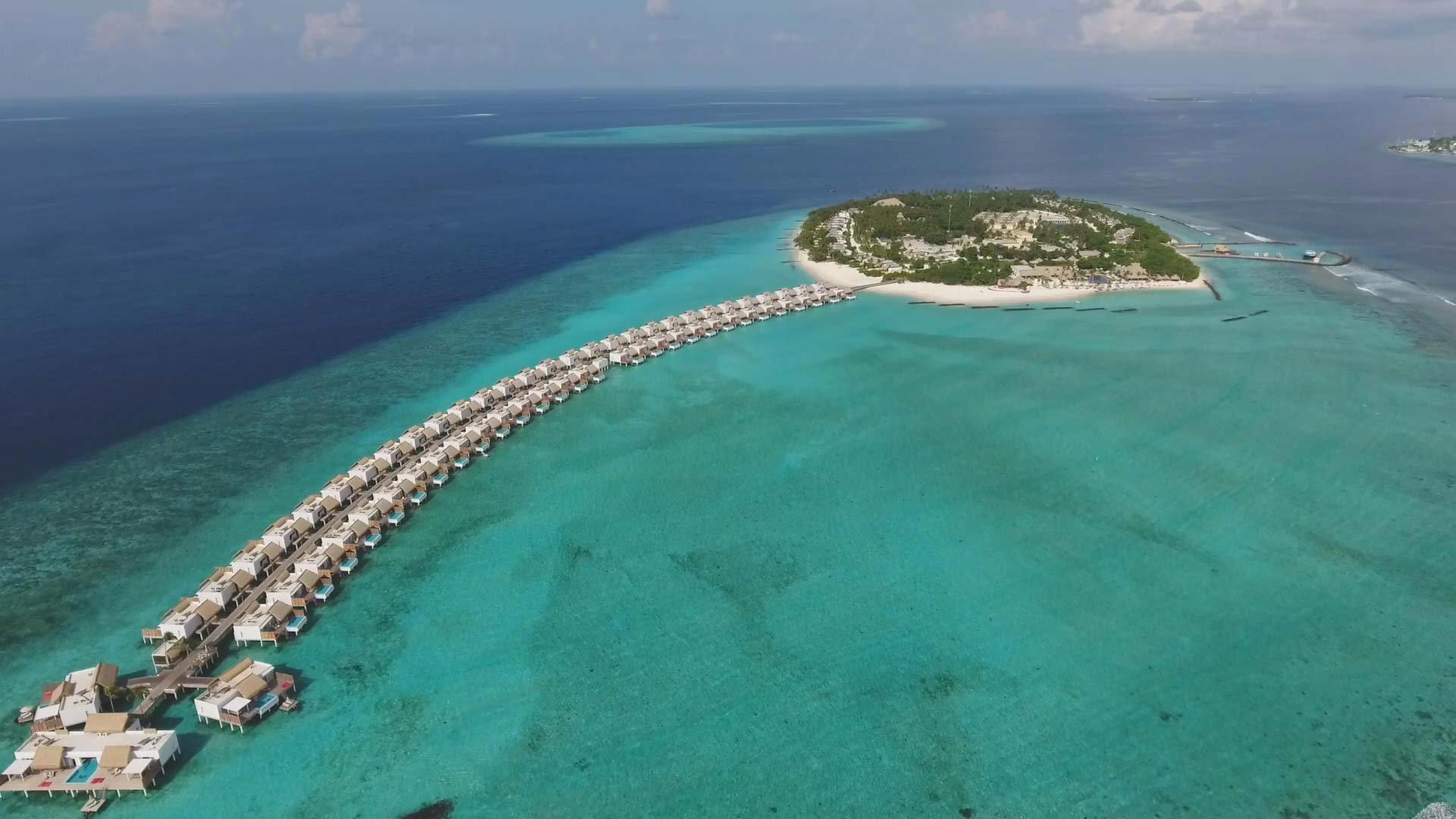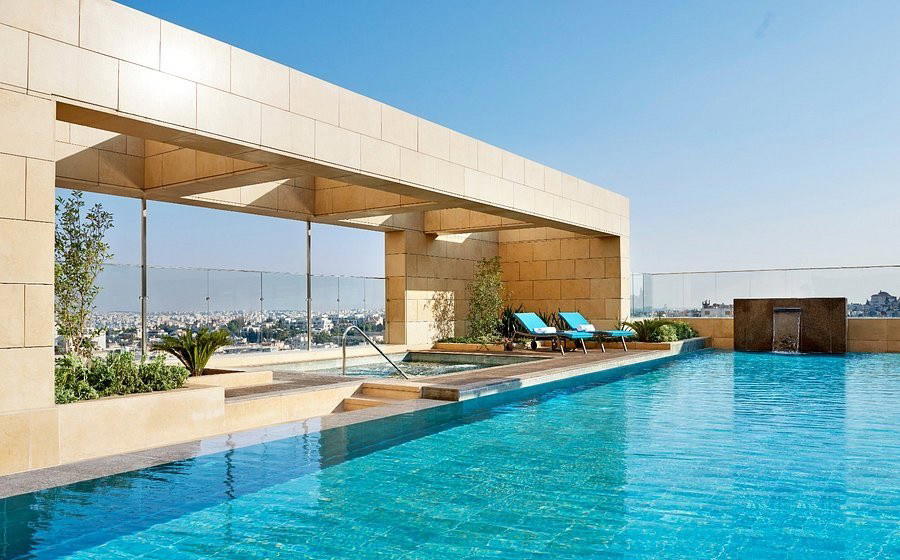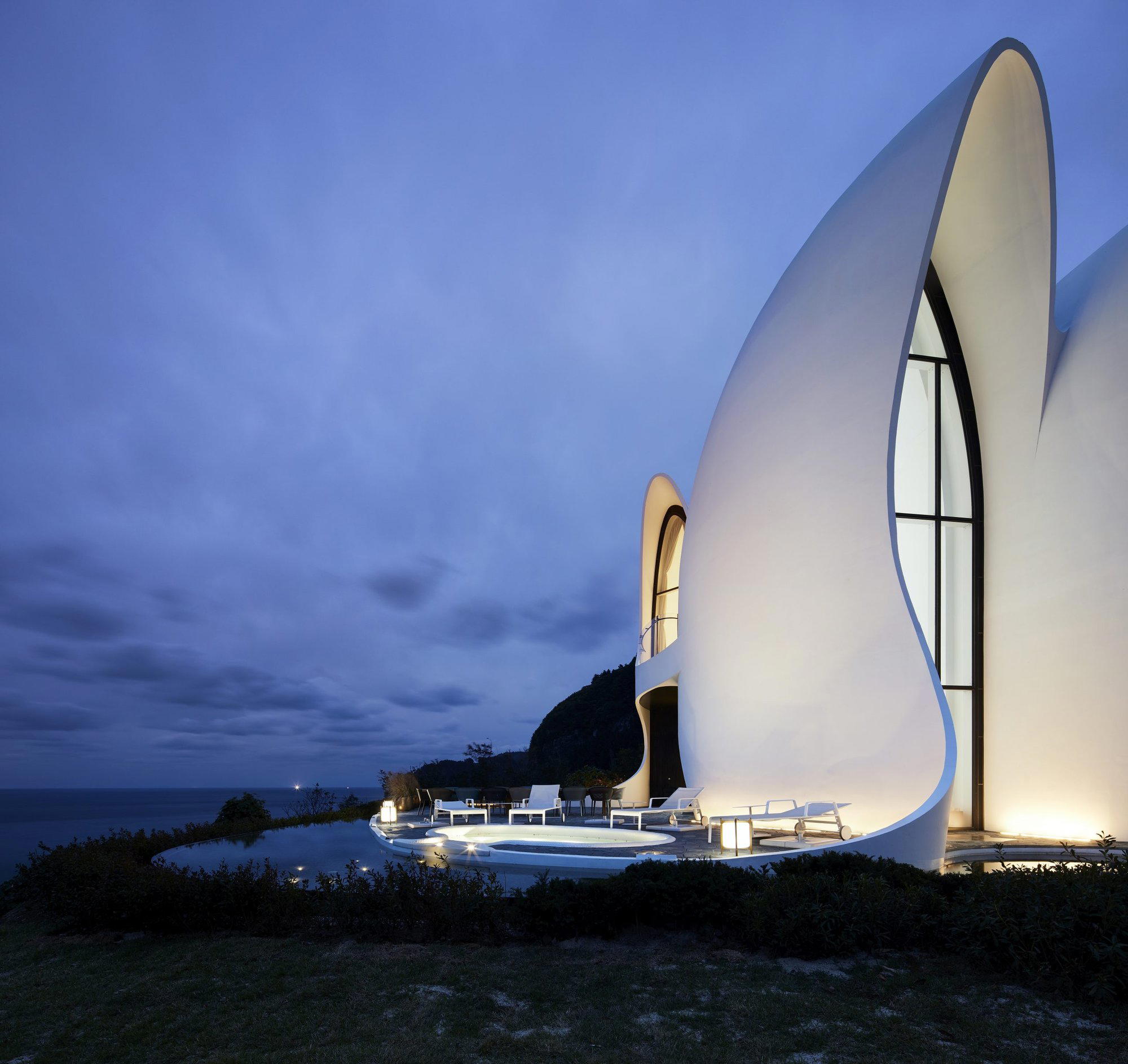

Hotel Royal Beitou
Chang'an, Taipei
Hotel in Taipei, Taiwan
 Book with Pearl
The Read
Price
$100–200per night
Why go
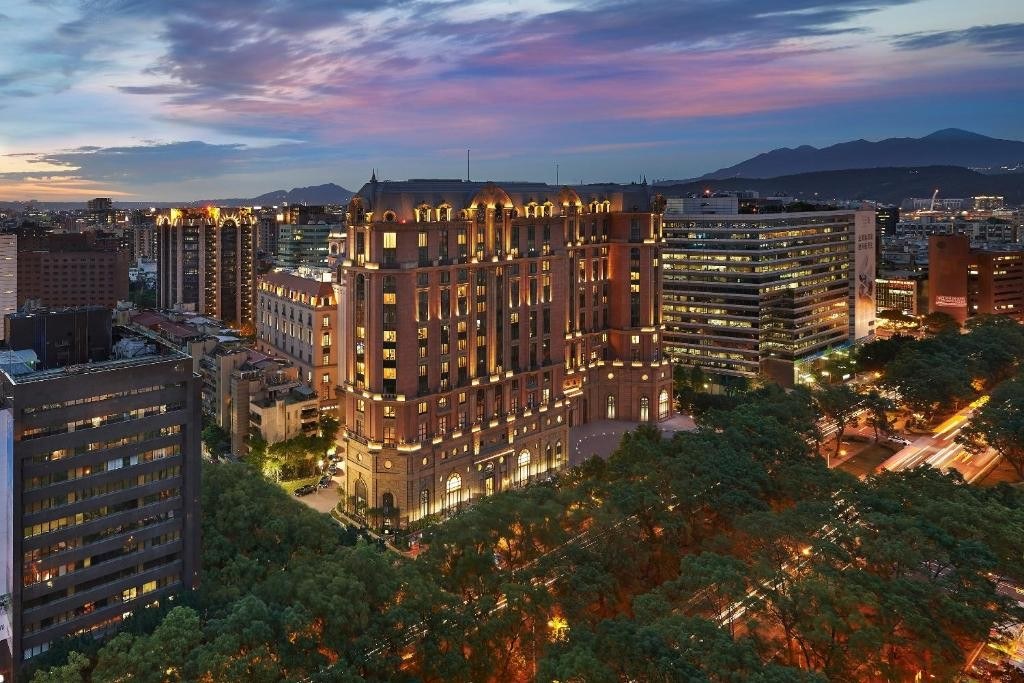
Hotel Royal Beitou is worth choosing when Beitou's calmer hot-spring district is the point of the trip, not a compromise. It suits business travelers adding recovery time, couples marking a quiet occasion, or guests who want a Taipei stay away from the densest commercial areas. The 2025 World Luxury Hotel Awards recognition adds a useful trust signal.
About Hotel Royal Beitou
Consider Hotel Royal Beitou if you are looking at an award-recognized hotel in Taipei. The safest way to evaluate it is by its World Luxury Hotel Awards recognition and by whether its Taipei location fits the trip.
Best for travelers comparing hotel recognition
Hotel Royal Beitou may suit travelers who want a Taipei hotel with awards recognition. If the trip depends on exact logistics, compare it with options in Pearl's Taipei hotels guide and confirm current details directly before booking.
The main decision is whether this hotel is the right Taipei base for your itinerary. The Grand Hotel, Grand Mayfull Hotel Taipei, Grand Victoria Hotel, Hotel Indigo Taipei North, and Wellspring by Silks Beitou are other named options to consider, depending on the style of stay and location that best match the trip.
Where it sits among Taipei's premium hotel options
Hotel Royal Beitou has 2025 World Luxury Hotel Awards recognition as both a WLHA Continent Winner and a WLHA Regional Winner. That gives the property a useful credibility signal for travelers comparing premium hotels in Taipei, but it should not be used as a substitute for checking current rooms, rates, dining, facilities, and transport needs.
For a special occasion or business stay, choose this hotel only if the profile fits what you need: Hotel Royal Beitou in Taipei with 2025 World Luxury Hotel Awards recognition. For anything more specific, such as dining, check-in style, room views, family amenities, or meeting facilities, confirm with the hotel before making plans.
Planning details
- Location
- No. 二號, Zhonghe St, Beitou District, Taipei City, Taiwan 112
- Website
- hotelroyal.com.tw/zh-tw/beitou
- Phone
- +886 2 2896 9777
The take
The Take
The Vibe
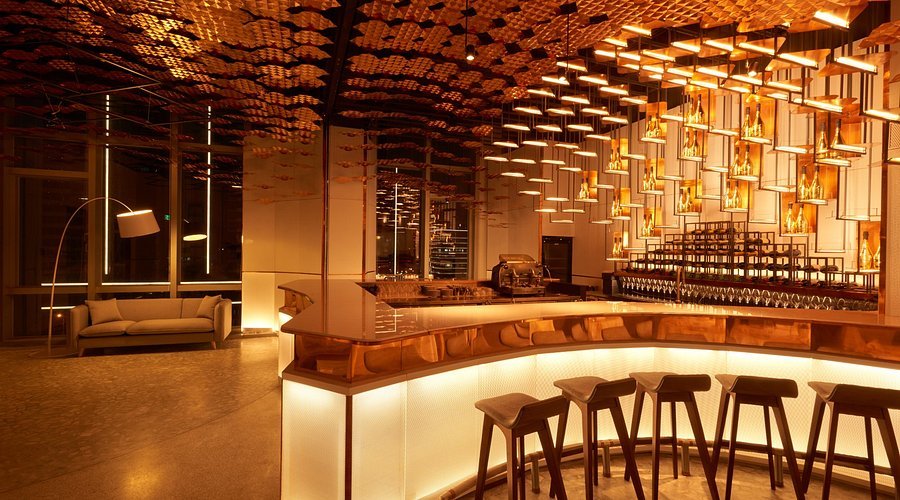
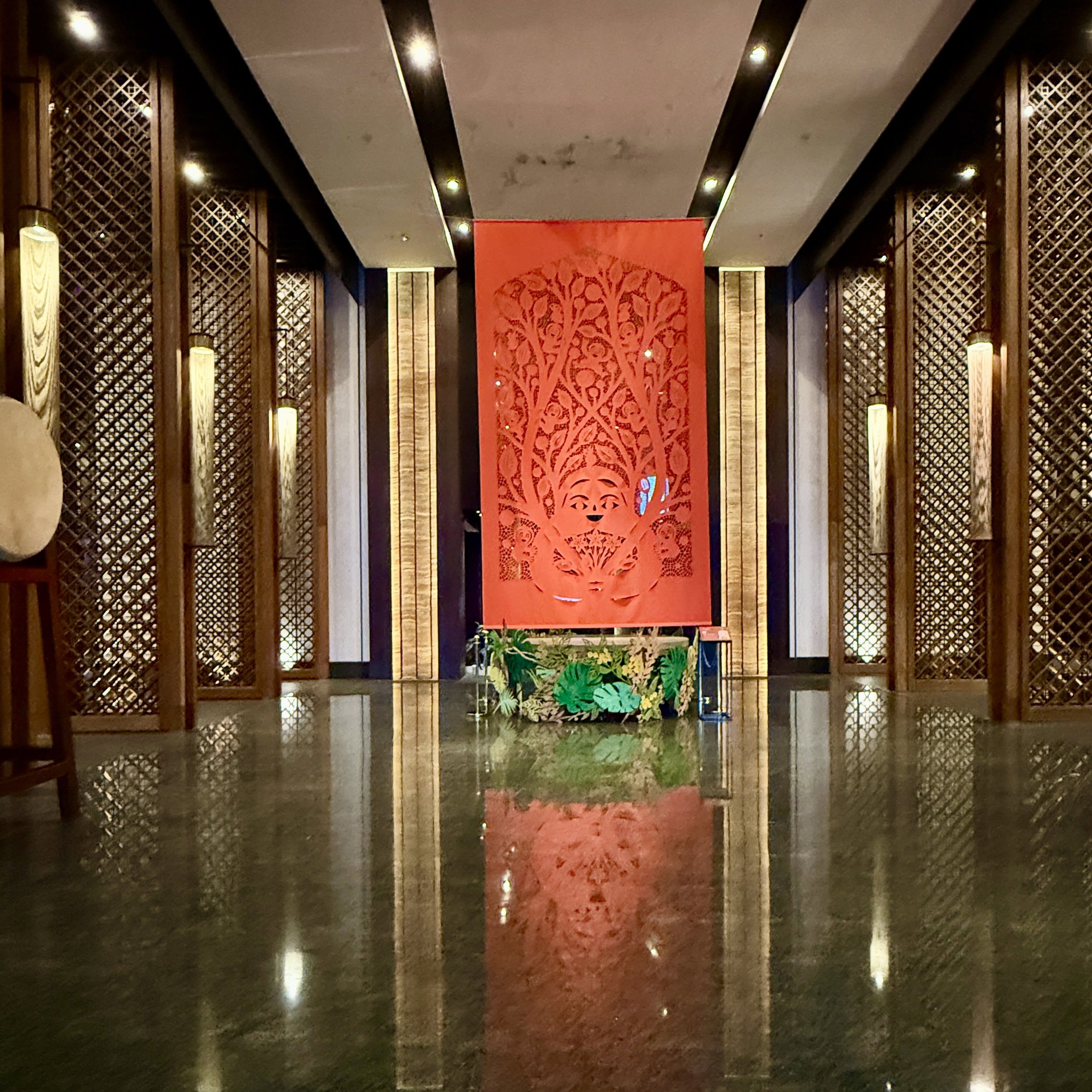
Hotel Royal Beitou presents itself as a place defined by the valley’s thermal tradition rather than by Taipei’s urban luxury grid. The writing emphasizes a quieter, cooler neighbourhood where the faint mineral scent of hot springs signals a change of pace; that historic association with Japanese‑era bathhouse culture gives the property a rooted, dignified character. Awards that name it a Luxury Hot Spring Hotel and a Luxury Cultural Hotel underscore that the guest experience is judged against thermal‑spring standards, so the hotel reads as measured, restorative and quietly refined rather than flashy or city‑centric.
Best For
This hotel is best for travelers prioritizing thermal wellness and a slower rhythm: people seeking a dedicated hot‑spring stay, couples on a low‑key romantic getaway, or anyone after a restorative weekend escape from central Taipei. Its location — about forty minutes north by MRT to Xinbeitou station — also suits guests who value easy public‑transit access to a quieter, culturally layered neighbourhood. Guests who want to experience Beitou’s bathhouse history and a property embedded in that tradition will find the Royal Beitou’s focus aligned with their trip goals.
Stay Tips
Plan logistics around the thermal experience and the neighbourhood setting. The property sits near Xinbeitou MRT (roughly a forty‑minute ride from central Taipei), so arriving by subway is straightforward; expect cooler air and the mineral scent that accompanies the valley’s vents. Keep in mind the hotel is evaluated as a hot‑spring retreat rather than an urban five‑star, so prioritize time for soaking and the spa‑oriented aspects of a stay. Check arrival connections and allow unhurried time for the hot‑spring rituals that define the experience.
Venue details
Ambiance
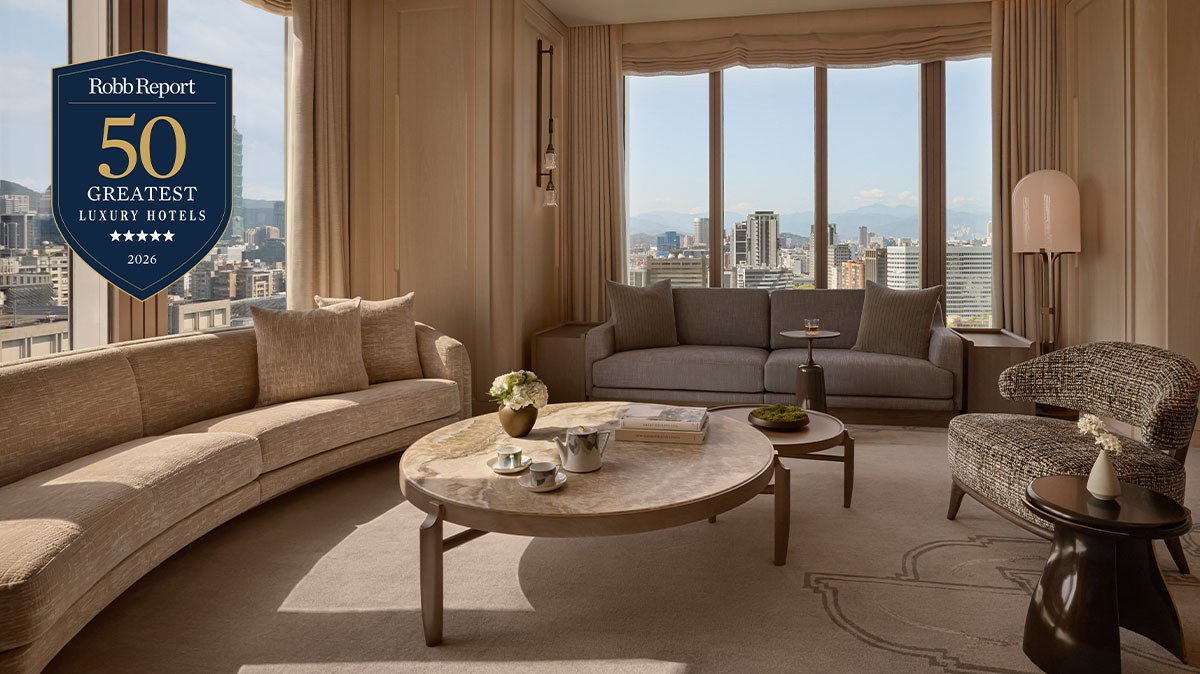
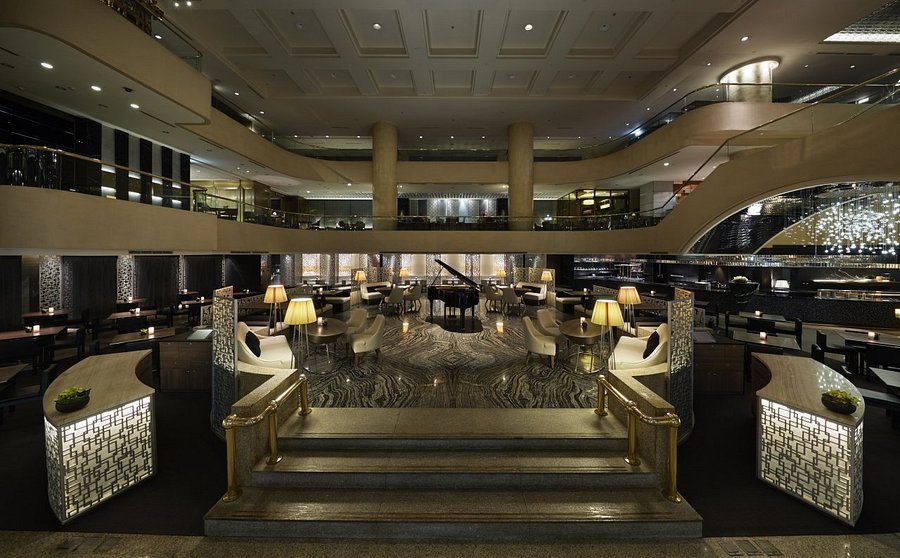
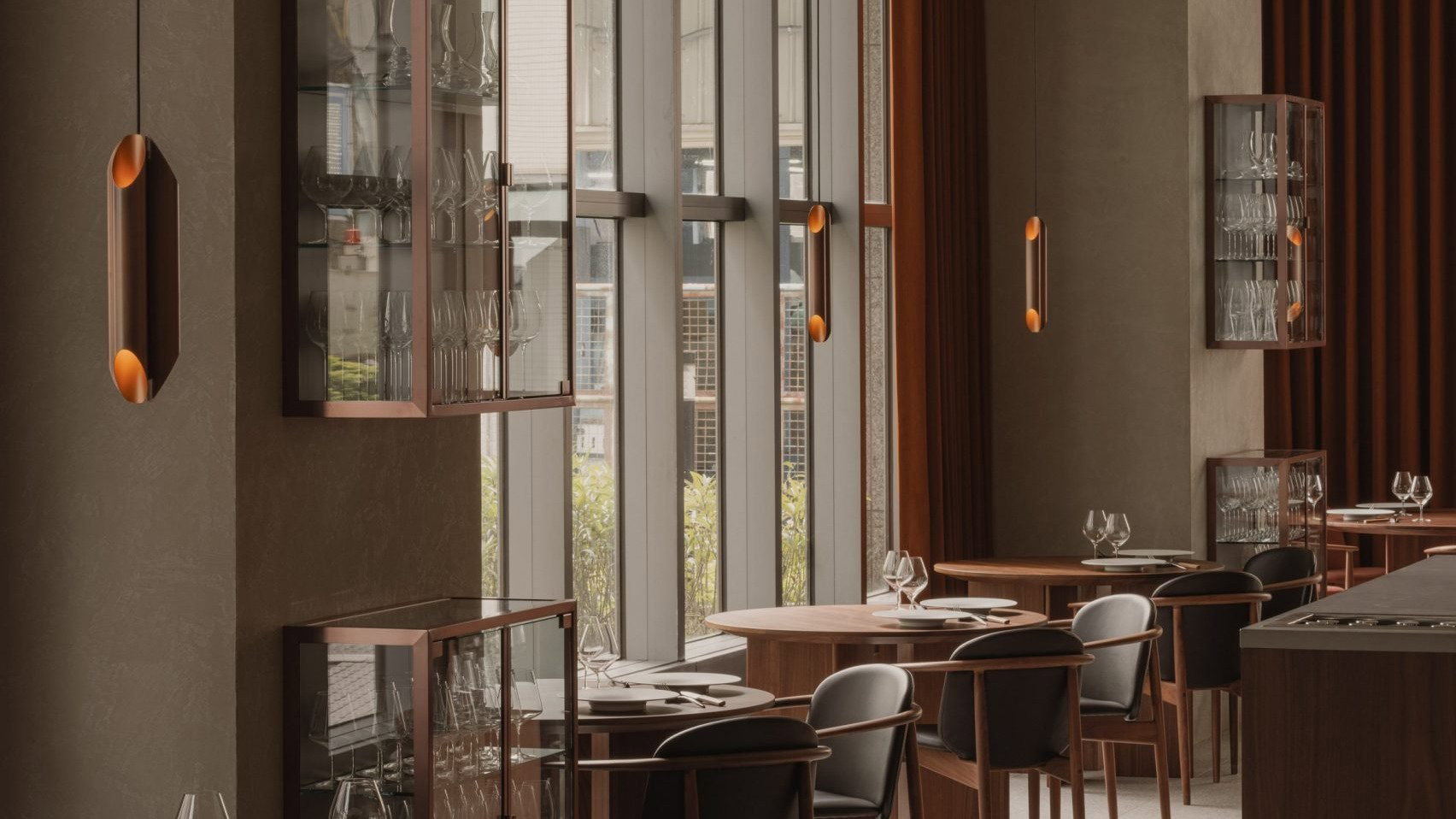
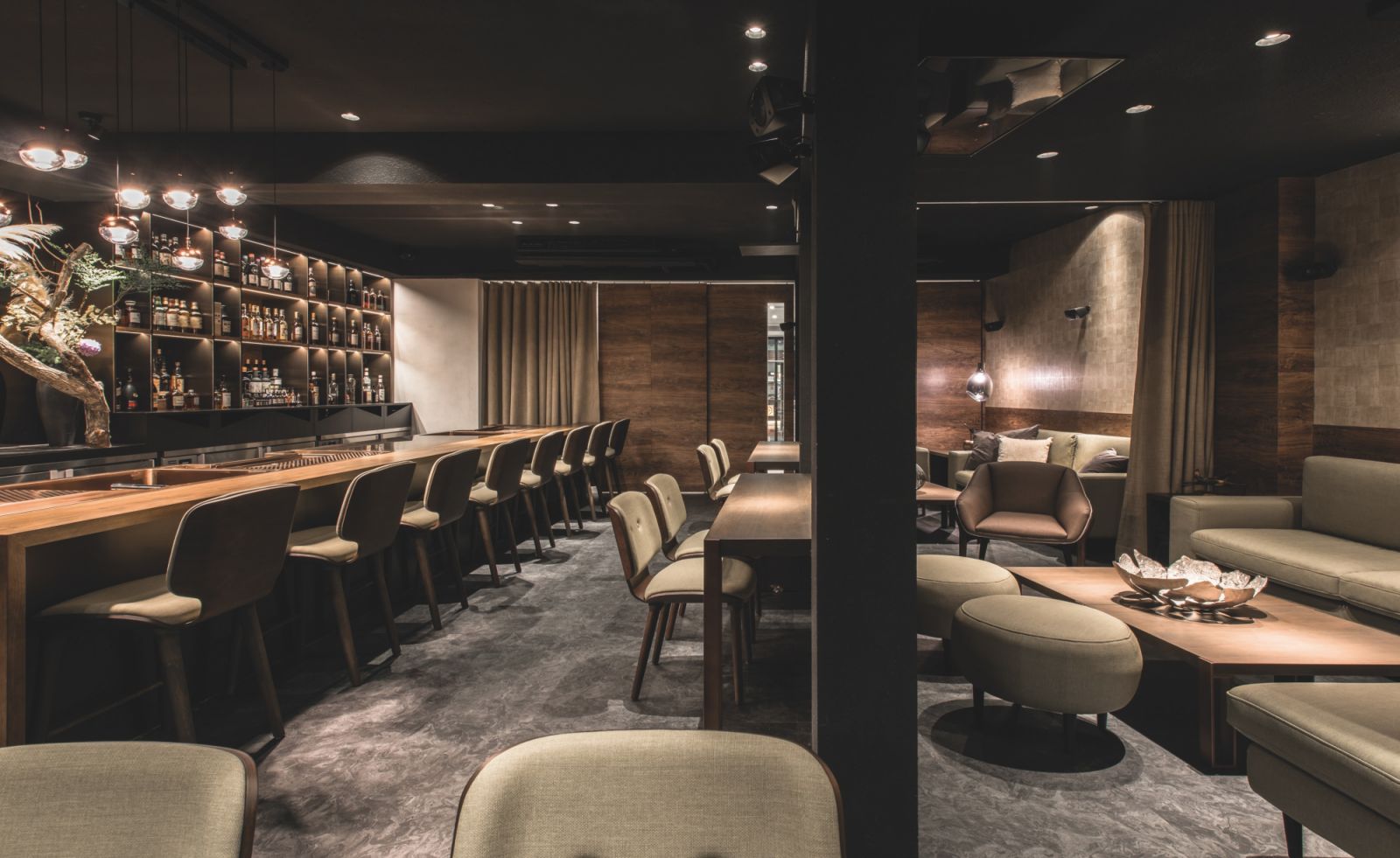
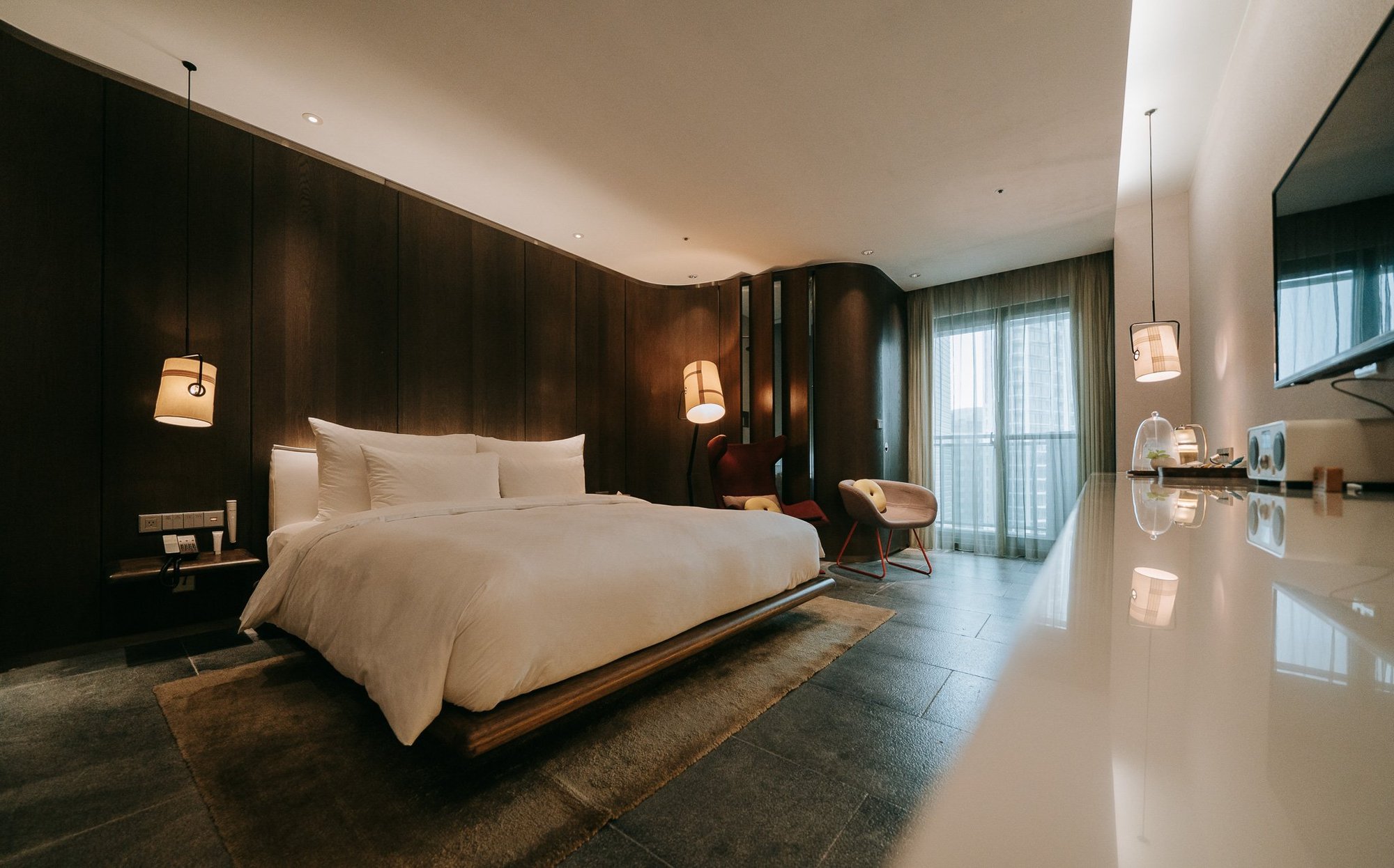
Quiet, soundproofed rooms with a serene, well-being atmosphere enhanced by spa lighting and hot spring serenity.
Tags
Vibe
Best For
Experience
Amenities
View
Accessibility
About the Stay
- Rooms
- 50
- Check-in
- 15:00
- Check-out
- 11:00
- Property Type
- Boutique hotel
- Property Style
- Wellness Oriented Luxury Hot Spring Hotel
- Design Style
- Refined European Inspired Luxury with Modern Wellness Elements
- Airport Transfer
- Available
- Spa
- Yes
- Families
- Welcome
- Cancellation
- Moderate
Know before you go
Know Before You Go
- Getting there
- No. 二號, Zhonghe St, Beitou District, Taipei City, Taiwan 112
Planning details
Location
No. 二號, Zhonghe St, Beitou District, Taipei City, Taiwan 112 · Directions
Recognition and awards
Also consider
Also Consider
- Wellspring by Silks Beitou, Notable alternative
- The Grand Hotel, Notable alternative
- Grand Mayfull Hotel Taipei, Notable alternative
- Grand Victoria Hotel, Notable alternative
- Hotel Indigo Taipei North, Notable alternative
Hotel context
How Hotel Royal Beitou compares in Taipei
Choose Hotel Royal Beitou over Wellspring by Silks Beitou if awards recognition and an easy booking profile matter more than chasing the most current Beitou alternative. For travelers already committed to Beitou, these two are the closest cross-shop; the decision should come down to room availability, rate on the dates, and whether the trip needs a quieter recovery-first mood.
The Grand Hotel is the stronger choice for guests who want a more ceremonial Taipei landmark feel, while Hotel Royal Beitou is the better fit for a quieter special occasion outside the city's busier hotel corridors. Grand Mayfull Hotel Taipei reads more corporate and polished for a conventional business stay; pick Beitou when downtime is part of the itinerary.
Grand Victoria Hotel and Hotel Indigo Taipei North make more sense if the plan is built around northern Taipei access and a city-hotel rhythm. Hotel Royal Beitou is the more deliberate retreat choice, especially when the guest values calm evenings over proximity to a broader dining and nightlife circuit.
Explore Taipei
Around this place
Discover more on Pearl
Unlock the full Hotel Royal Beitou guide in Pearl, including awards, comparisons, FAQs, planning details, and nearby places.
Compare Hotel Royal Beitou
| Venue | Location | Awards |
|---|---|---|
| Hotel Royal Beitou | Taipei | World Luxury Hotel Awards 2025 |
| Wellspring by Silks Beitou | Taipei | No published awards |
| The Grand Hotel | Taipei | Small Luxury Hotels Member 2025 |
| Grand Mayfull Hotel Taipei | Taipei | No published awards |
| Grand Victoria Hotel | Taipei | Small Luxury Hotels Member 2025 |
| Hotel Indigo Taipei North | Zhongshan District | No published awards |

How Hotel Royal Beitou Taipei compares with similar nearby venues.
FAQ
Frequently Asked Questions
How is the location of Hotel Royal Beitou?
Hotel Royal Beitou is in Taipei. Confirm the exact street address, neighborhood, and transport plan before booking.
Is Hotel Royal Beitou family-friendly?
Which room category is best at Hotel Royal Beitou?
Choose only after checking the hotel's current room descriptions, inclusions, and availability through official channels.
How does Hotel Royal Beitou compare to other hotels?
Hotel Royal Beitou is a Taipei hotel with 2025 World Luxury Hotel Awards recognition. Grand Mayfull Hotel Taipei, Grand Victoria Hotel, Hotel Indigo Taipei North, The Grand Hotel, and Wellspring by Silks Beitou are other named options to compare based on your preferred location, style, and current availability.
Is Hotel Royal Beitou good for business travel?
It may work for a business trip if its Taipei location and current hotel services fit your schedule. Check directly with the hotel for current business facilities, meeting services, and transport details.