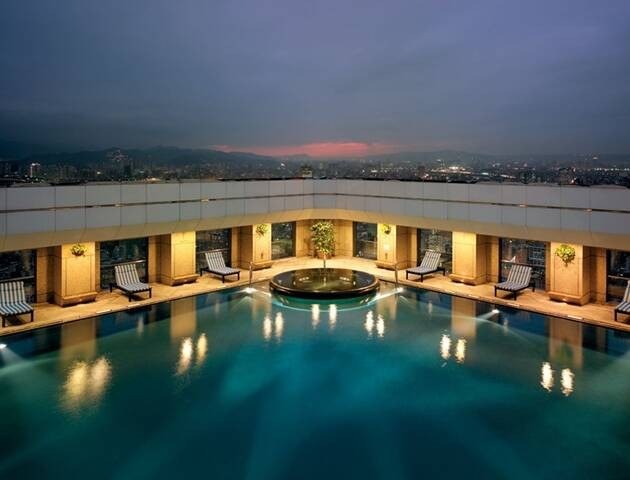

Kimpton Da An Taipei
Ren'ai, Taipei
Hotel in Taipei, Taiwan
 Book with Pearl
The Read
Design-Forward Residential Conversion
Why go
Kimpton Da An Taipei is a strong fit for repeat Taipei visitors, couples, and business travelers who want a polished Da'an base rather than a large formal hotel. The 2025 Michelin 1 Key recognition is the trust signal here; book it for atmosphere and location, not for maximum facilities or a bargain-first stay.
About Kimpton Da An Taipei
Kimpton Da An Taipei is a hotel in Taipei with Michelin 1 Key recognition in 2025. Beyond that accolade, its exact address, facilities, room count, dining program, service format, or neighborhood specifics are not described.
The hotel's Taipei setting and its Michelin 1 Key status are key features. Travelers comparing premium stays in the city should verify current amenities, rates, and booking conditions directly before deciding.
A Taipei hotel with confirmed Michelin recognition
Kimpton Da An Taipei is a Taipei hotel primarily noted for its external recognition. Specific details regarding its facilities or location are not fully described.
The practical takeaway is simple: consider it if Michelin 1 Key recognition is a meaningful signal for your Taipei stay, and compare it with other premium hotels in Taipei if you need confirmed details on facilities, dining, or exact location before booking.
Quick reference: confirmed for Taipei and Michelin 1 Key in 2025; verify all operational and amenity details directly.
Inside Kimpton Da An Taipei
Planning details
- Location
- No. 25號, Lane 27, Section 4, Ren'ai Rd, Da’an District, Taipei City, 106
- Website
- ihg.com/kimptonhotels/hotels/tw/zh/da-an-hotel-taipei/tpekm/hoteldetail?cm_mmc=GoogleMaps-_-KI-_-TW-_-TPEKM
- Phone
- +886 2 2173 7999
The take
The Take
The Vibe
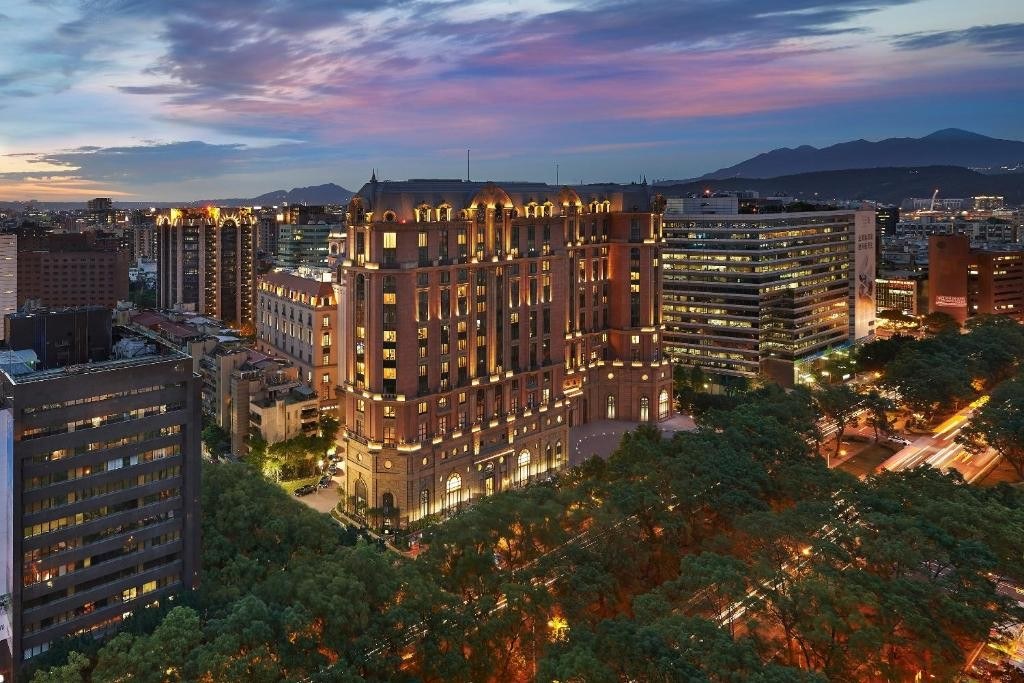
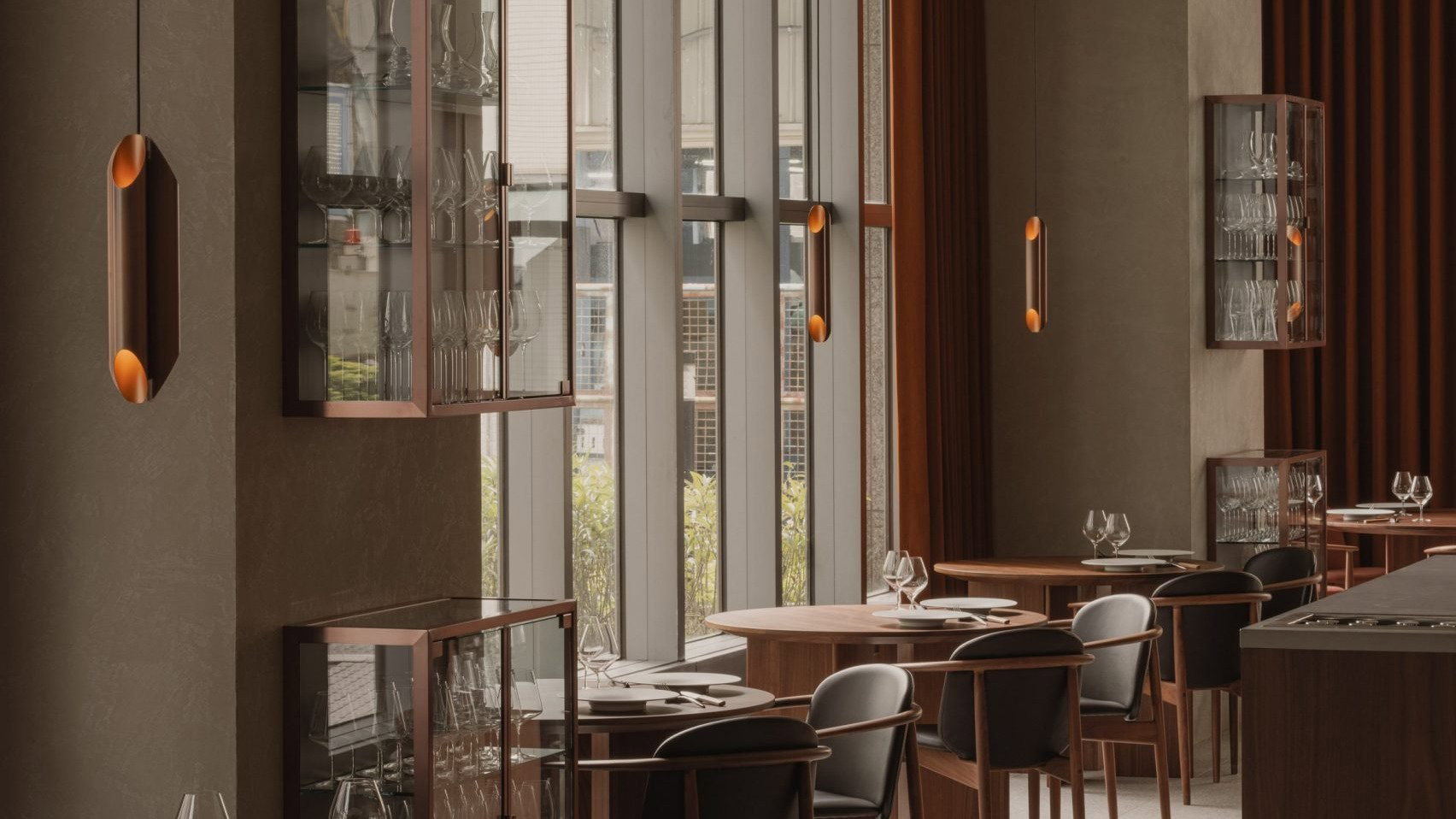
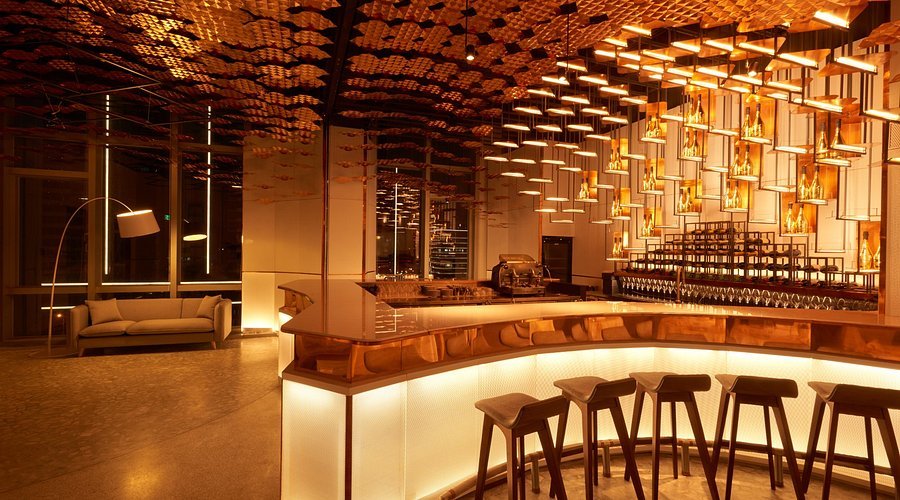
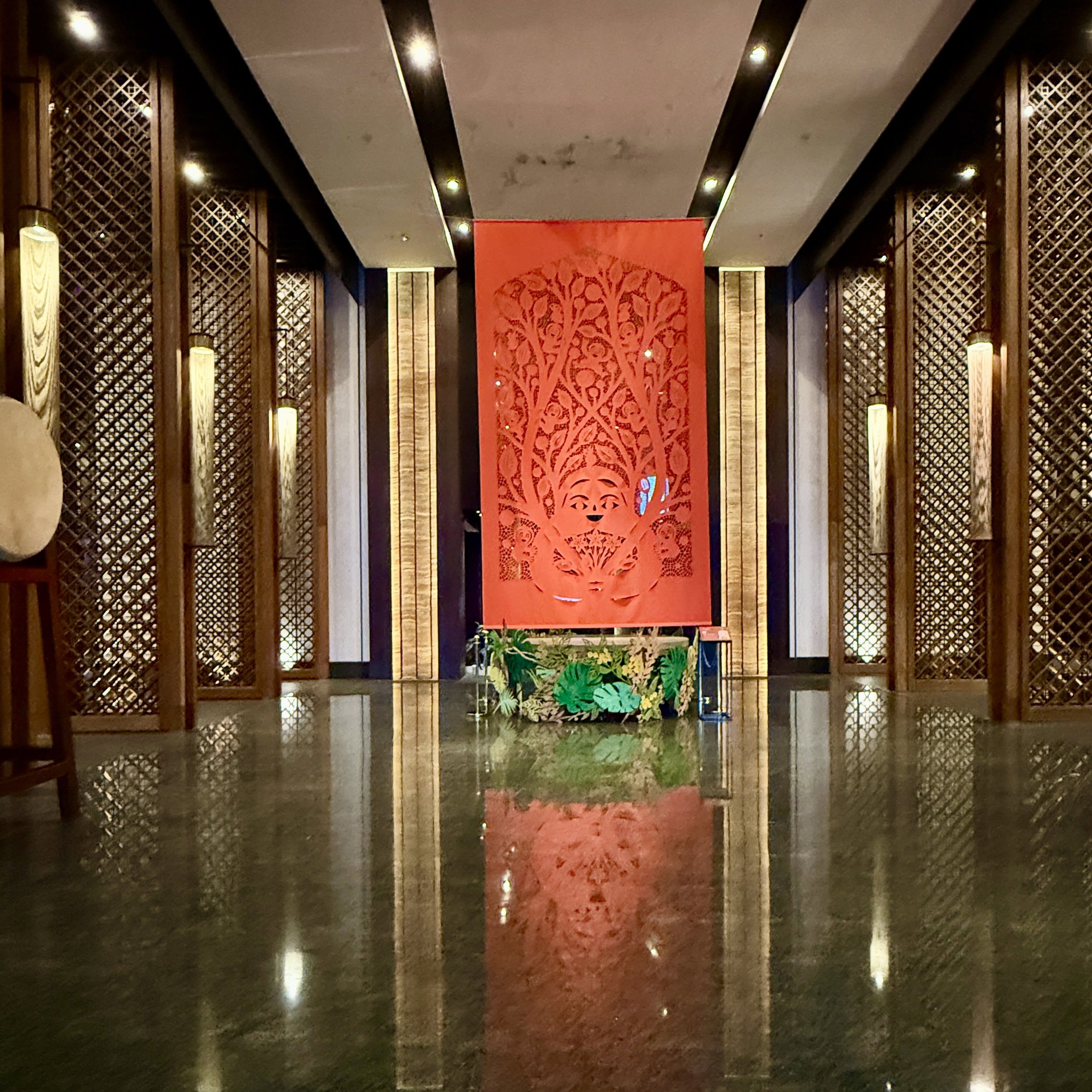
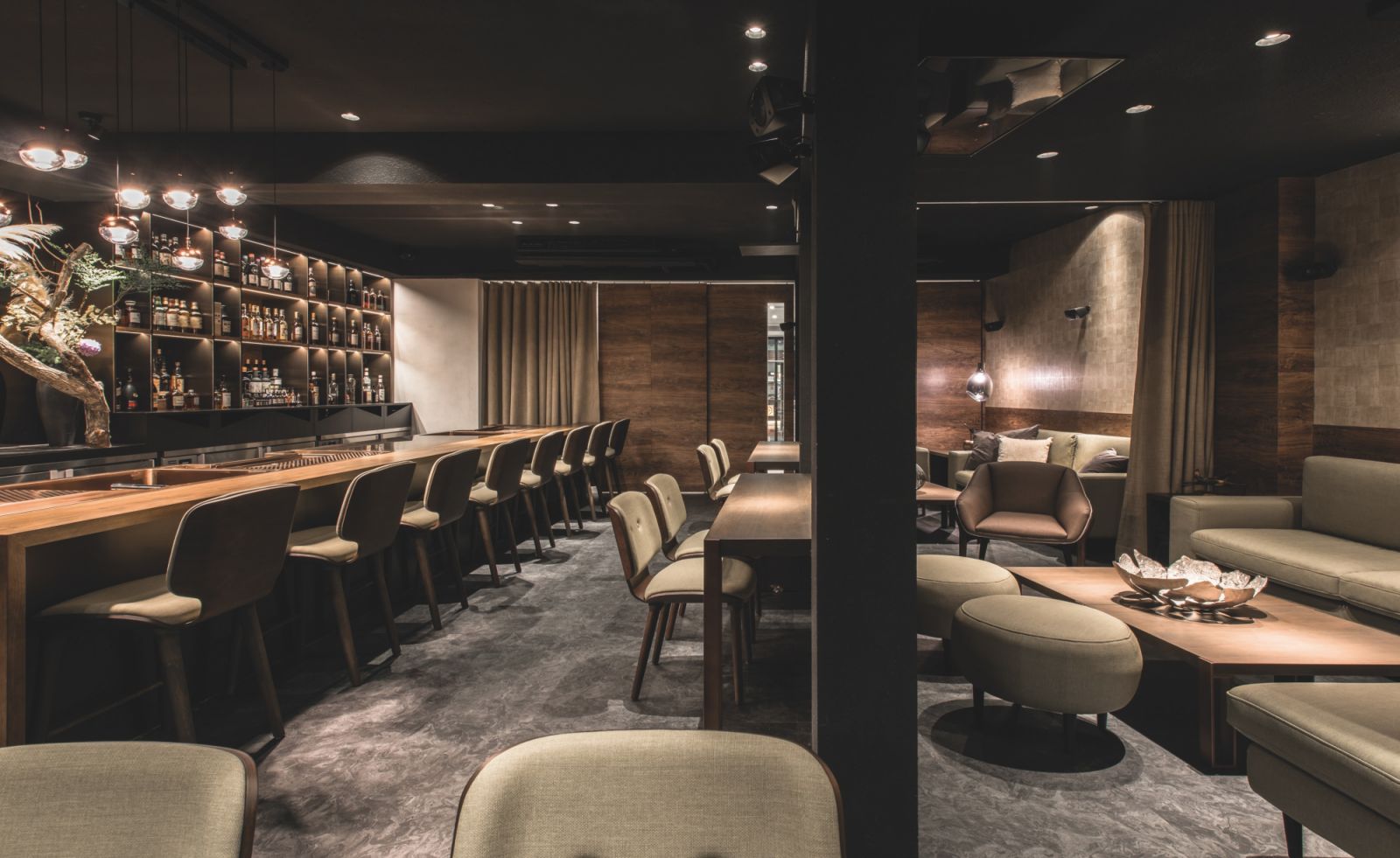
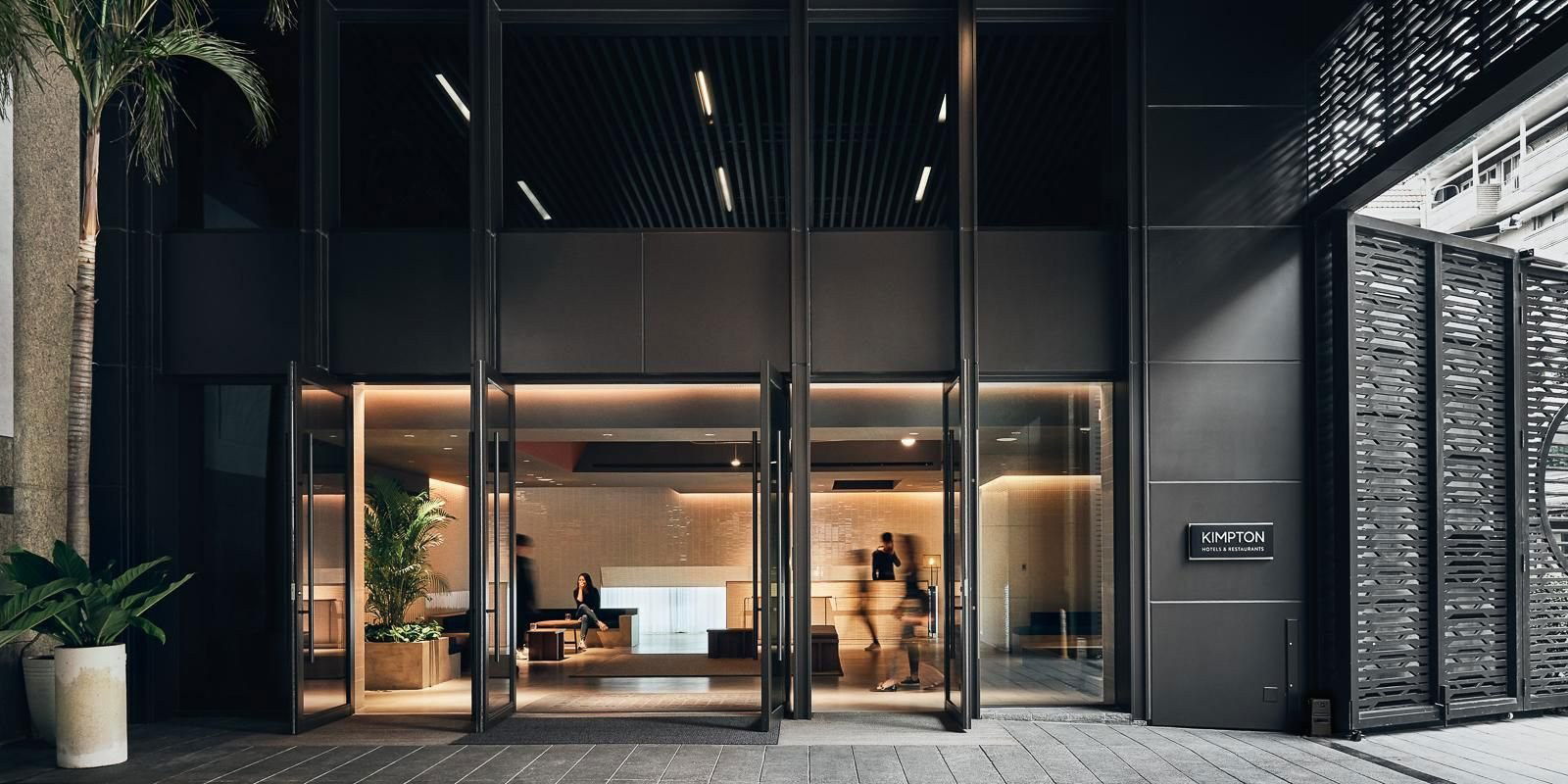
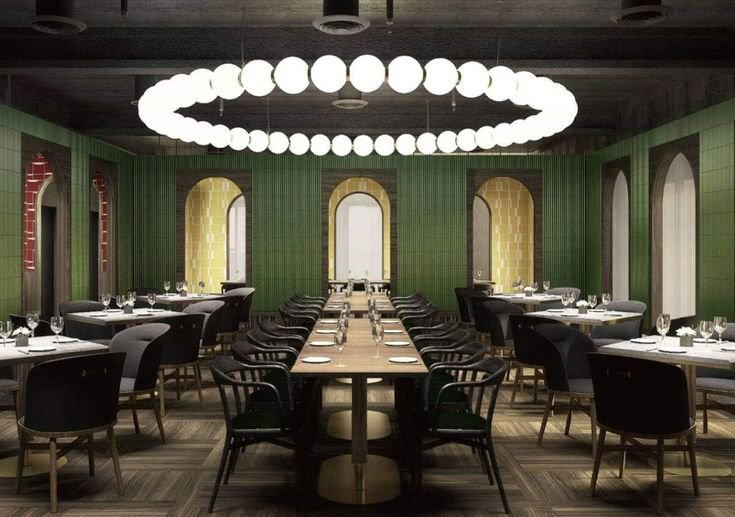
Kimpton Da An reads like a carefully reworked apartment block rather than a conventional tower hotel. Neri & Hu’s interiors lean on domestic rhythms and sourced materials, preserving the residential grain of Da’an’s tree-lined lanes and boutique streets. The result is an intimate, design-forward property that purposely avoids the grand gestures of convention hotels; it feels more like a considered local address than an announcement. That restraint produces a quiet, charming atmosphere tailored to design-conscious visitors who prefer low-key luxury and thoughtful detailing over spectacle.
Best For
This hotel suits travellers who prioritise design and a quieter urban context. It appeals to design-minded business visitors and professionals drawn to Da’an’s independent restaurants and boutique retail, and to couples or small groups looking for an intimate dinner and a relaxed, well-designed stay. The rooms play second fiddle to Tavernist, so guests who plan their visit around an evening at the hotel’s restaurant will get the most out of the property’s editorial focus. Weekend visitors seeking a calm, design-led base also find it well matched to their needs.
Stay Tips
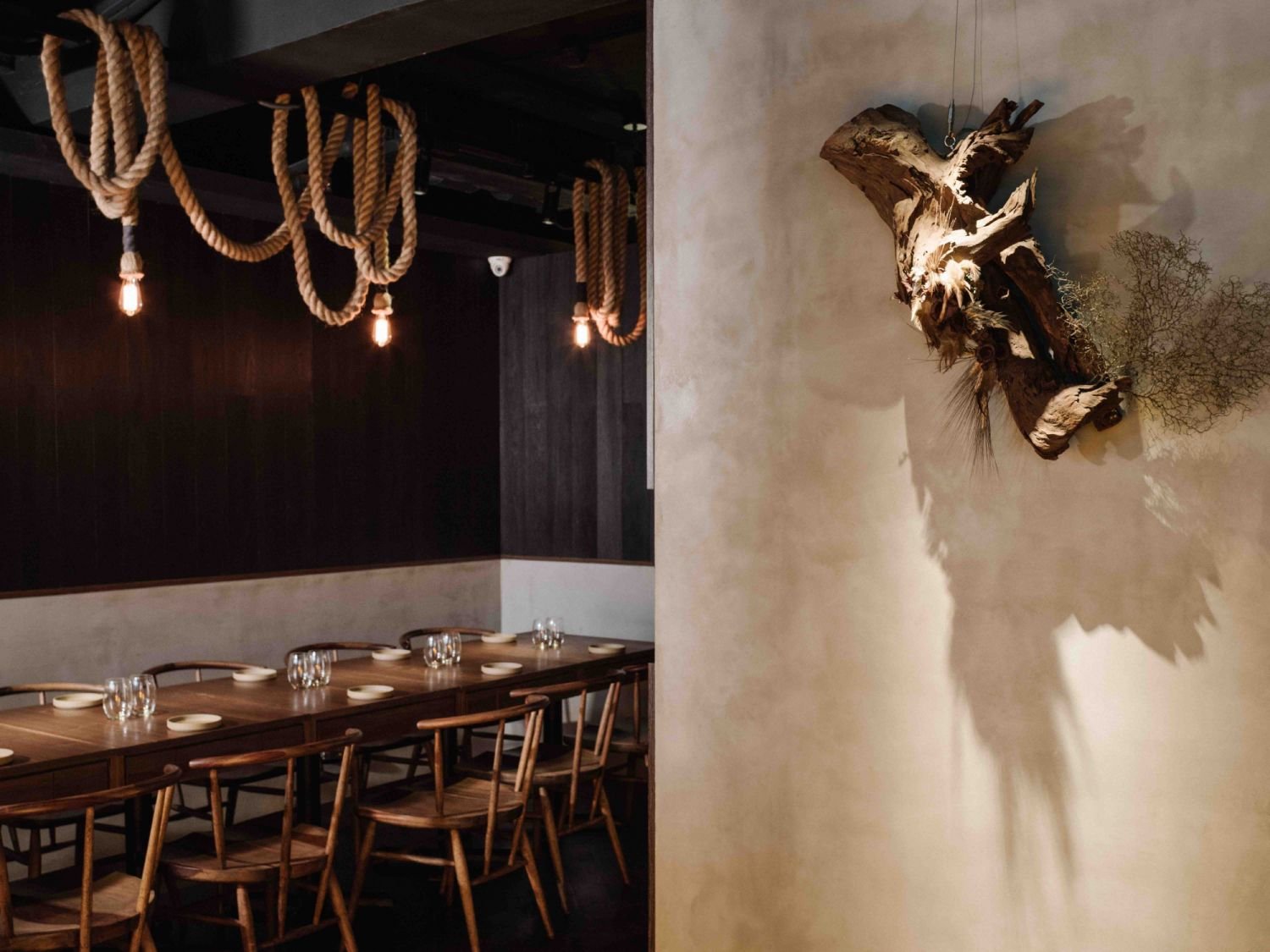
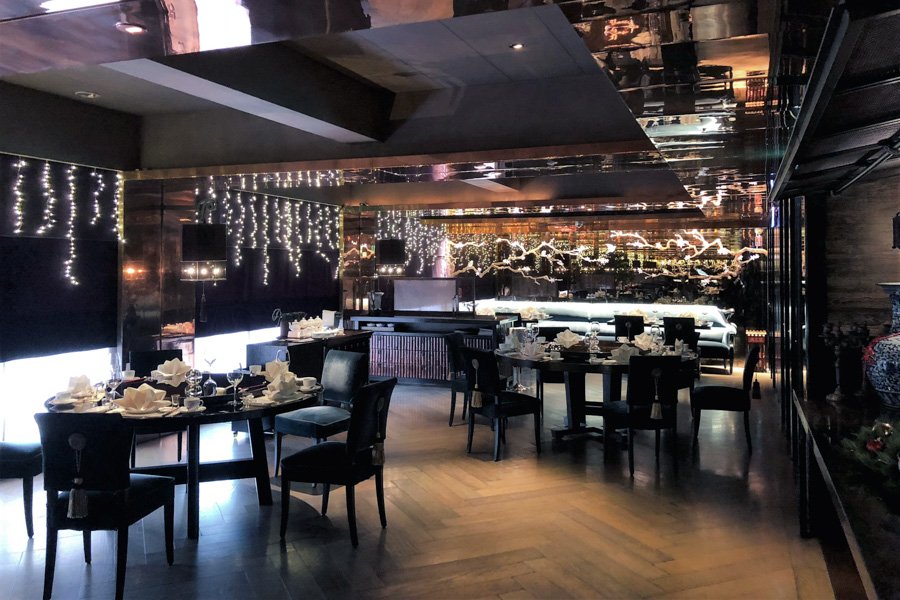
When you eat at Tavernist, expect a menu shaped by alumni of Noma’s kitchen — fermentation is described as a structural tool rather than a garnish, and hyper-local sourcing is treated as a method. Approach the meal with curiosity: ask servers or chefs about which local producers and fermented elements inform dishes, and be prepared for thoughtful combinations that foreground technique and provenance. The write-up positions the restaurant as the hotel’s editorial centerpiece, so plan dinner timing around a focused dining experience and conversations about sourcing and preparation.
Venue details
Ambiance
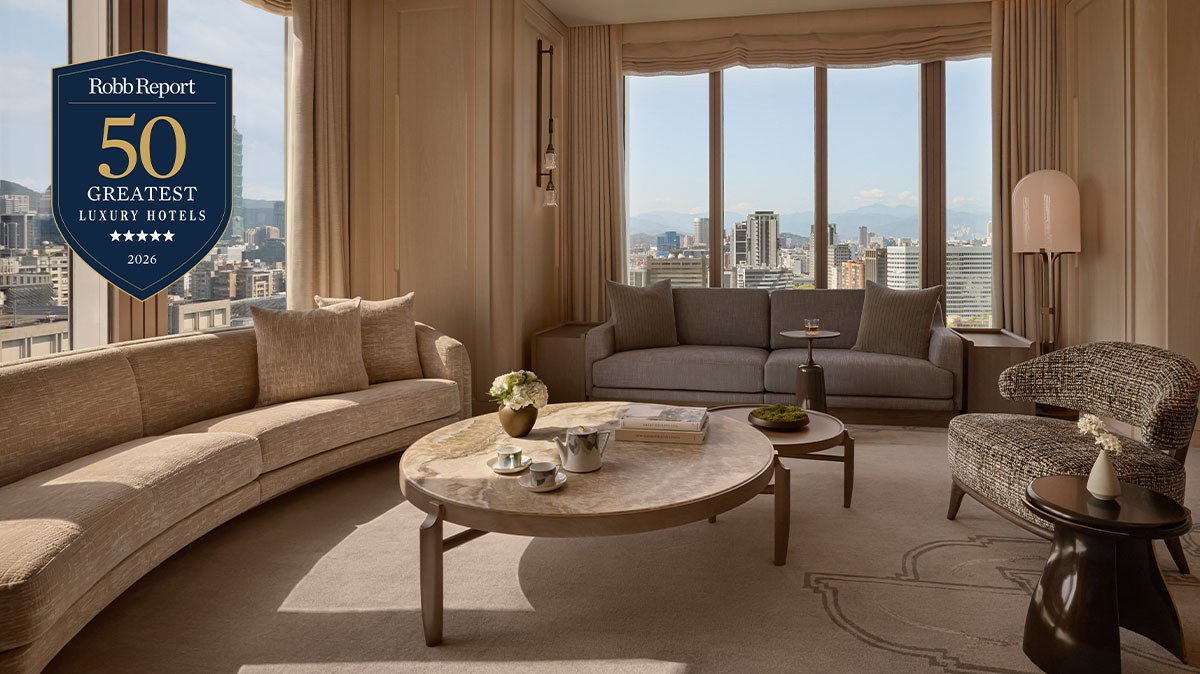
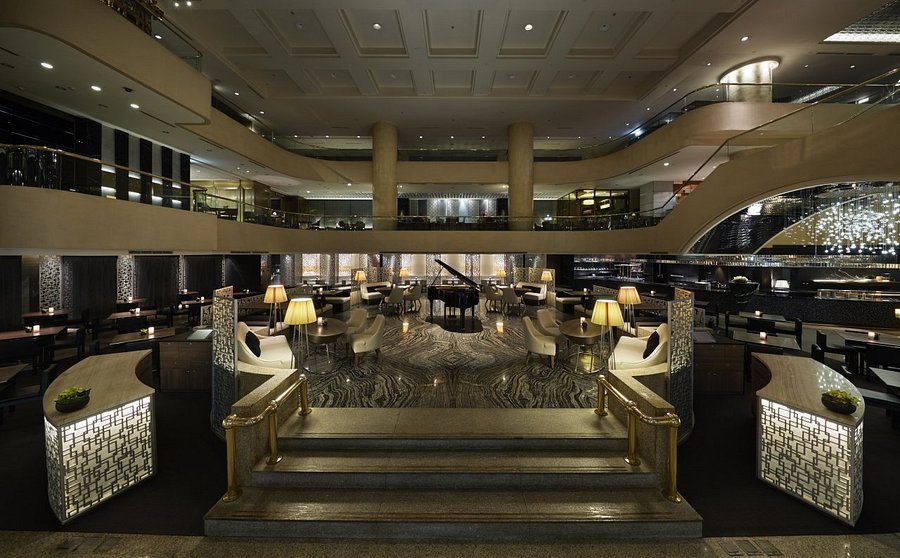
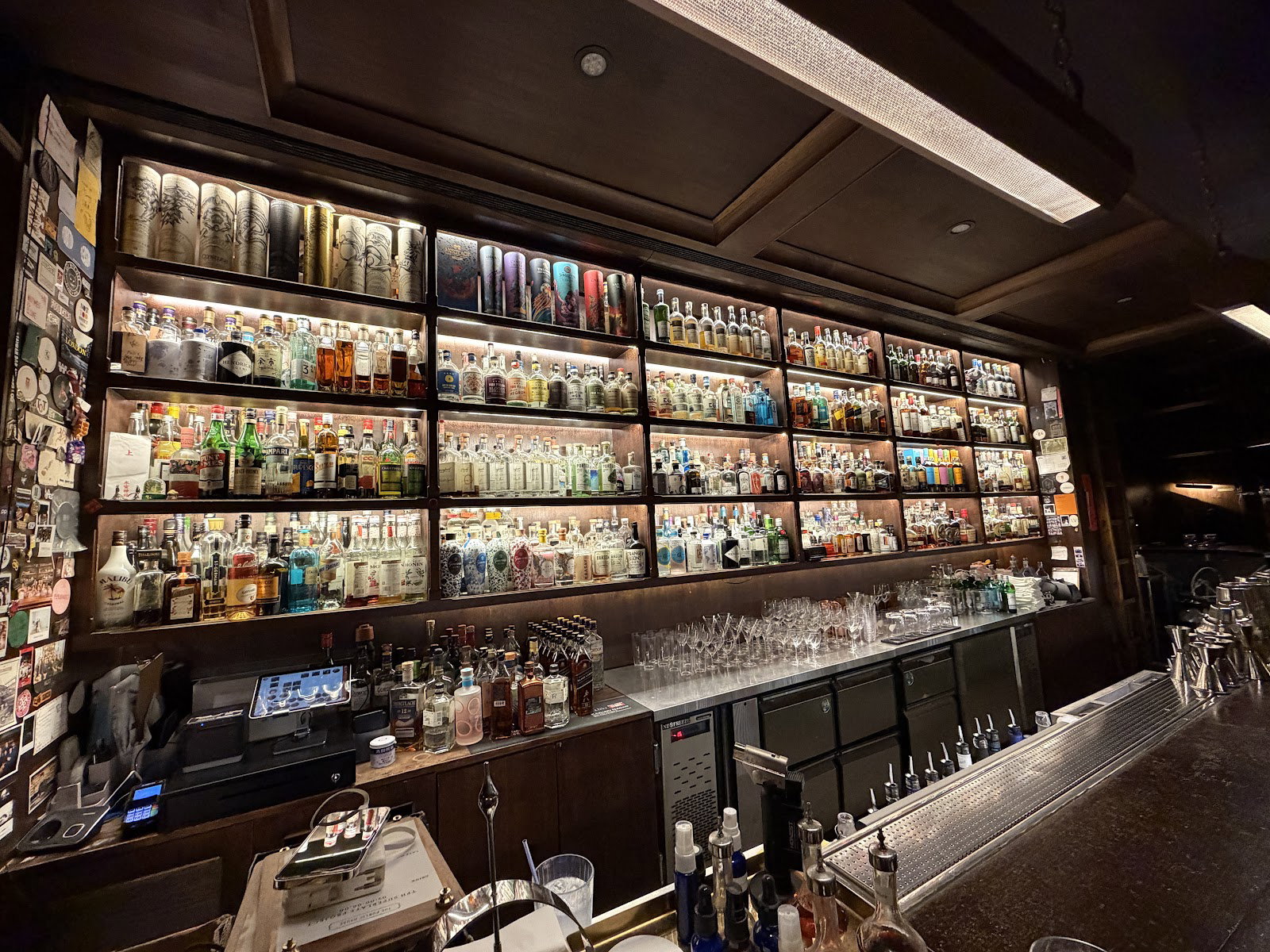
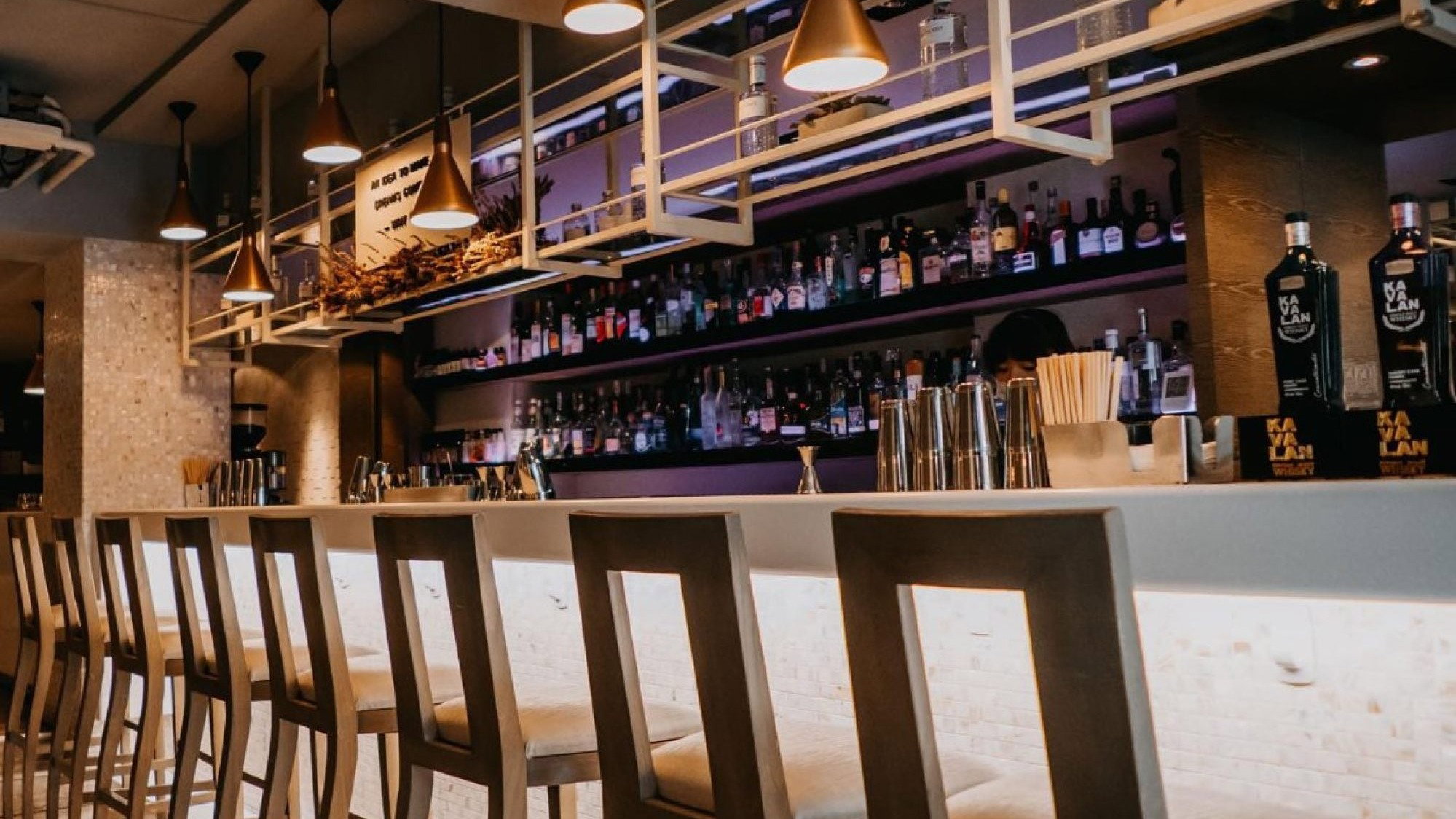
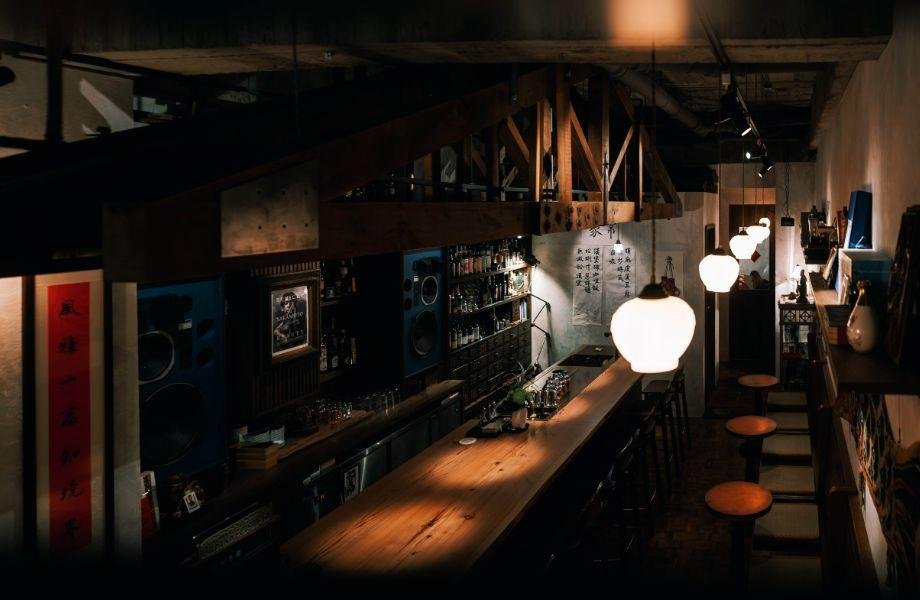
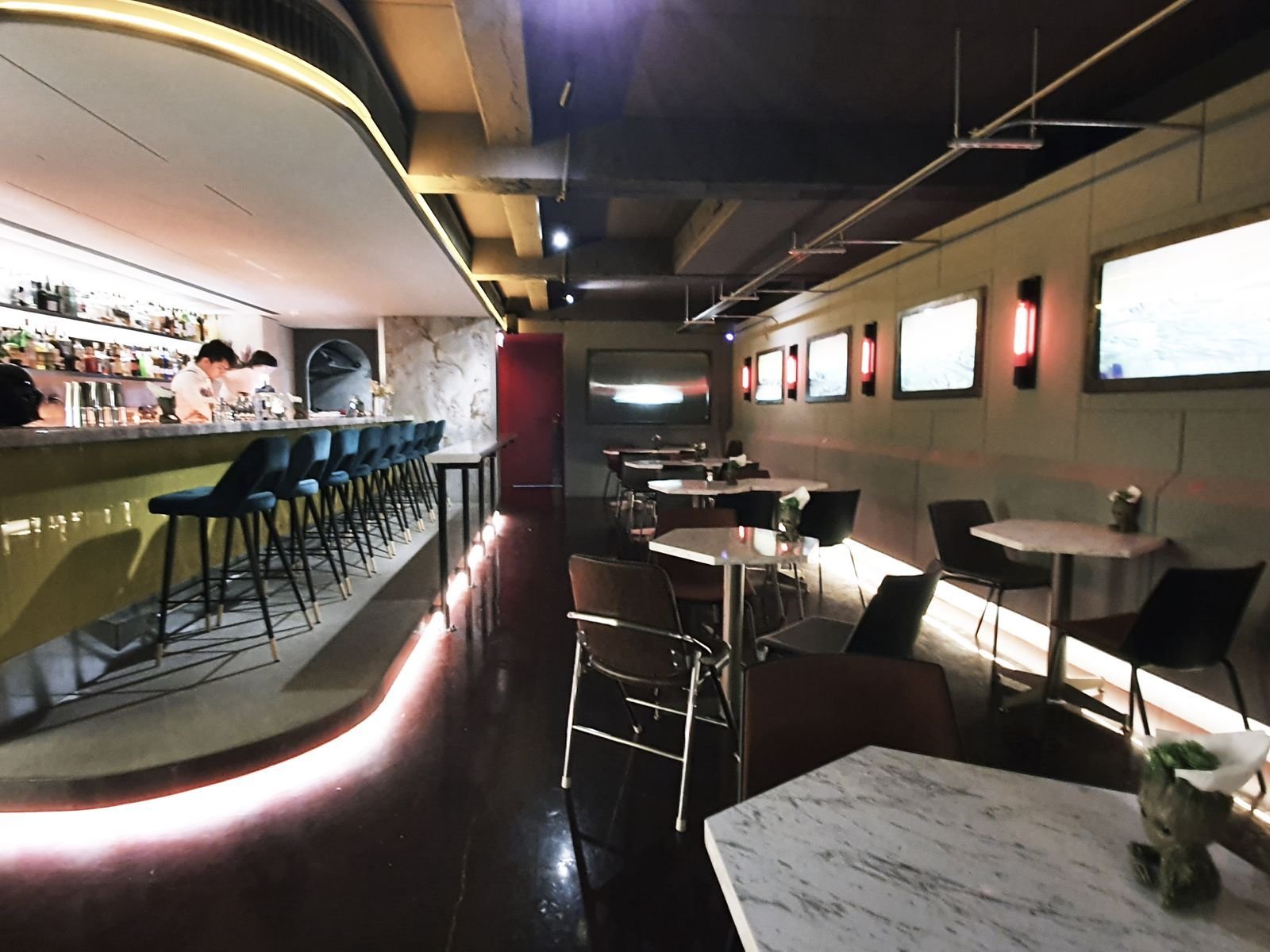
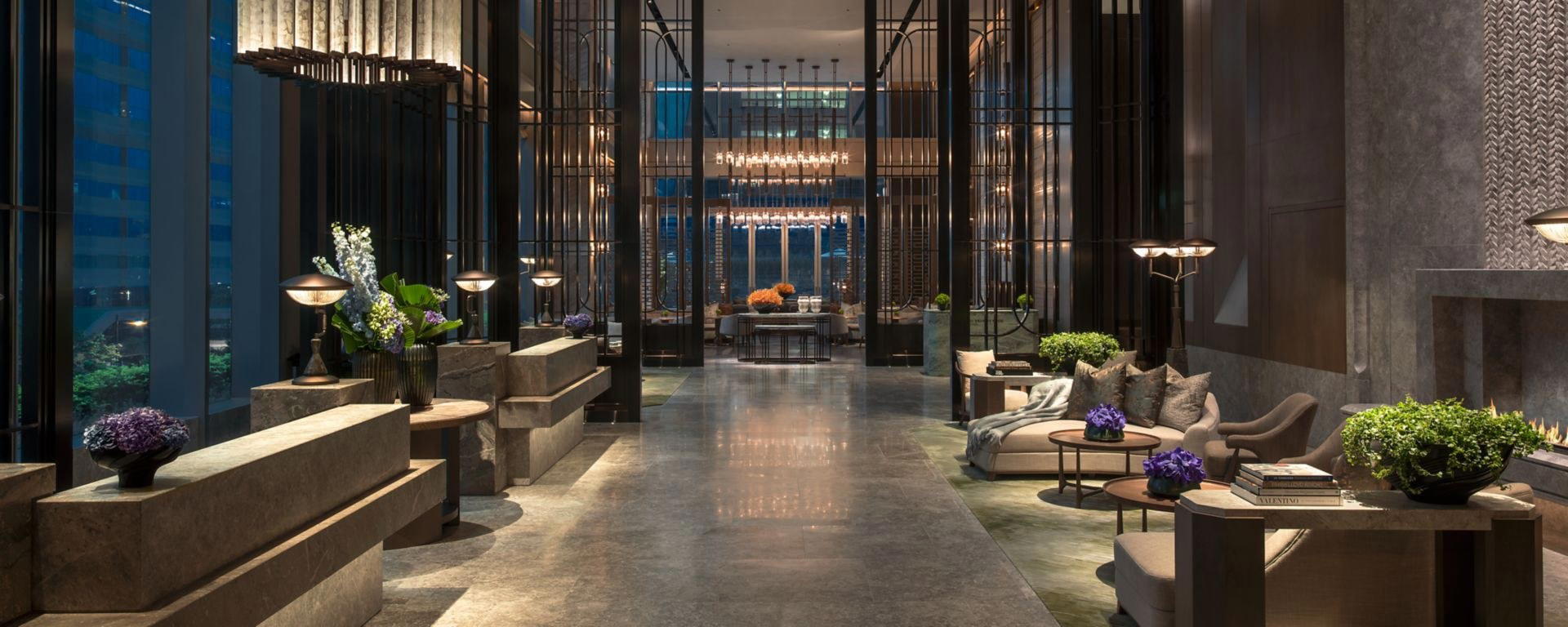
Chic modern design with cozy lobby living room, warm inviting atmosphere, natural light through large windows, and sophisticated tranquility.
Tags
Vibe
Best For
Experience
Amenities
View
Accessibility
About the Stay
- Rooms
- 129
- Check-in
- 15:00
- Check-out
- 11:00
- Property Type
- Boutique hotel
- Property Style
- Urban Boutique Sanctuary with Designer Tranquility
- Design Style
- Modern Chic with Individual Room Furnishings and Sophisticated Details
- Pets
- Allowed
- Families
- Welcome
- Cancellation
- Moderate
Know before you go
Know Before You Go
- Getting there
- No. 25號, Lane 27, Section 4, Ren'ai Rd, Da’an District, Taipei City, 106
Planning details
Location
No. 25號, Lane 27, Section 4, Ren'ai Rd, Da’an District, Taipei City, 106 · Directions
Recognition and awards
Also consider
Also Consider
- EPISODE Daan Taipei - JDV by Hyatt, Notable alternative
- Hotel Proverbs Taipei, Notable alternative
- Swiio Hotel Daan, Notable alternative
- Éclat Hotel Taipei, Notable alternative
- Madison Taipei, a Tribute Portfolio Hotel, Notable alternative
Hotel context
How Kimpton Da An Taipei compares in Da'an
Choose Kimpton Da An Taipei if the priority is a polished, quieter-feeling stay with stronger recognition than many nearby boutique options. Hotel Proverbs Taipei is the sharper cross-shop for guests who want a moodier, more nightlife-adjacent boutique hotel, while Swiio Hotel Daan is the easier value play if the room matters more than hotel-service depth.
EPISODE Daan Taipei - JDV by Hyatt makes more sense for travelers who prefer a lifestyle-hotel brand feel and may want a slightly more casual stay. Éclat Hotel Taipei is the better fit for guests who want a more art-forward, statement-heavy room, while Madison Taipei, a Tribute Portfolio Hotel is the safer business-travel alternative when a more conventional international-hotel setup is useful.
Booking difficulty is the main caution: if dates are tight, cross-shop Madison Taipei first for business practicality, then Swiio Hotel Daan for value. If the stay is a celebration and the room's atmosphere matters, keep Kimpton Da An Taipei and Hotel Proverbs Taipei at the front of the list.
Explore Taipei
Around this place
Discover more on Pearl
Unlock the full Kimpton Da An Taipei guide in Pearl, including awards, comparisons, FAQs, planning details, and nearby places.
Compare Kimpton Da An Taipei
| Venue | Location | Awards |
|---|---|---|
| Kimpton Da An Taipei | Taipei | 2026 Michelin 1 KeyMichelin 1 Key 20252025 Michelin 1 Key |
| EPISODE Daan Taipei - JDV by Hyatt | Taipei | No published awards |
| Hotel Proverbs Taipei | Taipei | No published awards |
| Swiio Hotel Daan | Taipei | No published awards |
| Éclat Hotel Taipei | Taipei | No published awards |
| Madison Taipei, a Tribute Portfolio Hotel | Taipei | No published awards |

How Kimpton Da An Taipei compares with similar nearby venues.
FAQ
Frequently Asked Questions
Is Kimpton Da An Taipei good for business travel?
Kimpton Da An Taipei is in Taipei and has Michelin 1 Key recognition for 2025. Specific business-travel details such as meeting facilities, workspace amenities, or exact access points are not available, so confirm those directly before booking.
How is the location of Kimpton Da An Taipei?
Kimpton Da An Taipei is located in Taipei. Street-address or neighborhood details are not available, so travelers should confirm the exact location directly before booking.
What is Kimpton Da An Taipei known for?
Kimpton Da An Taipei is confirmed as a Taipei hotel with Michelin 1 Key recognition in 2025.
Where is Kimpton Da An Taipei located?
Kimpton Da An Taipei is located in Taipei.