
Aman Sveti Stefan
Sveti Stefan
Hotel in Sveti Stefan, Montenegro
 Book with Pearl
The Read
15th-Century Island Conversion
Why go
Aman Sveti Stefan is worth shortlisting if the goal is a quiet, design-led Adriatic retreat rather than a busy Montenegro base. The La Liste Top Hotels 2026 score of 93 points gives it credible luxury recognition, but the fit is narrow: choose it for privacy, atmosphere, and a slower stay, not for nightlife or broad local convenience.
About Aman Sveti Stefan
Aman Sveti Stefan is a venue in Sveti Stefan with one clear recognition signal: La Liste Top Hotels (2026) lists it at 93pts. For rooms, facilities, dining, service formats, and booking terms, guests should check Aman Sveti Stefan directly before making a decision.
The most useful practical note is the dress code: smart casual. Guests planning a visit should check Aman Sveti Stefan directly for current availability, room details, dining information, facilities, and any seasonal operating notes before making a decision.
What to know before you book
The safest way to assess Aman Sveti Stefan is through the key comparison points: it is Aman Sveti Stefan in Sveti Stefan, it has a smart casual dress code, and it carries La Liste Top Hotels (2026) recognition with a 93-point score.
That recognition is a meaningful quality signal, but it should not be treated as proof of any specific room type, facility, menu, service style, or guest experience. If those details matter to the trip, confirm them through the venue's official channels before booking.
For travellers comparing stays, the relevant question is whether a recognised Sveti Stefan property fits the trip better than another option. Villa Geba is a natural comparison to consider, while other dining and hotel choices in Sveti Stefan can be reviewed more generally.
Who should choose it over a more conventional resort
Aman Sveti Stefan is best considered by guests who want a Sveti Stefan stay and are comfortable checking the finer details directly before committing. The La Liste Top Hotels 2026 score of 93pts supports its standing as a recognised property, while specific inclusions, room categories, facilities, restaurant formats, and pricing should be confirmed directly.
Skip making a decision from reputation alone if the trip depends on a particular amenity, meal plan, access arrangement, family setup, or activity schedule. Check those points with the property before booking.
For planning around the area, use Our full Sveti Stefan hotels guide first, then cross-check the wider trip with Our full Sveti Stefan restaurants guide, Our full Sveti Stefan bars guide, Our full Sveti Stefan wineries guide, and Our full Sveti Stefan experiences guide. For another option, compare it with Villa Geba before committing.
Part of
Aman46 locations on PearlPlanning details
- Location
- Villa Milocer, Aman, Sveti Stefan 85315
- Website
- aman.com/resorts/aman-sveti-stefan?y_source=1_MTU3MDc3MDAtNzE1LWxvY2F0aW9uLndlYnNpdGU%3D
- Phone
- +382 33 420 000
The take
The Take
The Vibe
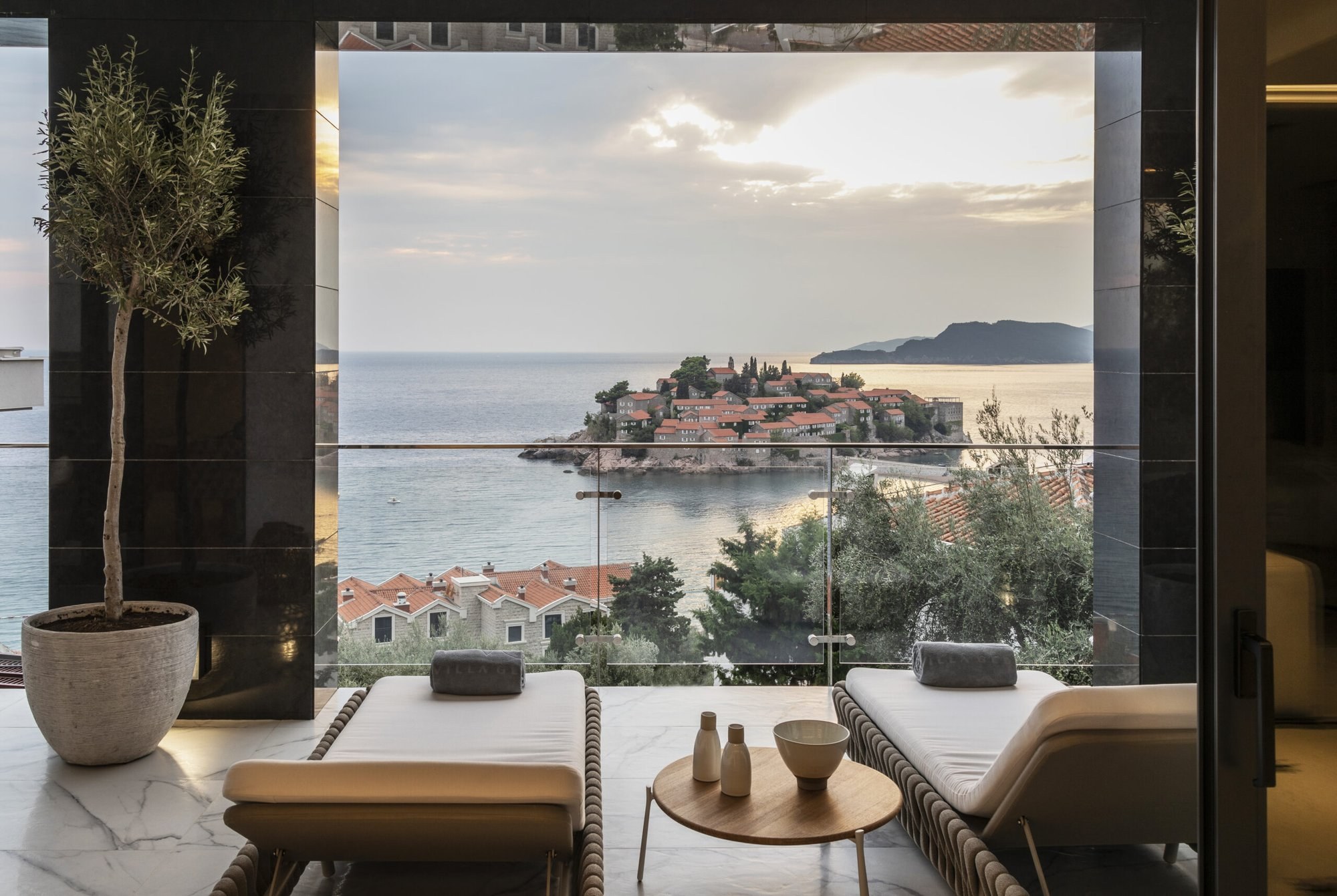
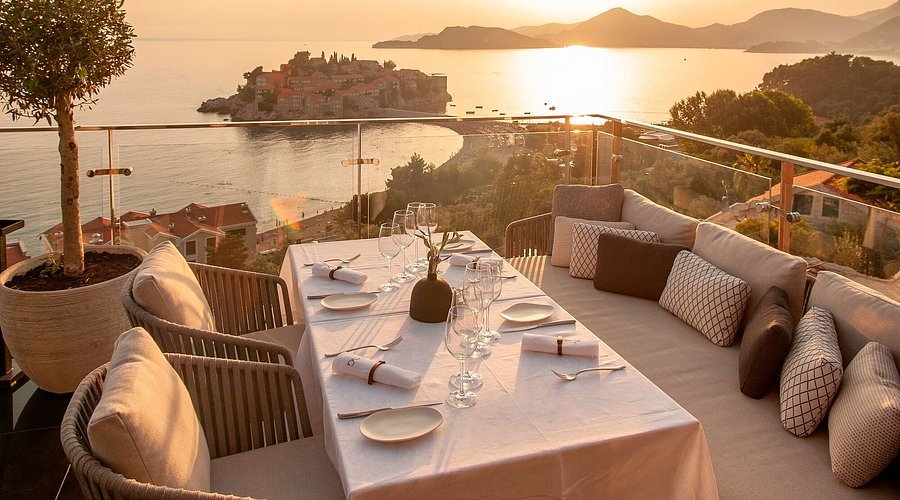
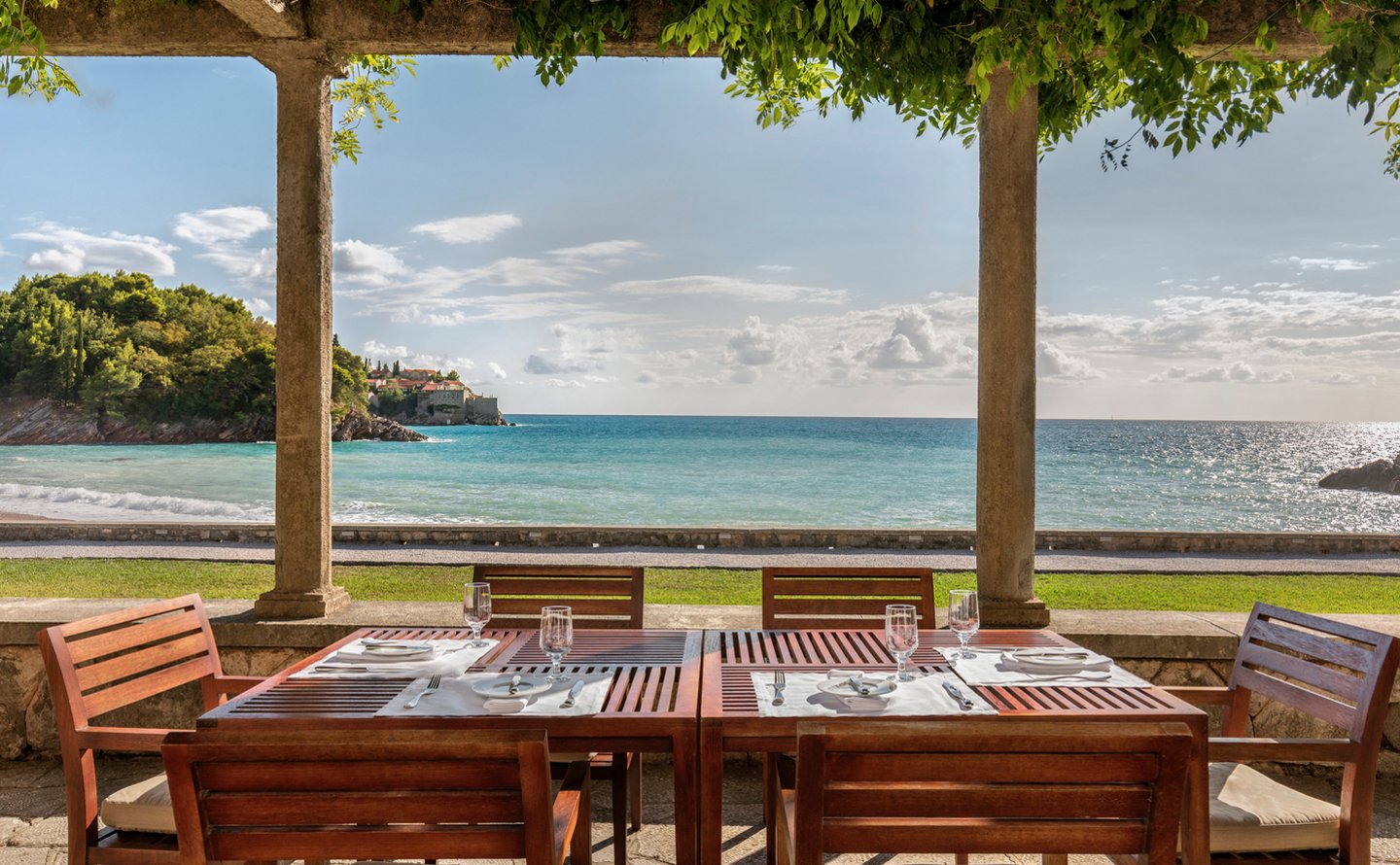
Aman Sveti Stefan occupies a fortified 15th-century fishing village that reads as an inhabited place rather than a constructed set. The resort preserves the island’s stone houses, churches and cobbled lanes, keeping narrow lanes and unplastered stone walls intact. Approaching from the mainland, the visual impact of a compact medieval skyline rising from the Adriatic is immediate; the island is linked to the shore by a narrow causeway. That architectural authenticity and the retained village geometry define the property’s character—it feels like a lived historic settlement adapted thoughtfully for guest accommodation.
Best For
The property suits travelers who prize intimacy, history and dramatic coastal scenery. Its island cluster of cottages and villas offers a secluded, picture-book setting ideal for honeymoons, romantic getaways and anniversaries, while the two-part arrangement that includes the Villa Milocer estate on the mainland gives guests options for a broader resort experience. Guests seeking a quiet, restorative break anchored in place and architecture—weekend escapes and wellness-focused stays—will find the preserved village, narrow lanes and Adriatic setting especially rewarding.
Stay Tips
Approach the property from the mainland to experience the dramatic reveal of the medieval skyline rising from the sea; the narrow causeway linking island and shore is integral to the setting. If you want to be immersed in the historic village, ask about island cottages and villas—many accommodations are adapted within the existing stone fabric and are best explored on foot along cobbled lanes. For those who prefer mainland facilities or a larger estate atmosphere, inquire about accommodations on the Villa Milocer estate, which forms the property’s two-part arrangement.
Venue details
Ambiance
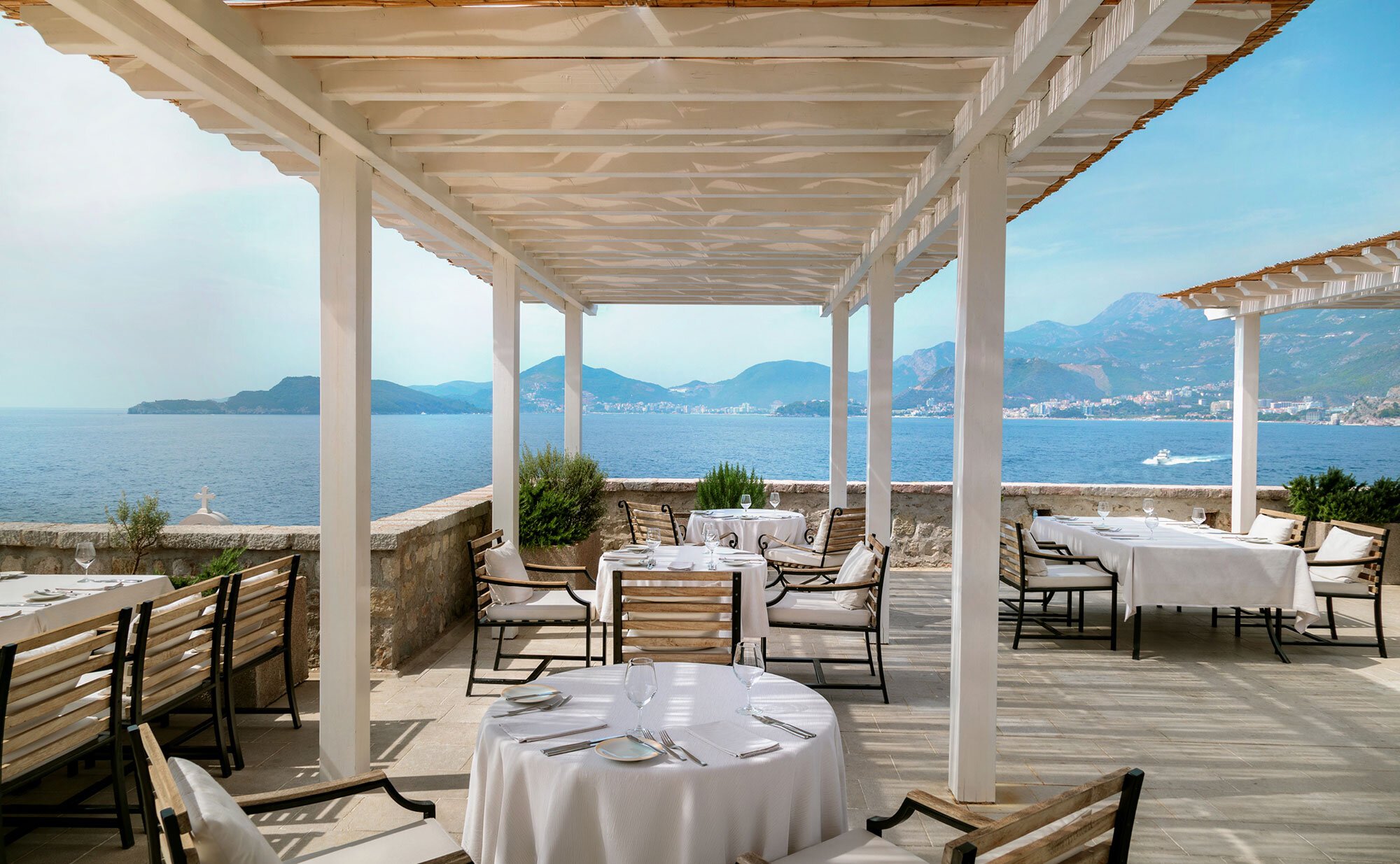
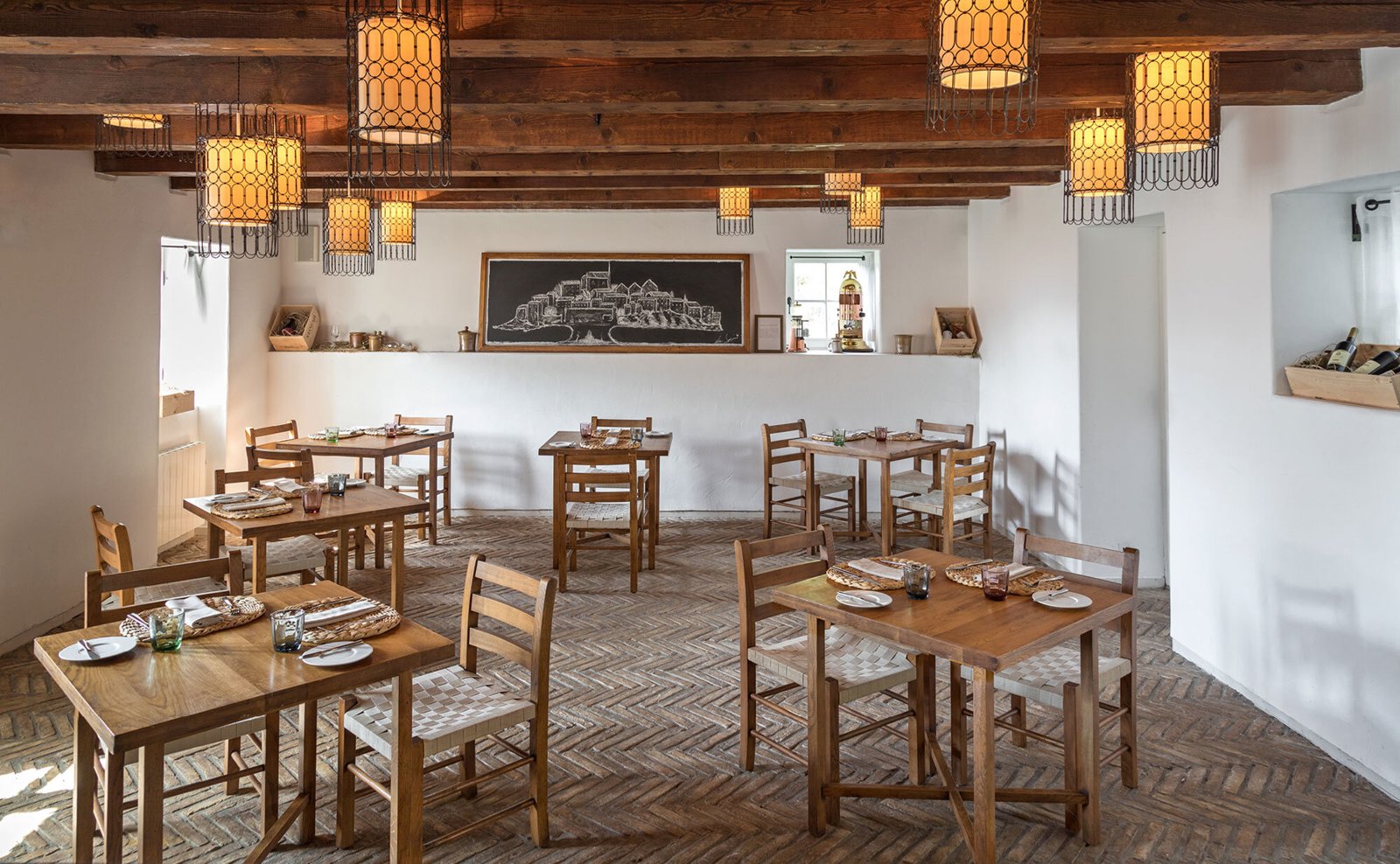
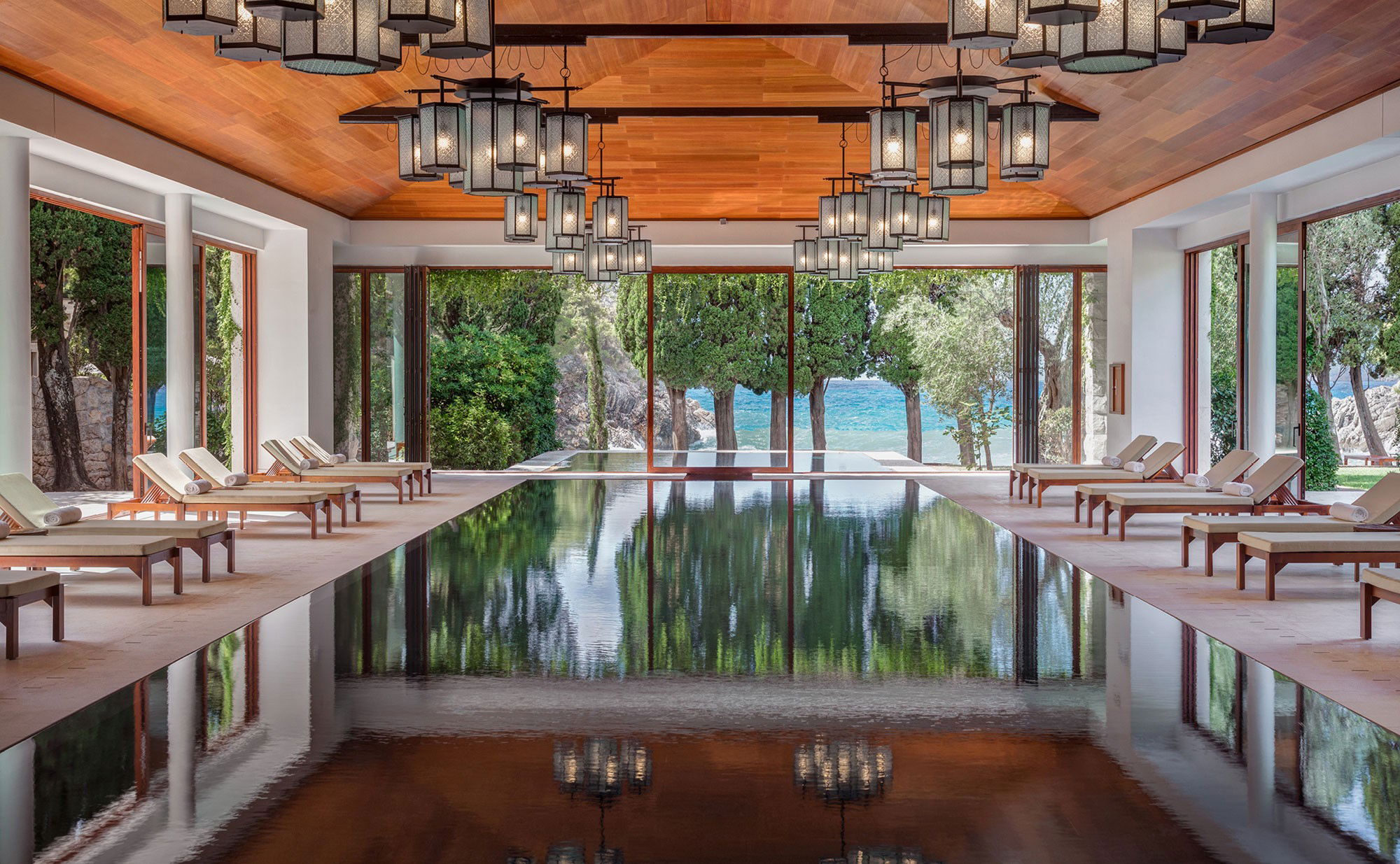
Romantic and tranquil with exposed stone walls, wooden-beamed ceilings, soft natural lighting, and a sense of calm luxury.
Tags
Vibe
Best For
Experience
Amenities
View
About the Stay
- Rooms
- 58
- Check-in
- 14:00
- Check-out
- 12:00
- Property Type
- Heritage hotel
- Property Style
- Historic Seaside Stone Village Restored with Contemporary Minimalist Interiors
- Design Style
- Rustic Elegance with Exposed Stone, Wooden Beams, and Neutral Tones
- Breakfast
- Included
- Airport Transfer
- Available
- Pool
- Yes
- Spa
- Yes
- Pets
- Allowed
- Cancellation
- Strict
Know before you go
Know Before You Go
- Getting there
- Villa Milocer, Aman, Sveti Stefan 85315
Planning details
Location
Villa Milocer, Aman, Sveti Stefan 85315 · Directions
aman.com/resorts/aman-sveti-stefan?y_source=1_MTU3MDc3MDAtNzE1LWxvY2F0aW9uLndlYnNpdGU%3D
Recognition and awards

Also consider
Also Consider
- Villa Geba, Notable alternative
- Ananti Resort Residences & Beach Club, Notable alternative
- Dukley Hotel & Resort, Notable alternative
- The Chedi Luštica Bay, Notable alternative
- Palazzo Radomiri Hotel, Notable alternative
Hotel context
How It Compares
Choose Aman Sveti Stefan if atmosphere and privacy are the priority. Compared with Villa Geba, it is the more retreat-driven choice, while Villa Geba is the more natural cross-shop for travellers who want a smaller Sveti Stefan stay with easier movement outside the property.
Ananti Resort Residences & Beach Club and Dukley Hotel & Resort are better fits for guests who want a fuller resort feel or more straightforward group practicality. Aman is the quieter call; those two are more flexible if the trip includes family logistics, beach-club energy, or frequent movement along the coast.
For a bay-based alternative, The Chedi Luštica Bay makes more sense for travellers who want marina access and a broader resort setting, while Palazzo Radomiri Hotel is the smaller, heritage-leaning option near Kotor. Aman is the splurge for controlled calm; the others make more sense when location flexibility or a more active itinerary matters.
Explore Sveti Stefan
Around this place
Discover more on Pearl
Unlock the full Aman Sveti Stefan guide in Pearl, including awards, comparisons, FAQs, planning details, and nearby places.
Compare Aman Sveti Stefan
| Venue | Location | Awards |
|---|---|---|
| Aman Sveti Stefan | Sveti Stefan | 2026 La Liste Top Hotels |
| Villa Geba | Sveti Stefan | 2026 Michelin 1 KeyWorld Travel Awards 20252025 Michelin 1 KeySmall Luxury Hotels Member 2025 |
| Ananti Resort Residences & Beach Club | Reževići | Leading Hotels of the World 2026 |
| Dukley Hotel & Resort | Budva | No published awards |
| The Chedi Luštica Bay | Tivat | 2026 Great Hotels of the World Collection2026 Virtuoso Luxury Hotel Collection2026 Forbes 4-StarStar Wine Lists 20262026 Mr & Mrs Smith Luxury HotelsLeading Hotels of the World 20262026 Michelin 1 Key2025 Michelin 1 Key2025 Forbes Recommended |
| Palazzo Radomiri Hotel | Kotor | No published awards |









How Aman Sveti Stefan compares with similar nearby venues.
FAQ
Frequently Asked Questions
Which room category is best at Aman Sveti Stefan?
How is the pool and spa at Aman Sveti Stefan?
Aman Sveti Stefan's La Liste Top Hotels (2026) score of 93pts is a strong trust signal, but it should not be used to assume any specific facility or service. If pool and spa features matter, confirm them directly with Aman Sveti Stefan. The Chedi Luštica Bay can be considered separately as another hotel comparison.
When is the best time to book Aman Sveti Stefan?
Because Aman Sveti Stefan is a recognised property in Sveti Stefan, it is sensible to check availability directly as soon as the trip dates are firm. Palazzo Radomiri Hotel can be considered separately when comparing other stays.
Is Aman Sveti Stefan family-friendly?
Confirm the latest family facilities, children's programming, and related policies directly with Aman Sveti Stefan before booking. Dukley Hotel & Resort can be considered separately if comparing different resort-style options.
How does Aman Sveti Stefan compare to other hotels?
Aman Sveti Stefan has a confirmed La Liste Top Hotels (2026) score of 93pts and a smart casual dress code. Villa Geba and Ananti Resort Residences & Beach Club are other options to compare, while The Chedi Luštica Bay and Palazzo Radomiri Hotel may also be useful reference points depending on the wider trip. Confirm current facilities, pricing, and booking terms directly with each property.
How is the dining at Aman Sveti Stefan?
The practical detail for dining is the smart casual dress code. If dining is central to the stay, check Aman Sveti Stefan's official channels for current formats, cuisine, menus, prices, and service details before booking.