


Hotel Skeppsholmen
Skeppsholmen, Stockholm
Hotel in Stockholm, Sweden
 Book with Pearl
The Read
Price
$200–300per night
Why go
Book Hotel Skeppsholmen if you want a quieter Stockholm base with design credibility rather than a formal grand-hotel experience. Its 2026 Design Hotels membership and 2025 MICHELIN Guide hotel selection make it a credible choice for travelers who value atmosphere and restraint; compare Grand Hôtel Stockholm or Hotel Diplomat if full-service ceremony matters more.
About Hotel Skeppsholmen
Hotel Skeppsholmen is a Stockholm hotel with two clear signals for travelers comparing premium stays: it is listed as a 2026 Design Hotels member and appears in the MICHELIN Guide hotel selection for 2025. Beyond those points, it is a Stockholm hotel to compare directly with other named options rather than through claims about atmosphere, service style, facilities, dining, or neighborhood specifics.
The dress code is smart casual. That is useful context for guests who want to understand the tone of the property, but it should not be stretched into assumptions about formality, amenities, restaurant format, or the kind of trip the hotel is best for. If those details matter, confirm them directly before booking.
A Stockholm hotel with design and guide recognition
The strongest grounded case for Hotel Skeppsholmen is recognition-based. Its 2026 Design Hotels membership supports positioning it among design-conscious hotel options, while the 2025 MICHELIN Guide hotel selection adds a separate hotel-guide signal. These points are strong reasons to keep it on a Stockholm shortlist.
Information is not available regarding room count, pricing, exact facilities, restaurant concept, bar program, spa or pool offering, service format, or booking difficulty. Decisions on those points should be with the hotel or current booking channels.
Who should choose it among other Stockholm hotels
Hotel Skeppsholmen can be compared with Grand Hôtel Stockholm, Hotel Diplomat, Lydmar Hotel, Backstage Hotel Stockholm, and Hôtel Reisen, part of The Unbound Collection by Hyatt, when deciding where to stay in Stockholm. Its distinction is not a specific amenity or service promise; it is the combination of Design Hotels membership, MICHELIN Guide hotel selection, and a smart-casual dress code.
Given its concise profile, the recommendation should stay narrow. Choose Hotel Skeppsholmen if those signals match what you are looking for, and cross-shop the other Stockholm hotels if you need to compare specific facilities, dining, or service expectations.
Quick reference: easiest to recommend for travelers considering a Stockholm hotel with Design Hotels membership, MICHELIN Guide hotel selection, and a smart-casual dress code.
Planning details
- Location
- Gröna Gången, 1, Stockholm 111 86, Sweden
- Website
- marriott.com/hotels/travel/STOSK
- Phone
- +46 8 407 23 29
The take
The Take
The Vibe
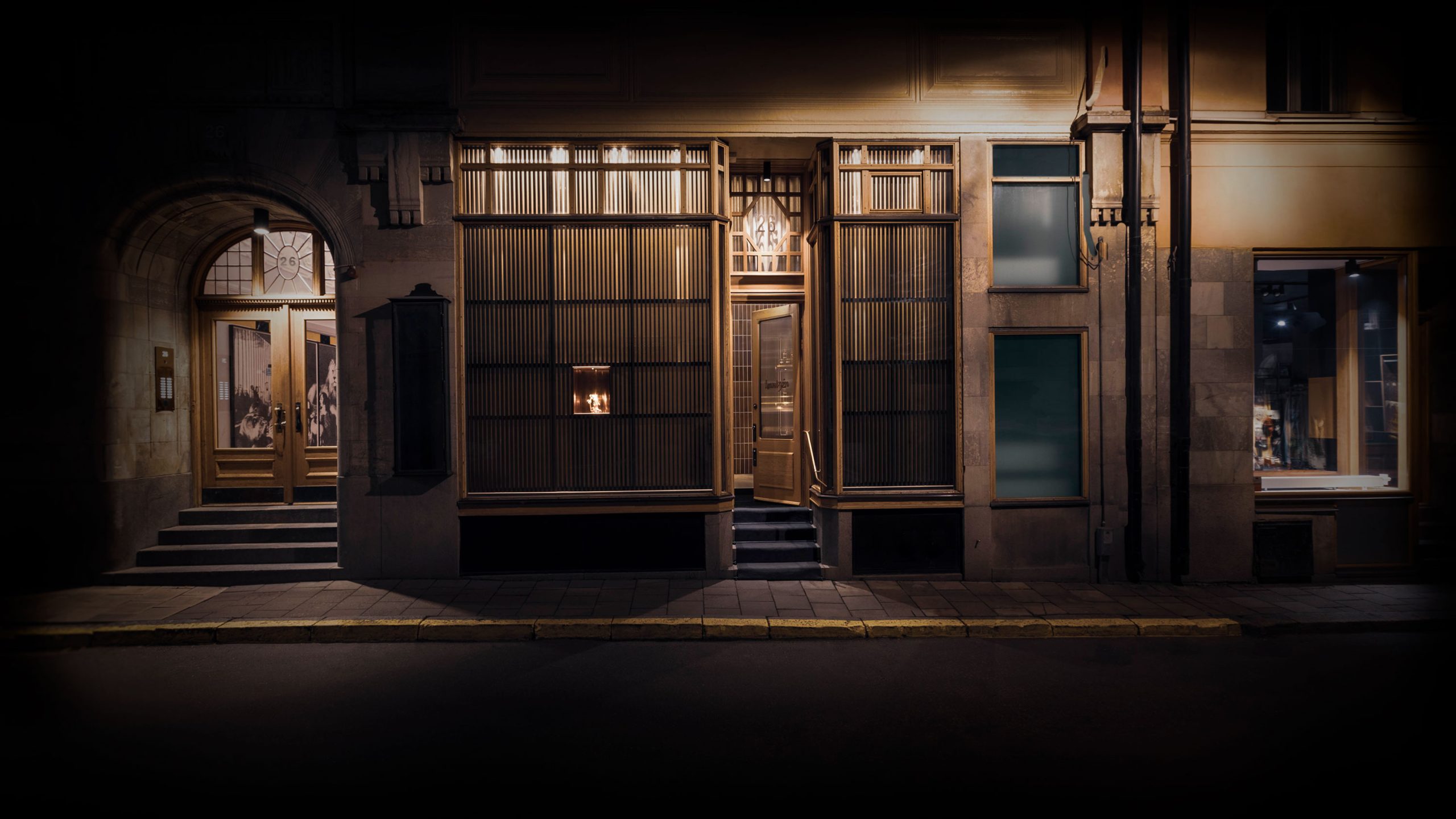
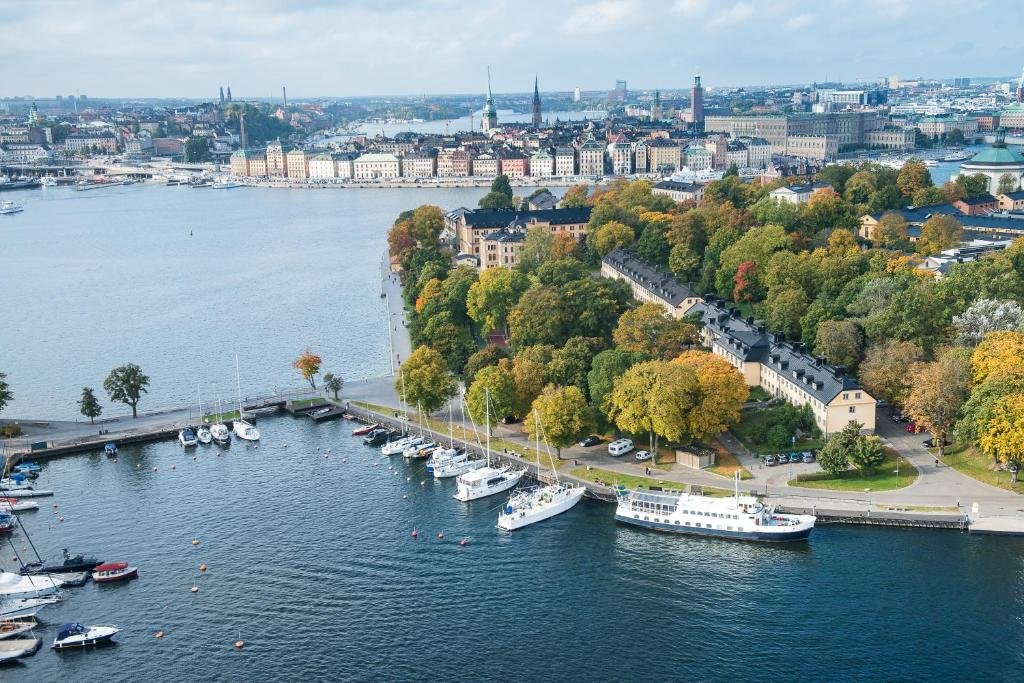
Hotel Skeppsholmen feels like a quietly authoritative retreat built from history rather than styled around it. The property occupies former Royal Marine barracks whose long, restrained neoclassical façades set a calm, classic tone; interiors adopt a modernist restraint that lets the architecture breathe. The result is sophisticated and serene rather than theatrical—soft, considered colors and clean lines support the building’s proportions instead of competing with them. Because the hotel sits on an island, the experience is deliberately separate from Stockholm’s hustle: arriving across water reinforces an intimate, contemplative mood that suits slow mornings and unobtrusive luxury.
Best For
This hotel is best for travelers seeking a quiet, design-minded escape anchored in history. It suits couples on romantic getaways and anniversaries who value peaceful surroundings and architectural character, and it rewards anyone looking for a tranquil weekend escape from the city’s bustle. The island location also appeals to visitors who prefer to be near water without staying in the busiest waterfront districts—guests can enjoy proximity to central Stockholm while returning to a more secluded, measured atmosphere at the end of the day.
Stay Tips
Plan to treat arrival as part of the experience: cross the single bridge to the island and allow time to walk the open courtyards that organize the hotel’s historic buildings. Those courtyards are explicitly described as part of the property and are where the Baltic light arrives in long, low angles, so timing a stroll around golden-hour will reveal the architecture at its most flattering. Because the hotel deliberately treads lightly between old and new, expect a restrained design language—pack accordingly and give priority to exploring the immediate island setting rather than seeking bustling city energy on the property itself.
Venue details
Ambiance
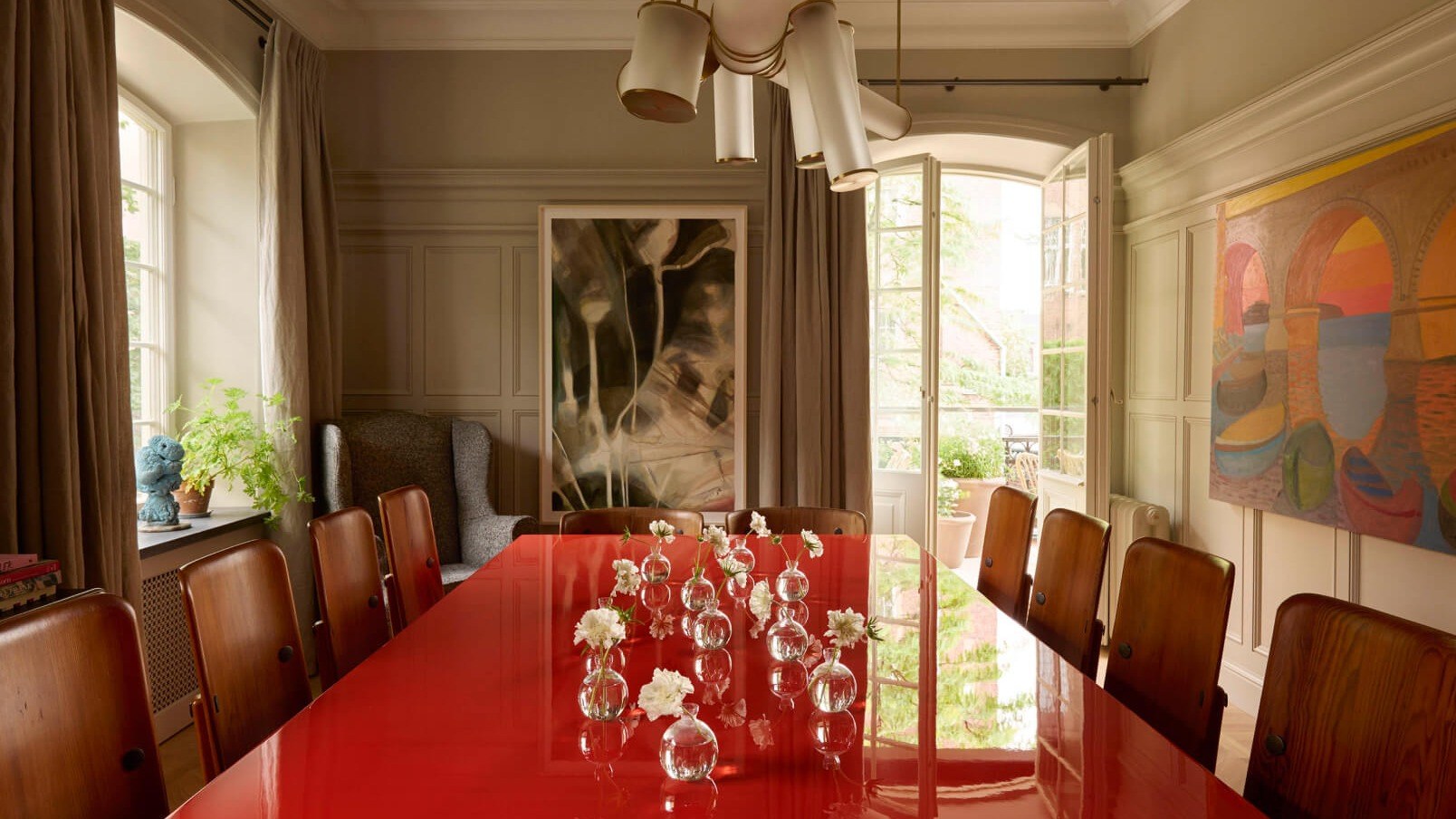
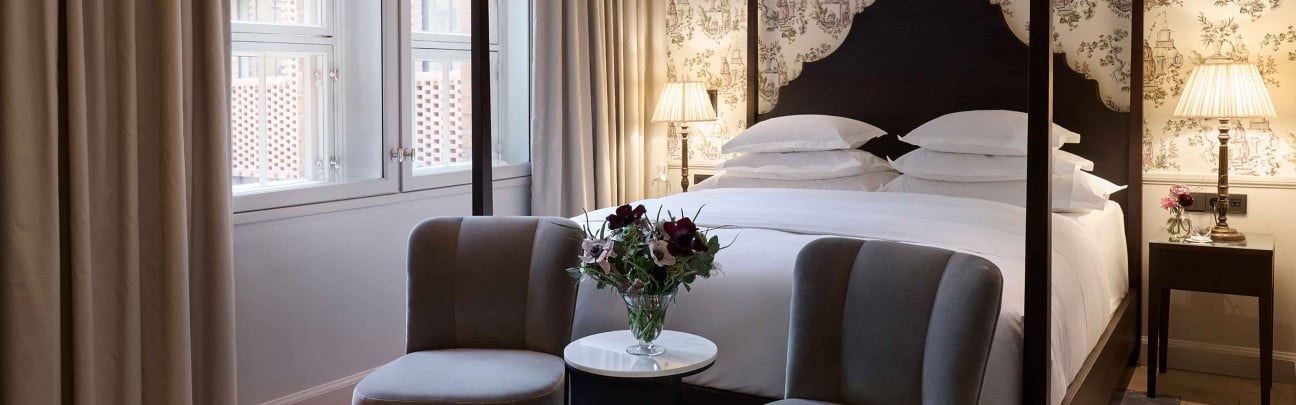
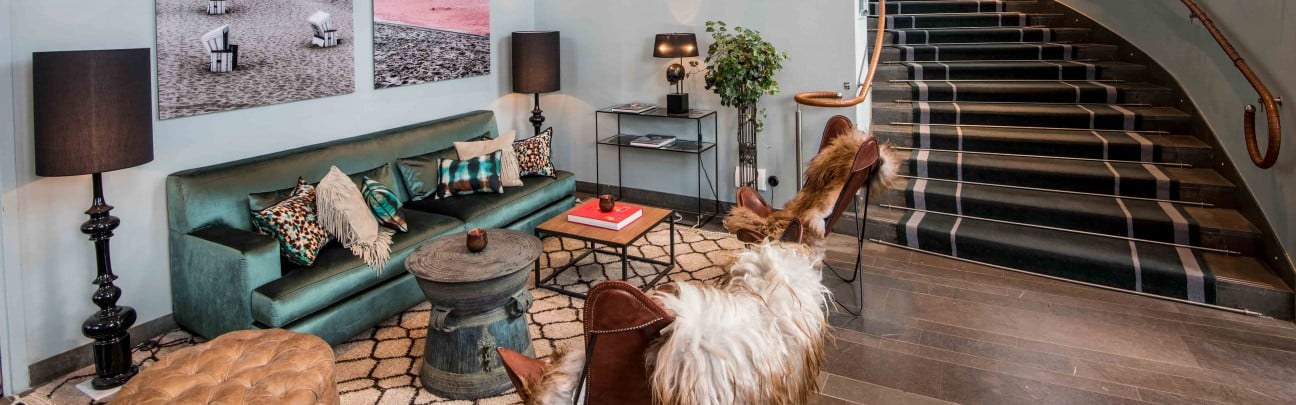
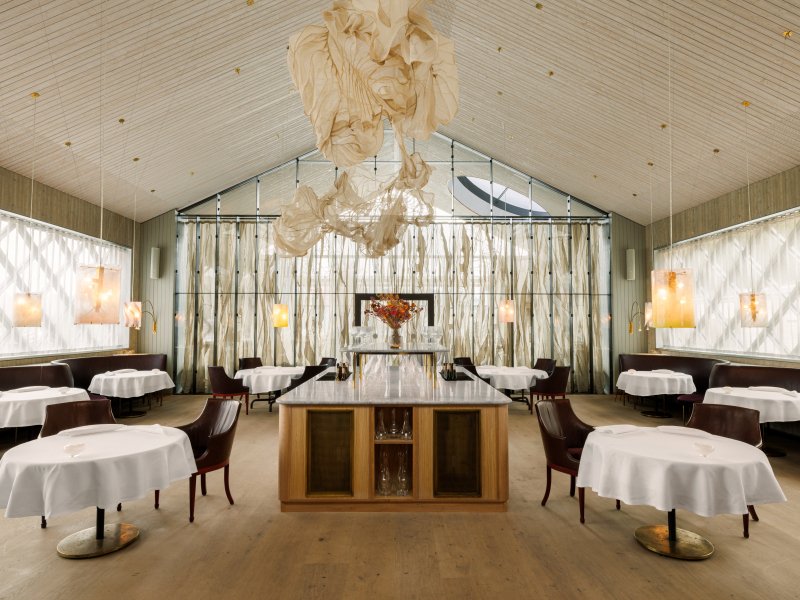
Serene and sophisticated with bright, naturally-lit spaces featuring antique shutters, warm oak furnishings, and a blend of historic charm with modern minimalist design creating a calm, welcoming atmosphere.
Tags
Vibe
Best For
Experience
Amenities
View
Accessibility
About the Stay
- Rooms
- 78
- Check-in
- 14:00
- Check-out
- 12:00
- Property Type
- Design hotel
- Property Style
- Intimate Historic Boutique Hotel Blending 17th Century Architecture with Contemporary Scandinavian Design, Positioned as a Design Forward Urban Retreat.
- Design Style
- Modern Minimalist Scandinavian with Historic Preservation, Featuring Handmade Oak Furnishings, Clean Lines, and a Harmonious Blend of Period Details with Contemporary Amenities.
- Breakfast
- Included
- Pets
- Allowed
- Families
- Welcome
- Cancellation
- Moderate
Know before you go
Know Before You Go
- Getting there
- Gröna Gången, 1, Stockholm 111 86, Sweden
Planning details
Location
Gröna Gången, 1, Stockholm 111 86, Sweden · Directions
Recognition and awards

Also consider
Also Consider
- Backstage Hotel Stockholm, Notable alternative
- Hôtel Reisen, part of The Unbound Collection by Hyatt, Notable alternative
- Lydmar Hotel, Notable alternative
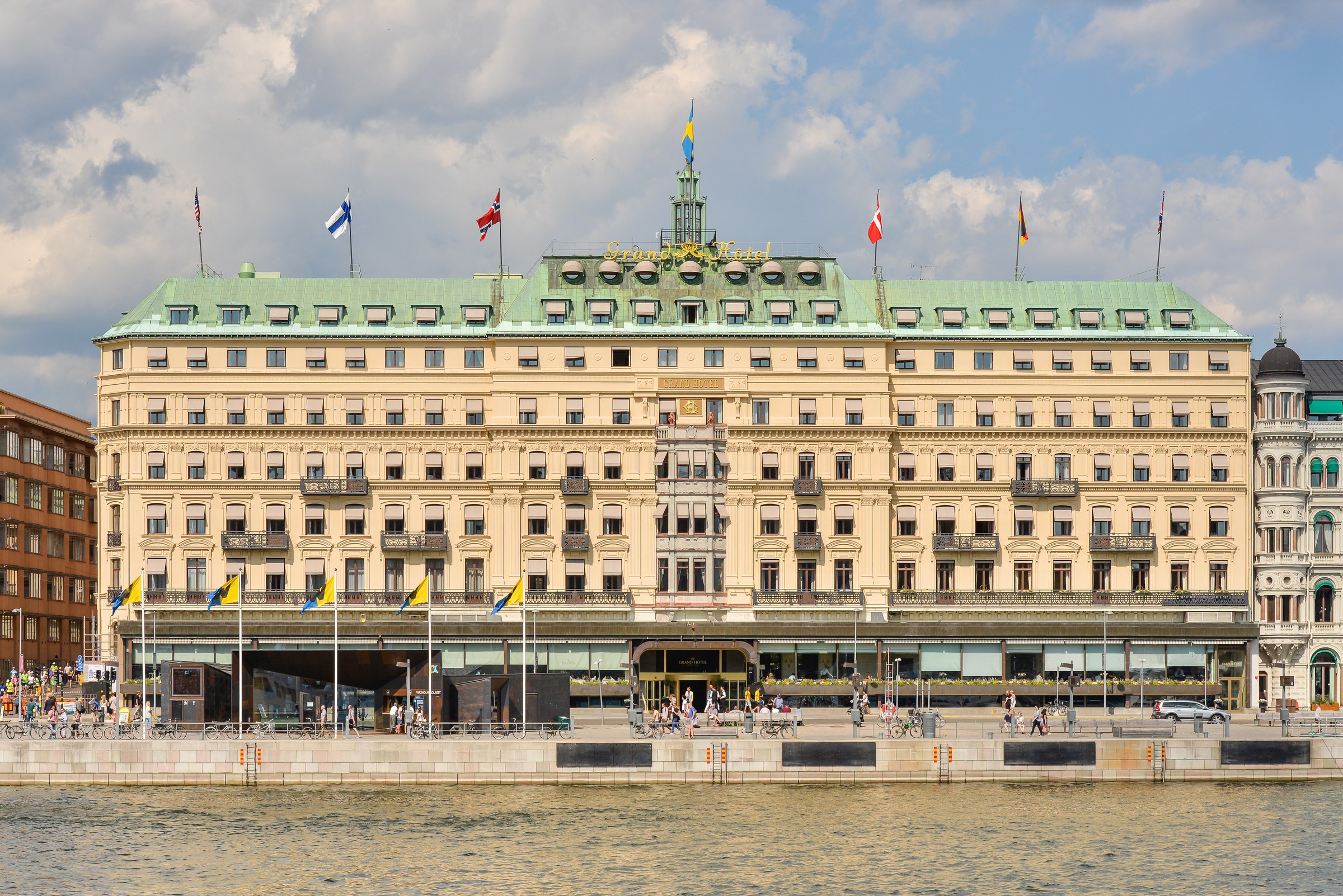
- Grand Hôtel Stockholm, Notable alternative
- Hotel Diplomat, Notable alternative
Hotel context
How it compares in Stockholm
Hotel Skeppsholmen is the calmer, design-first choice in this set. Grand Hôtel Stockholm is the stronger fit for travelers who want classic luxury cues and deeper service infrastructure, while Hotel Diplomat makes more sense for guests who want a polished city-hotel feel closer to Stockholm's central hotel rhythm.
Lydmar Hotel is the better cross-shop for a more social, personality-forward stay. Pick Hotel Skeppsholmen when lower-key ambiance matters more than lobby energy. Backstage Hotel Stockholm is the entertainment-leaning alternative; it is a better match for guests who want the hotel to plug into that part of the city rather than provide a quieter reset.
For booking friction, Hotel Skeppsholmen has the advantage: easy booking makes it a practical fallback when the central luxury names are expensive or unavailable. It is not the splurge play in this comparison; it is the sensible pick for value-minded travelers who still want design recognition and a calmer Stockholm stay.
Explore Stockholm
Around this place
Discover more on Pearl
Unlock the full Hotel Skeppsholmen guide in Pearl, including awards, comparisons, FAQs, planning details, and nearby places.
Compare Hotel Skeppsholmen
| Venue | Location | Awards |
|---|---|---|
| Hotel Skeppsholmen | Stockholm | 2026 Design Hotels Collection2026 White Guide Sweden Hotels - Exceptional Level2025 Michelin Selected Hotels |
| Backstage Hotel Stockholm | Stockholm | 2026 Mr & Mrs Smith Luxury Hotels2026 White Guide Sweden Hotels - Very Fine Level2025 Michelin Selected HotelsPreferred Hotels Member 2025 |
| Hôtel Reisen, part of The Unbound Collection by Hyatt | Stockholm | No published awards |
| Lydmar Hotel | Stockholm | Star Wine Lists 20262026 Virtuoso Luxury Hotel Collection2026 Mr & Mrs Smith Luxury Hotels2026 White Guide Sweden Hotels - Global Exceptional Level2026 Michelin 1 Key2025 Michelin 1 KeySmall Luxury Hotels Member 2025 |
| Grand Hôtel Stockholm | Stockholm | Star Wine Lists 2026 · #12026 Virtuoso Luxury Hotel Collection2026 Forbes Recommended2026 White Guide Sweden Hotels - Global Exceptional LevelLeading Hotels of the World 2026Conde Nast Gold List 20262026 Michelin 2 Keys2025 Michelin 2 Keys2025 Forbes Recommended |
| Hotel Diplomat | Stockholm | 2026 White Guide Sweden Hotels - Exceptional Level2025 Michelin Selected HotelsPreferred Hotels L.V.X. Collection 2025 |










How Hotel Skeppsholmen Stockholm compares with similar nearby venues.
FAQ
Frequently Asked Questions
How is the location of Hotel Skeppsholmen?
Hotel Skeppsholmen is in Stockholm. No more specific location detail is available, so confirm the exact setting and access needs before booking.
How does Hotel Skeppsholmen compare to other Stockholm hotels?
Compare Hotel Skeppsholmen with Lydmar Hotel, Grand Hôtel Stockholm, Hotel Diplomat, Backstage Hotel Stockholm, and Hôtel Reisen, part of The Unbound Collection by Hyatt. Hotel Skeppsholmen's attributes include its 2026 Design Hotels membership, 2025 MICHELIN Guide hotel selection, and smart-casual dress code.
How is the pool and spa at Hotel Skeppsholmen?
When is the best time to book Hotel Skeppsholmen?
Booking window or demand patterns are not available. Book according to your travel dates, cancellation needs, and current availability.
Do loyalty programs work at Hotel Skeppsholmen?
How is the dining at Hotel Skeppsholmen?
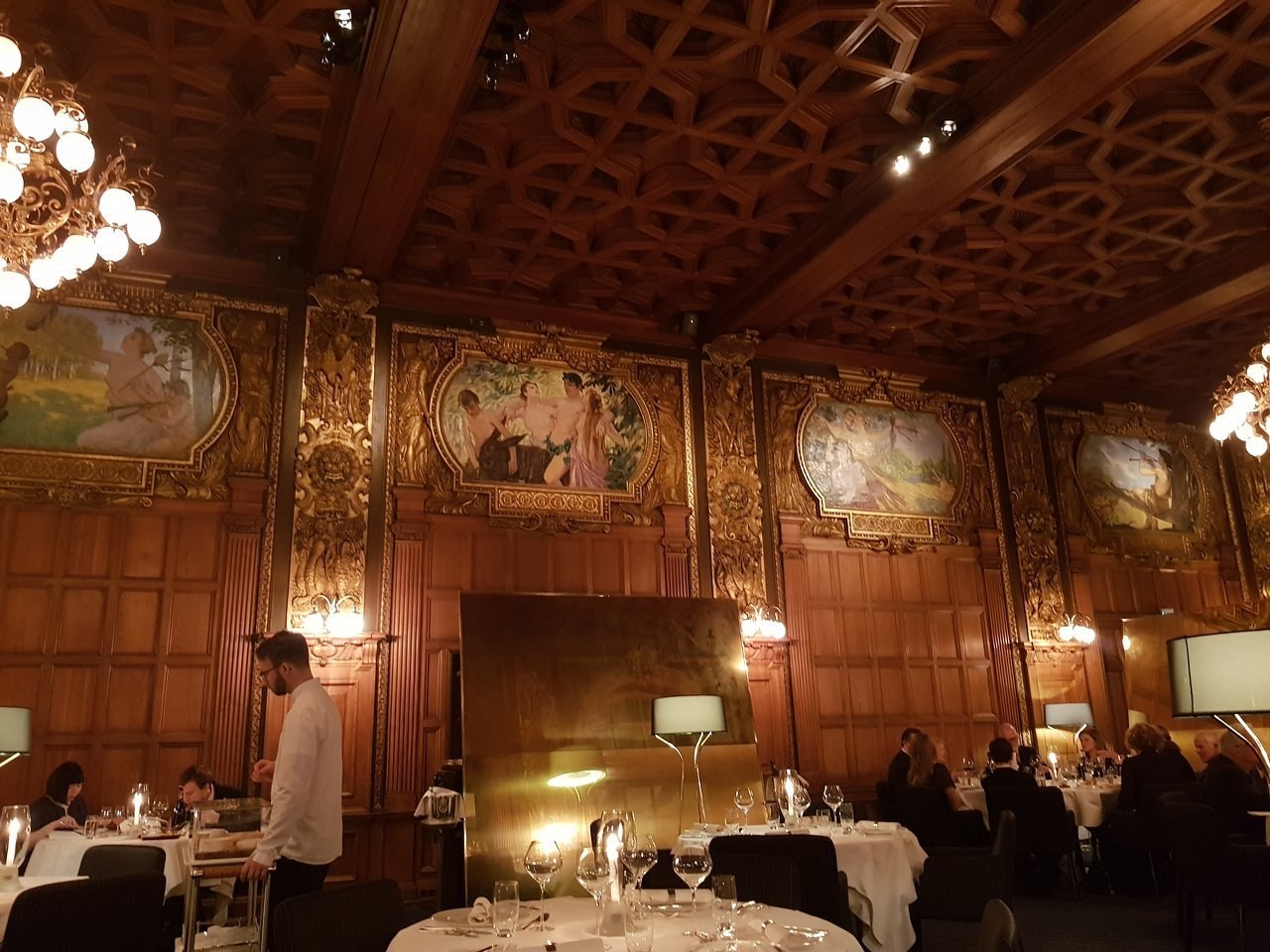
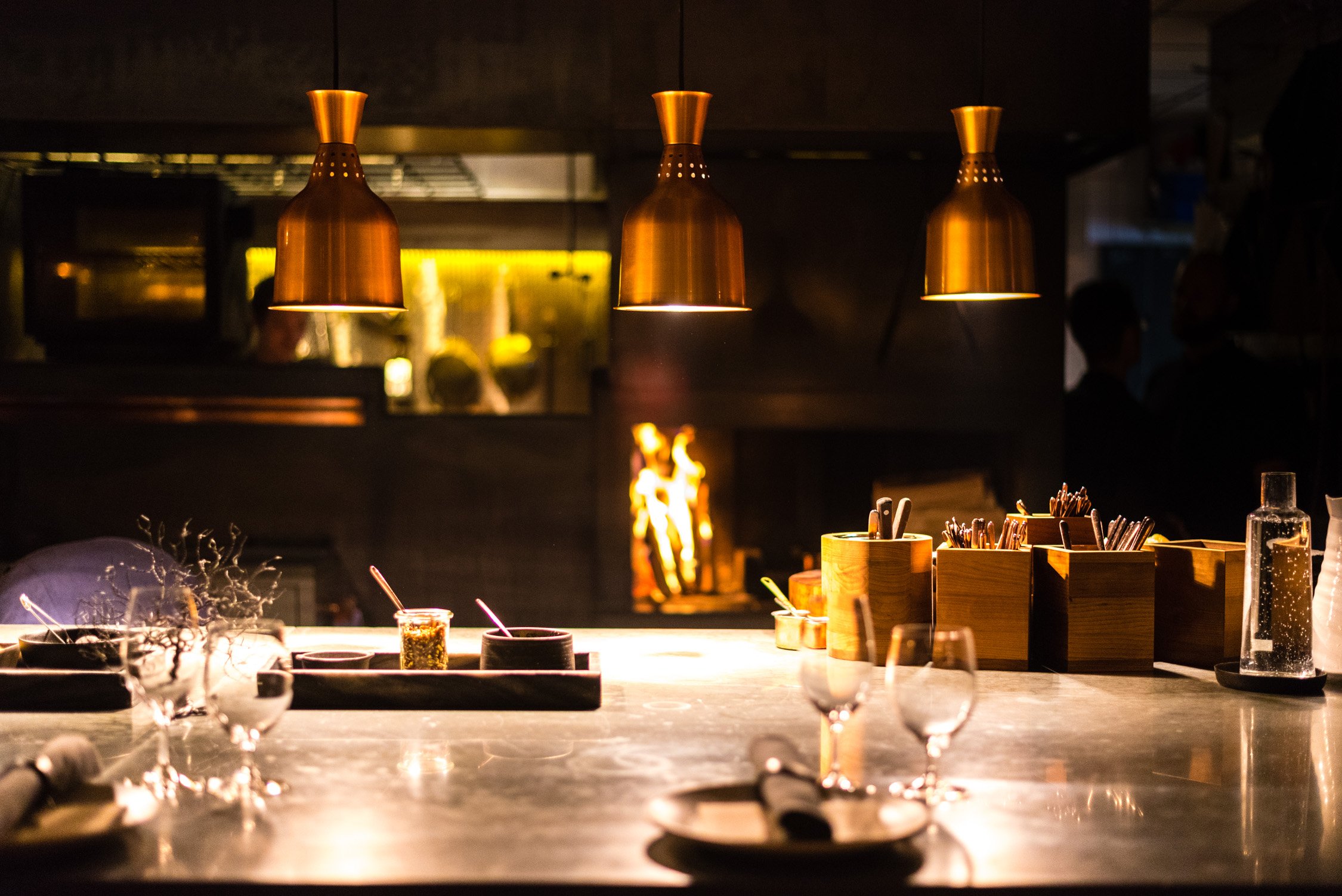
Details about cuisine type, restaurant format, chef, bar program, or dining schedule are not available. Hotel Skeppsholmen has hotel recognition, and verify dining details directly if they are central to the trip.