
The Lodge on Little St. Simons Island
Little St. Simons Island, St. Simons Island
Hotel in St. Simons Island, United States
 Book with Pearl
The Read
Barrier Island Exclusivity
Why go
A strong choice for families who want a quieter Georgia coast stay centered on setting rather than resort bustle. The Lodge on Little St. Simons Island is easier to recommend for nature-led trips, older kids, and multigenerational downtime than for business travel or spa-first weekends. La Liste Top Hotels recognition in 2026 adds credibility, but the fit matters more than the badge.
About The Lodge on Little St. Simons Island
The Lodge on Little St. Simons Island is a St. Simons Island venue with a casual dress code and La Liste Top Hotels (2026) recognition at 97 points. Beyond those points, details on room categories, dining format, amenities, services, prices, hours, or family programming are not available.
If you are comparing stays in and around St. Simons Island, the most reliable signal is the La Liste Top Hotels recognition; the practical next step is to confirm the specific room, meal, amenity, and access details directly before booking.
Choose it for a St. Simons Island hotel option, with details to confirm
The Lodge on Little St. Simons Island belongs in a premium St. Simons Island shortlist because it has a La Liste Top Hotels (2026) score of 97 points. That recognition supports taking the property seriously, but it should not be stretched into claims about service style, facilities, activities, or dining.
For travelers deciding between this property and other regional options, compare the basics first: location, recognition, and dress code. The dress code is casual. For anything more specific, including room layout, meals, transportation, pool, spa, or family logistics, confirm with the property before treating it as part of the stay.
The strongest reason to consider it is recognition
The clearest trust signal is La Liste Top Hotels (2026): 97 points. That is the main grounded reason to include The Lodge on Little St. Simons Island in a premium hotel search for St. Simons Island.
Details on booking difficulty, price, service format, dining specifics, amenities, or guest programming are not available. If those factors are central to the trip, compare The Lodge on Little St. Simons Island with options such as The Cloister, The Lodge at Sea Island, Bellwether House, Hotel Bardo Savannah, or The Ritz-Carlton, Amelia Island, and confirm the practical details directly.
The short version: consider The Lodge on Little St. Simons Island for its St. Simons Island location, casual dress code, and La Liste Top Hotels recognition; confirm all operational details before booking.
Planning details
- Location
- 1000 Hampton River Club Marina Dr, St Simons Island, GA 31522
- Website
- littlestsimonsisland.com
- Phone
- +1 912-638-7472
The take
The Take
The Vibe
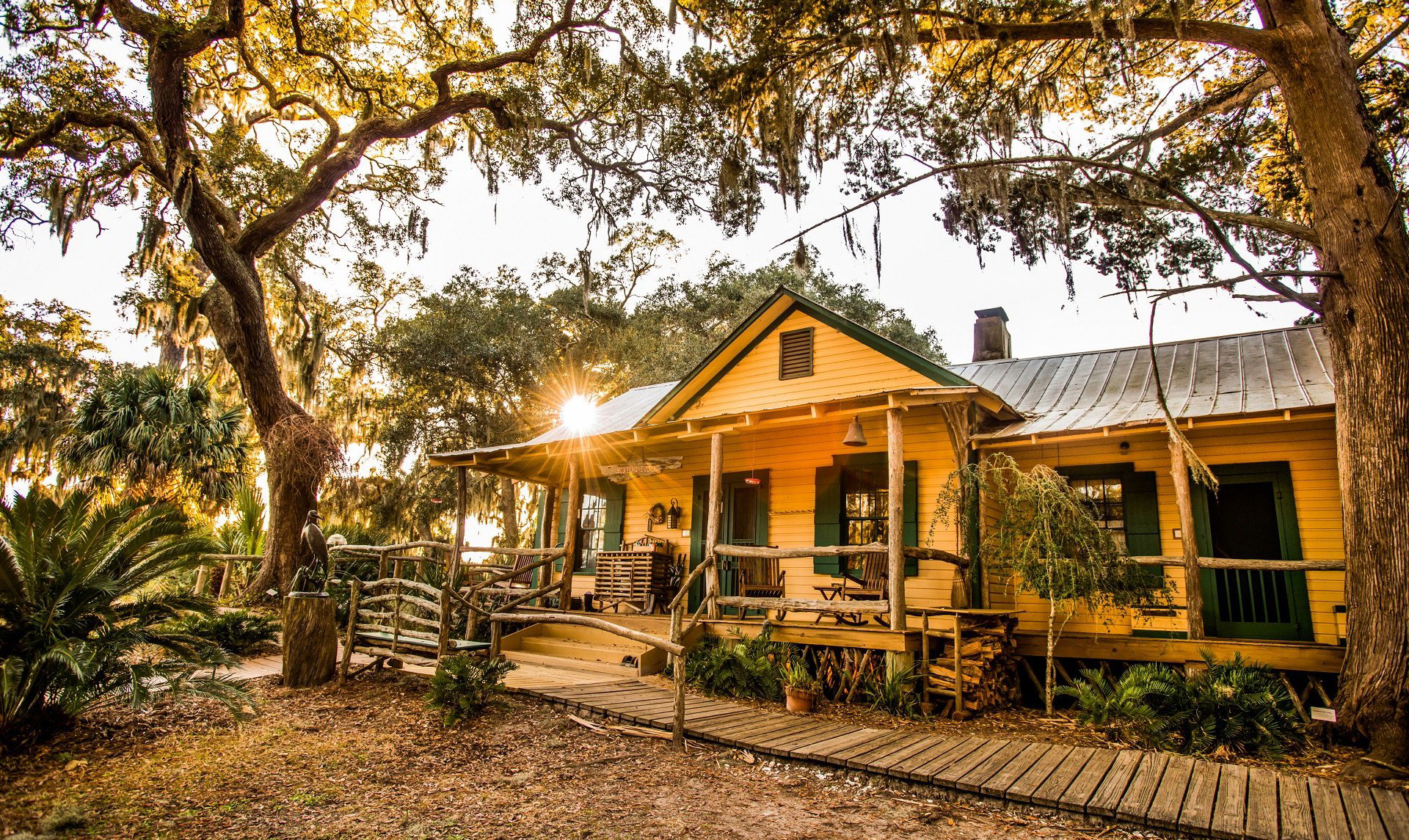
The Lodge on Little St. Simons Island reads as a study in restraint. Rather than layering modern design theatrics onto an already powerful landscape, the property leans into a historic Low Country idiom: the main lodge dates to 1917 and the built environment has been defined more by what has not been added than by new interventions. That approach, combined with the island’s private 11,000-acre scale and minimal guest numbers, produces a quietly historic, contemplative atmosphere. Visitors experience an understated charm — the sense of moving through a working island property rather than a manicured resort — that feels timeless and serene.
Best For
This is a destination for people who prioritize wilderness, solitude and historic character over urban amenities. The island’s private scale and very small guest numbers make it well suited to couples seeking a secluded escape, solo travelers looking for uninterrupted nature time, and small groups focused on outdoor exploration. The setting is also a draw for guests who want to be adjacent to marshes, maritime forest and tidal waters rather than a developed beachfront scene. Because access and the property’s ethos favor low-impact experiences, it appeals to visitors who value preservation and quiet immersion in place.
Stay Tips
Note the fundamentals the description makes plain: Little St. Simons Island is a privately held barrier island reachable only by boat across the Hampton River, and the lodge intentionally keeps guest numbers low. Accommodations are distributed across several buildings, preserving a sense of moving through an operational island property rather than a single resort complex. Those facts shape the visit: arrival and departure are waterborne, services and circulation reflect a historic, low-intervention vernacular, and the overall pace is measured and quiet—expect an experience defined by the island itself rather than by added frills.
Venue details
Ambiance
Rustic yet comfortable with natural light, antique furnishings, fireplaces, screened porches overlooking marshes, and a serene wilderness atmosphere.
Tags
Vibe
Best For
Experience
Amenities
View
Accessibility
About the Stay
- Rooms
- 16
- Check-in
- 16:00
- Check-out
- 10:00
- Property Style
- Historic Cottages Nestled in Wilderness with Modern Comforts
- Design Style
- Rustic with Antique Wood Furnishings and Coastal Charm
Know before you go
Know Before You Go
- Getting there
- 1000 Hampton River Club Marina Dr, St Simons Island, GA 31522
Planning details
Location
1000 Hampton River Club Marina Dr, St Simons Island, GA 31522 · Directions
Recognition and awards

Also consider
Also Consider
- The Cloister, Notable alternative
- The Lodge at Sea Island, Notable alternative
- The Ritz-Carlton, Amelia Island, Notable alternative
- Hotel Bardo Savannah, Notable alternative
- Bellwether House, Notable alternative
Hotel context
How it compares with nearby coastal hotels
The Cloister and The Lodge at Sea Island are the safer choices if the group wants a more conventional luxury-resort rhythm, with a clearer sense of polish, service infrastructure, and social energy. The Lodge on Little St. Simons Island is the better call when ambiance matters more than amenity breadth: quieter, more nature-led, and better suited to families that do not need constant resort programming.
The Ritz-Carlton, Amelia Island is the easier cross-shop for travelers who want a known luxury flag and a more predictable beach-resort experience. Choose it for business-adjacent trips, spa-focused weekends, or groups that want fewer unknowns. Choose Little St. Simons when the point of the trip is separation from the mainland pattern and a slower coastal setting.
Hotel Bardo Savannah and Bellwether House make more sense for travelers who want a city stay with restaurants, walking, and easier evening plans. They are stronger for adults-only weekends or culture-heavy itineraries. For a family reset built around quiet, outdoor time, and an easier booking profile, The Lodge on Little St. Simons Island is the more specific choice.
Explore St. Simons Island
Around this place
Discover more on Pearl
Unlock the full The Lodge on Little St. Simons Island guide in Pearl, including awards, comparisons, FAQs, planning details, and nearby places.
Compare The Lodge on Little St. Simons Island
| Venue | Location | Awards |
|---|---|---|
| The Lodge on Little St. Simons Island | St. Simons Island | 2026 La Liste Top Hotels |
| The Cloister | Sea Island | 2026 Forbes 5-Star2026 La Liste Top Hotels2025 Forbes 5-Star2025 AAA 5 Diamond Hotel |
| The Lodge at Sea Island | Sea Island | 2026 Virtuoso Luxury Hotel Collection2026 Forbes 5-Star2026 La Liste Top Hotels2025 AAA 5 Diamond Hotel2025 Forbes 5-Star |
| The Ritz-Carlton, Amelia Island | Amelia Island | 2026 Virtuoso Luxury Hotel Collection2026 Forbes 4-Star2026 La Liste Top Hotels2025 Forbes 4-Star2025 AAA 5 Diamond Hotel |
| Hotel Bardo Savannah | Savannah | 100 Most Incredible Hotels in the World · 20262026 Virtuoso Luxury Hotel CollectionLeading Hotels of the World 20262026 Michelin 1 Key2025 Esquire Best New Hotels2025 Michelin 1 Key2024 Michelin 1 Key |
| Bellwether House | Savannah | 2026 Michelin 1 Key2025 Michelin 1 Key2024 Michelin 1 Key |








How The Lodge on Little St. Simons Island compares with similar nearby venues.
FAQ
Frequently Asked Questions
How does The Lodge on Little St. Simons Island compare to regional hotels?
The Lodge on Little St. Simons Island has a La Liste Top Hotels (2026) score of 97 points and a casual dress code. For a broader comparison, look at The Cloister and The Lodge at Sea Island for other regional options, or Hotel Bardo Savannah and Bellwether House if you are considering Savannah. The Ritz-Carlton, Amelia Island is another regional comparison point.
Which room category is best at The Lodge on Little St. Simons Island?
Room-category details for The Lodge on Little St. Simons Island are not available. Confirm room types, layouts, views, and occupancy directly before booking. If room choice is a major part of the decision, compare with another option such as The Cloister.
How is the location of The Lodge on Little St. Simons Island?
The location is St. Simons Island. A street address or neighborhood detail is not available, so confirm arrival logistics directly with the property before booking.
Is The Lodge on Little St. Simons Island good for business travel?
Business-travel details for The Lodge on Little St. Simons Island, such as meeting facilities, workspaces, or transportation logistics, are not available. If business convenience is the priority, confirm those specifics directly and compare with another option such as Hotel Bardo Savannah.
Is The Lodge on Little St. Simons Island family-friendly?
Family-programming, room-capacity, childcare, or activity details for The Lodge on Little St. Simons Island are not available. Families should confirm the practical requirements directly before booking. For another regional comparison, consider The Cloister.
How is the dining at The Lodge on Little St. Simons Island?
Dining details for The Lodge on Little St. Simons Island, including cuisine, meal periods, menu format, or pricing, are not available. The dress code is casual, and the hotel recognition is La Liste Top Hotels (2026): 97 points. Confirm current dining arrangements directly before booking.
How is the pool and spa at The Lodge on Little St. Simons Island?
Pool or spa details for The Lodge on Little St. Simons Island are not available. If those amenities are important, confirm directly with the property and compare with another regional option such as The Ritz-Carlton, Amelia Island.