



Zannier Phum Baitang
near Siem Reap, Siem Reap
Hotel in Siem Reap, Cambodia
 Book with Pearl
The Read
Stilted Village Immersion
Why go
Book Zannier Phum Baitang if the hotel is meant to be a major part of the Siem Reap trip, not just a base for Angkor. It is the stronger choice for a retreat-led stay with serious recognition; travelers prioritizing city access, loyalty perks, or easier availability should compare Park Hyatt Siem Reap and Anantara Angkor Resort first.
About Zannier Phum Baitang
Zannier Phum Baitang is a Siem Reap stay with a clearly documented recognition profile: Michelin 2 Keys (2025), La Liste Top Hotels (2026) with 93 points, Forbes 4-Star (2025), and the Mr & Mrs Smith Seal of Approval (2026). For planning purposes, those confirmed signals are the strongest grounded reasons to keep it on a premium short list, especially when you want the first stage of hotel research to rest on verifiable outside recognition rather than loose impressions or unconfirmed descriptions.
The practical detail is limited: the dress code is smart casual. That tells you something about the expected tone of the stay, but it does not, by itself, establish the full on-property experience. Specific claims about room categories, rates, dining, facilities, transfers, service format, or exact location details should be confirmed directly before booking, because they are not part of the record here. In other words, the hotel is easy to justify as a candidate, but the finer booking decision still needs a direct check against your own itinerary and priorities.
Book it for a recognized Siem Reap stay
The main reason to prioritize Zannier Phum Baitang is its confirmed awards and recognition. Michelin 2 Keys (2025), Forbes 4-Star (2025), La Liste Top Hotels (2026) at 93 points, and the Mr & Mrs Smith Seal of Approval (2026) place it among Siem Reap options with notable third-party recognition. Taken together, these markers create a strong paper trail for travelers who prefer to begin with vetted properties, particularly in a market where polished descriptions can otherwise make many upscale stays sound similar.
Because the available information is narrow, the best booking approach is to use the confirmed accolades as a starting point, then check the current offer directly for the details that matter to your trip. Confirm room type, inclusions, timing, and any on-property arrangements before treating it as the right fit. That step matters because recognition can indicate overall standing, but it does not replace the practical questions that determine whether a stay works for a specific traveler, schedule, or budget. Treat the awards as a reason to investigate further, not as a substitute for checking the exact booking conditions in front of you.
Where it sits against Siem Reap alternatives
If you are comparing premium stays in Siem Reap, consider Zannier Phum Baitang alongside Anantara Angkor Resort, Park Hyatt Siem Reap, Anjali By Syphon, Rambutan Hotel & Resort - Siem Reap, and Sokhalay Angkor Villa Resort. The cleanest distinction available from the record is that Zannier Phum Baitang has the confirmed recognition profile noted above. That does not automatically settle every comparison, but it does give the property a clear, documented basis for inclusion when you are narrowing a longer list to a more serious set of options.
Booking strategy should follow what is actually confirmed. If awards and recognition are central to the decision, Zannier Phum Baitang belongs high on the Siem Reap short list. If you need specific details about location convenience, room layout, dining, loyalty benefits, or services, verify those directly and compare with other Siem Reap stays before locking in. For broader planning, pair the hotel search with Siem Reap restaurants, Siem Reap bars, and Siem Reap experiences so the lodging choice matches the rest of the trip. That wider comparison is useful because a hotel can be well recognized and still need to fit the rhythm of your days, the way you plan to move around, and the level of certainty you want before committing.
Planning details
- Location
- Neelka Way, Krong Siem Reap 171202
- Website
- zannierhotels.com/phumbaitang
- Phone
- +855 63 961 111
The take
The Take
The Vibe
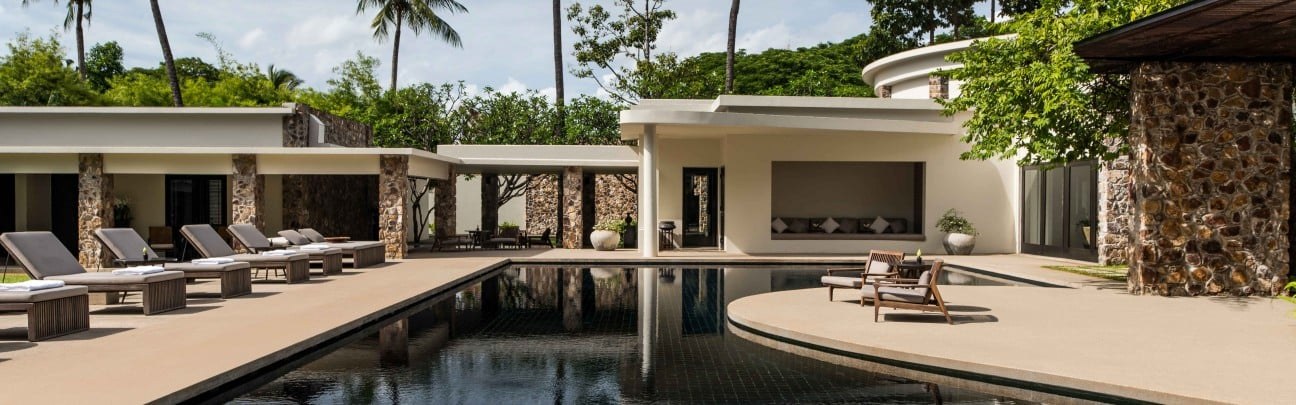
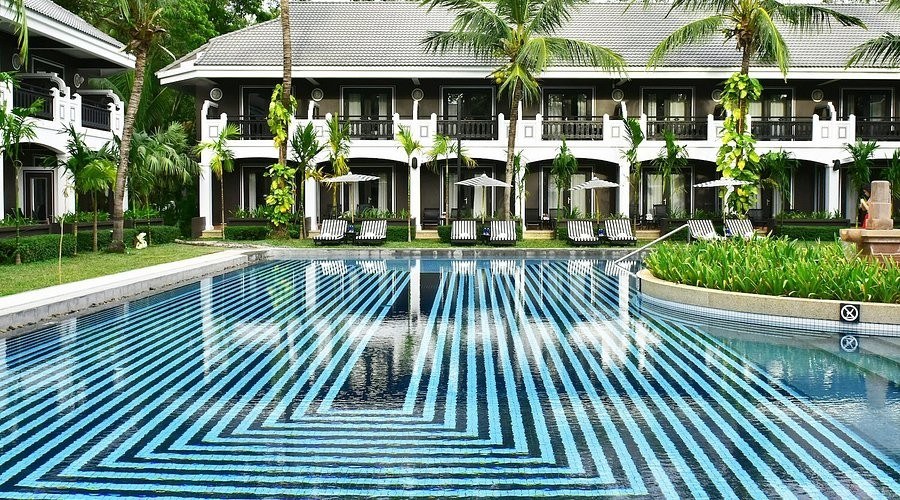
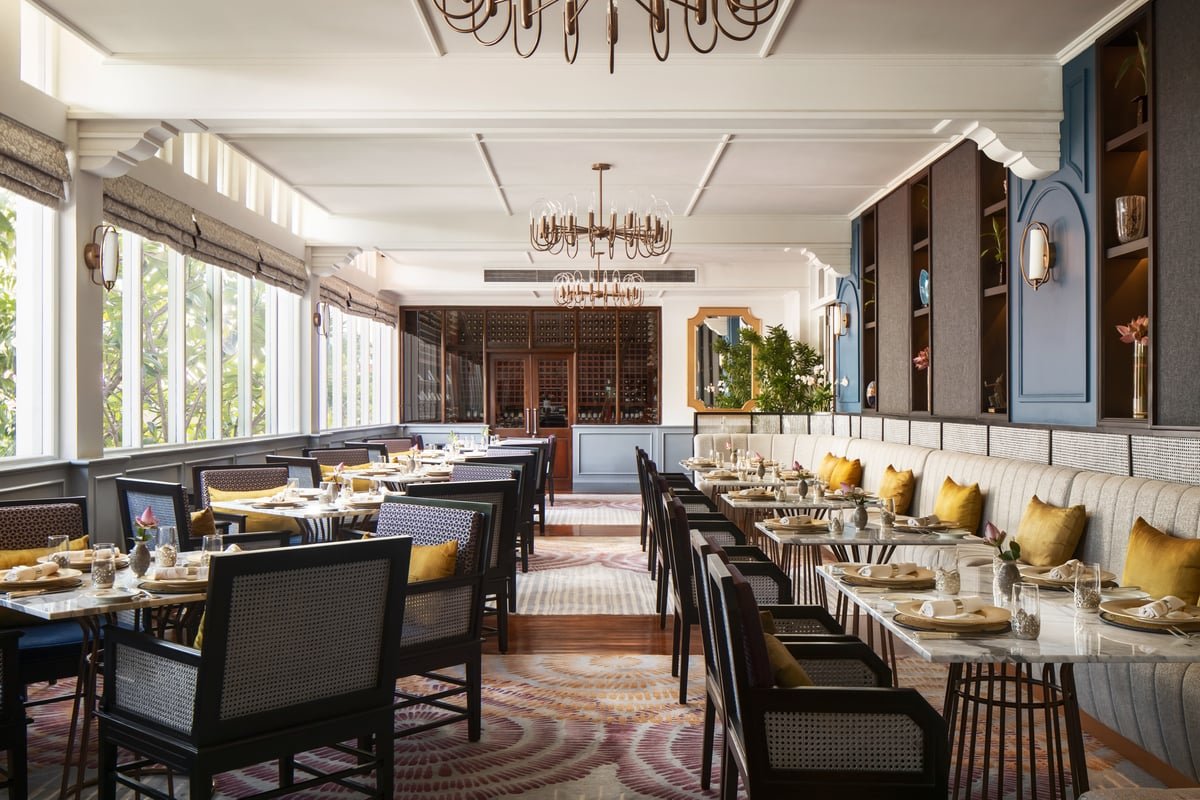
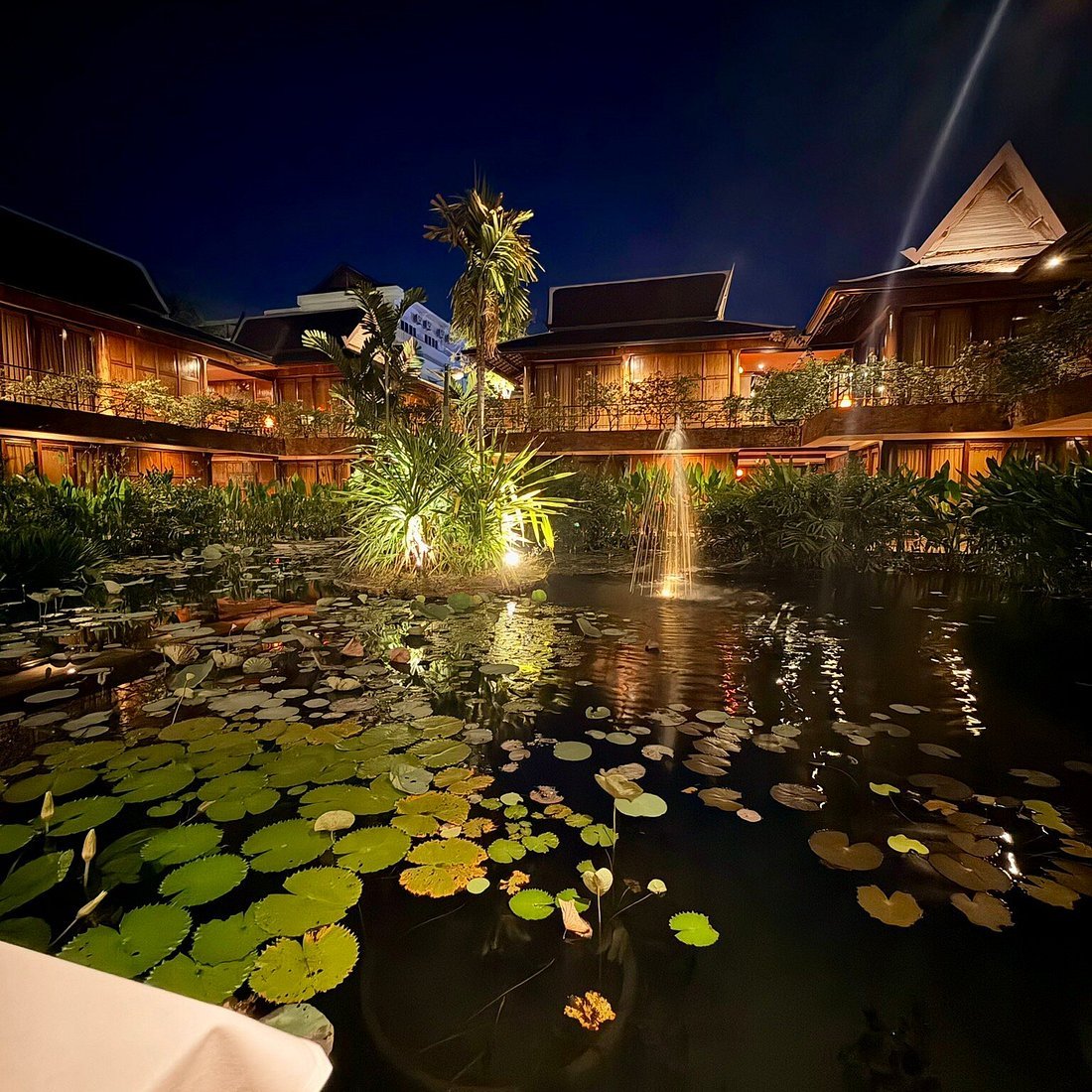
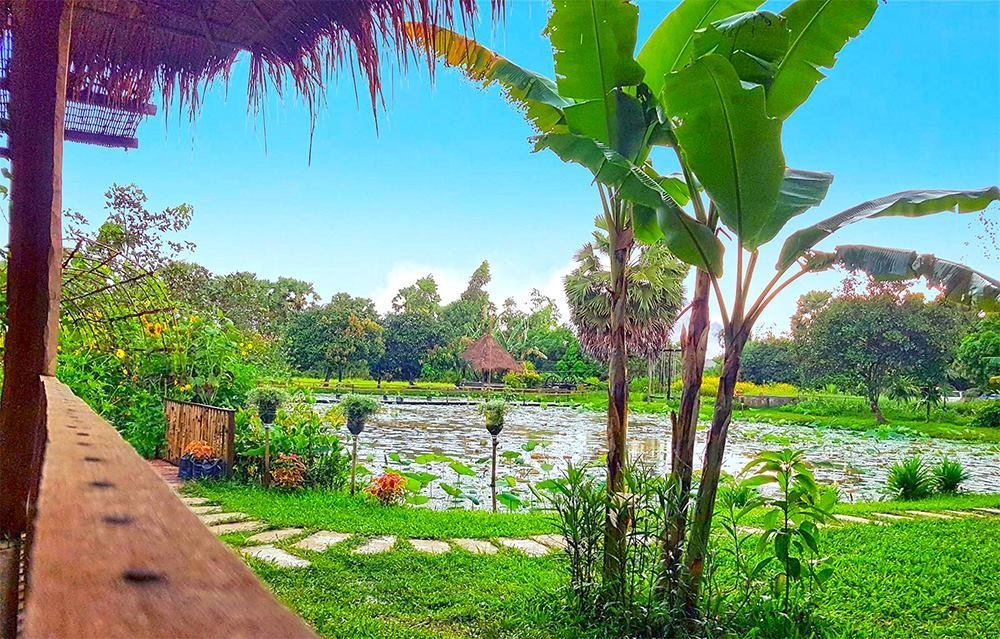
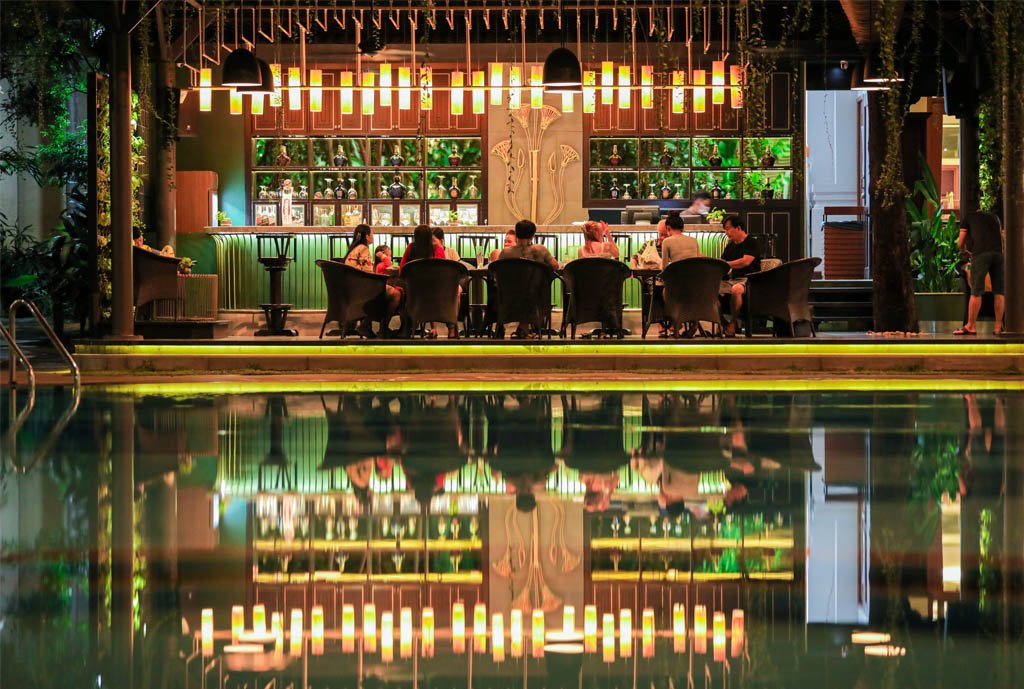
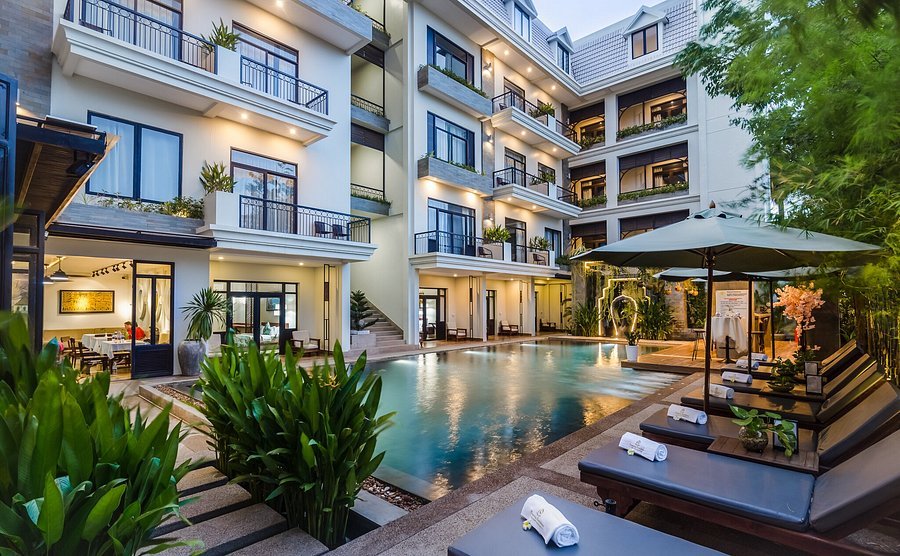
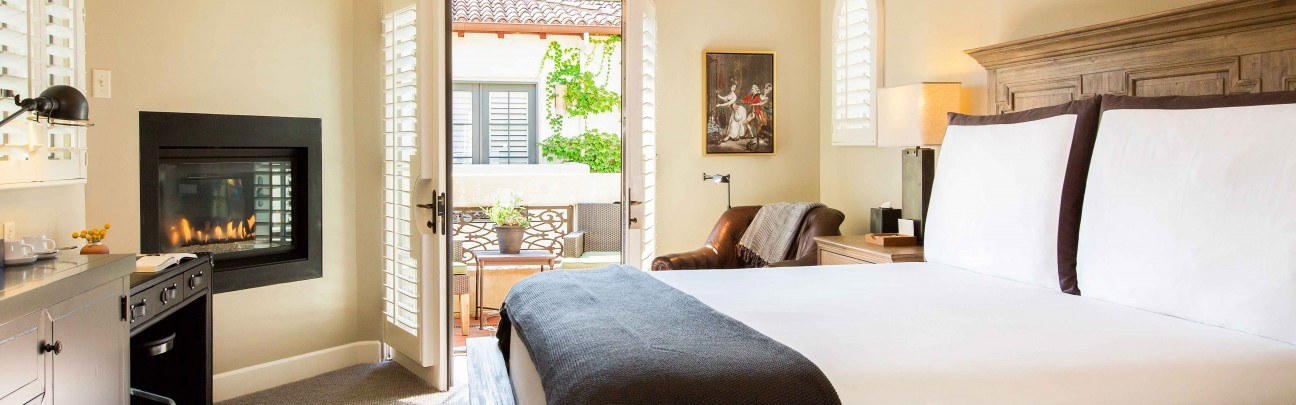
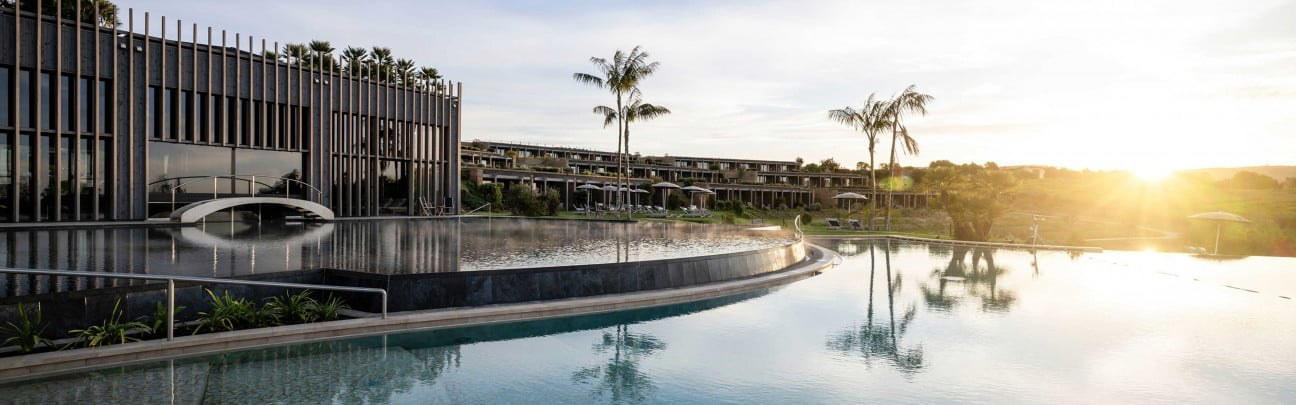
Zannier Phum Baitang reads like a carefully composed rural village rather than a conventional luxury resort. The property places 45 thatched, stilted villas across landscaped grounds and frames views of paddy fields and towering palms, creating a quietly charming environment. Design cues from Arnaud Zannier and AW² blend traditional Cambodian vernacular with first-rate materials—aged wood, smooth stone and open-plan volumes—that prioritize air flow and privacy. The central pool mirrors the canopy above, reinforcing a sense of calm and seclusion. Overall the hotel balances considered, high-end finishes with a deliberately village-like layout to feel both intimate and serene.
Best For
This is a fit-for-purpose base for travelers who want to be near Angkor Wat without staying on the busy resort strip. Guests drawn to temples, markets and the particular quality of light over rice fields at dusk find a quietly scenic retreat here. The layout and privacy of individual villas make the property especially appealing for couples on honeymoon or anniversary trips and for small wellness-focused getaways that prize calm surroundings and seclusion. It also suits travelers who prefer a design-led, place-aware alternative to international chain hotels.
Stay Tips
Book one of the villas to secure the full sense of privacy and village atmosphere that defines the property; rooms are arranged as individual stilted villas across landscaped grounds. Plan time around dusk to appreciate the noted quality of light over the rice fields—an especially striking moment from the grounds and the central pool. Because the hotel positions itself slightly outside the hotel density of Siem Reap, treat it as a quiet, standalone retreat: arrive prepared to unwind on the grounds and enjoy the rural setting rather than the bustle of the town center.
Venue details
Ambiance
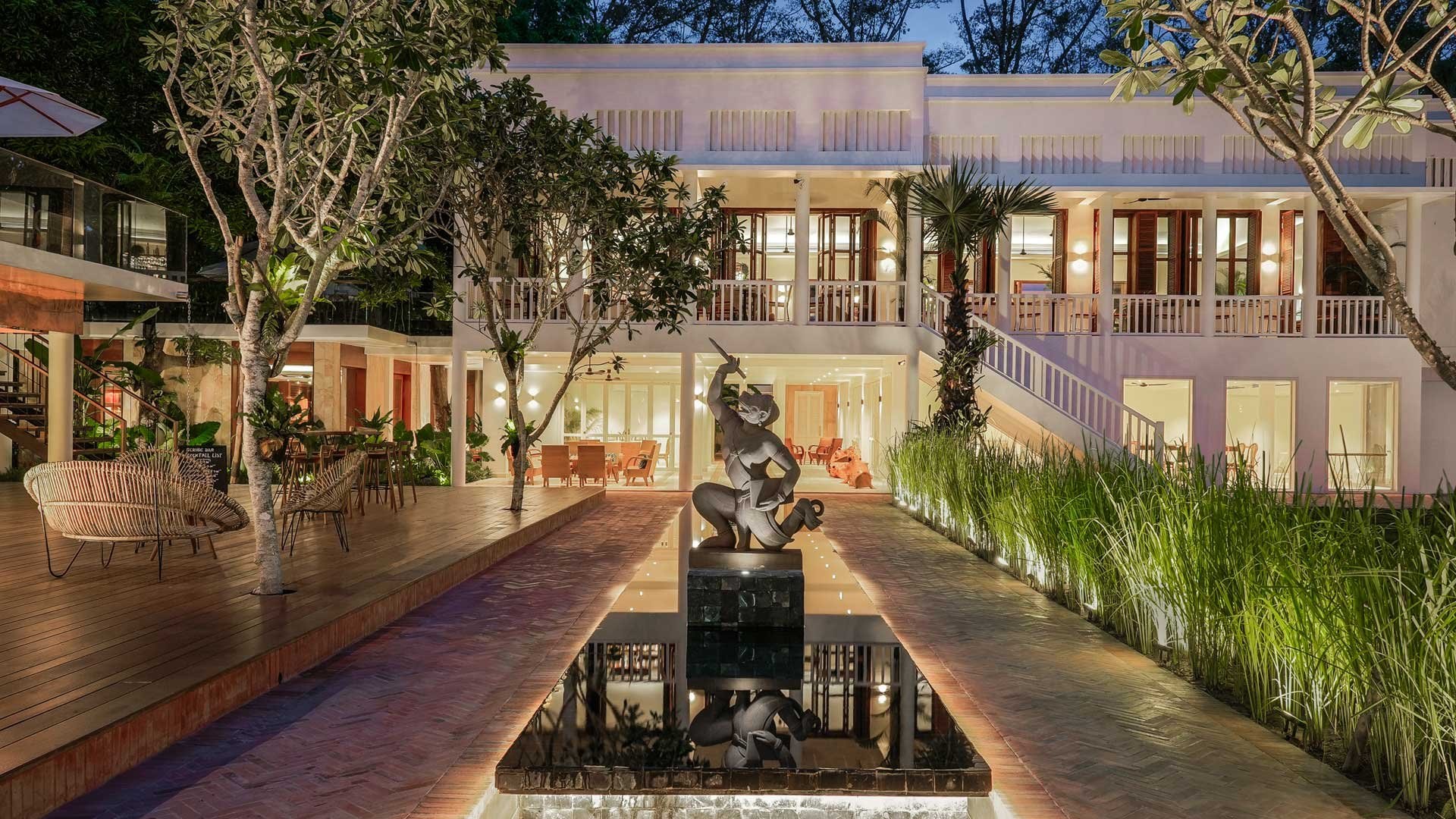
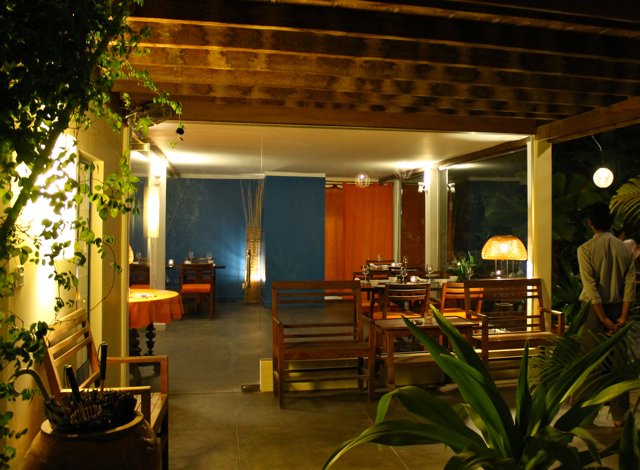
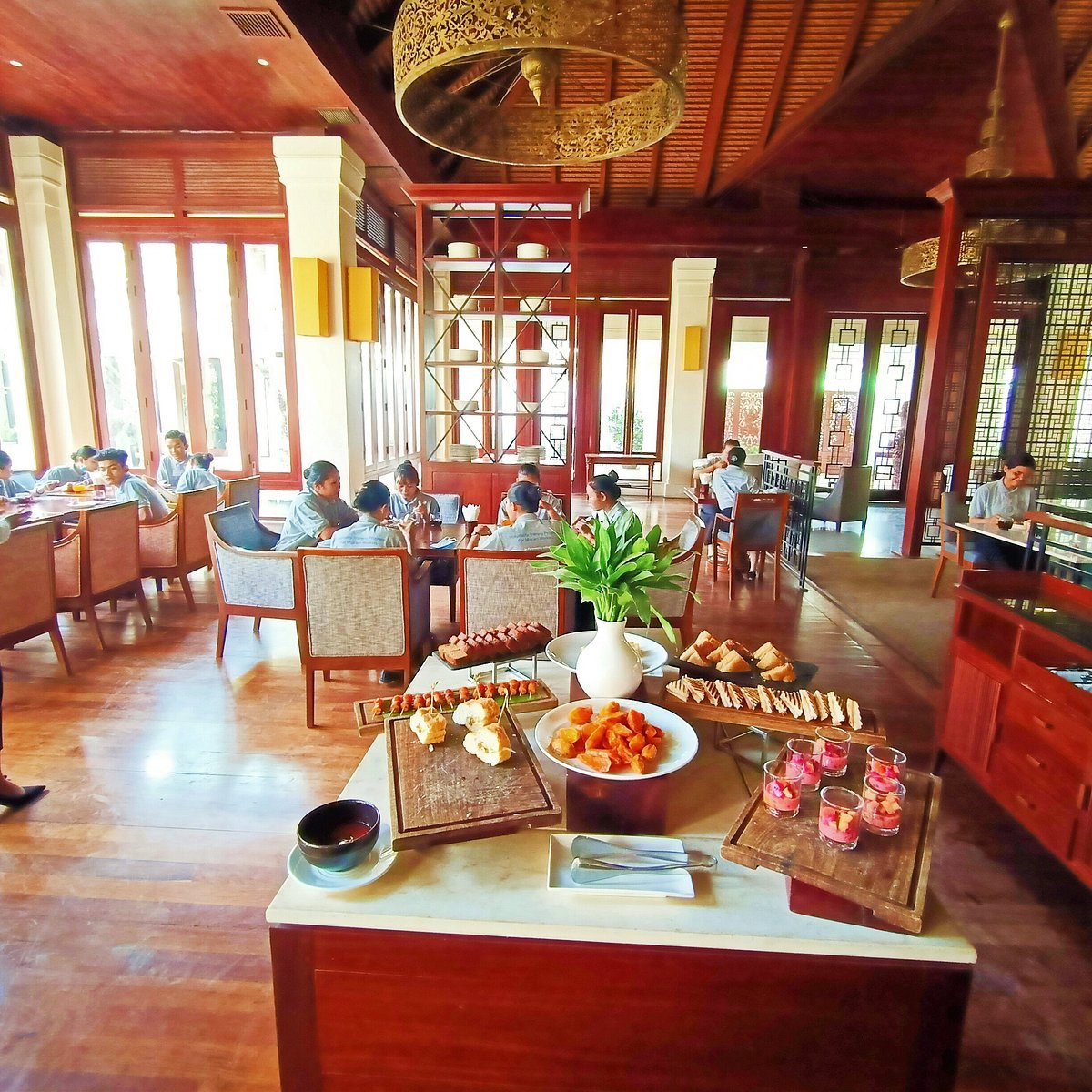
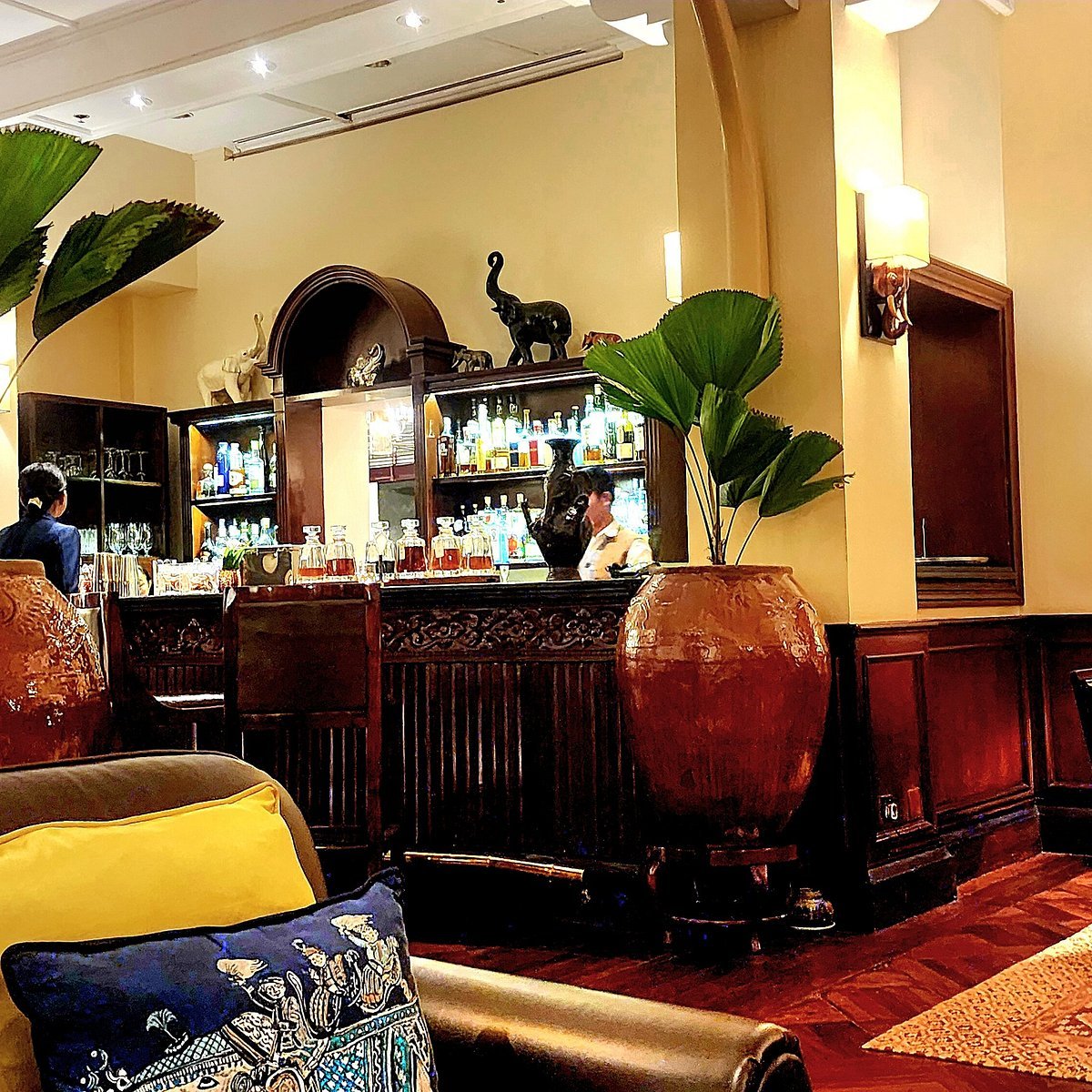
Serene and calming with natural light filtering through wooden structures, evoking rustic elegance amid tropical greenery.
Tags
Vibe
Best For
Experience
Amenities
View
Accessibility
About the Stay
- Rooms
- 45
- Check-out
- 12:00
- Property Style
- Traditional Cambodian Village Recreation with Stilted Wooden Villas
- Design Style
- Rustic Khmer Colonial Aesthetic Using Aged Wood, Bamboo, and Stone
Know before you go
Know Before You Go
- Getting there
- Neelka Way, Krong Siem Reap 171202
Planning details
Location
Recognition and awards



Also consider
Also Consider
- Anantara Angkor Resort, Notable alternative
- Sokhalay Angkor Villa Resort, Notable alternative
- Anjali By Syphon, Notable alternative
- Park Hyatt Siem Reap, Notable alternative
- Rambutan Hotel & Resort - Siem Reap, Notable alternative
Hotel context
How it compares in Siem Reap
Zannier Phum Baitang is the splurge-leaning choice for travelers who want the hotel to shape the trip. Compared with Anantara Angkor Resort, it is the more retreat-oriented call, while Anantara is better for guests who prefer a familiar resort structure and an easier backup plan when availability gets tight.
Park Hyatt Siem Reap is the smarter cross-shop for travelers who care about central convenience and loyalty value. If points, upgrades, and city access matter more than a quieter resort mood, Park Hyatt will often be the more practical booking. Sokhalay Angkor Villa Resort is better suited to guests seeking a larger resort feel with less emphasis on high-recognition luxury positioning.
For value and smaller-scale atmosphere, compare Anjali By Syphon and Rambutan Hotel & Resort - Siem Reap. They are better fits if the budget is going toward guides, restaurants, and excursions rather than the room itself. Choose Zannier Phum Baitang when the stay needs to feel like the reward after Angkor, not just the place you return to at night.
Explore Siem Reap
Around this place
Discover more on Pearl
Unlock the full Zannier Phum Baitang guide in Pearl, including awards, comparisons, FAQs, planning details, and nearby places.
Compare Zannier Phum Baitang
| Venue | Location | Awards |
|---|---|---|
| Zannier Phum Baitang | Siem Reap | 2026 Forbes 4-StarStar Wine Lists 20262026 Mr & Mrs Smith Luxury Hotels2026 La Liste Top Hotels2026 Michelin 2 Keys2025 Forbes 4-StarMichelin 2 Keys 20252025 Michelin 2 Keys |
| Anantara Angkor Resort | Siem Reap | 2026 Forbes 4-Star2025 Michelin Selected Hotels2025 Forbes 4-Star |
| Sokhalay Angkor Villa Resort | Siem Reap | No published awards |
| Anjali By Syphon | Siem Reap | No published awards |
| Park Hyatt Siem Reap | Siem Reap | 2026 Forbes Recommended2026 Virtuoso Luxury Hotel Collection2026 Michelin 1 Key2025 Forbes Recommended2025 Michelin 1 Key |
| Rambutan Hotel & Resort - Siem Reap | Siem Reab | No published awards |




How Zannier Phum Baitang Siem Reap compares with similar nearby venues.
FAQ
Frequently Asked Questions
Which room category is best at Zannier Phum Baitang?
The strongest confirmed trust signals are Michelin 2 Keys (2025), Forbes 4-Star (2025), La Liste Top Hotels (2026) at 93 points, and the Mr & Mrs Smith Seal of Approval (2026), so choose only after checking current room details directly.
How is the location of Zannier Phum Baitang?
Zannier Phum Baitang is in Siem Reap. If location convenience is a deciding factor, compare it with other Siem Reap options such as Park Hyatt Siem Reap and confirm current logistics directly before booking.
Is Zannier Phum Baitang family-friendly?
If you are planning a family stay in Siem Reap, check directly with Zannier Phum Baitang and compare the details with options such as Rambutan Hotel & Resort - Siem Reap or Park Hyatt Siem Reap.
Do loyalty programs work at Zannier Phum Baitang?
The confirmed value signals are the property's recognition profile, including Michelin 2 Keys (2025), Forbes 4-Star (2025), La Liste Top Hotels (2026) at 93 points, and the Mr & Mrs Smith Seal of Approval (2026). Compare directly with Anantara Angkor Resort if loyalty benefits are important to your booking decision.