




Waldorf Astoria Shanghai on the Bund
Lan Ni Du, Shanghai
Hotel in Shanghai, China
 Book with Pearl
The Read
Split-Era Bund Duality
Why go
A strong Bund choice when the waterfront address and heritage setting are central to the trip. Book it when the rate gap versus nearby luxury peers is reasonable, or when Hilton-related benefits make the premium easier to justify; otherwise cross-shop The Peninsula Shanghai and Fairmont Peace Hotel before committing.
About Waldorf Astoria Shanghai on the Bund
Waldorf Astoria Shanghai on the Bund is a premium hotel choice in Shanghai with a recognition set that includes La Liste Top Hotels (2026) with 93pts, Forbes 4-Star (2026), World Travel Awards 2025 Leading Luxury Hotel, Virtuoso Luxury Hotel Partner (2026), and MICHELIN Guide Hotels Selected (2025). The best reason to consider it is direct: you want a luxury stay in Shanghai and value a hotel with multiple third-party acknowledgments rather than choosing on price alone.
Avoid assuming a specific room type, view, facility, dining program, or service format without checking the current booking details. Treat the hotel as a premium Shanghai base and confirm the details that matter most directly before booking, especially if your decision depends on a particular room category or included benefit.
For comparison shopping, keep the decision practical. If the rate is close to other high-end Shanghai options, Waldorf Astoria Shanghai on the Bund has a strong recognition profile. If the price gap is wide, compare it with The Peninsula Shanghai, Fairmont Peace Hotel, The Shanghai EDITION, Hotel Indigo Shanghai On The Bund, or Nan Jing Dong Lu depending on the style of stay you want. The right booking is the one where the hotel positioning and the price both make sense for your trip.
Book it for a recognized luxury stay in Shanghai
Waldorf Astoria Shanghai on the Bund works well for travelers who want a premium hotel in Shanghai with luxury recognition. Its awards and selections make it easier to justify as a serious upscale option, but they do not replace checking the actual rate, room category, and booking terms for your dates.
The dress code is smart casual, which is useful to know when planning the overall stay. Beyond that, keep assumptions conservative: if a specific amenity, dining detail, or room feature matters, check it before committing rather than relying on general expectations of the brand or market.
When the rate makes sense
The rate makes the most sense when the premium over other Shanghai hotels feels proportionate to the recognition and the experience you expect from a luxury property. If you are choosing mainly on budget, it is worth comparing other options before deciding; if you are choosing for a more established luxury profile, this hotel has a stronger case.
Before booking, compare current rates and conditions against other luxury alternatives rather than assuming one hotel is always the better value. For a broader city scan before deciding, use Pearl's Shanghai hotels guide; for meals and after-dinner planning around the stay, pair it with Pearl's Shanghai restaurants guide and Pearl's Shanghai bars guide.
Part of
Waldorf Astoria67 locations on PearlInside Waldorf Astoria Shanghai on the Bund
Planning details
- Location
- 2 Zhong Shan Dong Yi Lu, Waitan, Huang Pu Qu, Shang Hai Shi, 200002
- Website
- waldorfastoriahotels.com.cn/zh-cn/hotel/shanghai/waldorf-astoria-shanghai-SHAWAWA/index.html
- Phone
- +86 21 6322 9988
The take
The Take
The Vibe
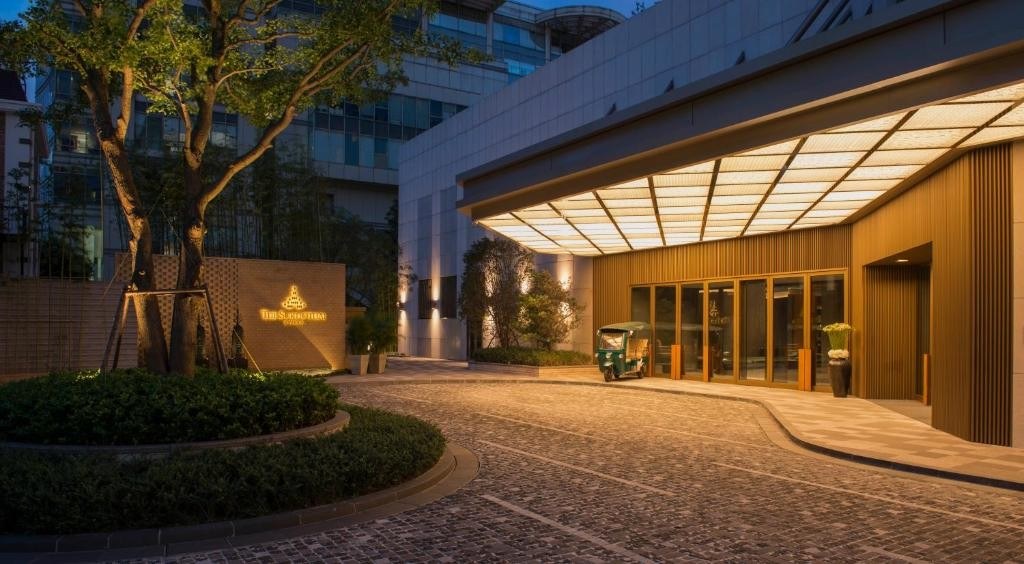
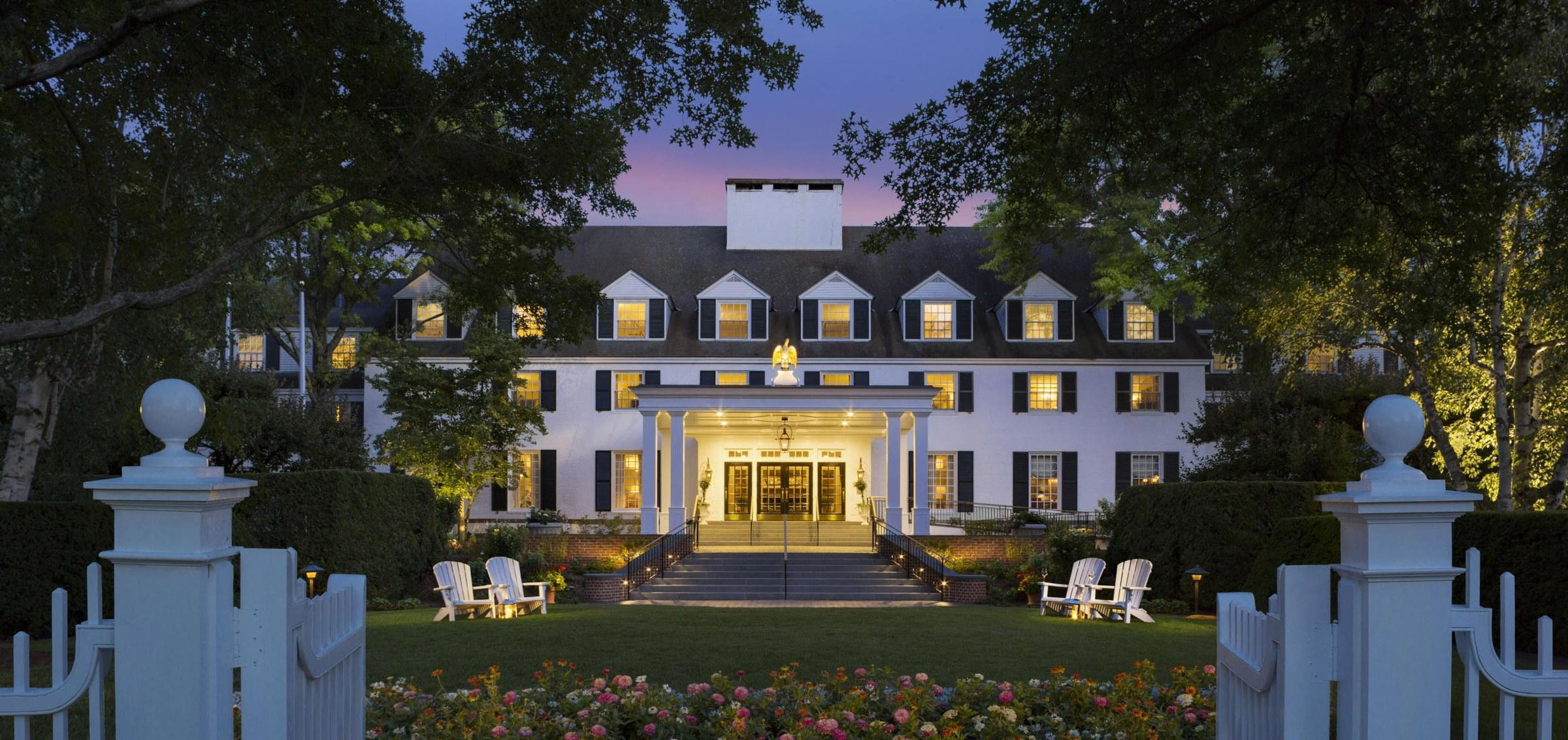
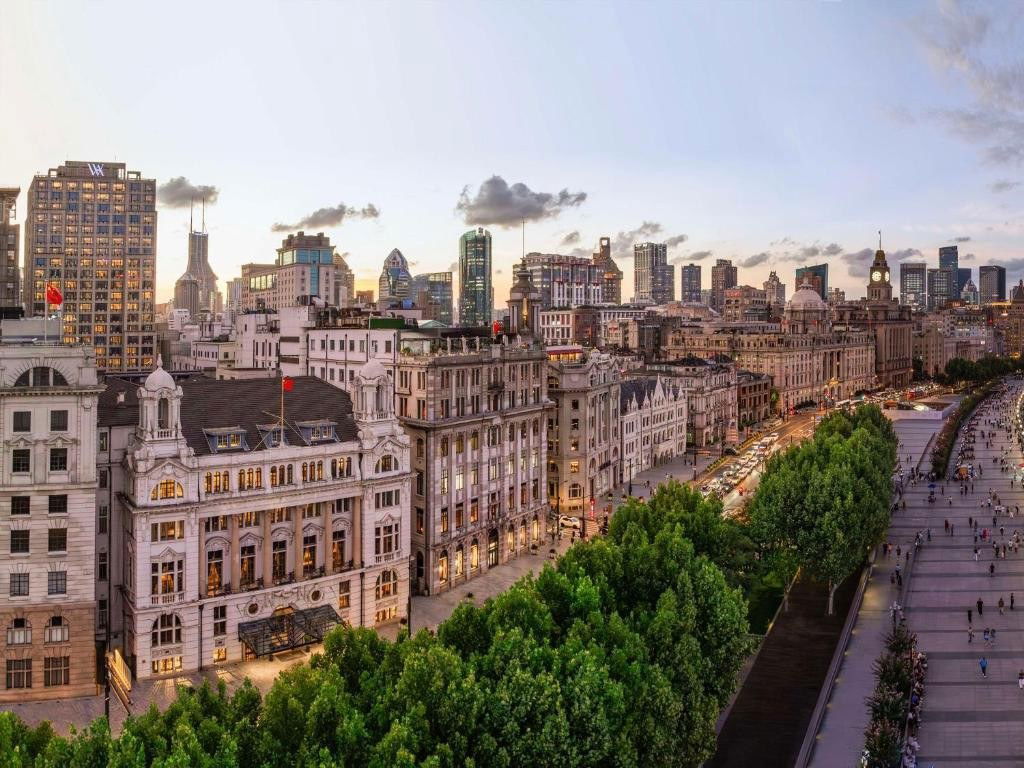
The Waldorf Astoria on the Bund reads like a piece of Shanghai history. Housed in a restored 1911 neo‑classical club, the property foregrounds period proportions and archival-led conservation work so the public rooms and corridors feel anchored in the city’s colonial-era past. That heritage sits directly beside the Huangpu River, so guests experience both the weight of old Shanghai and the visual drama of the waterfront. The hotel’s presence at 2 Zhong Shan Dong Yi Lu makes the building itself part of the Bund’s architectural conversation rather than merely a backdrop.
Best For
This hotel suits travelers who prioritize place as much as polish. It works particularly well for couples and small parties seeking a romantic or celebratory stay, and for business travelers who value proximity to the Bund, Nanjing Road and the former French Concession. The address is the principal draw: guests are buying a room at the centre of Shanghai’s historic riverfront, where restored neo‑classical spaces and river views combine to deliver a distinctly memorable urban stay.
Stay Tips
When booking, prioritize rooms that advertise river views or are described as part of the heritage wing to maximize the property’s principal advantages: the Bund address and restored neo‑classical interiors. Early reservations are sensible during peak tourist periods since the hotel trades on its unique location beside Nanjing Road and the former French Concession. For photography or sightseeing, request a room on the river side to capture the Bund–Pudong relationship that defines the hotel’s appeal.
Venue details
Ambiance
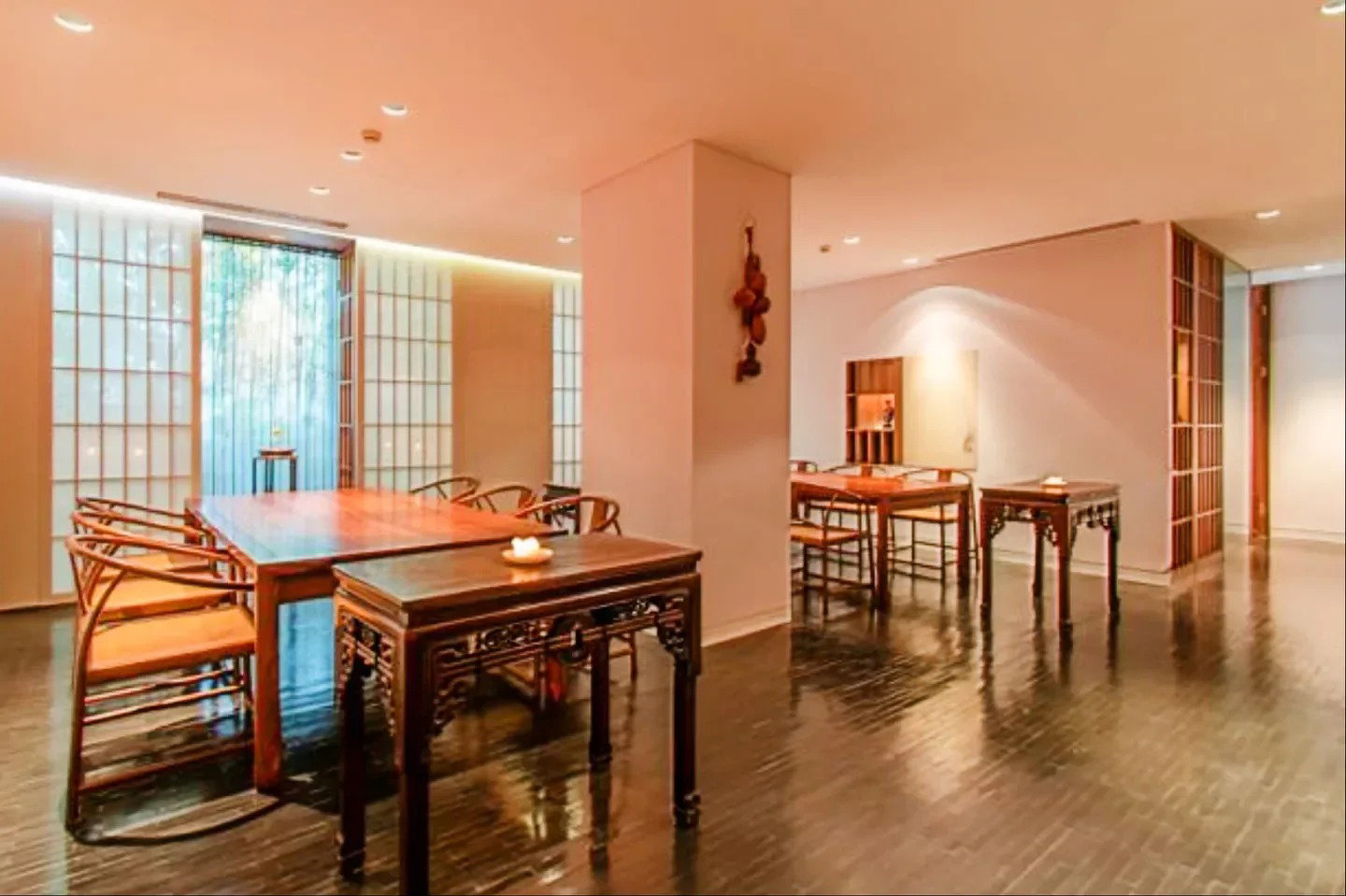
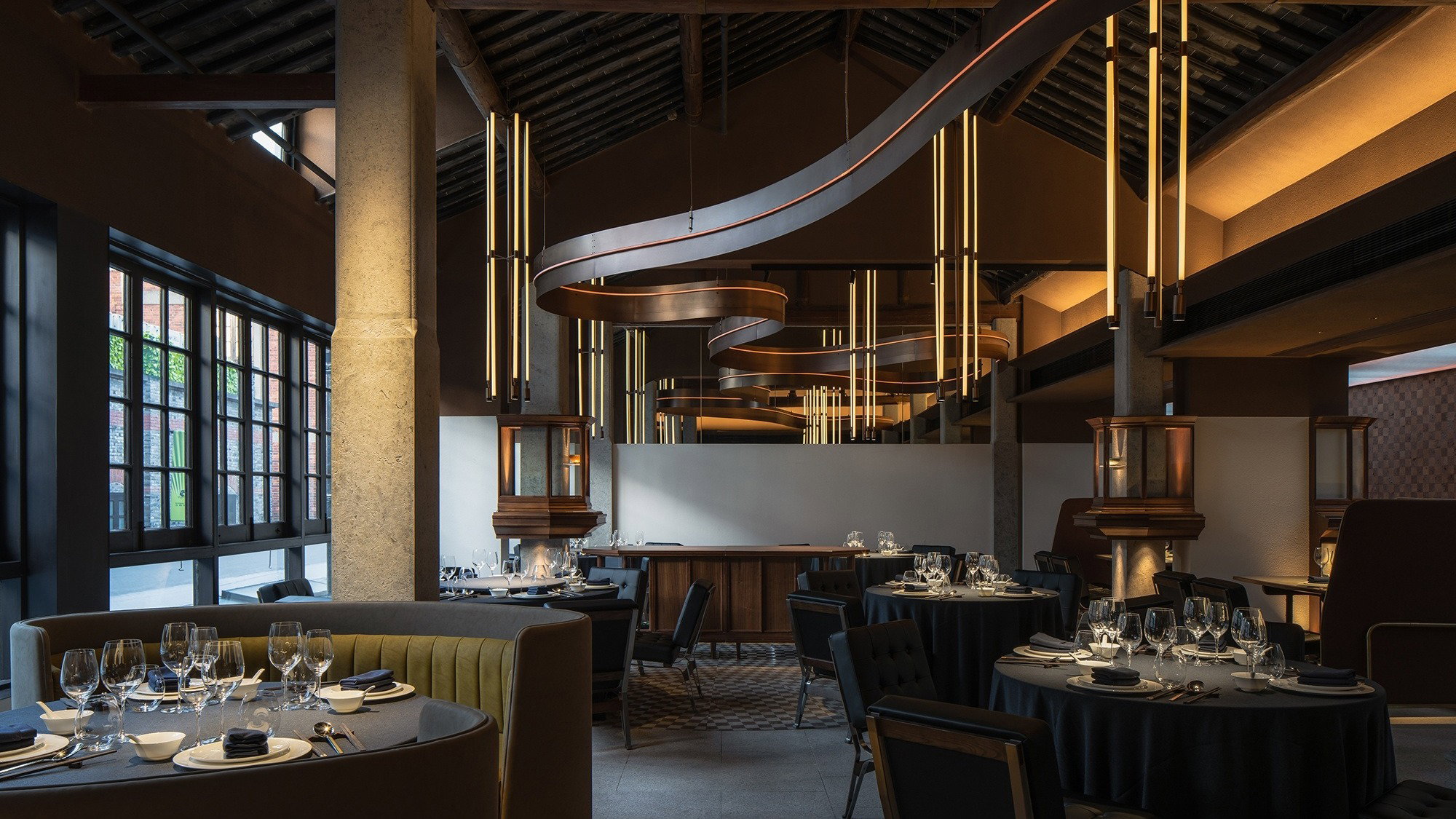
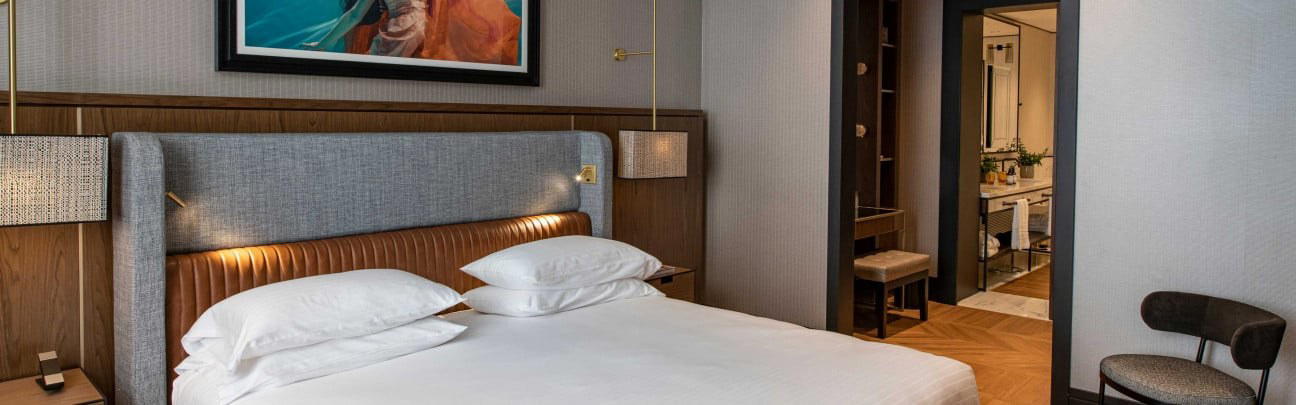
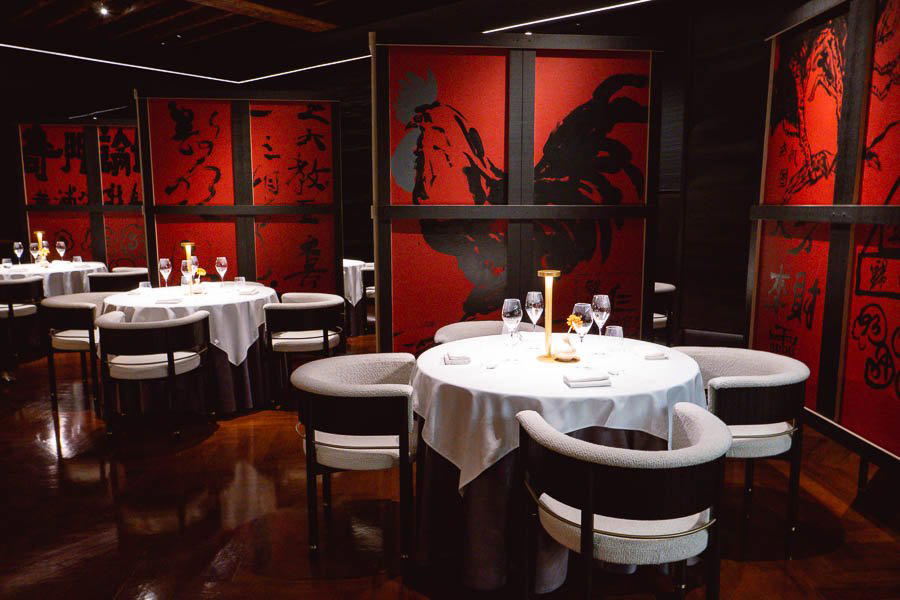
Refined and elegant atmosphere with sophisticated lighting, spacious marble bathrooms, and a sense of grandeur praised for its spotless cleanliness and attentive service.
Tags
Vibe
Best For
Experience
Amenities
View
Accessibility
About the Stay
- Rooms
- 260
- Check-in
- 15:00
- Check-out
- 12:00
- Property Style
- Heritage Luxury with Timeless Sophistication on the Bund Waterfront
- Design Style
- Classic Opulent with Marble Bathrooms and Chic Timeless Decor
Know before you go
Know Before You Go
- Getting there
- 2 Zhong Shan Dong Yi Lu, Waitan, Huang Pu Qu, Shang Hai Shi, 200002
Planning details
Location
2 Zhong Shan Dong Yi Lu, Waitan, Huang Pu Qu, Shang Hai Shi, 200002 · Directions
waldorfastoriahotels.com.cn/zh-cn/hotel/shanghai/waldorf-astoria-shanghai-SHAWAWA/index.html
Recognition and awards




Also consider
Also Consider
- The Shanghai EDITION, Notable alternative
- Fairmont Peace Hotel, Notable alternative
- Nan Jing Dong Lu, Notable alternative
- Hotel Indigo Shanghai On The Bund, Notable alternative
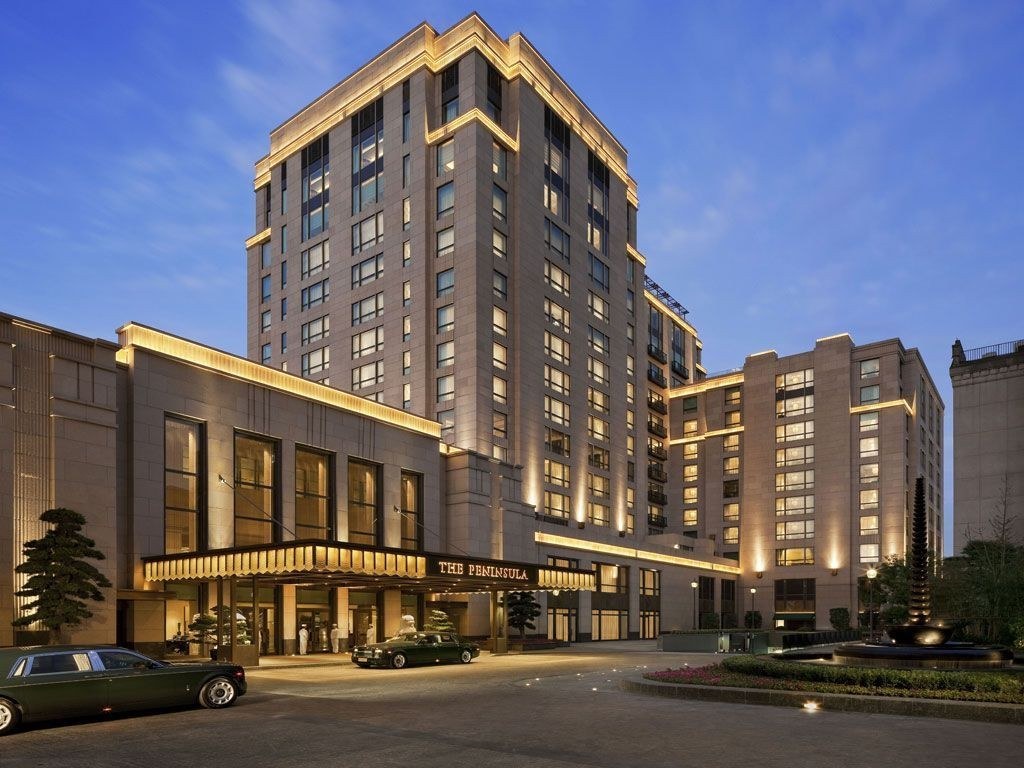
- The Peninsula Shanghai, Notable alternative
Hotel context
How it compares on the Bund
Choose Waldorf Astoria Shanghai on the Bund when you want a premium Bund stay with a historic waterfront address and the reassurance of a large luxury hotel group. The Peninsula Shanghai is the stronger cross-shop for travelers prioritizing a more formal luxury splurge, while Fairmont Peace Hotel is the better fit if heritage atmosphere is the main reason for staying in this part of Shanghai.
The Shanghai EDITION should be the comparison for a sharper, more contemporary hotel mood, especially for design-led travelers who do not need the same classic Bund framing. Hotel Indigo Shanghai On The Bund is the easier value check if the trip is more about location than full luxury polish.
Nan Jing Dong Lu is the practical alternative when access and price discipline matter more than a destination-hotel feel. If the Waldorf rate is only modestly higher than its nearby peers, it is worth considering; if it prices far above the set, book only if the Bund address, room category, and loyalty benefits line up.
Explore Shanghai
Around this place
Discover more on Pearl
Unlock the full Waldorf Astoria Shanghai on the Bund guide in Pearl, including awards, comparisons, FAQs, planning details, and nearby places.
Compare Waldorf Astoria Shanghai on the Bund
| Venue | Location | Awards |
|---|---|---|
| Waldorf Astoria Shanghai on the Bund | Shanghai | 2026 Forbes 4-Star2026 Virtuoso Luxury Hotel Collection2026 La Liste Top Hotels2026 Michelin 1 KeyWorld Travel Awards 20252025 Michelin Selected Hotels2025 Forbes 4-Star |
| The Shanghai EDITION | Shanghai | 2026 Forbes Recommended2026 La Liste Top Hotels2026 Michelin 1 Key2025 Michelin Selected Hotels2025 Forbes Recommended |
| Fairmont Peace Hotel | Shanghai | 2026 Forbes 4-Star2026 Virtuoso Luxury Hotel Collection2026 La Liste Top Hotels2025 Michelin Selected Hotels2025 Forbes 4-Star |
| Nan Jing Dong Lu | Shanghai | No published awards |
| Hotel Indigo Shanghai On The Bund | Shanghai | No published awards |
| The Peninsula Shanghai | Shanghai | 2026 World’s 50 Best Hotels 51-100 · #992026 Virtuoso Luxury Hotel Collection2026 Forbes 5-Star2026 La Liste Top Hotels2026 Michelin 2 KeysTatler Best Hotels Asia-Pacific 20252025 Forbes 5-Star2025 Michelin 2 Keys |





How Waldorf Astoria Shanghai on the Bund compares with similar nearby venues.
FAQ
Frequently Asked Questions
What is check-in like at Waldorf Astoria Shanghai on the Bund?
Waldorf Astoria Shanghai on the Bund is a recognized luxury hotel in Shanghai, with Forbes 4-Star (2026) and MICHELIN Guide Hotels Selected (2025) among its acknowledgments. For specific arrival preferences, contact the hotel directly before arrival. Fairmont Peace Hotel is another option to compare if you are deciding between established luxury stays.
Which room category is best at Waldorf Astoria Shanghai on the Bund?
Choose based on the current room descriptions, rate differences, and cancellation terms available for your dates. If a specific feature matters, confirm it before booking. Compared with The Shanghai EDITION, this may appeal more to travelers seeking a recognized luxury-hotel profile; The Peninsula Shanghai is another comparison if you are weighing a Shanghai stay.
Do loyalty programs work at Waldorf Astoria Shanghai on the Bund?
Check the booking channel and hotel terms directly before assuming points, member rates, or elite benefits apply. The practical move is to compare the direct rate with any third-party offer and decide which booking gives you the clearest value. If price is a bigger priority than a luxury recognition set, Hotel Indigo Shanghai On The Bund is another option to compare.
How does Waldorf Astoria Shanghai on the Bund compare to other hotels?
Waldorf Astoria Shanghai on the Bund has a recognition profile that includes La Liste Top Hotels (2026), Forbes 4-Star (2026), World Travel Awards 2025 Leading Luxury Hotel, Virtuoso Luxury Hotel Partner (2026), and MICHELIN Guide Hotels Selected (2025). The Peninsula Shanghai, Fairmont Peace Hotel, The Shanghai EDITION, and Hotel Indigo Shanghai On The Bund are natural comparison points when planning a Shanghai stay. Nan Jing Dong Lu can also be useful as a broader reference.
How is the pool and spa at Waldorf Astoria Shanghai on the Bund?
If the pool or spa is a deciding factor, check the current hotel information directly before booking. The clearest case for the property is its award and recognition set, including La Liste Top Hotels (2026) with 93pts and Forbes 4-Star (2026). If facilities are central to your trip, compare the current details carefully with Hotel Indigo Shanghai On The Bund and The Shanghai EDITION before booking.