

Cristine Bedfor Guest Houses Sevilla
Encarnación-Regina, Seville
Hotel in Seville, Spain
 Book with Pearl
Why go
A good fit for travelers who want a design-conscious guest-house base in Seville's historic center rather than a large luxury hotel. It suits couples and low-key special occasions better than amenity-heavy family trips, with Conde Nast Hot List Hotels recognition in 2026 adding a useful trust signal.
About Cristine Bedfor Guest Houses Sevilla
Cristine Bedfor Guest Houses Sevilla is a Seville stay with a notable distinction: Conde Nast Hot List Hotels (2026). Beyond that recognition and the venue's presence in Seville, specific public-facing details such as facilities, room categories, service style, pricing, and exact location should be confirmed directly before booking.
A Seville guest-house option to investigate
A strong reason to keep Cristine Bedfor Guest Houses Sevilla on a shortlist is its Conde Nast Hot List Hotels (2026) recognition. Travelers comparing premium stays can use that as a starting point, then confirm the practical details that matter for their trip, including room type, arrival arrangements, and on-property amenities.
Approach the property as a candidate for a Seville stay rather than make assumptions about a specific neighborhood, facility set, or service model. If you are comparing options, consider other choices generically, or look at named alternatives such as Casa Palacio Don Ramón, H10 Casa de la Plata, Radisson Collection Hotel, Magdalena Plaza Sevilla, Unuk, or Cristine Bedfor Sevilla.
Who should book it
Book it if the Conde Nast Hot List Hotels (2026) recognition makes the property worth investigating for your Seville trip. Before committing, confirm the exact location within Seville, room configuration, family suitability, amenities, policies, and any arrival or booking requirements.
Planning details
- Location
- C. Amor de Dios, 29, Casco Antiguo, 41002 Sevilla, Spain
- Website
- cristinebedforhotel.com/sevilla
- Phone
- +34 955 94 45 74
The take
The Take
The Vibe
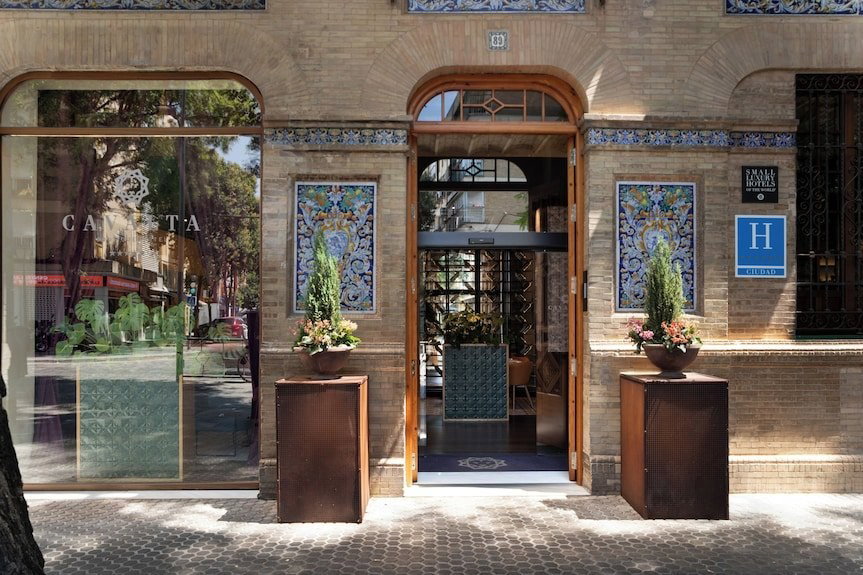
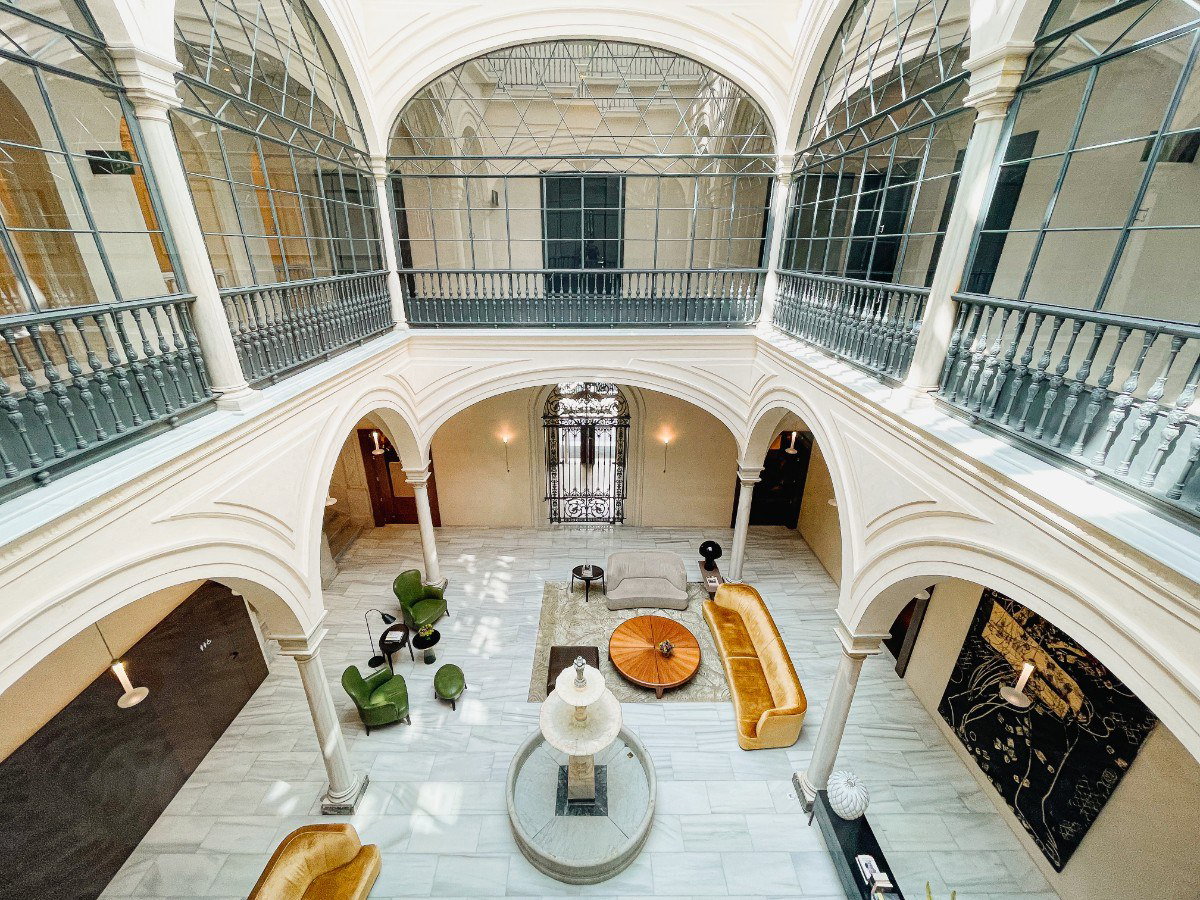
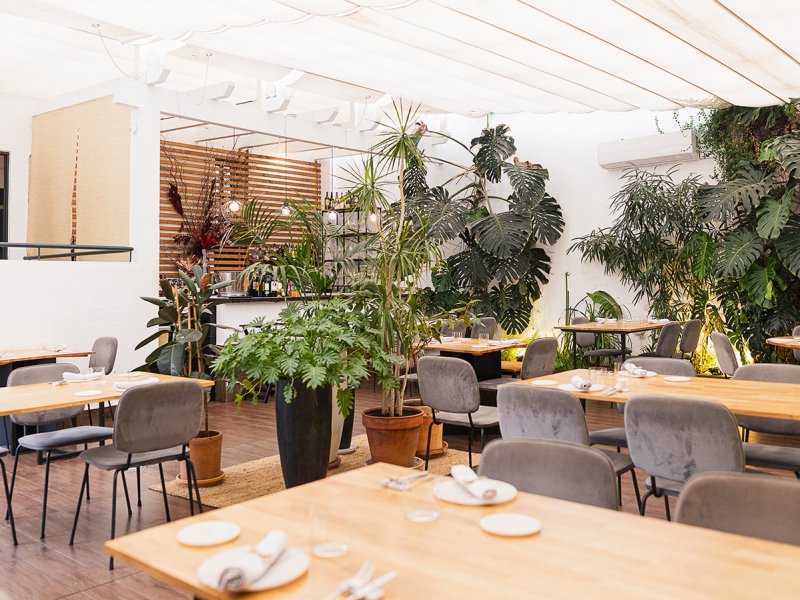
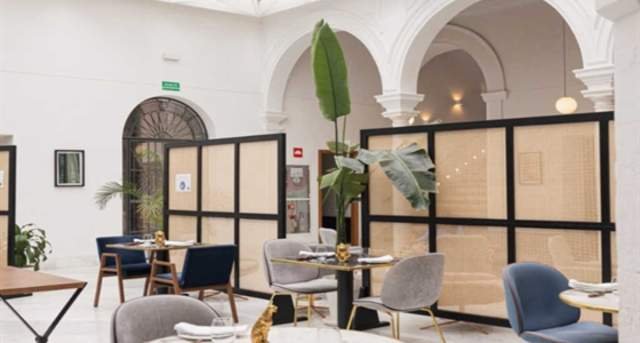
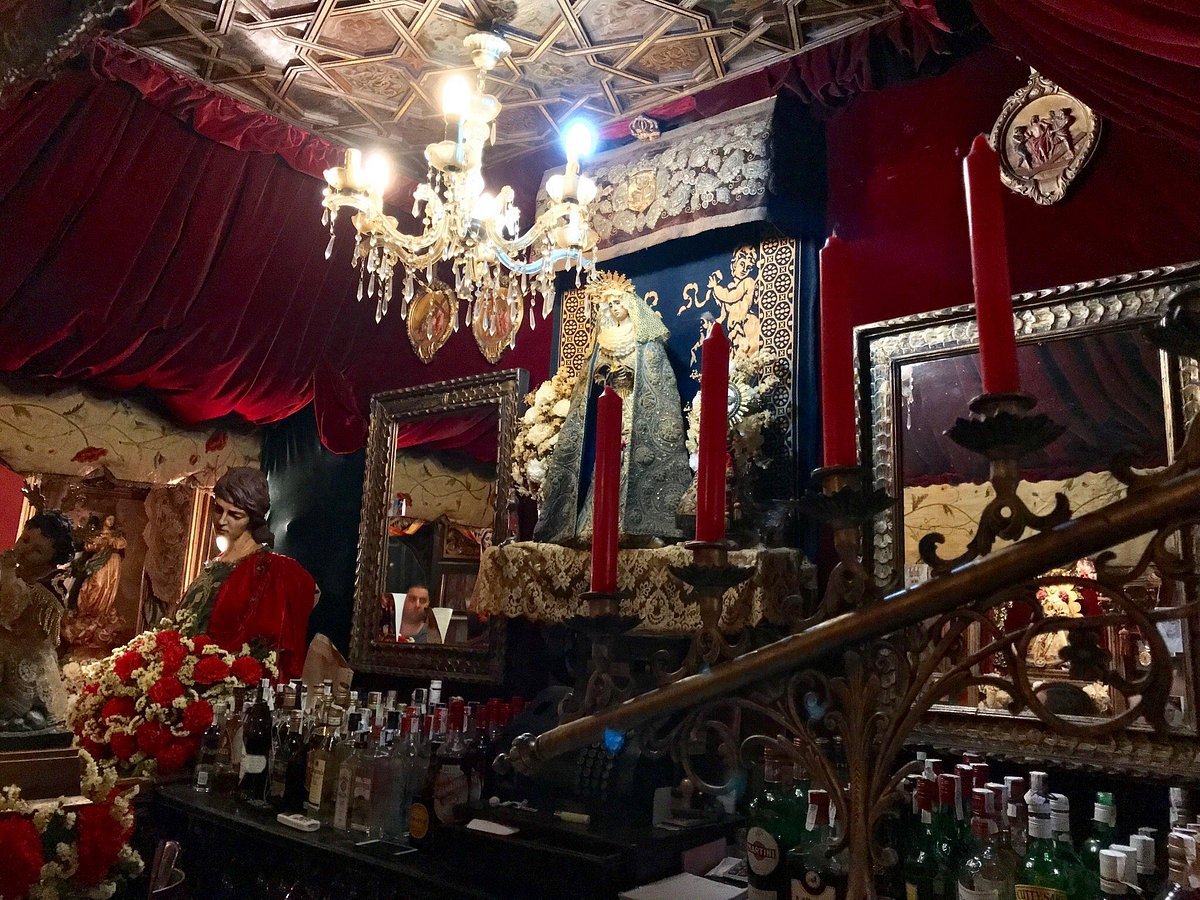
Cristine Bedfor Guest Houses occupies a restored Neo-Mudéjar building by Aníbal González, and the hotel's personality is rooted in that architectural pedigree. The conversion preserves the structure’s theatrical past: a glass-covered central courtyard serves as the hotel's main restaurant and keeps a performance stage in place, so guests encounter a layered, historically resonant interior rather than a neutral, contemporary shell. The restoration leans into ornamental brickwork and formal sensuousness typical of González’s work, giving the property a characterful, intimate feel that foregrounds Seville’s early twentieth-century public face and the pleasures of careful historic reuse.
Best For
This hotel suits travelers who prioritize architecture, history and a strong sense of place. Its central old-town location and the building’s Neo-Mudéjar lineage make it especially appealing to guests interested in Seville’s urban fabric and the city’s restored historic properties. The courtyard restaurant with a retained performance stage also attracts visitors who enjoy cultural programming and atmospheric evening dining in a hotel setting. Design-minded guests and those who appreciate boutique restorations will find the hotel’s preservation of theatrical elements particularly rewarding.
Stay Tips
When you dine at Cristine Bedfor, seek a table in the glass-covered central courtyard to experience the hotel’s architectural centerpiece and the retained performance stage. Because the restaurant occupies the same theatrical space that defines the building, check with the hotel about any scheduled performances or evening programming so you can align your meal with live events. The setting rewards relaxed, attentive dining—plan for an experience that pairs the architecture and occasional performances rather than a quick takeaway.
Venue details
Ambiance
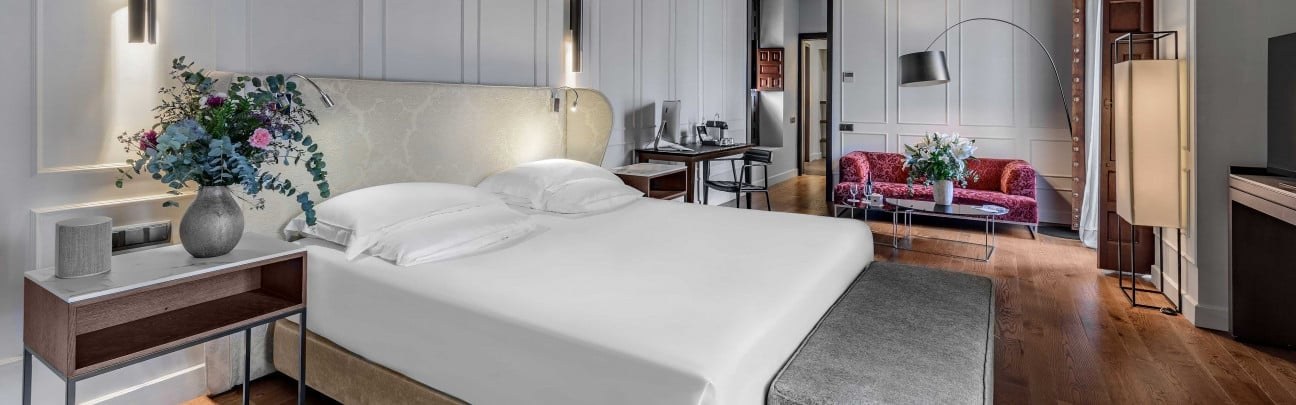
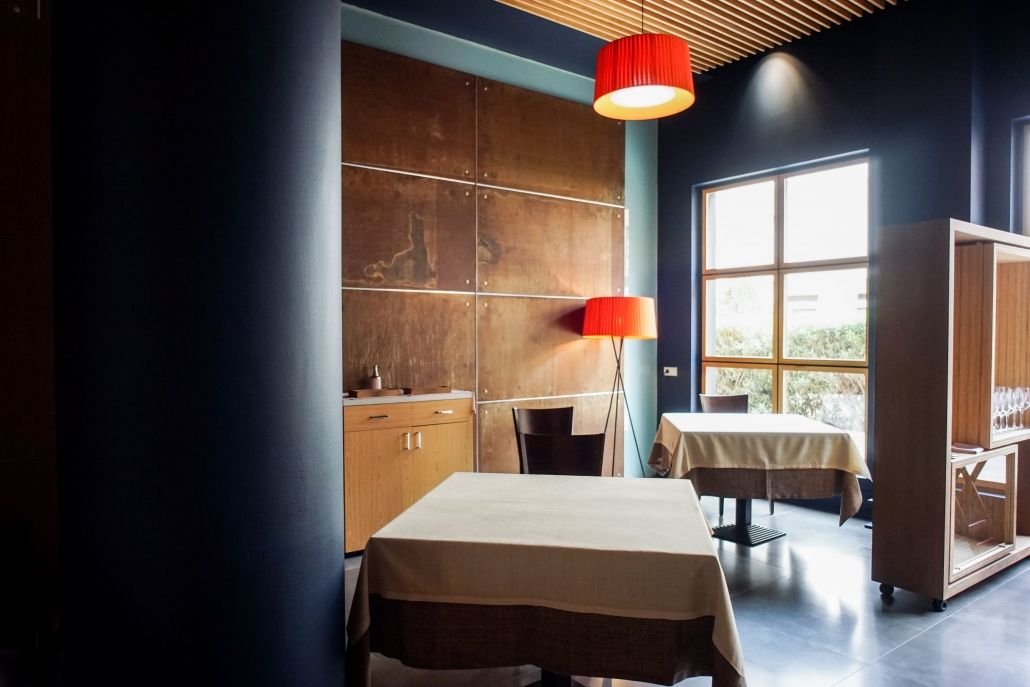
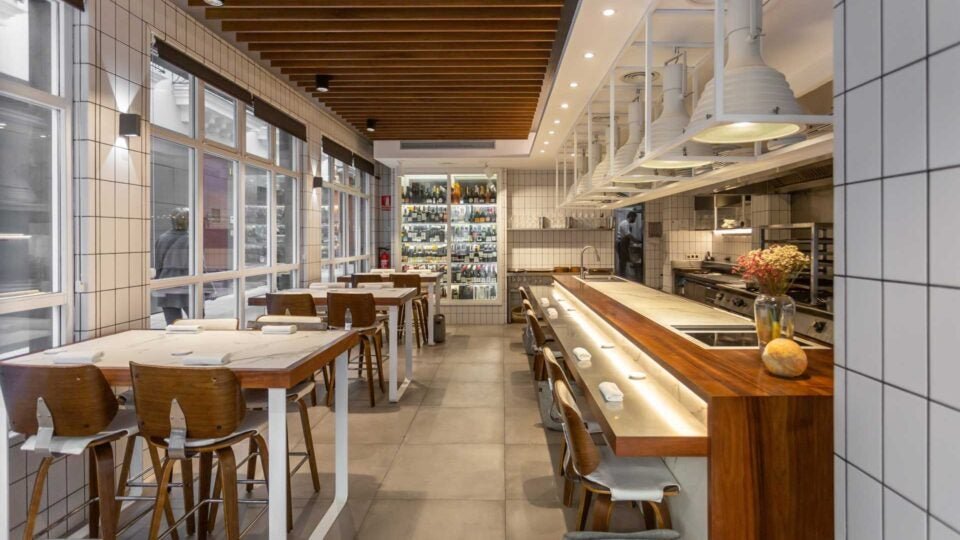
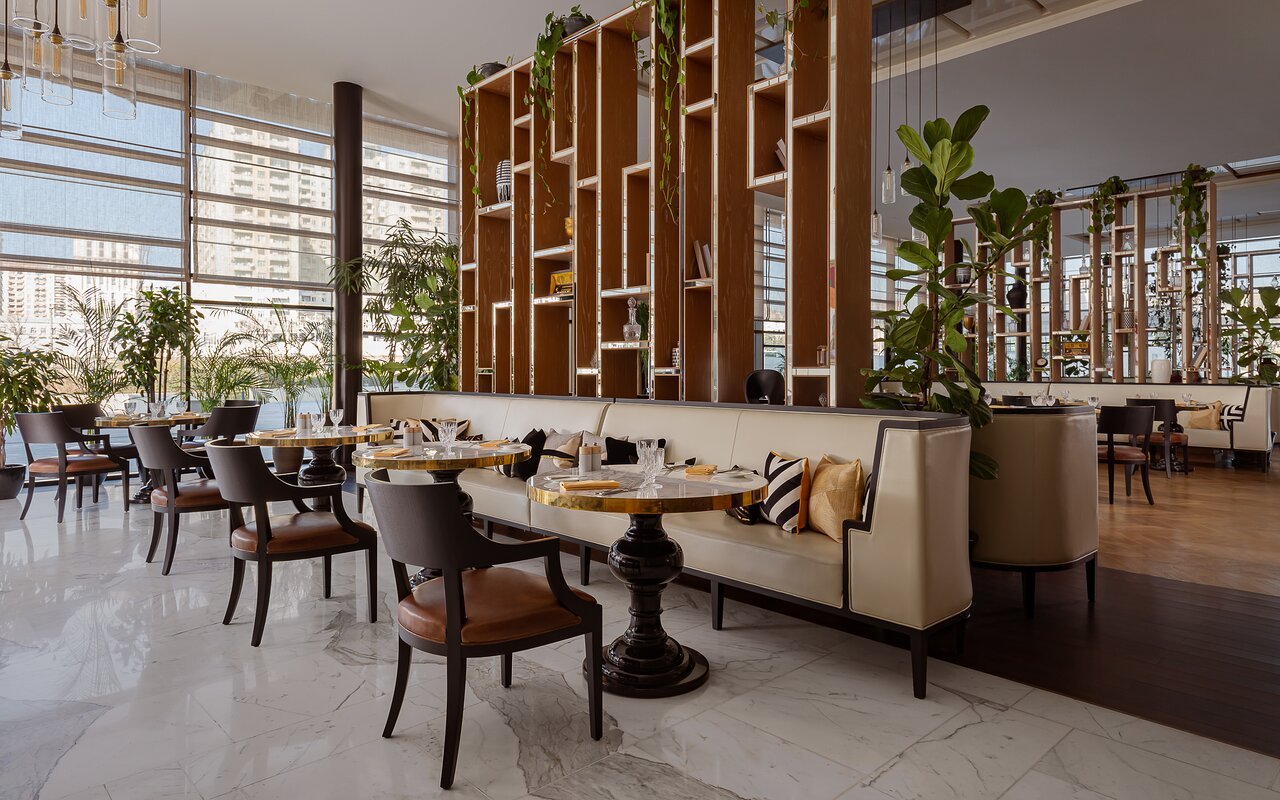
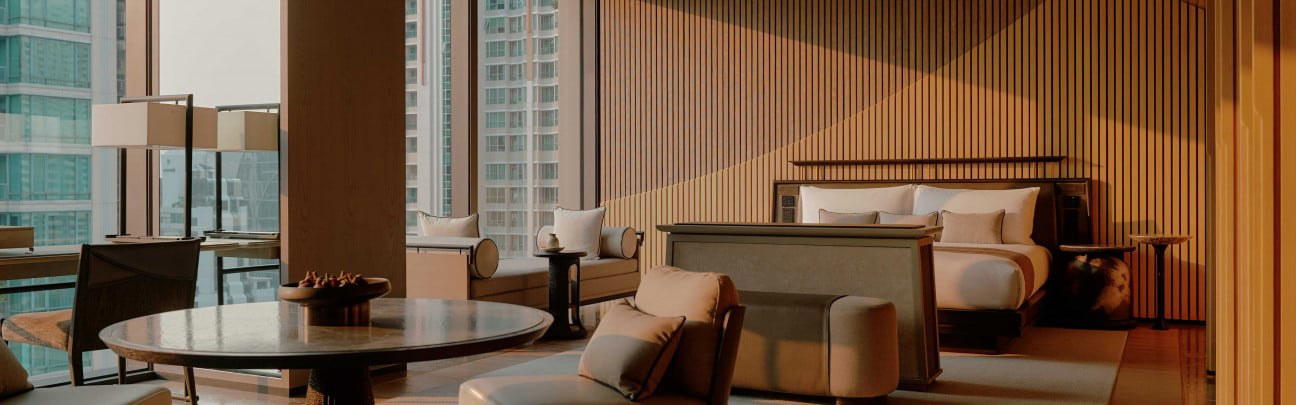
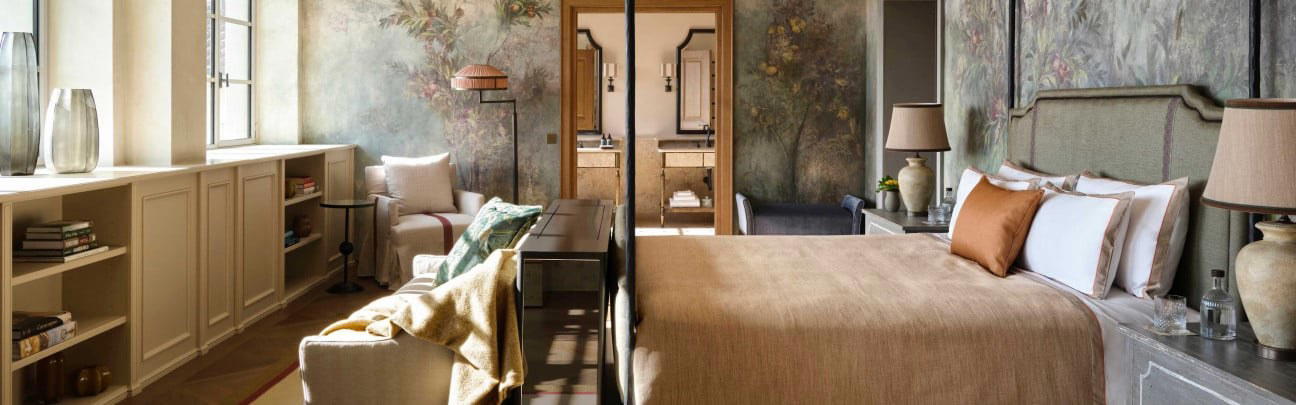
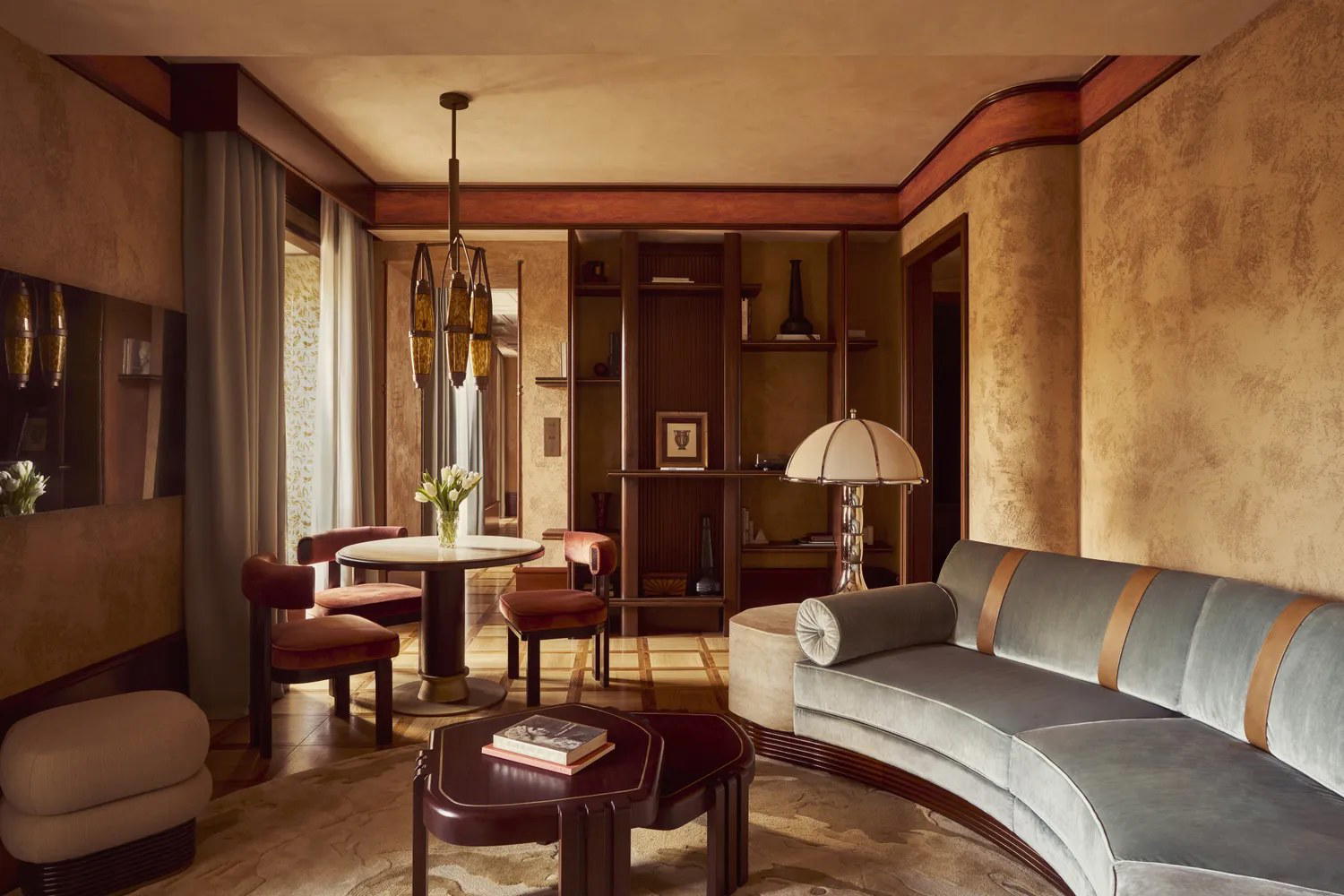
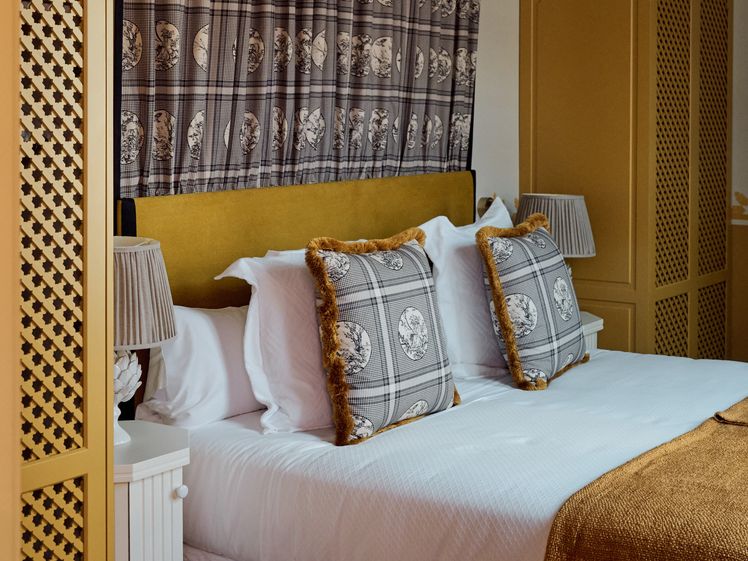
Elegant, atmospheric, and richly layered, with a bright central courtyard, abundant natural light, and a colorful mix of historic textures, patterned fabrics, and restored theatrical architecture.
Tags
Vibe
Best For
Experience
Amenities
View
Accessibility
About the Stay
- Rooms
- 28
- Check-in
- 15:00
- Check-out
- 11:00
- Property Style
- Boutique Guest House Hotel in a Restored Historic Theater with a Refined, Artful, House Like Feel.
- Design Style
- Neo Mudéjar Building with Lorenzo Castillo Interiors Blending Renaissance Seville, Velázquez Inspired Colors, Andalusian Elegance, and Eclectic Historic Patterned Design.
Know before you go
Know Before You Go
- Getting there
- C. Amor de Dios, 29, Casco Antiguo, 41002 Sevilla, Spain
Planning details
Location
C. Amor de Dios, 29, Casco Antiguo, 41002 Sevilla, Spain · Directions
Recognition and awards

Also consider
If this is not available, cross-shop Unuk for a contemporary boutique stay or Radisson Collection Hotel, Magdalena Plaza Sevilla for a more predictable full-service format.
For a more formal special-occasion mood, Casa Palacio Don Ramón is the stronger alternative; for a familiar, practical city hotel, H10 Casa de la Plata is the cleaner backup.
Hotel context
Against Radisson Collection Hotel, Magdalena Plaza Sevilla, this is the more intimate pick; Radisson is the safer choice for travelers who want a bigger-hotel feel, clearer brand standards, and easier business-trip logistics. If the stay is about atmosphere and a less corporate rhythm, Cristine Bedfor Guest Houses Sevilla is the stronger fit.
Casa Palacio Don Ramón and Unuk are better cross-shops for a style-led Seville stay. Choose Casa Palacio Don Ramón if a more polished palace-hotel mood is the target; choose Unuk if contemporary boutique energy matters more. This property sits closer to the personal guest-house end of that spectrum.
H10 Casa de la Plata is likely the more practical fallback for travelers who want a familiar hotel format, while Cristine Bedfor Sevilla is the closest brand comparison for a Spanish-rooted feel. For value, compare final rates rather than category labels, since the right call depends on whether design, facilities, or brand predictability matters more.
Explore Seville
Around this place
Discover more on Pearl
Unlock the full Cristine Bedfor Guest Houses Sevilla guide in Pearl, including awards, comparisons, FAQs, planning details, and nearby places.
Compare Cristine Bedfor Guest Houses Sevilla
For a compact, design-led stay, Cristine Bedfor Guest Houses Sevilla competes most directly with Casa Palacio Don Ramón, Unuk, and H10 Casa de la Plata. Casa Palacio Don Ramón leans more formal, Unuk reads more contemporary, and H10 Casa de la Plata is the safer practical choice for travelers who prefer a familiar hotel setup.
Radisson Collection Hotel, Magdalena Plaza Sevilla is the better option for brand predictability and larger-hotel logistics. This guest-house pick is stronger for travelers who want central Seville with more personality and less corporate polish.
FAQ
Frequently Asked Questions
How is the location of Cristine Bedfor Guest Houses Sevilla?
The location is Seville. Confirm the exact street address or neighborhood directly before booking. Radisson Collection Hotel, Magdalena Plaza Sevilla is another named option to compare.
Is Cristine Bedfor Guest Houses Sevilla family-friendly?
If you are traveling with children or need specific room layouts, bedding, or child-focused services, confirm those details directly with the property. H10 Casa de la Plata is another hotel to compare while checking practical requirements.
What is check-in like at Cristine Bedfor Guest Houses Sevilla?
Confirm arrival time, luggage arrangements, and any access instructions directly with the property before travel. Casa Palacio Don Ramón is another option to compare if you are weighing different hotel stays.
Do loyalty programs work at Cristine Bedfor Guest Houses Sevilla?
For loyalty programs, check booking benefits, points, and membership perks directly through the property or booking channel. The recognition to note is Conde Nast Hot List Hotels (2026). Radisson Collection Hotel, Magdalena Plaza Sevilla is another hotel to compare.
How does Cristine Bedfor Guest Houses Sevilla compare to other hotels?
Cristine Bedfor Guest Houses Sevilla has Conde Nast Hot List Hotels (2026) recognition. For a broader comparison, consider Casa Palacio Don Ramón, Unuk, H10 Casa de la Plata, Radisson Collection Hotel, Magdalena Plaza Sevilla, and Cristine Bedfor Sevilla, then compare amenities, room types, policies, and location details directly for each.
Which room category is best at Cristine Bedfor Guest Houses Sevilla?
The best choice depends on the layout, bedding, view, and quietness you need, so confirm the current room list directly before booking. Casa Palacio Don Ramón is another option to compare while checking room details.
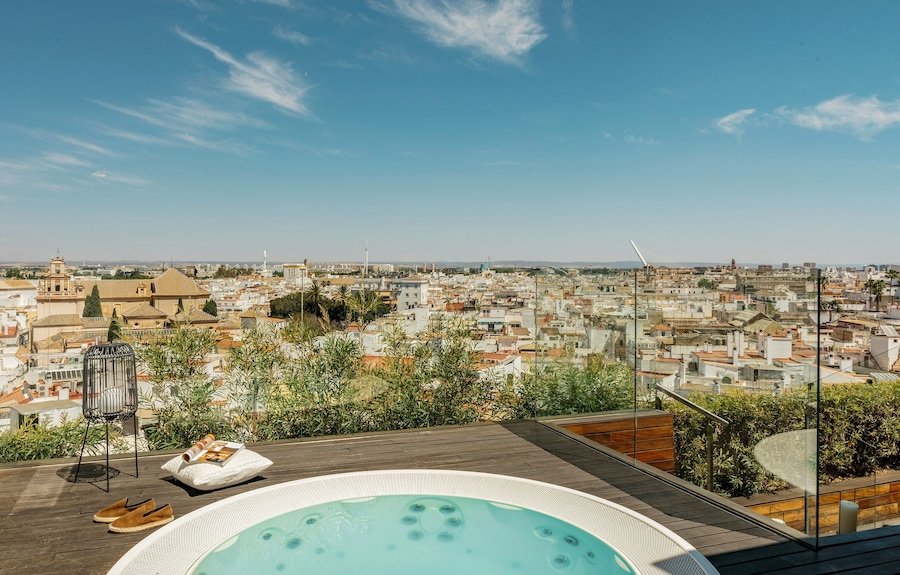
How is the pool and spa at Cristine Bedfor Guest Houses Sevilla?
If wellness facilities, pool access, or spa treatments are important, confirm them directly with Cristine Bedfor Guest Houses Sevilla before booking and compare current amenity information with Radisson Collection Hotel, Magdalena Plaza Sevilla or H10 Casa de la Plata.