
Rakkojae Seoul Main Hanok
가회동, Seoul
Hotel in Seoul, South Korea
 Book with Pearl
The Read
Joseon-Era Courtyard Immersion
Price
$300–500per night
Why go
Rakkojae Seoul Main Hanok is worth choosing for a special-occasion Seoul stay built around hanok atmosphere rather than big-hotel amenities. It suits couples, older families, and multigenerational travelers who want a quieter Jongno base with a strong sense of place; business travelers or families needing broad facilities should compare it with larger Seoul hotels first.
About Rakkojae Seoul Main Hanok
For a stay in Seoul where the setting matters, Rakkojae Seoul Main Hanok is best evaluated as a place-specific lodging choice rather than a generic city-hotel pick. Its public distinction is a La Liste Top Hotels (2026) recognition with 92.5pts.
Travelers planning a family celebration, a special-occasion stay, or a tightly scheduled Seoul trip should confirm practical details such as services, room setup, dining, wellness facilities, and on-property amenities directly with the venue before booking.
Choose it for a Seoul stay with a hotel accolade
A key reason to consider Rakkojae Seoul Main Hanok is its identity as a Seoul hotel with a La Liste Top Hotels (2026): 92.5pts listing. If you need a broader full-service hotel profile, compare the practical fit with other Seoul options such as Four Seasons Hotel Seoul, Lotte Hotel Seoul, LOTTE City Hotel Myeongdong, or Hotel 28 Myeongdong.
Avoid assuming specifics about dining, spa facilities, loyalty benefits, bedding configuration, transport convenience, or family services. Treat this as a shortlist entry that needs direct confirmation for the exact trip you are planning.
Use this as a Seoul stay to research carefully, then compare it against Pearl's Seoul hotels guide, and coordinate the lodging decision with Seoul restaurants, Seoul bars, and Seoul experiences depending on how much structure the trip needs.
Planning details
- Location
- 218 Gahoe-dong, Jongno District, Seoul
- Website
- rakkojae.com
- Phone
- +82 2-742-3410
The take
The Take
The Vibe
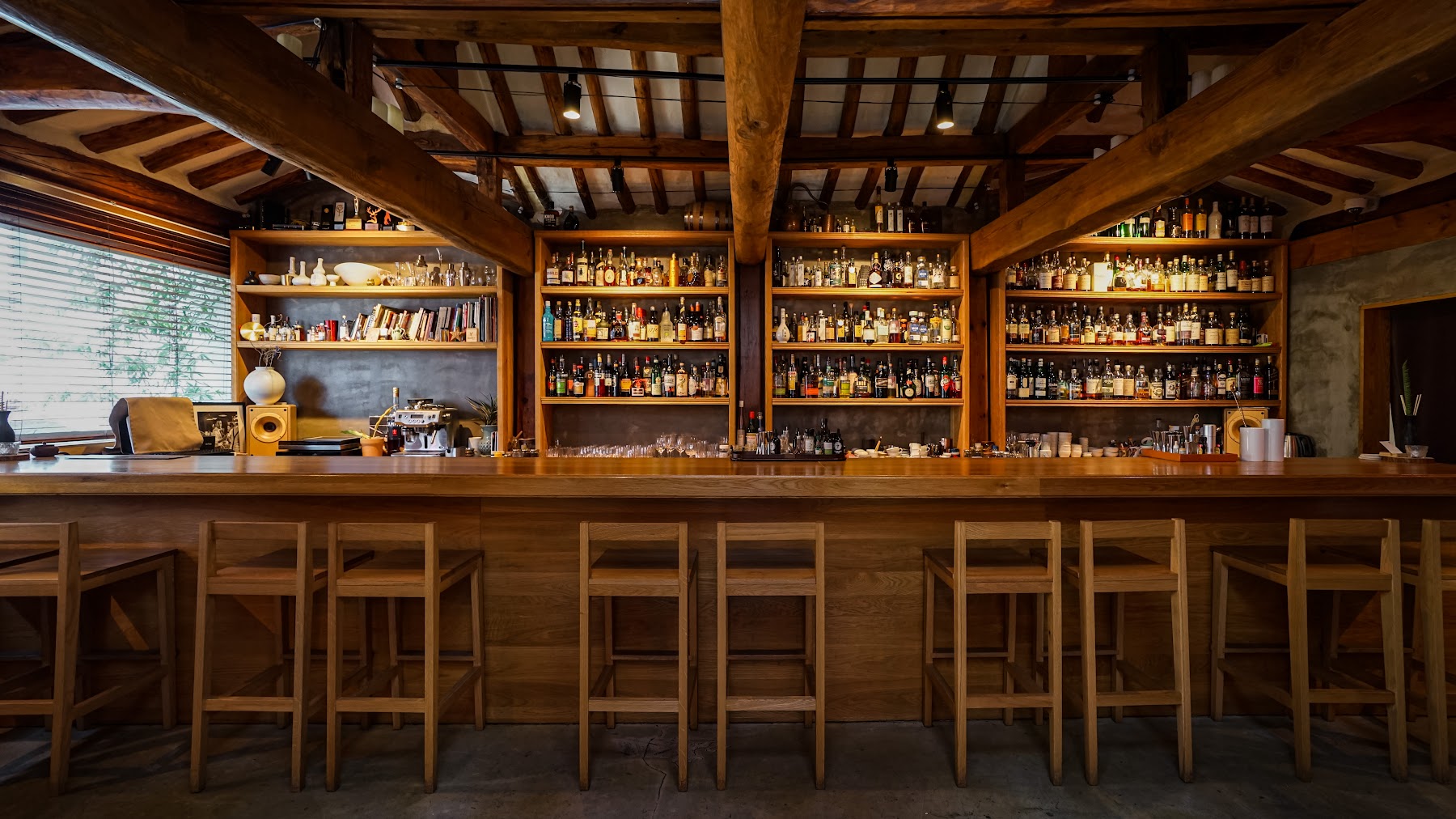
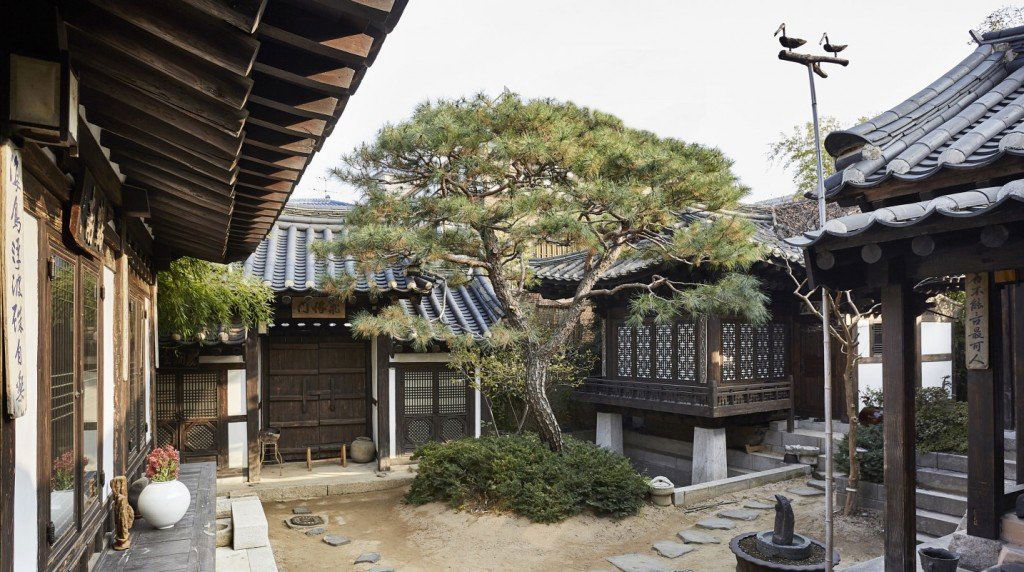
Rakkojae Seoul Main Hanok foregrounds traditional Korean architecture as the stay’s defining character. The property leans into hanok logic — timber frames, ondol underfloor heating and inward-facing courtyards — and avoids the theatrical gestures of big-city towers. Guests arrive through low timber gates into small courtyards that frame stone, sky and seasonal plantings, a composition that reads as intimate and deliberately human in scale. That emphasis on heritage and quiet authenticity explains why repeat guests return: Rakkojae feels more like inhabiting a carefully preserved domestic tradition than staying in a conventional luxury hotel.
Best For
This is a stay for travellers who prioritise cultural authenticity, quiet moments and architectural detail. Nestled in Bukchon’s narrow stone lanes, the property suits couples on romantic getaways, anniversaries and weekend escapes who want an intimate, low-key alternative to Seoul’s high-rise luxury hotels. It also appeals to architecture and heritage enthusiasts who appreciate traditional hanok construction and ondol heating. The hotel’s La Liste recognition signals an experience built on depth and sense of place rather than scale, so guests seeking immersion in neighbourhood rhythm and seasonally framed courtyard views find this particularly rewarding.
Venue details
Ambiance
Quiet, intimate, and deeply traditional, with a heritage-hanok atmosphere, warm natural materials, courtyard views, and a calm sense of seclusion.
Tags
Vibe
Best For
Experience
Amenities
View
About the Stay
- Rooms
- 5
- Check-in
- 15:00
- Check-out
- 11:00
- Property Type
- Heritage hotel
- Property Style
- A Restored Heritage Hanok Hotel Styled as an Intimate Traditional House Stay Rather Than a Conventional Modern Hotel.
- Design Style
- Traditional Hanok Heritage Design with Restored Wood, Courtyard/patio Planning, Ondol Flooring, and Antique Accented Interiors.
- Breakfast
- Included
- Families
- Welcome
- Cancellation
- Moderate
- Opened
- 2003
Know before you go
Know Before You Go
- Getting there
- 218 Gahoe-dong, Jongno District, Seoul
Planning details
Location
Recognition and awards

Also consider
Also Consider
- Four Seasons Hotel Seoul, Notable alternative
- LOTTE City Hotel Myeongdong, Notable alternative
- Lotte Hotel Seoul, Notable alternative
- Hotel 28 Myeongdong, Notable alternative
- Hotel28 Myeongdong, Notable alternative
Hotel context
How it compares in Seoul
Choose Rakkojae Seoul Main Hanok if atmosphere is the priority and the trip is built around a more traditional Seoul setting. Four Seasons Hotel Seoul is the safer luxury choice for full-service polish, business support, and families who want broad facilities, while Rakkojae is stronger for a quieter special-occasion stay with a clearer sense of place.
For value and logistics, LOTTE City Hotel Myeongdong is the more practical pick if the goal is efficient sightseeing, easier transit, and a familiar city-hotel setup. Lotte Hotel Seoul suits travelers who want a larger established hotel in a central business-and-shopping zone rather than a smaller heritage-style stay.
Hotel 28 Myeongdong and Hotel28 Myeongdong are better cross-shops for travelers who want a boutique feel but prefer Myeongdong convenience. Rakkojae is easier to justify when ambiance is the point; the Myeongdong options make more sense when location efficiency and simple city access matter more.
Explore Seoul
Around this place
Discover more on Pearl
Unlock the full Rakkojae Seoul Main Hanok guide in Pearl, including awards, comparisons, FAQs, planning details, and nearby places.
Compare Rakkojae Seoul Main Hanok
| Venue | Location | Awards |
|---|---|---|
| Rakkojae Seoul Main Hanok | Seoul | 2026 La Liste Top Hotels |
| Four Seasons Hotel Seoul | Seoul | 2026 Forbes 5-Star2026 La Liste Top Hotels2026 Michelin 2 Keys2025 Forbes 5-StarWorld Travel Awards 20252025 Michelin 1 KeyFour Seasons Hotels |
| LOTTE City Hotel Myeongdong | Seoul | No published awards |
| Lotte Hotel Seoul | Seoul | 2026 Forbes Recommended2025 Michelin Selected Hotels2025 Forbes Recommended |
| Hotel 28 Myeongdong | Seoul | No published awards |
| Hotel28 Myeongdong | Seoul | 2025 Michelin Selected HotelsSmall Luxury Hotels Member 2025 |






How Rakkojae Seoul Main Hanok compares with similar nearby venues.
FAQ
Frequently Asked Questions
How does Rakkojae Seoul Main Hanok compare to other hotels?
Rakkojae Seoul Main Hanok has a La Liste Top Hotels (2026): 92.5pts listing. For a different hotel profile in Seoul, compare it with Four Seasons Hotel Seoul, Lotte Hotel Seoul, LOTTE City Hotel Myeongdong, or Hotel 28 Myeongdong, then confirm the practical details that matter for your trip.
How is the pool and spa at Rakkojae Seoul Main Hanok?
Is Rakkojae Seoul Main Hanok good for business travel?
If business-travel essentials such as desks, meeting facilities, loyalty benefits, or other work-trip amenities matter, compare practical needs with options such as LOTTE City Hotel Myeongdong, Lotte Hotel Seoul, and Four Seasons Hotel Seoul.