


Fonteverde Lifestyle & Thermal Retreat
Val d’Orcia, San Casciano dei Bagni
Hotel in San Casciano dei Bagni, Italy
 Book with Pearl
The Read
Volcanic Thermal Wellness
Why go
Book Fonteverde Lifestyle & Thermal Retreat if the trip is about spa time, quiet pacing, and a thermal setting rather than constant sightseeing. Its 2025 Leading Hotels of World membership and 2026 Virtuoso Luxury Hotel Partner status make it the more credentialed pick among nearby countryside alternatives, especially for wellness-led stays.
About Fonteverde Lifestyle & Thermal Retreat
The common mistake is treating San Casciano dei Bagni as just a point on an itinerary. For a stay at Fonteverde Lifestyle & Thermal Retreat, the grounded way to frame the choice is simple: it is a venue in San Casciano dei Bagni with premium-hotel affiliations, rather than a stay to judge by an assumed checklist of rooms, dining, facilities, or services.
Fonteverde Lifestyle & Thermal Retreat is easiest to evaluate if the trip is built around staying in San Casciano dei Bagni. Its clearest credentials are its Leading Hotels of World membership in 2025 and Virtuoso Luxury Hotel Partner status in 2026. Those affiliations make it a relevant option for travelers comparing premium stays in the area, while any specific service details should be checked directly before booking.
Book it for San Casciano dei Bagni, not for a busy checklist
The value question is direct: Fonteverde Lifestyle & Thermal Retreat is worth considering when the property itself is part of the reason for the trip. If the plan depends on specific facilities, room categories, dining details, or business services, check those details directly with the hotel before committing.
For broader planning, use Our full San Casciano dei Bagni hotels guide, plus the local restaurants guide and other San Casciano dei Bagni travel planning resources.
Planning details
- Location
- Località Terme, 1, 53040 San Casciano dei Bagni SI
- Website
- fonteverdespa.com
- Phone
- +39 0578 57241
The take
The Take
The Vibe
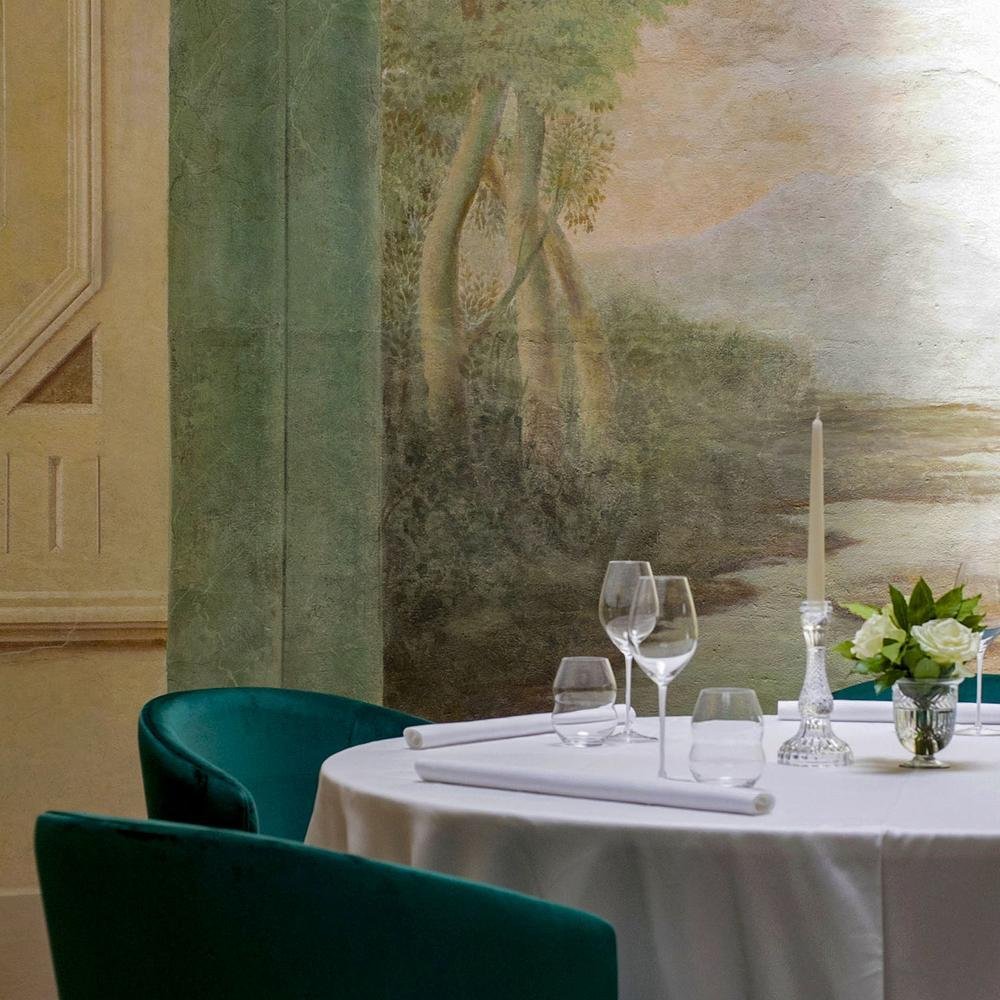
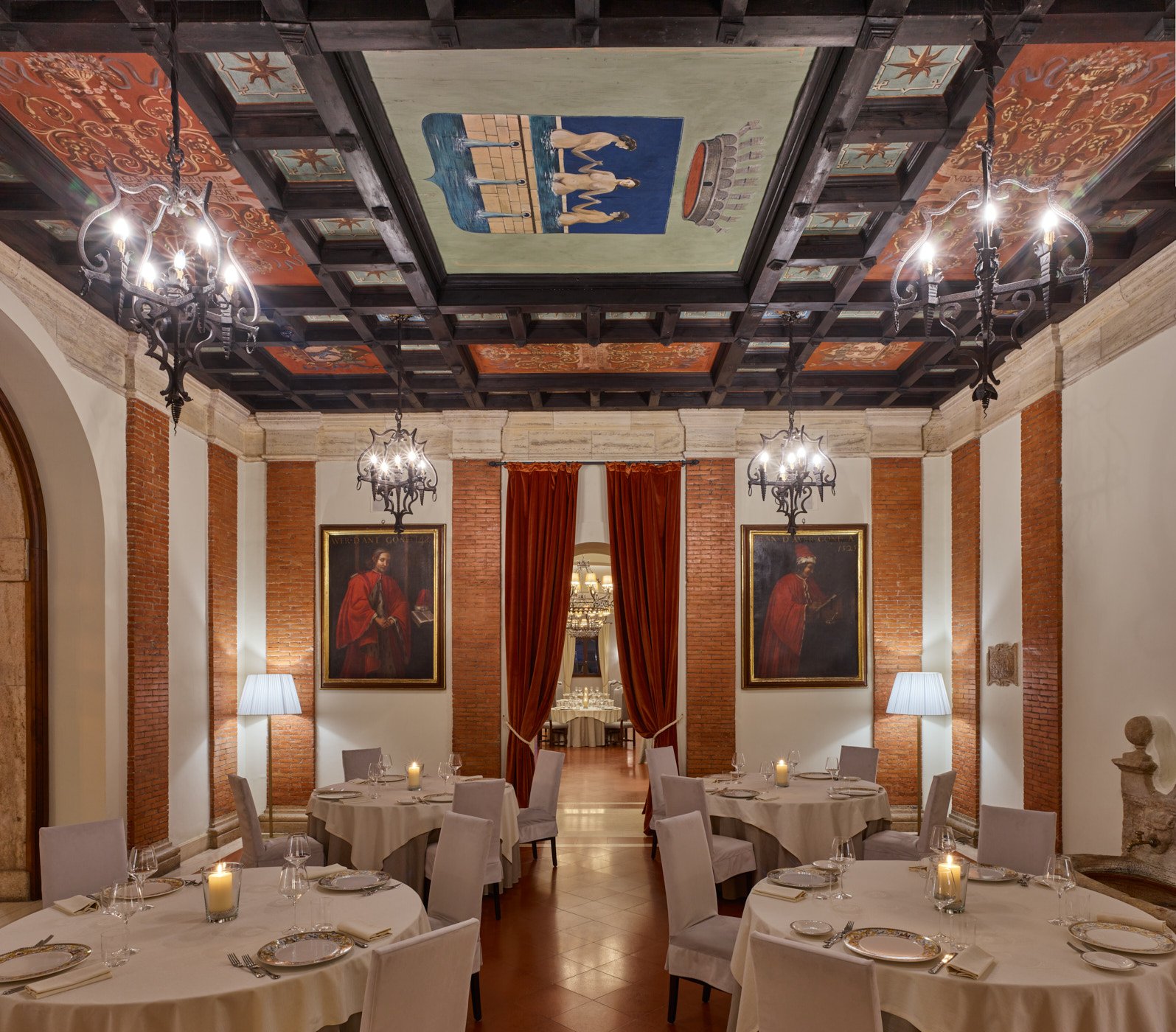
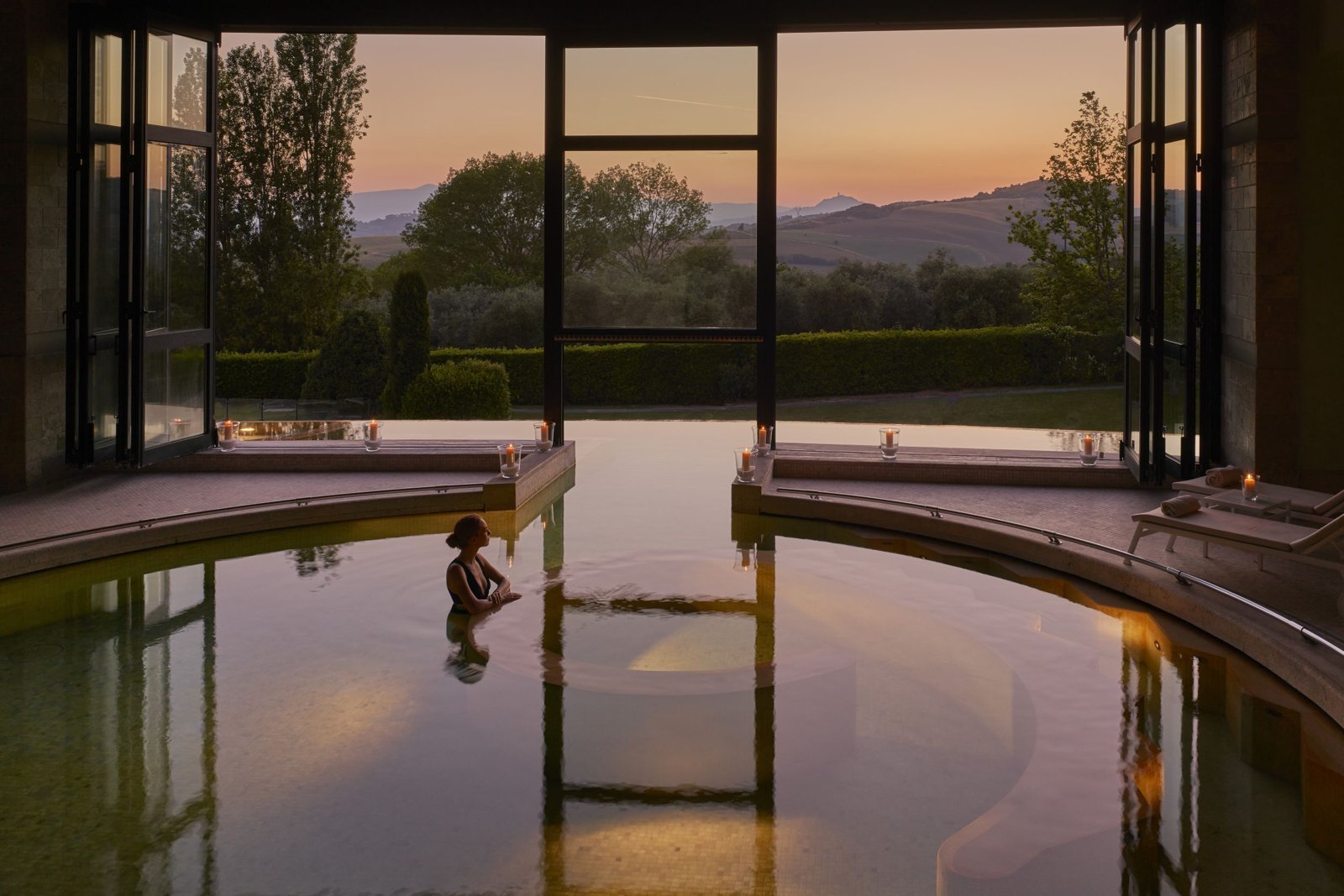
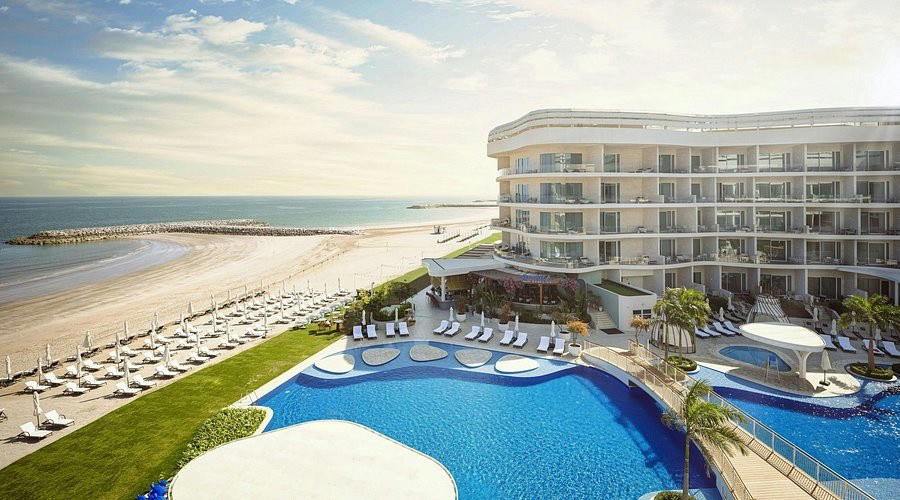
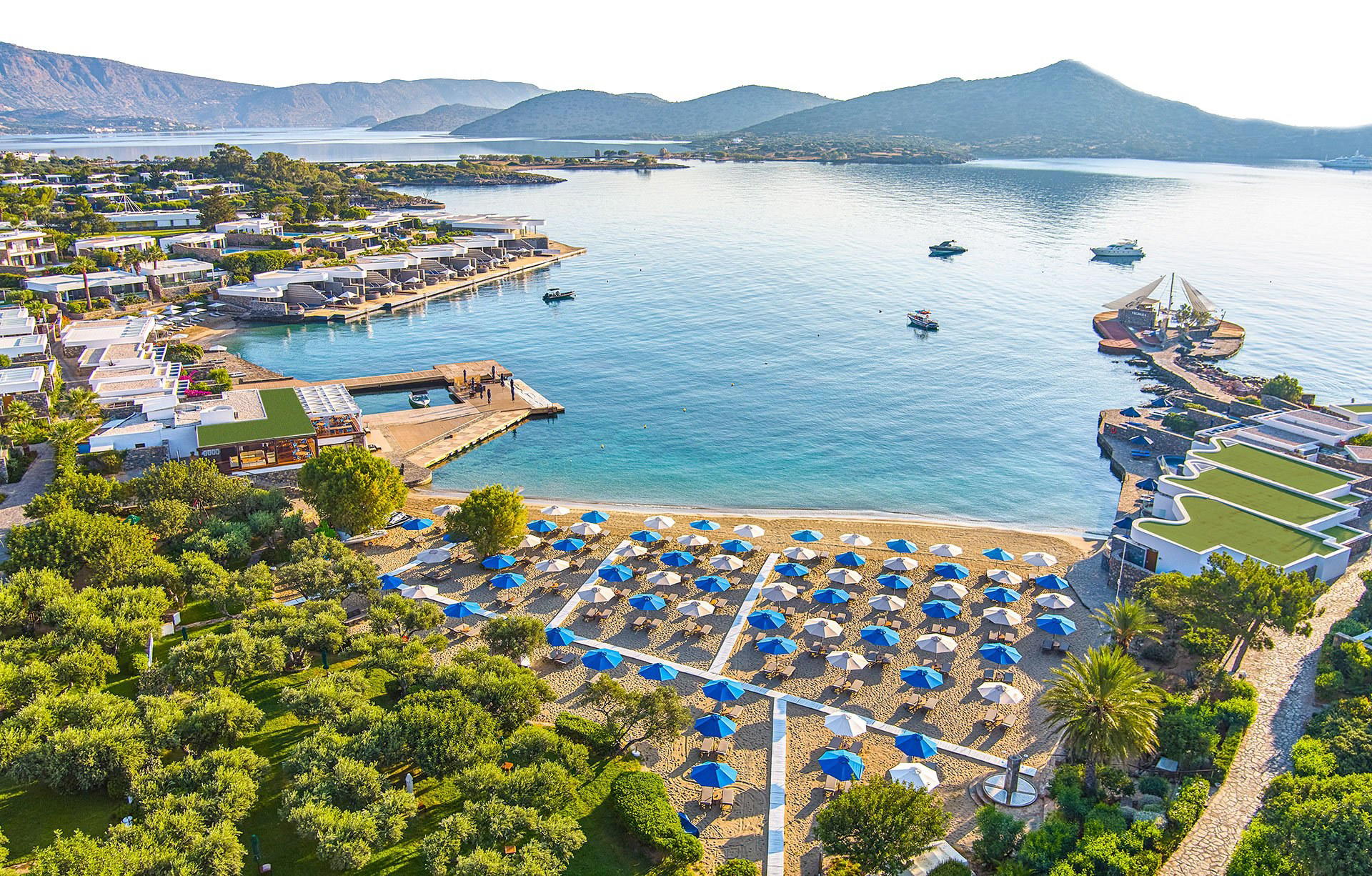
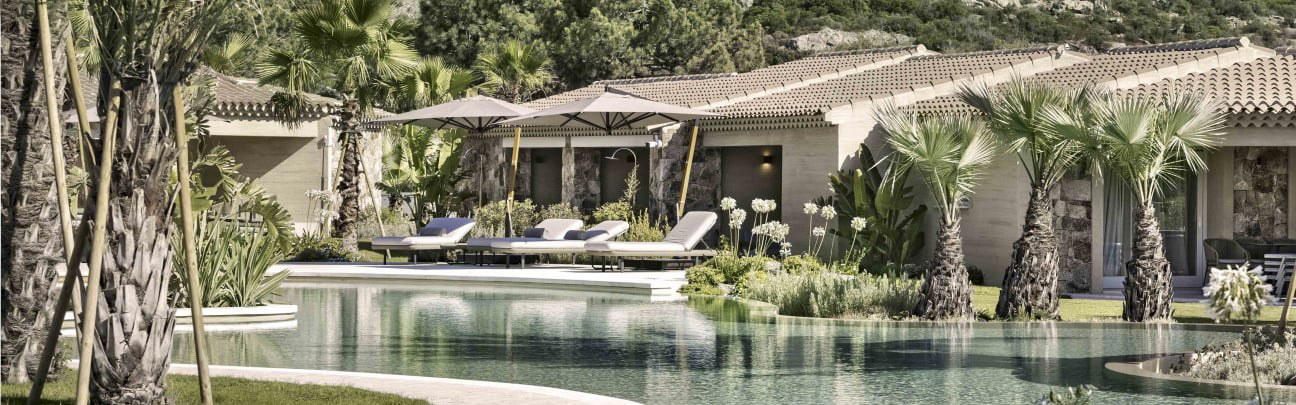
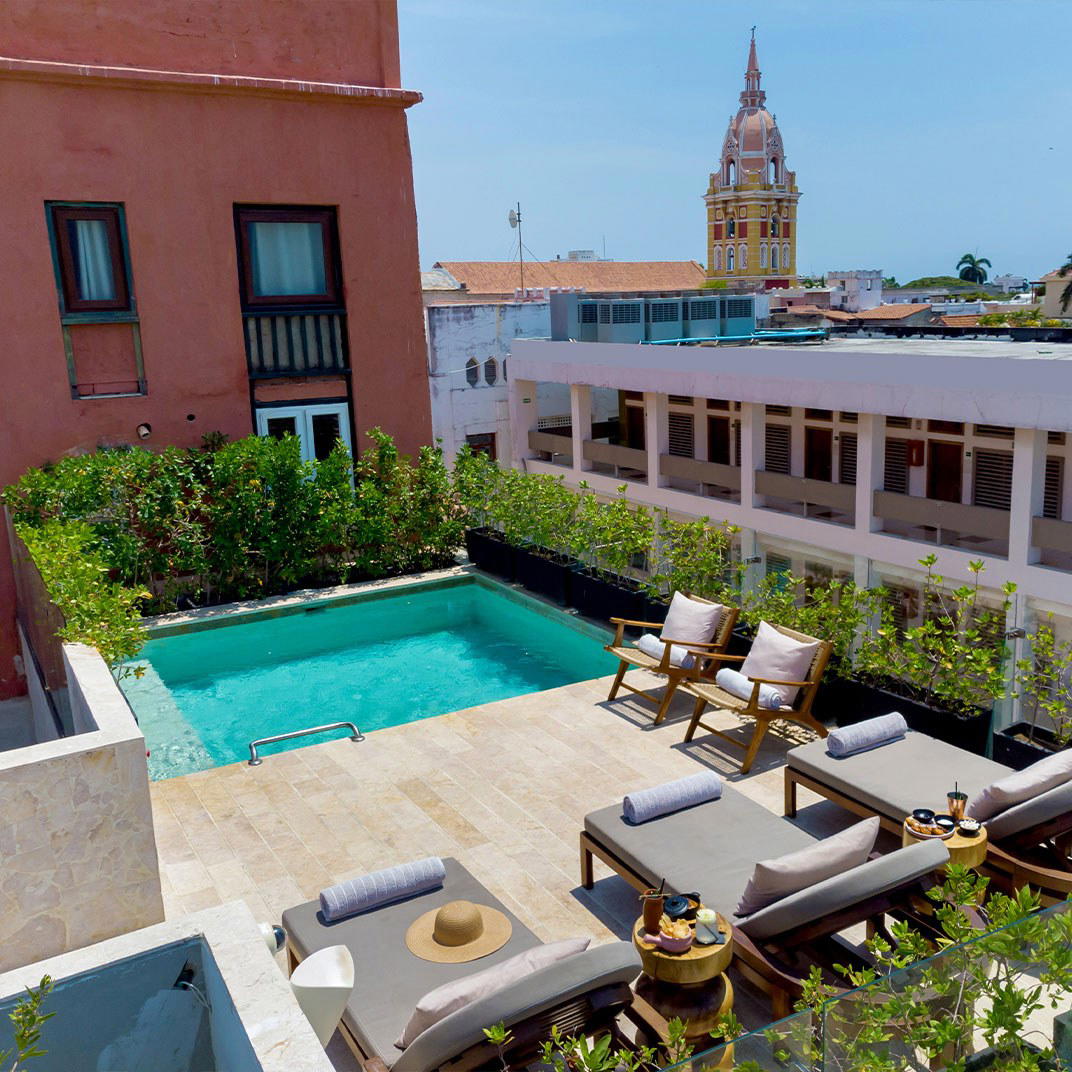
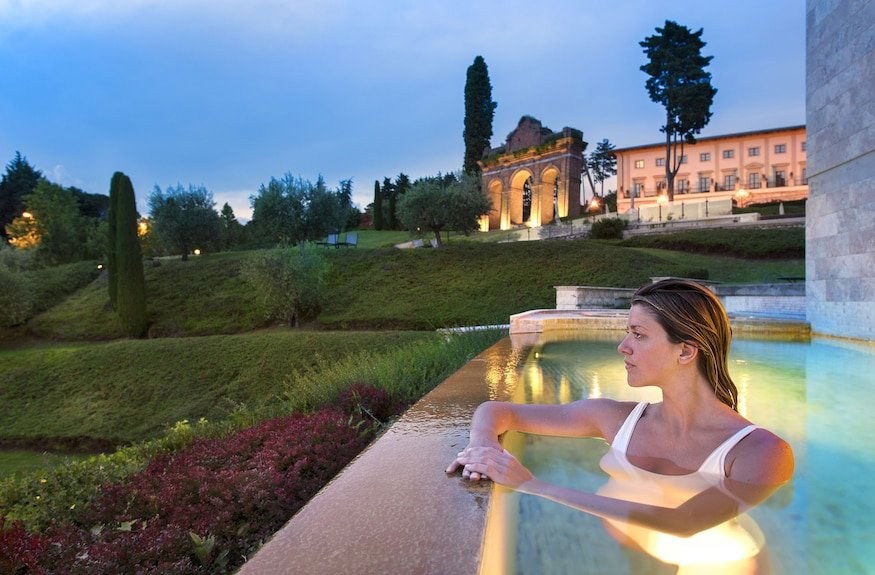
Fonteverde presents a distinctly historical and calm personality. Housed in a 17th-century Medicean villa, the property foregrounds its architectural pedigree and a design-led 2020 refurbishment that references Siena and Florence’s Gothic traditions. The setting — olive groves, terraced vineyards and the low, sulphurous scent of thermal springs — frames an experience that feels scenic and quietly refined rather than ostentatious. The hotel balances period character with a considered contemporary interior language, so guests encounter a sophisticated, elegant atmosphere that emphasizes restoration, wellness and a strong sense of place.
Best For
This is a retreat for travelers seeking wellness, history and rural Tuscan scenery. The hotel's identity as a thermal retreat and its location above centuries-old springs make it especially suited to guests prioritizing spa and restorative experiences. It also appeals to those who appreciate architectural context and thoughtful design: the villa’s Medicean origins and the 2020 interior refurbishment reward visitors interested in heritage properties with contemporary comforts. Fonteverde works well for quiet getaways and restorative breaks where the landscape and thermal offerings are the main draw.
Venue details
Ambiance
Elegant, historic, and serene, with a refined classic atmosphere shaped by a Renaissance palace setting, thermal pools, and Val d’Orcia views.
Tags
Vibe
Best For
Experience
Amenities
View
About the Stay
- Rooms
- 78
- Check-in
- 15:00
- Check-out
- 12:00
- Property Style
- Luxury Heritage Wellness Resort Set in a Historic Renaissance Palace.
- Design Style
- Renaissance Palazzo with Refreshed Classic Tuscan Elegance, Terracotta and Stone Materials, and Contemporary Comforts.
Know before you go
Know Before You Go
- Getting there
- Località Terme, 1, 53040 San Casciano dei Bagni SI
Planning details
Location
Recognition and awards


Also consider
Also Consider
- Monteverdi Tuscany, Notable alternative
- Podere Zingoni, Notable alternative
- Borgo La Chiaracia Resort & SPA, Notable alternative
- I Borghi dell'Eremo, Notable alternative
- Locanda Palazzone, Notable alternative
Hotel context
How Fonteverde compares nearby
Choose Fonteverde Lifestyle & Thermal Retreat over Monteverdi Tuscany if the thermal retreat setting is the reason for the trip. Monteverdi Tuscany is the better cross-shop for a village-style Tuscan stay, while Fonteverde is the stronger call when spa time and low-effort downtime matter more than a cultural base.
Podere Zingoni and Locanda Palazzone make more sense for travelers who want a smaller countryside stay and are less focused on resort infrastructure. Fonteverde's easy booking profile also helps if the dates are flexible and the trip does not need to be planned around scarce inventory.
For a more resort-like alternative, compare it with Borgo La Chiaracia Resort & SPA and I Borghi dell'Eremo. Fonteverde has the clearer wellness-led identity, helped by Leading Hotels of World membership in 2025 and Virtuoso Luxury Hotel Partner status in 2026; the others are better reads if the priority is a broader countryside escape rather than a thermal-retreat stay.
Explore San Casciano dei Bagni
Around this place
Discover more on Pearl
Unlock the full Fonteverde Lifestyle & Thermal Retreat guide in Pearl, including awards, comparisons, FAQs, planning details, and nearby places.
Compare Fonteverde Lifestyle & Thermal Retreat
| Venue | Location | Awards |
|---|---|---|
| Fonteverde Lifestyle & Thermal Retreat | San Casciano dei Bagni | 2026 Virtuoso Luxury Hotel CollectionLeading Hotels of the World 20262025 Michelin Selected Hotels |
| Monteverdi Tuscany | Castiglioncello Del Trinoro | 2026 Virtuoso Luxury Hotel Collection2026 Mr & Mrs Smith Luxury Hotels2025 Michelin 2 Keys |
| Podere Zingoni | Sarteano | No published awards |
| Borgo La Chiaracia Resort & SPA | Castel Giorgio | No published awards |
| I Borghi dell'Eremo | Piegaro | 2025 Michelin 2 KeysSmall Luxury Hotels Member 20252024 Michelin 2 Keys |
| Locanda Palazzone | Orvieto | No published awards |


How Fonteverde Lifestyle & Thermal Retreat compares with similar nearby venues.
FAQ
Frequently Asked Questions
What is check-in like at Fonteverde Lifestyle & Thermal Retreat?
Ask the hotel for current check-in timing and procedures. The clearest trust signals are its 2025 Leading Hotels of World membership and 2026 Virtuoso Luxury Hotel Partner status in San Casciano dei Bagni.
Is Fonteverde Lifestyle & Thermal Retreat good for business travel?
It may make sense if the trip is centered on staying in San Casciano dei Bagni. If you need business facilities or meeting services, check those details directly before booking for work.
How does Fonteverde Lifestyle & Thermal Retreat compare to nearby hotels?
Fonteverde makes the most sense when a stay in San Casciano dei Bagni is the priority. For other regional options, compare it with Monteverdi Tuscany, Locanda Palazzone, Borgo La Chiaracia Resort & SPA, I Borghi dell'Eremo, and Podere Zingoni based on the kind of trip you want.
When is the best time to book Fonteverde Lifestyle & Thermal Retreat?
Which room category is best at Fonteverde Lifestyle & Thermal Retreat?
Choose based on budget, availability, and how much of the trip you expect to spend at the property itself.
Do loyalty programs work at Fonteverde Lifestyle & Thermal Retreat?
The key affiliations are its Leading Hotels of World membership, plus Virtuoso Luxury Hotel Partner status. Check current benefits and booking conditions before reserving.
How is the location of Fonteverde Lifestyle & Thermal Retreat?
Fonteverde Lifestyle & Thermal Retreat is in San Casciano dei Bagni.