

Hôtel de Tourrel
Saint-Rémy-de-Provence
Hotel in Saint-Rémy-de-Provence, France
 Book with Pearl
The Read
Stripped-Back Manor Precision
Why go
Hôtel de Tourrel is a strong choice for travelers who want central Saint-Rémy-de-Provence with a design-led, intimate hotel feel. Upgrade if the room is part of the occasion; stay in a lower category if the trip is mostly restaurants, village walks, and day trips.
About Hôtel de Tourrel
For a stay in Saint-Rémy-de-Provence, Hôtel de Tourrel stands out for its 2024 Michelin 1 Key recognition and its listing as a 2026 Design Hotels member. Before booking, check current room categories, facilities, dining, pricing, service style, and arrival details directly with the hotel.
That makes the decision relatively simple: consider Hôtel de Tourrel if those recognition markers and a Saint-Rémy-de-Provence base are central to the trip. If you are comparing a few places before committing, look at nearby or regional alternatives such as Le Vallon de Valrugues Hotel Spa & Villas, Château des Alpilles, Auberge De Saint-Rémy, Domaine de Chalamon - Fontenille Collection, and Baumanière Hôtel & Spa without assuming they offer the same style of stay.
Book it for a recognized Saint-Rémy-de-Provence stay
The hotel's clearest credentials are its 2024 Michelin 1 Key recognition and 2026 Design Hotels membership. Those are useful signals for travelers who want a vetted hotel choice in Saint-Rémy-de-Provence, but they should not be used as a substitute for checking the practical details that matter to your trip.
Before booking, confirm directly with the property for current room options, services, dining arrangements, and any arrival details. If you are still choosing between hotels, compare Hôtel de Tourrel with Auberge De Saint-Rémy for another Saint-Rémy-de-Provence option, or consider Château des Alpilles, Domaine de Chalamon - Fontenille Collection, Le Vallon de Valrugues Hotel Spa & Villas, and Baumanière Hôtel & Spa as part of a wider Provence hotel search.
Who should upgrade, and who should cross-shop
Base upgrade decisions on Hôtel de Tourrel's current room information. If the room itself is central to the trip, ask the hotel what differentiates the available categories before paying more.
Cross-shop if your decision depends on facilities, dining, room size, or a particular atmosphere. For a broader scan before deciding, use our full Saint-Rémy-de-Provence hotels guide; for planning around meals, pair it with our full Saint-Rémy-de-Provence restaurants guide.
Quick read: book for a Saint-Rémy-de-Provence hotel with Michelin 1 Key recognition and Design Hotels membership; confirm all practical details directly before choosing a room or comparing alternatives.
Planning details
- Location
- 5 Rue Carnot, 13210 Saint-Rémy-de-Provence
- Website
- detourrel.com
- Phone
- +33 4 84 35 07 20
The take
The Take
The Vibe
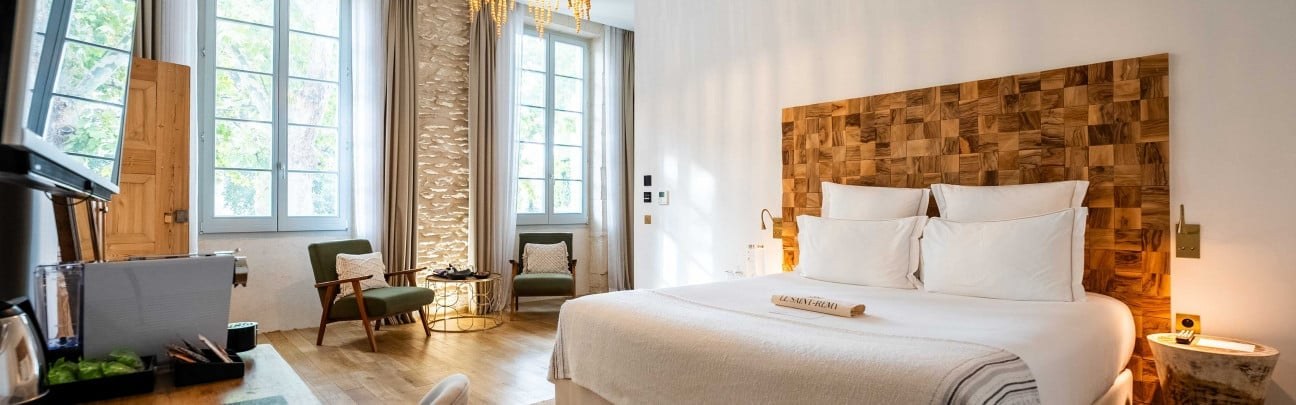
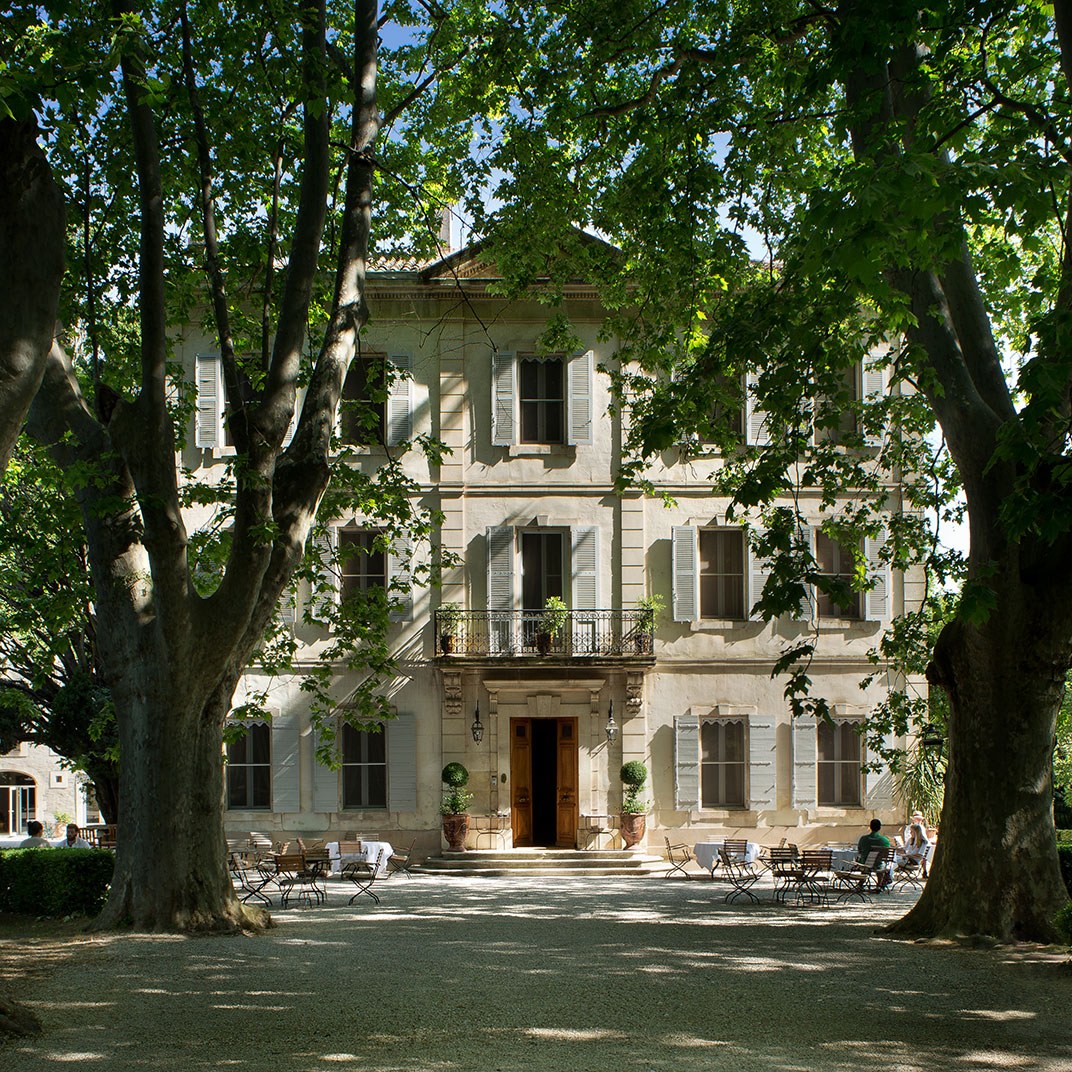
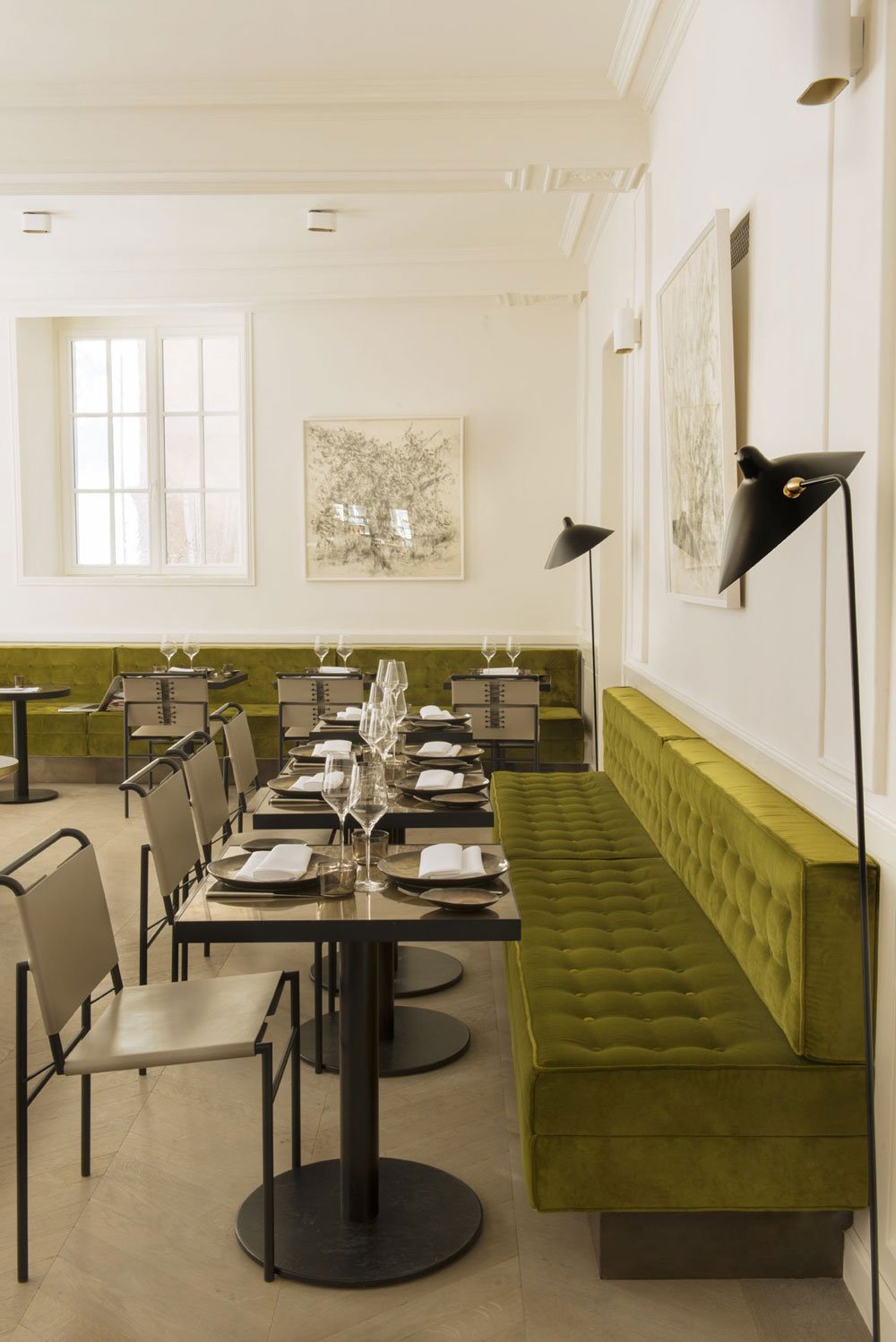
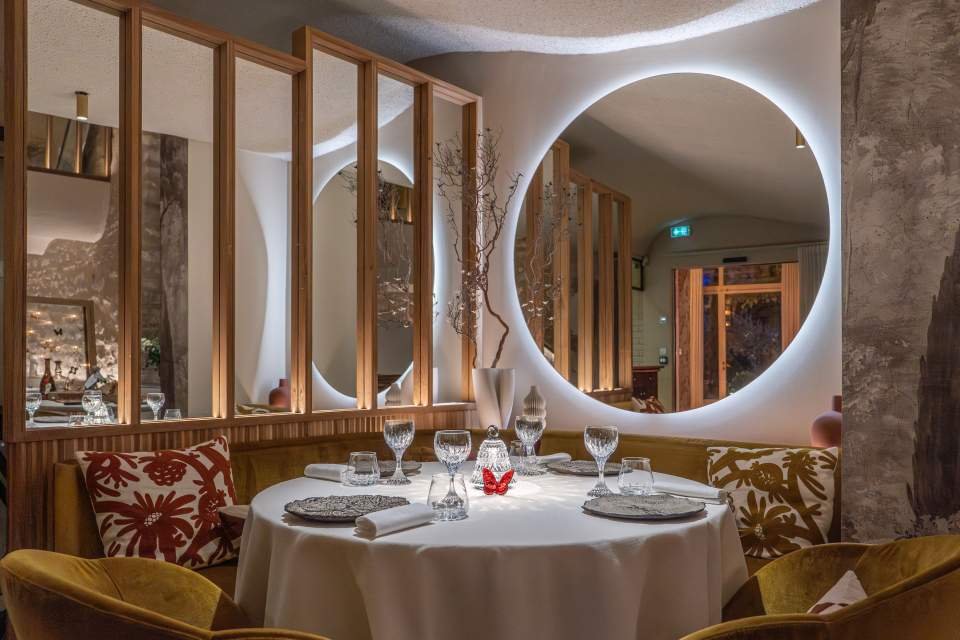
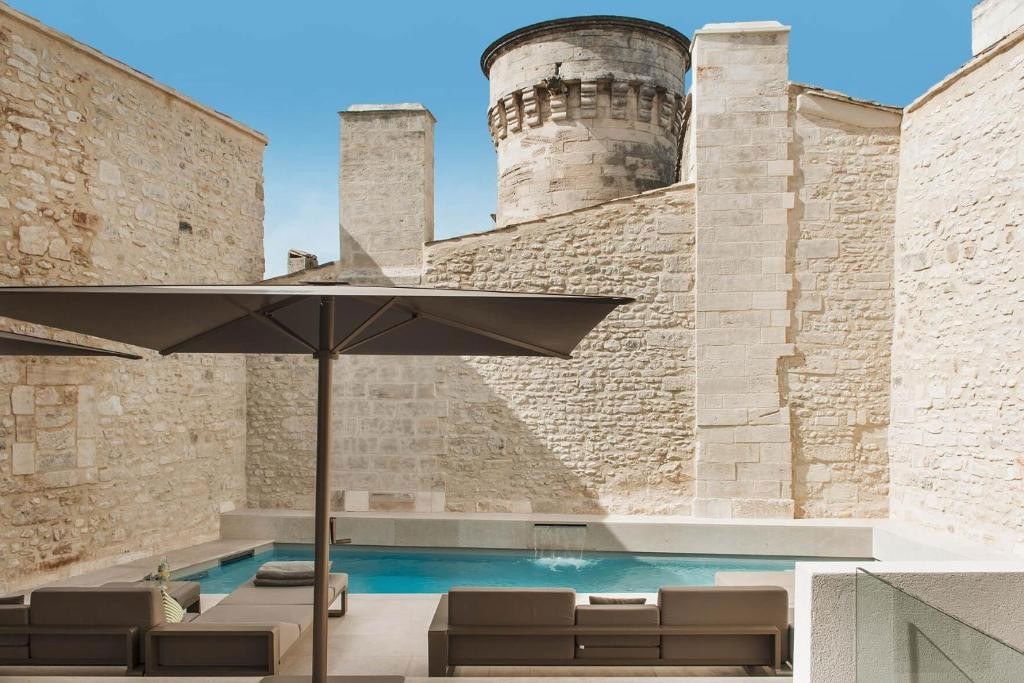
Hôtel de Tourrel occupies a 17th-century palais that reads as both a relic and a modern retreat. The restoration peels paint back to original stucco walls and decorative moldings, and those historic bones are paired with mid-century furniture, clean lines and neutral earth tones. High ceilings and parquet floors reinforce the building’s architectural character while the interiors keep a restrained, thoughtful minimalism rather than period pastiche. The result is a quietly refined boutique hotel that feels deliberately curated: historic in structure, contemporary in temperament, and quietly charming for guests who appreciate design and provenance.
Best For
This is a stay for travelers drawn to Provençal culture and art history—guests who come to Saint-Rémy for galleries, markets and the Van Gogh connections. Its compact location in the historic center makes the hotel a practical base for strolls to local bistros and weekly markets. The property’s boutique scale and careful design also suit couples and small groups seeking an intimate, elevated escape rather than a large resort experience. Visitors who value architectural character and considered interiors will find the hotel especially rewarding.
Stay Tips
Premium boutique rooms in a small historic property tend to be limited, so book early—especially during high season and local market days. The hotel’s emphasis is on architectural authenticity and curated interiors, so expect rooms that foreground original stucco, high ceilings and parquet floors rather than ornate period decoration. If proximity to town amenities matters, mention your preference when reserving; the description highlights a central, walkable location that makes on-foot exploration of galleries and restaurants easy.
Venue details
Ambiance
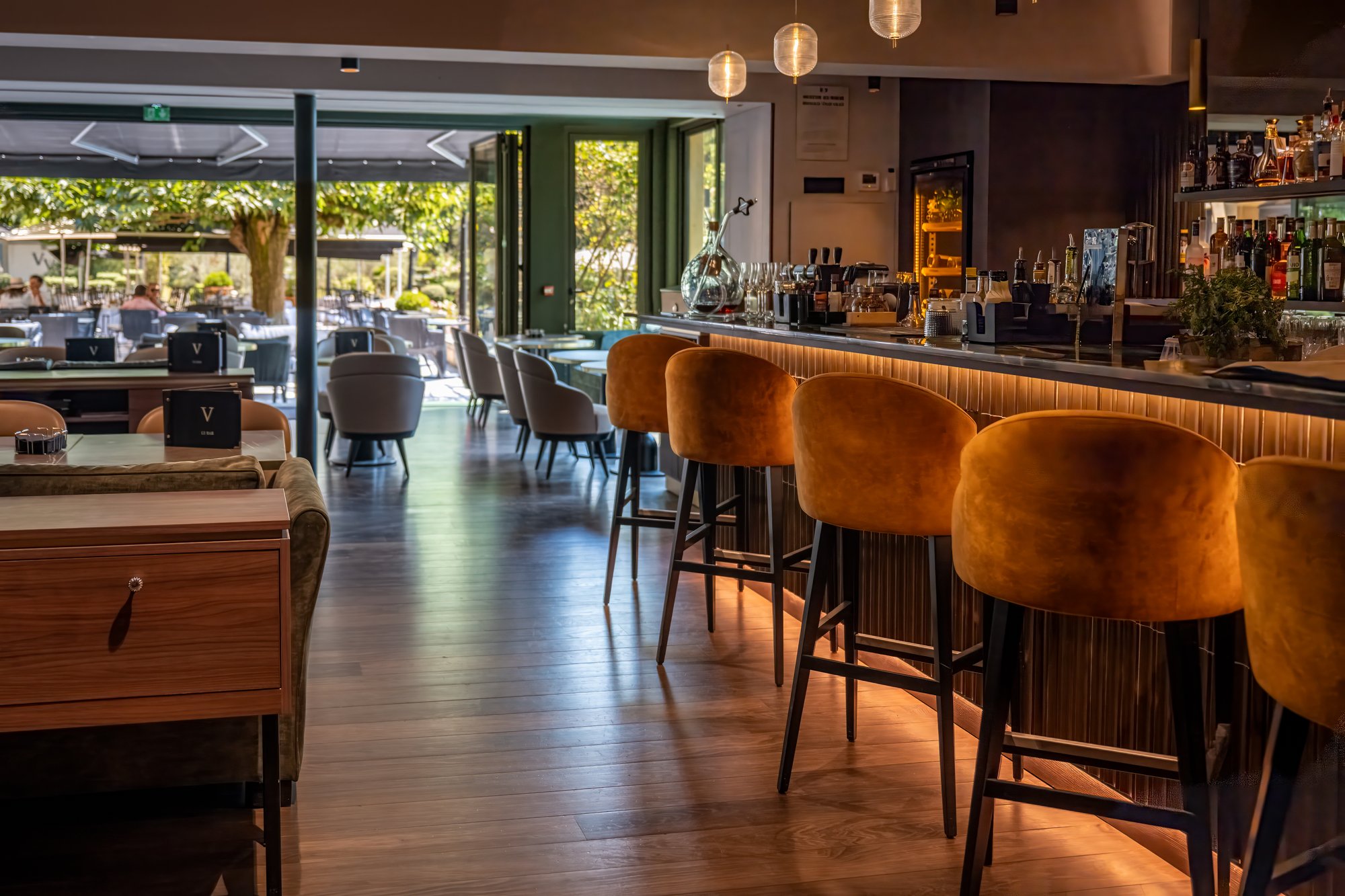
Sophisticated and serene with subtle lighting, warm staff presence, and a quiet oasis atmosphere praised for its attention to detail and historic charm.
Tags
Vibe
Best For
Experience
Amenities
View
Accessibility
About the Stay
- Rooms
- 7
- Check-in
- 15:00
- Property Style
- Renovated Historic Mansion Blending Authentic Provençal Architecture with Modern Luxury.
- Design Style
- Contemporary Elegance Mixing Old Stone, Marble, Parquet Floors, and Sleek Modern Furnishings.
Know before you go
Know Before You Go
- Getting there
- 5 Rue Carnot, 13210 Saint-Rémy-de-Provence
Planning details
Location
Recognition and awards
Also consider
Cross-shop these if it is unavailable
Try Auberge De Saint-Rémy first if staying in the village remains the priority. For a more spacious Provence stay, move to Château des Alpilles or Domaine de Chalamon - Fontenille Collection.
Hotel context
How it compares in Saint-Rémy-de-Provence
Hôtel de Tourrel is the right pick if location and design matter more than resort amenities. Compared with Auberge De Saint-Rémy, it reads more hotel-forward and occasion-driven; Auberge De Saint-Rémy is the easier cross-shop for travelers who want a village stay with a restaurant-led feel.
Le Vallon de Valrugues Hotel Spa & Villas is better for spa time, villas, and guests who want more facilities around the stay. Domaine de Chalamon - Fontenille Collection and Château des Alpilles are stronger fits for a countryside mood, gardens, and a slower Provence base.
Baumanière Hôtel & Spa is the splurge comparison outside Saint-Rémy, especially for travelers building the trip around a destination hotel. Choose Hôtel de Tourrel when the priority is being in Saint-Rémy itself and keeping the stay compact, polished, and easy to use.
Explore Saint-Rémy-de-Provence
Around this place
Discover more on Pearl
Unlock the full Hôtel de Tourrel guide in Pearl, including awards, comparisons, FAQs, planning details, and nearby places.
Compare Hôtel de Tourrel
| Venue | Location | Awards |
|---|---|---|
| Hôtel de Tourrel | Saint-Rémy-de-Provence | 2026 Design Hotels Collection2025 Michelin 1 KeyMichelin 1 Key 20252024 Michelin 1 Key |
| Auberge De Saint-Rémy | Saint-Rémy-de-Provence | No published awards |
| Le Vallon de Valrugues Hotel Spa & Villas | St Remy de Provence | 2025 Michelin Selected HotelsSmall Luxury Hotels Member 2025 |
| Domaine de Chalamon - Fontenille Collection | Saint-Rémy-de-Provence | No published awards |
| Château des Alpilles | Saint-Rémy-de-Provence | No published awards |
| Baumanière Hôtel & Spa | Les Baux-de-Provence | No published awards |


How Hôtel de Tourrel Saint-Rémy compares with similar nearby venues.
FAQ
Frequently Asked Questions
What is check-in like at Hôtel de Tourrel?
When is the best time to book Hôtel de Tourrel?
Book timing depends on your travel dates and room needs. Hôtel de Tourrel has Michelin 1 Key recognition and is listed as a 2026 Design Hotels member; check current availability and booking conditions directly with the hotel.
Which room category is best at Hôtel de Tourrel?
Ask Hôtel de Tourrel directly for the current room types, differences, and suitability for your trip before choosing an upgrade.
How is the dining at Hôtel de Tourrel?
How is the pool and spa at Hôtel de Tourrel?
How does Hôtel de Tourrel compare to other hotels?
Hôtel de Tourrel is a Saint-Rémy-de-Provence hotel with Michelin 1 Key recognition and Design Hotels membership. Travelers comparing options may also look at Auberge De Saint-Rémy, Château des Alpilles, Le Vallon de Valrugues Hotel Spa & Villas, Domaine de Chalamon - Fontenille Collection, and Baumanière Hôtel & Spa, while confirming each property's current details directly.
Is Hôtel de Tourrel family-friendly?
If traveling with children, contact Hôtel de Tourrel directly to confirm room setup, policies, and any services relevant to your stay.