
NH Collection Palazzo Cinquecento
Esquilino, Rome
Hotel in Rome, Italy
 Book with Pearl
The Read
Price
$200–300per night
Why go
NH Collection Palazzo Cinquecento is a practical Rome pick when rail access and easy movement matter more than a quiet neighborhood mood. The 2025 MICHELIN hotel selection adds credibility, but the real reason to book is the Piazza dei Cinquecento location. Cross-shop smaller boutique hotels if the trip is more romantic than logistical.
About NH Collection Palazzo Cinquecento
NH Collection Palazzo Cinquecento is a Rome hotel featured in the MICHELIN Guide hotel selection for 2025. It is best considered alongside other Rome hotels, especially if you want to compare recognition, style, and practical fit before booking.
The confirmed dress code is smart casual. That gives the stay a stated baseline, but it should not be stretched into assumptions about formality, restaurant format, spa facilities, or a particular hotel mood. If those details matter for a celebration, work trip, or short stay, confirm them directly before booking.
Use the facts to shape your booking questions
The useful anchors are simple: this is NH Collection Palazzo Cinquecento in Rome, with MICHELIN Guide Hotels Selected recognition in 2025 and a smart-casual dress code. Those facts support considering it for travelers who want a recognized hotel option in Rome.
For a special occasion, the right question is whether the confirmed profile is enough for your needs. If you need a particular room type, restaurant plan, wellness setup, or highly specific atmosphere, treat those as booking questions rather than assumptions.
The stay is defined by recognition, not extras
The 2025 MICHELIN hotel selection is the main credibility point that can be stated confidently. It is useful as a quality signal, but it should not be treated as proof of specific amenities, prices, cuisine, service formats, or guest experience details.
Do not choose it based on dining, spa, pool, nightlife, room layout, or transport advantages unless you have checked those details for your dates. The stronger approach is to use the confirmed recognition and Rome location as the starting point, then verify the practical pieces that matter to your trip.
If meals and drinks are important, plan them separately rather than assuming the hotel will carry that part of the itinerary. You can compare options through Rome restaurants and Rome bars, then decide whether NH Collection Palazzo Cinquecento still fits the overall plan.
Who should book, and who should cross-shop
Book if you want a Rome hotel with a confirmed MICHELIN Guide Hotels Selected mention for 2025 and a smart-casual baseline. Cross-shop if the trip depends on details such as a particular dining program, wellness facilities, room configuration, price point, or highly specific sense of place. Other Rome hotels to compare include Anantara Palazzo Naiadi, The Fifteen Keys Hotel, 1880 Atypical Rooms, Leon's Place, and The St. Regis Rome.
For most travelers, the decision should stay direct: NH Collection Palazzo Cinquecento is worth considering for a Rome stay with confirmed MICHELIN hotel-selection recognition, but any more specific promise should be checked before it becomes the reason to book.
Planning details
- Location
- Piazza dei Cinquecento, 90, 00185 Roma RM, Italy
- Website
- nh-hotels.com/en/hotel/nh-collection-roma-palazzo-cinquecento
- Phone
- +39 06 492221
The take
The Take
The Vibe
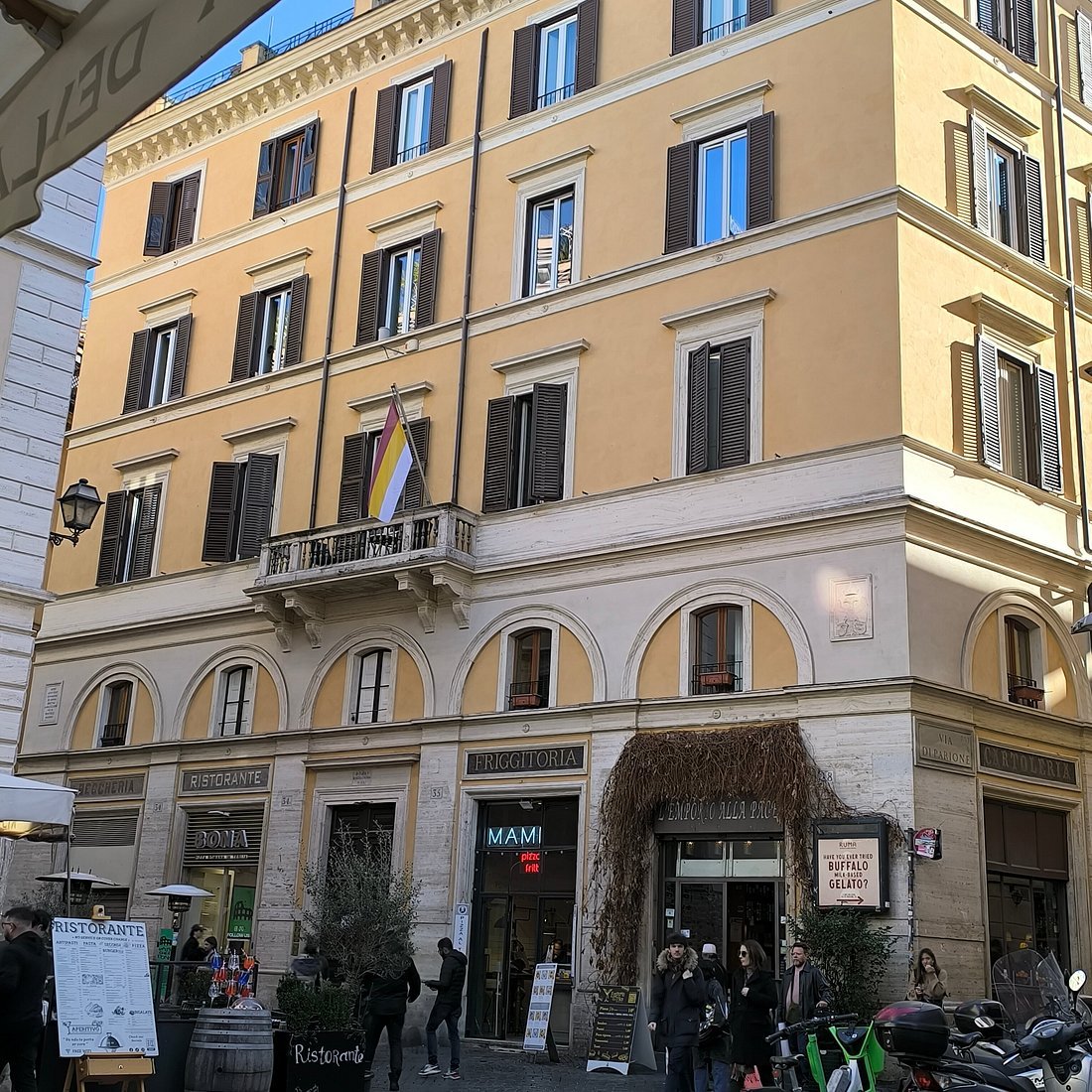
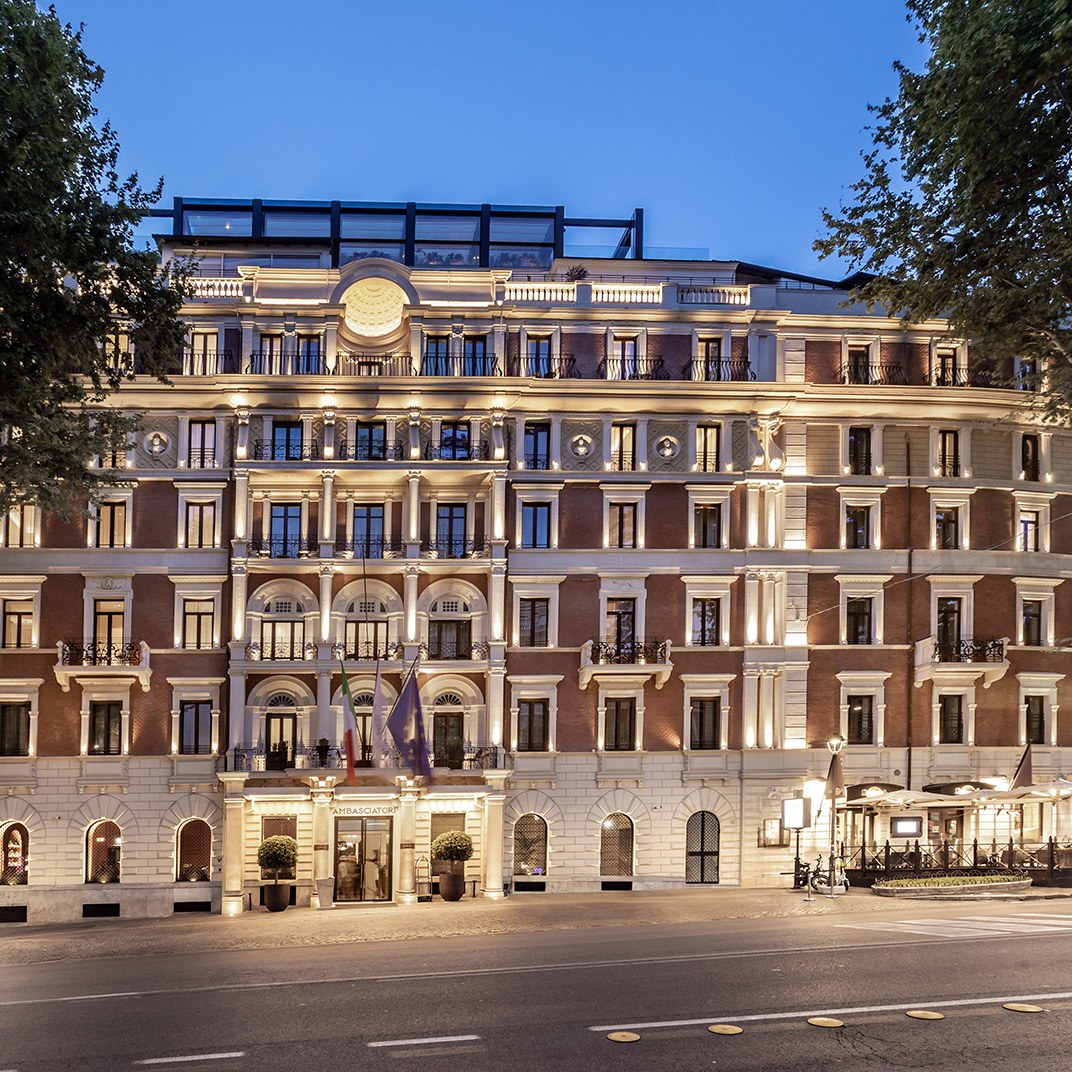
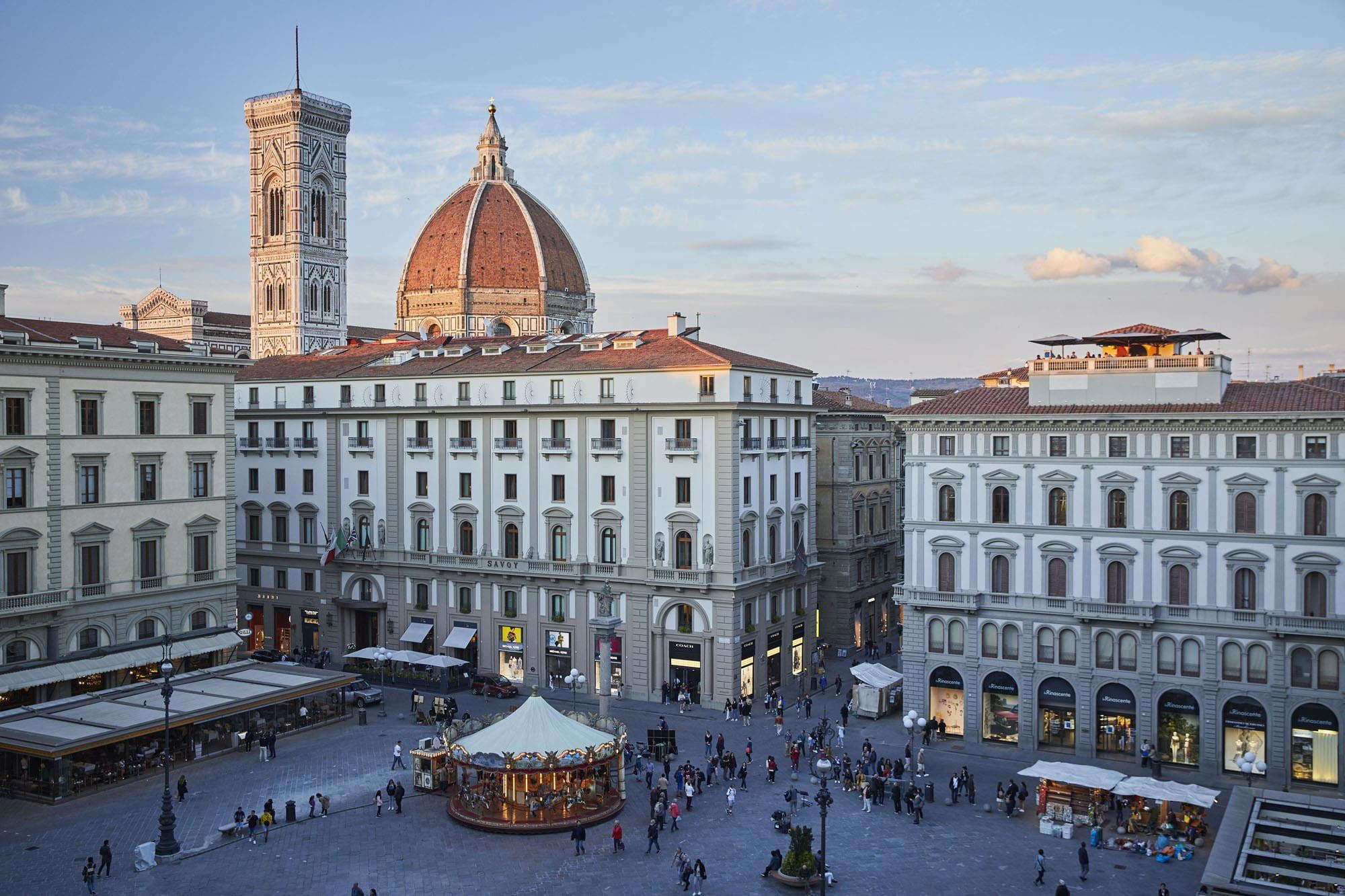
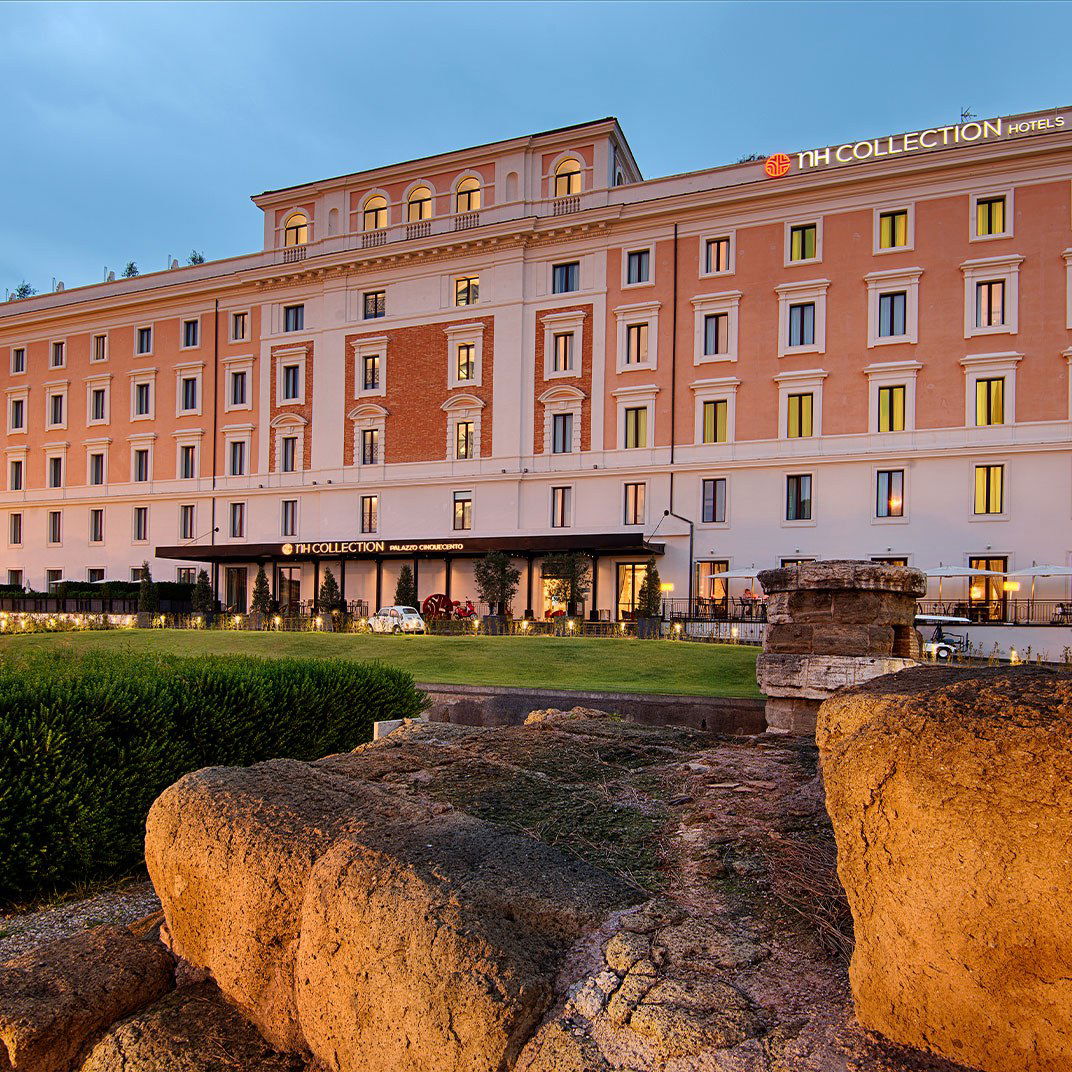
A neoclassical early 20th-century facade fronts one of Rome’s busiest transport hubs, and the hotel is part of the city’s functional life. The writing emphasizes a contrast between the noisy, transited Piazza dei Cinquecento and the composed interior, while the hotel’s 2025 Michelin Selected distinction signals consistent quality in hospitality. The result is a historic, quietly confident address that merges architectural presence with service-minded professionalism for travellers who prefer authenticity over theatrical luxury.
Best For
This hotel is best for travellers prioritising connectivity and straightforward quality. Its doorstep access to Roma Termini makes it a natural pick for those arriving by train or needing fast links across the city, which aligns with its appeal for business trips and weekend escapes. The description also frames it as suitable for couples and families who want a reliable, well-run base in Rome: the property’s Michelin Selected distinction underlines consistent hospitality standards rather than boutique exclusivity, so guests looking for comfortable, centrally located accommodations find a sensible choice here.
Stay Tips
Approach bookings with the hotel’s urban context in mind: the property occupies a major transport node and is presented as taking Rome “as it actually functions,” so expect exceptional convenience and a busy surrounding square. The 2025 Michelin Selected distinction signals consistent hospitality standards. If proximity to transit is a priority, this address is a practical, well-run choice rather than a secluded retreat.
Venue details
Ambiance
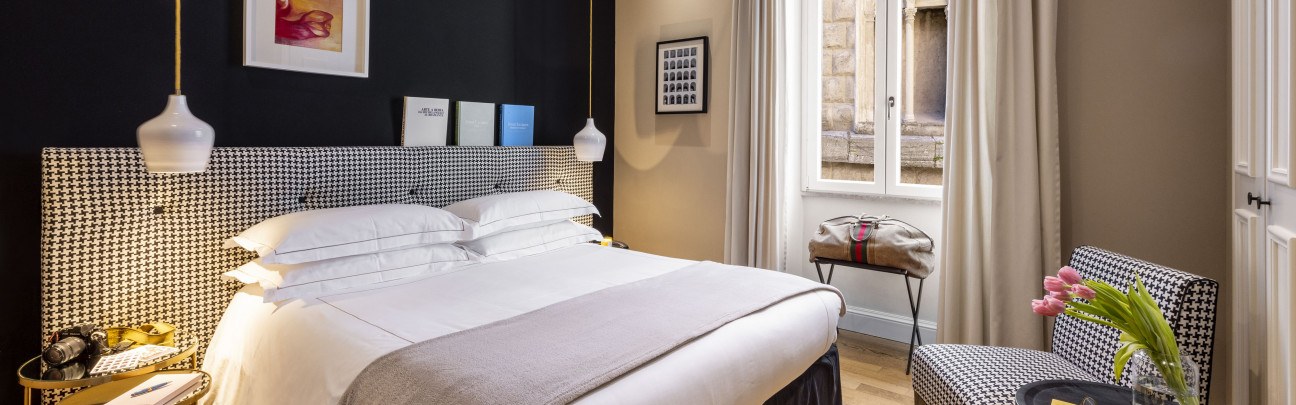
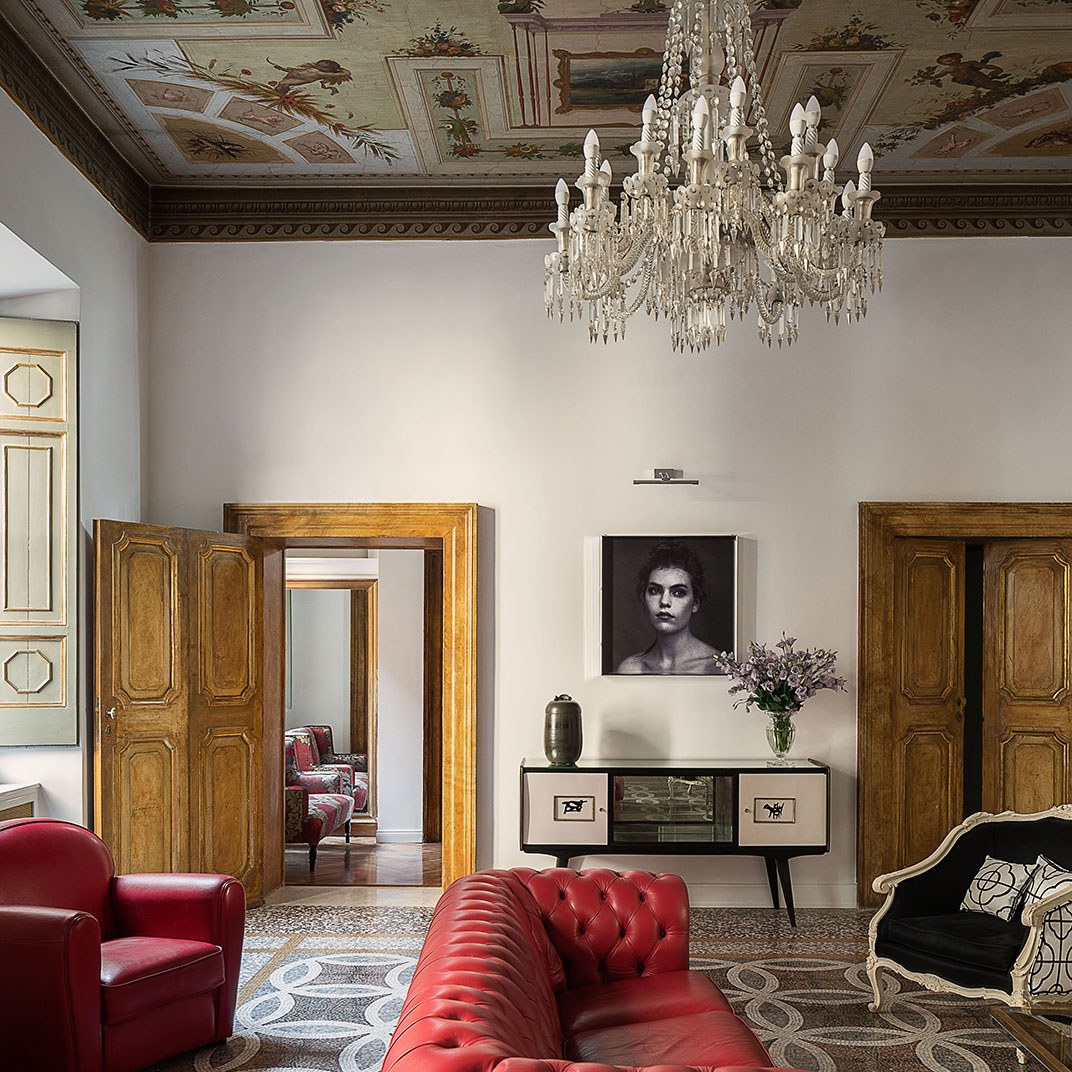
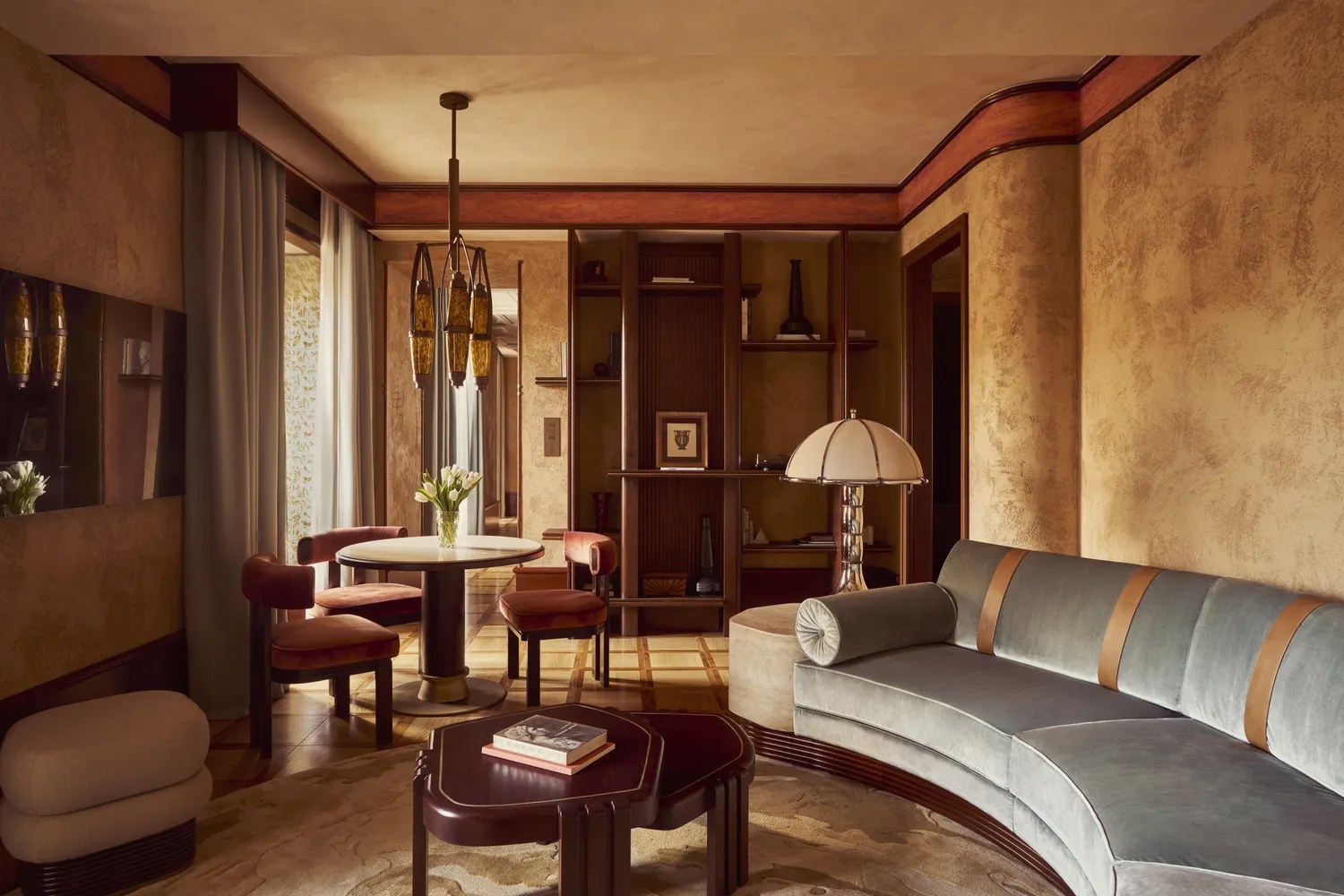
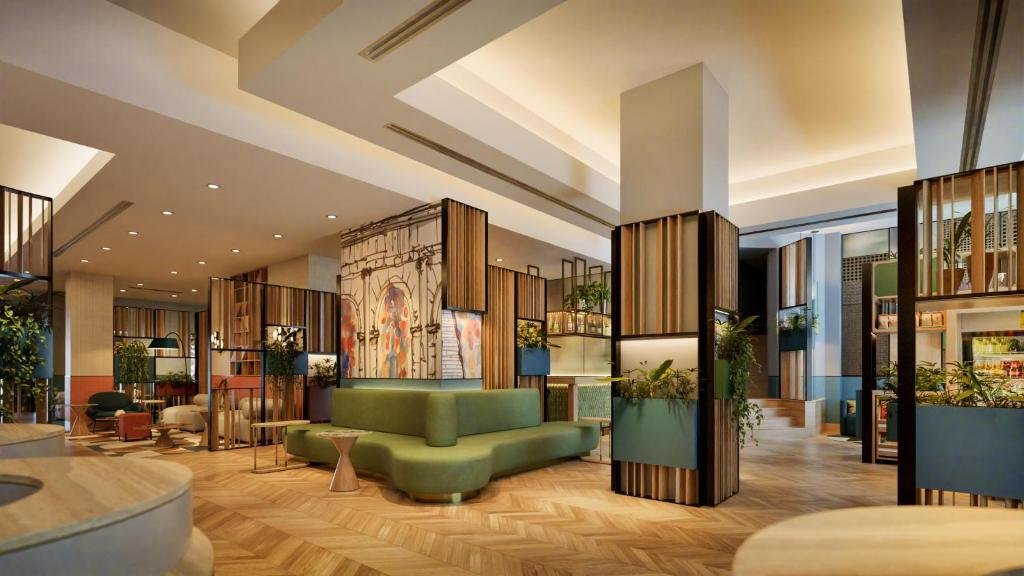
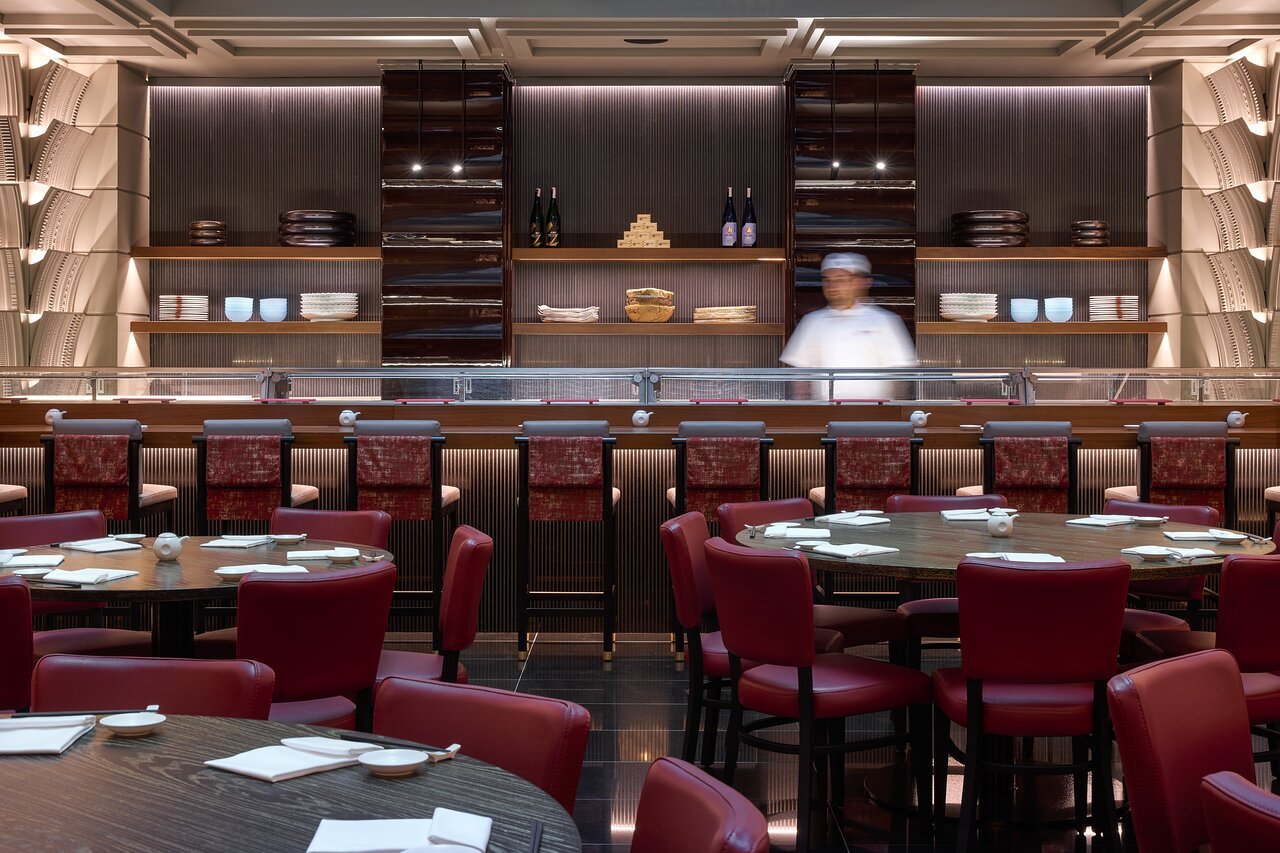
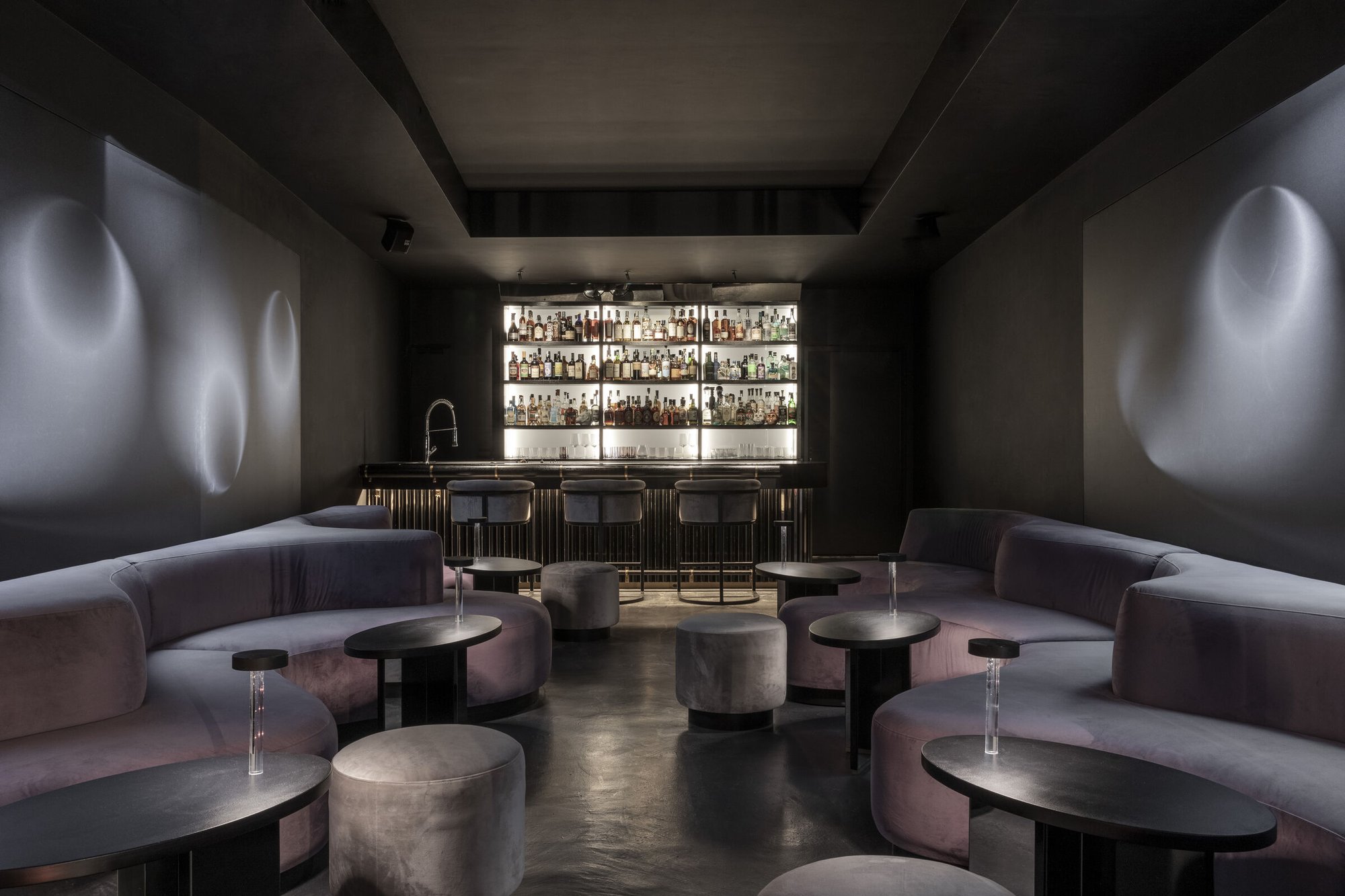
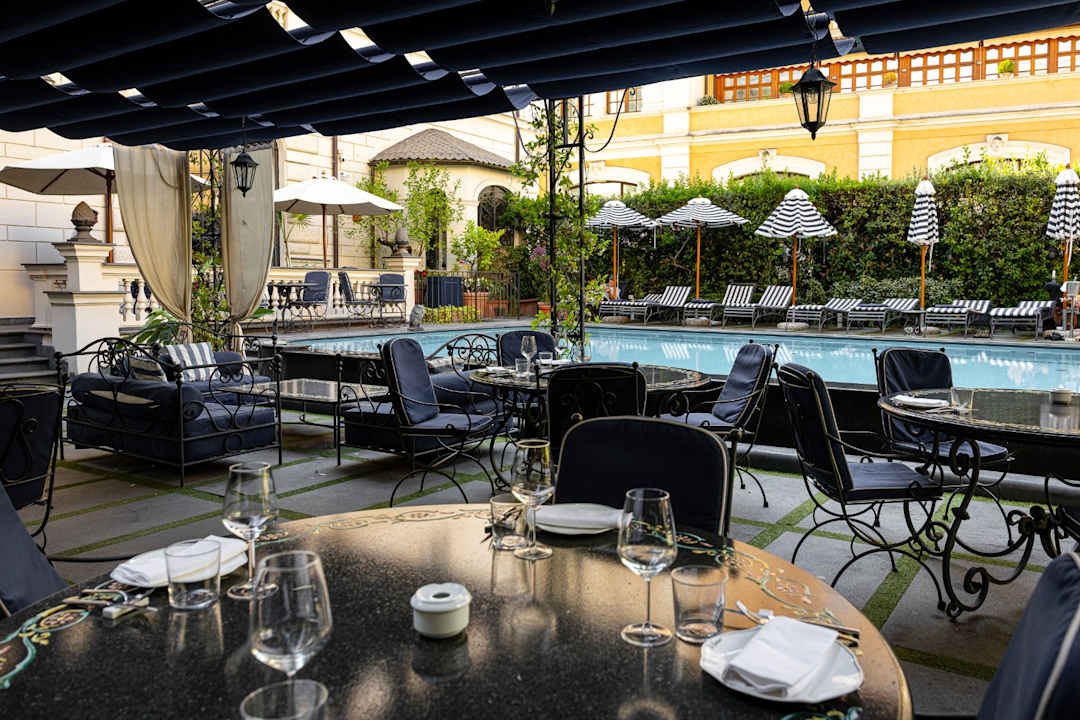
Crisp, clean modern aesthetic with original white and gray marble floors, tasteful burgundy accents, and fresh metal fixtures creating an upscale yet welcoming atmosphere with natural light from garden and city views.
Tags
Vibe
Best For
Experience
Amenities
View
Accessibility
About the Stay
- Rooms
- 177
- Check-in
- 15:00
- Check-out
- 12:00
- Property Type
- Heritage hotel
- Property Style
- Contemporary Luxury Hotel in a Restored Historic Palazzo That Preserves Early 1900s Character While Incorporating Modern Design Elements and Amenities.
- Design Style
- Neutral Palette of White, Beige, Gray with Warm Burgundy Accents; Hardwood and Marble Floors; Minimalist Geometric Headboards; Sleek International Aesthetic.
- Airport Transfer
- Available
- Pets
- Allowed
- Families
- Welcome
- Cancellation
- Moderate
Know before you go
Know Before You Go
- Getting there
- Piazza dei Cinquecento, 90, 00185 Roma RM, Italy
Planning details
Location
Piazza dei Cinquecento, 90, 00185 Roma RM, Italy · Directions
nh-hotels.com/en/hotel/nh-collection-roma-palazzo-cinquecento
Recognition and awards
Also consider
Where to look if this is not the right fit
For a grander occasion, cross-shop Anantara Palazzo Naiadi or The St. Regis Rome. For a more intimate stay, compare The Fifteen Keys Hotel and 1880 Atypical Rooms.
Hotel context
How It Compares
Choose NH Collection Palazzo Cinquecento over Anantara Palazzo Naiadi when the trip is built around Termini access and an easier booking path. Anantara is the stronger choice for a more formal central-hotel feel, while Palazzo Cinquecento is the more practical base for arrivals, departures, and short Rome stays.
The St. Regis Rome is the better fit for travelers who want a classic luxury-hotel occasion and are willing to pay for ceremony. Palazzo Cinquecento makes more sense when value is tied to location and efficiency rather than grand service theater. Leon's Place and The Fifteen Keys Hotel are better cross-shops for guests who want a smaller, more personal atmosphere.
If booking late, Palazzo Cinquecento is likely the easier recommendation than the boutique set. If the room itself is the focus, compare with 1880 Atypical Rooms; if the whole stay needs to feel celebratory from arrival, start with St. Regis or Anantara instead.
Around this place
Discover more on Pearl
Unlock the full NH Collection Palazzo Cinquecento guide in Pearl, including awards, comparisons, FAQs, planning details, and nearby places.
Compare NH Collection Palazzo Cinquecento
| Venue | Location | Awards |
|---|---|---|
| NH Collection Palazzo Cinquecento | Rome | 2025 Michelin Selected Hotels |
| Anantara Palazzo Naiadi | Rome | 2026 Virtuoso Luxury Hotel Collection2026 La Liste Top HotelsLeading Hotels of the World 20262026 Michelin 1 Key2025 Michelin Selected Hotels |
| The St. Regis Rome | Rome | 2026 Forbes Recommended2026 Virtuoso Luxury Hotel Collection2026 La Liste Top Hotels2026 Michelin 2 Keys2025 Forbes Recommended2025 Michelin 2 Keys2024 Michelin 1 Key |
| Leon's Place | Rome | No published awards |
| The Fifteen Keys Hotel | Rome | No published awards |
| 1880 Atypical Rooms | Rome | No published awards |







How NH Collection Palazzo Cinquecento Rome compares with similar nearby venues.
FAQ
Frequently Asked Questions
How is the dining at NH Collection Palazzo Cinquecento?
NH Collection Palazzo Cinquecento is in Rome, has a smart-casual dress code, and appears in the MICHELIN Guide Hotels Selected list for 2025.
How is the pool and spa at NH Collection Palazzo Cinquecento?
NH Collection Palazzo Cinquecento is a Rome hotel with MICHELIN Guide Hotels Selected recognition in 2025 and a smart-casual dress code.
Which room category is best at NH Collection Palazzo Cinquecento?
Choose based on the current room descriptions and policies available at booking, and confirm any must-have details with the hotel. NH Collection Palazzo Cinquecento is a Rome hotel with MICHELIN Guide recognition.
Do loyalty programs work at NH Collection Palazzo Cinquecento?
If points, status, or brand benefits matter, check the current booking channel and hotel policies directly. For comparisons in Rome, you may also look at Leon's Place, The Fifteen Keys Hotel, or other Rome hotels.
Is NH Collection Palazzo Cinquecento good for business travel?
It may be worth considering for a business trip to Rome because it is a recognized hotel option. The hotel is in Rome, has a smart-casual dress code, and received MICHELIN Guide Hotels Selected recognition for 2025.