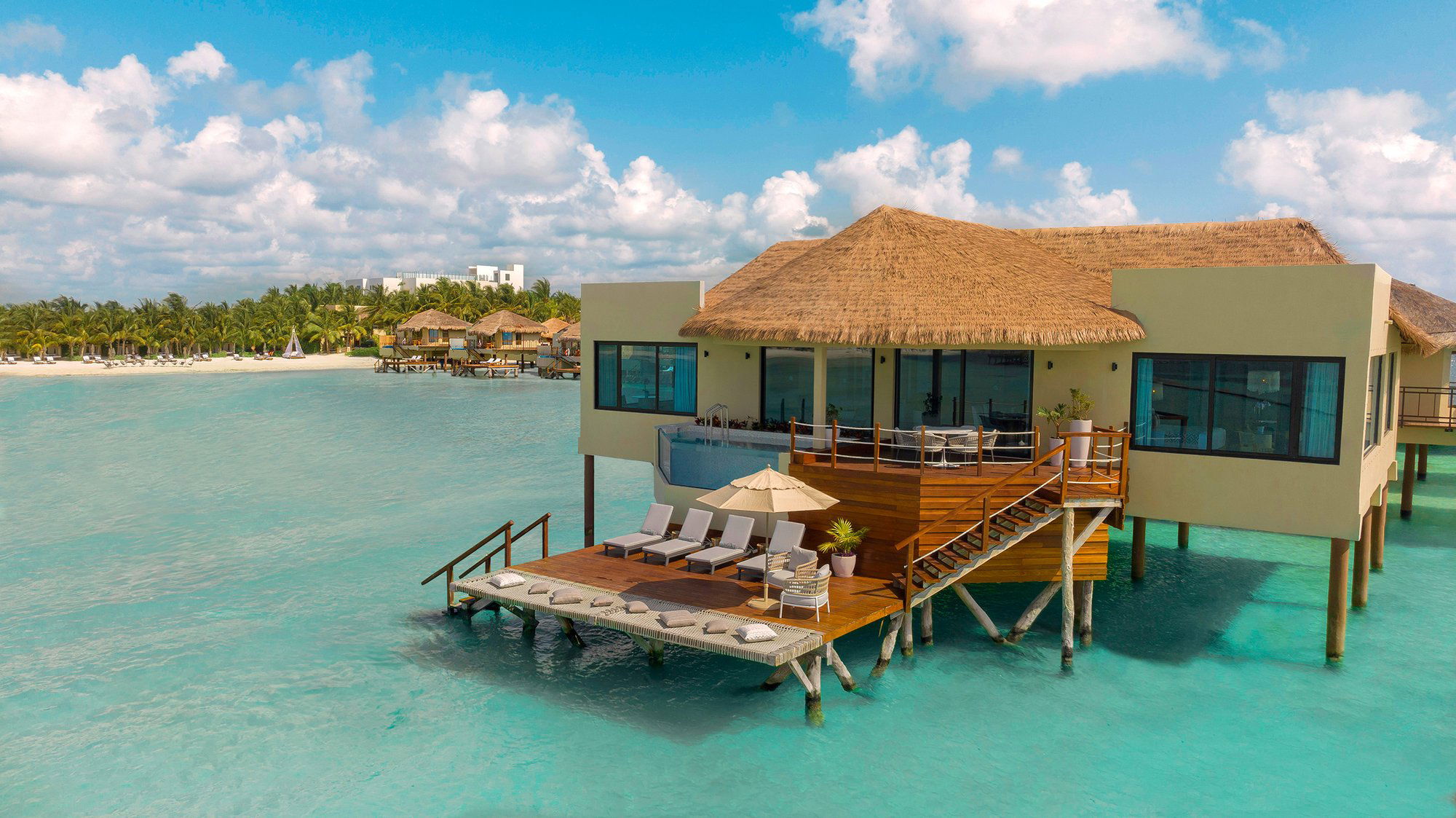


Palafitos Overwater Bungalows
Maroma Beach, Playa del Carmen
Hotel in Playa del Carmen, Mexico
 Book with Pearl
The Read
Caribbean Overwater Format
Why go
Book Palafitos Overwater Bungalows if the room itself is the trip: overwater lodging is the differentiator, not broad resort scale. It is strongest for couples and repeat Riviera Maya travelers who want a suite-level splurge near Playa del Carmen. Preferred Hotels L.V.X. Collection recognition in 2025 and Forbes Recommended status in 2026 add useful credibility.
About Palafitos Overwater Bungalows
Palafitos Overwater Bungalows is a Playa del Carmen stay to consider when the name itself is the draw. The recognition is notable, with Preferred Hotels L.V.X. Collection recognition in 2025 and Forbes Recommended recognition in 2026. Beyond those points, specific details such as dining style, prices, room counts, service format, and family policies should be confirmed directly with the property before booking.
Book this for the named concept, not for resort details
Palafitos Overwater Bungalows is best evaluated around whether this Playa del Carmen property is the experience you want. The public facts support positioning it as a premium hotel choice with recognized status, but they do not confirm specific claims about restaurants, room layouts, amenities, or program benefits. If those details matter to the trip, check the hotel's current channels before treating them as deciding factors.
For travelers comparing regional luxury stays, nearby options to consider include Chablé Maroma, Etéreo, Auberge Resorts Collection, Secrets Maroma Beach Riviera Cancun, The Riviera Maya EDITION at Kanai, and The St. Regis Kanai Resort, Riviera Maya. Use Our full Playa del Carmen hotels guide if the priority is comparing hotel styles across the area before committing to Palafitos Overwater Bungalows.
Who should skip it
Skip it if you need confirmed details that are not available in the record here, such as a specific dining format, a published price range, a precise loyalty-redemption setup, or detailed family-focused amenities. In that case, compare Palafitos Overwater Bungalows with other premium stays in and around Playa del Carmen, and confirm the current offering directly before booking.
Planning details
- Location
- Carr. Cancún - Tulum Km 55.3, 77710 Playa del Carmen, Q.R.
- Website
- lomashospitality.com/es/hotel-palafitos-en-playa-del-carmen/?partner=8957
- Phone
- +52 998 528 0558
The take
The Take
The Vibe
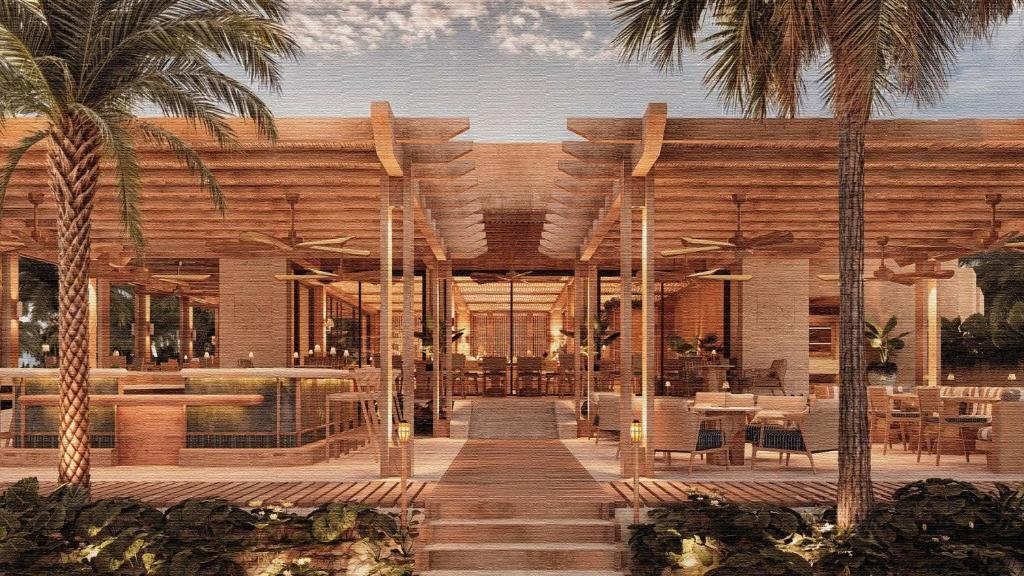
Palafitos Overwater Bungalows stakes out a rare, quietly luxurious identity on the Riviera Maya by placing guests literally above the Caribbean. The property leans into a Maldives-style format — 30 individual bungalows that extend over the water — so the relationship to the sea feels immediate: the sound of waves, shifting light, and direct-drop access define the experience. That structural distinction creates a serene, intimate atmosphere that stands apart from the region’s more common beachfront and jungle-set villas. The result is a small, design-forward enclave that reads as refined and quietly exclusive without relying on beachfront tropes.
Best For
This property is best for travelers who prioritize a distinct, water-forward stay rather than a conventional beach villa. It suits couples and design-minded guests seeking a novel structural experience — those who have already sampled typical Riviera Maya beach properties and want something different. The immediate contact with the sea makes it ideal for visitors who value privacy, quiet moments, and the sensory pleasures of being elevated over the water. With only 30 bungalows, it also attracts travelers looking for a more intimate, small-scale luxury escape.
Stay Tips
Book an overwater bungalow if your goal is the signature experience: the hotel’s defining feature is that its rooms extend over Playa Maroma, creating direct access to the sea. Inventory is limited — the property has 30 bungalows — so reserve early, especially in high season. Choose this property intentionally when you want a vertical, water-facing relationship to the Caribbean rather than a sand-level villa; the marketing and description explicitly position the bungalows as a distinctive alternative to the typical Riviera Maya beachfront offering.
Venue details
Ambiance
Romantic and luxurious with serene ocean views, soft lighting in bungalows, and a tranquil adults-only atmosphere praised for intimacy and relaxation.
Tags
Vibe
Best For
Experience
Amenities
View
About the Stay
- Rooms
- 30
- Property Style
- Overwater Bungalows with Luxurious, Secluded Design Over Turquoise Waters
- Design Style
- Modern Tropical Luxury with Glass Floors, Private Decks, and Romantic Outdoor Showers
Know before you go
Know Before You Go
- Getting there
- Carr. Cancún - Tulum Km 55.3, 77710 Playa del Carmen, Q.R.
Planning details
Location
Carr. Cancún - Tulum Km 55.3, 77710 Playa del Carmen, Q.R. · Directions
lomashospitality.com/es/hotel-palafitos-en-playa-del-carmen/?partner=8957
Recognition and awards

Also consider
Also Consider
- Etéreo, Auberge Resorts Collection, Notable alternative
- The Riviera Maya EDITION at Kanai, Notable alternative
- The St. Regis Kanai Resort, Riviera Maya, Notable alternative
- Chablé Maroma, Notable alternative
- Secrets Maroma Beach Riviera Cancun, Notable alternative
Hotel context
How it compares in Playa del Carmen and the Riviera Maya
Choose Palafitos Overwater Bungalows when the overwater room category is the reason for traveling. Compared with The Riviera Maya EDITION at Kanai and The St. Regis Kanai Resort, Riviera Maya, it is the more room-led choice; Kanai is better for travelers who want a newer-feeling resort hub and more of a full-property luxury rhythm.
Etéreo, Auberge Resorts Collection and Chablé Maroma are stronger cross-shops for guests who want a quieter Riviera Maya stay without making the overwater format the whole point. Pick those if ambiance and retreat energy matter more than the novelty and privacy of a bungalow above the water.
Secrets Maroma Beach Riviera Cancun is the practical alternative when value, easier group planning, or an adults-focused beach-resort setup matters more than suite-level drama. Palafitos is harder to justify for travelers who will not spend meaningful time in the room; it is easier to justify for couples treating the accommodation as the main event.
Explore Playa del Carmen
Around this place
Discover more on Pearl
Unlock the full Palafitos Overwater Bungalows guide in Pearl, including awards, comparisons, FAQs, planning details, and nearby places.
Compare Palafitos Overwater Bungalows
| Venue | Location | Awards |
|---|---|---|
| Palafitos Overwater Bungalows | Playa del Carmen | 2026 Forbes RecommendedPreferred Hotels L.V.X. Collection 2025 |
| Etéreo, Auberge Resorts Collection | Punta Maroma | 2026 Forbes Recommended2026 Virtuoso Luxury Hotel Collection2026 La Liste Top Hotels2025 Travel + Leisure 100 Favorite Hotels in the World · #482025 Michelin 2 Keys2025 AAA 5 Diamond Hotel2024 Michelin 2 Keys |
| The Riviera Maya EDITION at Kanai | Playa del Carmen | No published awards |
| The St. Regis Kanai Resort, Riviera Maya | Riviera Maya | 2026 Forbes 4-Star2026 Virtuoso Luxury Hotel CollectionStar Wine Lists 20262025 Forbes 4-Star2025 Michelin 1 Key |
| Chablé Maroma | Riviera Maya | 2026 Virtuoso Luxury Hotel Collection2026 Mr & Mrs Smith Luxury HotelsLeading Hotels of the World 20262025 Michelin 1 Key |
| Secrets Maroma Beach Riviera Cancun | Playa del Carmen | AAA Diamonds Top 10 Hotels 20262025 AAA 5 Diamond Hotel |









How Palafitos Overwater Bungalows compares with similar nearby venues.
FAQ
Frequently Asked Questions
When is the best time to book Palafitos Overwater Bungalows?
If you want Palafitos Overwater Bungalows in Playa del Carmen for a particular stay date, check current availability directly with the property or booking channel. Its confirmed recognition includes Preferred Hotels L.V.X. Collection in 2025 and Forbes Recommended in 2026.
Is Palafitos Overwater Bungalows family-friendly?
How is the location of Palafitos Overwater Bungalows?
Palafitos Overwater Bungalows is in Playa del Carmen.
How is the dining at Palafitos Overwater Bungalows?
Treat dining specifics as something to verify directly with the venue before booking, especially if food is a primary reason for the trip.
Do loyalty programs work at Palafitos Overwater Bungalows?
Palafitos Overwater Bungalows is confirmed as part of the Preferred Hotels L.V.X. If loyalty mechanics are important, compare the current details with other regional luxury options such as The St. Regis Kanai Resort, Riviera Maya or Etéreo, Auberge Resorts Collection before booking.
Which room category is best at Palafitos Overwater Bungalows?
If the exact room type matters, check the current room descriptions from Palafitos Overwater Bungalows before reserving.