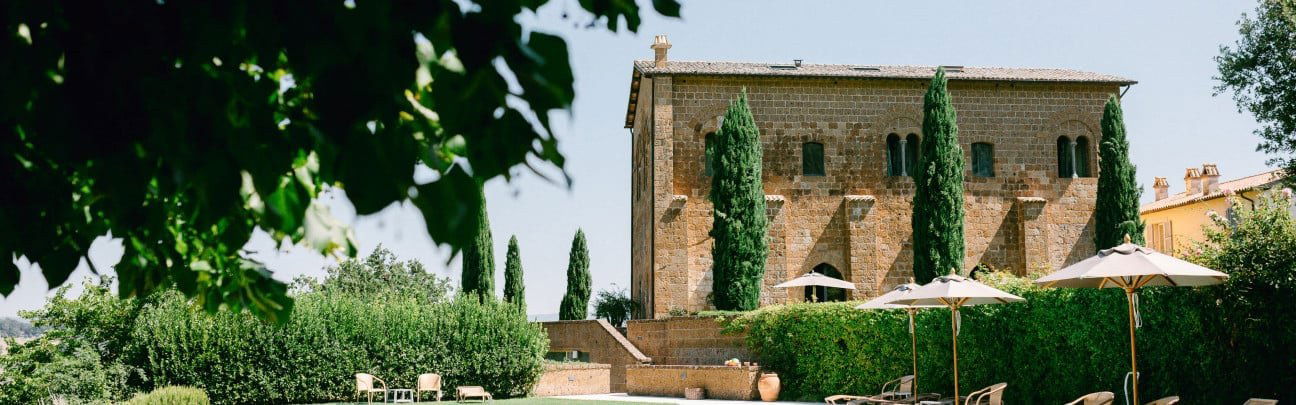

Locanda Palazzone
Rocca Ripesena, Orvieto
Hotel in Orvieto, Italy
 Book with Pearl
Why go
Locanda Palazzone is worth considering if the priority is a quiet countryside base outside Orvieto rather than a town-center hotel. Its strongest trust signals are the Mr & Mrs Smith Seal of Approval for 2026 and MICHELIN Guide hotel selection in 2025; cross-shop more spa-forward or central options if amenities or walkability matter more.
About Locanda Palazzone
Locanda Palazzone is a hotel in Orvieto with two recognition signals: the Mr & Mrs Smith Seal of Approval for 2026 and MICHELIN Guide, Hotels Selected recognition for 2025. For planning the wider trip, use our full Orvieto hotels guide, then layer in meals from our full Orvieto restaurants guide, plus other Orvieto options as needed.
An Orvieto hotel with limited detail
The main decision point is simple: this is Locanda Palazzone in Orvieto, with smart casual dress guidance and confirmed hotel recognition. Check details such as the street address, neighborhood, room inventory, spa, pool, gym, dining format, and service style directly with the property before booking.
Amenities should also stay grounded. Do not book on the assumption of a resort-style amenity package. Book because the Orvieto property has recognized hotel credentials, then compare against other stays if specific facilities are essential. Travelers may want to compare Borgo La Chiaracia Resort & SPA, Altarocca Wine Resort, Corte della Maestà, Eremito, or Palazzo Petrvs, while checking each property directly for location, amenities, and current services.
Who should book it, and who should cross-shop
Book Locanda Palazzone if the priority is an Orvieto hotel with recognized outside recognition and a smart casual profile, and if you are comfortable confirming practical details directly before committing. The Mr & Mrs Smith and MICHELIN Guide hotel mentions are the clearest trust signals in the profile.
Cross-shop Palazzo Petrvs, Corte della Maestà, Eremito, Borgo La Chiaracia Resort & SPA, and Altarocca Wine Resort as broader alternatives depending on the kind of stay you are evaluating, while checking each property directly for location, amenities, and current services.
Planning details
- Location
- Località Rocca Ripesena, 68, 05018 Orvieto TR, Italy
- Website
- locandapalazzone.it
- Phone
- +39 0763 393614
The take
The Take
The Vibe
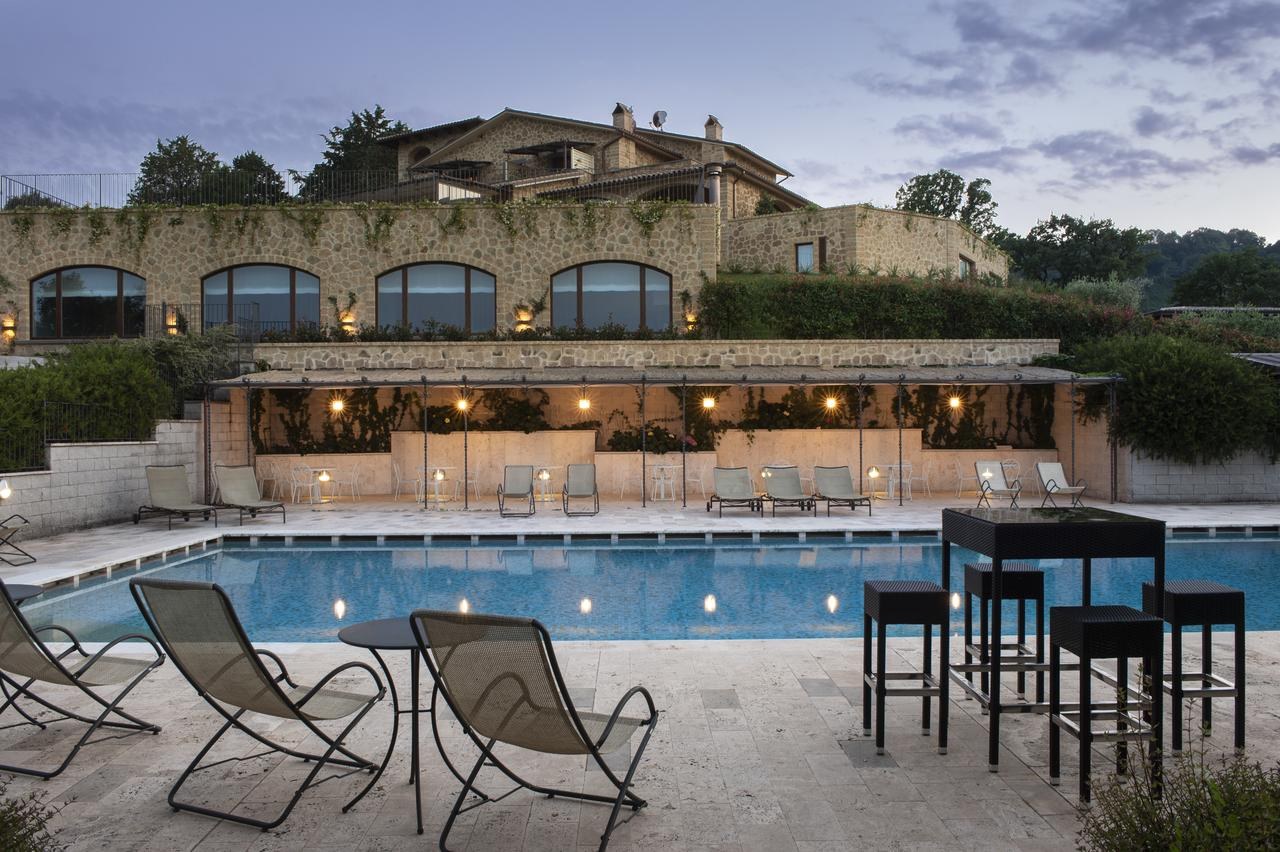
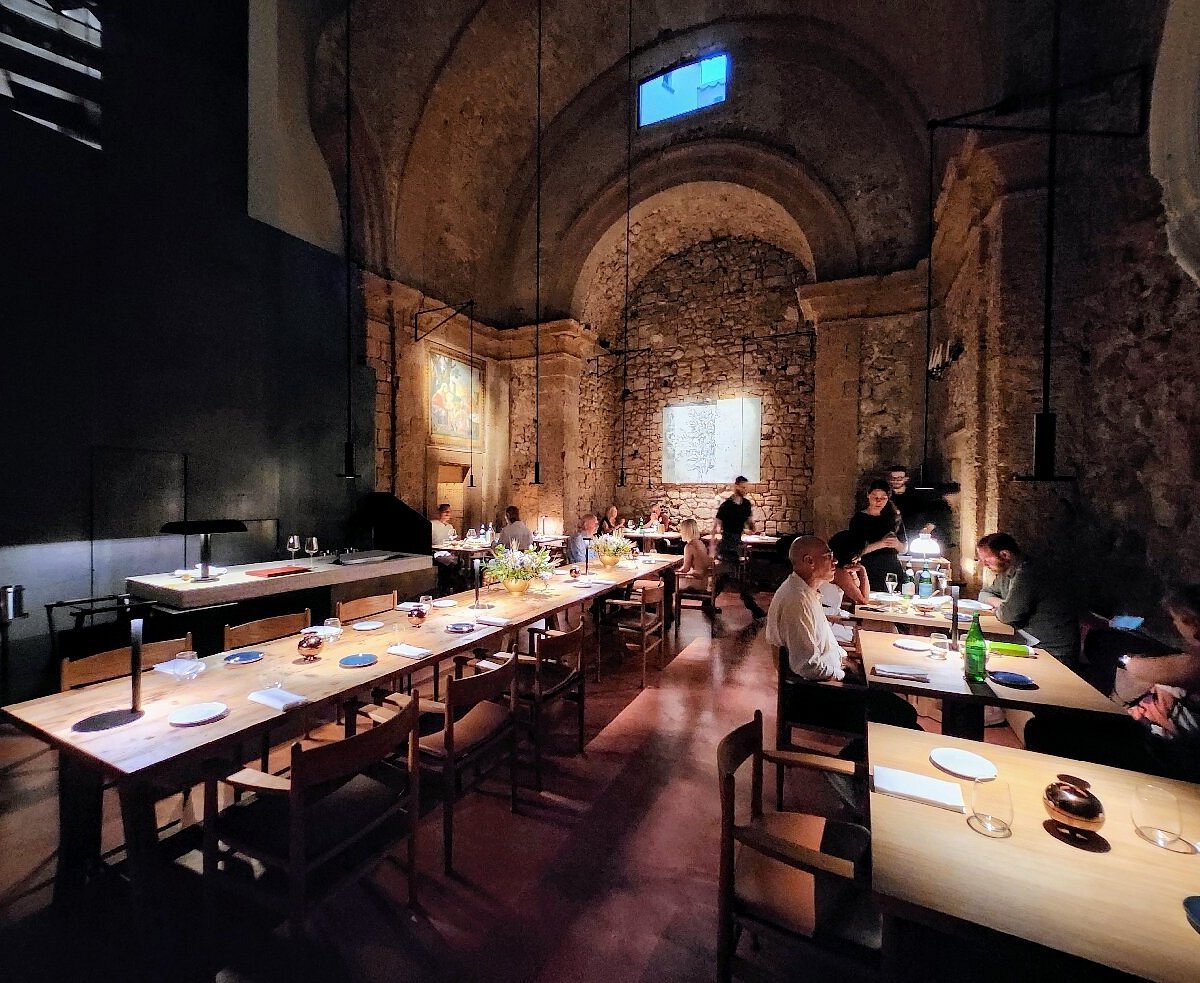
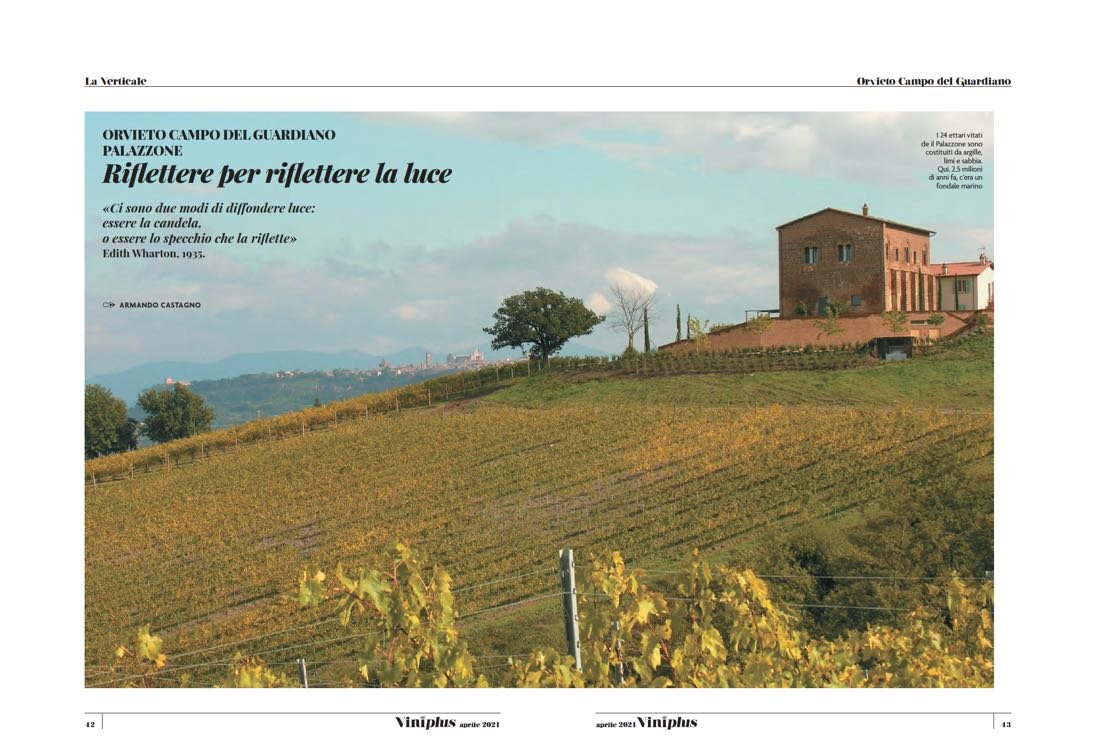
Locanda Palazzone leans into the weight of history rather than erasing it. Housed in a medieval palazzo, the property emphasizes original stone, thick walls and arched openings; small, deep-set windows and the patina of centuries shape light and proportion. The renovation preserves the building’s accumulated textures, so interiors feel rooted and authentic rather than smoothed into a contemporary boutique template. The overall effect is quietly atmospheric and characterful — a place where architecture is the principal design element and where the building itself reads as the primary attraction for guests who prize history and restraint.
Best For
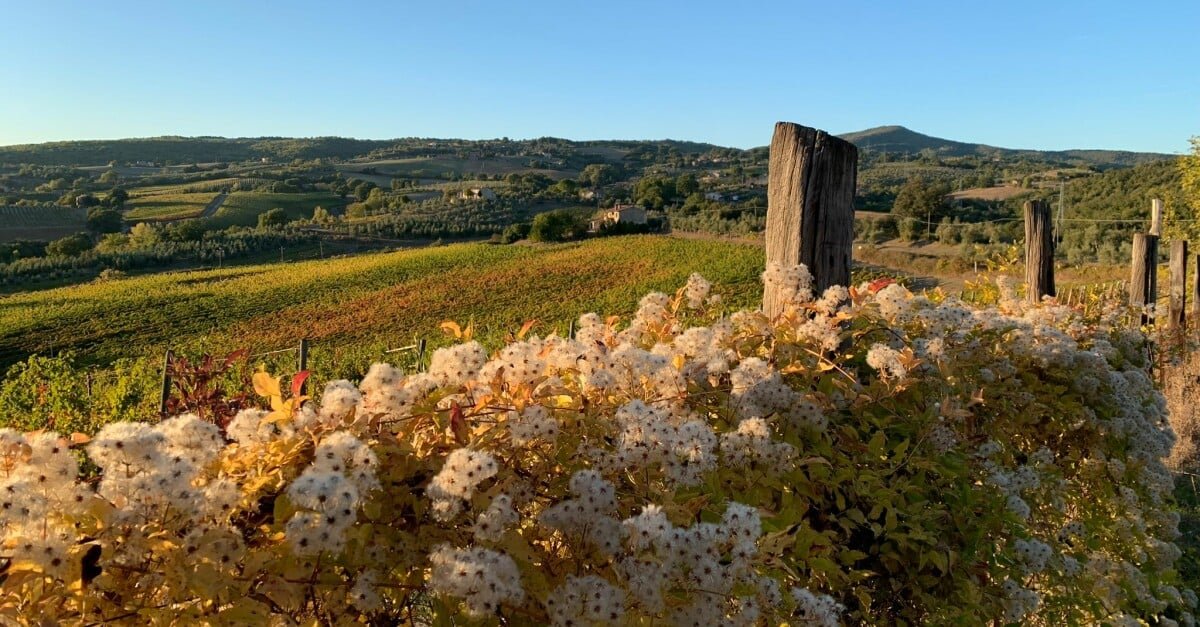
This is a stay for travelers who come for architecture and landscape as much as for comfort. It suits visitors seeking a quiet, restorative base from which to explore Orvieto and the surrounding vineyards and olive groves. The locanda’s strong sense of place appeals to those who appreciate historic structures, intimate scale and countryside scenery, and it works well for couples or solo travelers who want to be immersed in regional character rather than a generic hotel experience. Proximity to hilltown attractions makes it a good pick for short rural escapes.
Venue details
Ambiance
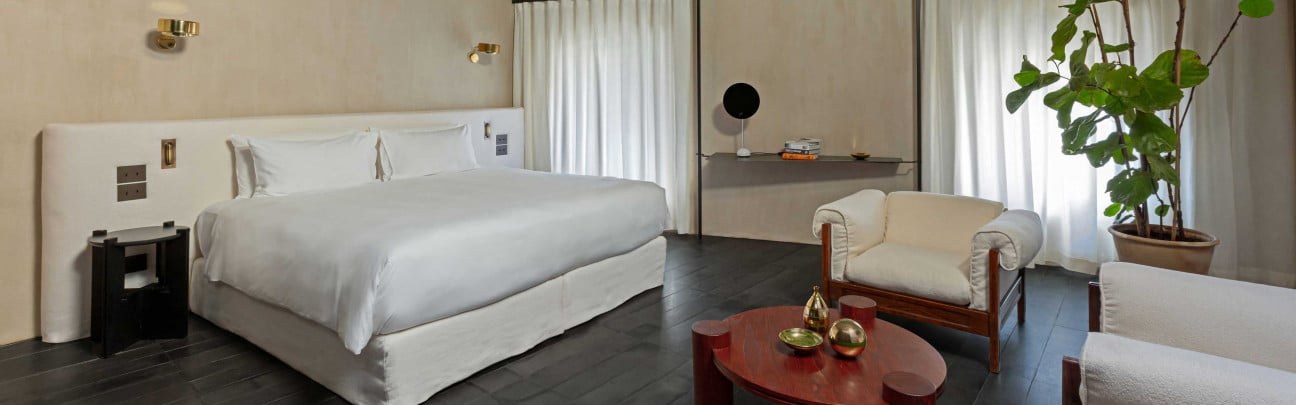
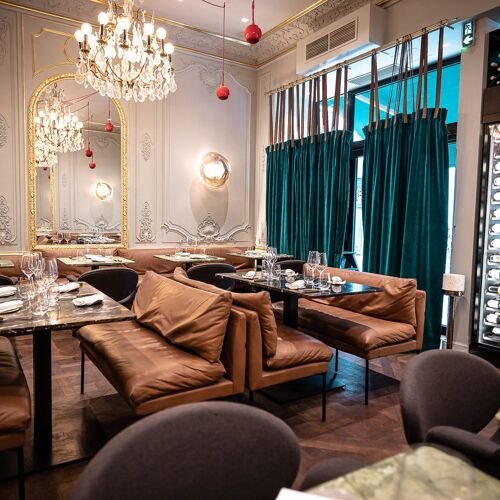
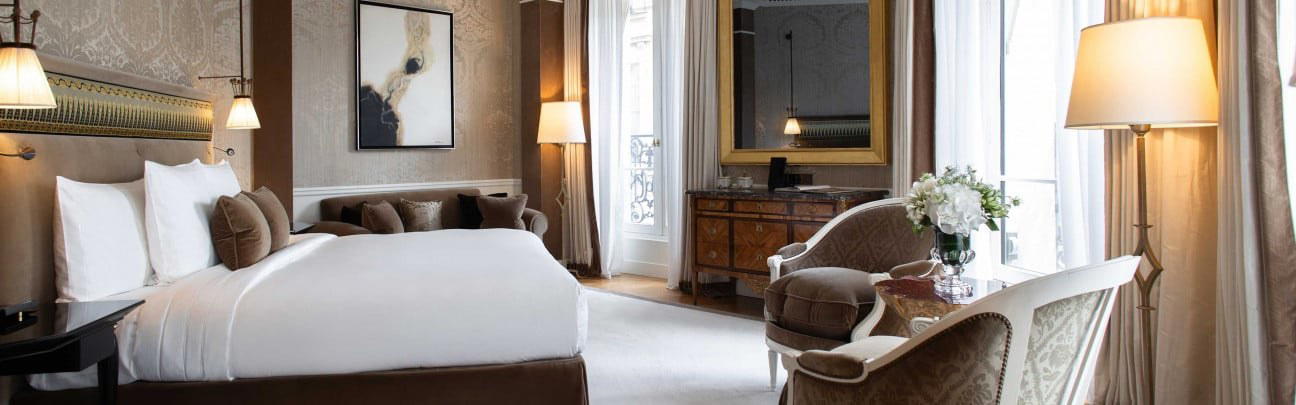
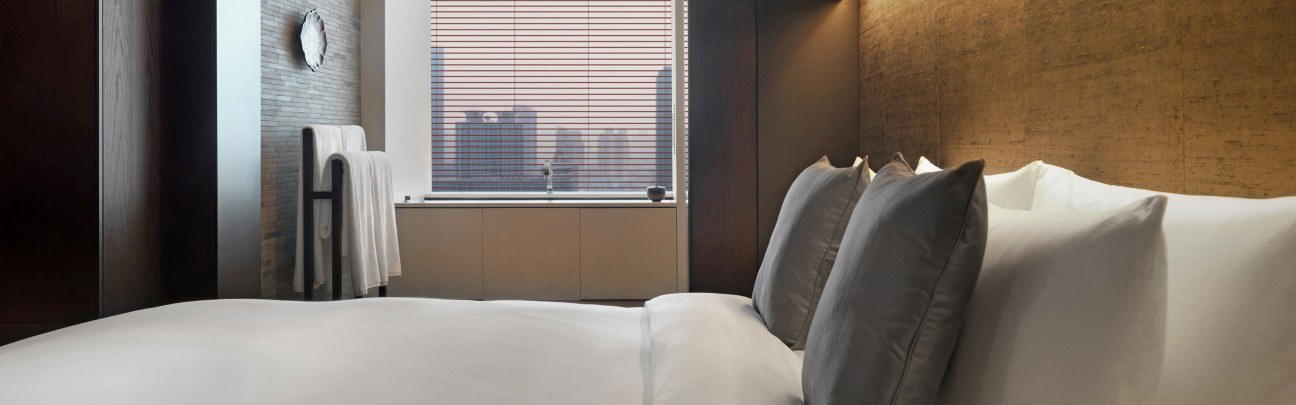
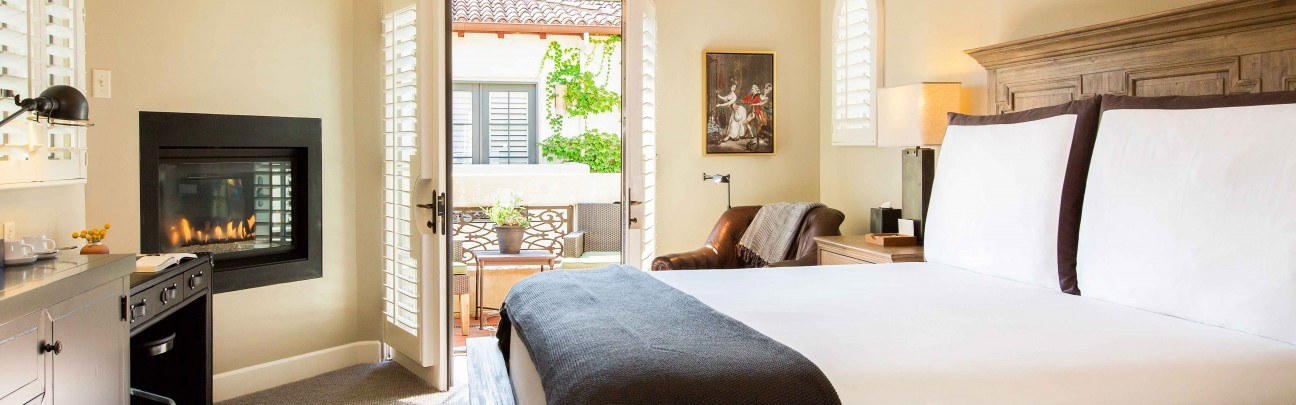
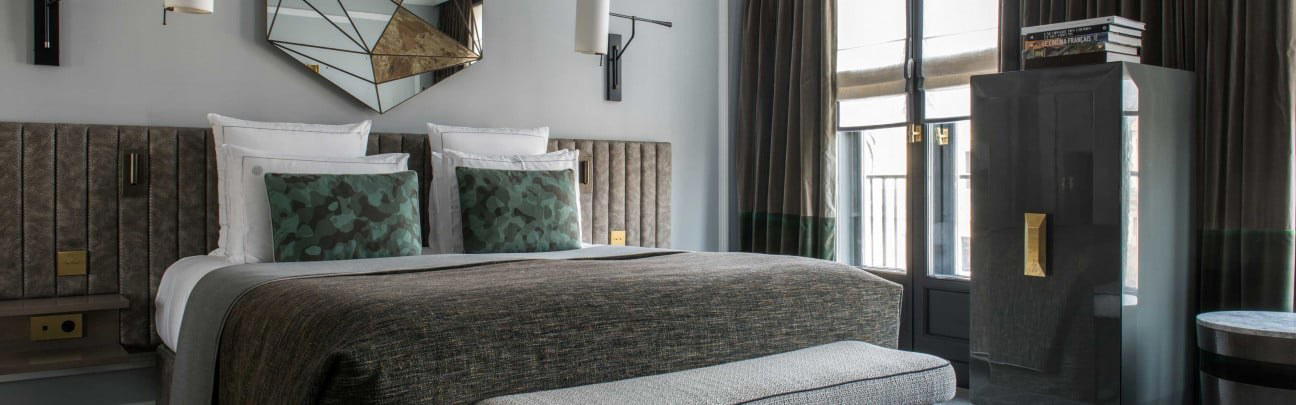
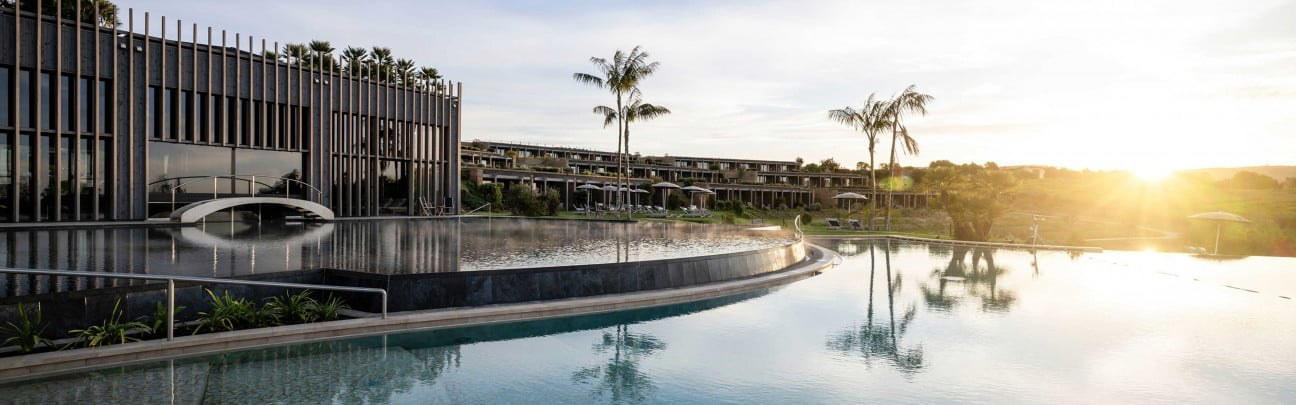
Bright, airy suites with floor-to-ceiling windows flooding spaces with natural light; industrial and contemporary furnishings contrast with ancient stone walls, wooden beams, and fireplaces; terrace dining overlooks rolling vineyards and countryside.
Tags
Vibe
Best For
Experience
Amenities
View
About the Stay
- Rooms
- 7
- Check-in
- 14:00
- Check-out
- 11:00
- Property Type
- Boutique hotel
- Property Style
- Medieval Country Residence with Contemporary Minimalist Interiors; Family Run Winery and Rural Hotel Blending 14th Century Architecture with Scandinavian Chic Design.
- Design Style
- Minimalist Scandinavian with Volcanic Stone Walls, Mullioned Windows, Wooden Beams, Steel Framed Beds, Parquet Flooring, and Industrial Furnishings; Glass and Iron Lift and Loft Style Living Spaces.
- Breakfast
- Included
- Pool
- Yes
Know before you go
Know Before You Go
- Getting there
- Località Rocca Ripesena, 68, 05018 Orvieto TR, Italy
Planning details
Location
Recognition and awards
Also consider
Also Consider
- Altarocca Wine Resort, Notable alternative
- Palazzo Petrvs, Notable alternative
- Borgo La Chiaracia Resort & SPA, Notable alternative
- Corte della Maestà, Notable alternative
- Eremito, Notable alternative
Hotel context
How it compares in and around Orvieto
Locanda Palazzone is the better fit if the trip is built around a quiet rural base with credible hotel recognition. Altarocca Wine Resort is the closer cross-shop for travelers who want an Orvieto wine-resort frame, while Palazzo Petrvs makes more sense if staying in town matters more than countryside atmosphere.
For a wellness-led trip, Borgo La Chiaracia Resort & SPA is the more direct comparison because the spa positioning is explicit in the name. Locanda Palazzone should be treated as the calmer Orvieto-area choice, not the safer pick for a treatment-heavy stay. Corte della Maestà and Eremito are better cross-shops when the brief is a slower out-of-metro escape rather than Orvieto convenience.
Booking difficulty is listed as easy for Locanda Palazzone, which helps if the trip is coming together late. The practical call: choose Locanda Palazzone for quiet and recognition, Palazzo Petrvs for centrality, Altarocca Wine Resort for a wine-resort comparison, Borgo La Chiaracia Resort & SPA for spa intent, and Eremito for a more withdrawn retreat.
Explore Orvieto
Around this place
Discover more on Pearl
Unlock the full Locanda Palazzone guide in Pearl, including awards, comparisons, FAQs, planning details, and nearby places.
Compare Locanda Palazzone
| Venue | Location | Awards |
|---|---|---|
| Locanda Palazzone | Orvieto | 2026 Mr & Mrs Smith Luxury Hotels2025 Michelin Selected Hotels |
| Altarocca Wine Resort | Orvieto | No published awards |
| Palazzo Petrvs | Orvieto | 2026 Mr & Mrs Smith Luxury Hotels2026 Michelin 1 Key2025 Michelin 1 Key |
| Borgo La Chiaracia Resort & SPA | Castel Giorgio | No published awards |
| Corte della Maestà | Civita di Bagnoregio | 2026 Michelin 3 Keys2025 Michelin 3 Keys2024 Michelin 3 Keys |
| Eremito | Parrano | No published awards |



How Locanda Palazzone Orvieto compares with similar nearby venues.
FAQ
Frequently Asked Questions
What is check-in like at Locanda Palazzone?
Confirm arrival logistics directly before booking. Locanda Palazzone is an Orvieto hotel with confirmed MICHELIN Guide, Hotels Selected recognition for 2025.
Which room category is best at Locanda Palazzone?
Choose only after checking current room descriptions with the property. If you want another hotel to compare while deciding, look at Palazzo Petrvs as well.
How is the location of Locanda Palazzone?
Is Locanda Palazzone good for business travel?
It may be worth considering if you specifically want an Orvieto hotel with confirmed recognition, but business travelers should confirm practical requirements directly.
How does Locanda Palazzone compare to other hotels?
Locanda Palazzone stands out for its Mr & Mrs Smith Seal of Approval for 2026 and MICHELIN Guide, Hotels Selected recognition for 2025. Altarocca Wine Resort, Palazzo Petrvs, Borgo La Chiaracia Resort & SPA, Corte della Maestà, and Eremito may be worth checking as broader alternatives depending on your trip priorities.