
Coro
Historic Center of Orvieto, Orvieto
Restaurant in Orvieto, Italy
 Book with Pearl
The Read
Tufa-Town Umbrian Kitchen
Chef
Ronald Bukri
Dress
Smart Casual
Why go
Coro is the Orvieto booking to consider for a chef-led celebration meal rather than a casual Umbrian dinner. Ronald Bukri's kitchen has a stronger contemporary signal than the city's traditional options, making it a better fit for dates, anniversaries, and business meals than for travelers who simply want classic local cooking.
About Coro
Coro is a restaurant in Orvieto from chef/owner Ronald Bukri. The restaurant keeps evening hours on Monday, Thursday, Friday, Saturday, and Sunday, adds lunch on Friday through Sunday, and lists a smart-casual dress code. It has also received The Best Chef One Knife recognition for 2025.
The recommendation is simple: consider Coro when you want an Orvieto meal centered on a named chef/owner and a clearly defined weekly schedule. For another local comparison, La Palomba is a useful cross-shop. For another Orvieto option to compare before deciding, I Sette Consoli is also worth checking.
A chef-owned Orvieto restaurant for a planned meal
Coro makes the most sense when the meal is being planned around its days and times rather than treated as a casual fallback. The schedule is specific: dinner is listed on Monday, Thursday, Friday, Saturday, and Sunday from 7:30–9:30 PM, while lunch is listed on Friday, Saturday, and Sunday from 12:30–2 PM. Tuesday and Wednesday are closed.
Details on menu format, price, seating, dietary accommodations, or beverage program are not available, so the safest approach is to confirm practical needs directly before you go. If you are still comparing styles of dining in the city, start with the full Orvieto restaurants guide and choose based on the kind of meal you want.
How to compare it with other Orvieto options
Compared with Claudio Alvicolo and Vis a Vis, Coro stands out mainly for its named chef/owner and 2025 The Best Chef One Knife recognition. Compared with I Sette Consoli, it is best treated as another Orvieto option to review carefully.
For a planned meal, Coro can be a strong candidate if its hours and smart-casual dress code fit the plan. Keep the rest of the decision practical: check the current opening schedule, confirm any dietary or group needs directly, and compare it with other Orvieto dining rooms before committing.
Planning details
- Location
- Via dei Gualtieri, 1, 05018 Orvieto TR, Italy
- Website
- cororistorante.it
- Phone
- +39 0763 967231
The take
The Take
The Vibe
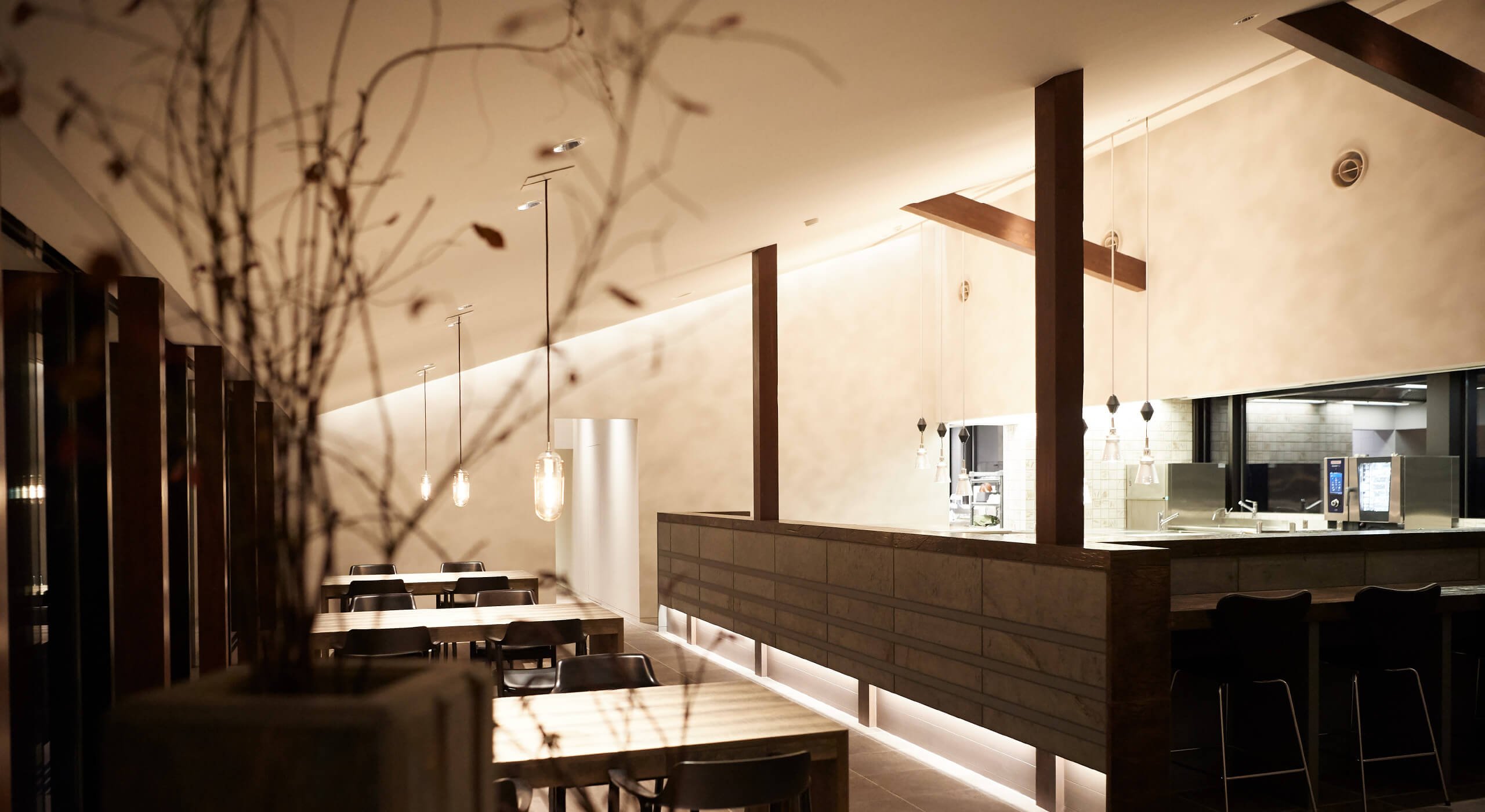
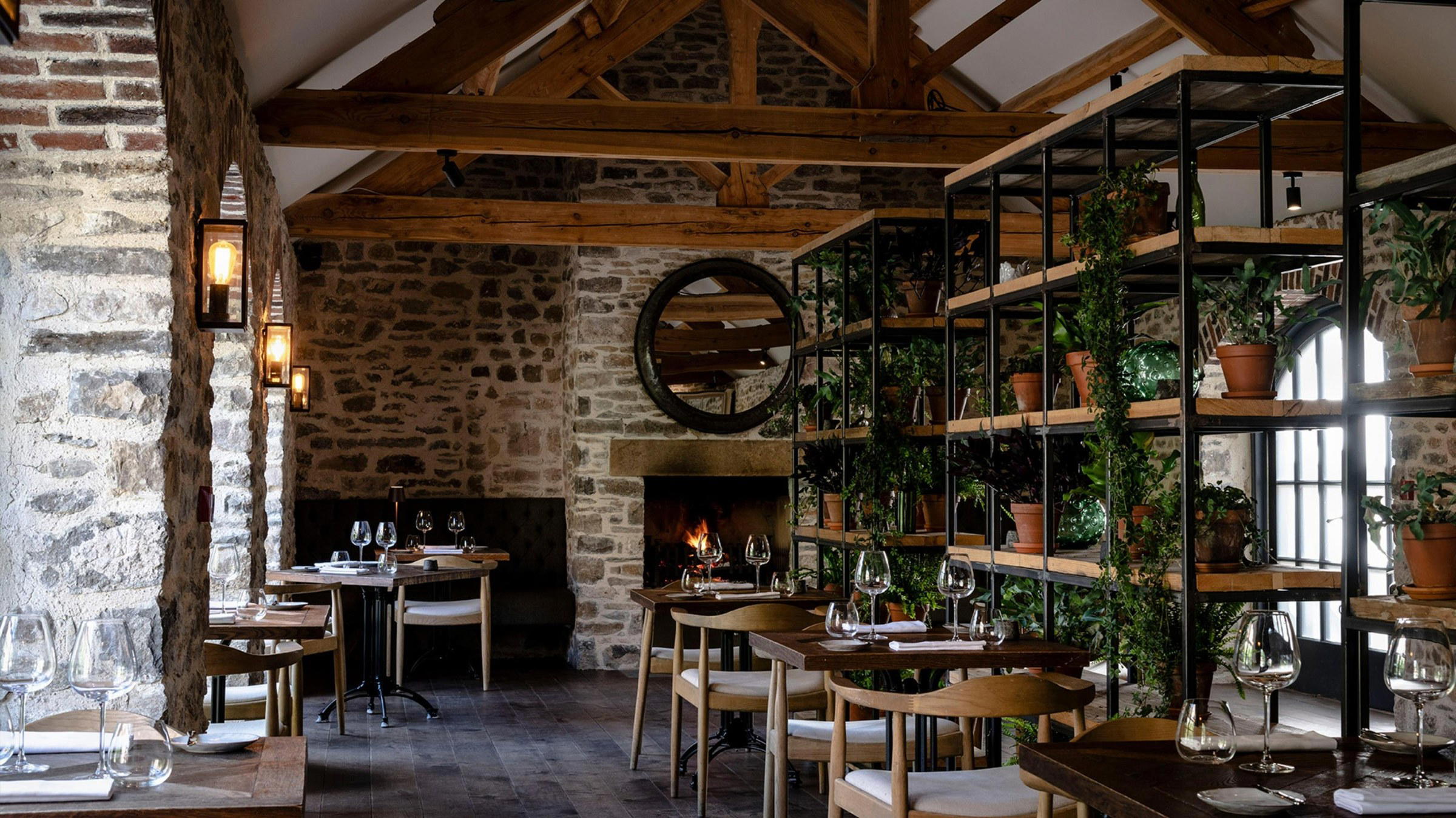
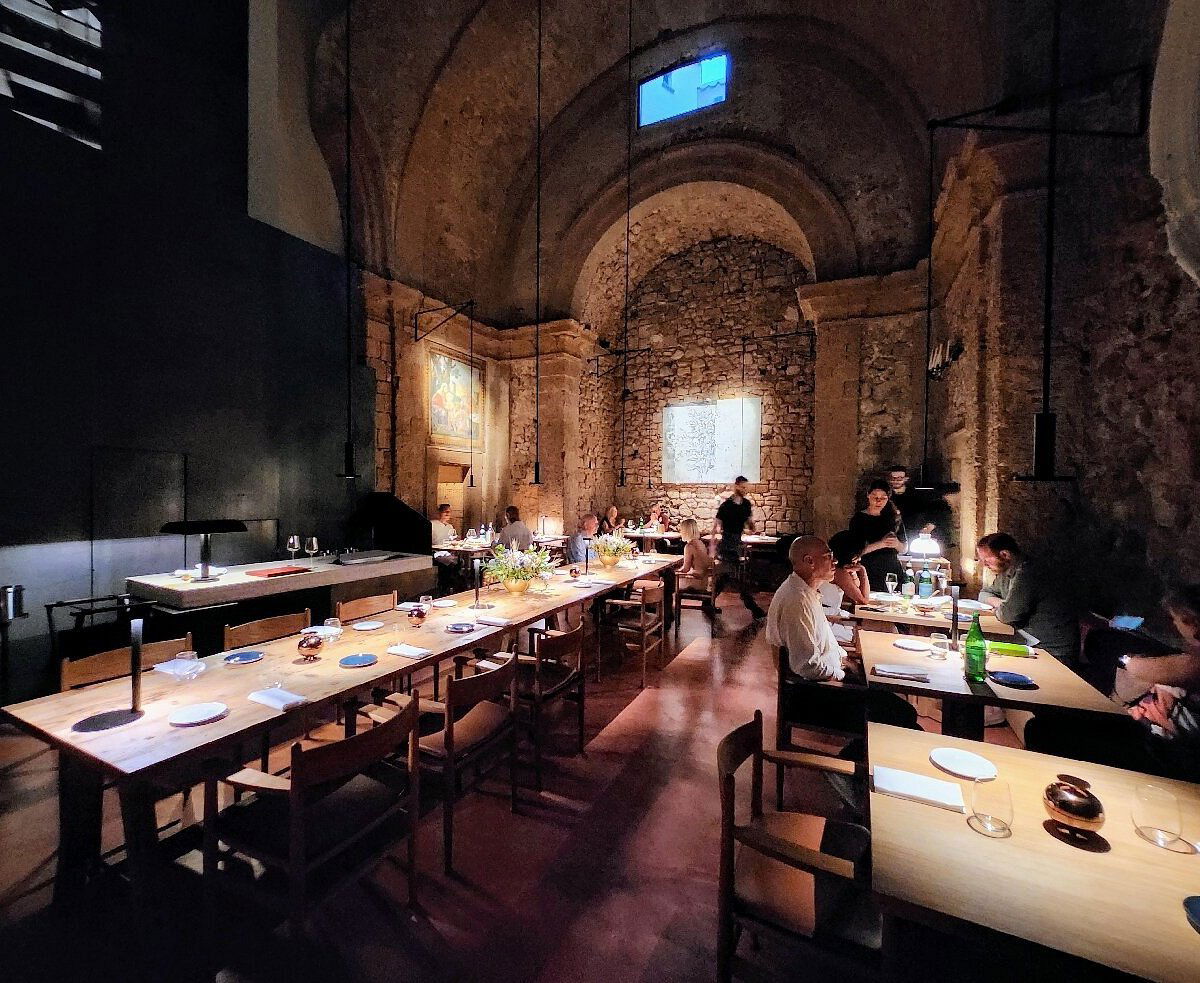
Coro reads like a hill‑town dining room that wears its geography on the menu. The restaurant leans into Umbrian produce and foraged ingredients, so the room feels rooted and quietly deliberate rather than flashy. Dining here is shaped by the town’s isolation and long culinary traditions: the cooking is ingredient-led, focused on lentils, truffles, cured meats and inland proteins. That sense of place gives Coro an understated charm and classic, rustic character — a measured, elegant environment where provenance and restraint shape both dishes and the overall atmosphere.
Best For
Coro is best experienced as part of a cultural visit to Orvieto: it suits travelers who pair cathedral sightseeing and wine discovery with thoughtful regional food. Because the town’s dining options are limited, a meal here feels consequential — appropriate for date nights and special occasions, but especially rewarding for visitors who want an authentic taste of Umbrian larder traditions and local wines. The restaurant is not positioned as a culinary destination on the scale of larger Italian cities; instead it complements a weekend in Orvieto and conversations about place and provenance.
Ordering Tips
Focus orders on preparations that highlight Umbrian ingredients and the kitchen’s source logic. Choose dishes that showcase regional staples — legumes, cured meats, and foraged truffles — and sample the signature plates listed (spaghetti with Parmigiano and smoked paprika, Bottoni with Fagiolina del Trasimeno, Cannara onion ravioli, monkfish confit) to feel the menu’s balance of tradition and technique. Pair dishes with local Orvieto Classico DOC wines mentioned in the description to reinforce the sense of place that defines the meal.
Venue details
Ambiance
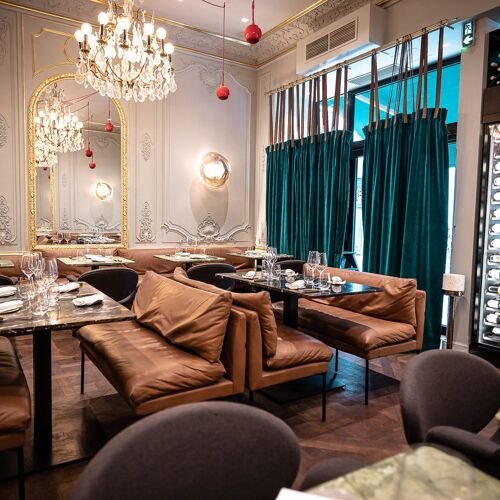
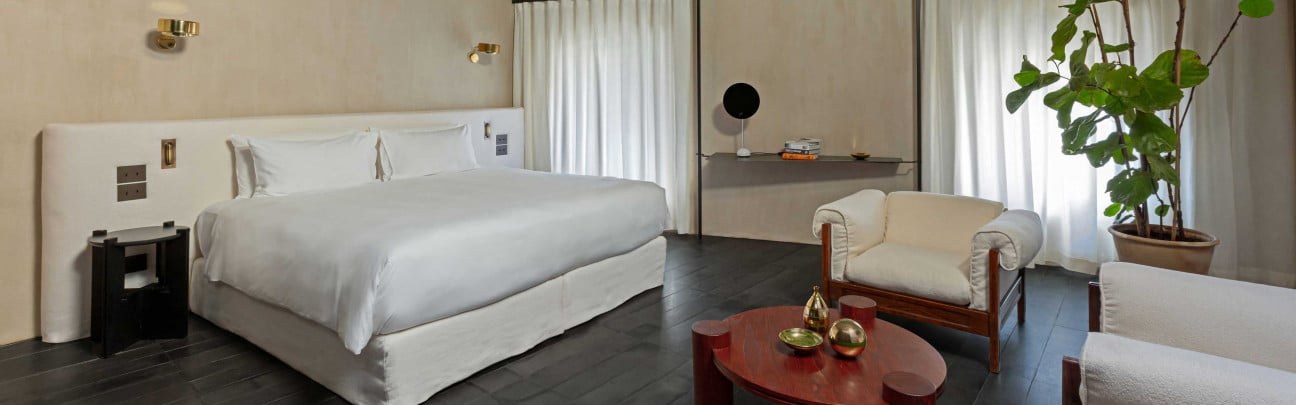
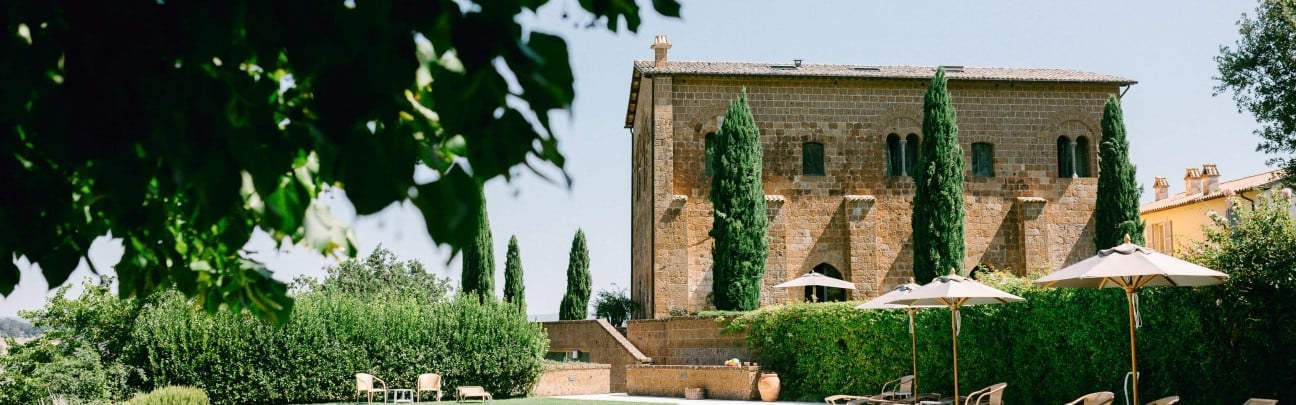
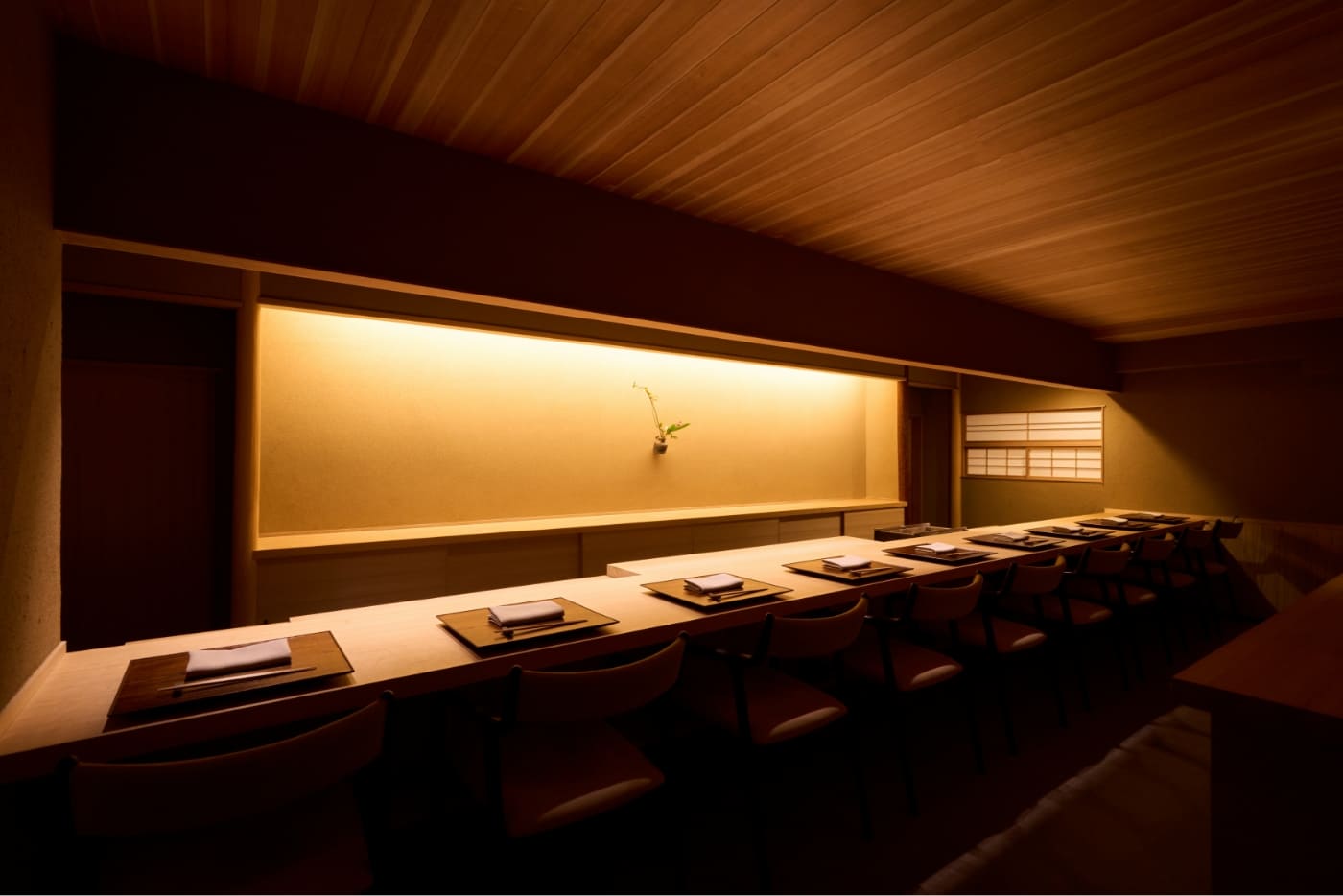
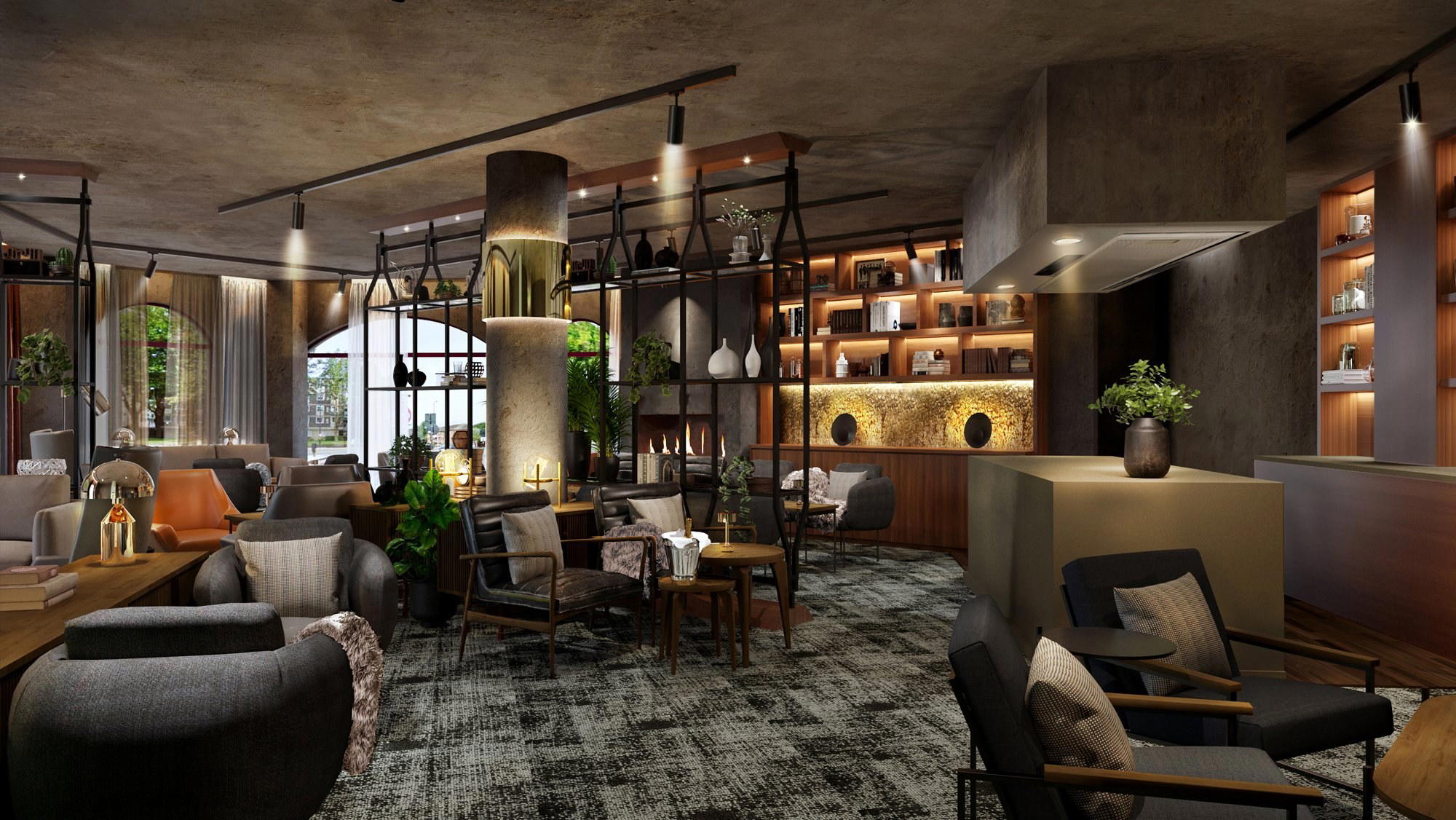
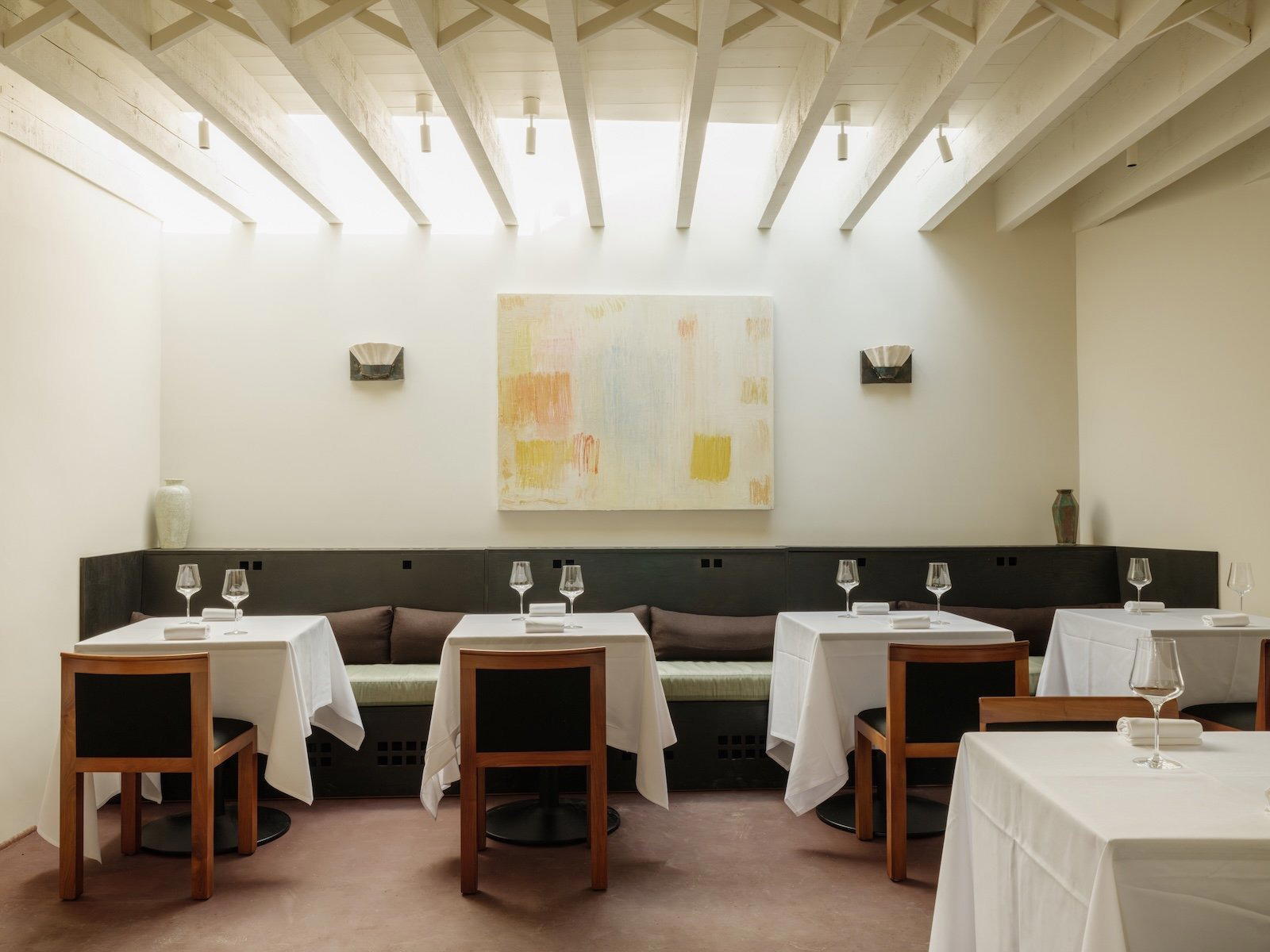
Refined and timeless elegance with dramatic architectural features including high vaulted ceilings over 9 meters tall, tuff stone walls, and soft lighting that highlights the sacred history of the former San Giuseppe church.
Tags
Vibe
Best For
Experience
Sourcing
At the Table
- Dress Code
- Smart Casual
- Noise Level
- Quiet
- Service Style
- Formal
- Meal Pacing
- Extended Experience
- Capacity
- Intimate
Signature Dishes
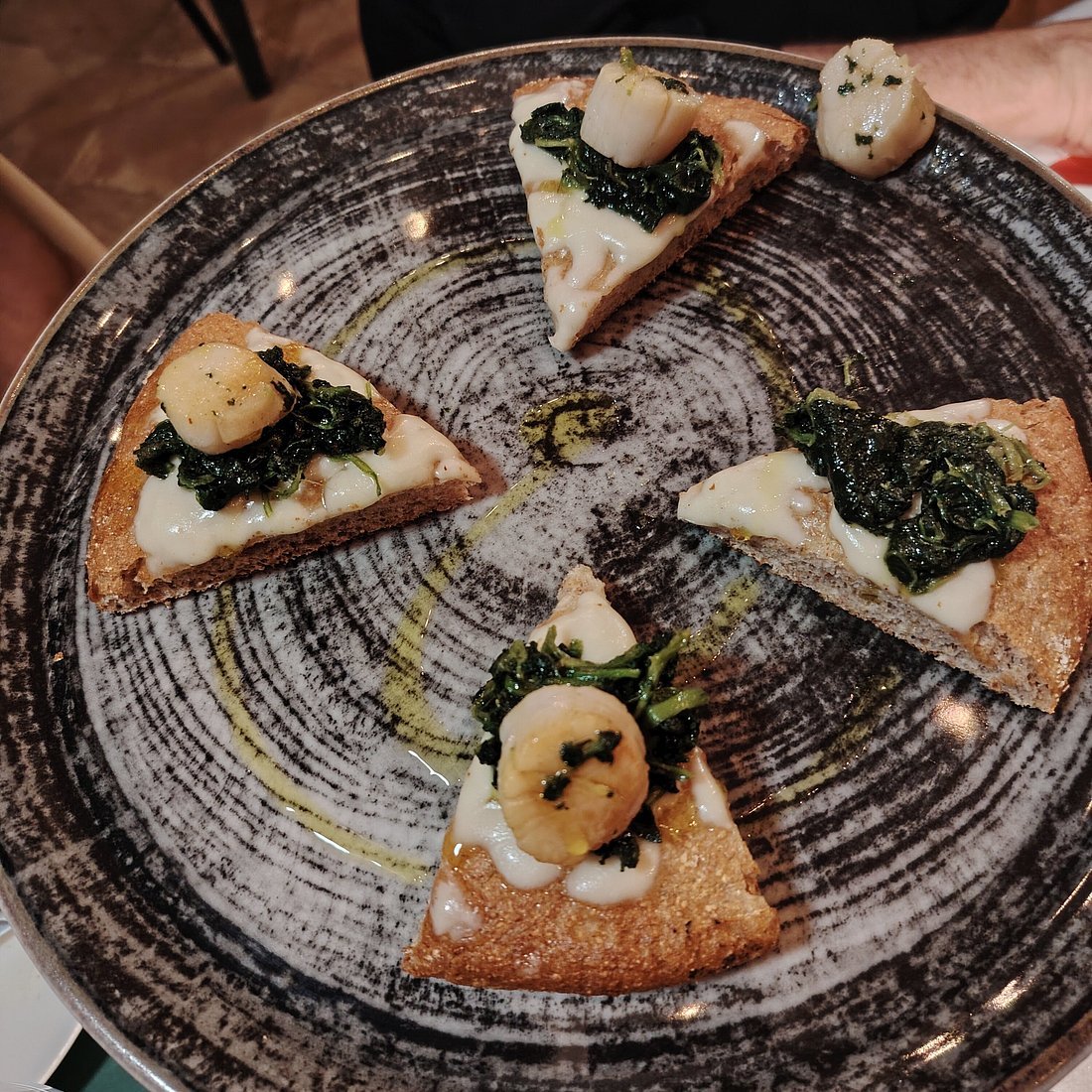
- Spaghetti with Parmigiano Reggiano, Green Lemon, and Smoked Paprika
- Bottoni with Fagiolina del Trasimeno and Squid
- Cannara Onion Ravioli
- Monkfish Confit with Charred Algae Oil
Know before you go
Know Before You Go
- Getting there
- Via dei Gualtieri, 1, 05018 Orvieto TR, Italy
Planning details
Location
Recognition and awards

Also consider
Also Consider
- Claudio Alvicolo, Notable alternative
- La Palomba, Umbrian, €
- I Sette Consoli, Modern Cuisine, €€
- Vis a Vis, Notable alternative
- The Refectory, Notable alternative
Restaurant context
How Coro compares in Orvieto
Coro is the more occasion-focused choice in Orvieto if the meal needs a chef-led feel. La Palomba is the value-minded traditional option, with Umbrian cooking and a € price tier, so it is the better pick for a relaxed local meal. I Sette Consoli sits closer as a modern-cuisine comparison at €€, and is the safer cross-shop when diners want a clearer price signal.
Against Claudio Alvicolo and Vis a Vis, Coro is easier to justify for a celebration or business dinner where experience quality matters more than maximum flexibility. If the group wants a lower-pressure room or a more traditional Orvieto meal, La Palomba is the cleaner call. If the group wants modern cooking but less uncertainty around format and pricing, I Sette Consoli is the practical alternative.
The Refectory is less of a direct Orvieto dinner substitute because it sits outside the immediate local set. Treat it as a separate destination choice rather than a fallback for the same evening. For most visitors staying in town, the realistic decision is Coro for the special meal, La Palomba for Umbrian value, or I Sette Consoli for modern cuisine with a clearer price tier.
Explore Orvieto
Around this place
Discover more on Pearl
Unlock the full Coro guide in Pearl, including awards, comparisons, FAQs, planning details, and nearby places.
Compare Coro
| Venue | Location | Cuisine | Awards | Price |
|---|---|---|---|---|
| Coro | Orvieto | , | 2025 The Best Chef One Knife | , |
| Claudio Alvicolo | Orvieto | 2025 50 Top Pizza Italy · #85 | , | , |
| La Palomba | Orvieto | Umbrian | 2026 Michelin Plate2025 Michelin Plate2024 Michelin Plate | € |
| I Sette Consoli | Orvieto | Modern Cuisine | 2026 Michelin Plate2025 Michelin Plate2024 Michelin Plate | €€ |
| Vis a Vis | Orvieto | No published awards | , | , |
| The Refectory | Parrano | Star Wine Lists 20262026 OAD Top Restaurants in North America Recommended2026 Wine Spectator Best of Award of Excellence2025 OAD Top Restaurants in North America Ranked · #5782025 Wine Spectator Best of Award of Excellence2023 OAD Top Restaurants in North America Recommended | , | , |

.png?width=1200&quality=80)



How Coro Orvieto compares with similar nearby venues.
FAQ
Frequently Asked Questions
What are Coro's opening hours?
Coro lists dinner on Monday, Thursday, Friday, Saturday, and Sunday from 7:30–9:30 PM, plus lunch on Friday, Saturday, and Sunday from 12:30–2 PM. Tuesday and Wednesday are closed.
What are alternatives to Coro in Orvieto?
Other Orvieto options to compare include La Palomba, Vis a Vis, I Sette Consoli, The Refectory, and Claudio Alvicolo. Choose based on your preferred timing, tone, and availability.
Is Coro good for a special occasion?
Coro can fit a special occasion if you want a planned meal in Orvieto from chef/owner Ronald Bukri. The restaurant lists a smart-casual dress code and has The Best Chef One Knife recognition for 2025.
Is lunch or dinner better at Coro?
Lunch is listed on Friday, Saturday, and Sunday from 12:30–2 PM. Dinner is listed on Monday, Thursday, Friday, Saturday, and Sunday from 7:30–9:30 PM. Choose based on the day and time that best fits your plans.