
Amiana Resort Nha Trang
Nha Trang Beach, Nha Trang
Hotel in Nha Trang, Vietnam
 Book with Pearl
Why go
Amiana Resort Nha Trang is worth considering for a resort-led stay where the room category and time on property matter more than city-center convenience. Booking is easy, so value-seekers should compare dates and avoid overbuying the room tier unless the trip is built around downtime. It fits couples and families better than meeting-heavy business travel.
About Amiana Resort Nha Trang
Amiana Resort Nha Trang is a Nha Trang venue with World Luxury Hotel Awards 2025 recognition, including global, continent, and country winner listings. Travelers should confirm current details such as facilities, room features, dining, prices, and service formats before booking.
Choose the booking based on trip needs
The practical approach is to match the booking to the trip rather than assume that any particular category or package is automatically the best value. If the stay itself will be central to the trip, check the venue's official descriptions and current rates before choosing. If the property is mainly a base in Nha Trang, keep the decision focused on your needs and up-to-date booking terms.
Rate shopping and category selection are best handled directly through current booking channels. The safest value case is to pay only for features that are clearly listed by the venue or your booking provider at the time of reservation.
Evaluate the stay against current official information
Amiana Resort Nha Trang should be evaluated as a Nha Trang stay with awards recognition, not on assumptions about a specific street, neighborhood, transport pattern, or business-travel convenience. Travelers who need a precise location fit should check current maps and official hotel information before booking.
When comparing options, look at Amiana Resort Nha Trang alongside Boma Resort Nha Trang, InterContinental Nha Trang, Potique Hotel, Six Senses Ninh Van Bay, and Villa Le Corail, a Gran Meliá Hotel, based on needs such as location, availability, room type, and current terms. Choose Amiana Resort Nha Trang when its recognition and current official offering match the trip; consider another option if a different location or format is a better fit.
Planning details
- Location
- Phạm Văn Đồng, Tổ 14, Nha Trang, Khánh Hòa 650000, Vietnam
- Website
- amianaresort.com
- Phone
- +84 258 3553 333
The take
The Take
The Vibe
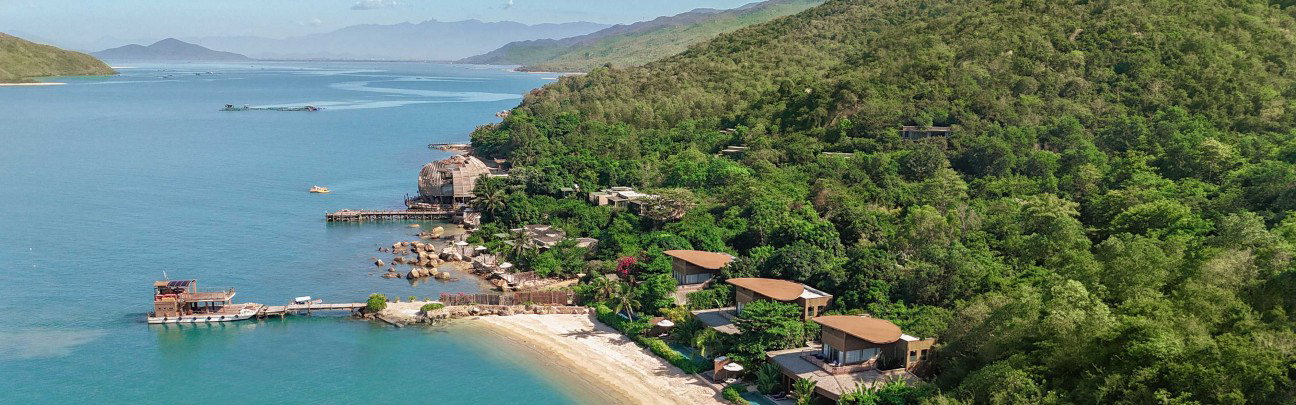
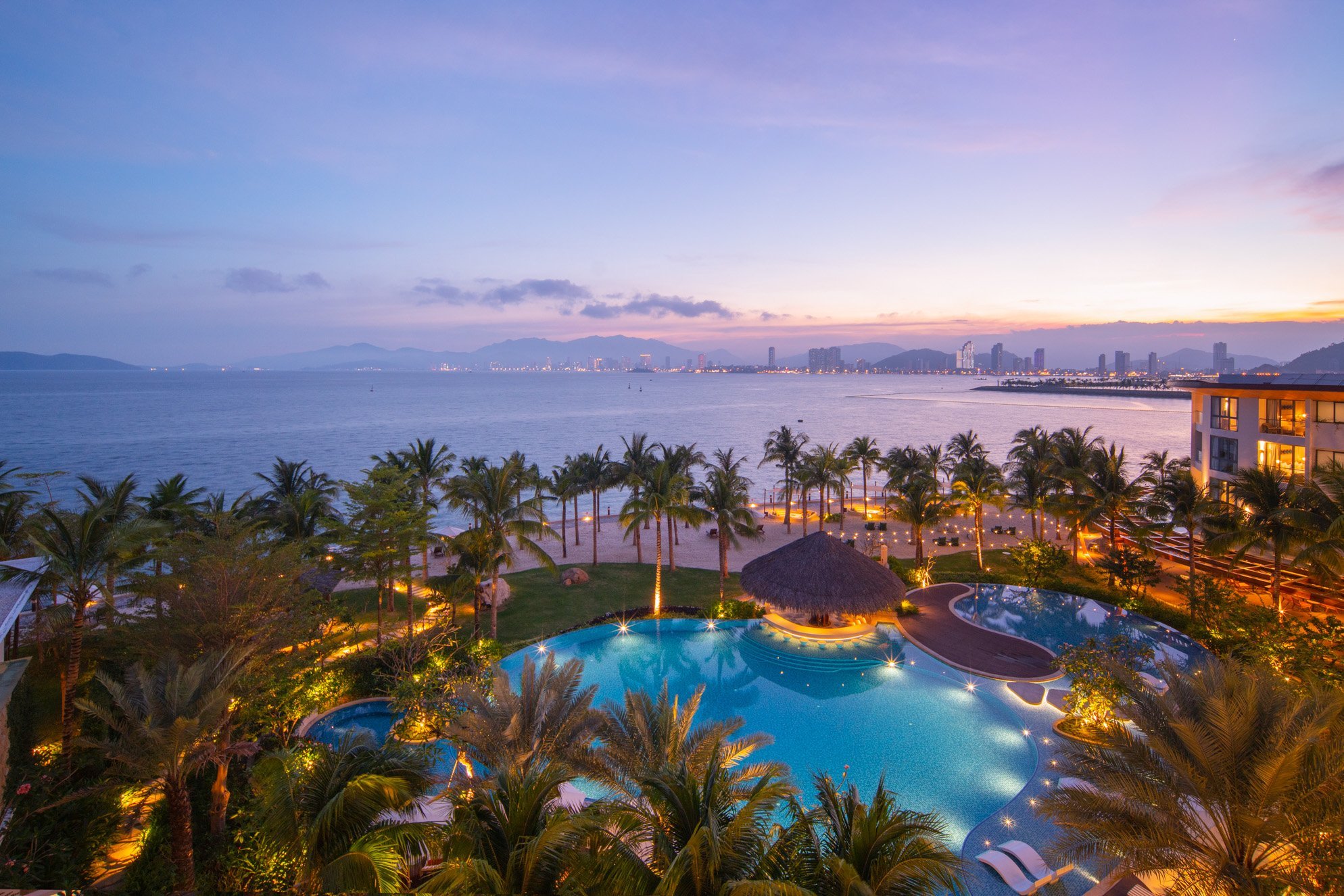
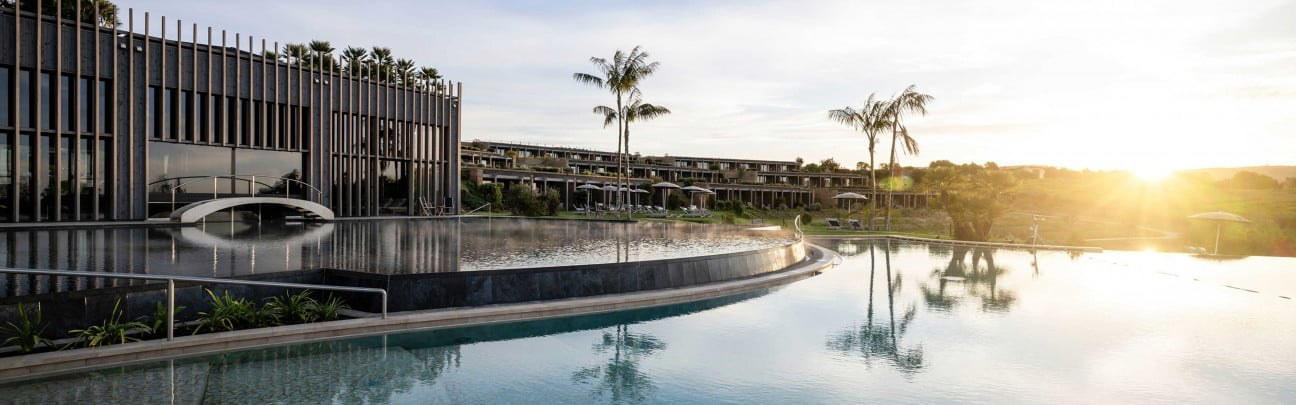
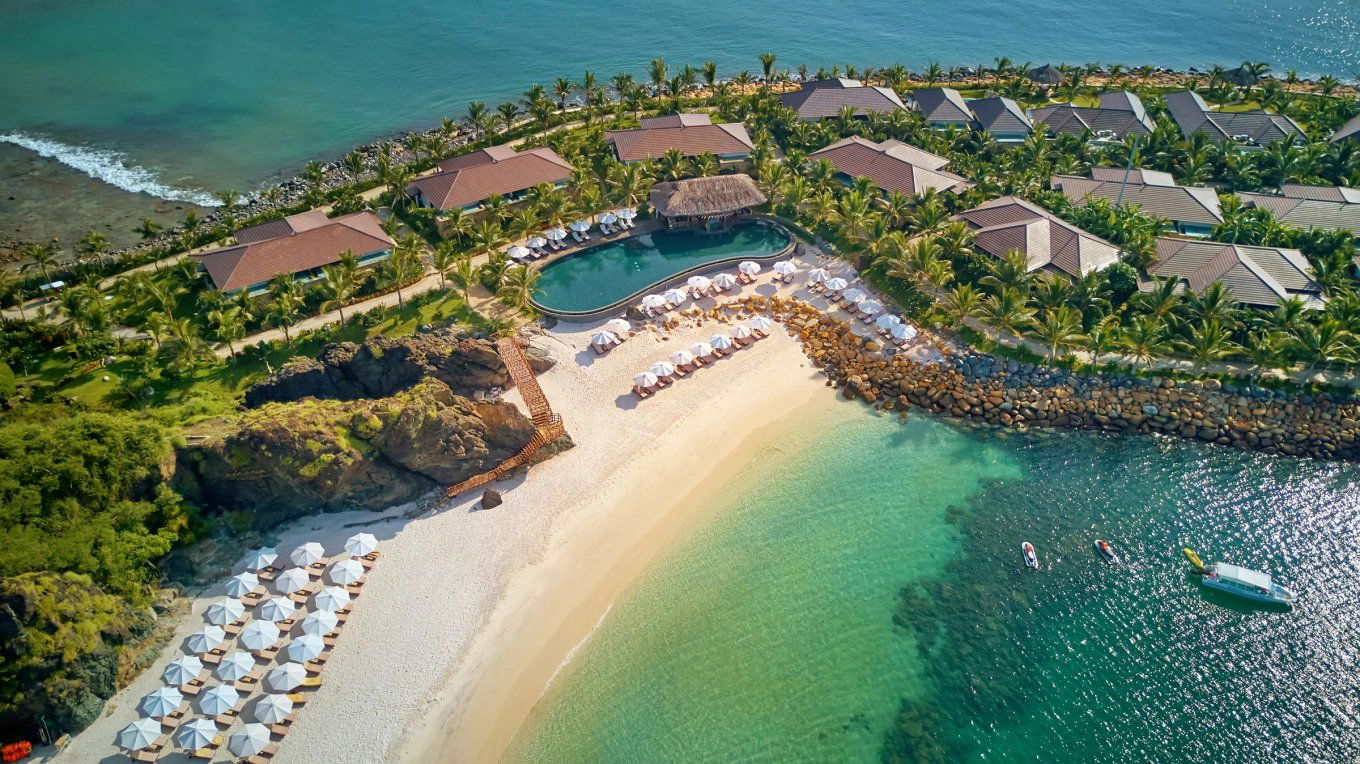
Amiana Resort Nha Trang settles into its hillside peninsula with a quiet, measured poise. The resort resists tower-block luxury tropes and lets gradient, vegetation and local-material logic inform buildings and sightlines. That site-led approach gives the property a serene, relaxed character — you feel removed from the bustle of Tran Phu Boulevard the moment you arrive. The writing highlights the resort's design credentials and international recognition for sustainable luxury, so the overall impression is of an elegant, low-density escape where architecture and landscape define the guest experience rather than ostentation.
Best For
This property suits travelers who prize seclusion, considered design and coastal panoramas. It is a natural fit for honeymooners and couples seeking a tranquil romantic stay, as well as wellness-minded guests and families who prefer lower-density grounds to the busy beachfront strip. The resort’s emphasis on site-driven architecture and sustainable-luxury awards also appeals to design-conscious visitors who want a thoughtful coastal resort experience rather than a high-rise, high-traffic hotel clustered on Tran Phu Boulevard.
Stay Tips
Choose Amiana when you want a quieter alternative to Nha Trang’s main tourist corridor: the description repeatedly contrasts its hillside peninsula setting with the busier Tran Phu strip. The property’s layout and use of topography shape sightlines and guest pace, so book here if you value lower density, landscape-led architecture and a resort that reads as part of its site. The text’s emphasis on sustainable-luxury recognition suggests the resort foregrounds conservation and design, which is useful to know when comparing stays in Nha Trang.
Venue details
Ambiance
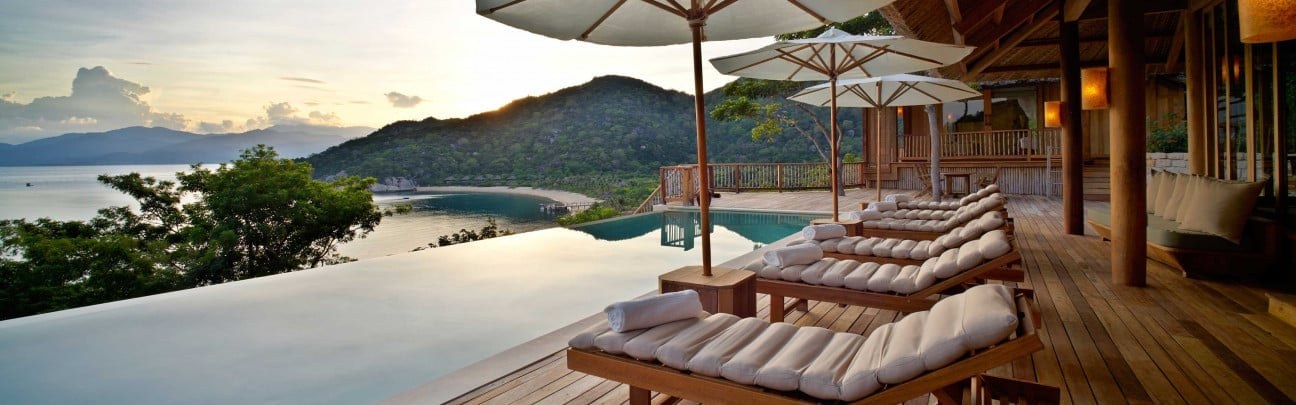
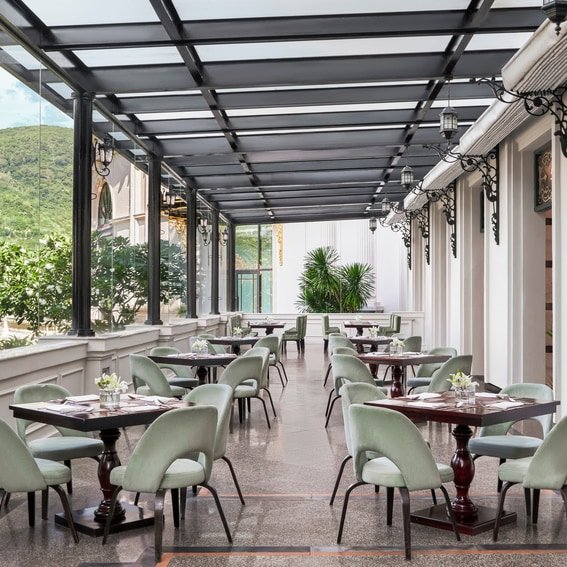
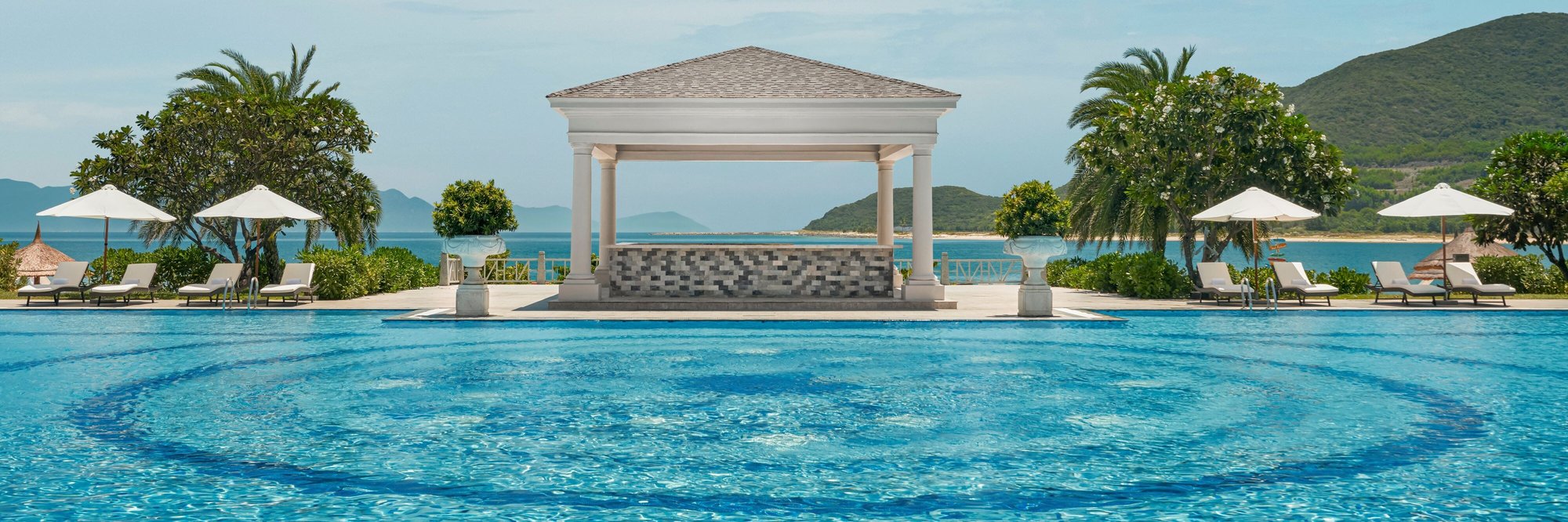
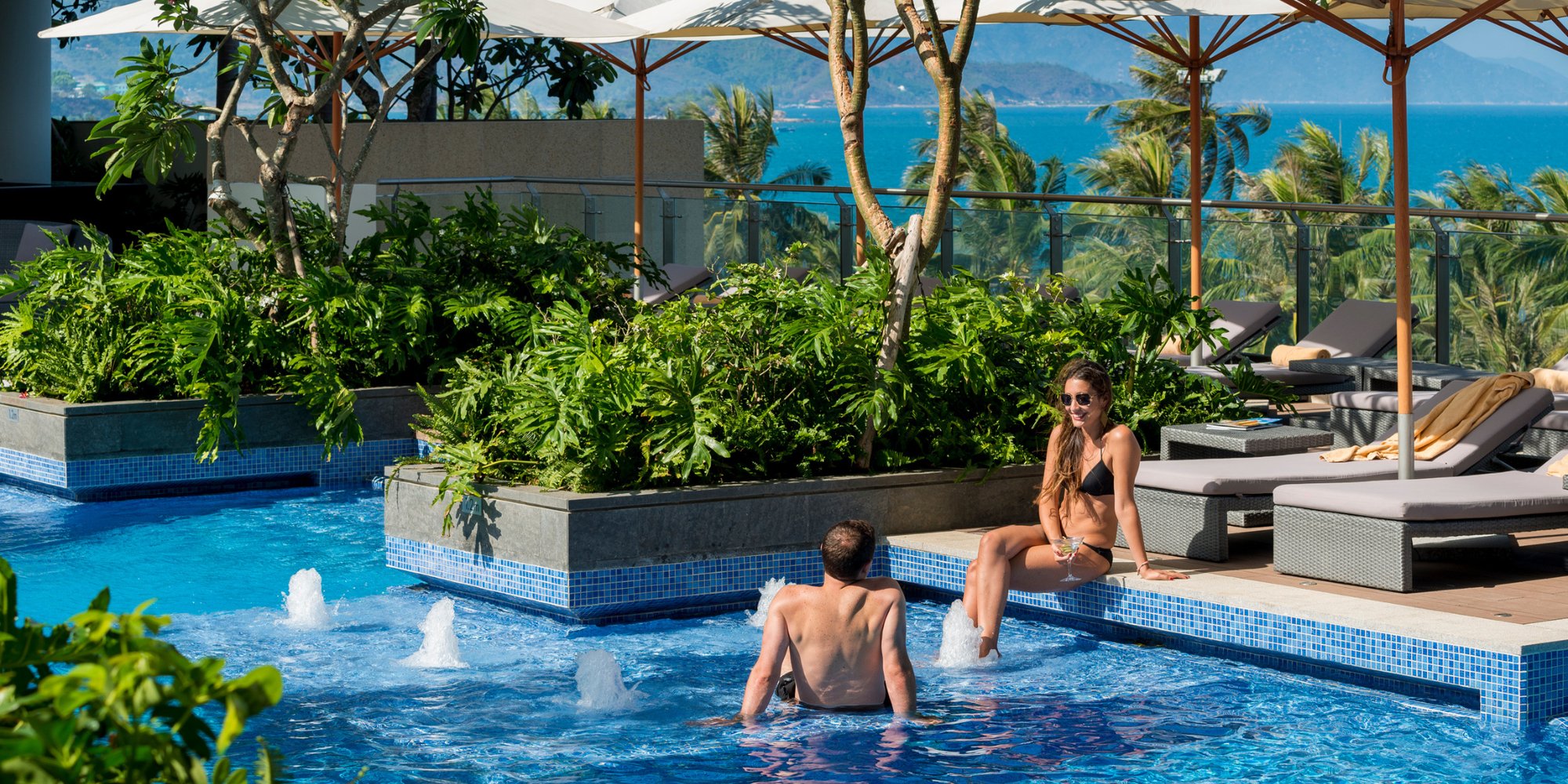
Relaxed and serene with panoramic ocean views, lush gardens, soundproofed rooms, and a peaceful bay atmosphere praised for quiet comfort.
Tags
Vibe
Best For
Experience
Amenities
View
About the Stay
- Rooms
- 248
- Check-in
- 14:00
- Check-out
- 12:00
- Property Style
- Low Rise Eco Resort with Traditional Vietnamese Architecture and Private Villas
- Design Style
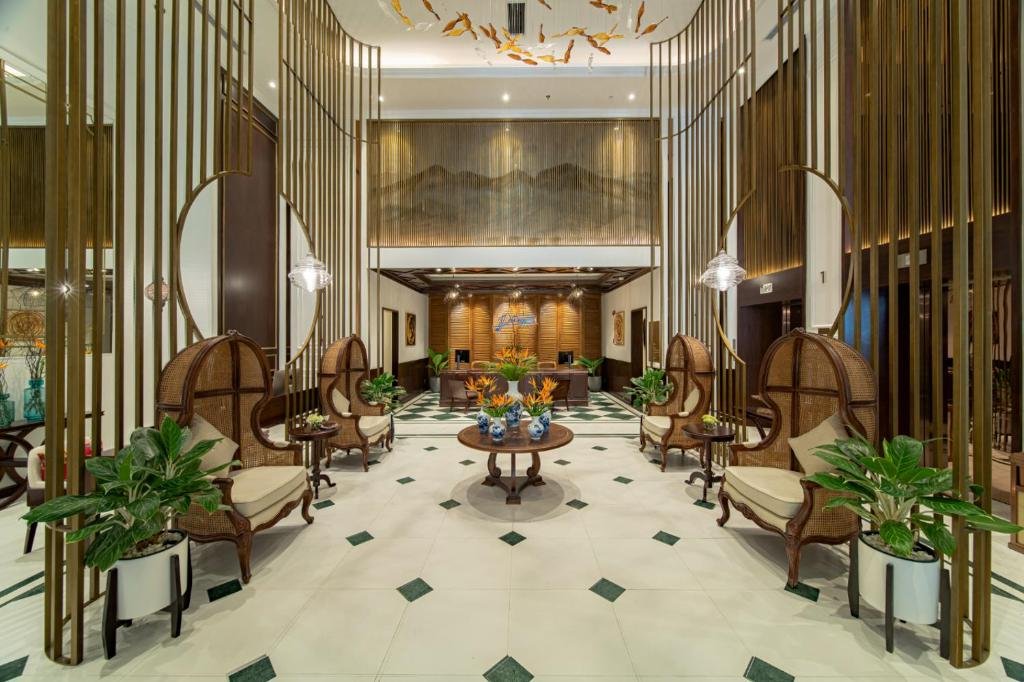
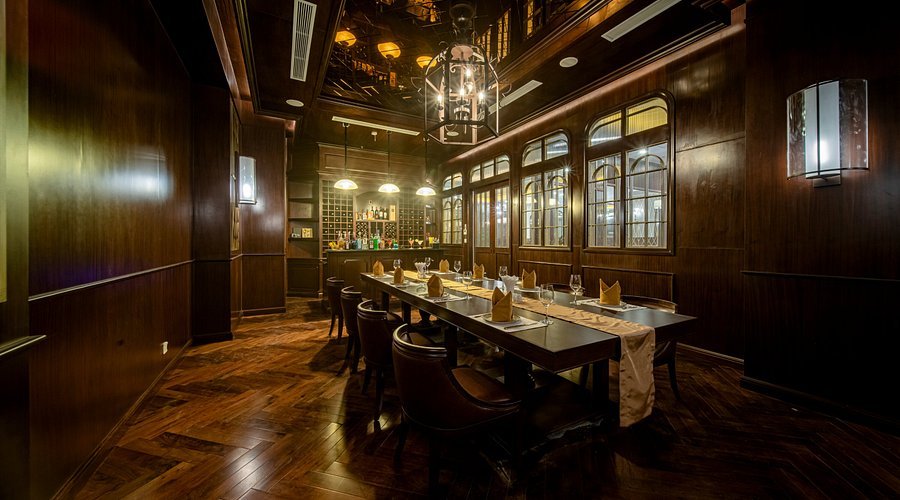
- Rustic Elegance Featuring Wood Floors, Exposed Beams, Hand Carved Stone Bathtubs, and Natural Local Materials
- Breakfast
- Included
- Pool
- Yes
- Spa
- Yes
- Families
- Welcome
- Cancellation
- Moderate
Know before you go
Know Before You Go
- Getting there
- Phạm Văn Đồng, Tổ 14, Nha Trang, Khánh Hòa 650000, Vietnam
Planning details
Location
Phạm Văn Đồng, Tổ 14, Nha Trang, Khánh Hòa 650000, Vietnam · Directions
Recognition and awards
Also consider
Also Consider
- Boma Resort Nha Trang, Notable alternative
- Villa Le Corail, a Gran Meliá Hotel, Notable alternative
- InterContinental Nha Trang, Notable alternative
- Potique Hotel, Notable alternative
- Six Senses Ninh Van Bay, Notable alternative
Hotel context
How It Compares
Amiana Resort Nha Trang is the practical resort pick when the reader wants a beach-focused stay without committing to the more removed feel of Six Senses Ninh Van Bay. Six Senses is the stronger choice for a full retreat mindset; Amiana makes more sense for travelers who still want Nha Trang within easier reach.
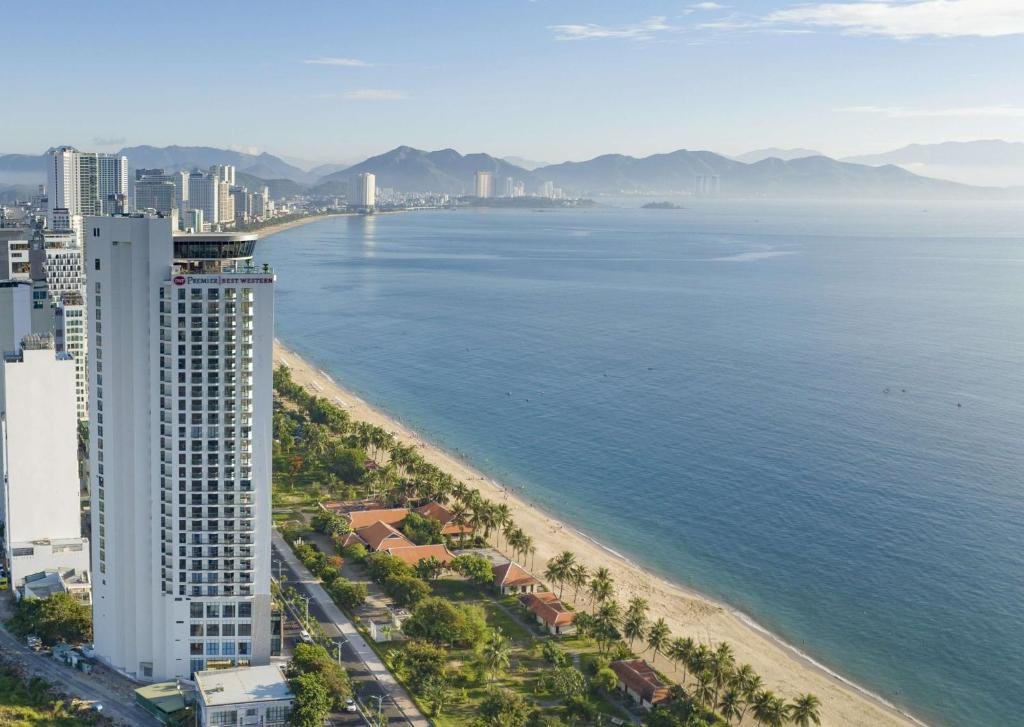
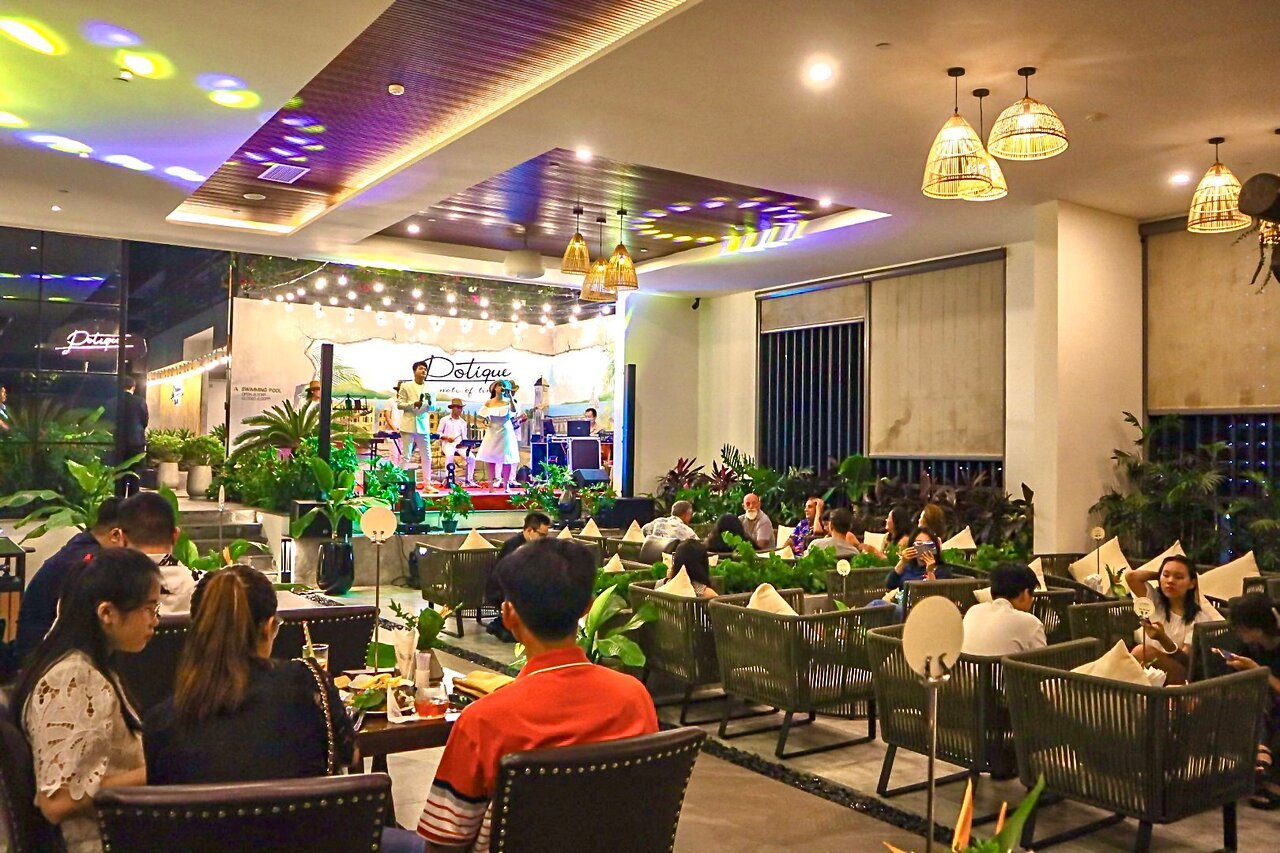
For city convenience, InterContinental Nha Trang and Potique Hotel are cleaner choices. Pick InterContinental for a familiar urban-hotel setup and Potique for a city-stay feel. Choose Amiana only if resort atmosphere outweighs walkability.
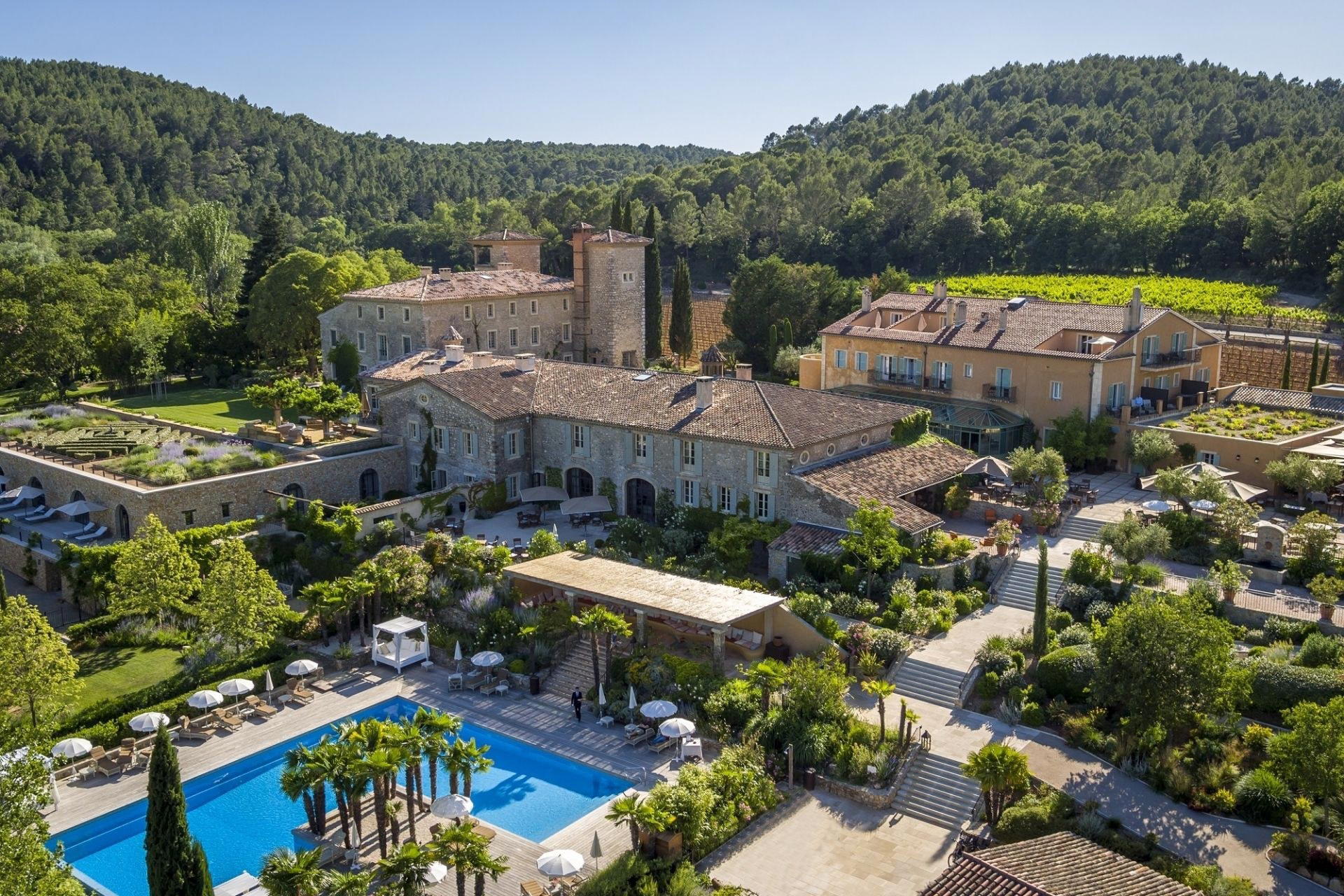
Boma Resort Nha Trang and Villa Le Corail, a Gran Meliá Hotel are the closer cross-shops for travelers comparing resort comfort and price-to-quality. Amiana is the safer recommendation for an easy-booking, room-category-led decision; Villa Le Corail is worth checking if the trip calls for a more polished resort statement.
Explore Nha Trang
Around this place
Discover more on Pearl
Unlock the full Amiana Resort Nha Trang guide in Pearl, including awards, comparisons, FAQs, planning details, and nearby places.
Compare Amiana Resort Nha Trang
| Venue | Location | Awards |
|---|---|---|
| Amiana Resort Nha Trang | Nha Trang | World Luxury Hotel Awards 2025 |
| Boma Resort Nha Trang | Nha Trang | No published awards |
| Villa Le Corail, a Gran Meliá Hotel | Nha Trang | 2025 Travel + Leisure 100 Favorite Hotels in the World · #622025 Michelin Selected Hotels |
| InterContinental Nha Trang | Nha Trang | No published awards |
| Potique Hotel | Nha Trang | No published awards |
| Six Senses Ninh Van Bay | Nha Trang | No published awards |


How Amiana Resort Nha Trang compares with similar nearby venues.
FAQ
Frequently Asked Questions
Is Amiana Resort Nha Trang good for business travel?
If easy access to meetings or a particular part of Nha Trang matters, compare the current location and booking details with options such as InterContinental Nha Trang or Potique Hotel before deciding.
Which room category is best at Amiana Resort Nha Trang?
The best room category depends on the current room descriptions, rates, and how much time you expect to spend at the property. Confirm the latest options directly before booking.
How is the location of Amiana Resort Nha Trang?
Amiana Resort Nha Trang is in Nha Trang. Use official hotel information and current maps if precise location is important.