










Waldorf Astoria New York
East Midtown-Turtle Bay, New York City
Hotel in New York City, United States
 Book with Pearl
Why go
Waldorf Astoria New York is the right call when a Midtown stay needs ceremony, scale, and a strong sense of place. It is less compelling for travelers who only need a practical business base, where InterContinental New York Barclay, The Kimberly Hotel, or EVEN Hotel New York - Midtown East by IHG may be easier value plays.
About Waldorf Astoria New York
In New York City, the smart question is whether Waldorf Astoria New York fits the purpose of the trip when other city hotels may also be under consideration. Waldorf Astoria New York is worth targeting if the hotel itself is part of the plan, rather than just a place to sleep.
The value case is specific. This is not automatically the practical pick for travelers who only need a direct room in New York City. It makes more sense for guests who want a premium hotel stay and are weighing recognized luxury properties against more functional alternatives.
Choose it for a premium New York City hotel stay
The main argument here is positioning. Waldorf Astoria New York sits in the luxury-hotel conversation for New York City, and its smart casual dress code supports a polished but not overly rigid planning frame. Guests looking for the simplest stay may prefer a more practical option, while travelers who want the hotel choice to carry weight may find it easier to justify.
For business or leisure travel, the fit is strongest when the hotel is meant to support the tone of the trip. It is less compelling for travelers focused only on practicality. Compared with InterContinental New York Barclay, Waldorf Astoria New York may appeal more to guests prioritizing the Waldorf Astoria name; compared with EVEN Hotel New York - Midtown East by IHG, it is a different kind of New York City stay.
What the recognition signals for travelers
The hotel has external recognition including Conde Nast Hot List Hotels 2026, Travel + Leisure It List Hotels 2026, Virtuoso Luxury Hotel Partner 2026, Star Wine List 2026, Forbes Soon To Be Rated 2026, and MICHELIN Guide, Hotels Selected 2025. For a value-minded guest, that matters because it points to broad industry attention rather than a single niche endorsement.
Those signals do not mean every traveler should pay up. They do mean the hotel belongs in the recognized luxury set for New York City, especially for guests comparing premium stays. The better question is whether the trip needs that level of positioning. For a short, practical stay, The Kimberly Hotel or InterContinental New York Barclay may be worth comparing. For a higher-occasion New York City stay, Waldorf Astoria New York is easier to defend.
When to pick a peer instead
Book Waldorf Astoria New York when the hotel is meant to anchor the trip. Cross-shop The Towers at Lotte New York Palace or Lotte New York Palace if you want to compare other premium New York City hotel options. Choose InterContinental New York Barclay when the brief is a polished city stay with a different balance of priorities.
For guests who care about value above all, EVEN Hotel New York - Midtown East by IHG is a clear alternative in this group. The Kimberly Hotel is also a sensible comparison for travelers who want another New York City base to weigh against Waldorf Astoria New York.
Quick read: target Waldorf Astoria New York for a premium New York City stay with industry recognition; choose a peer if ease, rate discipline, or a different hotel style matters more.
Part of
Waldorf Astoria67 locations on PearlInside Waldorf Astoria New York

Planning details
- Location
- 301 Park Avenue
- Website
- waldorfastorianewyork.com
- Phone
- 800-925-3673
The take
The Take
The Vibe
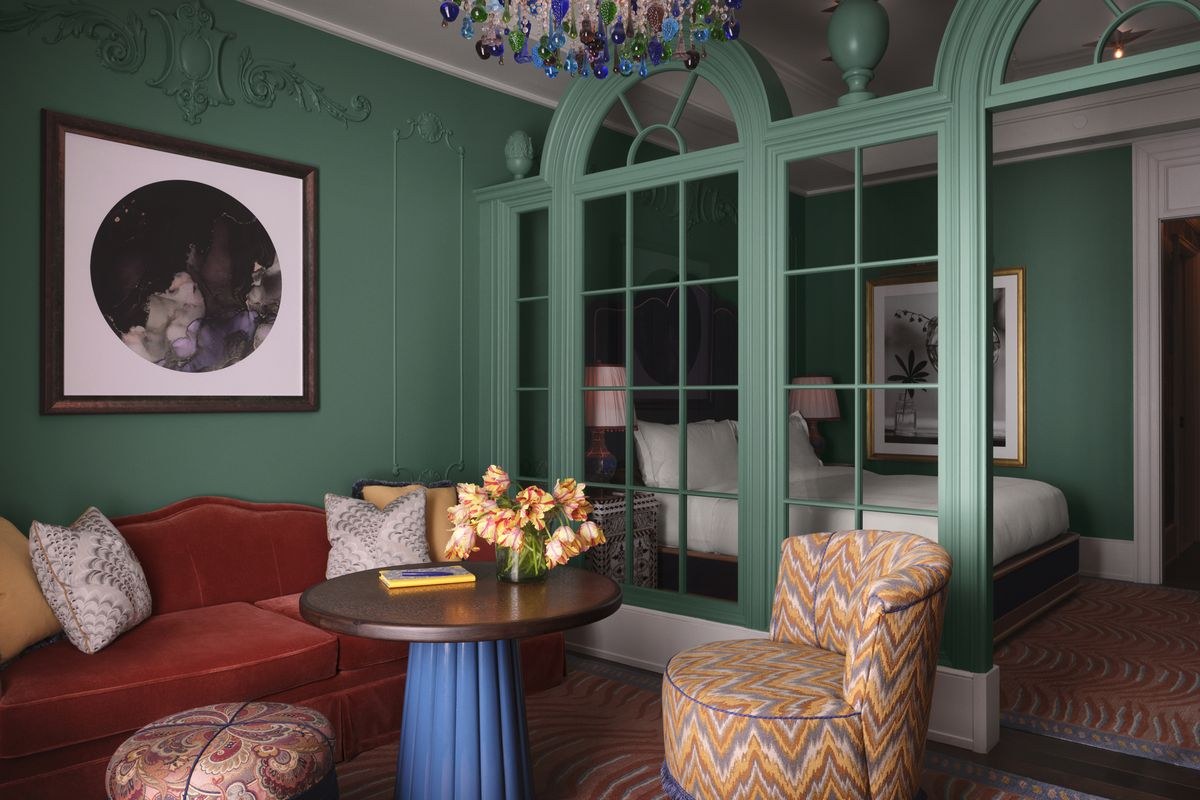
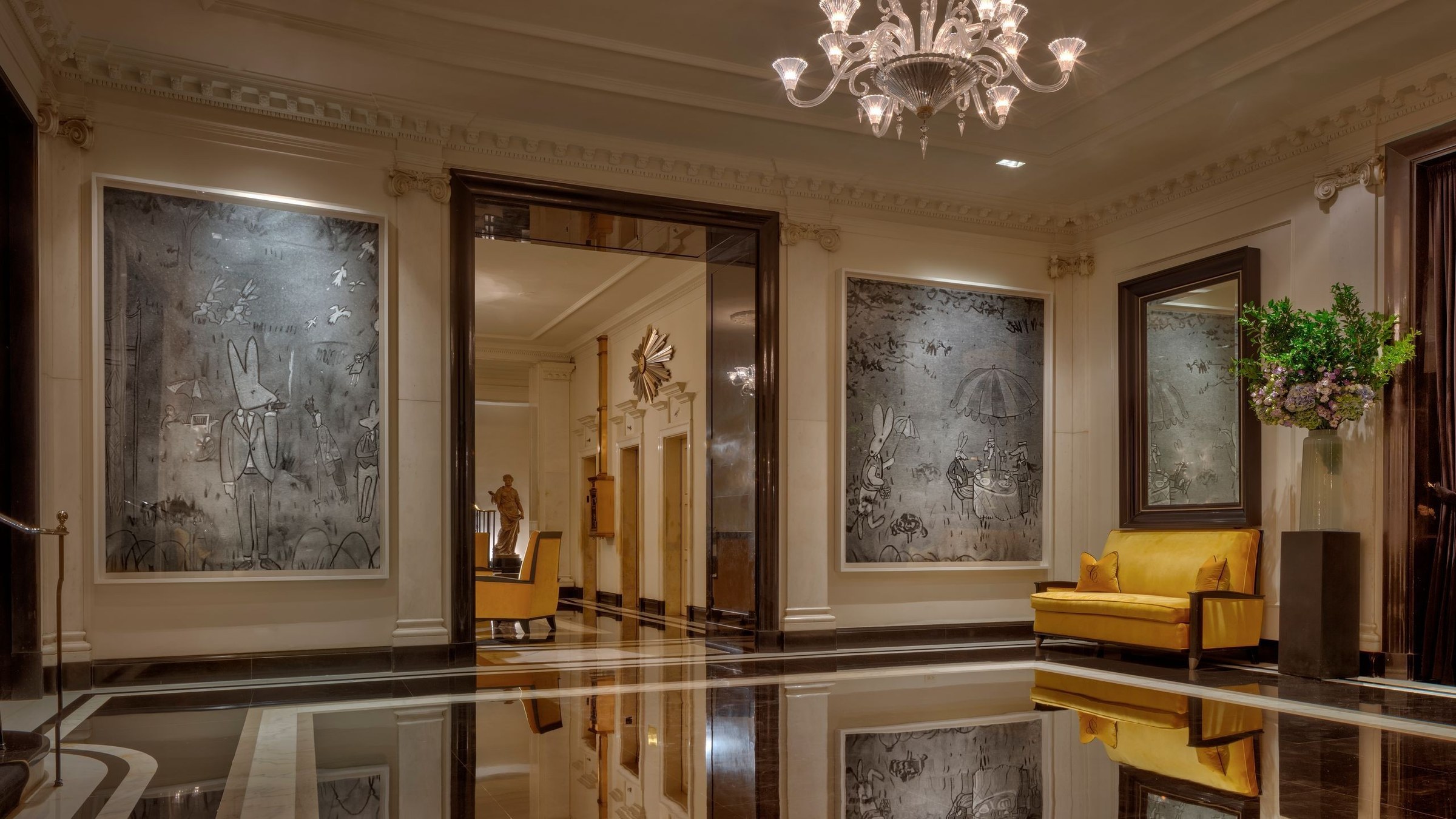
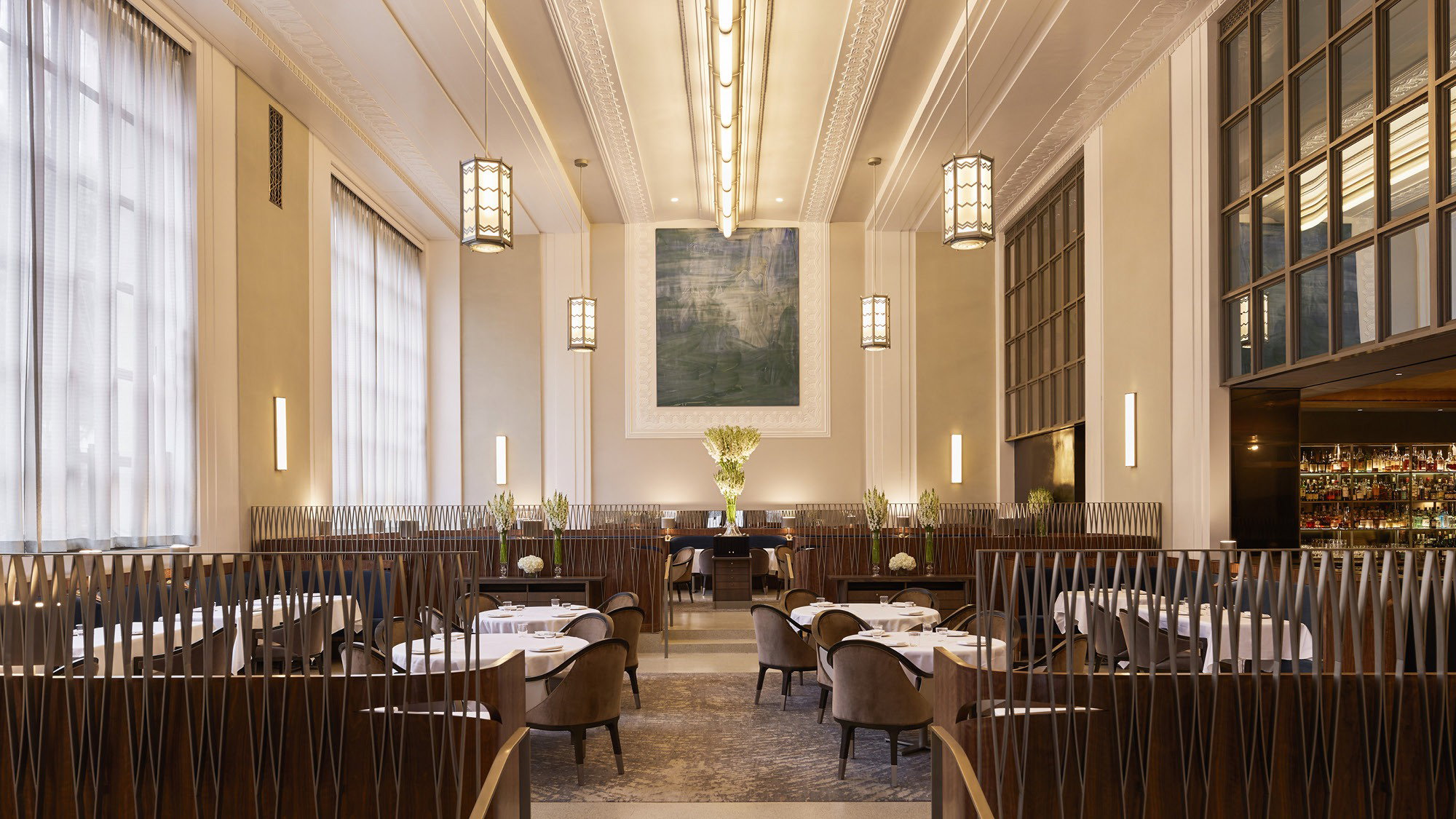
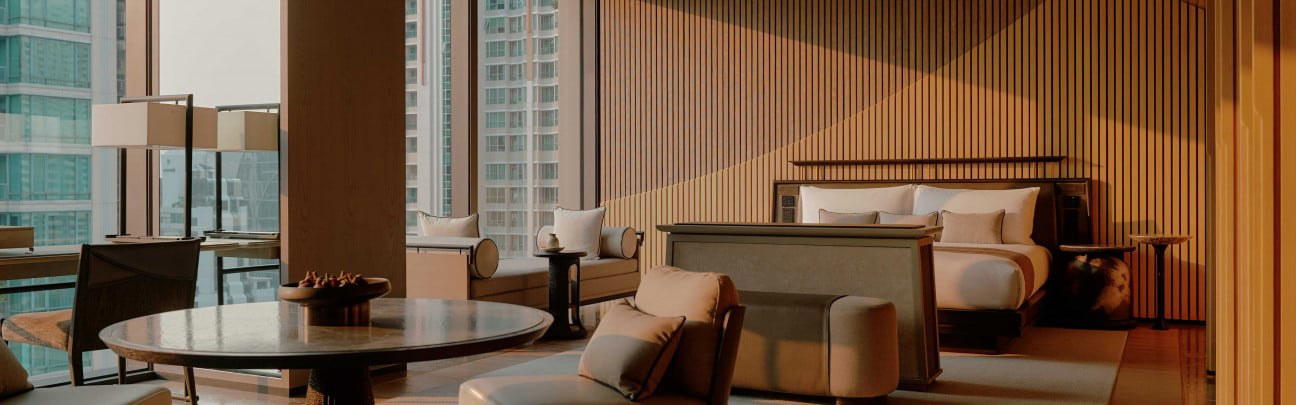
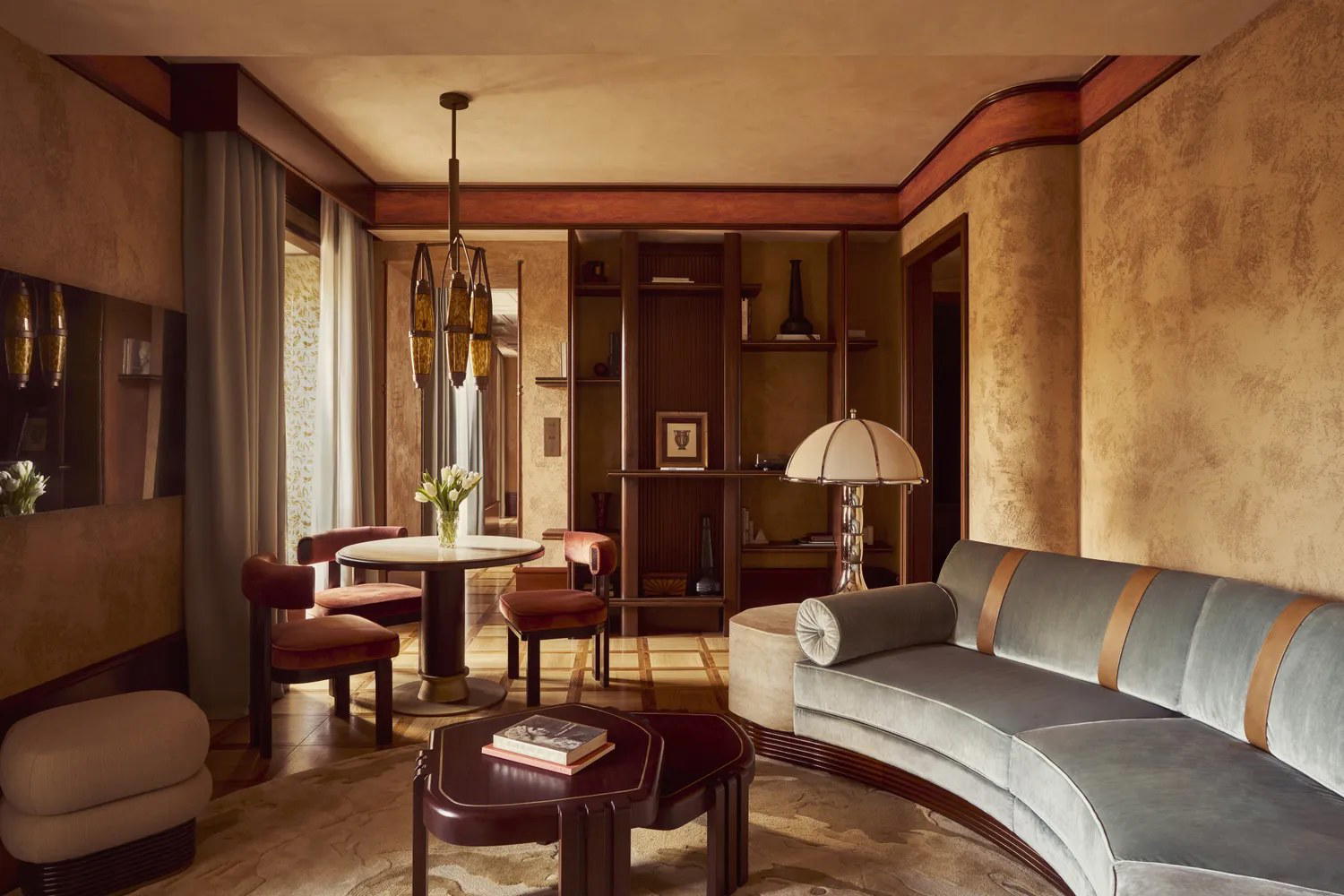
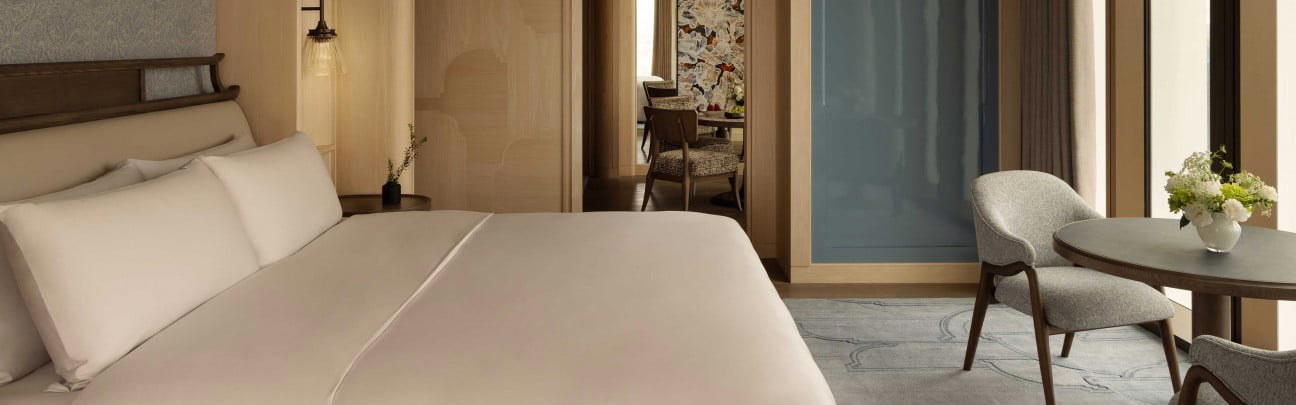
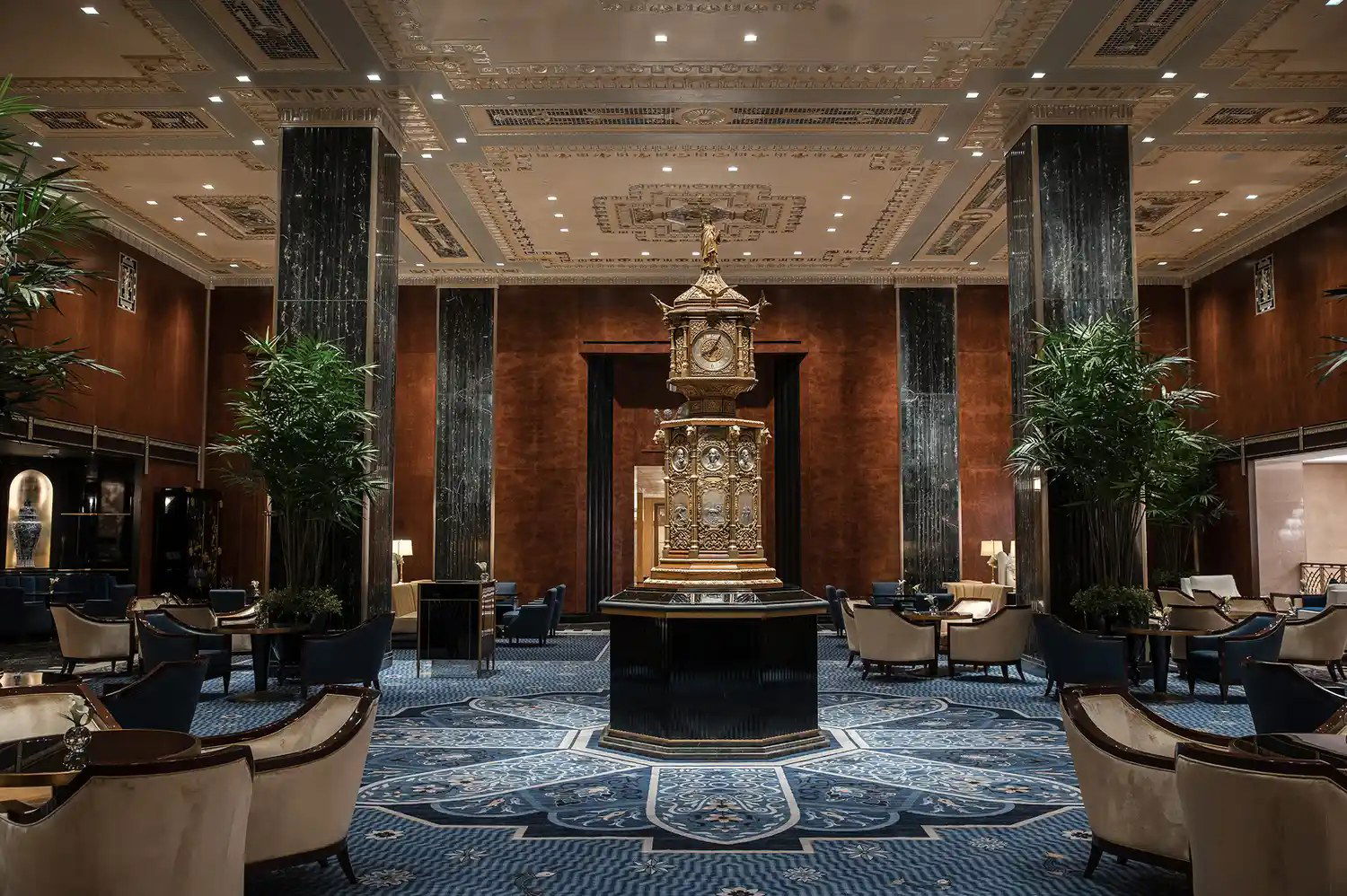
The Waldorf Astoria reopens as a consciously restored piece of Manhattan history: original Art Deco architecture is preserved and set against contemporary furnishings by Pierre‑Yves Rochon. The renovation reads as a return to its earlier register rather than a reinvention, so the property feels historically grounded and formally scaled. Rooms and suites are deliberately generous, reinforcing a sense of old‑world luxury adapted for today. Overall the hotel presents a stately, museum‑quality form of Manhattan hospitality that foregrounds provenance, scale and design.
Best For
This is a destination for travelers who want more than a place to sleep: guests celebrating milestones, attending formal society events, or seeking a high‑end, historically resonant base in Midtown East will find it fitting. Its large rooms and preserved architecture suit visitors who value scale, privacy and traditional luxury, and the reopening positions the hotel as an address for special occasions and high‑profile stays rather than a budget or purely transient option.
Venue details
Ambiance
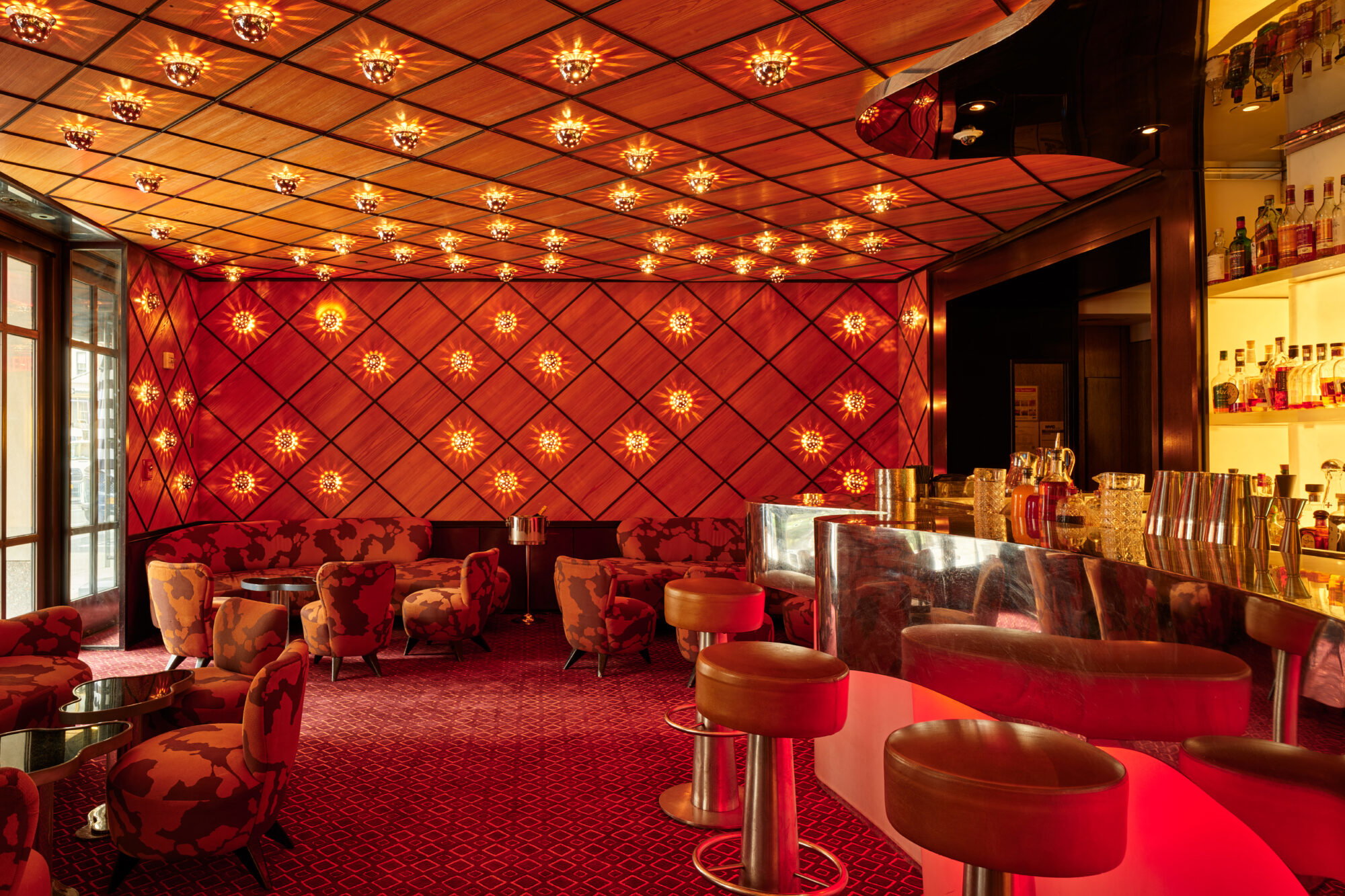
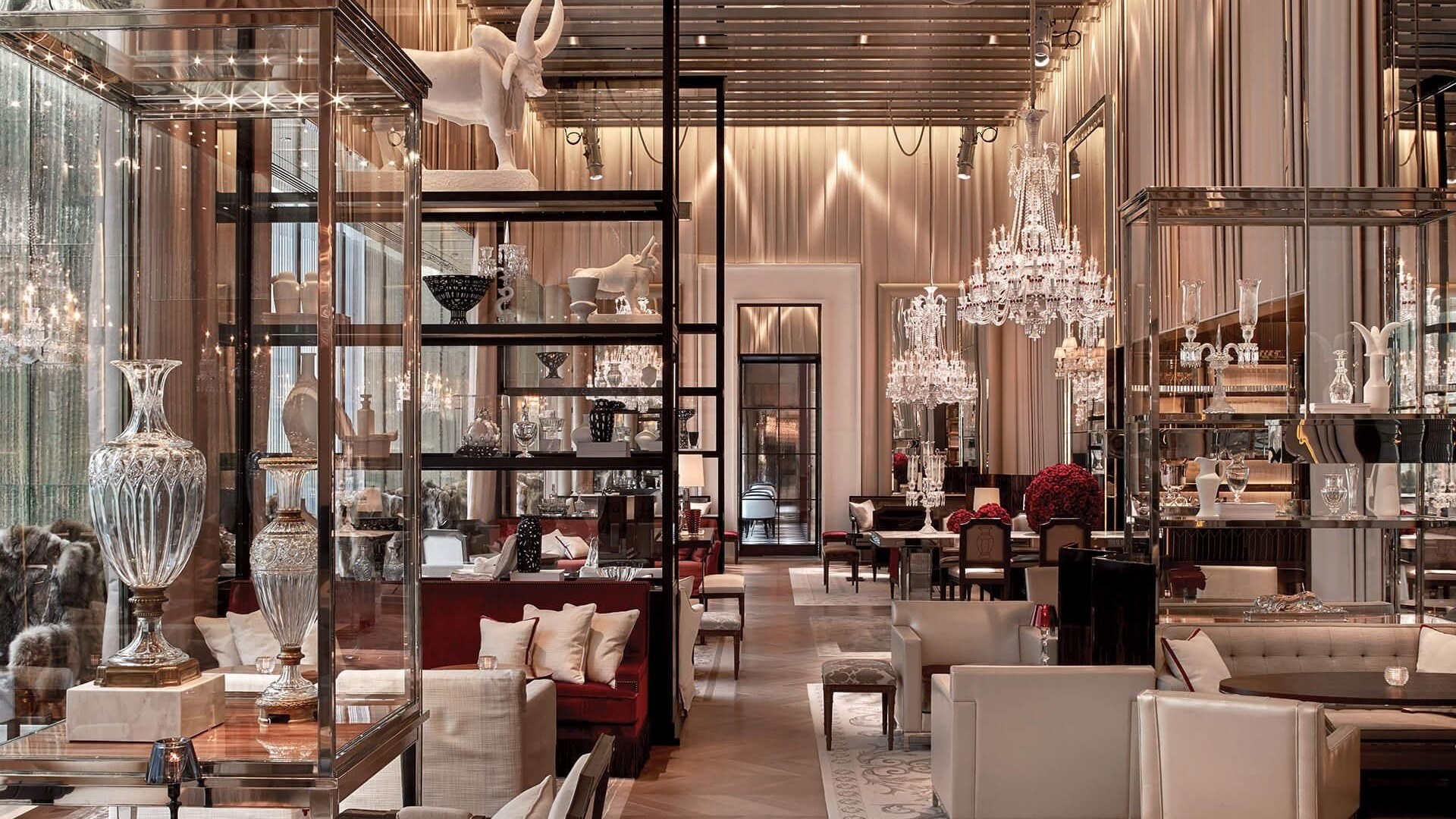
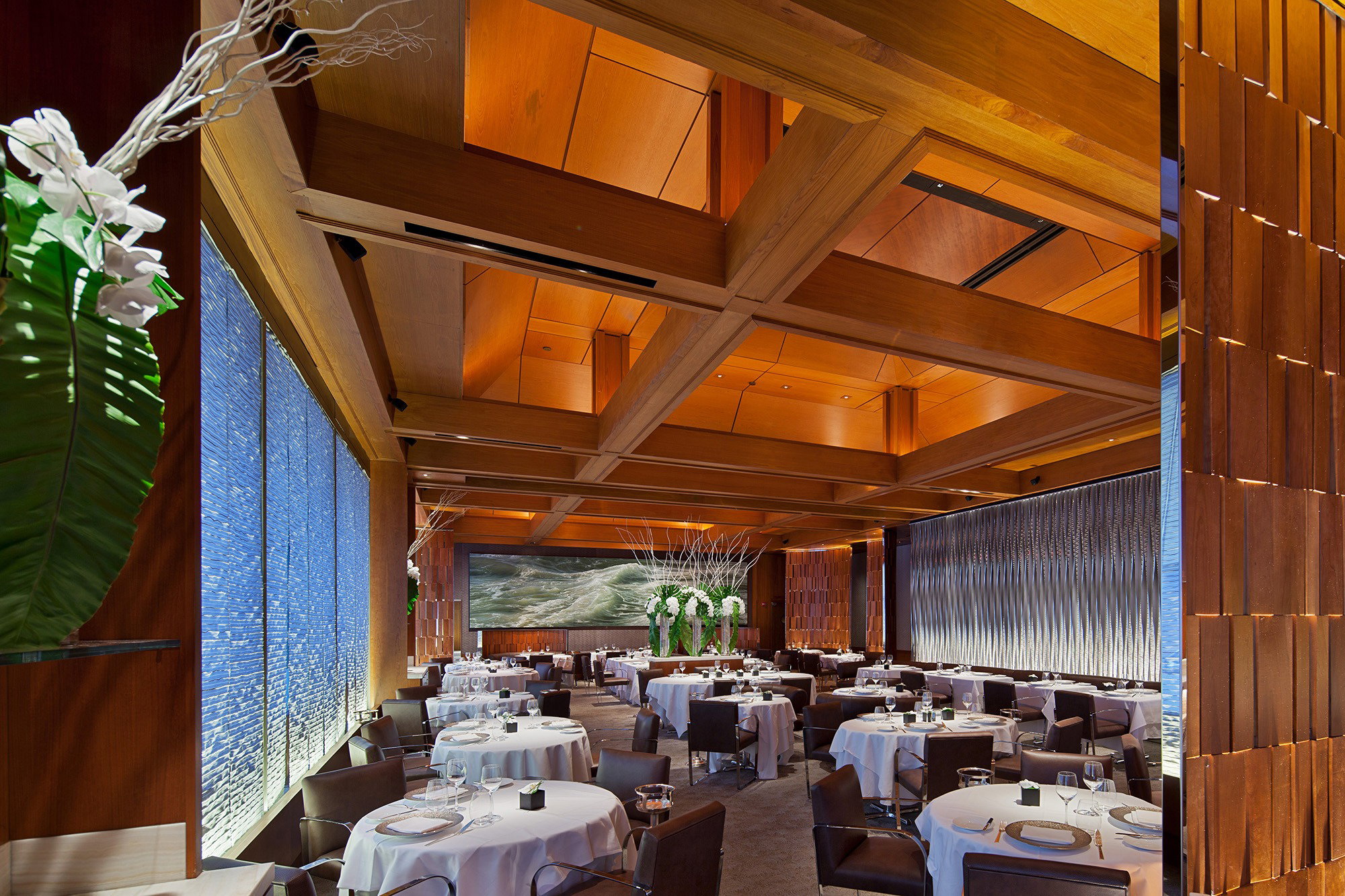
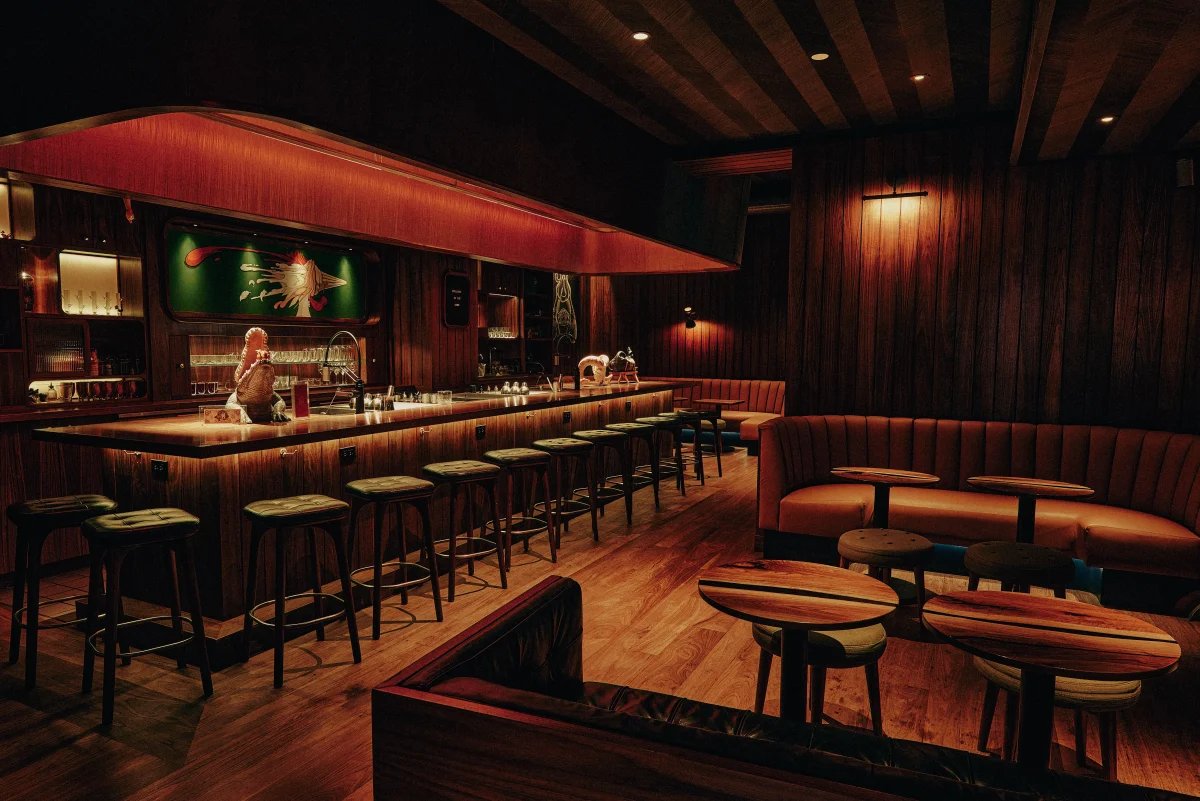
Opulent and refined with elegant lighting, marble finishes, and serene spa-like atmospheres throughout guest rooms and wellness areas.
Tags
Vibe
Best For
Experience
Amenities
View
Accessibility
About the Stay
- Rooms
- 375
- Check-in
- 15:00
- Check-out
- 12:00
- Property Style
- Iconic Art Deco Luxury Hotel Blending Timeless Elegance with Contemporary Sophistication.
- Design Style
- Art Deco with Opulent Bronze and Nickel Accents, Marble Mosaics, and Custom Furnishings.
Know before you go
Know Before You Go
- Getting there
- 301 Park Avenue
Planning details
Location
Recognition and awards







Also consider
Where to look if this is not the right fit
If the goal is polished Midtown business travel without paying mainly for ceremony, cross-shop InterContinental New York Barclay. If the budget needs to work harder and wellness-led practicality matters, compare rates at EVEN Hotel New York - Midtown East by IHG.
Hotel context
How It Compares
Waldorf Astoria New York is the splurge-oriented choice in this Midtown set: pick it when atmosphere, arrival, and a grand-hotel setting are part of the trip. InterContinental New York Barclay is the cleaner business-travel comparison, with a polished Midtown profile that will make more sense for rate-sensitive work trips.
The Kimberly Hotel is better for travelers who want a more residential Midtown feel rather than a formal luxury statement. EVEN Hotel New York - Midtown East by IHG is the practical value counterpoint, especially if wellness features and convenience matter more than grand-hotel ambiance.
For a closer luxury comparison, look at The Towers at Lotte New York Palace if privacy and a more rarefied hotel-within-a-hotel feel are priorities. Lotte New York Palace is the broader Midtown palace-hotel alternative, likely to appeal to guests who want scale and tradition but want to compare availability before committing.
Explore New York City
Around this place
Discover more on Pearl
Unlock the full Waldorf Astoria New York guide in Pearl, including awards, comparisons, FAQs, planning details, and nearby places.
Compare Waldorf Astoria New York
| Venue | Location | Awards |
|---|---|---|
| Waldorf Astoria New York | New York City | 2026 Virtuoso Luxury Hotel Collection2026 Forbes Soon To Be RatedStar Wine Lists 2026AHEAD Americas Awards 2026 Shortlist - Event Spaces2026 Travel + Leisure It List Hotels2026 Conde Nast Traveler Hot List HotelsAHEAD Americas Awards 2026 Shortlist - Hotel RenovationAFAR 40 Best New Hotels 2026Town & Country Hotel Awards 2026 |
| InterContinental New York Barclay | New York City | No published awards |
| The Kimberly Hotel | New York City | No published awards |
| The Towers at Lotte New York Palace | New York City | 2025 Forbes 5-Star |
| Lotte New York Palace | New York City | 2026 La Liste Top Hotels2025 Forbes Recommended |
| EVEN Hotel New York - Midtown East by IHG | New York City | No published awards |


How Waldorf Astoria New York compares with similar nearby venues.
FAQ
Frequently Asked Questions
Is Waldorf Astoria New York good for business travel?
It can be, if the trip calls for a premium New York City hotel. The hotel has recognition including Conde Nast Hot List Hotels 2026, Travel + Leisure It List Hotels 2026, Virtuoso Luxury Hotel Partner 2026, Star Wine List 2026, Forbes Soon To Be Rated 2026, and MICHELIN Guide, Hotels Selected 2025. For a different New York City business-stay option, compare InterContinental New York Barclay.
How is the location of Waldorf Astoria New York?
Waldorf Astoria New York is in New York City. If you want to compare another premium New York City hotel, The Towers at Lotte New York Palace is a natural option to review alongside it.
What is check-in like at Waldorf Astoria New York?
For check-in logistics, use the hotel's current booking details before arrival. The hotel's smart casual dress code and recognition profile, including MICHELIN Guide, Hotels Selected 2025 and several 2026 industry listings, support a polished planning frame. If a more functional New York City stay is the priority, EVEN Hotel New York - Midtown East by IHG is another option to compare.
Do loyalty programs work at Waldorf Astoria New York?
The Virtuoso Luxury Hotel Partner 2026 designation places Waldorf Astoria New York within a premium travel-planning context. For travelers comparing New York City luxury hotels, Lotte New York Palace is another relevant name to consider.
Which room category is best at Waldorf Astoria New York?
Choose based on your budget, trip purpose, and the hotel's current booking details. If you are comparing premium New York City hotel options, The Towers at Lotte New York Palace is another property to review.
How does Waldorf Astoria New York compare to other hotels?
Waldorf Astoria New York is the choice to consider when luxury-hotel recognition and the Waldorf Astoria name matter. InterContinental New York Barclay, The Kimberly Hotel, Lotte New York Palace, The Towers at Lotte New York Palace, and EVEN Hotel New York - Midtown East by IHG are useful New York City comparisons, depending on your priorities.