
The Prince Kitano New York
Midtown-Times Square, New York City
Hotel in New York City, United States
 Book with Pearl
The Read
Japanese-Rooted Midtown Calm
Price
$200–300per night
Why go
The Kitano Hotel New York is a practical Park Avenue pick for travelers who want a calmer Midtown base near Grand Central rather than a scene-heavy hotel. It is easiest to justify when direct-rate value and Preferred Hotels membership benefits line up with your dates.
About The Prince Kitano New York
The Prince Kitano New York is a New York City venue with limited details available. It is in New York City, it has a smart casual dress code, and it is listed as a Preferred Hotels Member for 2025.
Because detailed information is limited, avoid making decisions around specifics such as exact neighborhood positioning, amenities, room types, dining formats, or service style. Always confirm any trip-critical details directly before booking.
A New York City stay for travelers comparing premium options
Bookers who value a Preferred Hotels affiliation may want to include The Prince Kitano New York in a New York City shortlist. The Preferred Hotels Member recognition for 2025 is the clearest planning hook, especially for travelers who compare booking details before choosing a stay.
For a New York City trip, compare The Prince Kitano New York with other city options such as Andaz 5th Avenue, Archer Hotel New York, HGU New York, The Langham, New York, Fifth Avenue, and The Westin New York Grand Central. The right choice will depend on current rates, availability, and the practical details that matter most for your stay.
How to think about timing and value
Pricing, room categories, amenities, or detailed booking conditions are not provided, so the safest approach is to compare current rates and confirm inclusions directly. The smart casual dress code is the only style-related detail, so do not assume a more formal or more casual setup without checking with the venue.
For broader planning, use our full New York City hotels guide to compare fit, then build the rest of the trip through our full New York City restaurants guide, our full New York City bars guide, and our full New York City experiences guide. The verdict: consider The Prince Kitano New York when a New York City venue with a Preferred Hotels Member signal belongs on your shortlist.
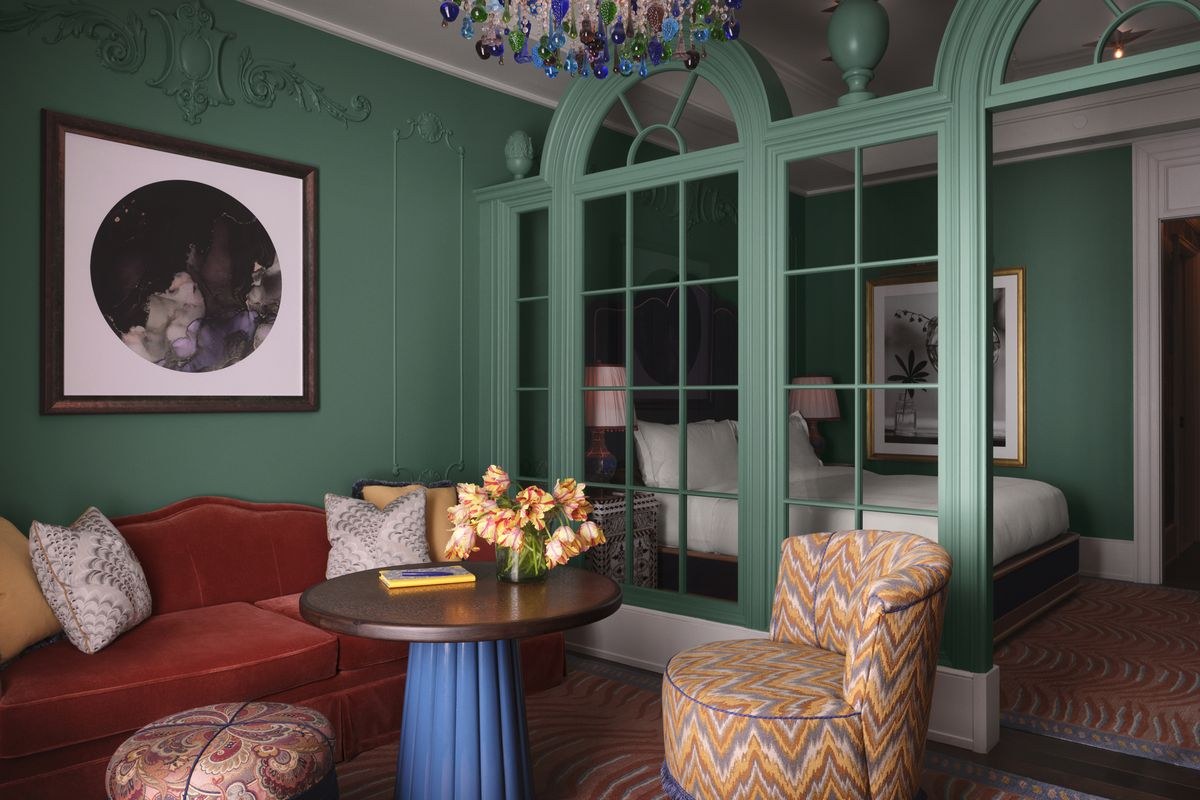
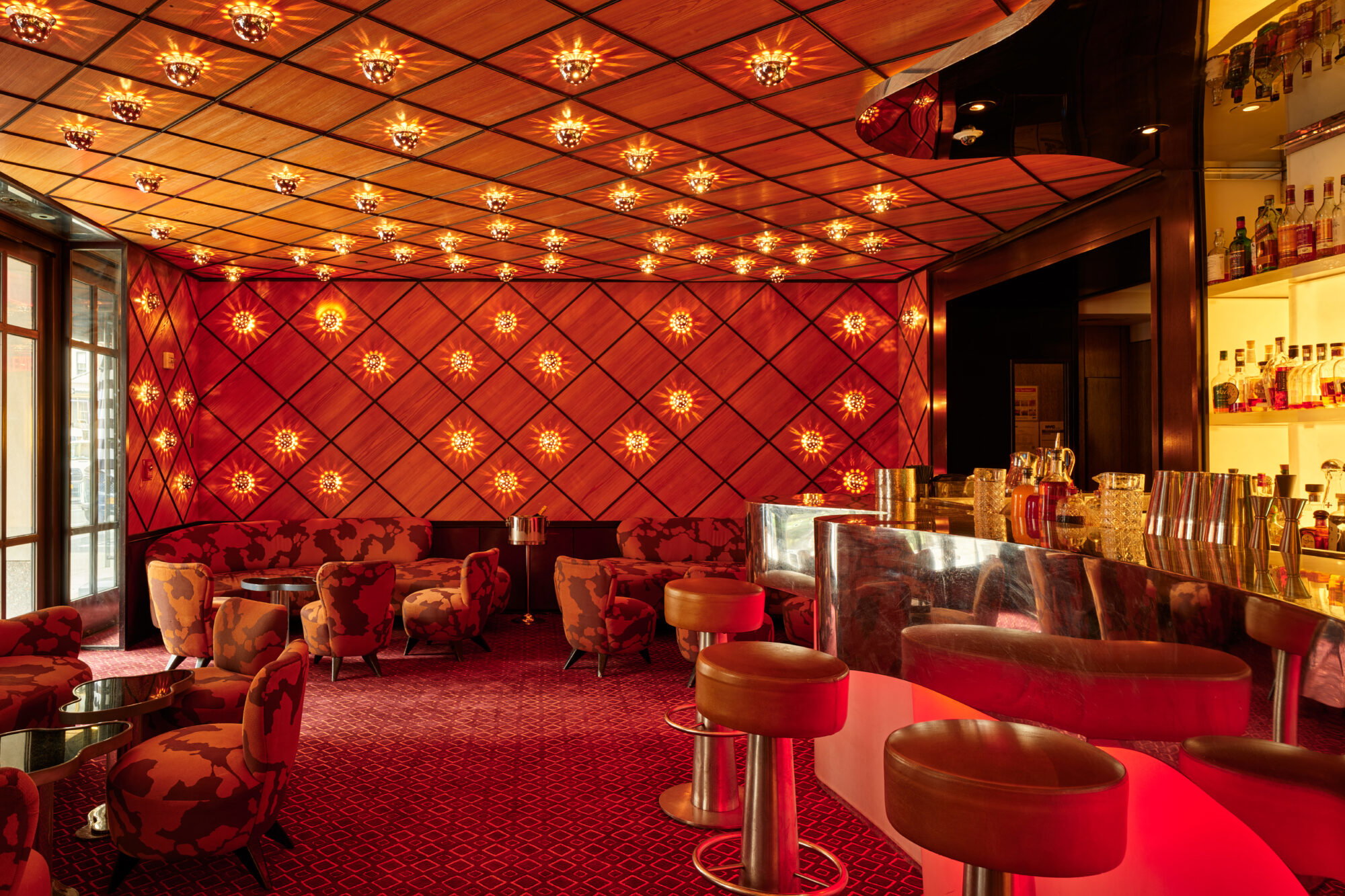
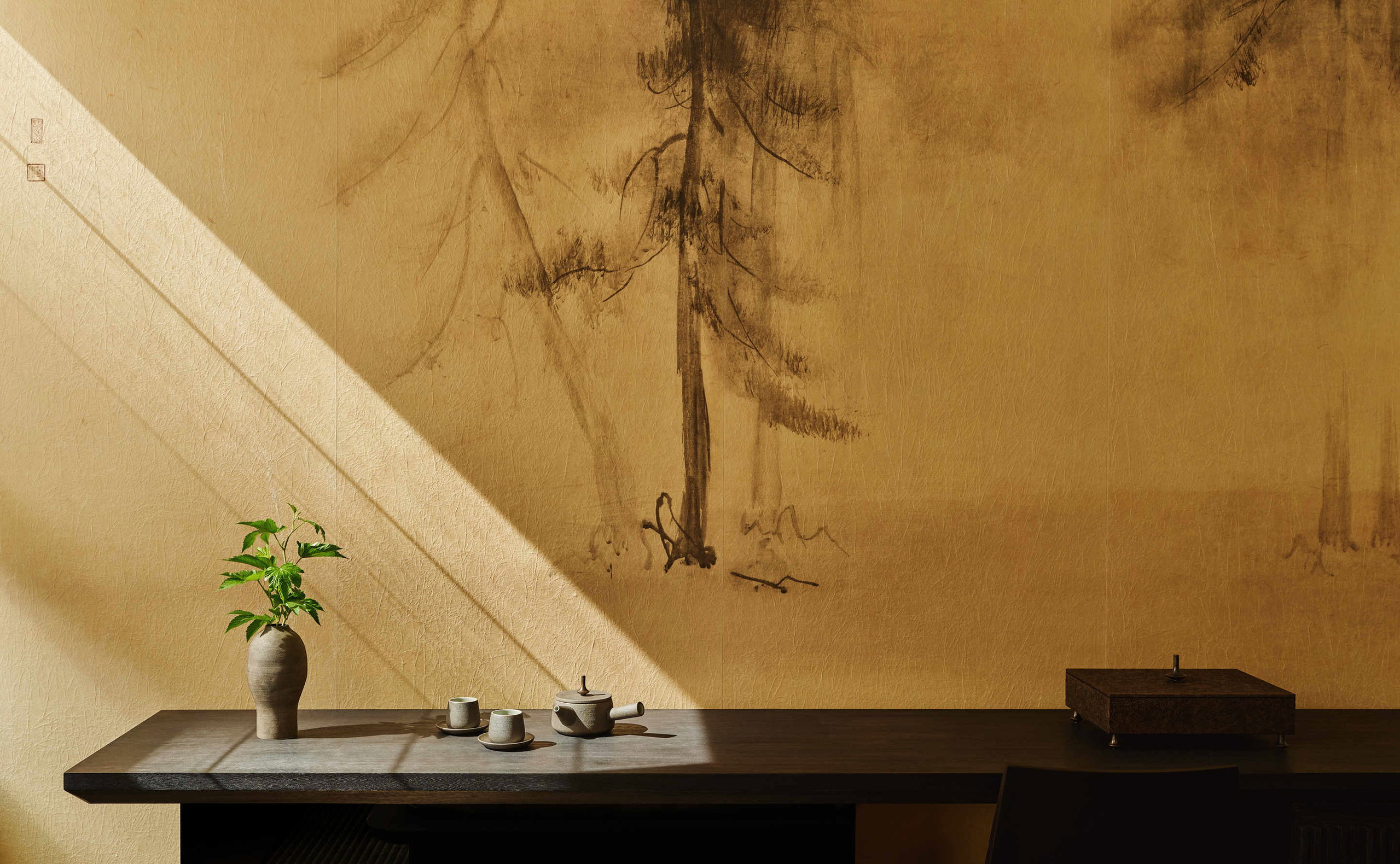
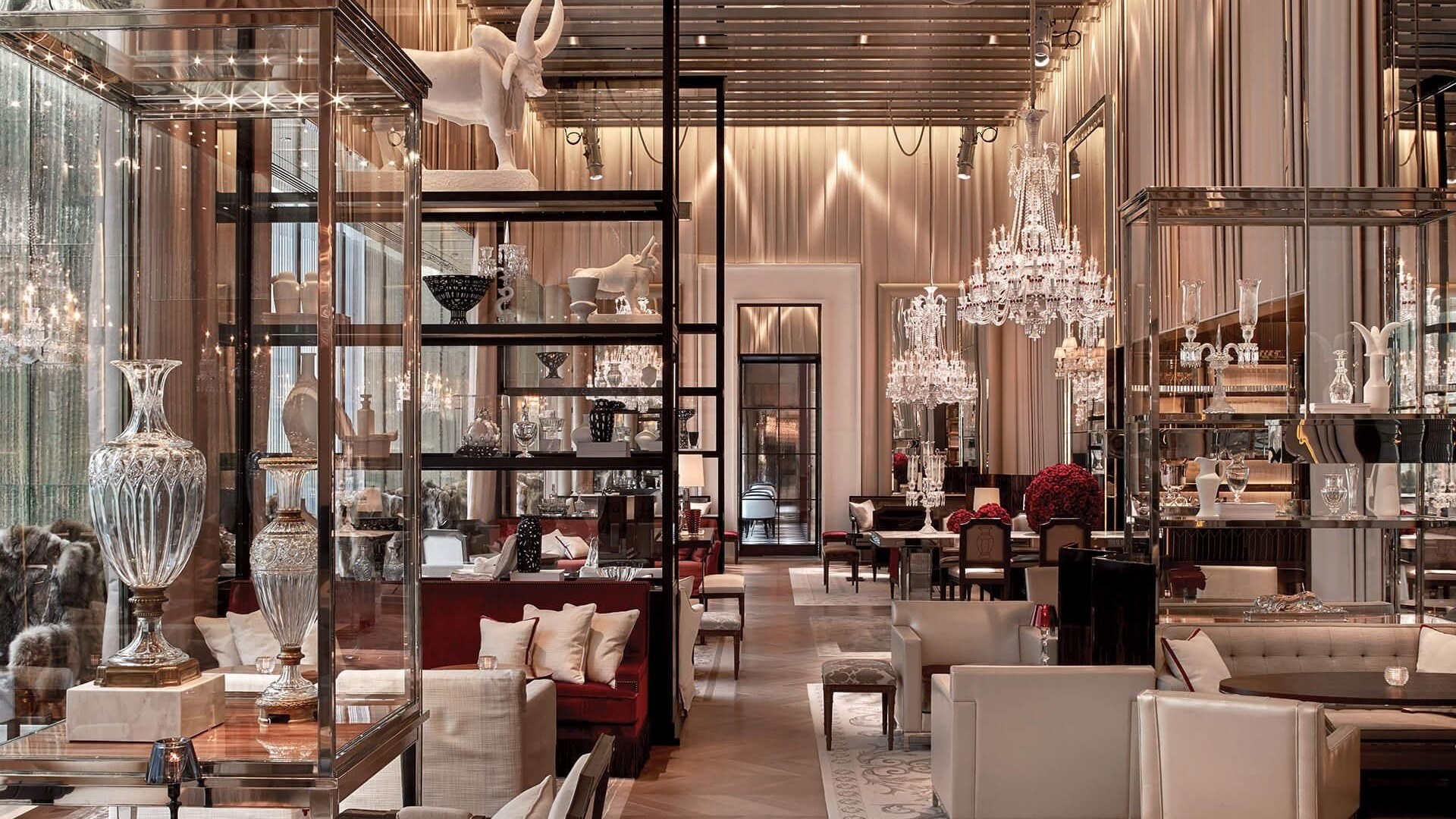
Inside The Prince Kitano New York
Planning details
- Location
- 66 Park Ave, E 38th St, New York, NY 10016
- Website
- kitano.princehotels.com
- Phone
- +1 212-885-7000
The take
The Take
The Vibe
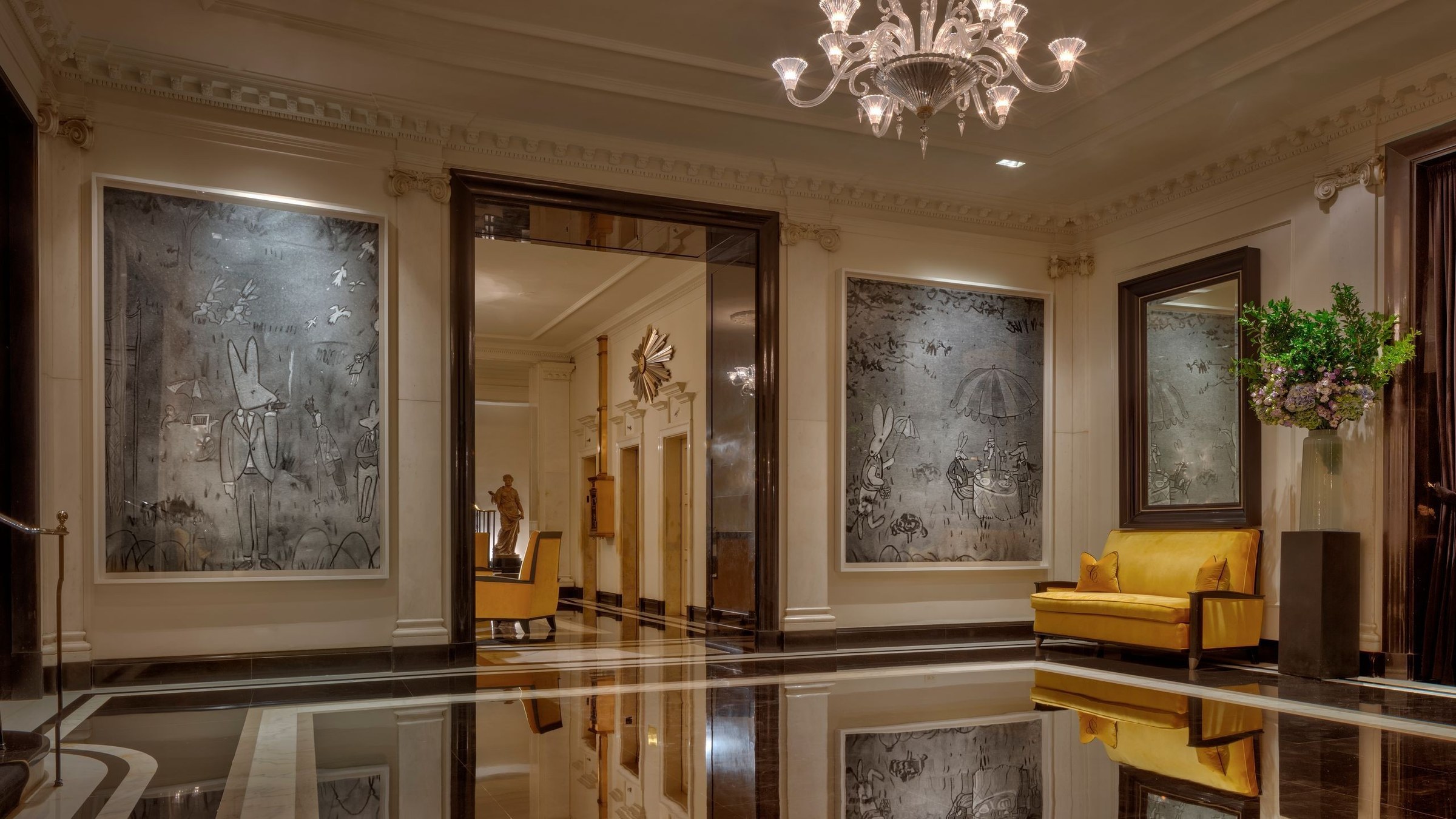
The Prince Kitano New York reads as a quietly deliberate Manhattan hotel. Situated on Park Avenue in Murray Hill, it positions itself away from the theatricality of Fifth Avenue properties and leans into a restrained, residential elegance. Japanese ownership and operation give the property a defined cultural frame rather than a generic brand overlay, and its mid-scale footprint—149 rooms—keeps the atmosphere intimate rather than conventionally impersonal. The result is a hotel that feels considered, low-key and discreet: a calm, well-ordered counterpoint to the city's louder hospitality statements.
Best For
This hotel is best for travelers who prioritise calm, efficiency and a discreet, service-driven stay. Its size and location make it especially convenient for business travelers needing central Midtown access without the bustle of larger, tourist-facing hotels. The Japanese ownership signals a cohesive hospitality point of view that will appeal to guests who value cultural specificity and attentive, non-flashy service. Murray Hill’s quieter streets also suit visitors seeking a residential-feeling base for work or diplomatic visits, rather than a hotel that doubles as a high-traffic social hub.
Venue details
Ambiance
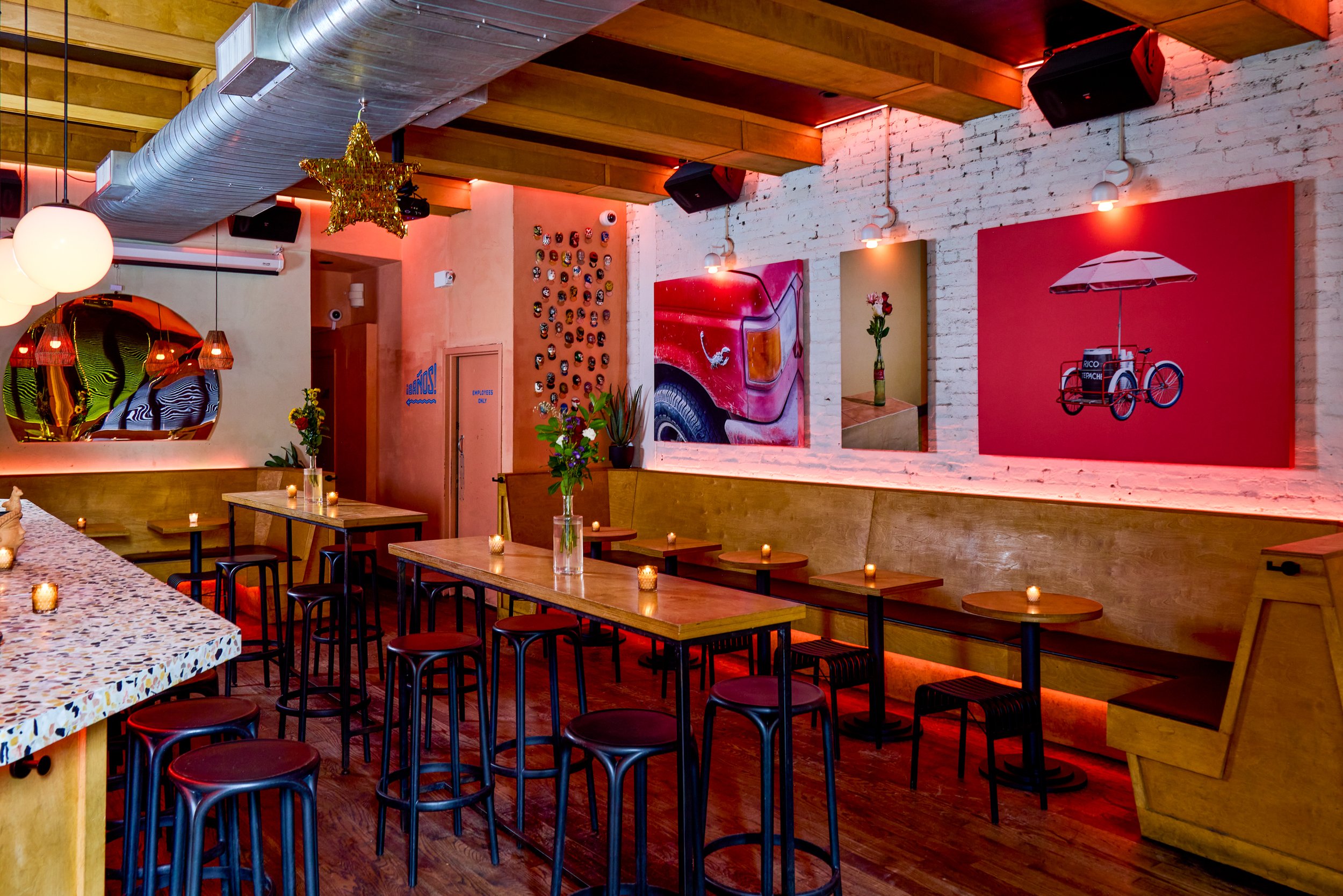
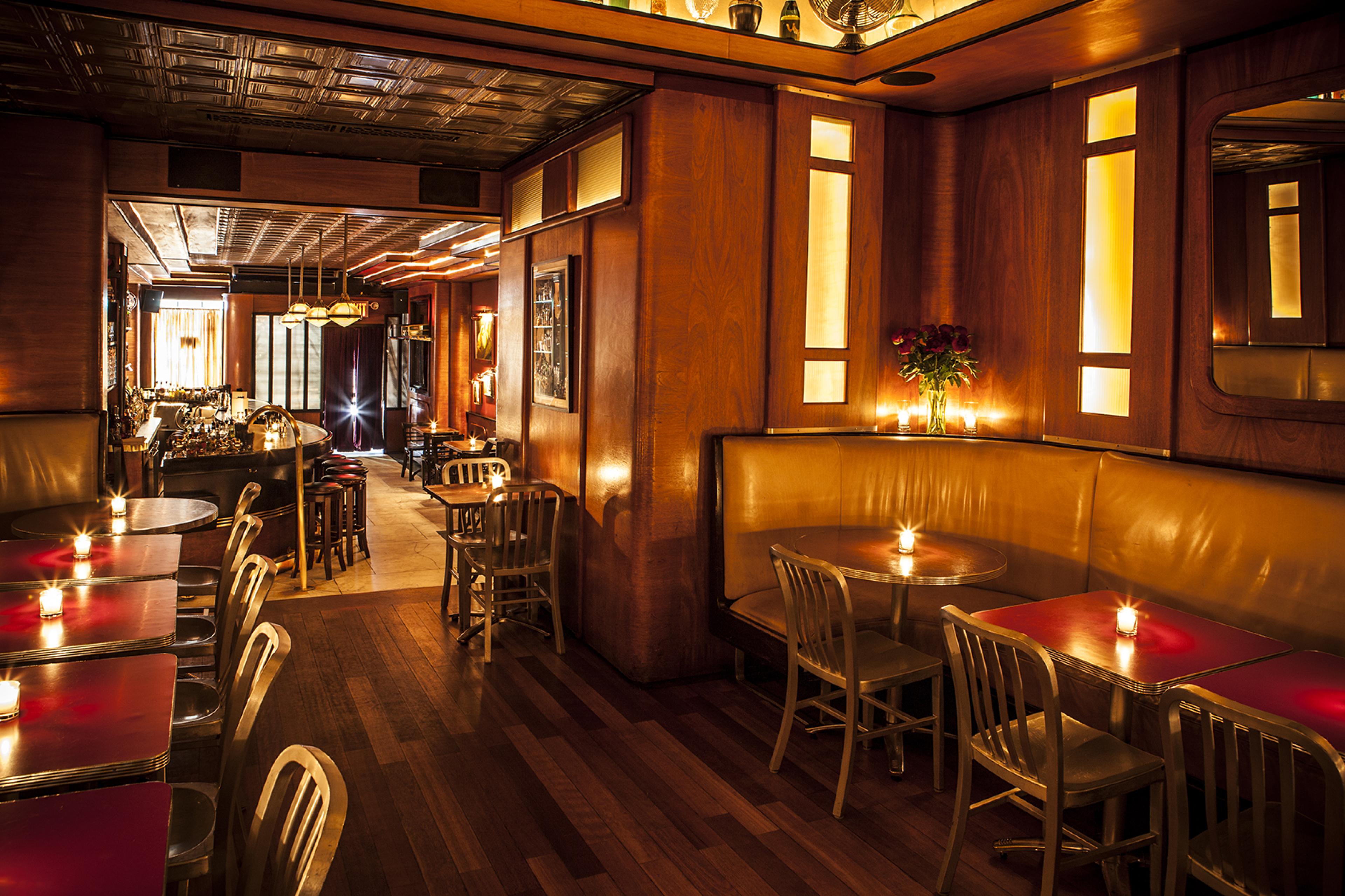
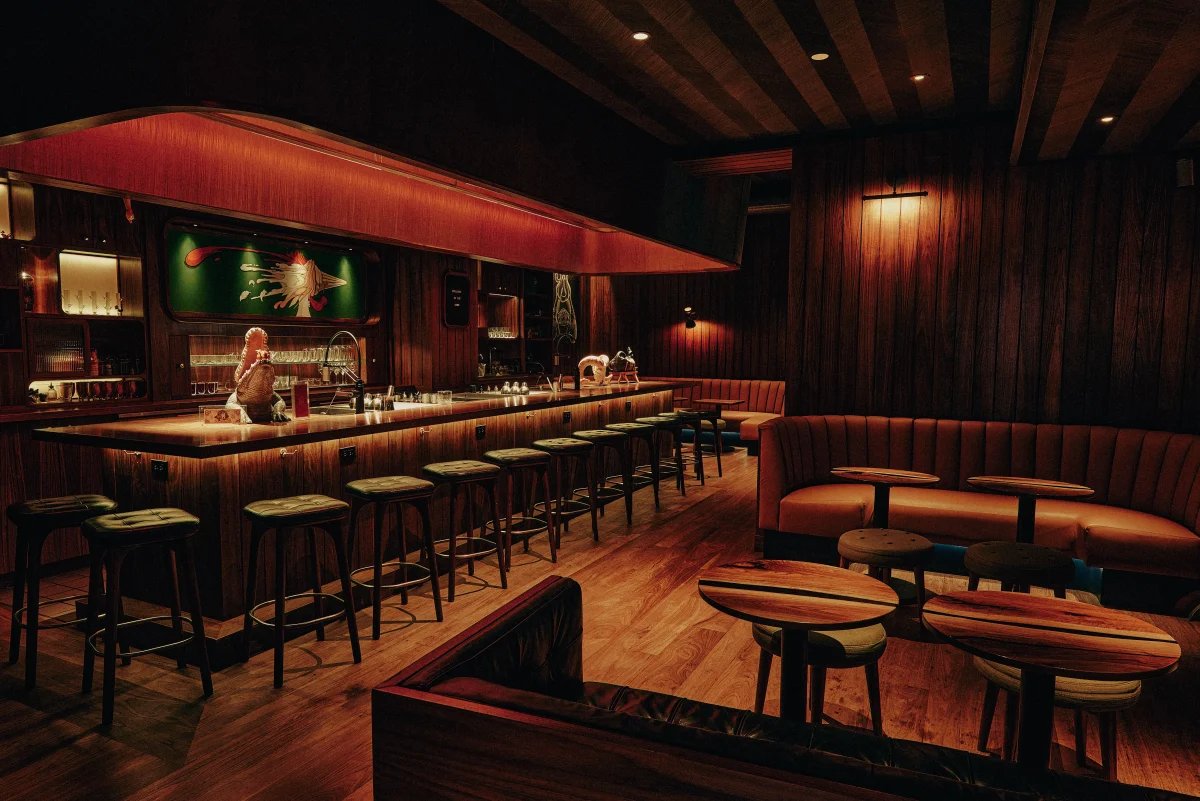
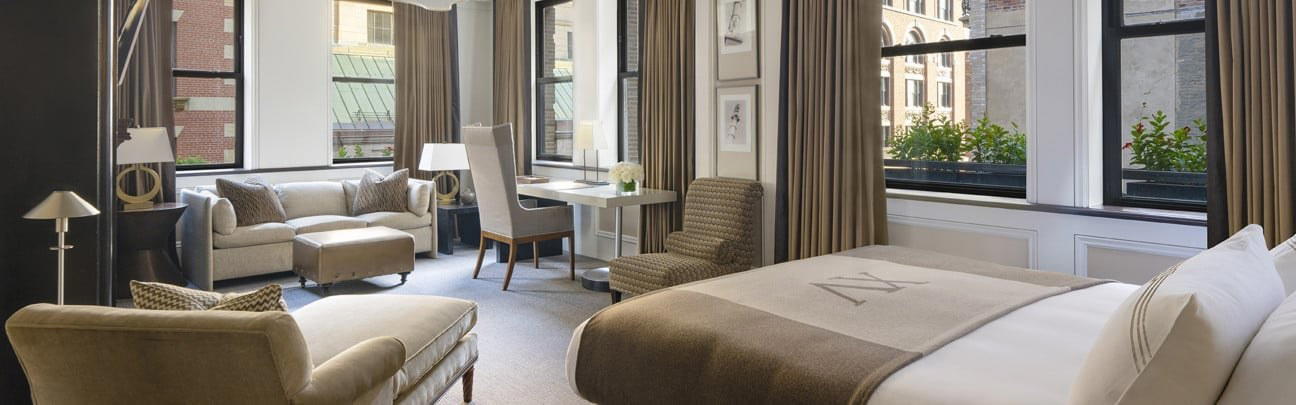
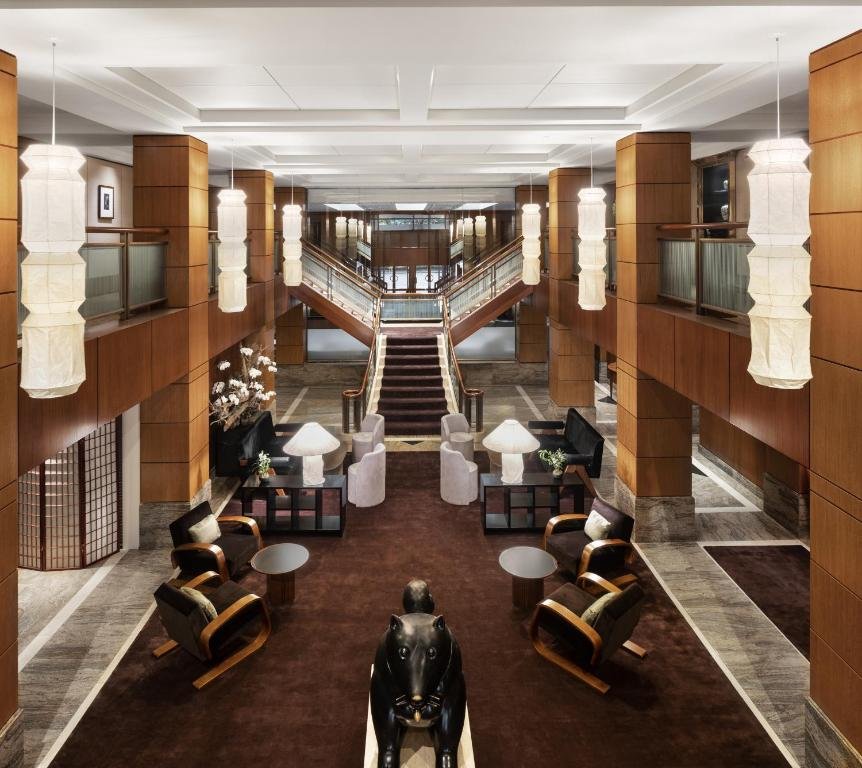
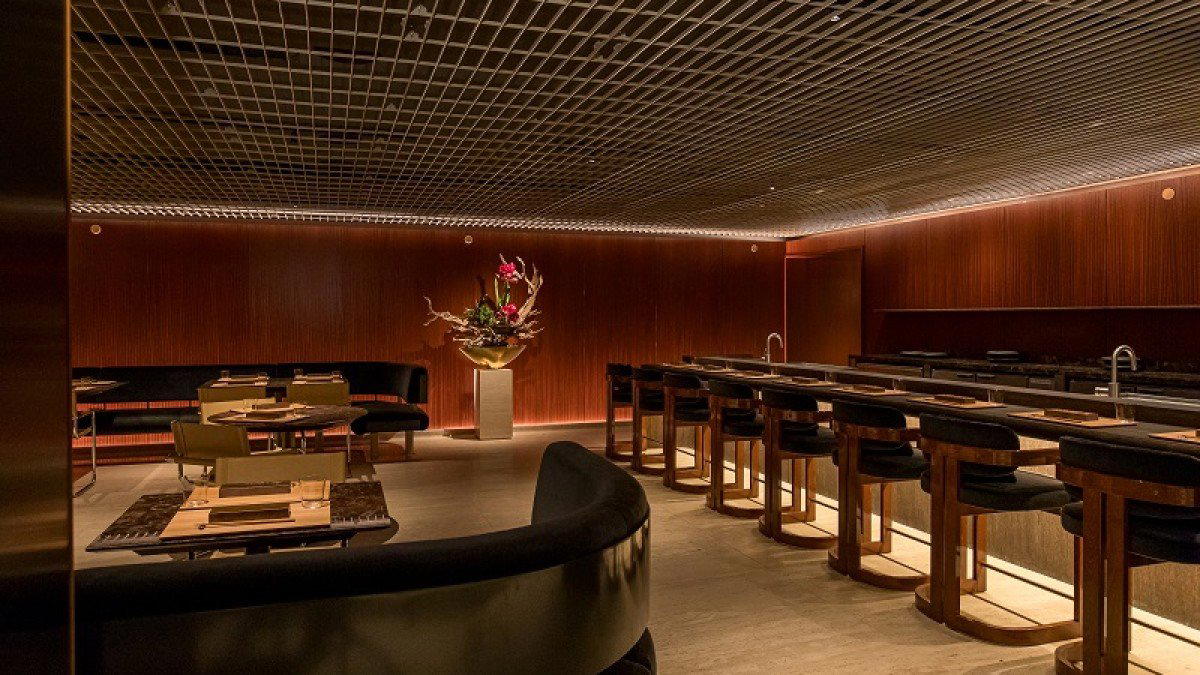
Serene and sophisticated with soundproofed rooms, soft lighting, and a calming traditional Japanese influence.
Tags
Vibe
Best For
Experience
Amenities
View
Accessibility
About the Stay
- Rooms
- 149
- Check-in
- 15:00
- Check-out
- 11:00
- Property Type
- Boutique hotel
- Property Style
- Boutique Hotel Blending Modern Tranquility with Traditional Japanese Service
- Design Style
- Elegant and Minimalist with Japanese Influences
- Families
- Welcome
- Cancellation
- Moderate
Know before you go
Know Before You Go
- Getting there
- 66 Park Ave, E 38th St, New York, NY 10016
Planning details
Location
Recognition and awards
Also consider
Also Consider
- The Langham, New York, Fifth Avenue, Notable alternative
- Andaz 5th Avenue, Notable alternative
- Archer Hotel New York, Notable alternative
- HGU New York, Notable alternative
- The Westin New York Grand Central, Notable alternative
Hotel context
How It Compares
Against The Langham, New York, Fifth Avenue, The Prince Kitano New York is the quieter, less obvious choice for travelers who care more about Park Avenue access than a polished luxury-hotel statement. Choose The Langham if the stay itself is meant to feel like the splurge; choose The Prince Kitano New York if the hotel is a calm Midtown base and the rate is meaningfully better for your dates.
Andaz 5th Avenue is a stronger fit for travelers who want a more lifestyle-led Fifth Avenue address, while Archer Hotel New York is better for guests who want a compact, design-forward Midtown stay. The Prince Kitano New York makes more sense for a lower-key business or first-time leisure trip where Grand Central access, a composed setting, and easy booking matter more than a social lobby feel.
HGU New York and The Westin New York Grand Central are the practical cross-shops. HGU is the one to check if boutique style and rate sensitivity lead the decision. The Westin is the safer chain-hotel comparison for travelers who want familiar points mechanics. The Prince Kitano New York sits between them: more independent in feel than The Westin, less nightlife-coded than HGU, and easiest to recommend when Preferred Hotels value improves the booking.
Explore New York City
Around this place
Discover more on Pearl
Unlock the full The Prince Kitano New York guide in Pearl, including awards, comparisons, FAQs, planning details, and nearby places.
Compare The Prince Kitano New York
| Venue | Location | Awards |
|---|---|---|
| The Prince Kitano New York | New York City | Preferred Hotels Member 2025 |
| The Langham, New York, Fifth Avenue | New York City | 2026 Virtuoso Luxury Hotel Collection2026 Forbes 4-StarStar Wine Lists 20262026 La Liste Top Hotels2025 Michelin Selected Hotels2025 AAA 5 Diamond Hotel2025 Forbes 4-Star |
| Andaz 5th Avenue | New York City | 2025 Forbes 4-Star |
| Archer Hotel New York | New York City | 2025 Michelin Selected Hotels2025 Forbes Recommended |
| HGU New York | New York City | Small Luxury Hotels Member 2025 |
| The Westin New York Grand Central | New York City | No published awards |






How The Prince Kitano New York compares with similar nearby venues.
FAQ
Frequently Asked Questions
How is the pool and spa at The Prince Kitano New York?
Details on a pool or spa are not available for The Prince Kitano New York. If wellness facilities are important, confirm them directly and compare with another New York City option such as The Langham, New York, Fifth Avenue.
Which room category is best at The Prince Kitano New York?
A best room category is not identified for The Prince Kitano New York. Choose based on current descriptions, rate differences, and the details confirmed directly before booking.
When is the best time to book The Prince Kitano New York?
Booking windows, price patterns, or availability guidance are not provided. Compare current rates directly with options such as Andaz 5th Avenue and The Westin New York Grand Central before you commit.
How is the location of The Prince Kitano New York?
The Prince Kitano New York is in New York City. A more specific location description is not provided, so confirm the exact address and transit fit directly when planning your stay.