

The Maritime Hotel
Chelsea-Hudson Yards, New York City
Hotel in New York City, United States
 Book with Pearl
The Read
Chelsea Porthole Architecture
Why go
The Maritime Hotel is worth considering if you want a west Chelsea and Meatpacking-adjacent base with more character than a generic business hotel. Its 2025 Preferred Hotels membership and MICHELIN Guide hotel selection help the quality case, but the real reason to choose it is location value rather than resort-style amenities.
About The Maritime Hotel
The Maritime Hotel is a New York City hotel with a smart casual dress code and two confirmed recognition signals: Preferred Hotels Member (2025) and MICHELIN Guide, Hotels Selected (2025). Beyond those details, travelers should confirm current booking terms, amenities, rates, and room information directly with the hotel before committing.
For readers, the practical question is whether The Maritime Hotel fits the trip better than other options. If you are comparing it with The Standard, High Line, Gansevoort Meatpacking NYC, Boom Boom Room, Faena New York, or Faena, keep the comparison focused on your dates, budget, preferred atmosphere, and the official details each venue publishes.
A better fit for travelers who want a New York City hotel option
The record supports treating The Maritime Hotel as a New York City hotel with recognized hotel-guide and membership credentials. The Preferred Hotels Member (2025) status may matter for travelers who already use that platform, while the MICHELIN Guide, Hotels Selected (2025) recognition is a useful quality signal.
Those recognitions should not replace basic trip planning. Before booking, confirm the room type, rate rules, fees, amenities, and any arrival requirements through the hotel's official channels. The dress code is smart casual, so plan accordingly if you are coordinating hotel plans with dining or nightlife elsewhere in New York City.
Who should cross-shop before committing
Travelers comparing stays and nights out should look at The Maritime Hotel alongside The Standard, High Line, Gansevoort Meatpacking NYC, Boom Boom Room, Faena New York, and Faena where relevant. The best choice will depend on the details available for your exact dates rather than assumptions about scene, service style, or amenities.
If hotel-program participation matters, The Maritime Hotel's Preferred Hotels Member (2025) status is the clearest hook. If guide recognition matters, its MICHELIN Guide, Hotels Selected (2025) listing is also part of the confirmed record.
Use Our full New York City hotels guide for broader hotel cross-shopping, plus Our full New York City restaurants guide and Our full New York City bars guide if the trip is built around nights out.
Inside The Maritime Hotel
Planning details
- Location
- 363 W 16th St, New York, NY 10011
- Website
- themaritimehotel.com
- Phone
- +1 212-242-4300
The take
The Take
The Vibe
The Maritime presents itself as an architectural holdout in Chelsea, its 1966 façade and distinctive porthole windows announcing a clear institutional past. Rather than chasing contemporary tower-driven reinvention, the hotel carries original maritime logic into the present, producing a quietly assured presence on the West Side. At 126 rooms it sits comfortably in the boutique scale New York designers favor, offering a recognisable silhouette that reads as classic and quietly charming. Design-conscious travelers notice the building as much as the rooms; the property feels like a neighbourhood landmark that rewards those who appreciate architectural pedigree over flash.
Best For
The Maritime is best for travelers who prioritize neighbourhood character and architectural interest over Midtown gloss. The description directly compares Chelsea to Midtown and the Upper East Side, positioning this hotel for people who want a working, gallery-rich neighbourhood base rather than a museum-lined or strictly commercial tempo. Its boutique scale and design-conscious positioning suit solo and couple travelers on business trips, romantic getaways, weekend escapes, and small celebrations who want a recognisable, characterful address in Chelsea rather than a larger, more opulent hotel experience.
Venue details
Ambiance
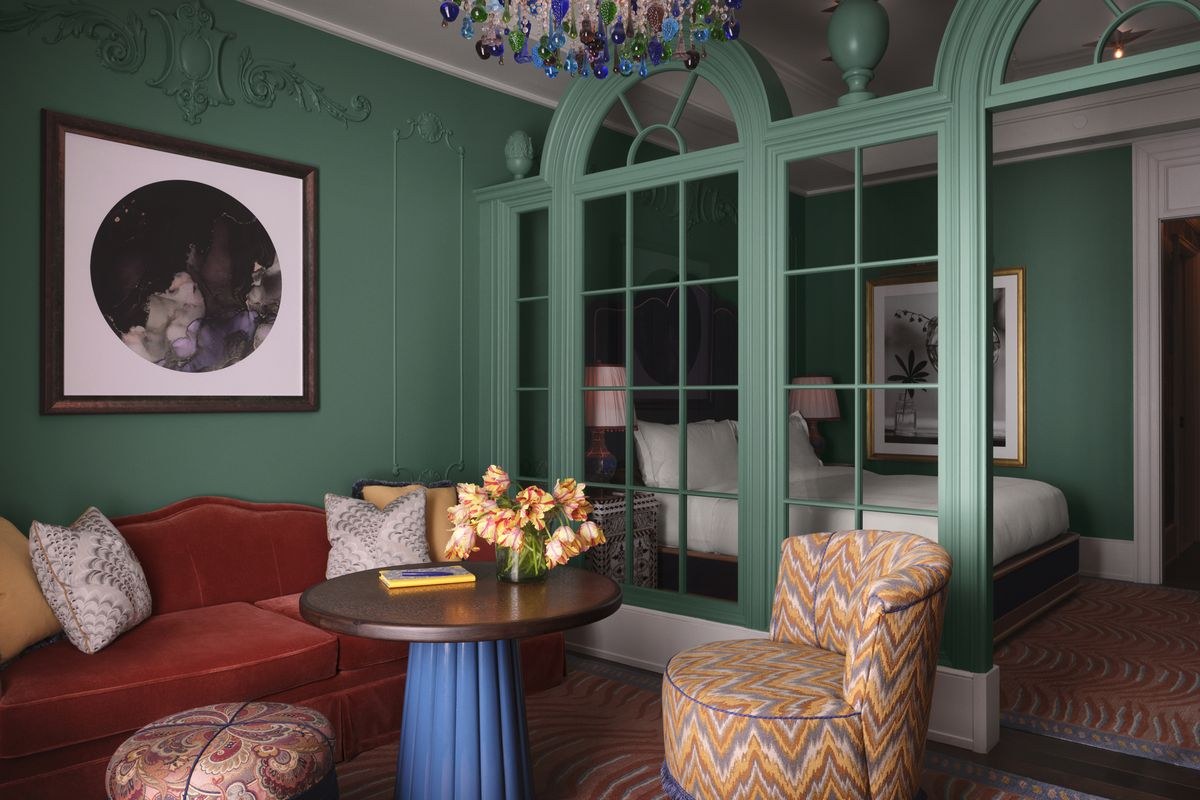
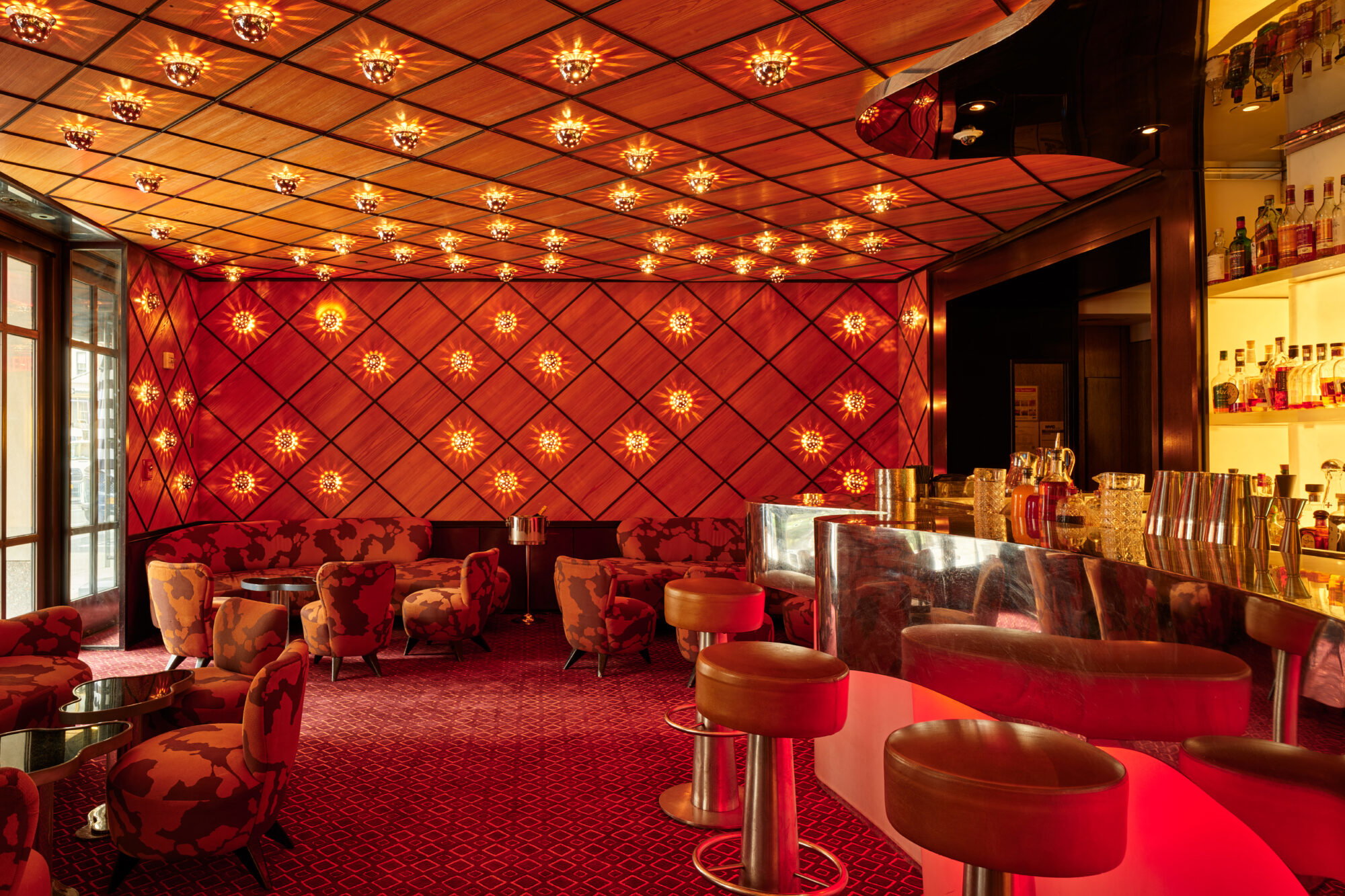
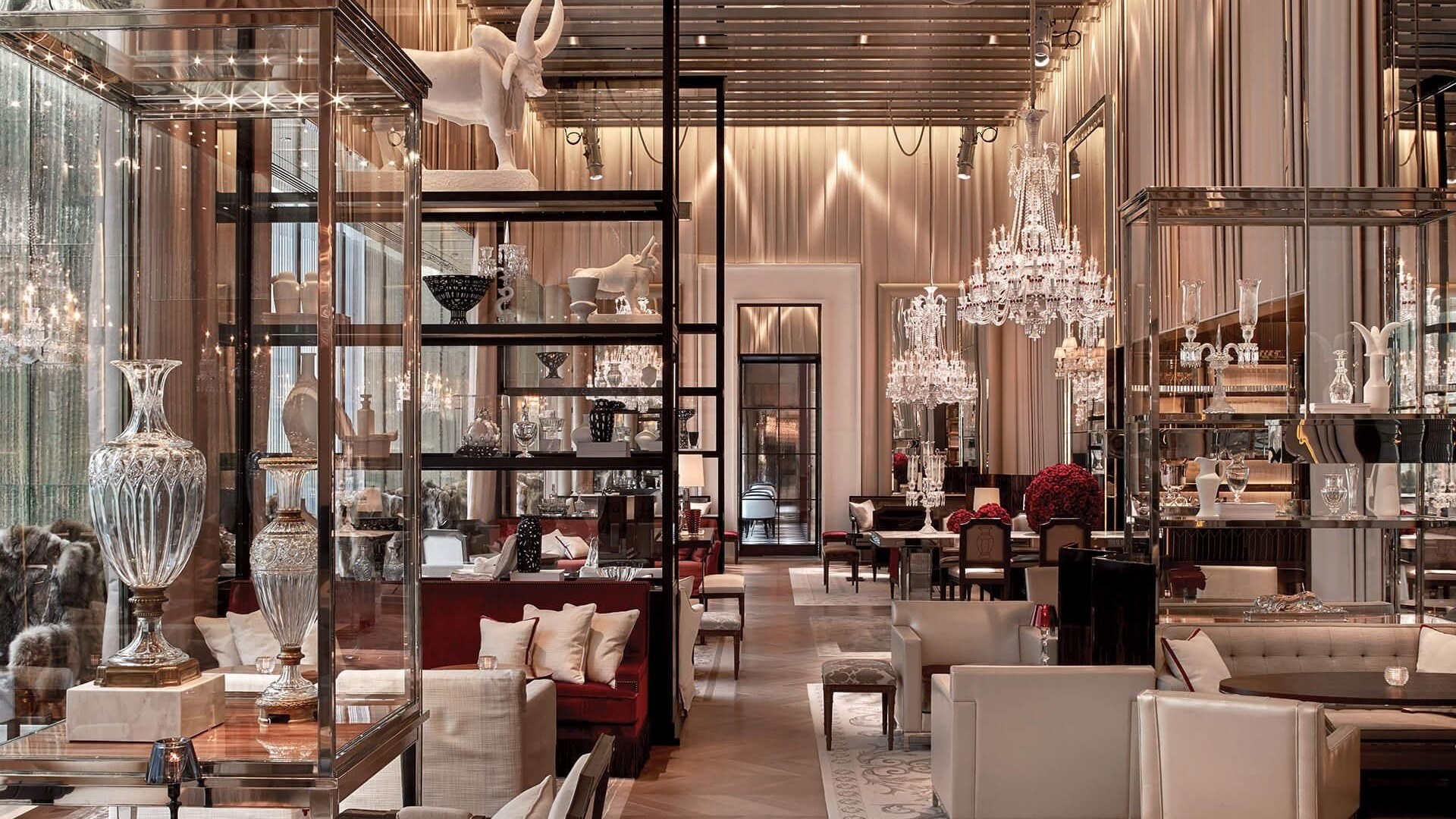
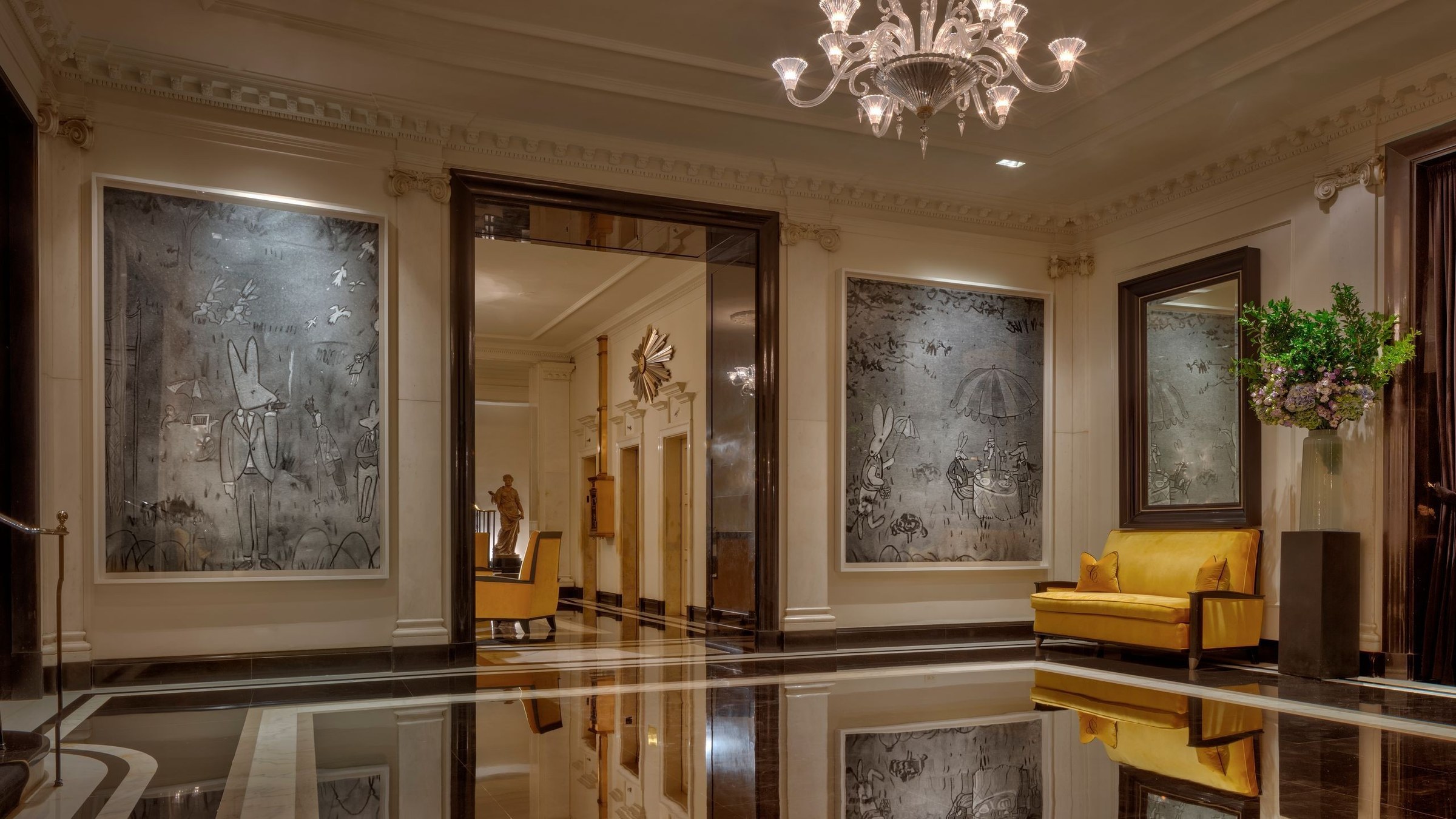
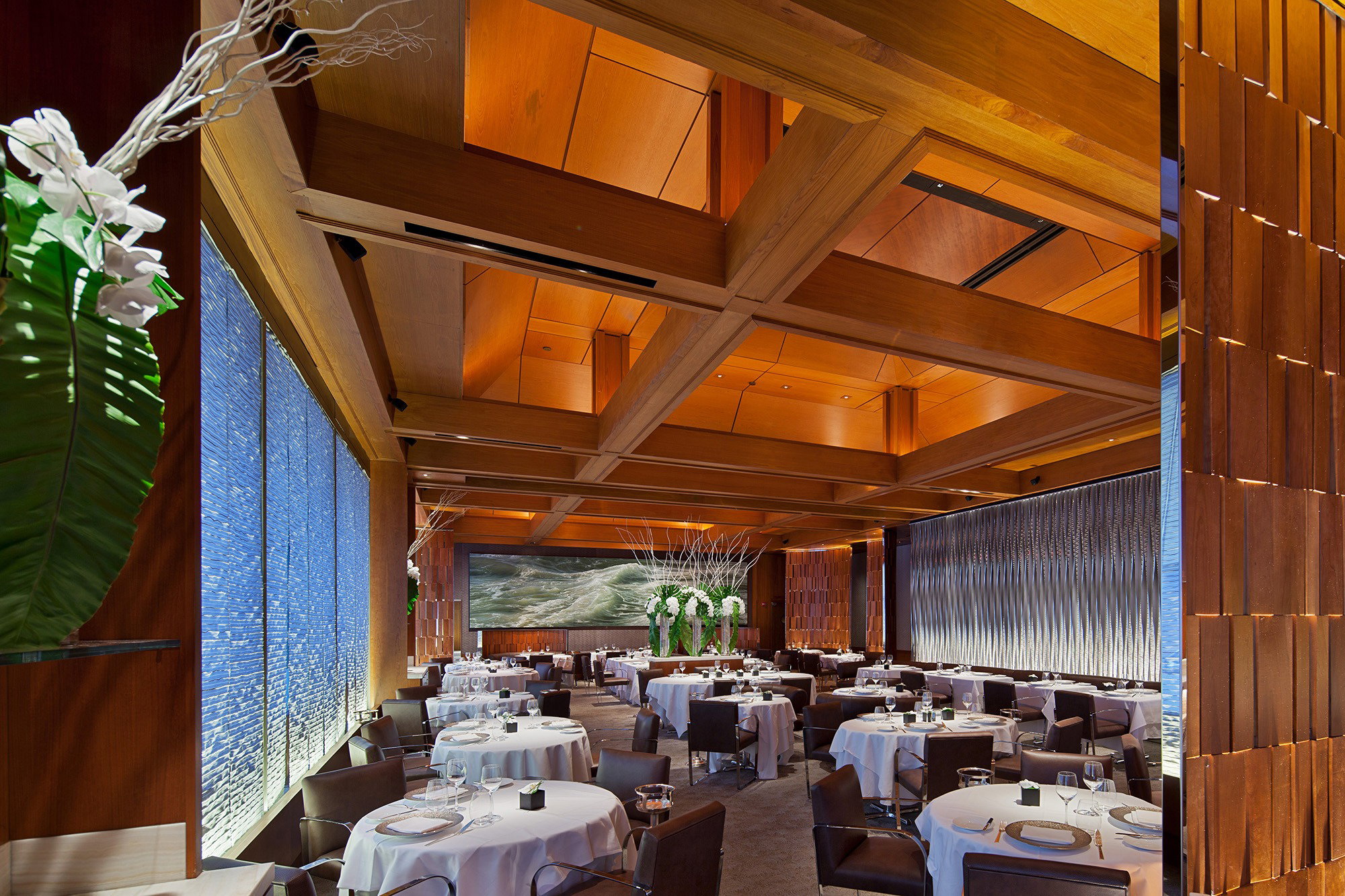
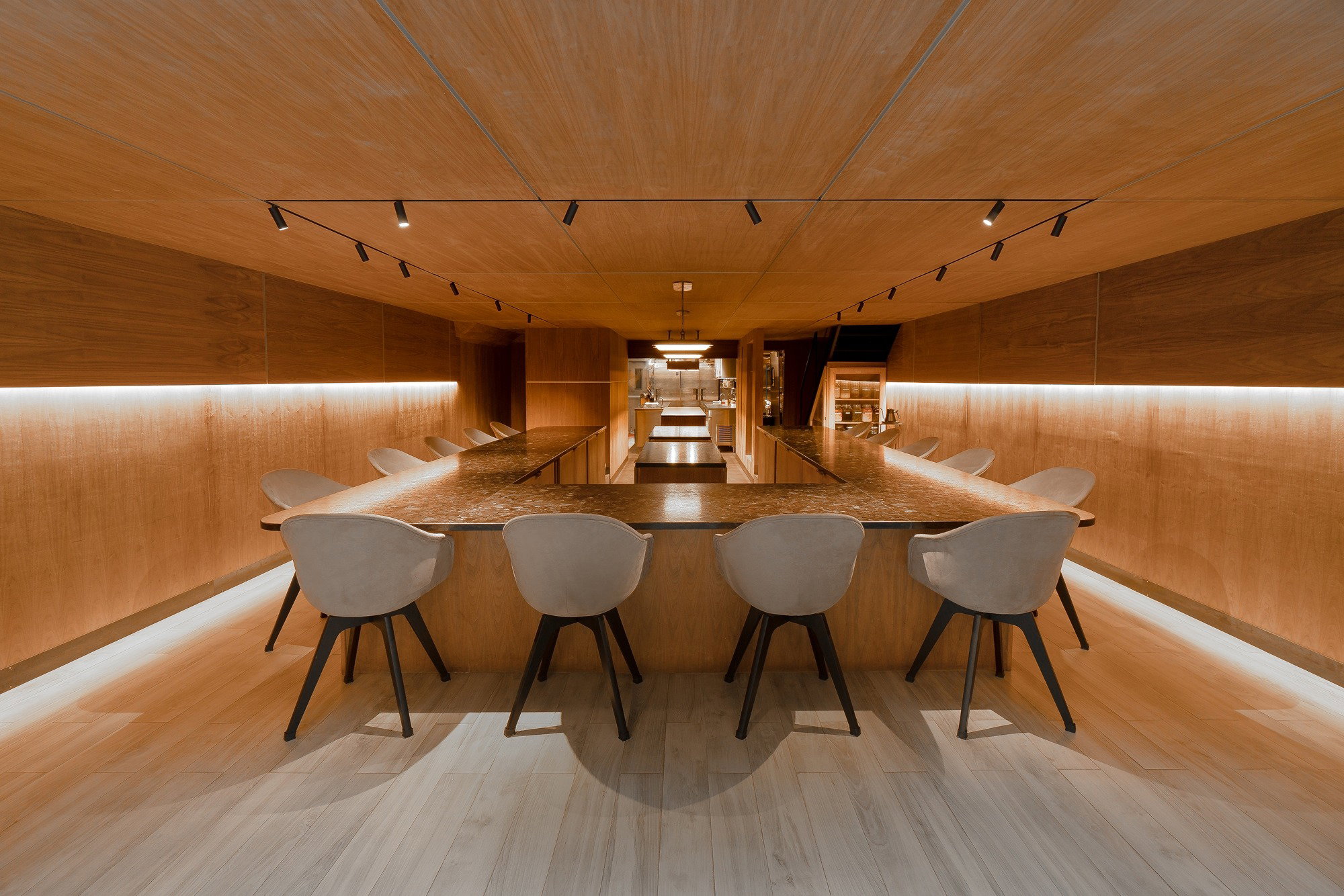
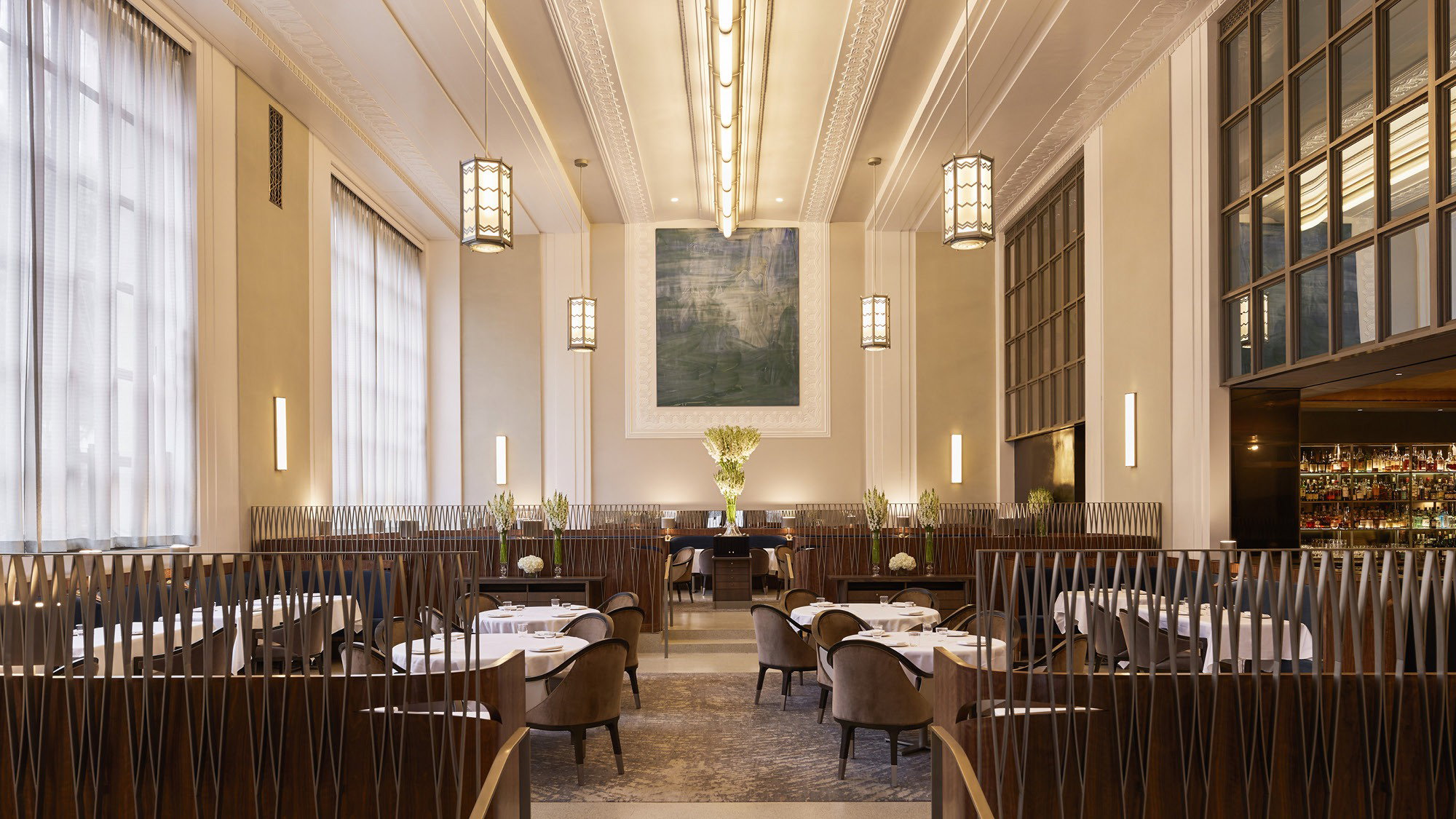
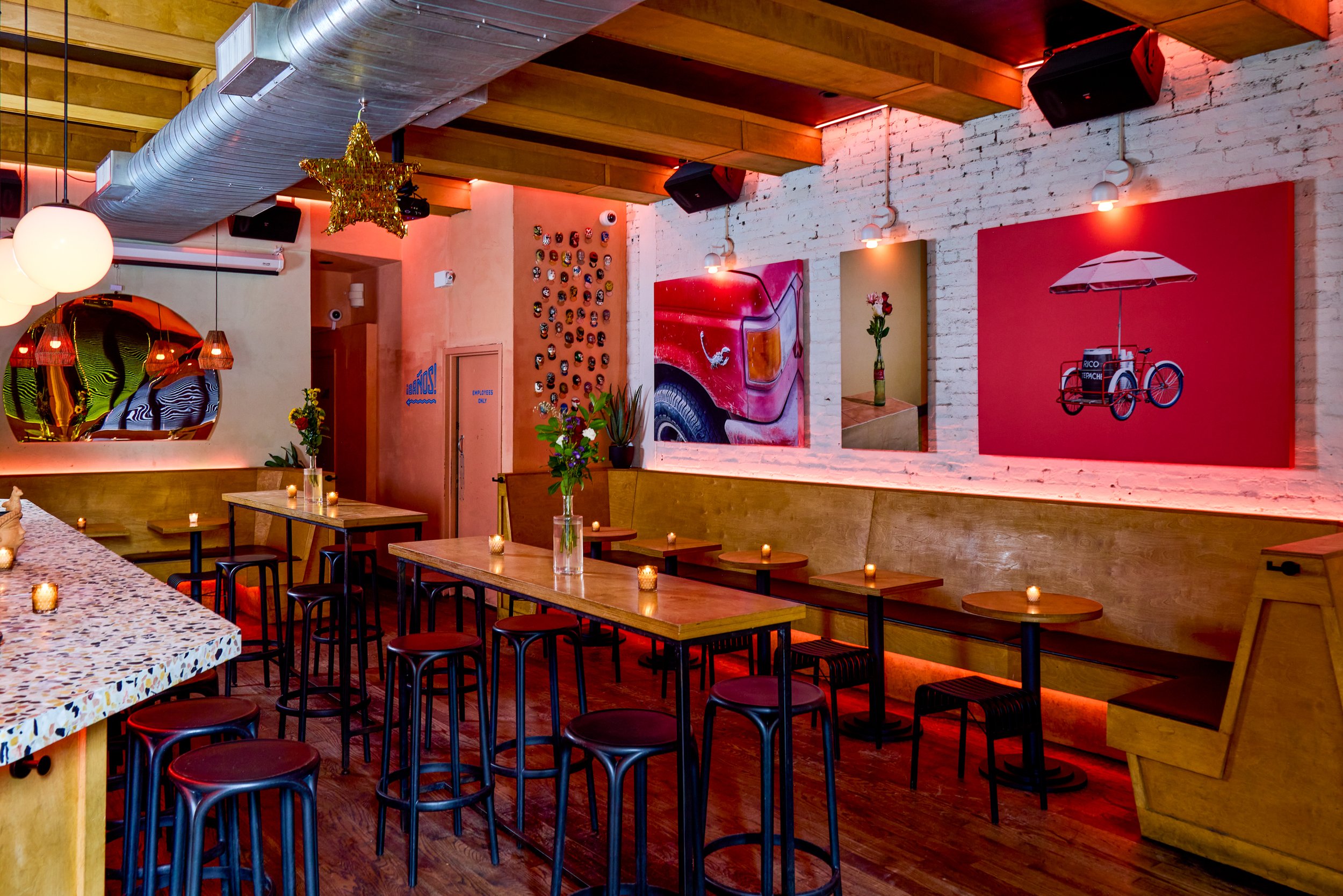
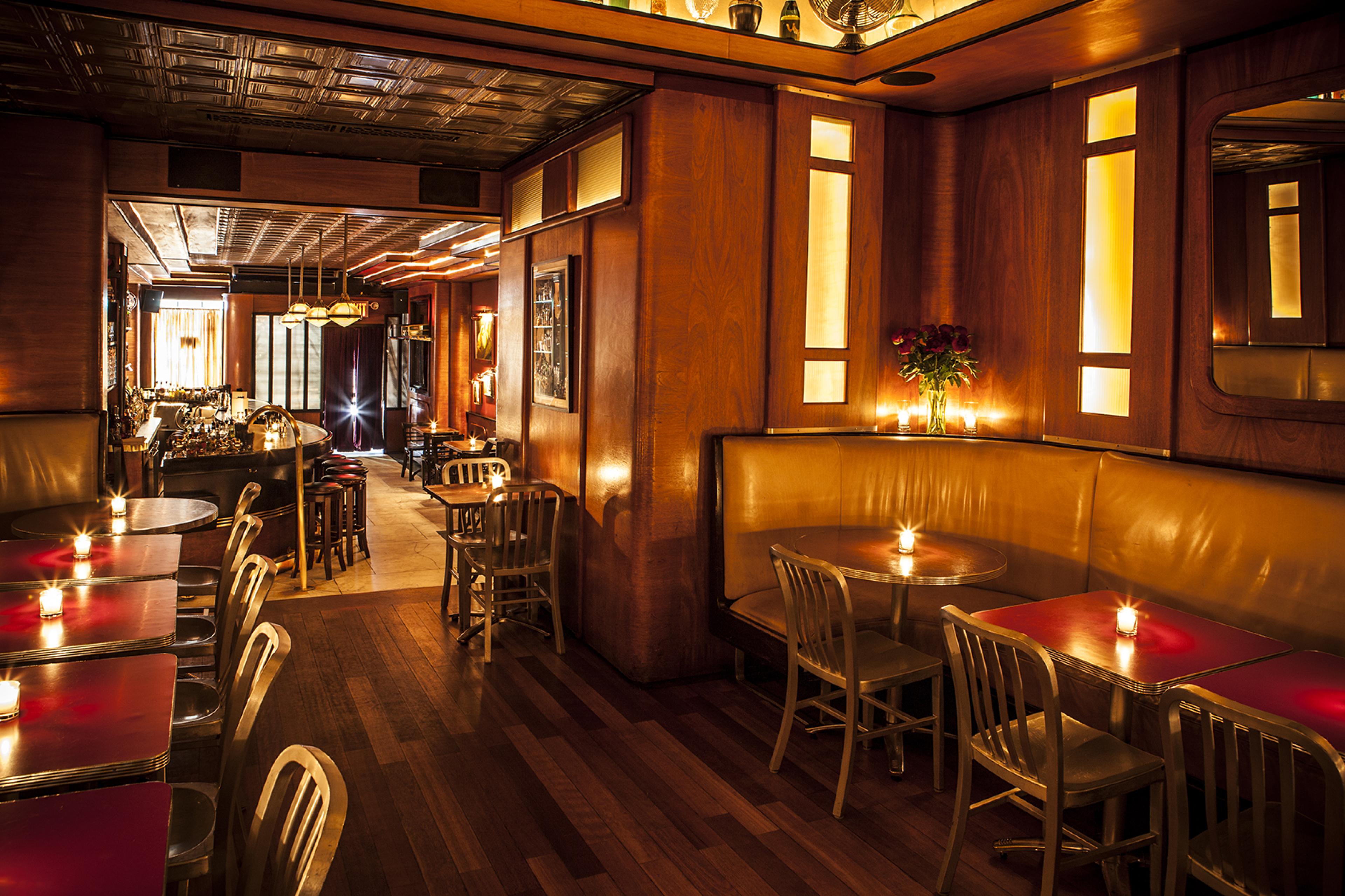
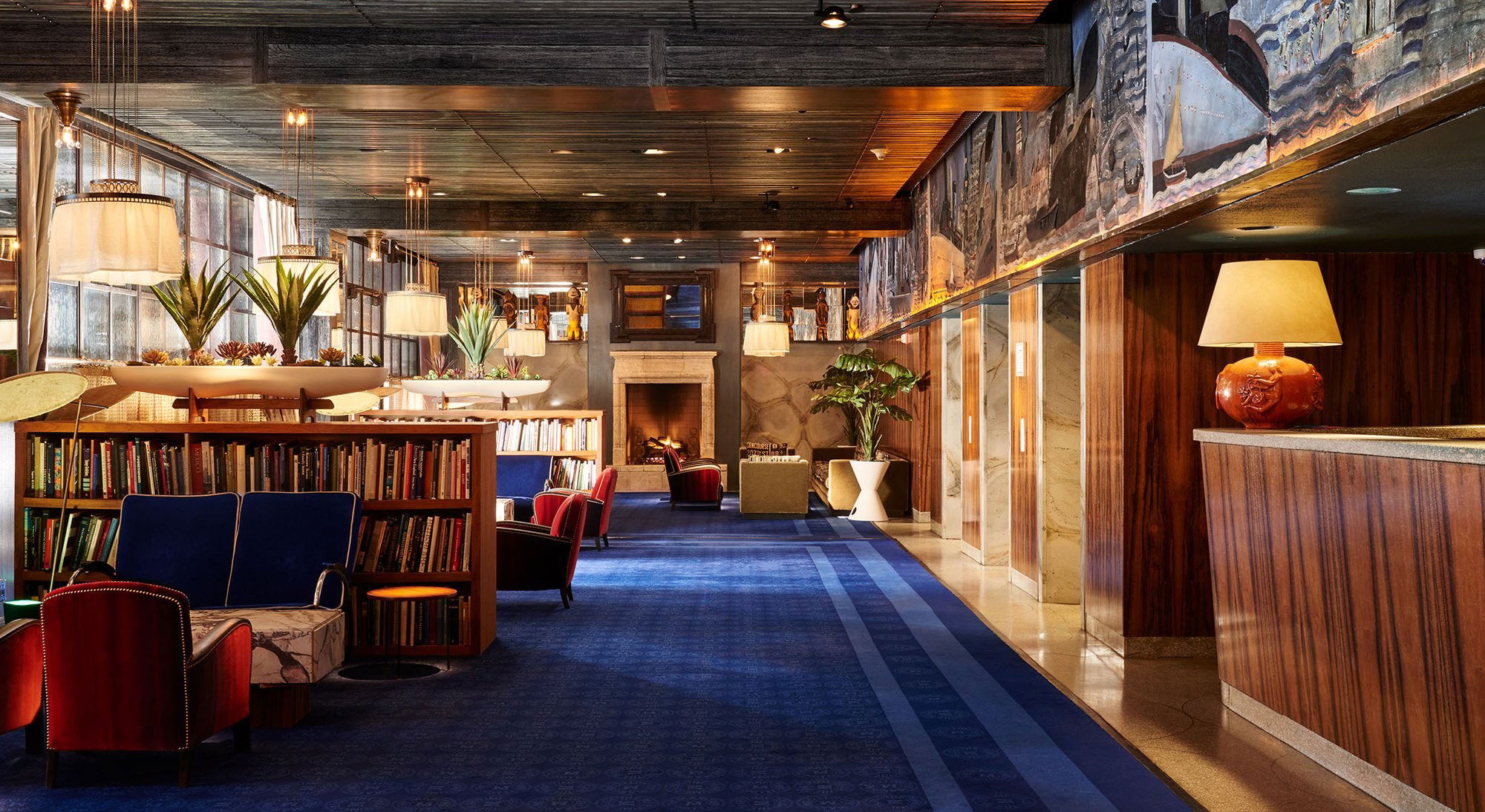
Charming and relaxed with a ship-like aesthetic; public spaces evoke a library atmosphere with limited windows, while rooms are compact but well-designed with city views and premium bedding.
Tags
Vibe
Best For
Experience
Amenities
View
Accessibility
About the Stay
- Rooms
- 126
- Check-in
- 15:00
- Check-out
- 12:00
- Property Style
- Nautical Inspired Boutique Hotel with Modernist Design Elements and Ship Like Architecture; Positioned as a Design Forward Property in the Chelsea Neighborhood.
- Design Style
- Contemporary Nautical with Circular Portholes, Minimalist Built in Furniture, and Compact Efficient Layouts; Public Spaces Feature Library Like Ambiance with Fireplace and Library Seating.
Know before you go
Know Before You Go
- Getting there
- 363 W 16th St, New York, NY 10011
Planning details
Location
Recognition and awards
Also consider
Also Consider
- Gansevoort Meatpacking NYC, Notable alternative
- The Standard, High Line, Notable alternative
- Boom Boom Room, Notable alternative
- Faena New York, Notable alternative
- Faena, Notable alternative
Hotel context
How it compares nearby
Gansevoort Meatpacking NYC is the more obvious Meatpacking pick if you want a hotel with a higher-profile neighborhood feel. The Maritime Hotel is the better value play when the room is mainly a base for downtown plans and you do not need the hotel to carry the whole trip.
The Standard, High Line and Boom Boom Room make more sense for travelers prioritizing atmosphere and nightlife energy. Choose The Maritime Hotel instead if easier booking and a calmer value equation matter more than being in the livelier hotel scene.
Faena New York and Faena are the cross-shops for a more ambitious luxury stay. If the rates are close, compare carefully; if The Maritime Hotel comes in lower on your dates, it is the practical pick for west-side access without paying for a more statement-driven hotel.
Explore New York City
Around this place
Discover more on Pearl
Unlock the full The Maritime Hotel guide in Pearl, including awards, comparisons, FAQs, planning details, and nearby places.
Compare The Maritime Hotel
| Venue | Location | Awards |
|---|---|---|
| The Maritime Hotel | New York City | 2025 Michelin Selected HotelsPreferred Hotels Member 2025 |
| Gansevoort Meatpacking NYC | New York City | No published awards |
| The Standard, High Line | New York City | No published awards |
| Boom Boom Room | New York City | No published awards |
| Faena New York | New York City | No published awards |
| Faena | New York City | No published awards |
How The Maritime Hotel New York City compares with similar nearby venues.
FAQ
Frequently Asked Questions
How does The Maritime Hotel compare to other options?
The Maritime Hotel is a New York City hotel with a smart casual dress code, Preferred Hotels Member (2025) status, and MICHELIN Guide, Hotels Selected (2025) recognition. Compare it with The Standard, High Line, Gansevoort Meatpacking NYC, Boom Boom Room, Faena New York, and Faena based on current rates, official amenities, and your trip needs.
Is The Maritime Hotel good for business travel?
Confirm room features, workspace, meeting needs, arrival details, and any relevant fees directly with the hotel before booking.
When is the best time to book The Maritime Hotel?
Book when your New York City travel dates and rate needs are clear.