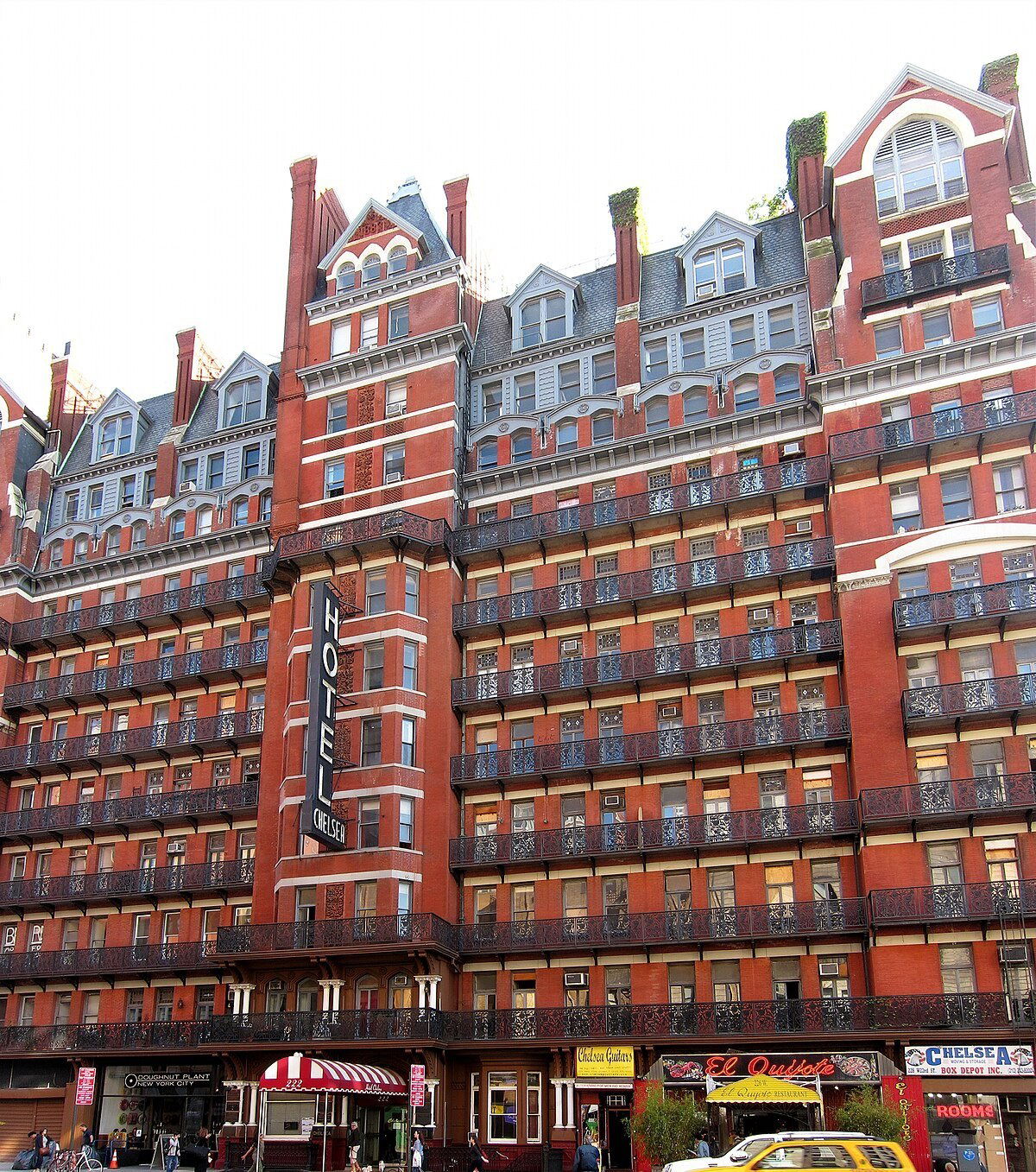


The Hotel Chelsea
Chelsea-Hudson Yards, New York City
Hotel in New York City, United States
 Book with Pearl
The Read
Myth-Layered Boutique
Why go
The Hotel Chelsea is worth targeting if the hotel's character matters as much as the room. Its Michelin 1 Key recognition and Leading Hotels of the World membership make it a stronger pick than basic Chelsea alternatives, but families and business travelers should weigh atmosphere against practical needs before committing.
About The Hotel Chelsea
Compared with another New York City stay like Chelsea Savoy Hotel, The Hotel Chelsea is best evaluated by the recognition that matters to your trip. A Michelin 1 Key in 2024 and Leading Hotels of the World membership in 2025 place it in an established hospitality set. The dress code is smart casual.
For travelers comparing options in New York City, the decision should be based on whether The Hotel Chelsea's recognition matters to the trip. Check room configurations, amenities, dining, service style, and family facilities directly with the hotel before booking.
Choose it for recognition that matters to your trip
The stronger case here is for travelers who want a New York City hotel with notable third-party recognition. In the comparison set, The Moore can be considered as another New York City option, while The Maritime Hotel is another hotel to review. The Hotel Chelsea is the more relevant call when its Michelin 1 Key and Leading Hotels of the World membership carry weight in the booking decision.
Business travelers should also keep the decision practical. If the trip requires work-focused amenities, meeting facilities, room features, or specific service details, confirm those directly with the hotel. The Ritz-Carlton New York, NoMad is a reasonable comparison to review alongside The Hotel Chelsea.
Family fit depends on what you confirm before booking
Families should not rely on assumptions about space, amenities, room layouts, dining, or child-focused services. The Hotel Chelsea is a smart-casual New York City hotel with Michelin 1 Key recognition and Leading Hotels of the World membership, but families should confirm the details that matter to their group directly with the hotel.
If the details your group needs are unavailable, do not force the booking. Made Hotel is a reasonable cross-shop for travelers considering another New York City stay, while Chelsea Savoy Hotel is another comparison when reviewing hotel choices. For broader planning, use New York City hotels guide alongside the city's restaurants, bars, experiences, and wineries guides to build the rest of the trip around it.
Inside The Hotel Chelsea
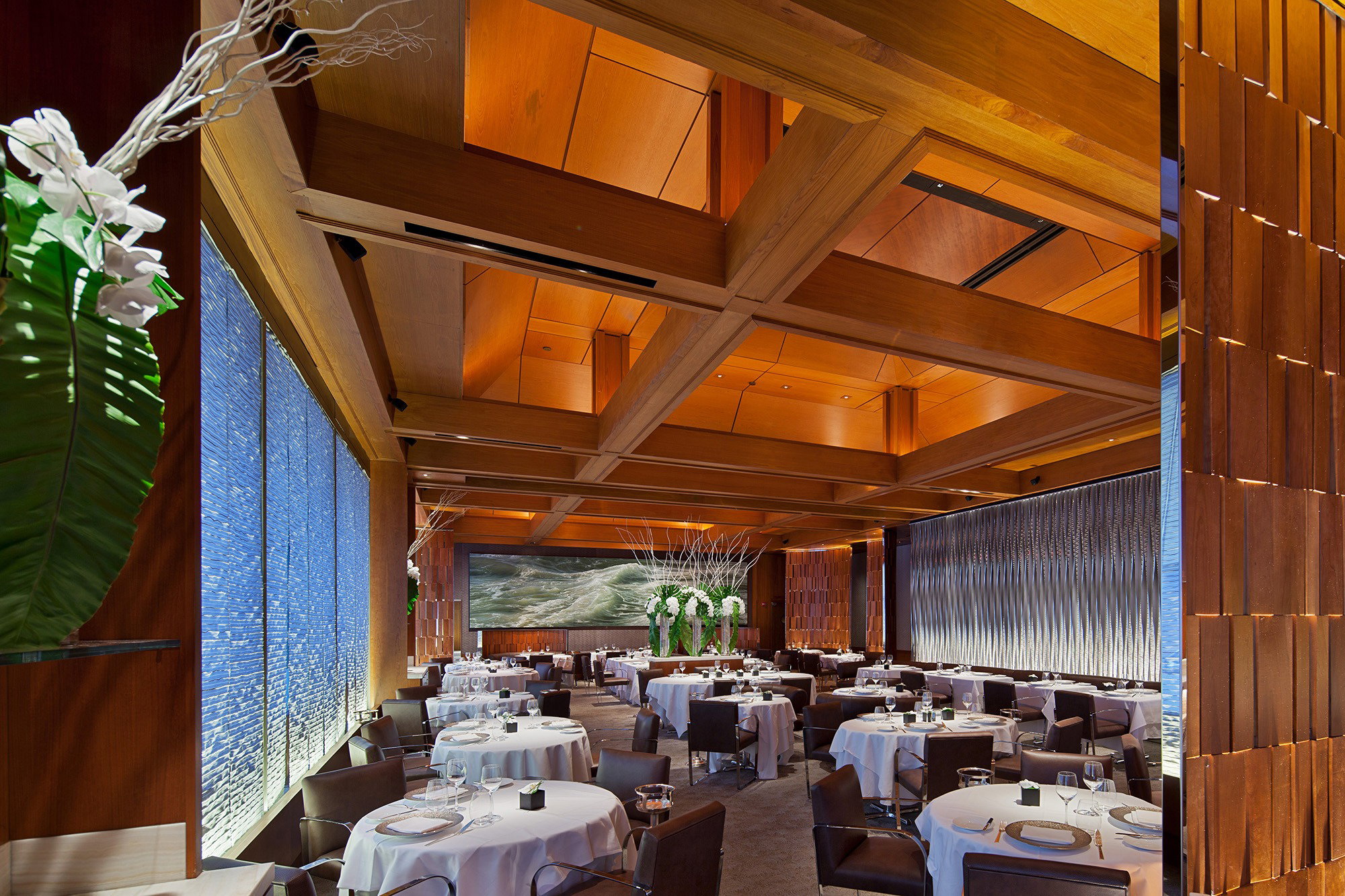
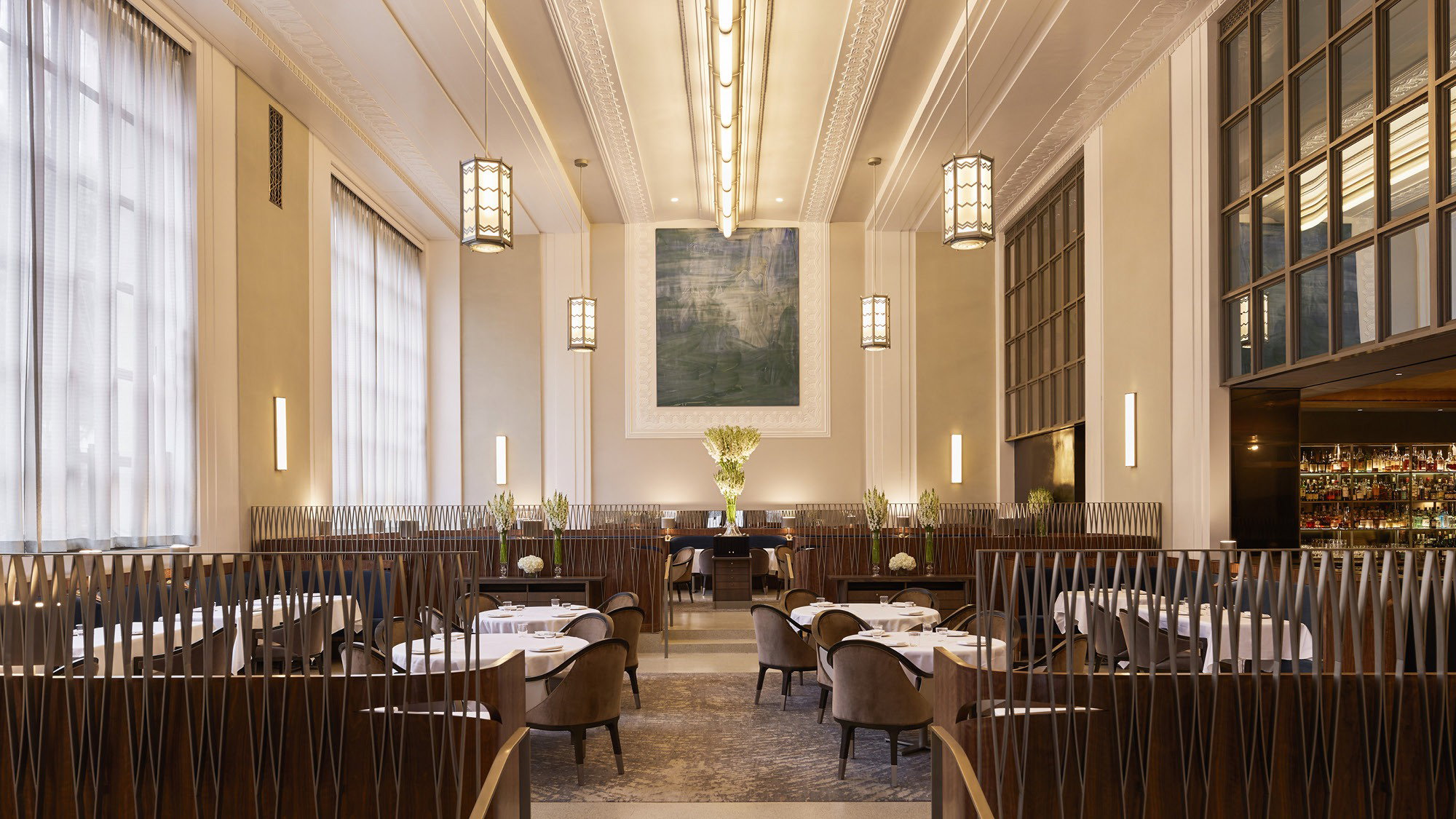
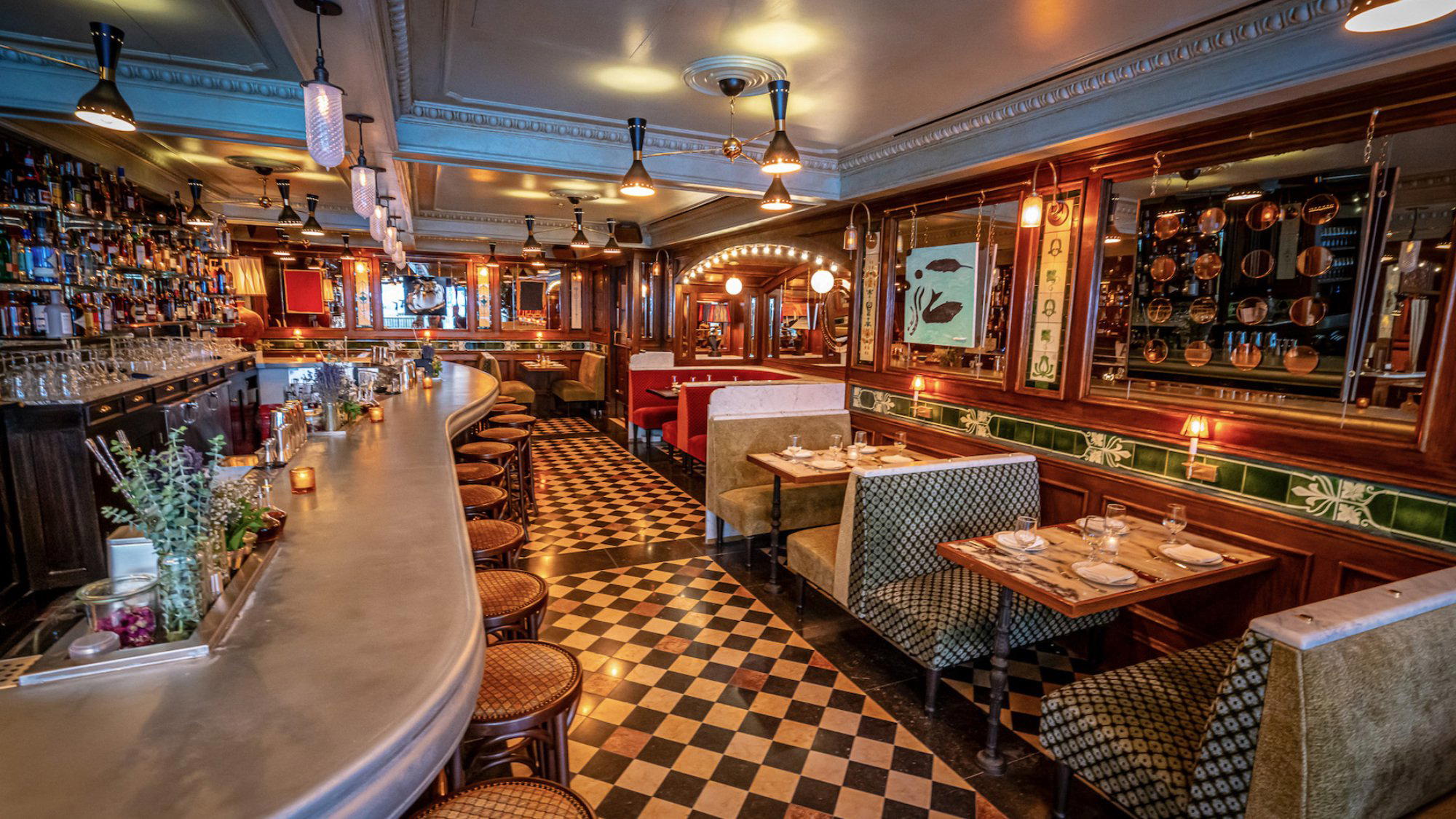 restaurantCafé ChelseaA West Chelsea institution at 218 W 23rd St, Café Chelsea draws a neighborhood crowd that returns not for spectacle but for consistency. Positioned in one of Manhattan's most architecturally layered blocks, it occupies a tier of New York café-dining defined by familiarity over flash. For regulars, the appeal is precisely what the room doesn't try to be.
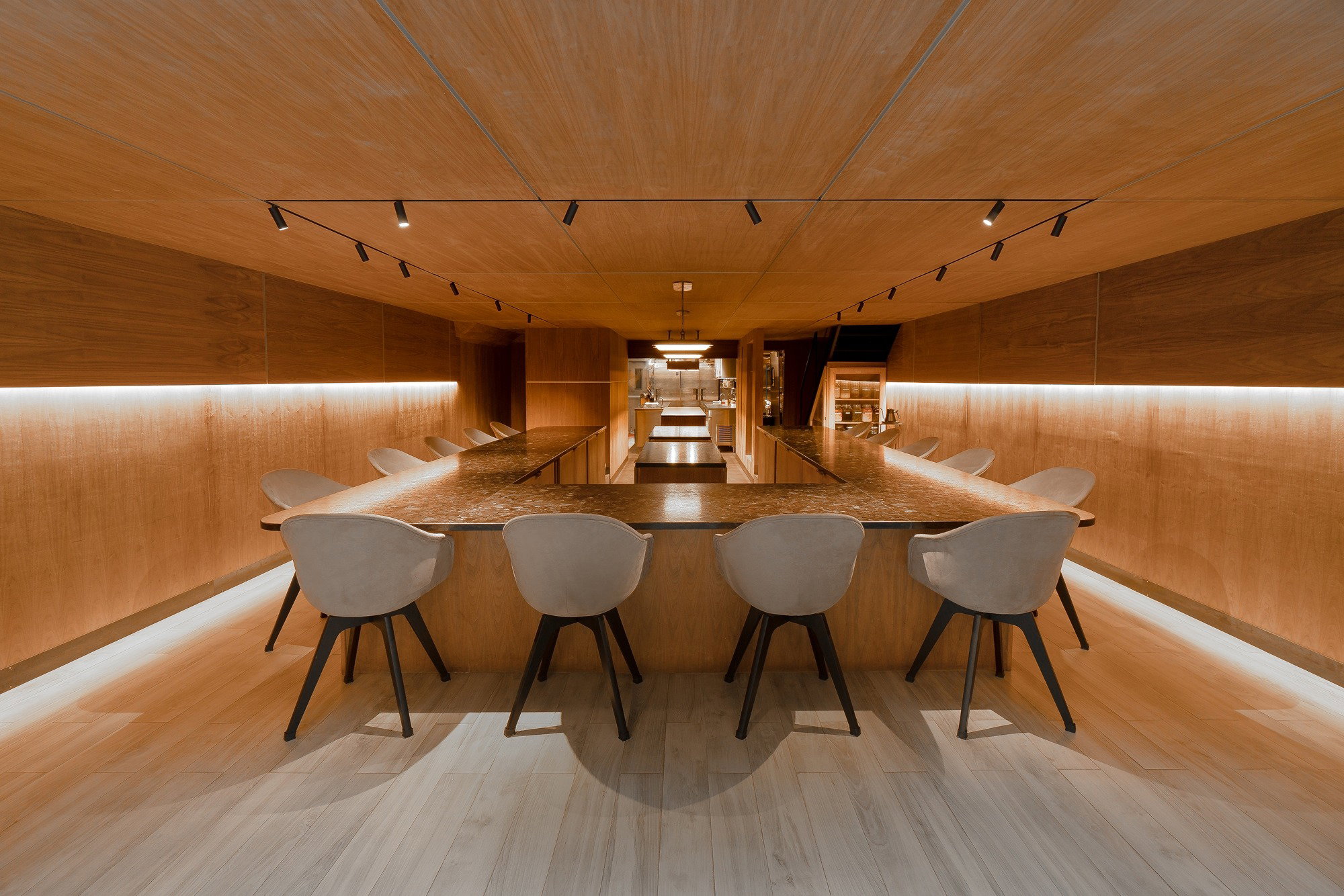
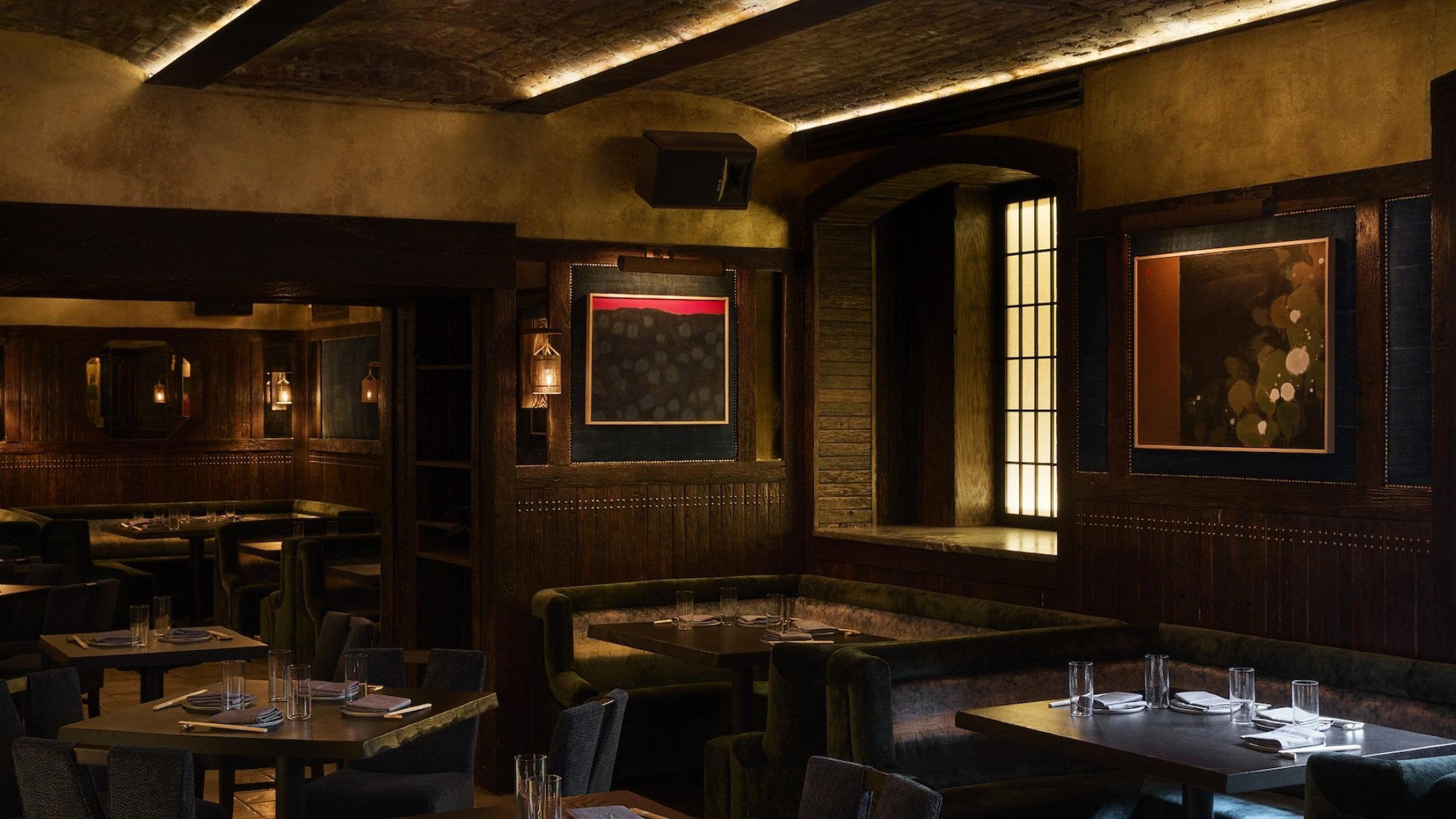 restaurantTerukoTeruko occupies a specific address in Chelsea's evolving dining corridor at 222 W 23rd Street, where the neighborhood has quietly accumulated a more considered restaurant layer over the past decade. The address sits within reach of both the Flatiron district's lunch trade and Chelsea's evening gallery crowd, giving the room a different character depending on the hour. EP Club tracks it as a venue worth monitoring in a borough that rewards patience with discovery.
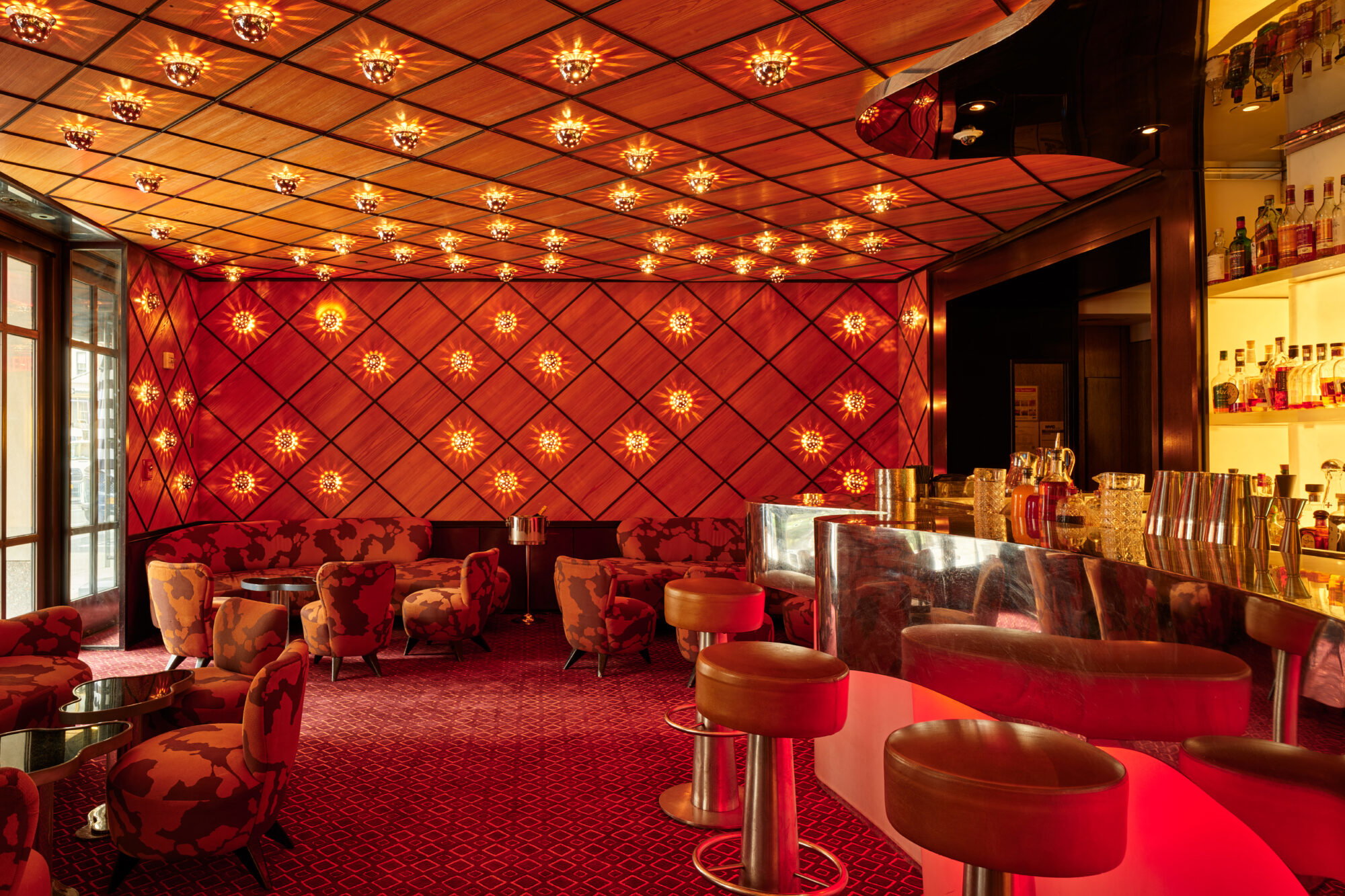
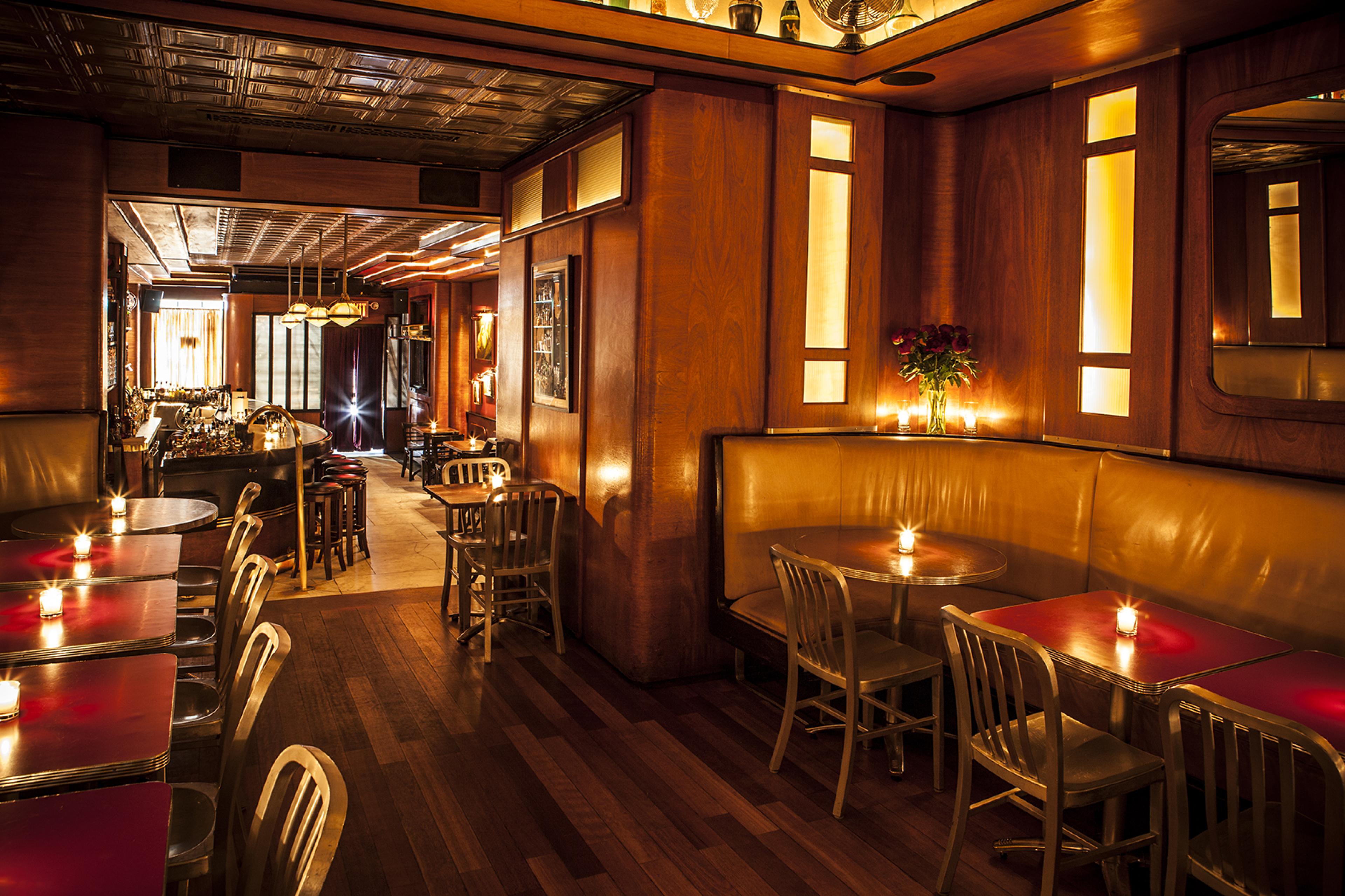
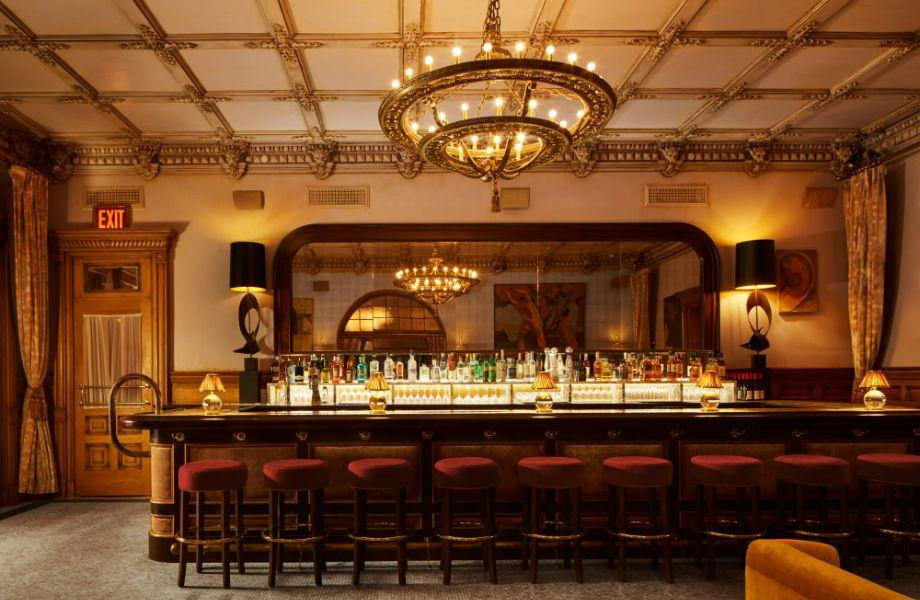 lobby_barLobby Bar at The Hotel ChelseaThe Lobby Bar at The Hotel Chelsea occupies one of Manhattan's most storied addresses, where the building's century-long history as a hub for artists, writers, and musicians gives the room a cultural weight that most Chelsea bars cannot manufacture. The daytime atmosphere runs quieter and more contemplative; evenings shift toward a looser, more social register. Either way, the address alone situates this bar within a specific chapter of New York's cultural memory.
Planning details
- Location
- 222 W 23rd St, New York, NY 10011
- Website
- hotelchelsea.com/
- Phone
- +1 212-483-1010
The take
The Take
The Vibe
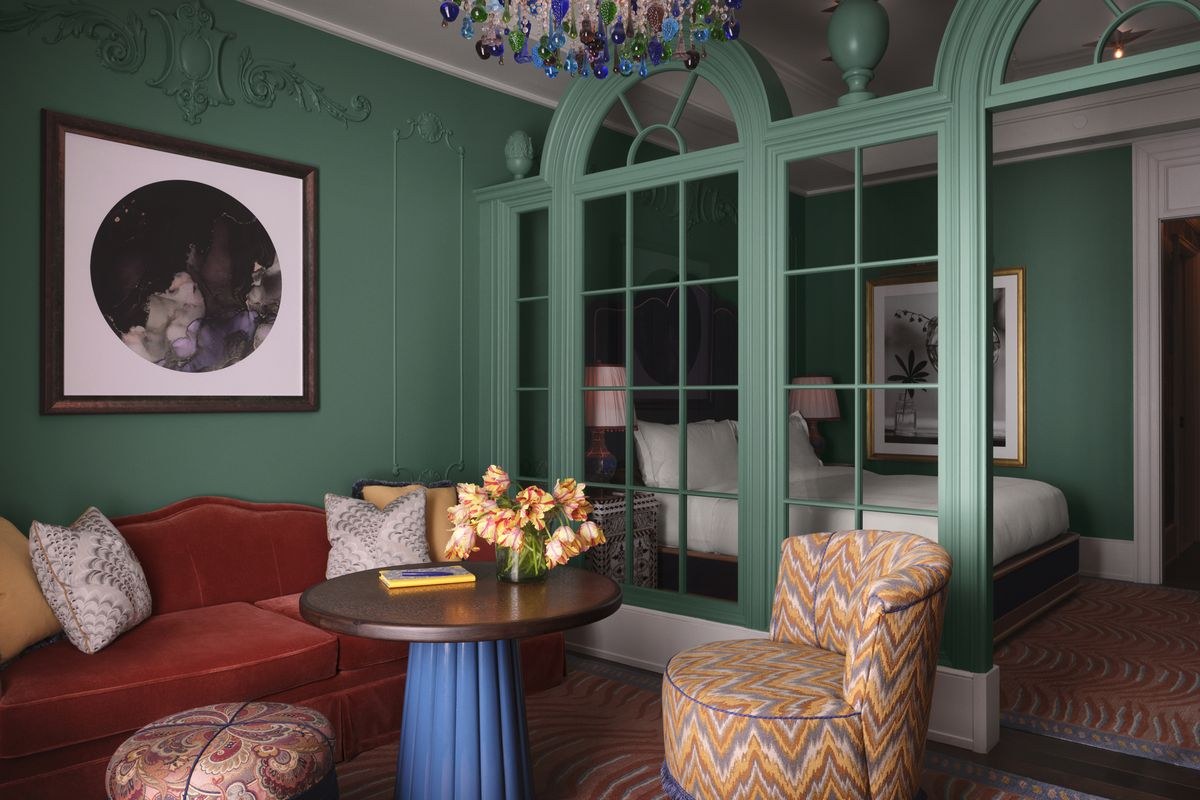
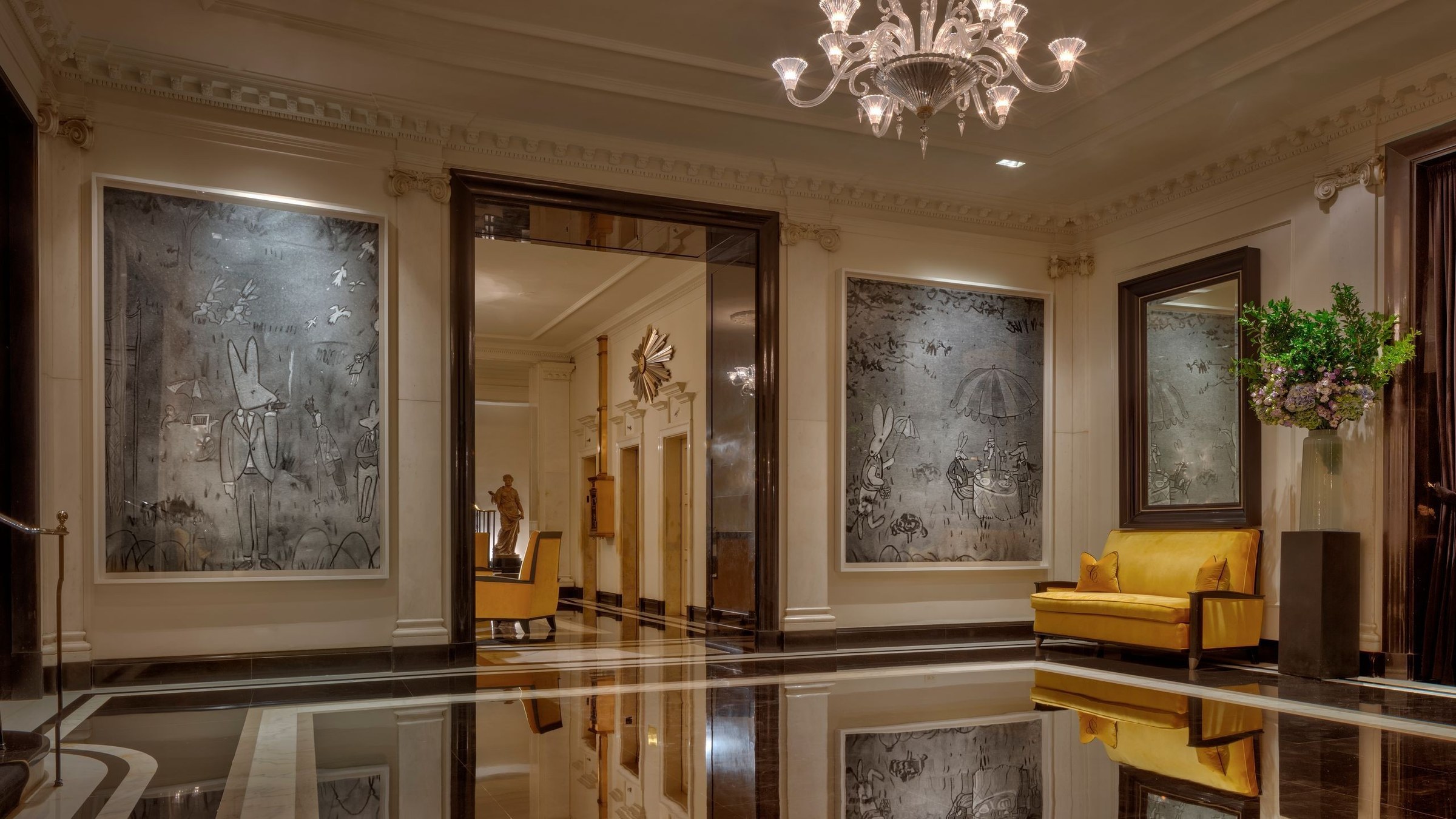
The Hotel Chelsea reads like an artifact of the city: a Victorian Gothic facade and ornate iron balconies announce a place that prizes layered history over glossy reinvention. The recent stewardship leans into preservation rather than museumification, so the hotel feels lived-in and intimate rather than staged. Artworks donated by generations of residents are displayed throughout, turning corridors and rooms into an accumulation of creative residue. That cultural gravity gives the Chelsea a quietly romantic, classic charm—an unapologetically old-New-York refuge for travelers who prefer character, stories, and the sense of continuity that comes with a building that has long housed creative lives.
Best For
The Chelsea is best for travelers who care about cultural history and the artistic life of New York. Visitors who appreciate architecture, provenance, and what the description calls the city’s "creative memory" will find the stay meaningful: the artwork scattered through the property and the building’s long residential history are central to the experience. It suits curious solo travelers, couples seeking a story-rich room, and anyone who prefers a stay defined by personality and provenance rather than polished anonymity. The property rewards patience and an appreciation for layered, lived-in design.
Venue details
Ambiance
Light-filled spa oasis with soft lighting, historic charm, and tranquil atmosphere featuring rooftop terrace and fireplace lounge.
Tags
Vibe
Best For
Experience
Amenities
View
Accessibility
About the Stay
- Rooms
- 155
- Check-in
- 15:00
- Check-out
- 11:00
- Property Style
- Historic Luxury with Modern Renovations
- Design Style
- Bohemian Elegance with Marble Bathrooms and Antique Brass Fixtures
Know before you go
Know Before You Go
- Getting there
- 222 W 23rd St, New York, NY 10011
Planning details
Location
Recognition and awards

Also consider
Also Consider
- Chelsea Savoy Hotel, Notable alternative
- The Moore, Notable alternative
- The Maritime Hotel, Notable alternative
- Made Hotel, Notable alternative
- The Ritz-Carlton New York, NoMad, Notable alternative
Hotel context
How It Compares
Chelsea Savoy Hotel is the more practical Chelsea fallback when location and simplicity matter more than ambiance. The Hotel Chelsea is the stronger choice for travelers who want the stay itself to carry New York character, but booking is harder and value is less about room-per-dollar than the overall setting.
The Moore and The Maritime Hotel are better cross-shops if the priority is a neighborhood hotel with personality but less pressure around the booking. Choose The Hotel Chelsea when recognition and atmosphere justify the extra effort; choose those peers when the trip needs a cleaner, lower-stakes base.
Made Hotel is the more design-led alternative outside Chelsea, while The Ritz-Carlton New York, NoMad is the safer luxury business pick. The Hotel Chelsea sits between them: more character-driven than NoMad luxury, more credentialed than many boutique options, and better for travelers who want the hotel to shape the trip.
Explore New York City
Around this place
Discover more on Pearl
Unlock the full The Hotel Chelsea guide in Pearl, including awards, comparisons, FAQs, planning details, and nearby places.
Compare The Hotel Chelsea
| Venue | Location | Awards |
|---|---|---|
| The Hotel Chelsea | New York City | Leading Hotels of the World 20262026 Michelin 1 KeyMichelin 1 Key 20252025 Michelin 1 Key2024 Michelin 1 Key |
| Chelsea Savoy Hotel | New York City | No published awards |
| The Moore | New York City | 2026 Mr & Mrs Smith Luxury Hotels2026 Michelin 1 Key2025 Michelin 1 Key |
| The Maritime Hotel | New York City | 2025 Michelin Selected HotelsPreferred Hotels Member 2025 |
| Made Hotel | New York City | No published awards |
| The Ritz-Carlton New York, NoMad | New York City | No published awards |



How The Hotel Chelsea New York City compares with similar nearby venues.
FAQ
Frequently Asked Questions
Is The Hotel Chelsea family-friendly?
Is The Hotel Chelsea good for business travel?
It may suit business travelers who value a recognized New York City hotel. Confirm work-focused amenities and meeting facilities directly with the hotel. The Ritz-Carlton New York, NoMad is a useful comparison if you want to review another option.