
The Bowery Hotel
East Village, New York City
Hotel in New York City, United States
 Book with Pearl
The Read
Pre-War Permanence
Why go
Book The Bowery Hotel if the stay calls for downtown atmosphere, attentive service, and a room that feels more residential than corporate. It is stronger for couples and style-conscious business travelers than for loyalty-point maximizers or families needing a full amenity set.
About The Bowery Hotel
The Bowery Hotel is a New York City hotel with a smart-casual dress code and recognition that includes a Michelin 1 Key in 2024 and the Mr & Mrs Smith Seal of Approval in 2026.
Use this as a conservative planning note: The Bowery Hotel is best evaluated on its recognition, dress expectations, and how it compares with other New York City hotel options. For broader hotel research, see Pearl's New York City hotels guide.
Book with the key details in mind
The clearest planning detail is recognition: The Bowery Hotel has a Michelin 1 Key from 2024 and a Mr & Mrs Smith Seal of Approval from 2026. Those signals can help travelers shortlist the property, while specific amenities, room types, dining formats, and service features should be checked before booking.
If you are comparing hotels in New York City, consider The Bowery Hotel alongside options such as Hotel Indigo Lower East Side New York by IHG, PUBLIC Hotel, The Standard, East Village, Crosby Street Hotel, and Faustina at the Cooper Square Hotel. The right choice will depend on the traveler's own priorities and the current details available at booking.
Plan around your own priorities
Avoid making the booking decision on assumptions about service, rooms, dining, or amenities. The grounded case for The Bowery Hotel rests on its New York City setting, smart-casual dress code, and recognition.
Travelers with specific needs should check directly before booking, especially for family requirements, accessibility, dining, allergy accommodations, or any other operational detail. If those factors are central to the stay, compare broader options in Pearl's New York City hotels guide.
For dates, rates, and availability, rely on current booking information rather than general rules of thumb. Compare The Bowery Hotel with other suitable options before committing.
Planning details
- Location
- 335 Bowery, New York, NY 10003
- Website
- theboweryhotel.com
- Phone
- +1 212-505-9100
The take
The Take
The Vibe
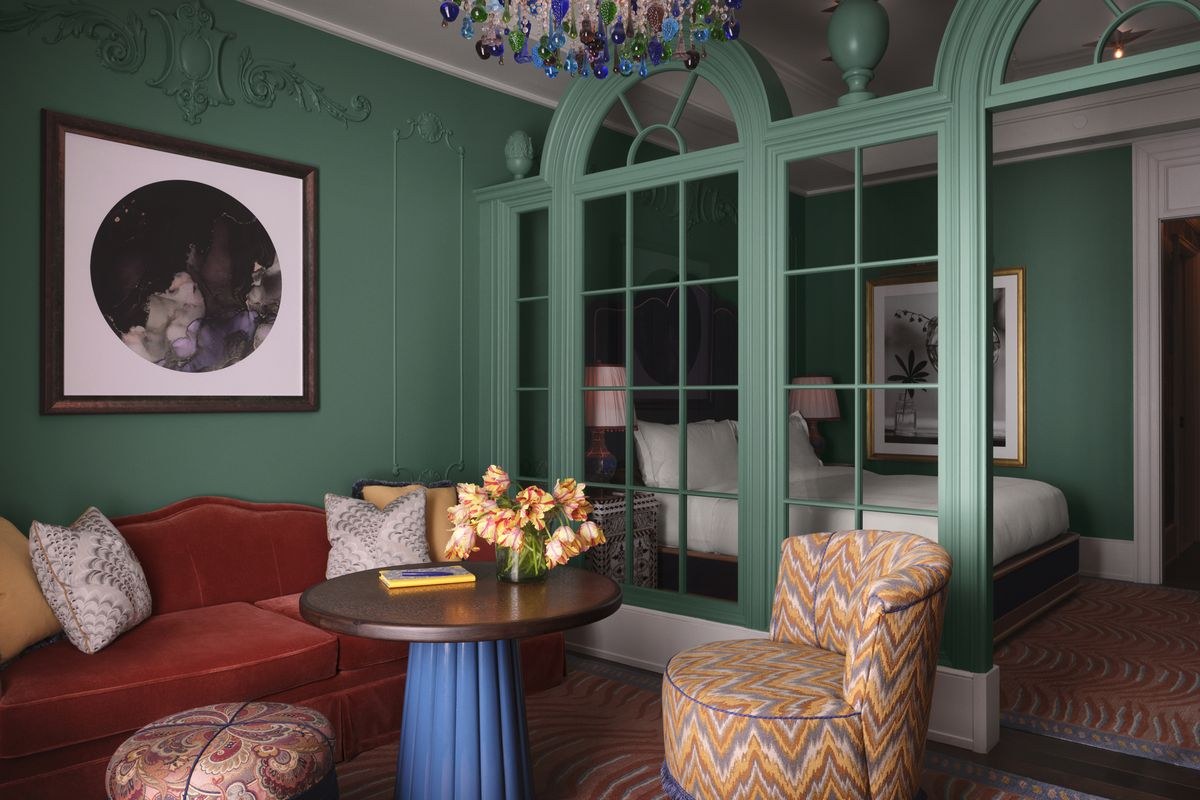
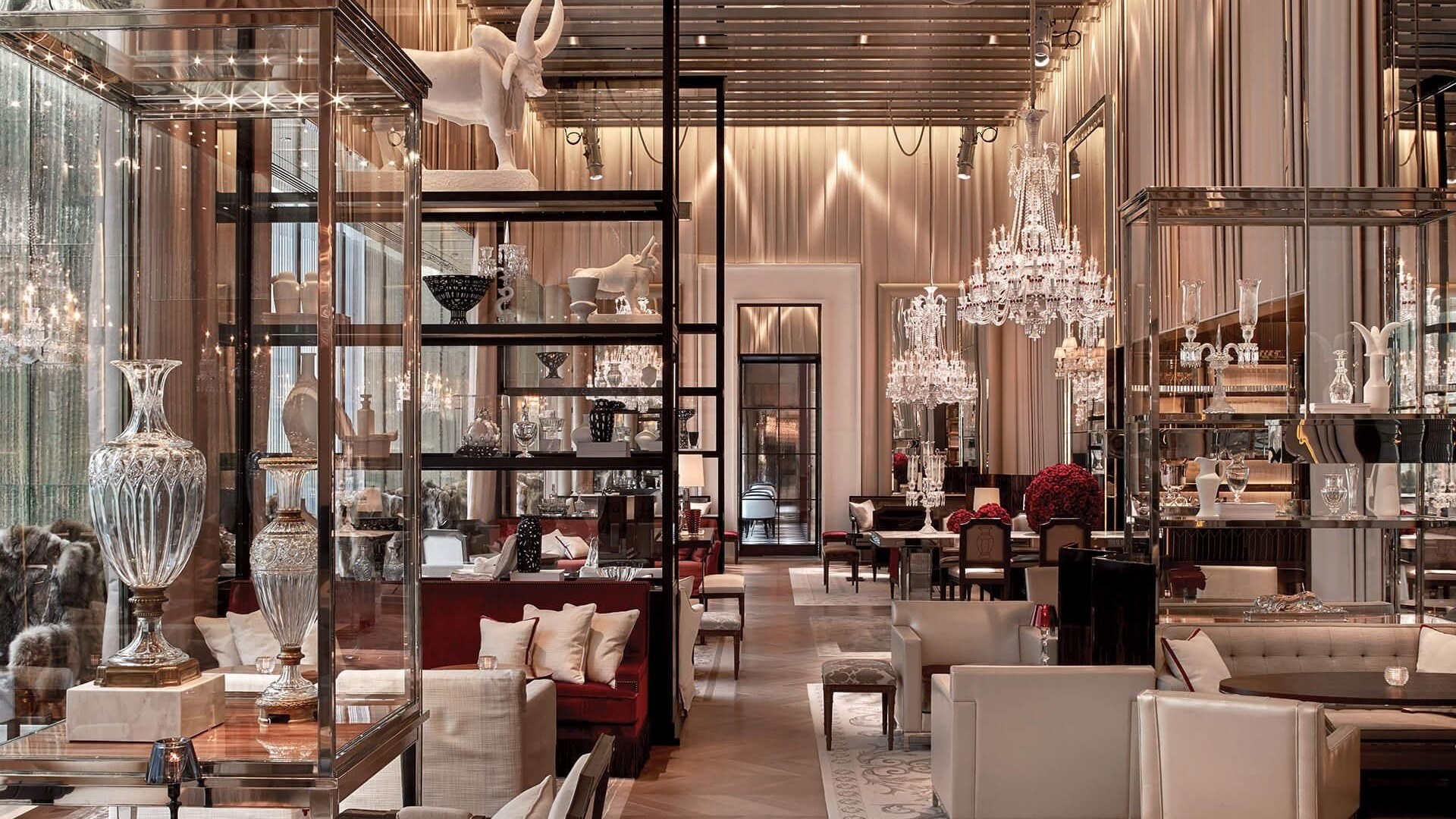
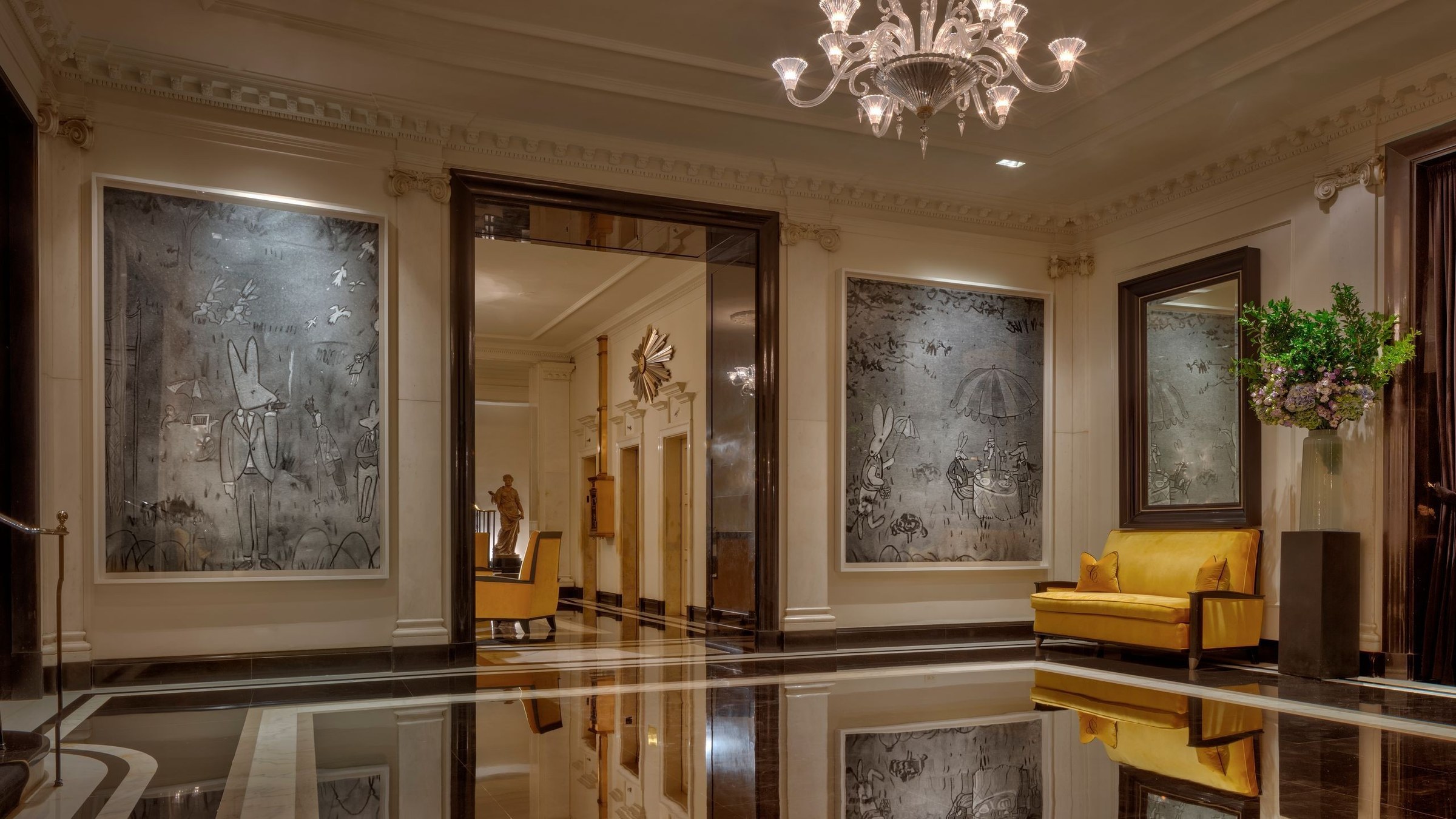
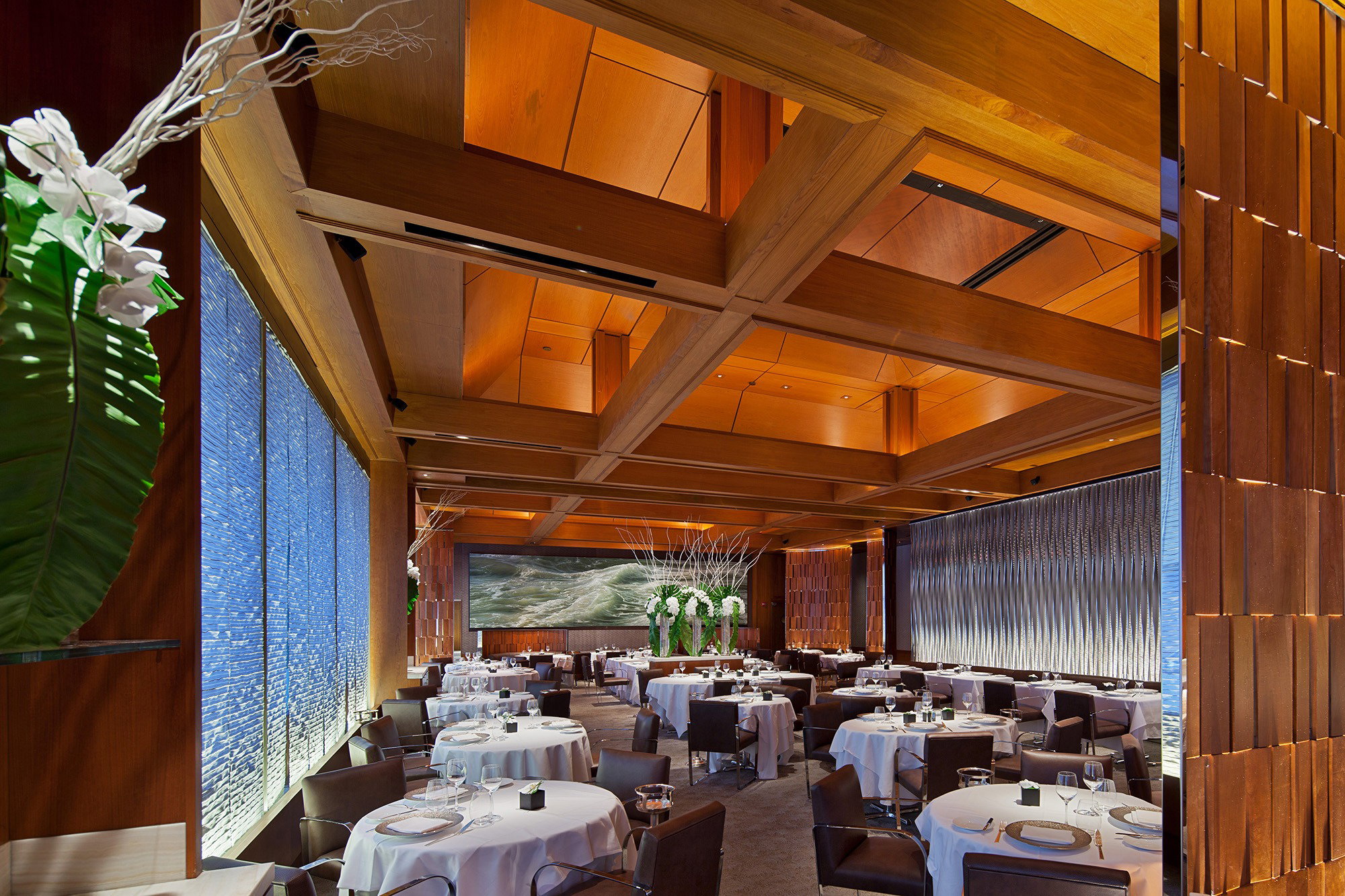
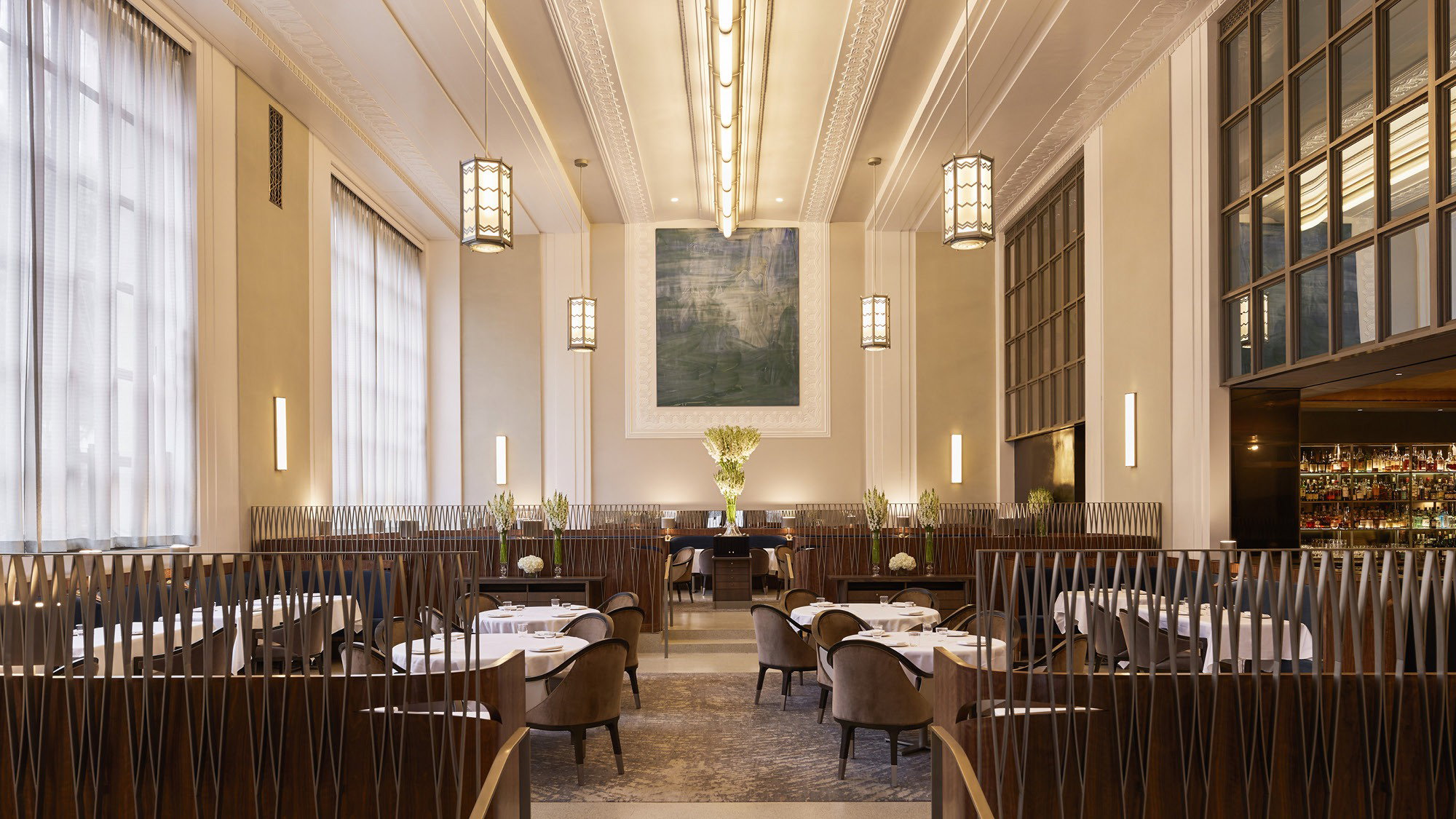
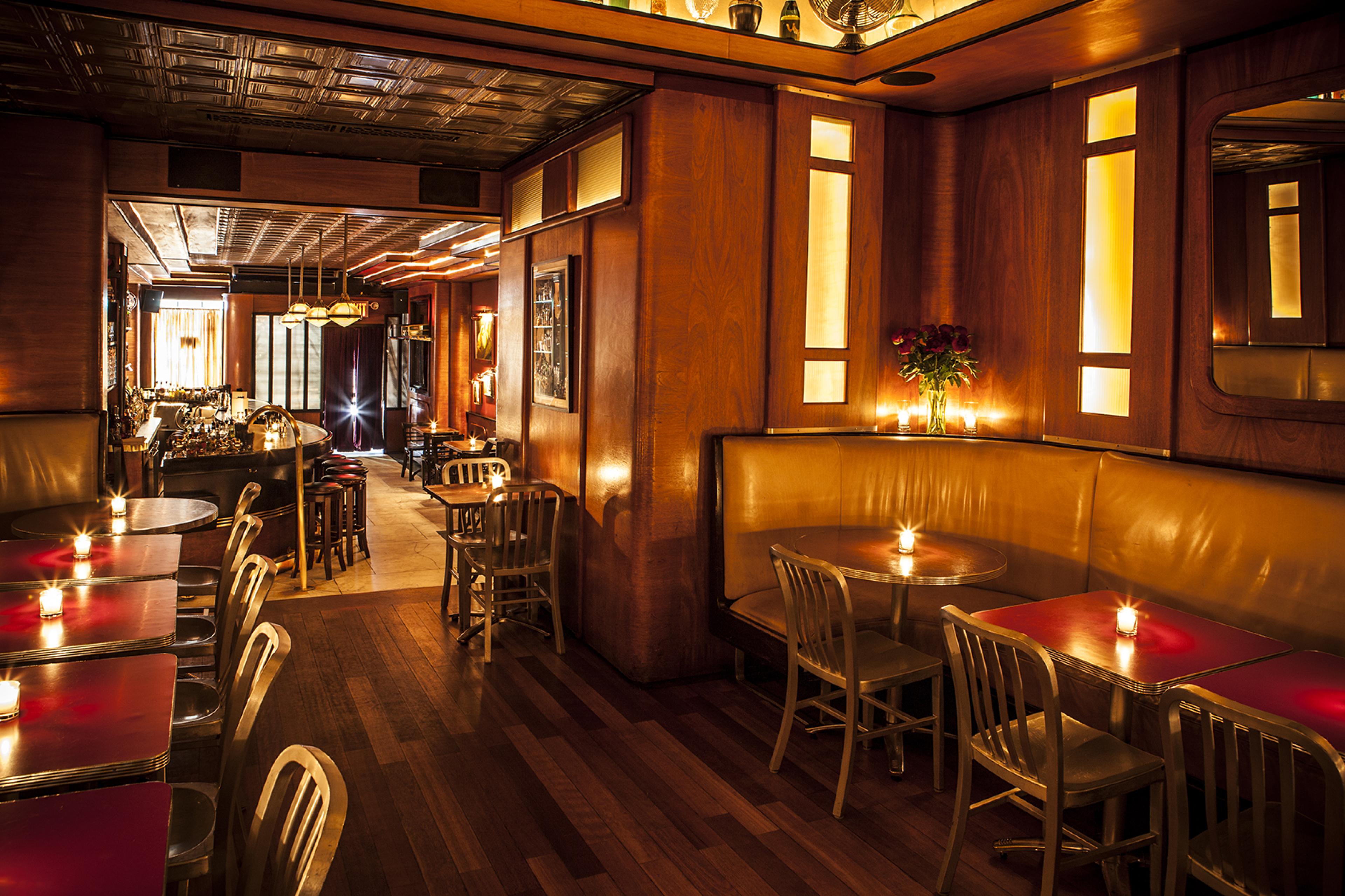
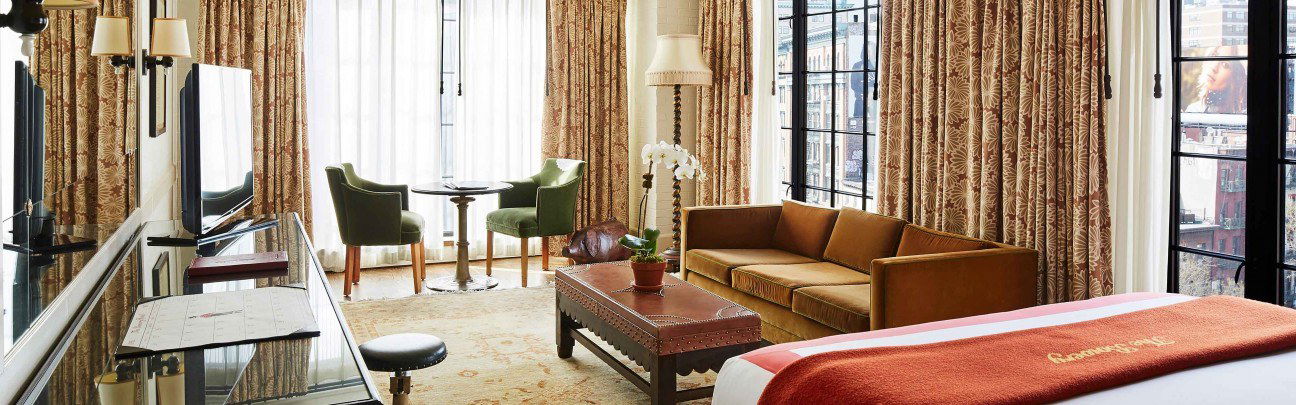
The Bowery Hotel foregrounds an intentional, lived-in aesthetic that channels a prewar Manhattan apartment through carefully sourced vintage and salvaged pieces. Patterned rugs on hardwood floors, cast-iron window frames and weathered brass fixtures are repeatedly cited, so the interiors read as material-rich and deliberately aged rather than trendy. The lobby functions like a well-furnished sitting room — a warren of armchairs and sofas — which makes the public spaces feel intimate and charming. Overall the hotel presents a classic, historically informed personality that favors warmth and tactility over minimalist gesture, and its design stamina is presented as a core part of the guest experience.
Best For
The Bowery is best for travelers and locals who prize a boutique hotel that feels like a curated home rather than a generic property. Located at 335 Bowery in NoHo, it appeals to visitors who value layered, material-forward interiors and a lobby that doubles as a social destination. The write-up frames the hotel as part of a cohort that favors deep material investment and lasting design references, so it suits guests seeking a refined, quietly theatrical stay where atmosphere and provenance of furnishings matter as much as service. The Michelin recognition also signals appeal for anyone who places dining quality among their priorities.
Venue details
Ambiance
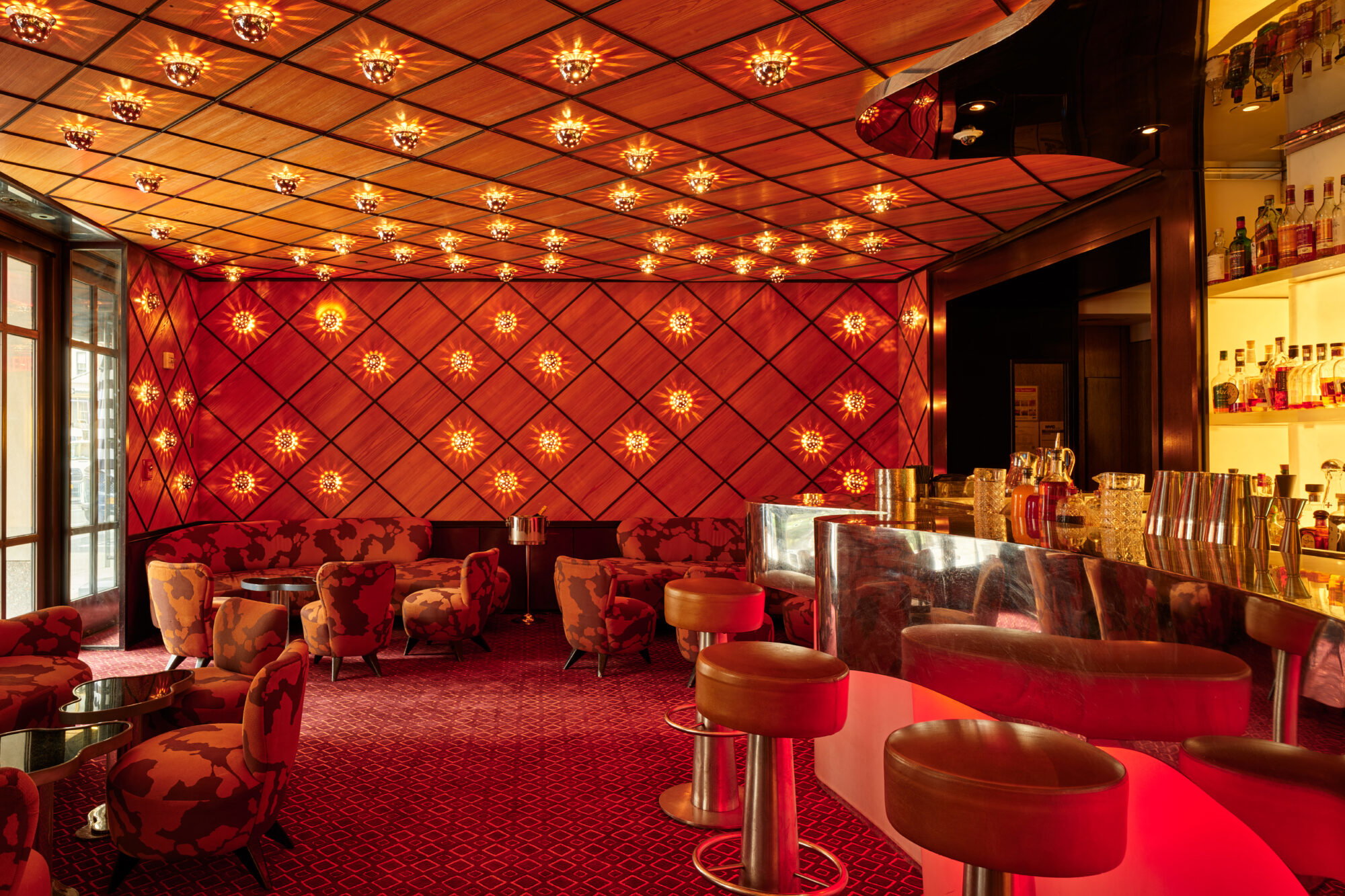
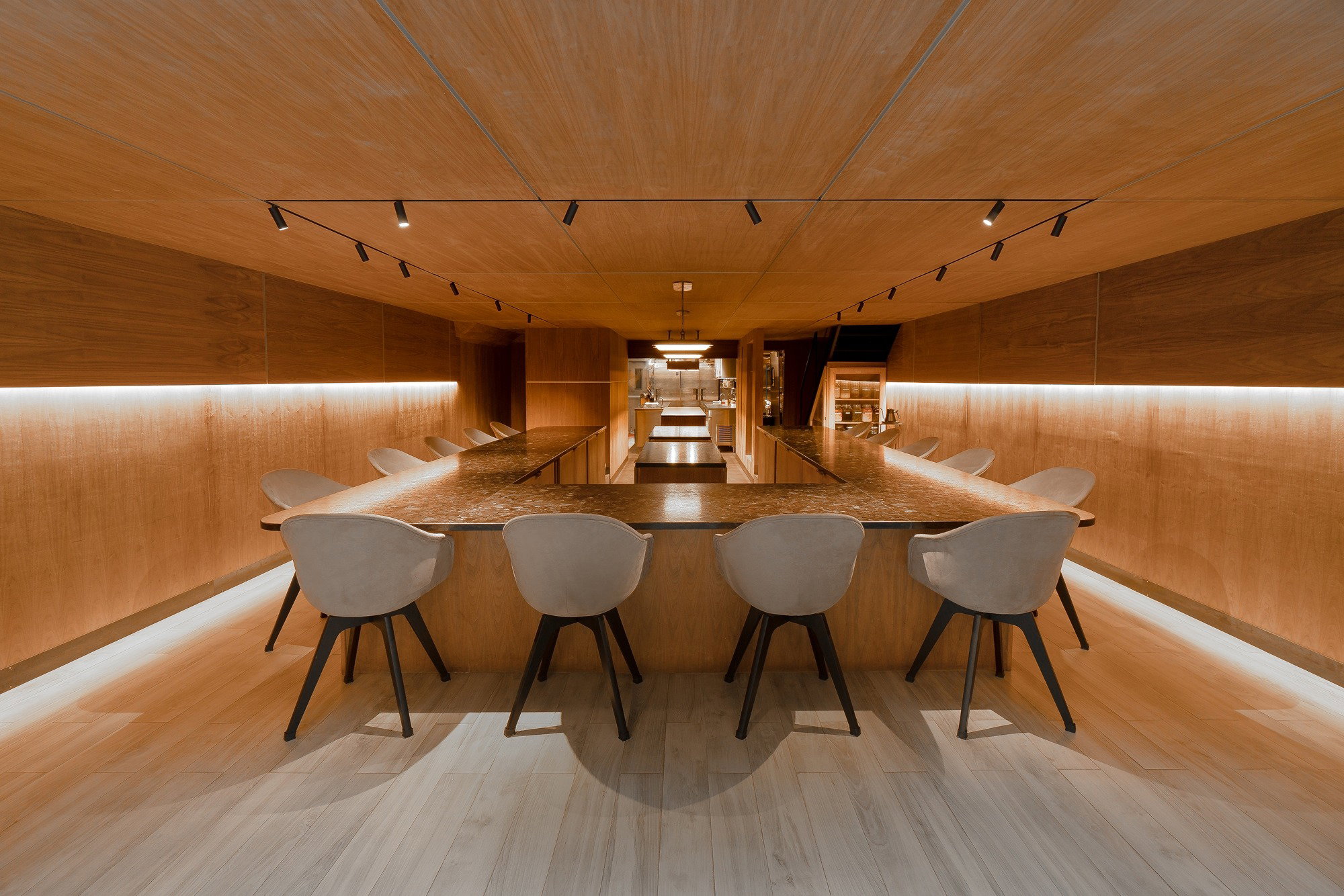
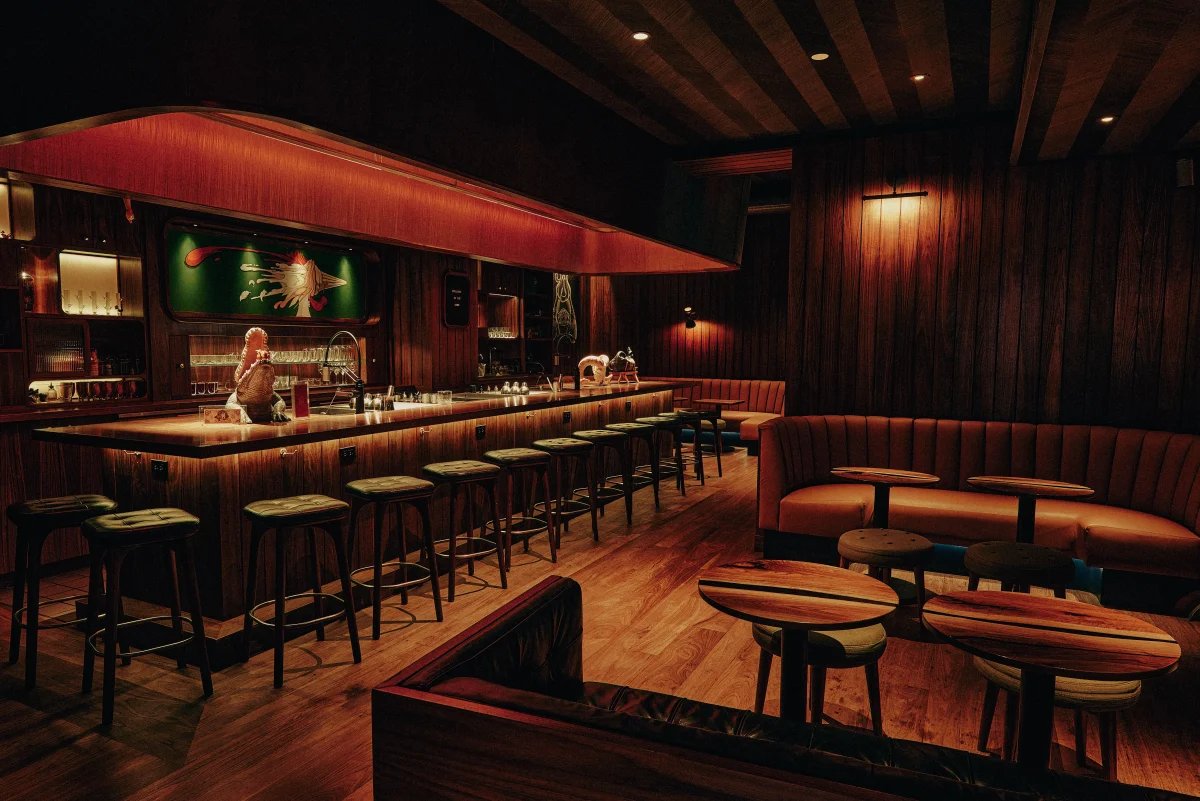
Cozy and inviting with warm wood paneling, mood lighting, and a lively yet relaxed atmosphere praised for historic charm and modern touches.
Tags
Vibe
Best For
Experience
Amenities
View
Accessibility
About the Stay
- Rooms
- 135
- Check-in
- 15:00
- Check-out
- 11:00
- Property Style
- Bohemian Chic Luxury Boutique in Revitalized Bowery.
- Design Style
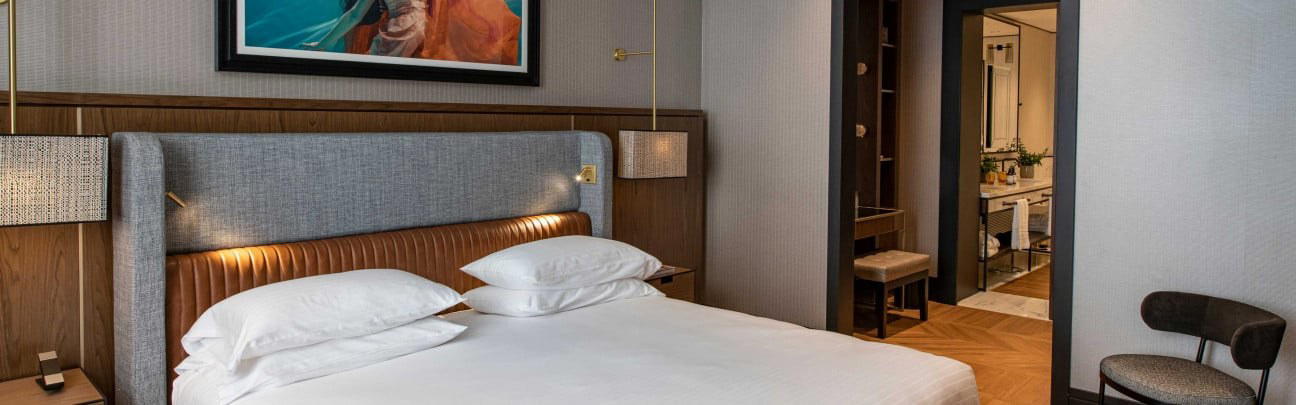
- Retro Glamour with Wood Paneled Lobby, Tiled Corridors, and Apartment Like Rooms.
Know before you go
Know Before You Go
- Getting there
- 335 Bowery, New York, NY 10003
Planning details
Location
Recognition and awards
Also consider
Also Consider
- The Standard, East Village, Notable alternative
- Faustina at the Cooper Square Hotel, Notable alternative
- PUBLIC Hotel, Notable alternative
- Hotel Indigo Lower East Side New York by IHG, Notable alternative
- Crosby Street Hotel, Notable alternative
Hotel context
How it compares with nearby downtown hotels
Choose The Bowery Hotel over The Standard, East Village if the priority is a warmer, more grown-up stay rather than a sharper lifestyle-hotel feel. The Standard is easier to justify for travelers who want East Village energy and a more contemporary profile; The Bowery is better when service tone and old New York atmosphere are part of the value calculation.
PUBLIC Hotel and Hotel Indigo Lower East Side New York by IHG are the practical cross-shops for price-sensitive travelers. PUBLIC leans more nightlife-forward and design-efficient, while Hotel Indigo is the safer branded choice for guests who care about loyalty structure and predictable operations. The Bowery asks you to value ambiance and service more than programmatic perks.
For a more polished downtown-luxury alternative, compare it with Crosby Street Hotel. Crosby Street is the stronger pick for Soho access and a brighter boutique-luxury feel; The Bowery is the better fit for NoHo, East Village, and Lower East Side plans. Faustina at the Cooper Square Hotel is worth considering when the trip is built around the Cooper Square area, but The Bowery carries the clearer hotel-stay identity.
Explore New York City
Around this place
Discover more on Pearl
Unlock the full The Bowery Hotel guide in Pearl, including awards, comparisons, FAQs, planning details, and nearby places.
Compare The Bowery Hotel
| Venue | Location | Awards |
|---|---|---|
| The Bowery Hotel | New York City | 2026 Mr & Mrs Smith Luxury Hotels2026 Michelin 1 Key2025 Michelin 1 KeyMichelin 1 Key 20252024 Michelin 1 Key |
| The Standard, East Village | New York City | No published awards |
| Faustina at the Cooper Square Hotel | New York City | No published awards |
| PUBLIC Hotel | New York City | No published awards |
| Hotel Indigo Lower East Side New York by IHG | New York City | No published awards |
| Crosby Street Hotel | New York City | 2026 Mr & Mrs Smith Luxury Hotels2026 La Liste Top Hotels2026 Michelin 3 Keys2025 Michelin 3 Keys2025 Forbes 4-Star2024 Michelin 3 Keys |




How The Bowery Hotel New York City compares with similar nearby venues.
FAQ
Frequently Asked Questions
Do loyalty programs work at The Bowery Hotel?
If loyalty benefits are important, compare current booking terms for The Bowery Hotel with other New York City hotels before reserving.
Is The Bowery Hotel good for business travel?
The Bowery Hotel has recognition including a Michelin 1 Key in 2024, but travelers should check current hotel details against their business needs before booking.
Is The Bowery Hotel family-friendly?
Families should contact the hotel or review current booking information before deciding whether The Bowery Hotel fits their stay in New York City.
When is the best time to book The Bowery Hotel?
Check current rates and availability for The Bowery Hotel and compare it with The Standard, East Village and PUBLIC Hotel if those options also fit your trip.
How does The Bowery Hotel compare to other hotels?
Choose among The Bowery Hotel, The Standard, East Village, Hotel Indigo Lower East Side New York by IHG, PUBLIC Hotel, Crosby Street Hotel, and Faustina at the Cooper Square Hotel based on current rates, availability, and the details that matter for your stay. The Bowery Hotel's recognition includes a Michelin 1 Key in 2024 and the Mr & Mrs Smith Seal of Approval in 2026.
How is the dining at The Bowery Hotel?
If dining is central to the trip, check current hotel information and compare other New York City options before booking.