

Soho Grand Hotel
SoHo-Little Italy-Hudson Square, New York City
Hotel in New York City, United States
 Book with Pearl
Why go
Soho Grand Hotel is the practical pick for travelers who want a staffed, social downtown base in SoHo rather than a stripped-back crash pad. Cross-shop ModernHaus SoHo for design, The Roxy Hotel New York for nightlife energy, and Arlo SoHo for tighter value.
About Soho Grand Hotel
Consider Soho Grand Hotel if the priority is a New York City hotel with recognition from Mr & Mrs Smith, Virtuoso, and the MICHELIN Guide hotel selection. The dress code is smart casual, which makes it a practical fit for travelers who want a polished but not overly formal stay.
For full details on room categories, dining, bars, amenities, service style, pricing, hours, or neighborhood access, consult official hotel resources. For a wider scan, use Our full New York City hotels guide.
A New York City stay with hotel recognition
The strongest reason to keep Soho Grand Hotel on the shortlist is its hotel recognition: Mr & Mrs Smith Seal of Approval (2026), Virtuoso Luxury Hotel Partner (2026), and MICHELIN Guide, Hotels Selected (2025). Those credentials support considering it among New York City hotel options, while still leaving practical details to confirm directly before booking.
For trip planning beyond hotels, keep Our full New York City restaurants guide and Our full New York City bars guide handy.
Who should choose it, and who should cross-shop
Choose Soho Grand Hotel if you want a New York City hotel with recognition and a smart casual dress code. Cross-shop ModernHaus SoHo, The Roxy Hotel New York, The Dominick, Arlo SoHo, or Hotel Barrière Fouquet's New York if you are comparing different New York City hotel options before deciding.
When comparing, confirm the practical details that matter for your trip directly with each hotel, including room type, amenities, dining, accessibility, and any arrival or booking requirements.
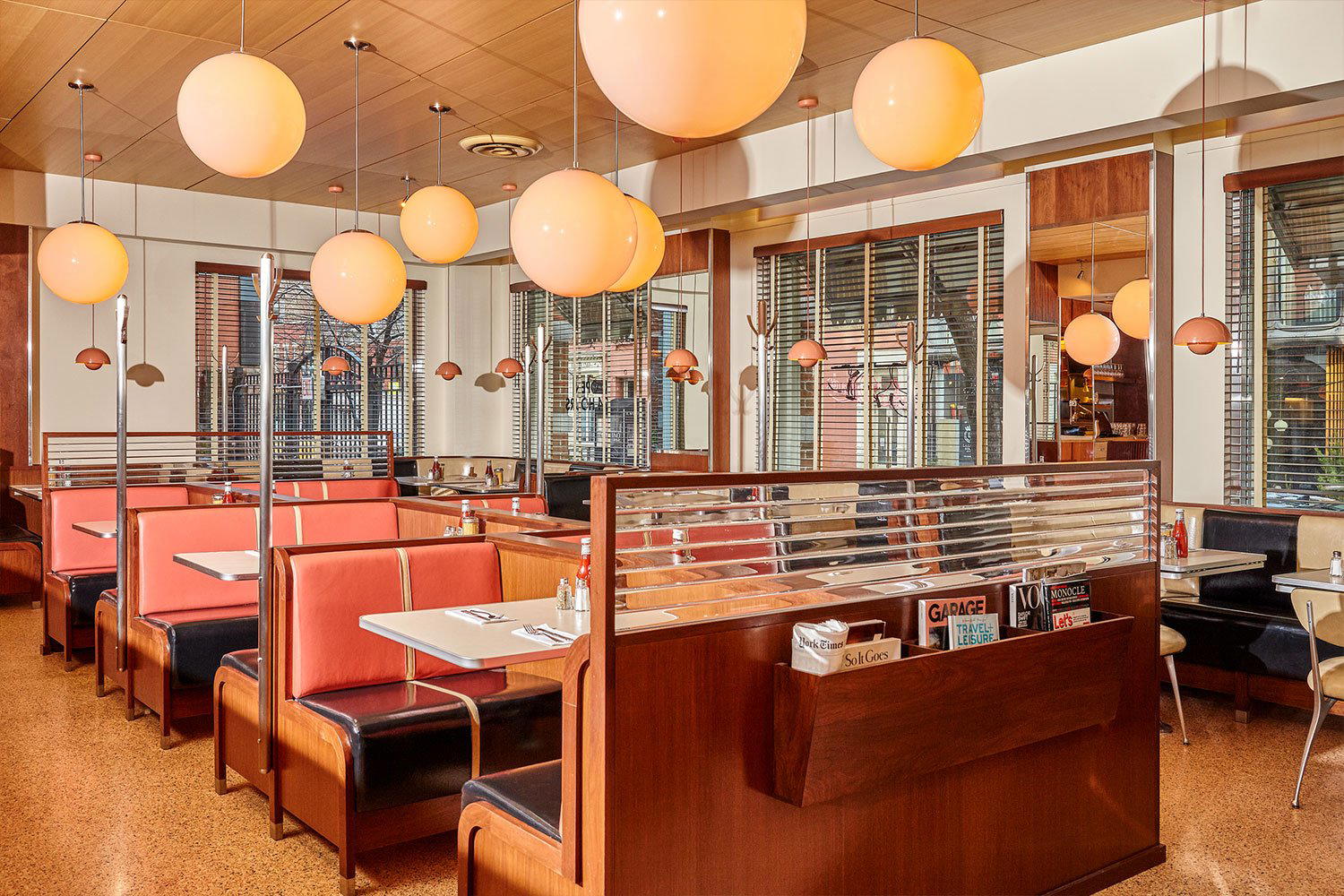
Inside Soho Grand Hotel
Planning details
- Location
- 310 W Broadway
- Website
- sohogrand.com
- Phone
- +1 212 965 3000
The take
The Take
The Vibe
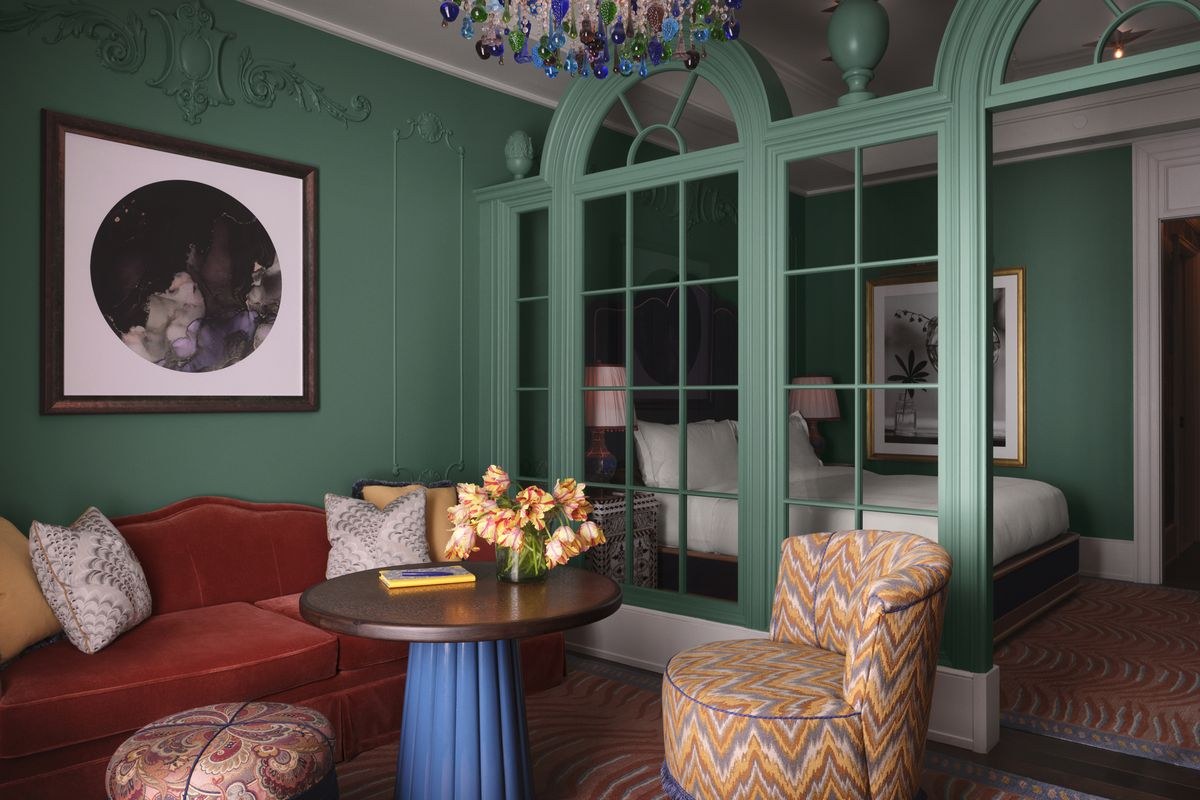
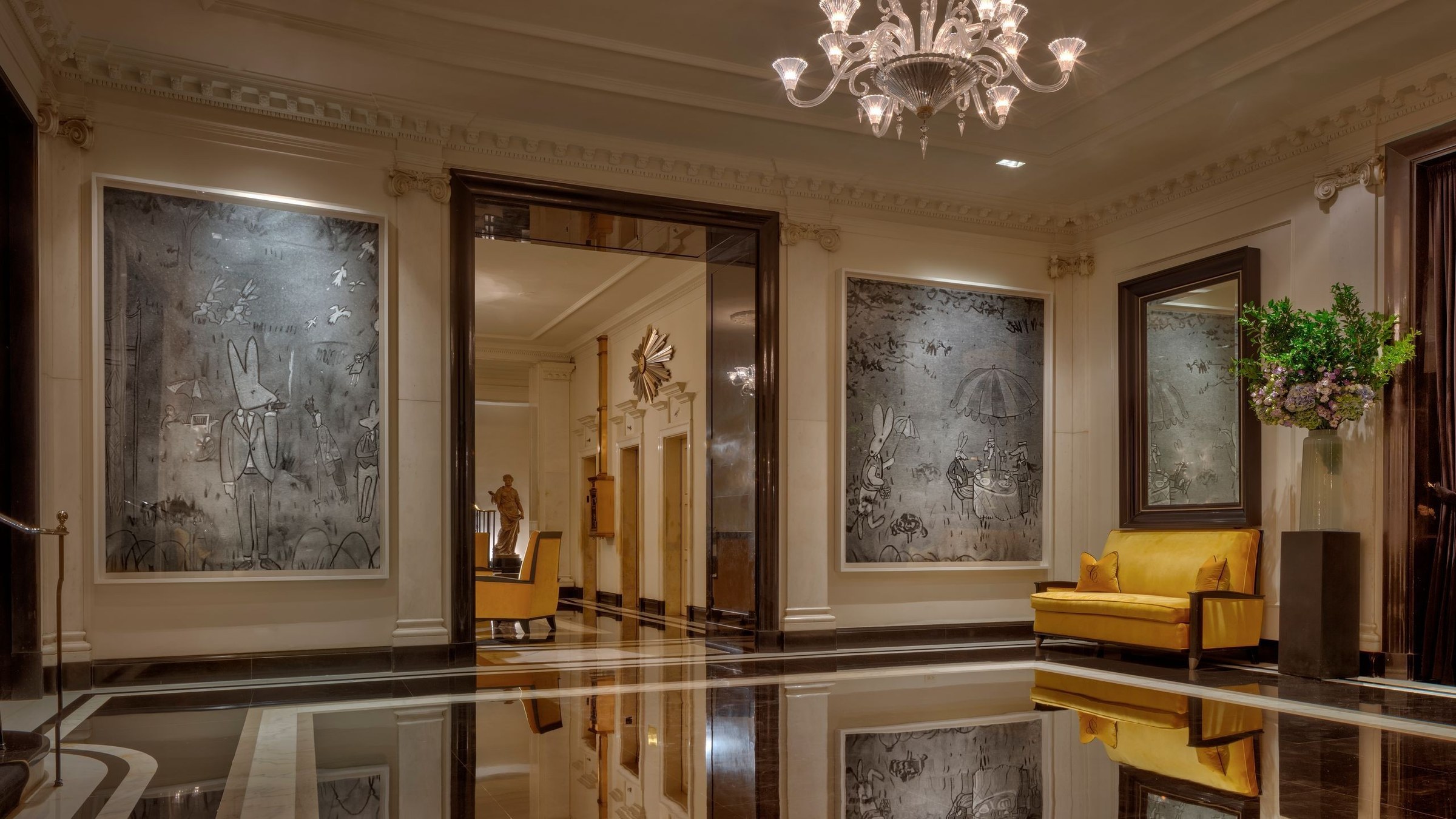
Soho Grand reads as a purposeful collage of SoHo's architectural past and its creative loft culture. Bill Sofield's design references — from a bottle-glass staircase to cast-iron masonry columns — foreground the neighbourhood's Gilded Age industrial stock while nodding to the designer-driven conversions that followed. The hotel presents itself less as a neutral backdrop and more as an argument about place: a downtown boutique property that wears its history and design pedigree openly, offering a layered, design-forward interpretation of SoHo's streets and loft life.
Best For
This hotel suits travelers who care about context and design as much as location: business travelers who want a Downtown base and weekend escape seekers drawn to SoHo's galleries, boutiques, and creative energy. Because the property is framed as one of Manhattan's early luxury Downtown boutique hotels, it also appeals to visitors looking for a historically rooted, design-minded stay in the heart of SoHo rather than a generic chain experience. Art- and design-focused visitors will particularly appreciate the building's architectural references and curated interiors.
Venue details
Ambiance
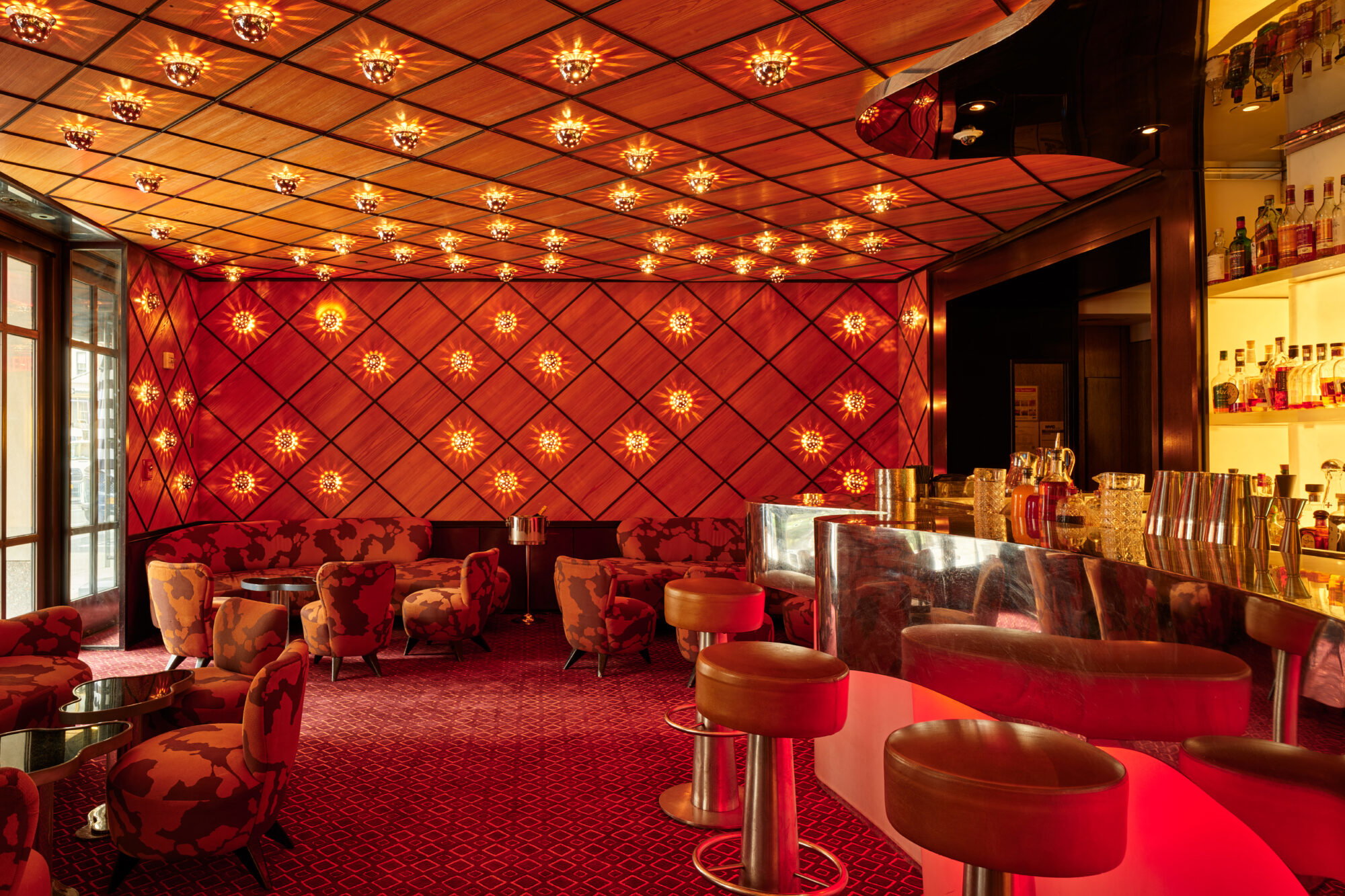
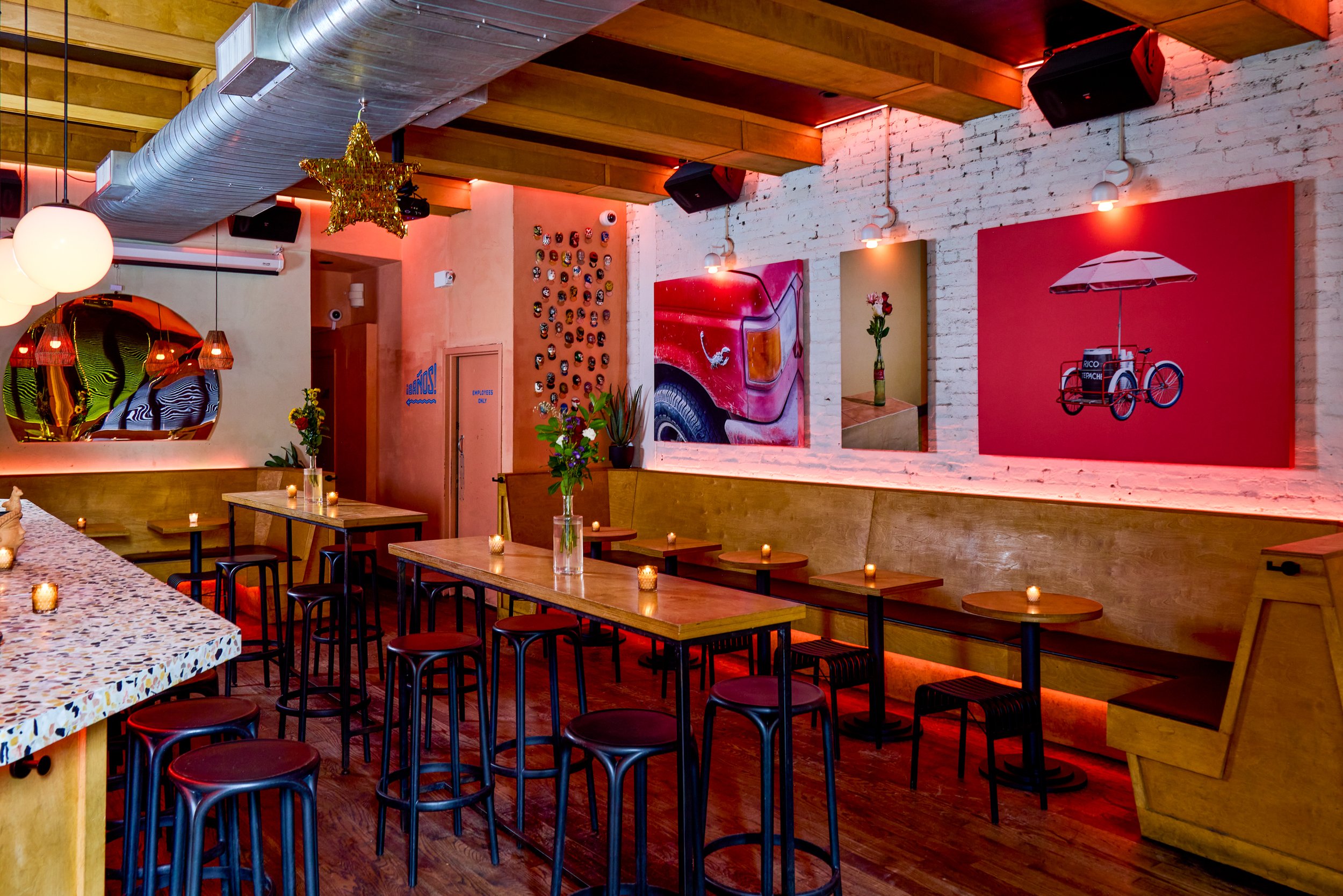
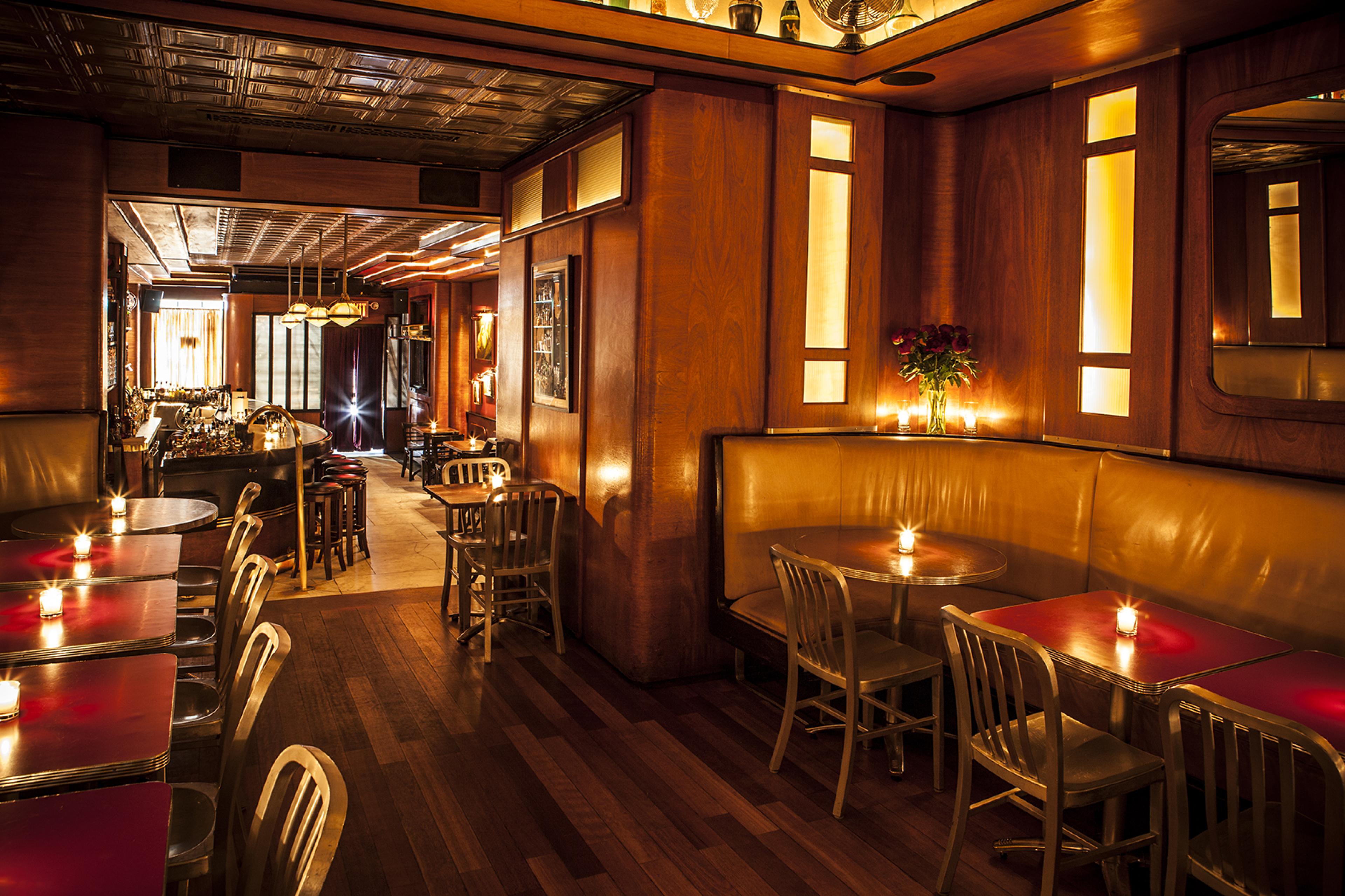
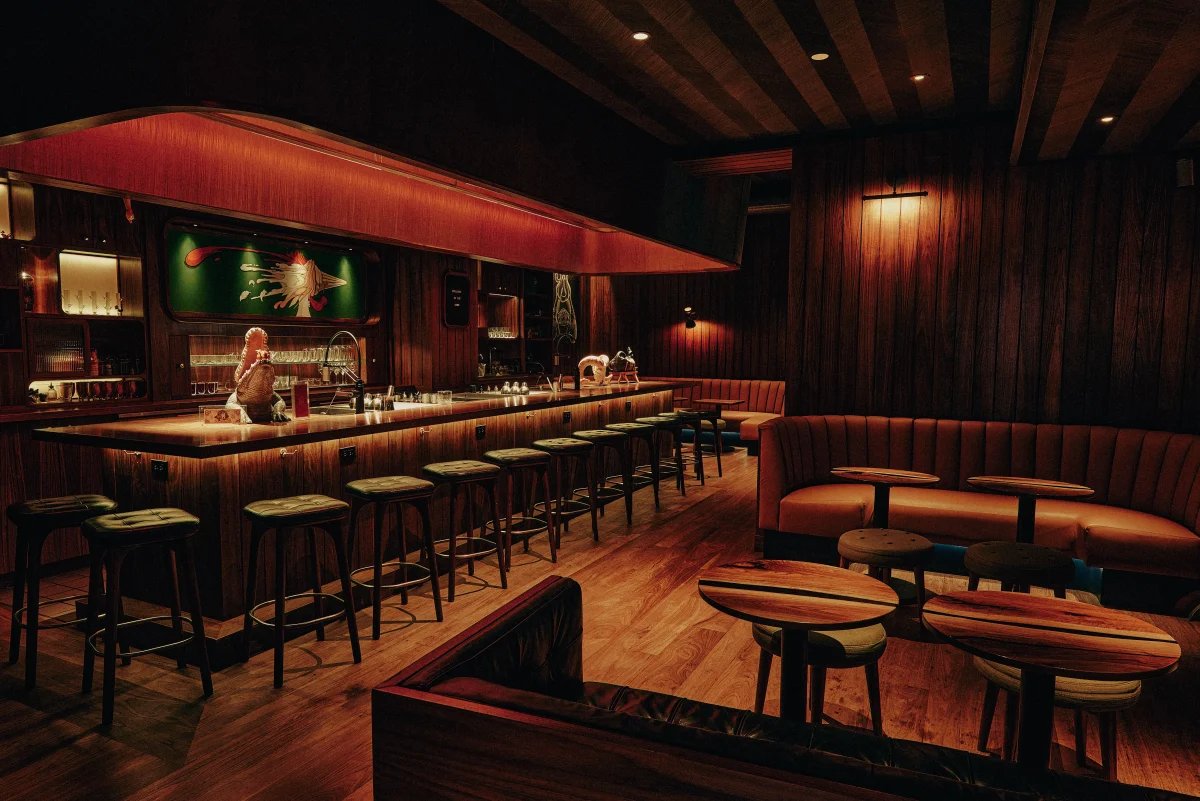
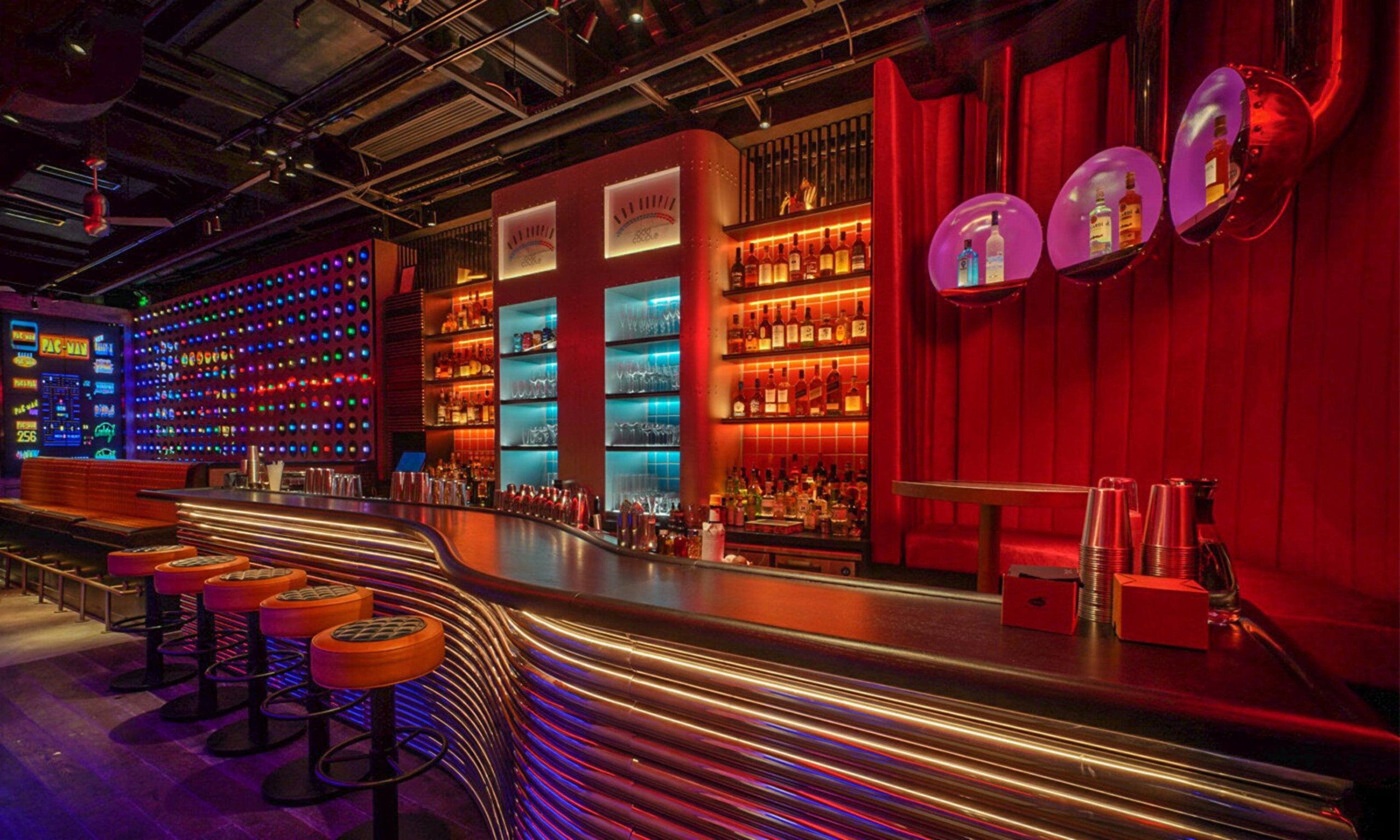
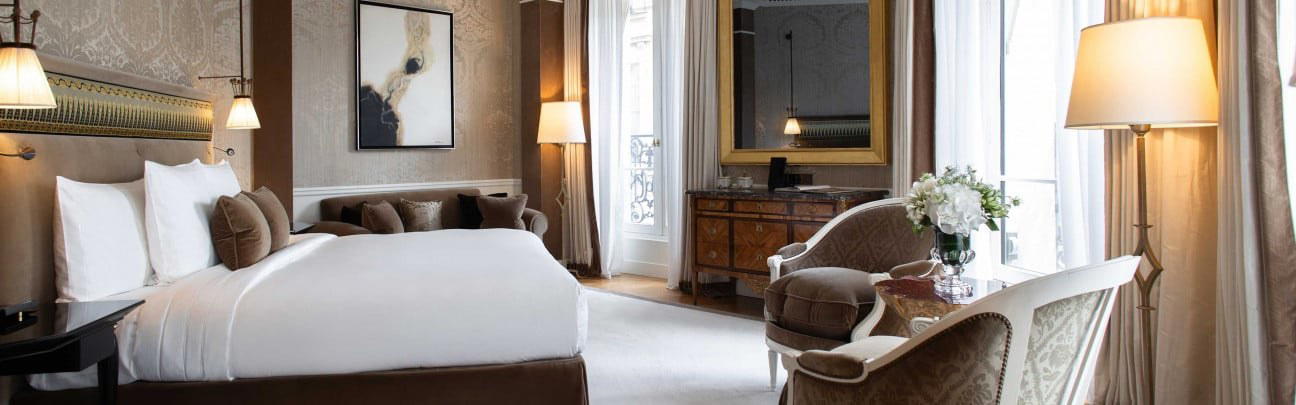
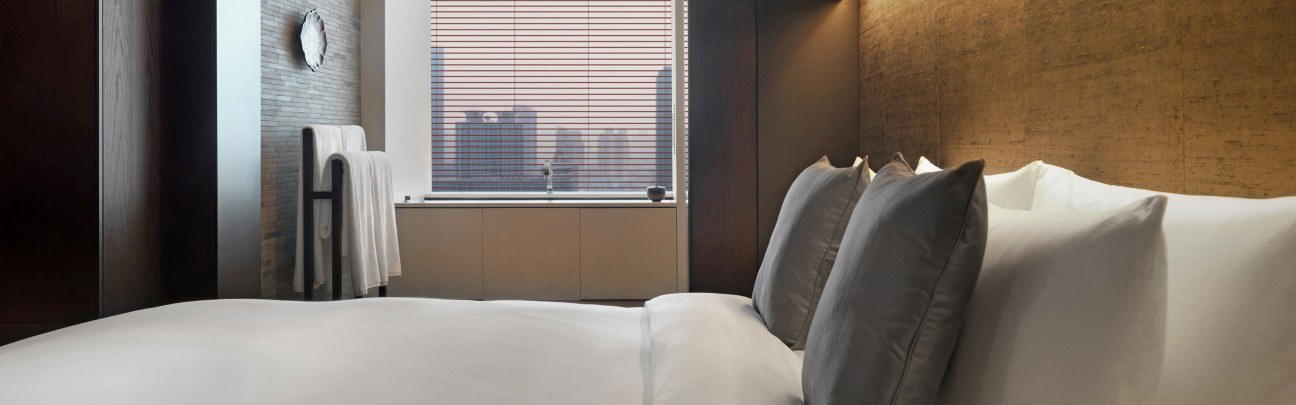
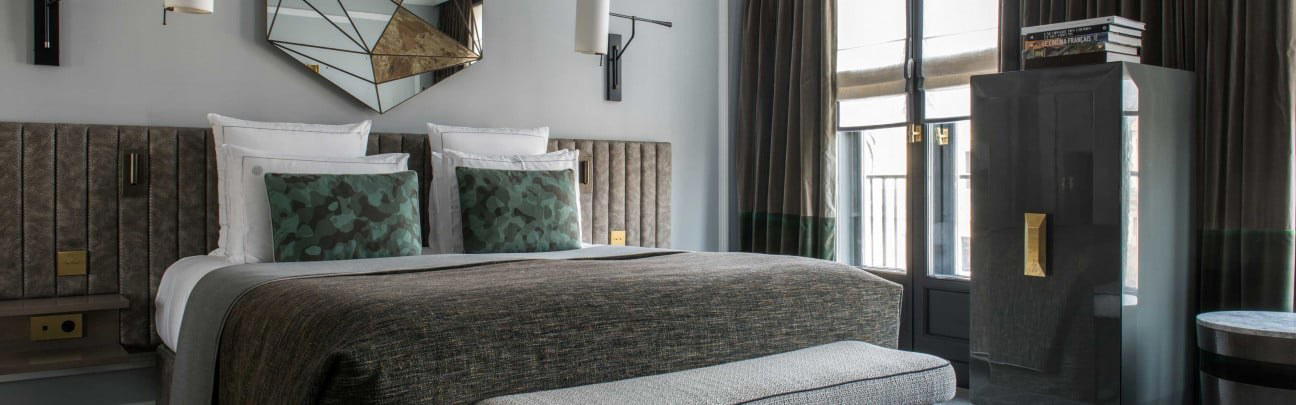
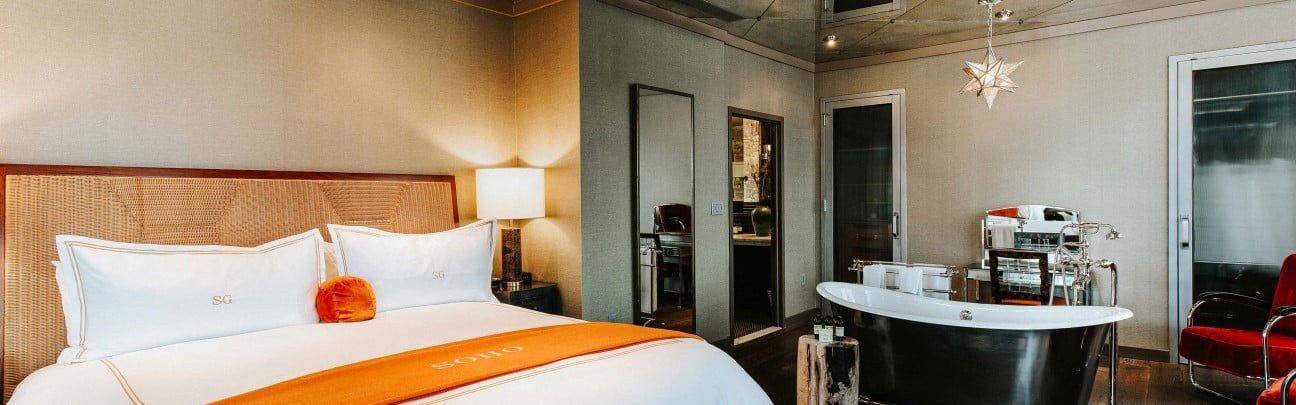
Stylish and layered with light, featuring dimmable lighting, weave-textured walls, vintage crystal sconces, and a vibrant yet comfortable atmosphere praised for quiet, comfortable rooms amid lively surroundings.
Tags
Vibe
Best For
Experience
Amenities
View
Accessibility
About the Stay
- Rooms
- 347
- Check-in
- 15:00
- Check-out
- 11:00
- Property Type
- Boutique hotel
- Property Style
- Luxury Boutique Lifestyle Hotel
- Design Style
- Modern with Industrial Touches, Custom Furnishings, and 1970s Inspired Elements
- Pets
- Allowed
Know before you go
Know Before You Go
- Getting there
- 310 W Broadway
Planning details
Location
Recognition and awards

Also consider
Where to look if this is not the fit
Choose Arlo SoHo if the goal is a lower-friction SoHo stay with tighter value. Choose Hotel Barrière Fouquet's New York if the budget allows a more formal Tribeca stay with a stronger luxury signal.
Hotel context
How it compares with nearby SoHo and Tribeca hotels
Soho Grand Hotel is the safer downtown choice if service presence and an established hotel feel matter more than chasing a newer look. ModernHaus SoHo is the better fit for design-led travelers, while The Roxy Hotel New York makes more sense for guests who want their hotel to double as a nightlife anchor.
For value, Arlo SoHo is the leaner cross-shop, especially if room size and full-service polish matter less than price discipline. The Dominick pushes more luxury, so choose it when a more polished stay is worth the jump. Hotel Barrière Fouquet's New York is the formal Tribeca alternative for travelers who want a higher-touch, more European-feeling stay.
Booking difficulty is not the main obstacle here, which helps the value case. If the trip is built around downtown access and a staffed hotel environment, start here; if the trip is built around a scene, design statement, or luxury splurge, the peers above sort the decision quickly.
Explore New York City
Around this place
Discover more on Pearl
Unlock the full Soho Grand Hotel guide in Pearl, including awards, comparisons, FAQs, planning details, and nearby places.
Compare Soho Grand Hotel
| Venue | Location | Awards |
|---|---|---|
| Soho Grand Hotel | New York City | 2026 Virtuoso Luxury Hotel Collection2026 Mr & Mrs Smith Luxury Hotels2025 Michelin Selected Hotels |
| ModernHaus SoHo | New York City | 2025 Michelin Selected HotelsPreferred Hotels Member 2025 |
| The Roxy Hotel New York | New York City | No published awards |
| The Dominick | New York City | 2026 Forbes 4-Star2026 Virtuoso Luxury Hotel Collection2026 La Liste Top Hotels2025 Michelin Selected Hotels2025 Forbes 4-Star2025 AAA 5 Diamond HotelPreferred Hotels Member 2025 |
| Arlo SoHo | New York City | No published awards |
| Hotel Barrière Fouquet's New York | New York City | 100 Most Incredible Hotels in the World · 20262026 Virtuoso Luxury Hotel Collection2026 Michelin 2 Keys2025 Michelin 2 Keys2024 Michelin 2 Keys |







How Soho Grand Hotel compares with similar nearby venues.
FAQ
Frequently Asked Questions
How does Soho Grand Hotel compare to nearby hotels?
Soho Grand Hotel has recognition including Mr & Mrs Smith Seal of Approval (2026), Virtuoso Luxury Hotel Partner (2026), and MICHELIN Guide, Hotels Selected (2025). If you are comparing New York City hotel options, also look at ModernHaus SoHo, Arlo SoHo, The Dominick, The Roxy Hotel New York, and Hotel Barrière Fouquet's New York.
How is the pool and spa at Soho Grand Hotel?
Information on pool or spa facilities is not available. If those facilities matter, check Soho Grand Hotel's official channels before booking and compare with other New York City hotels based on available amenities.
How is the dining at Soho Grand Hotel?
Details on a specific dining program, cuisine, menu, bar, or service format at Soho Grand Hotel are not available. If dining is important to the stay, confirm current options directly with the hotel and use New York City dining guides for broader planning.
What is check-in like at Soho Grand Hotel?
Specific details regarding the check-in process or arrival experience are not available. Confirm timing, identification requirements, deposits, and any booking conditions directly with Soho Grand Hotel before arrival.
How is the location of Soho Grand Hotel?
Soho Grand Hotel is in New York City. A street address or more specific location details are not provided, so confirm the exact arrival point through the hotel's official channels.
Which room category is best at Soho Grand Hotel?
Specific room categories are not provided. Choose based on the current room descriptions, size, bedding, and amenities provided by Soho Grand Hotel at the time of booking.
Is Soho Grand Hotel family-friendly?
Family-specific amenities or policies are not available. If you are traveling with children, confirm bedding, occupancy, accessibility, and any relevant services directly with Soho Grand Hotel before booking.