

Smyth Tribeca
Tribeca-Civic Center, New York City
Hotel in New York City, United States
 Book with Pearl
The Read
Film-Era Tribeca Minimalism
Why go
A practical downtown pick for travelers who need Tribeca, City Hall, or Financial District access more than a Midtown address. The appeal is location and restraint: better for business trips and work-plus-weekend stays than for guests seeking a large luxury-hotel ecosystem. Recognition includes Preferred Hotels Member and Forbes Recommended status for 2025.
About Smyth Tribeca
Smyth Tribeca is a New York City hotel with Preferred Hotels Member (2025) and Forbes Recommended (2025) recognition. For specific details such as room categories, dining program, service style, amenities, and exact location, confirm those directly.
The practical decision is whether Smyth Tribeca fits the kind of New York City stay you are planning. If you want a hotel with recognition and a smart casual standard, it is worth considering. If your choice depends on particular amenities, room layouts, restaurant offerings, or transportation details, confirm those directly before booking.
A New York City hotel with recognition
Smyth Tribeca is in New York City, has a smart casual dress code, and carries Preferred Hotels Member (2025) and Forbes Recommended (2025) recognition. These points support its place in a premium hotel search.
For a complete picture, travelers should confirm details directly with the hotel. Dining, bar options, meeting facilities, spa services, room sizes, and other operational details require direct confirmation. Consider Smyth Tribeca as a candidate to compare carefully, confirming the full experience directly with the hotel.
Who should book it, and who should cross-shop
Book it if the recognition, New York City setting, and smart casual positioning match what you need. Cross-shop if you are deciding based on a specific service level, design style, room category, or on-property experience. Four Seasons Hotel New York Downtown, The Frederick Hotel, Warren Street Hotel, The Beekman, and Gansevoort Meatpacking are natural comparison points for a New York City hotel search.
For a broader search, use New York City hotels guide. If the stay needs restaurant planning, pair it with New York City restaurants guide; for after-work drinks, check New York City bars guide.
Planning details
- Location
- 85 W Broadway, New York, NY 10007
- Website
- smythtribeca.com
- Phone
- +1 917-997-2700
The take
The Take
The Vibe
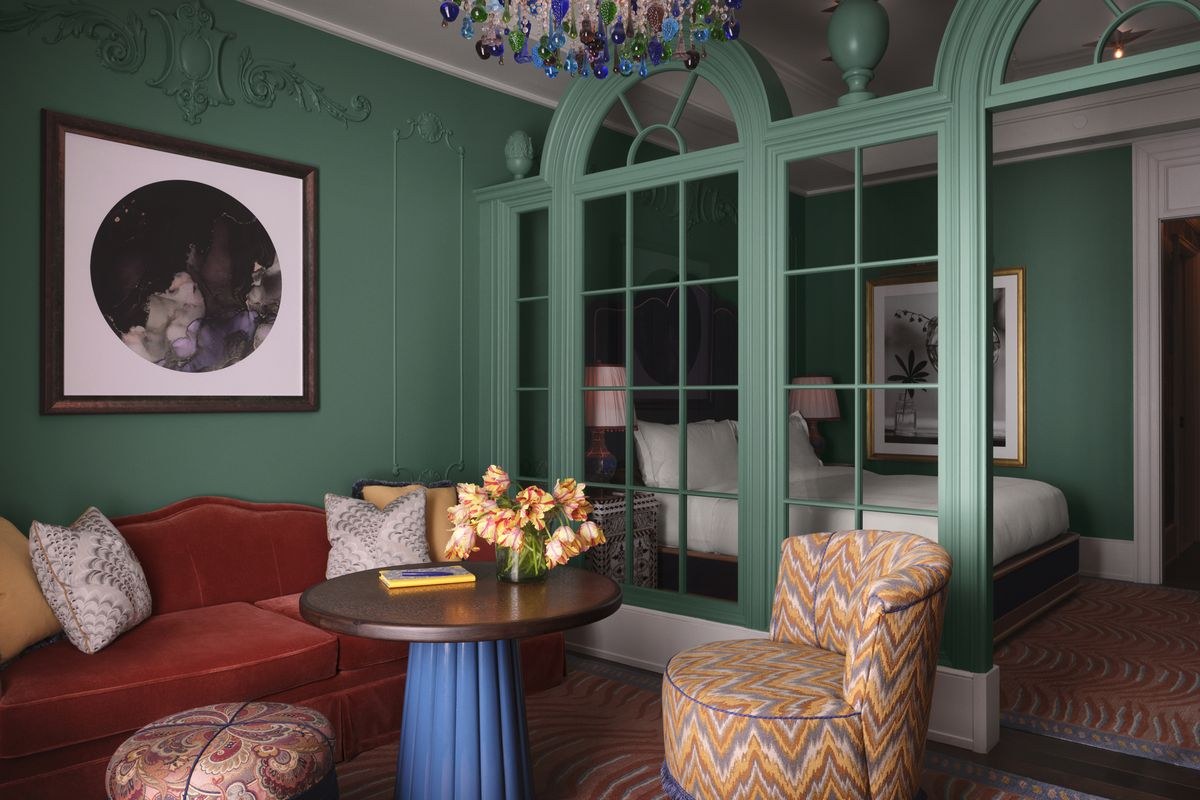
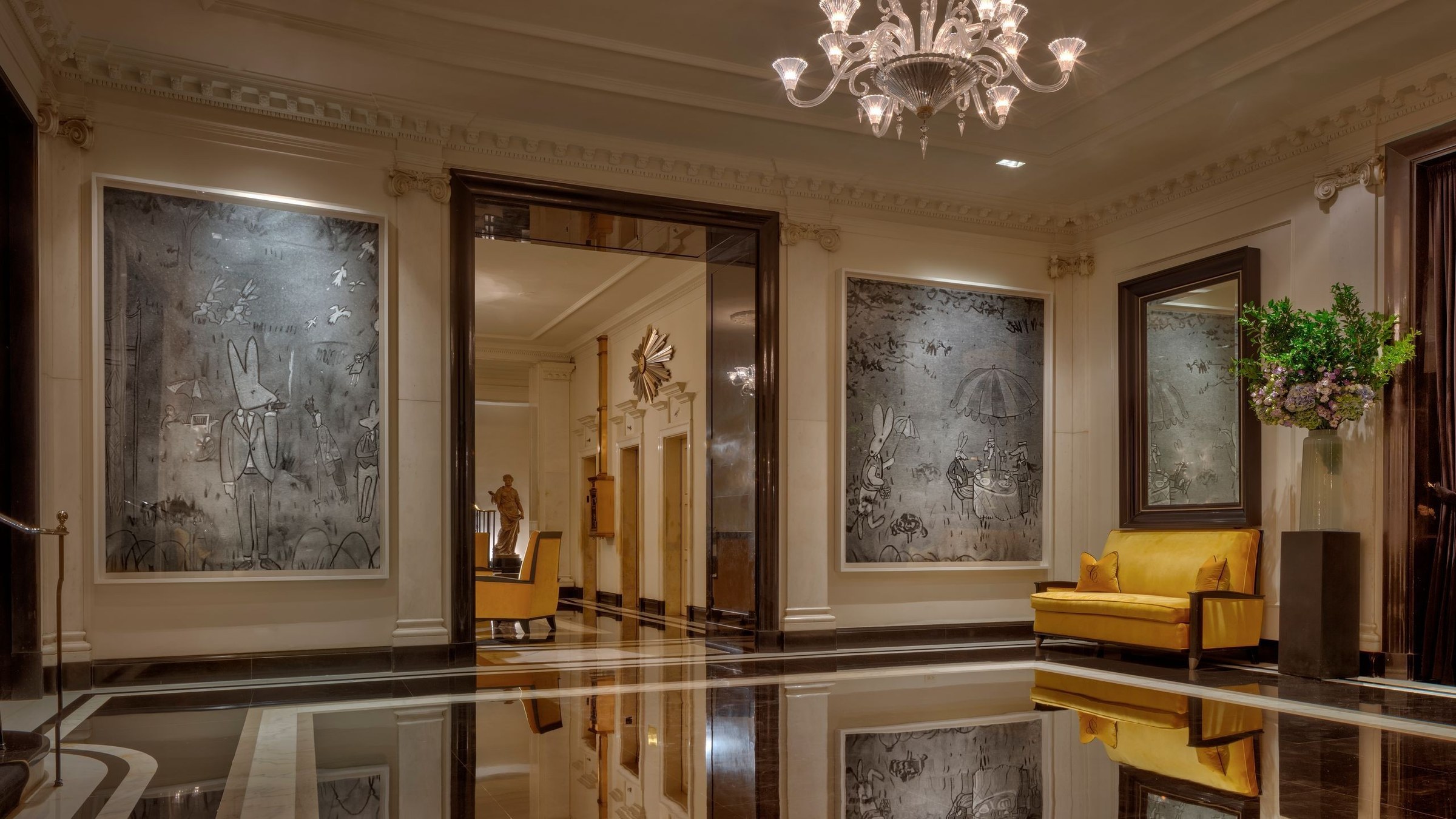
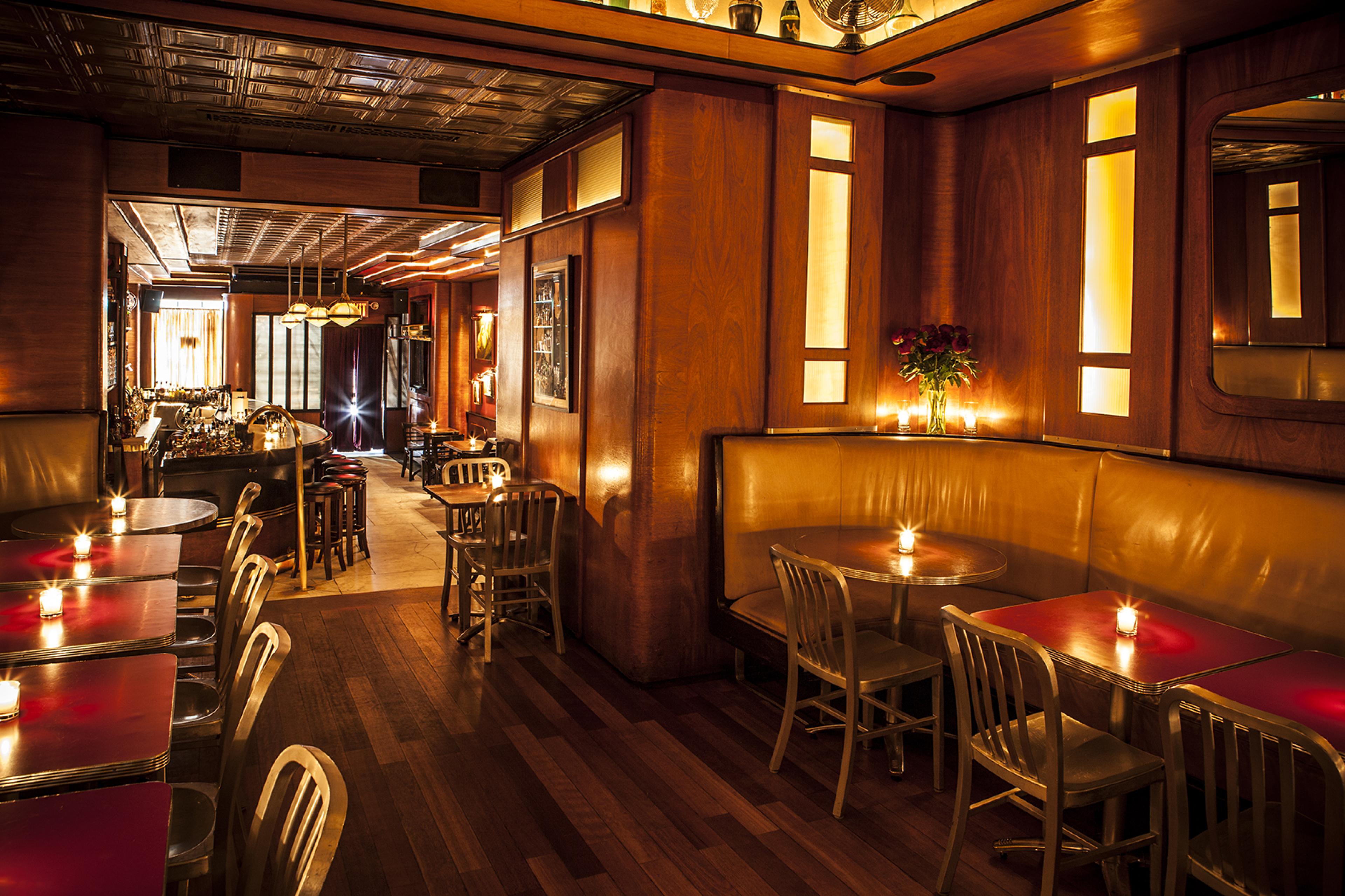
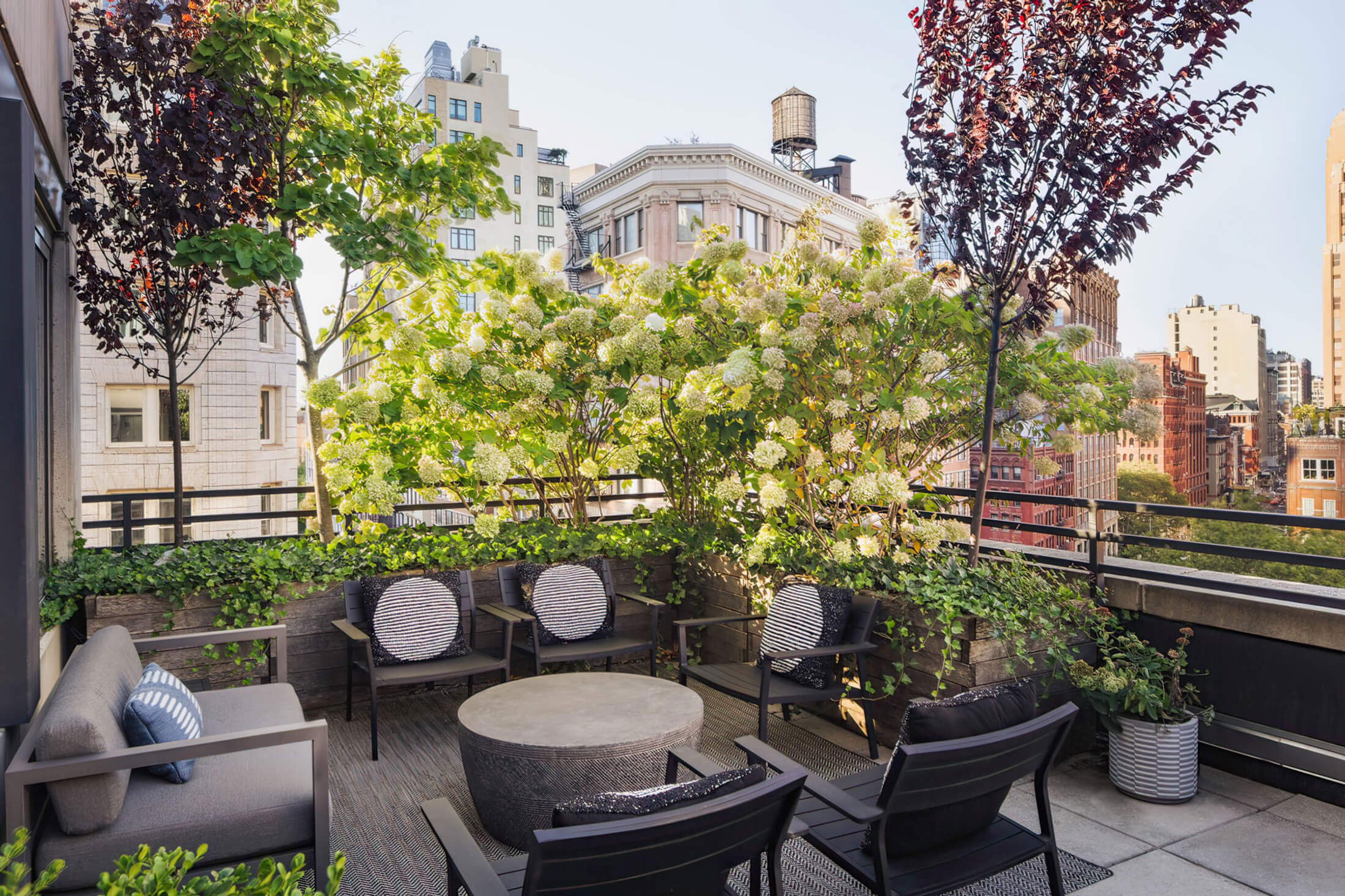
Smyth Tribeca reads like a boutique downtown home: restrained, residential and quietly confident. The hotel leans on archival New York references and cast-iron neighborhood architecture rather than overt spectacle, so rooms and common areas feel considered rather than theatrical. Wood paneling and a genuine lounge fireplace give public spaces a cozy, lived-in warmth, while a modest 100-room scale keeps the experience intimate. It’s a place that privileges neighborhood immersion and comfortable design over glossy, attention-grabbing luxury.
Best For
Smyth Tribeca is best for travelers who prize neighborhood character and a quieter, residential hotel experience. The restrained design and modest scale suit couples seeking an intimate city stay, business travelers who prefer boutique hospitality over chain amenities, and visitors planning longer stays who want comfortable common spaces that feel like a home base. The property’s emphasis on considered comfort and local context also makes it a sensible pick for anyone wanting to explore Tribeca and lower Manhattan on foot.
Stay Tips
Make time to use the ground-floor lounge: the fireplace and wood-paneled common areas are central to the hotel’s character and are meant to be lingered in. Treat the property as a neighborhood base—plan to step out and explore Tribeca’s streetscapes and cast-iron architecture, which the hotel’s design intentionally reflects. Because the hotel leans toward a restrained, residential feel rather than formal spectacle, arrive prepared for an understated, design-focused stay rather than a high-drama luxury moment.
Venue details
Ambiance
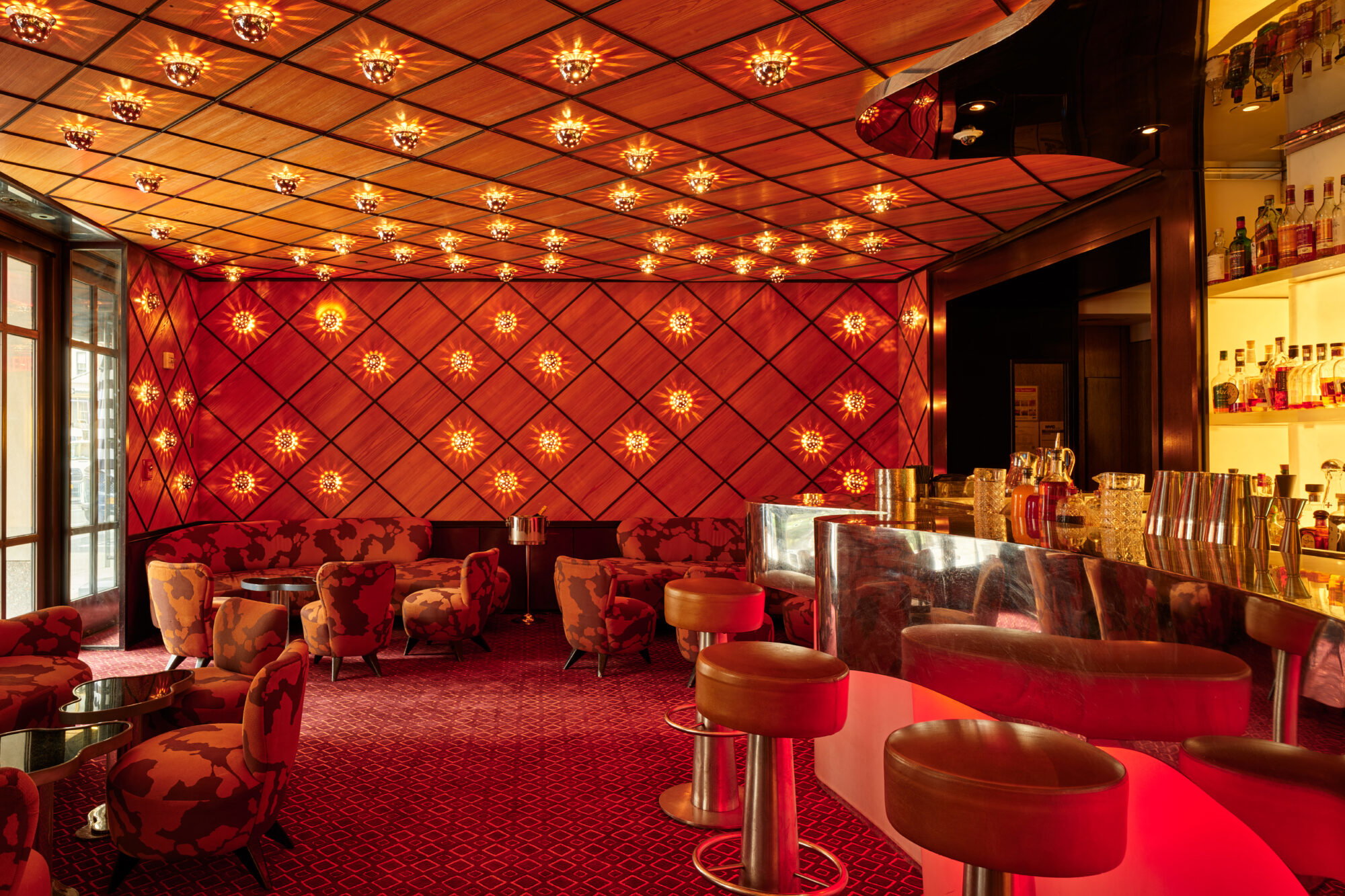
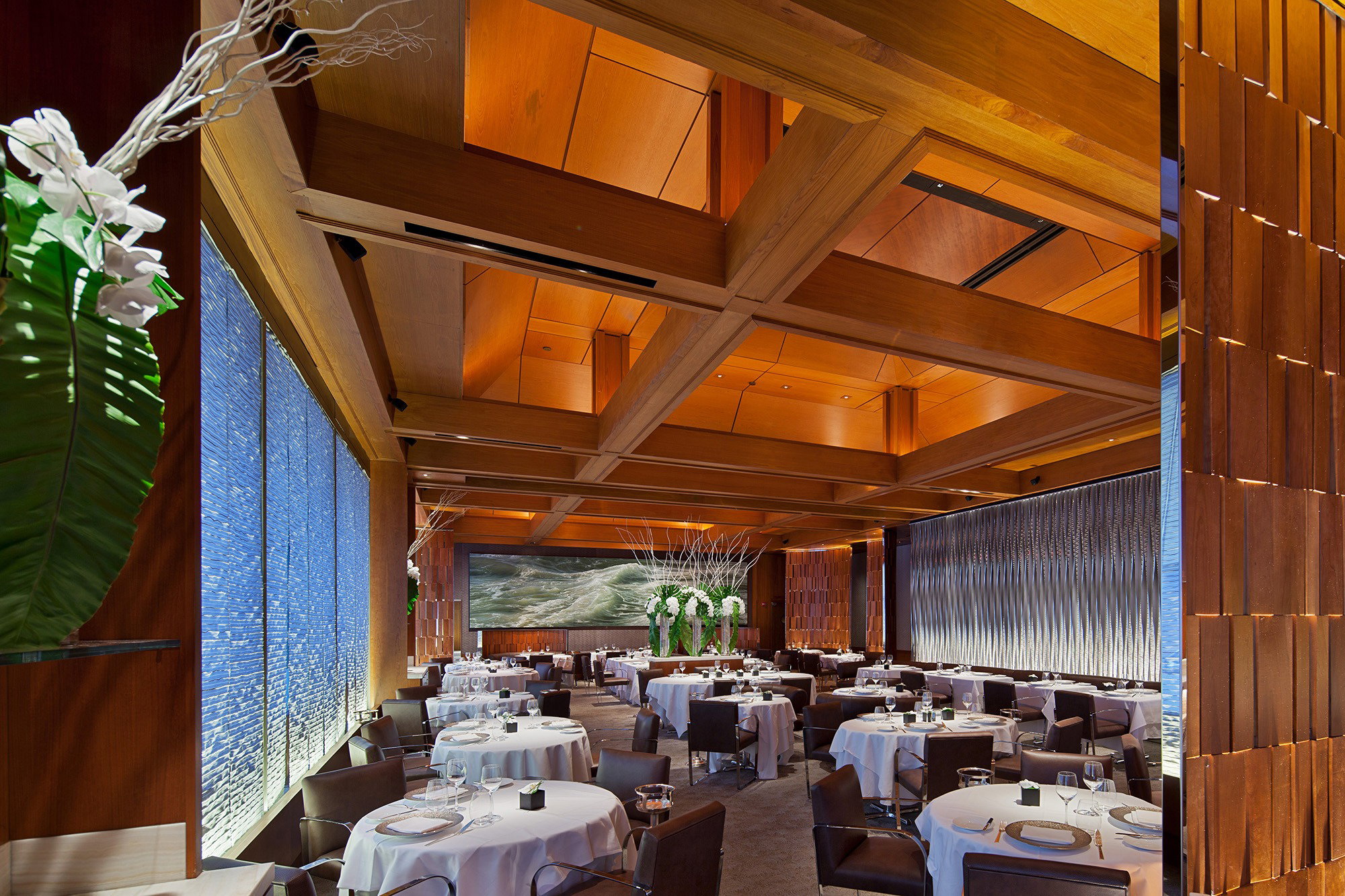
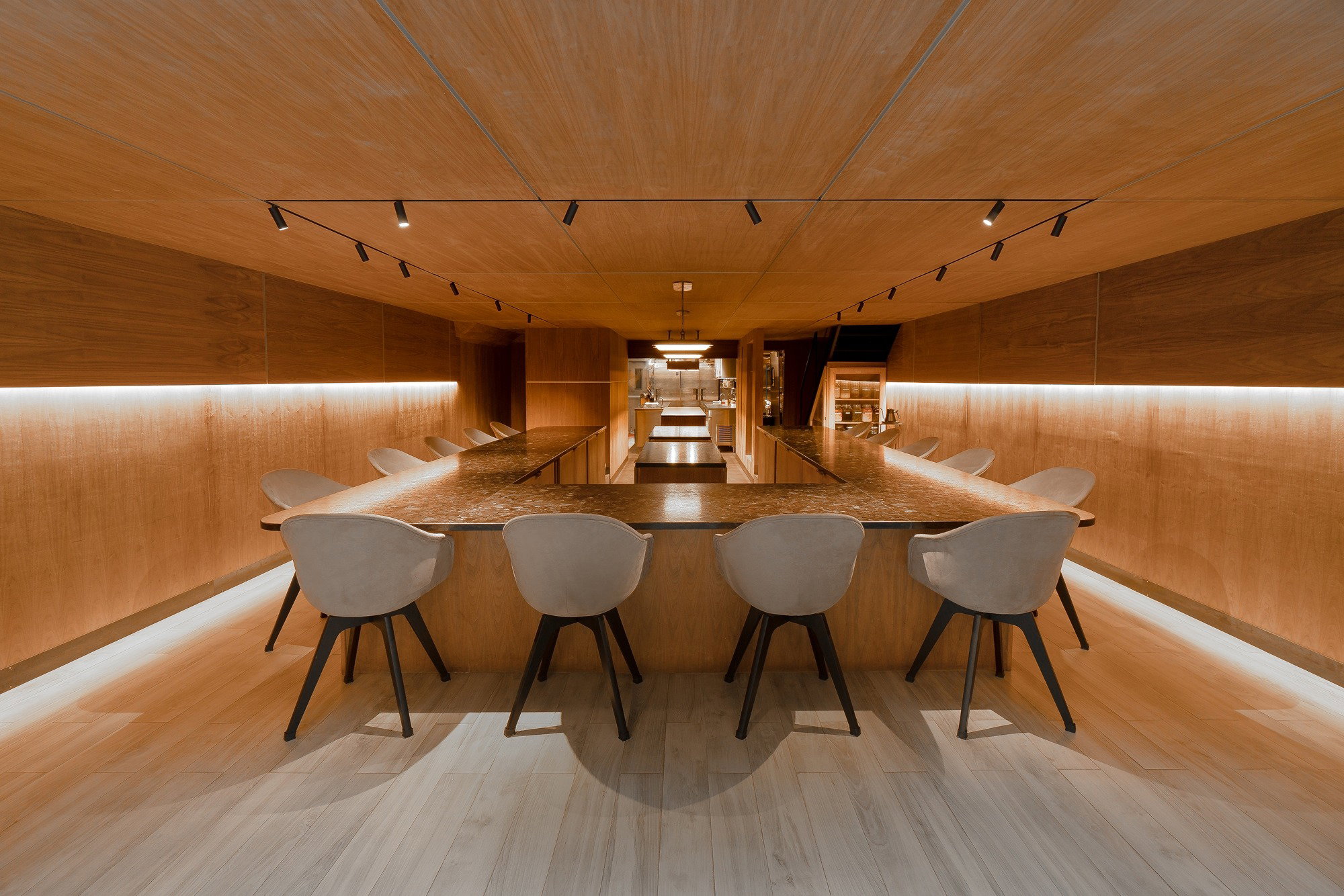
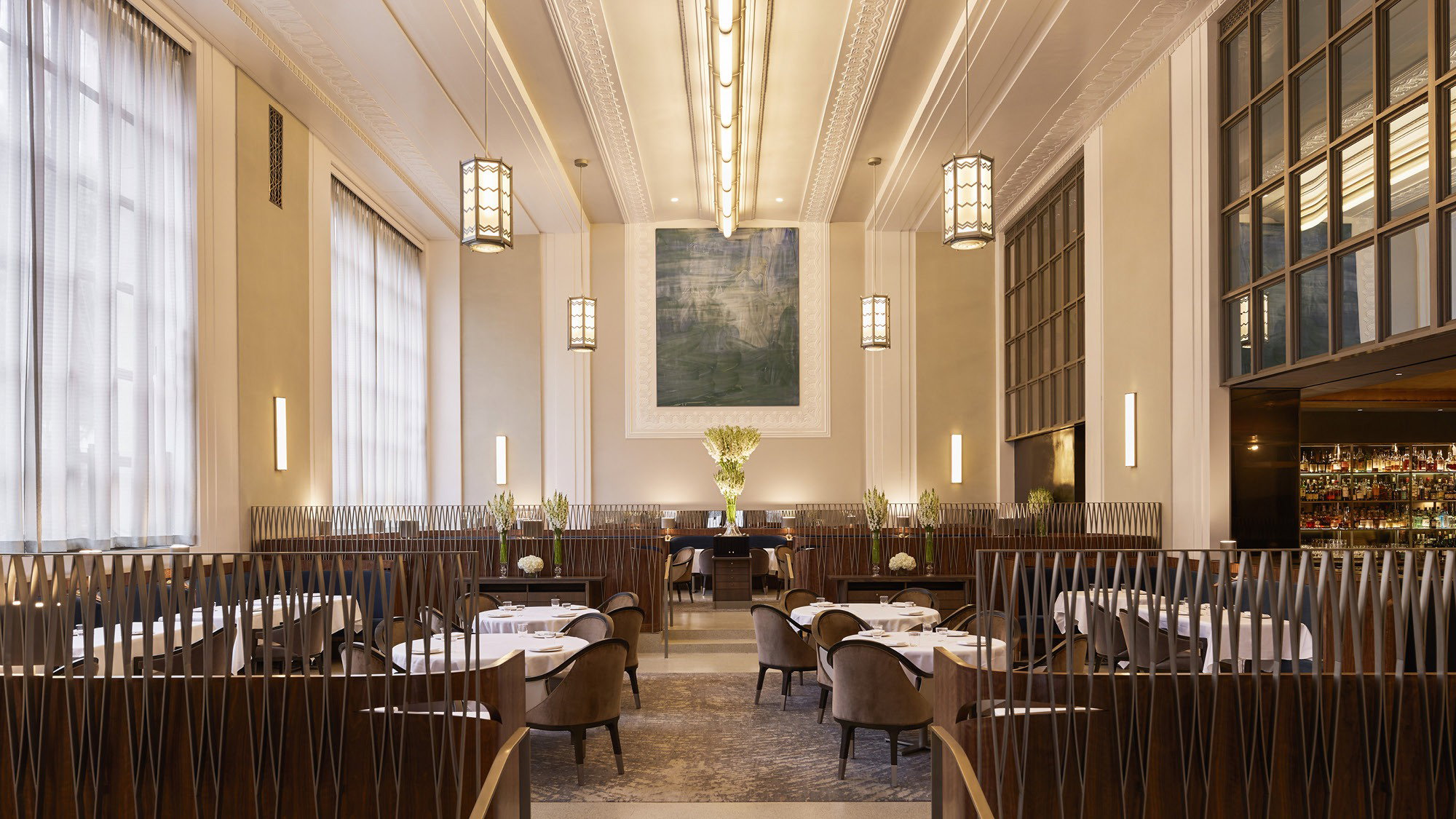
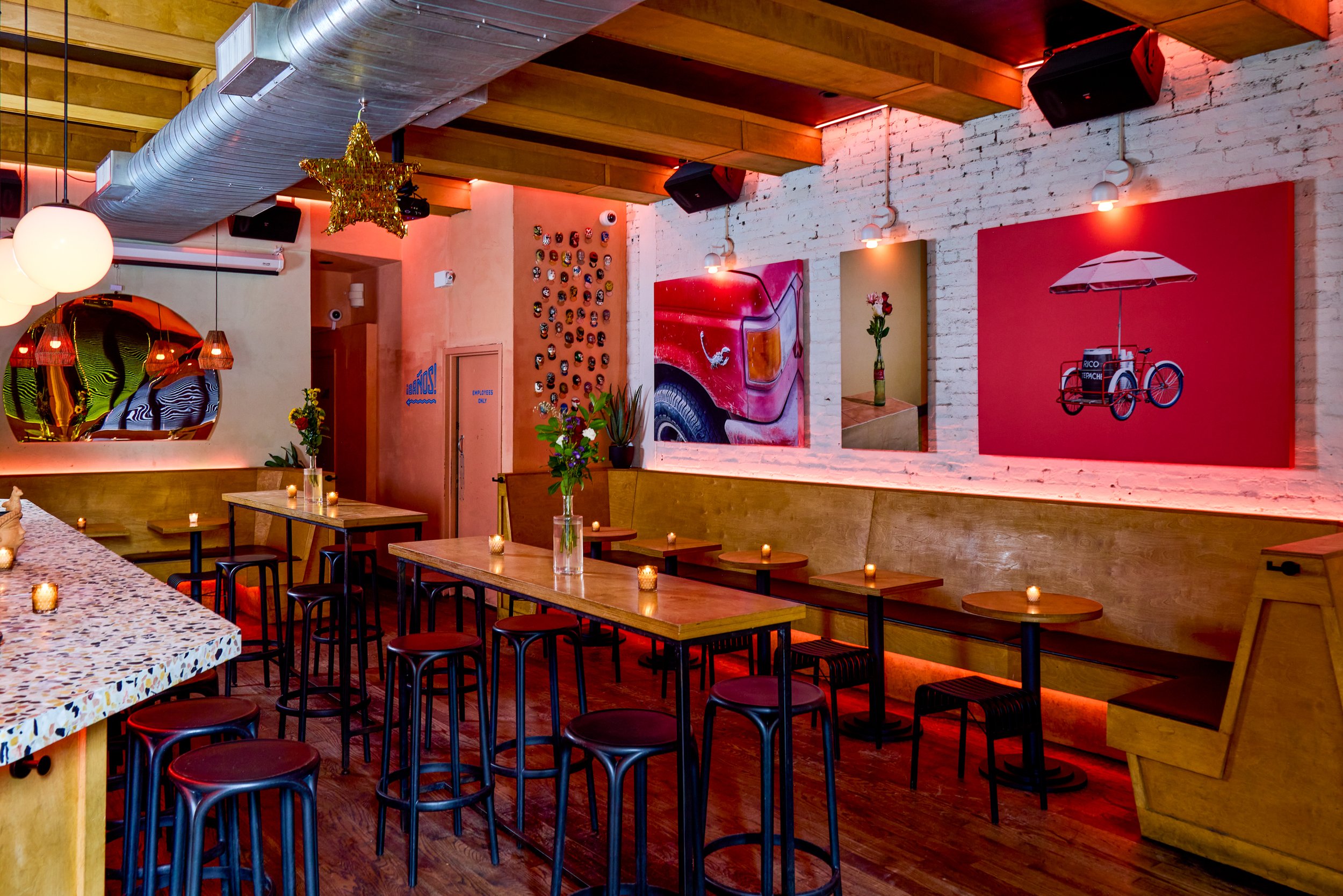
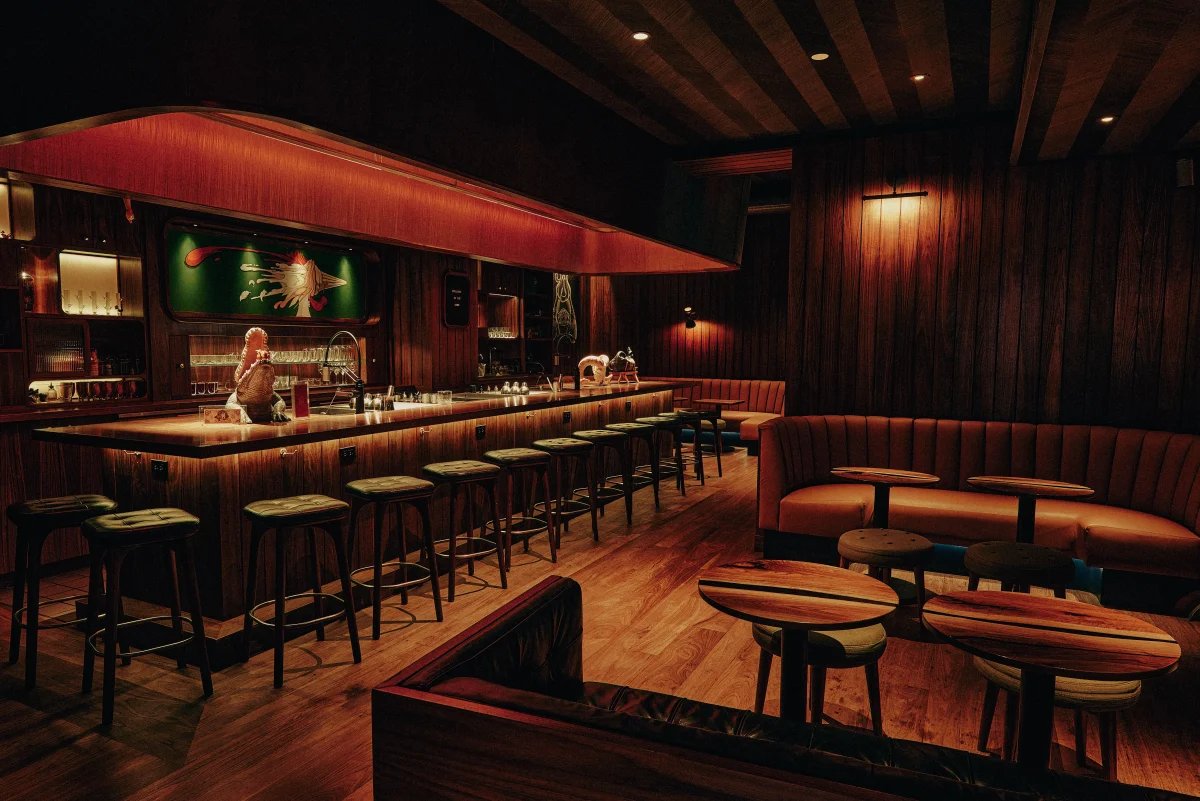
Warm and inviting with wood-paneled lobby, glowing bar, cozy fireplace nooks, and modern eclectic design reflecting Tribeca's artistic character; described as sophisticated yet residential in feel.
Tags
Vibe
Best For
Experience
Amenities
View
Accessibility
About the Stay
- Rooms
- 100
- Check-in
- 15:00
- Check-out
- 11:00
- Property Style
- Mid Century Modern Manhattan Loft Aesthetic with Residential Feel, Eclectic Tribeca Inspired Design Showcasing Timeless Sophistication and Artistic Character.
- Design Style
- Contemporary Eclectic with Curated Mid Century Modern Elements, Floor to Ceiling Windows, Marble Accents, Natural Tones, and Artistic Expression Reflecting the Neighborhood's Creative Heritage.
Know before you go
Know Before You Go
- Getting there
- 85 W Broadway, New York, NY 10007
Planning details
Location
Recognition and awards

Also consider
Also Consider
- The Frederick Hotel, Notable alternative
- Warren Street Hotel, Notable alternative
- Four Seasons Hotel New York Downtown, Notable alternative
- Gansevoort Meatpacking, Notable alternative
- The Beekman, Notable alternative
Hotel context
How it compares with nearby downtown hotels
Smyth Tribeca is the safer choice for a restrained downtown business stay, while The Frederick Hotel is the sharper value play if the room is mainly a place to sleep. Pick Smyth when polish and a calmer Tribeca feel matter; pick The Frederick when budget pressure is higher and the itinerary is built around being out all day.
Four Seasons Hotel New York Downtown is the upgrade for travelers who want deeper luxury service, a more formal arrival, and a broader hotel ecosystem. Smyth is more practical for guests who do not need that level of infrastructure. Warren Street Hotel is the stronger cross-shop for design-led travelers who want more personality in the room and public spaces.
The Beekman makes more sense for guests who want a grander downtown atmosphere and a stronger sense of occasion. Gansevoort Meatpacking is the better fit when nightlife and the West Side are the plan. For a work trip centered below Canal Street, Smyth stays in the conversation because it keeps the decision simple: downtown access, less spectacle, and a booking that suits a focused New York schedule.
Explore New York City
Around this place
Discover more on Pearl
Unlock the full Smyth Tribeca guide in Pearl, including awards, comparisons, FAQs, planning details, and nearby places.
Compare Smyth Tribeca
| Venue | Location | Awards |
|---|---|---|
| Smyth Tribeca | New York City | 2025 Forbes RecommendedPreferred Hotels Member 2025 |
| The Frederick Hotel | New York City | Small Luxury Hotels Member 2025 |
| Warren Street Hotel | New York City | 2026 Design Hotels Collection2026 Mr & Mrs Smith Luxury Hotels2025 AFAR Best New Hotels2025 Michelin 2 Keys2024 Michelin 1 Key |
| Four Seasons Hotel New York Downtown | New York City | 2026 La Liste Top Hotels2025 Conde Nast Best Hotels · #122025 Forbes 5-Star2025 AAA 5 Diamond HotelFour Seasons Hotels |
| Gansevoort Meatpacking | New York City | No published awards |
| The Beekman | New York City | 2026 Virtuoso Luxury Hotel Collection2026 Forbes RecommendedStar Wine Lists 20262025 Michelin 1 Key2025 Forbes Recommended2024 Michelin 1 Key |










How Smyth Tribeca New York City Hotel compares with similar nearby venues.
FAQ
Frequently Asked Questions
How is the location of Smyth Tribeca?
Smyth Tribeca is in New York City. For more specific location details, confirm the exact address and transit fit directly before booking. Four Seasons Hotel New York Downtown is another New York City hotel to compare if location is central to the decision.
What is check-in like at Smyth Tribeca?
For specific check-in details and arrival experience, confirm current procedures directly with the hotel. Smyth Tribeca carries Forbes Recommended (2025), Preferred Hotels Member (2025), and a smart casual dress code. If arrival experience is a major factor, compare Smyth Tribeca with The Beekman or Four Seasons Hotel New York Downtown.
Is Smyth Tribeca good for business travel?
Smyth Tribeca may be worth considering for a New York City business stay, but specific business amenities should be confirmed directly. It offers a New York City setting, smart casual dress code, Preferred Hotels Member (2025) status, and Forbes Recommended (2025) recognition. Warren Street Hotel, The Frederick Hotel, and other New York City options may also be useful comparisons depending on your preferences.
Which room category is best at Smyth Tribeca?
For room-category details, the safest approach is to choose based on the current options shown by the hotel or booking channel. If room size, layout, or workspace matters, confirm those details directly before reserving. Four Seasons Hotel New York Downtown is another New York City hotel to compare.
How is the dining at Smyth Tribeca?
For specific dining details for Smyth Tribeca, plan to confirm current on-property options directly. Use New York City dining guides if meals are an important part of the trip. The Beekman is another New York City hotel to compare.
How does Smyth Tribeca compare to other New York City hotels?
Smyth Tribeca carries Preferred Hotels Member (2025) and Forbes Recommended (2025) recognition, plus a smart casual dress code. The Frederick Hotel, Warren Street Hotel, Four Seasons Hotel New York Downtown, The Beekman, and Gansevoort Meatpacking are reasonable New York City comparison points, but specific differences in amenities, rooms, and service should be checked directly.
When is the best time to book Smyth Tribeca?
For specific booking patterns and demand periods, confirm directly. The safer move is to book once your New York City dates are fixed, especially if you need a particular room type or rate. Confirm cancellation rules, inclusions, and current availability directly before committing.