
SIXTY LES
Lower East Side, New York City
Hotel in New York City, United States
 Book with Pearl
Why go
SIXTY LES is worth booking when the Lower East Side address is central to the trip and the rate stays sensible against other downtown hotels. Its 2025 MICHELIN Guide Hotels Selected recognition adds a useful trust signal, but the decision should come down to neighborhood fit, not brand halo.
About SIXTY LES
Is SIXTY LES worth booking in New York City? It may be, if you are looking for a hotel in New York City and want a property with a strong external recognition signal. Consider SIXTY LES as a New York City hotel option, then compare the final rate and trip fit against other hotels in the city before committing.
The strongest signal is its MICHELIN Guide Hotels Selected recognition for 2025. That does not make it a guarantee for every traveler, but it is a useful filter in a crowded New York City hotel market. Treat the recognition as a confidence marker, not a reason to overpay blindly. If the nightly rate is high, compare the total cost against other New York City hotels that better match the purpose of the trip.
Book it for a New York City stay, not on extras
The practical case is direct: SIXTY LES is a New York City hotel with MICHELIN Guide Hotels Selected recognition for 2025. Beyond that, the public details are lean, so avoid making the booking decision around assumptions about room categories, service style, amenities, or a particular neighborhood experience.
Because the available hotel details are limited, the safest way to evaluate value is by trip type. Travelers who want a New York City base should put it on the list and compare it against other New York City options. Anyone prioritizing specific amenities, loyalty benefits, room features, or a particular style of hotel should verify those details directly before booking. For broader planning, use Our full New York City hotels guide, then cross-check the trip with Our full New York City restaurants guide, Our full New York City bars guide, Our full New York City experiences guide, and Our full New York City wineries guide.
How to sanity-check the rate before committing
Compare SIXTY LES with other New York City hotels based on the final price, cancellation terms, room needs, and where you plan to spend most of your time in the city.
Do not treat this as a booking decision built on scarcity or hotel features. The smarter move is to watch the total price for your dates, check the policies carefully, and book when SIXTY LES makes sense for the itinerary. If another New York City hotel offers a better fit for the same trip, choose the cleaner match. If SIXTY LES prices well and the MICHELIN Guide Hotels Selected recognition matters to you, it becomes a reasonable option to consider.
Planning details
- Location
- 190 Allen Street, New York City, NY, USA
- Phone
- 212-460-5300
The take
The Take
The Vibe
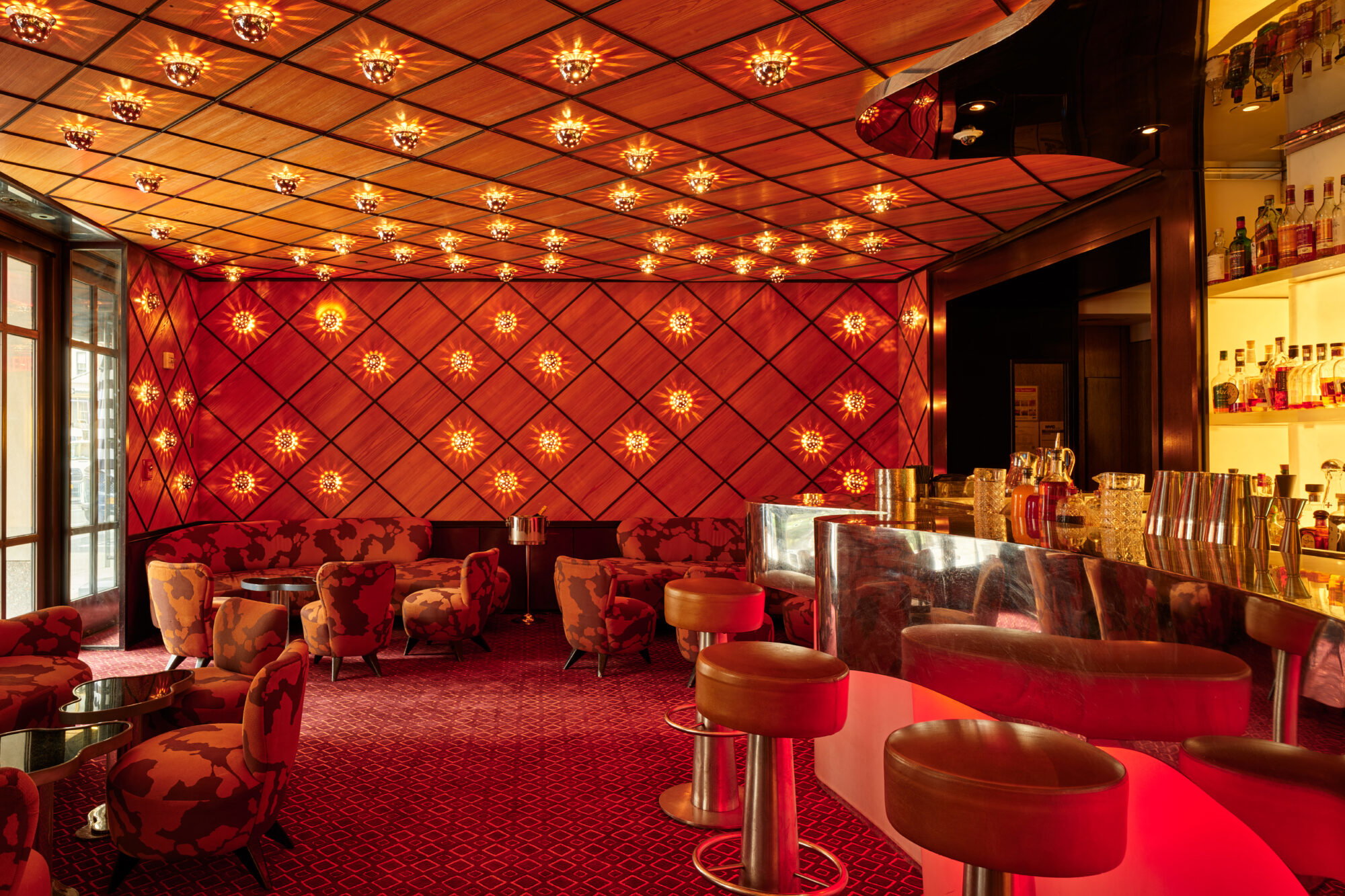
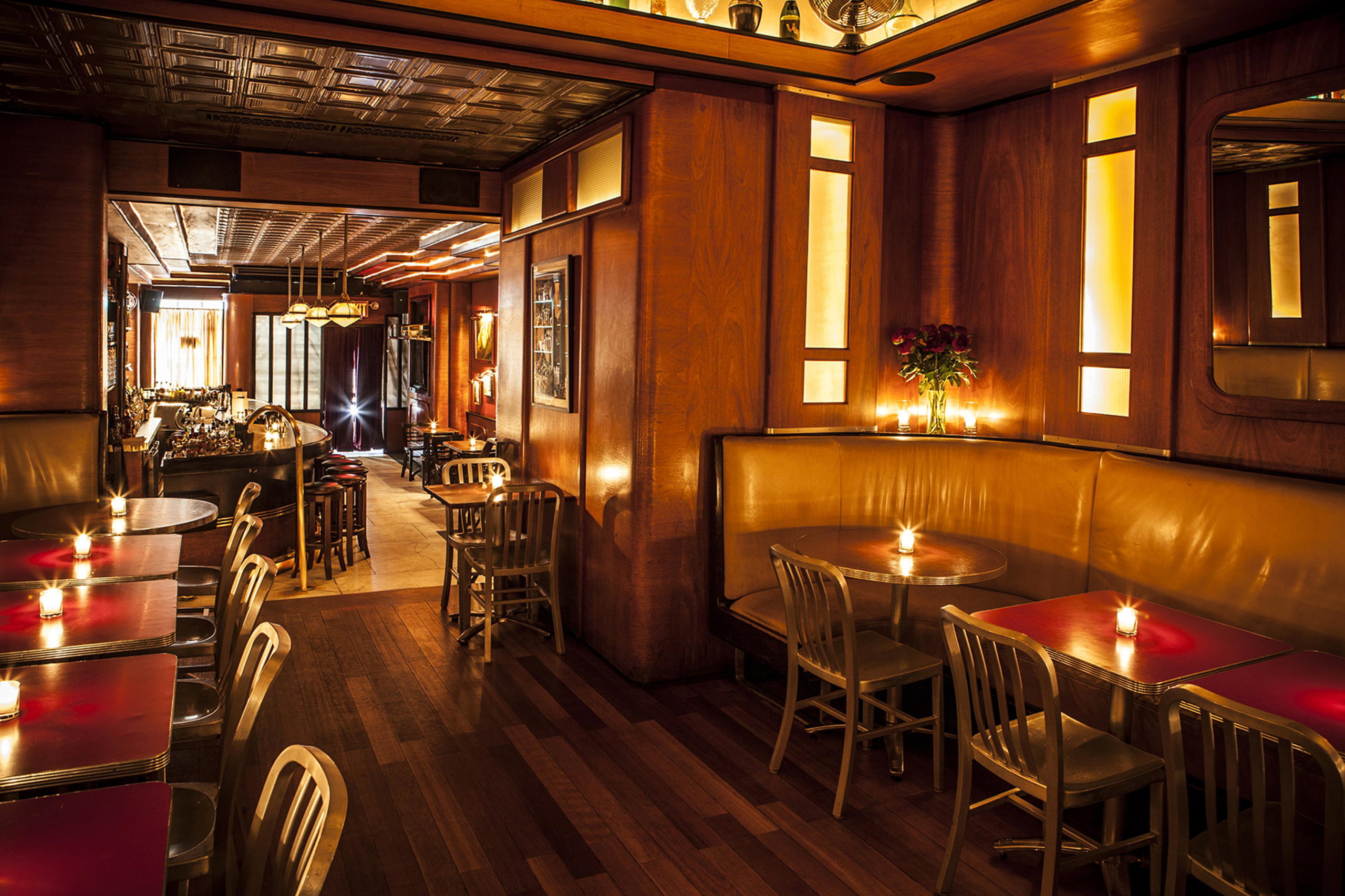
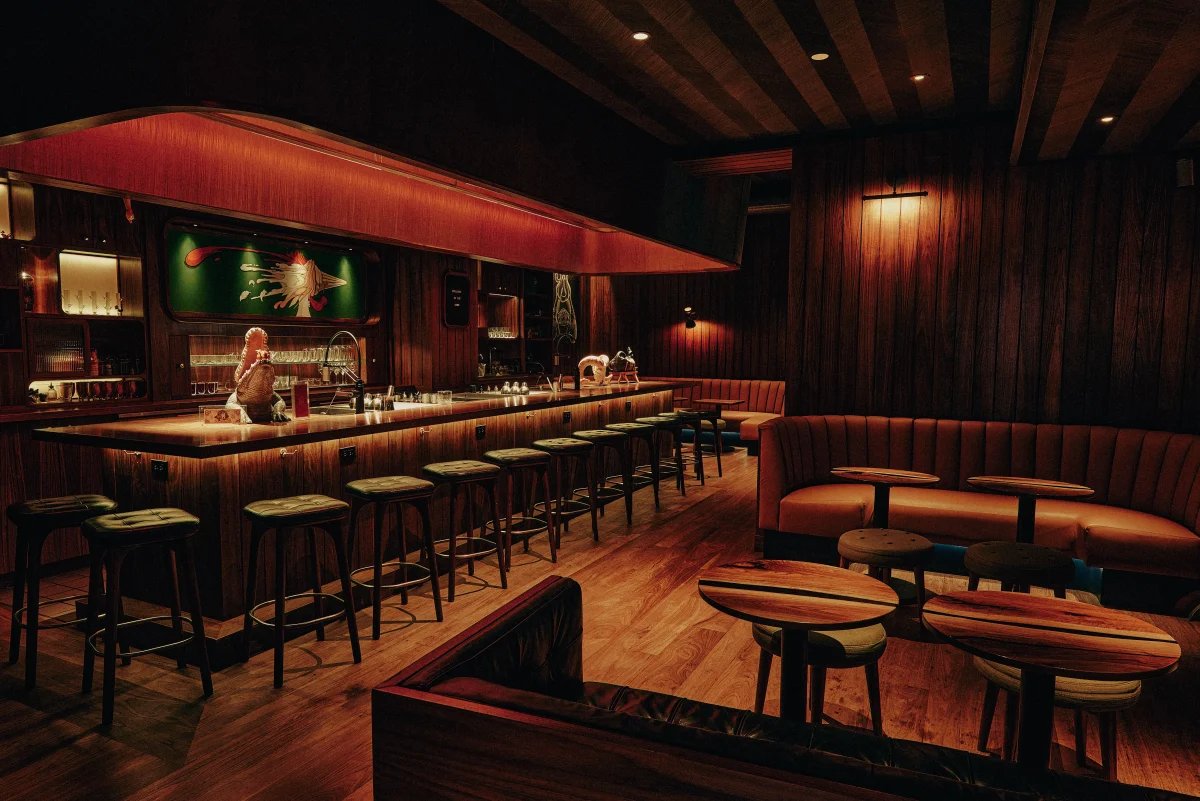
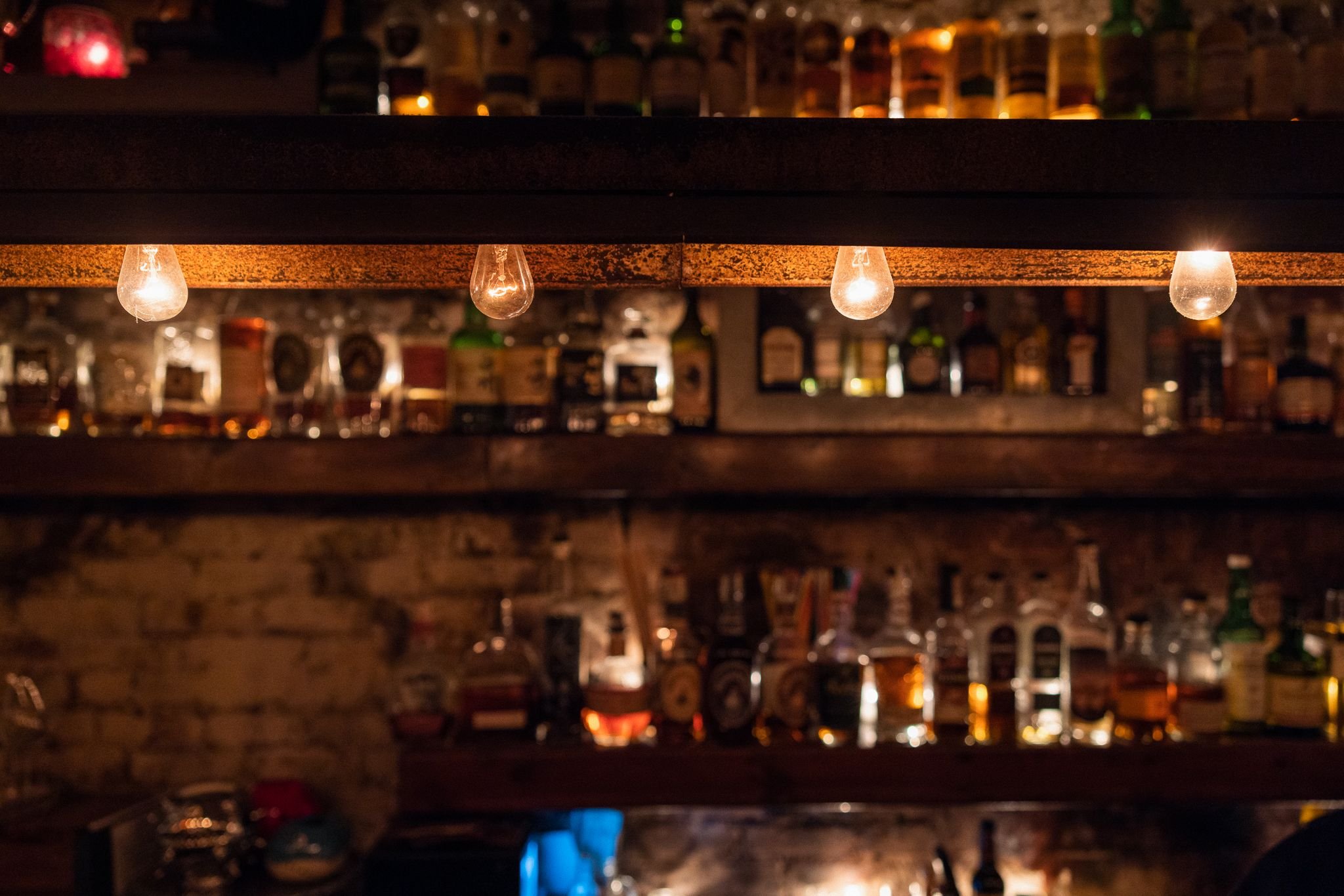
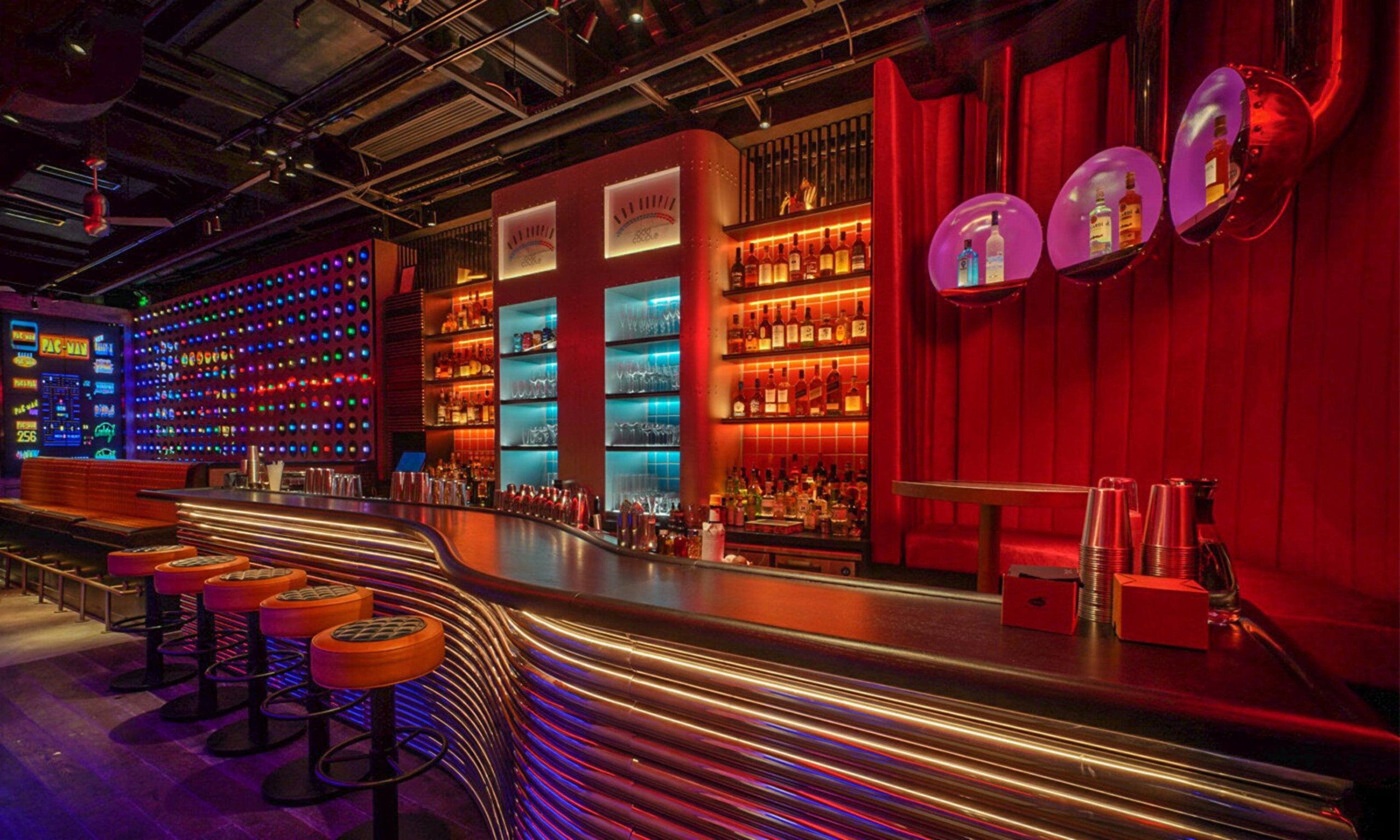
SIXTY LES reads like a deliberate downtown address that refuses polish in favor of attitude. The copy positions the building against the Lower East Side’s older tenement grid and a restless, after-dark corridor of bars and galleries, so the hotel feels intentionally calibrated to a gritty, culturally charged neighborhood. MICHELIN’s Selected designation underlines that grit with a baseline of quality—this is a property that matches the energy of its streets while delivering a consistent guest experience rather than suburban formality.
Best For
This property is best for travelers who want to be in the middle of Lower East Side life: people seeking nightlife, contemporary culture, and short urban getaways. The inclusion in MICHELIN’s Selected list makes it appealing to guests who expect dependable standards without sacrificing local edge. It suits couples on a romantic downtown break as well as weekend visitors who plan to explore nearby bars, galleries, and restaurants after dark. The hotel is less about polished uptown restraint and more about plugged-in, neighborhood-forward stays.
Stay Tips
Book with the neighborhood’s after-dark rhythm in mind: expect lively streets and late-night options nearby. Given the hotel’s MICHELIN Selected status, reserve early for peak weekend dates to secure preferred rooms. If you prefer quieter accommodations, confirm room location at booking since the property sits on a busy LES corridor. Use advance planning for nightlife and cultural outings—bars and galleries elsewhere in the description are a central part of the experience rather than onsite formal programming.
Venue details
Ambiance
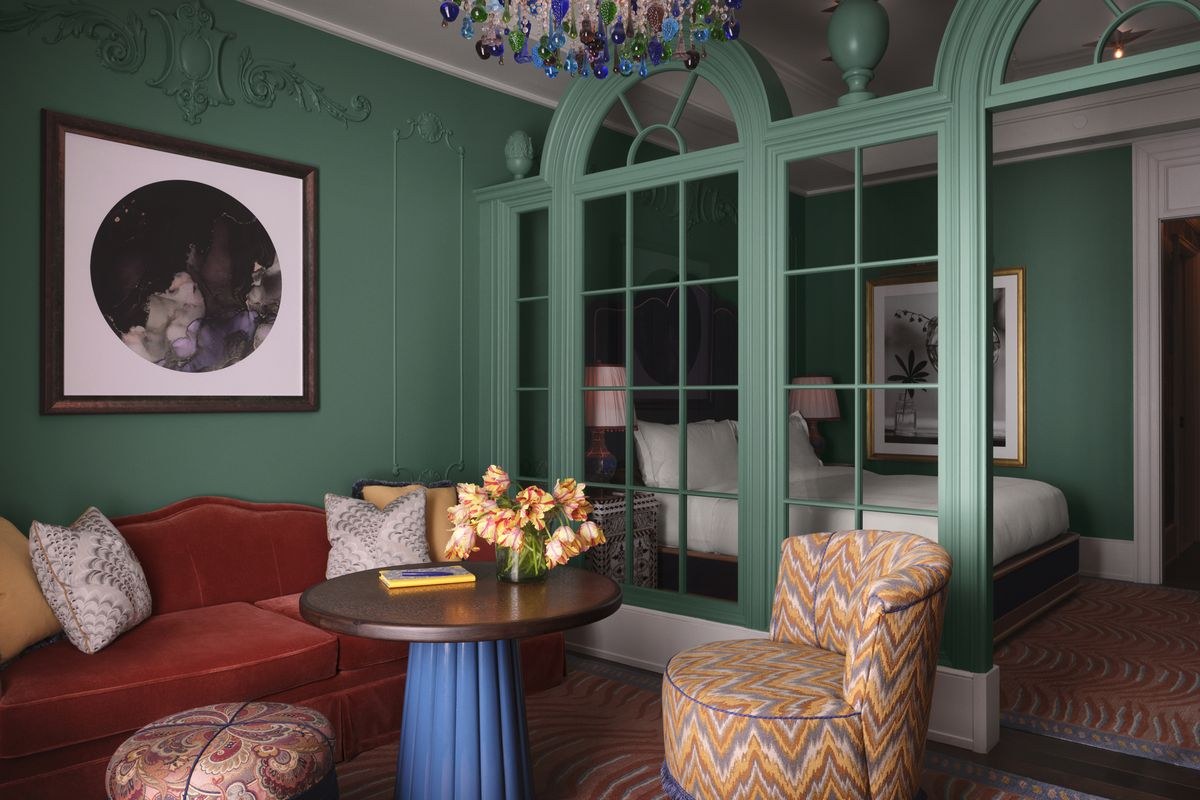
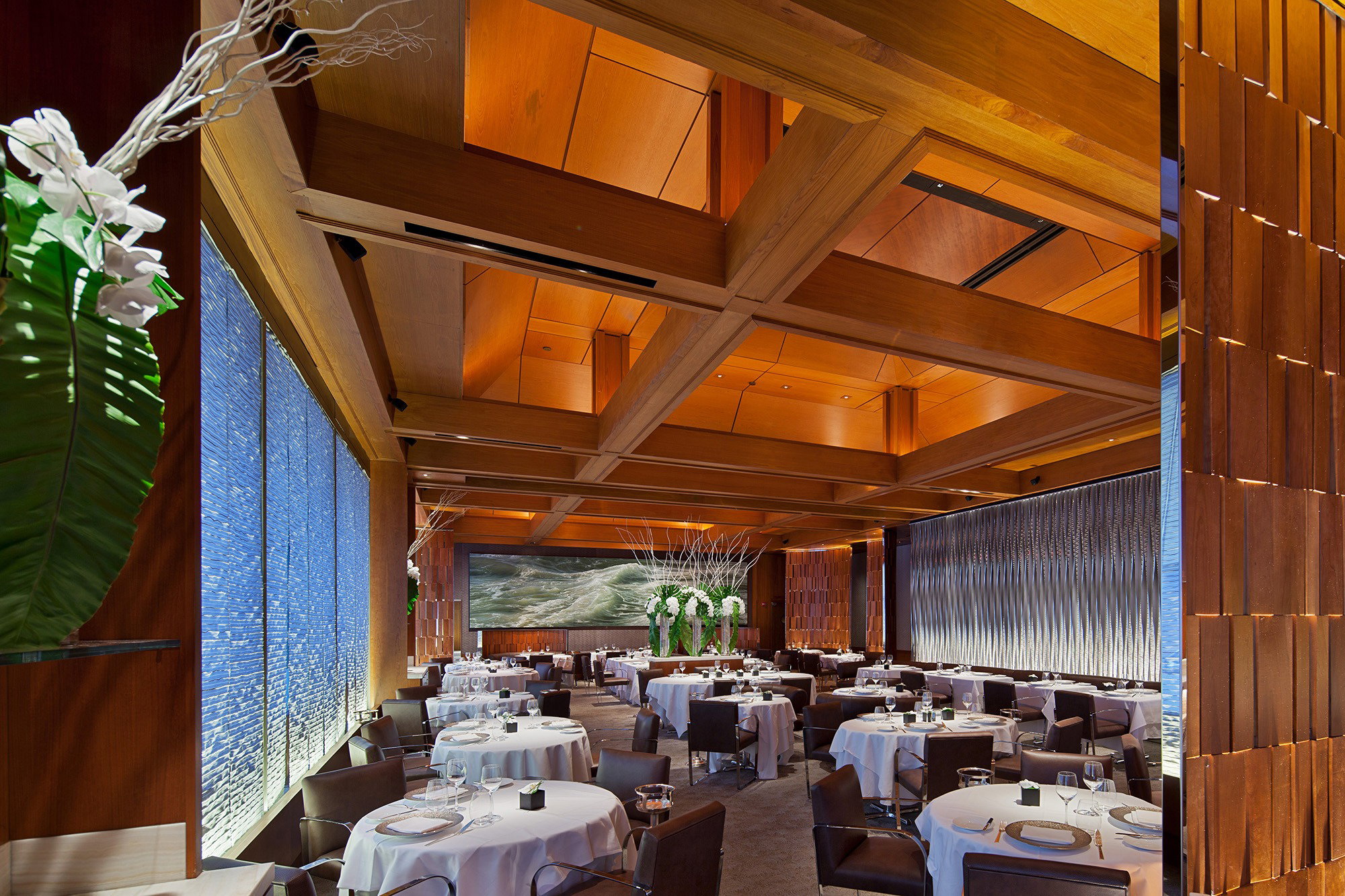
Sleek minimalist design with modern lighting, floor-to-ceiling windows offering glittering city views, and a hip, energetic atmosphere popular with young creative crowds.
Tags
Vibe
Best For
Experience
Amenities
View
About the Stay
- Rooms
- 141
- Check-in
- 15:00
- Check-out
- 12:00
- Property Type
- Boutique hotel
- Property Style
- Hip Contemporary Boutique Hotel
- Design Style
- Minimalist Modern with Floor to Ceiling Windows and Black Mirrored Walls
- Pool
- Yes
- Spa
- Yes
Know before you go
Know Before You Go
- Getting there
- 190 Allen Street, New York City, NY, USA
Planning details
Location
190 Allen Street, New York City, NY, USA · Directions
Recognition and awards
Explore New York City
Around this place
Discover more on Pearl
Unlock the full SIXTY LES guide in Pearl, including awards, comparisons, FAQs, planning details, and nearby places.
FAQ
Frequently Asked Questions
What is check-in like at SIXTY LES?
Confirm timing, identification requirements, deposits, and any arrival policies directly with SIXTY LES before travel. The firm recognition signal is its MICHELIN Guide Hotels Selected listing for 2025.
When is the best time to book SIXTY LES?
Book when the total price, cancellation policy, and New York City itinerary make sense for your dates.
Which room category is best at SIXTY LES?
Choose based on your budget, party size, and any room details confirmed directly by the hotel or booking platform.
How is the location of SIXTY LES?
SIXTY LES is in New York City. Use New York City as the confirmed location and verify any address details directly before arrival.
Do loyalty programs work at SIXTY LES?
How does SIXTY LES compare to nearby hotels?
SIXTY LES should be compared with other New York City hotels by final rate, cancellation terms, confirmed room details, and trip fit. Its MICHELIN Guide Hotels Selected recognition for 2025 is a useful trust signal, but it should not replace checking the practical details that matter for your stay.