
HGU New York
Midtown South-Flatiron-Union Square, New York City
Hotel in New York City, United States
 Book with Pearl
The Read
Pre-War Gallery Hotel
Price
$100–200per night
Why go
HGU New York is worth considering for a practical NoMad stay where location matters more than hotel-as-destination energy. Its Small Luxury Hotels of the World membership gives it a useful quality signal, but the smarter booking case is simple: short stays, business trips, and repeat New York visitors who want central access without chasing a scene.
About HGU New York
2025 is the useful signal here: Small Luxury Hotels of the World membership gives HGU New York a clear recognition point in New York City. Beyond that, the public details are limited, so the booking decision should be made carefully: confirm current rates, room details, amenities, and policies directly with the hotel before committing.
The right guest is someone who wants a New York City hotel with a confirmed Small Luxury Hotels of the World connection and is comfortable checking the practical details before booking. The record confirms the recognition signal and the smart casual dress code, but not specific claims about room size, dining, service format, amenities, or exact positioning within New York City.
A New York City base with a confirmed SLH signal
The clearest reason to consider HGU New York is its Small Luxury Hotels of the World membership in 2025. That is a useful trust marker, but it should not be treated as a substitute for checking the details that matter for your stay, such as room type, cancellation terms, accessibility needs, and any hotel services.
For comparison, travelers can also look at Arlo NoMad, Royalton Park Avenue, The Fifth Avenue Hotel, and Hotel Seville NoMad - The Unbound Collection by Hyatt. Those names may be useful as category-adjacent references, but the final choice should come down to current details rather than assumptions about style, amenities, or service level.
Choose it when the basics match your trip
HGU New York is best evaluated as a New York City hotel with a confirmed 2025 Small Luxury Hotels of the World membership and a smart casual dress code. Other specifics should be confirmed before booking, especially if your trip depends on particular amenities, room features, dining options, loyalty benefits, or family and business-travel requirements.
Use Our full New York City hotels guide when comparing options before choosing a rate. For trip planning after the hotel base is fixed, Pearl's city guides to New York City restaurants and New York City bars can help with the rest of the itinerary.
Quick reference: choose HGU New York if you want a New York City hotel with confirmed 2025 Small Luxury Hotels of the World membership; cross-shop if you need details on room size, amenities, loyalty benefits, or a more specific service profile before booking.
Planning details
- Location
- 34 E 32nd St, New York, NY 10016
- Website
- hgunyc.com
- Phone
- +1 212-779-3432
The take
The Take
The Vibe
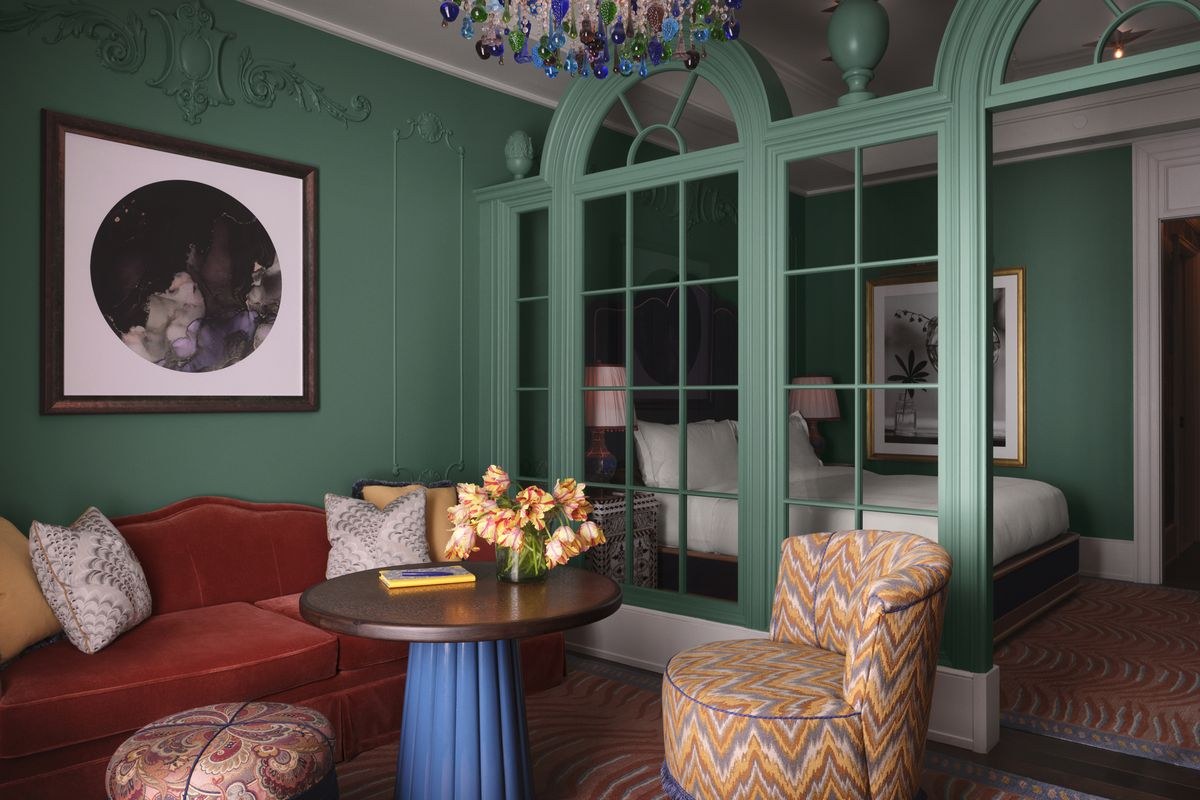
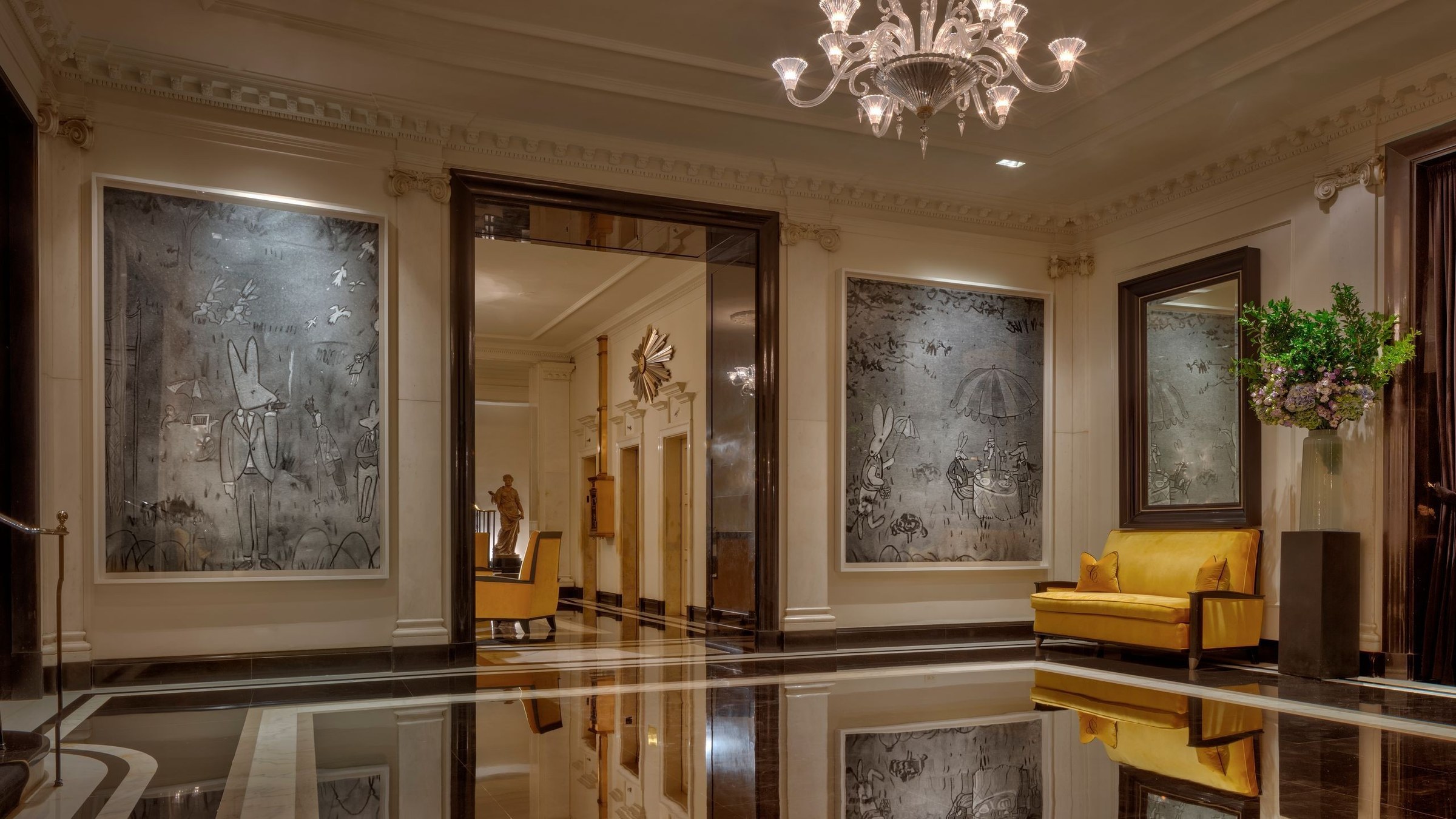
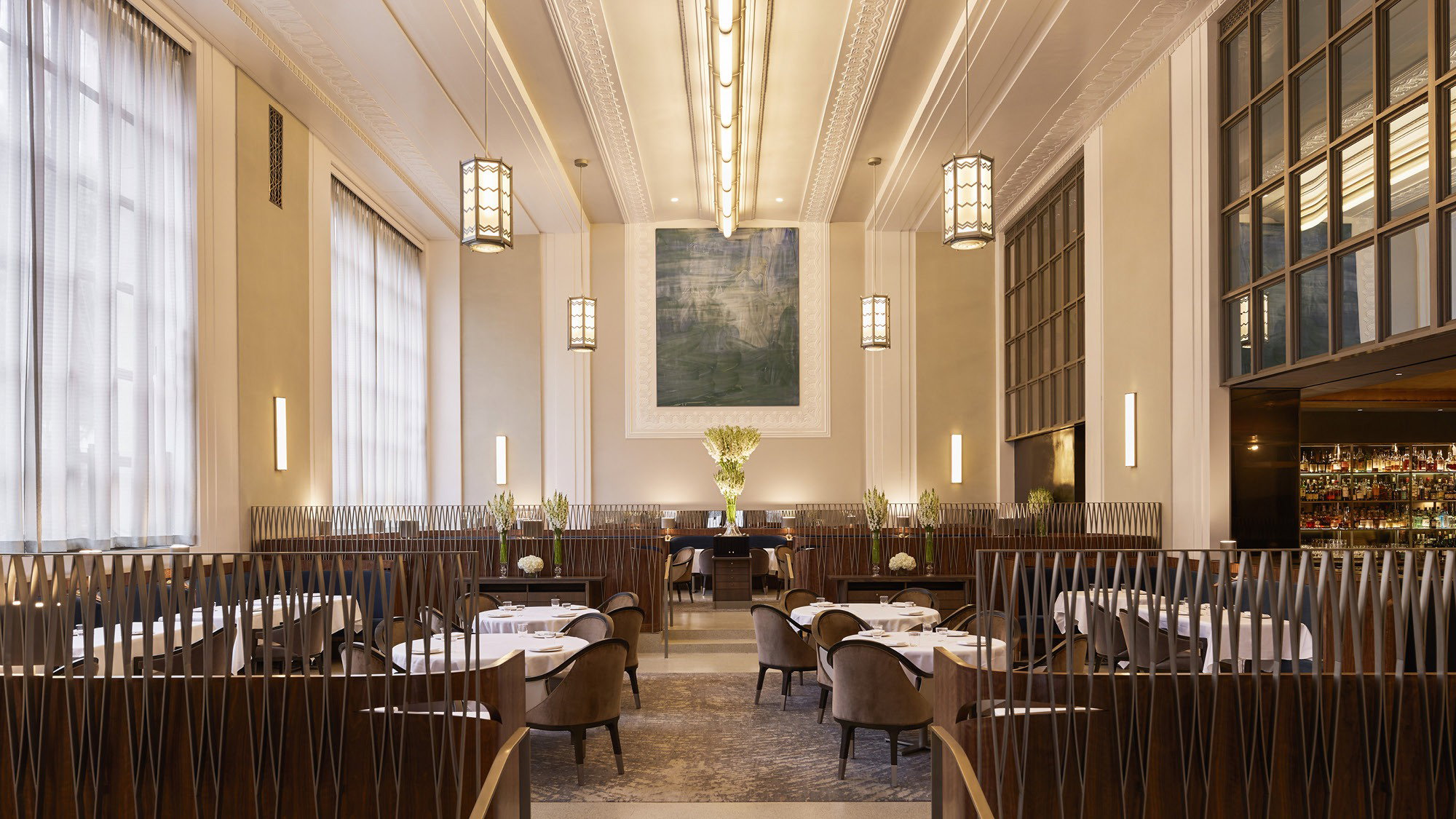
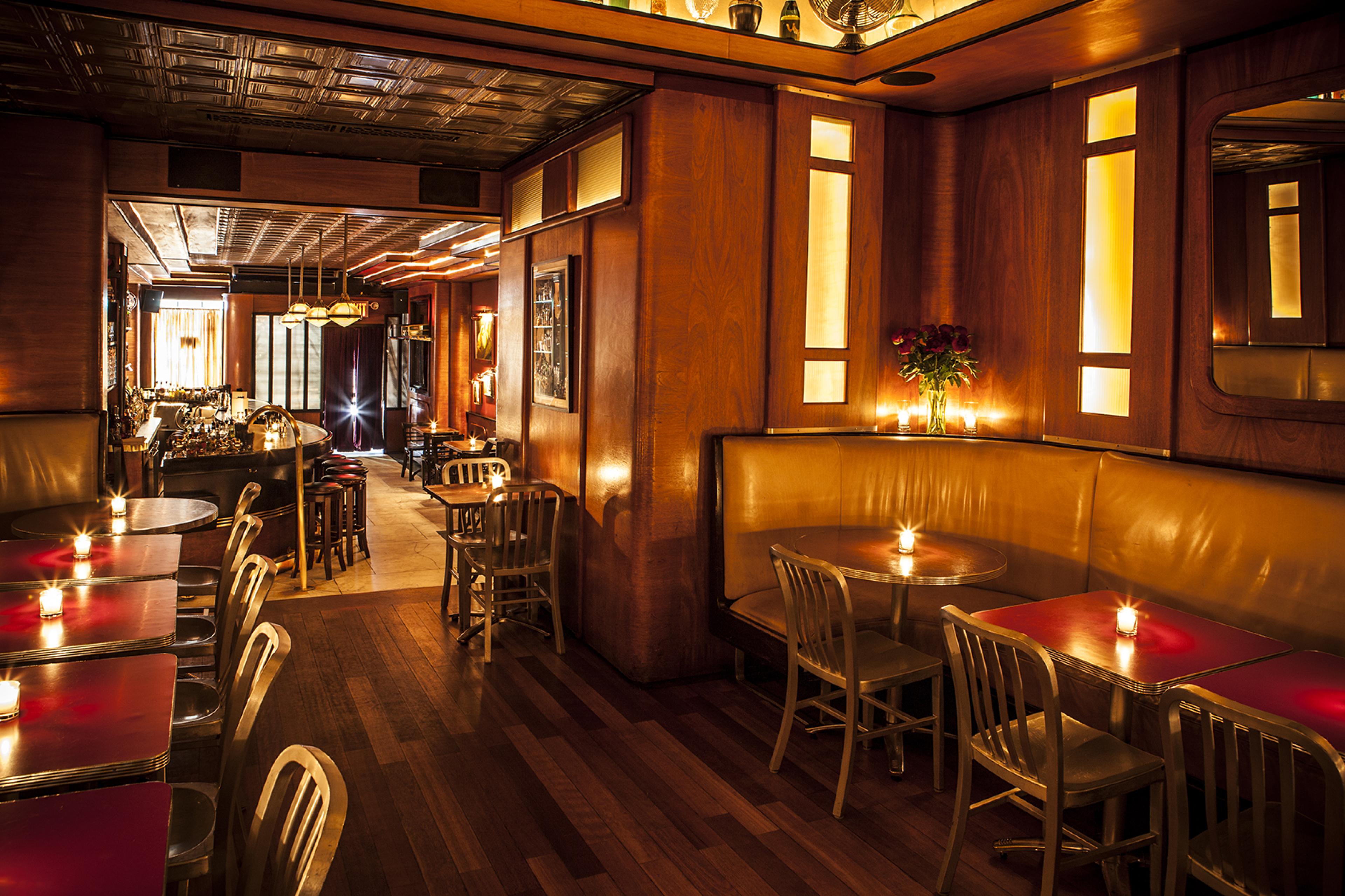
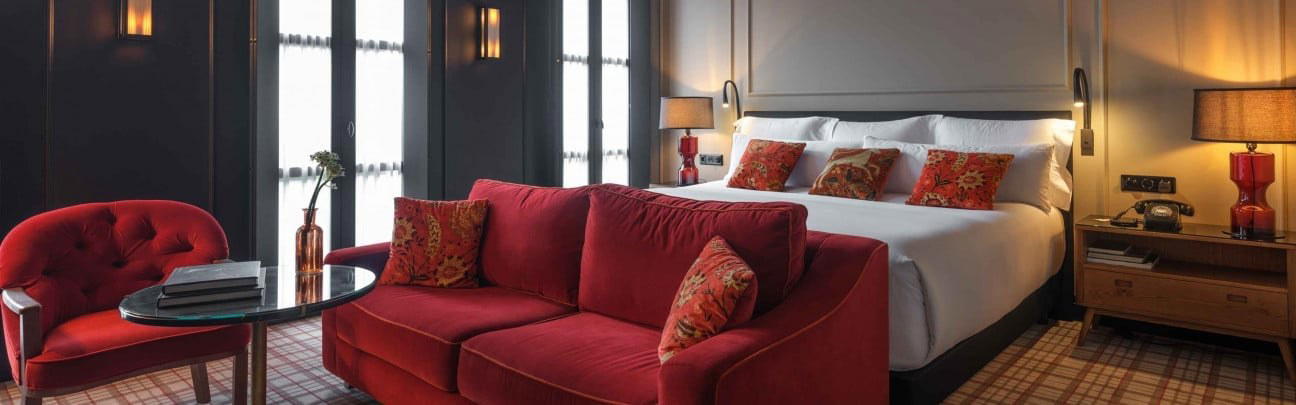
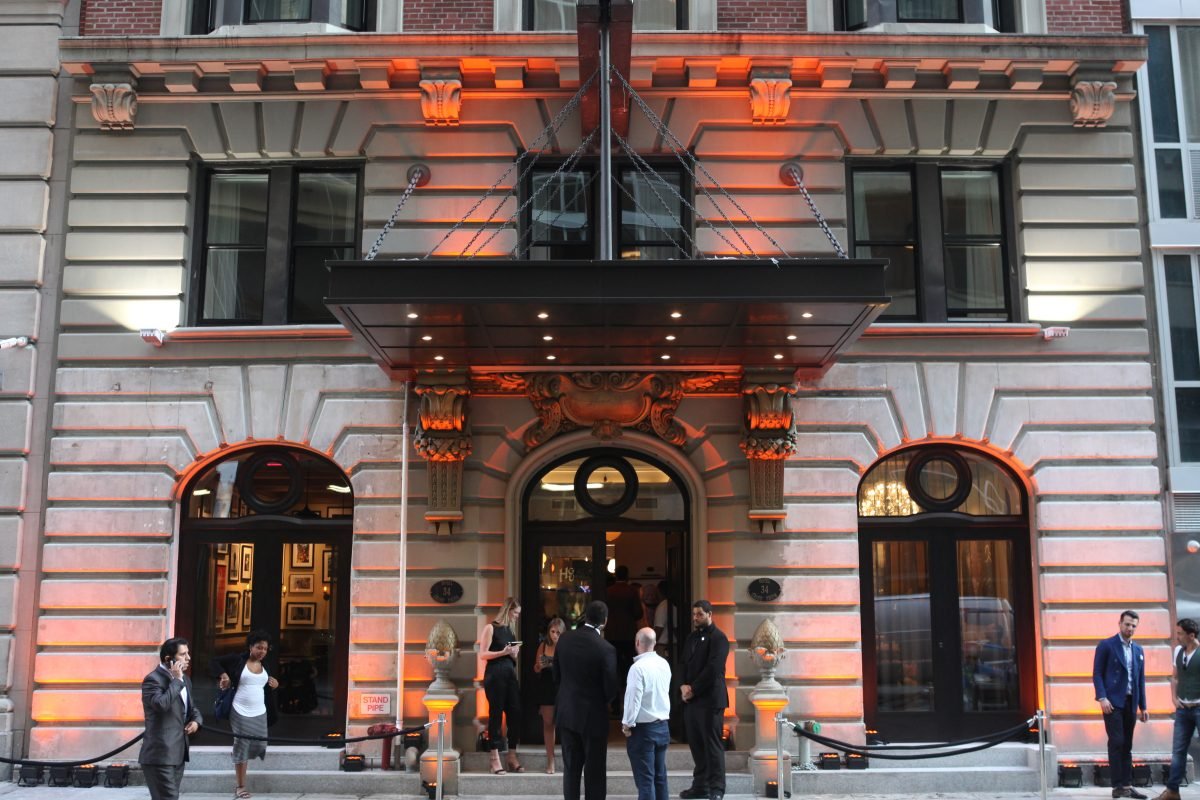
HGU New York leans into its pre-war identity, letting ornate 1905 plaster ceilings and a classic façade set the tone. Rather than erasing the past, the hotel reassembles historic material with a careful, design-conscious approach: rooms and public spaces read as thoughtful interventions rather than showroom replacements. The lobby doubles as an ongoing gallery, so arrival feels deliberate and visually active instead of merely functional. The overall effect is a small, focused hotel that privileges architectural texture and curated artwork, rewarding guests who appreciate material detail and an understated, historically anchored sense of place.
Best For
This is a hotel for travelers who prioritize atmosphere and architecture over a long checklist of branded amenities. It suits design-minded visitors, art lovers and anyone seeking a quieter, more contemplative downtown stay in NoMad — particularly those who notice and value original plaster ceilings and considered public spaces. The property’s emphasis on material specificity and a gallery-style lobby makes it a good pick for short urban stays where arrival and environment matter as much as logistics; guests looking for a lively amenity program or sweeping views should temper expectations.
Venue details
Ambiance
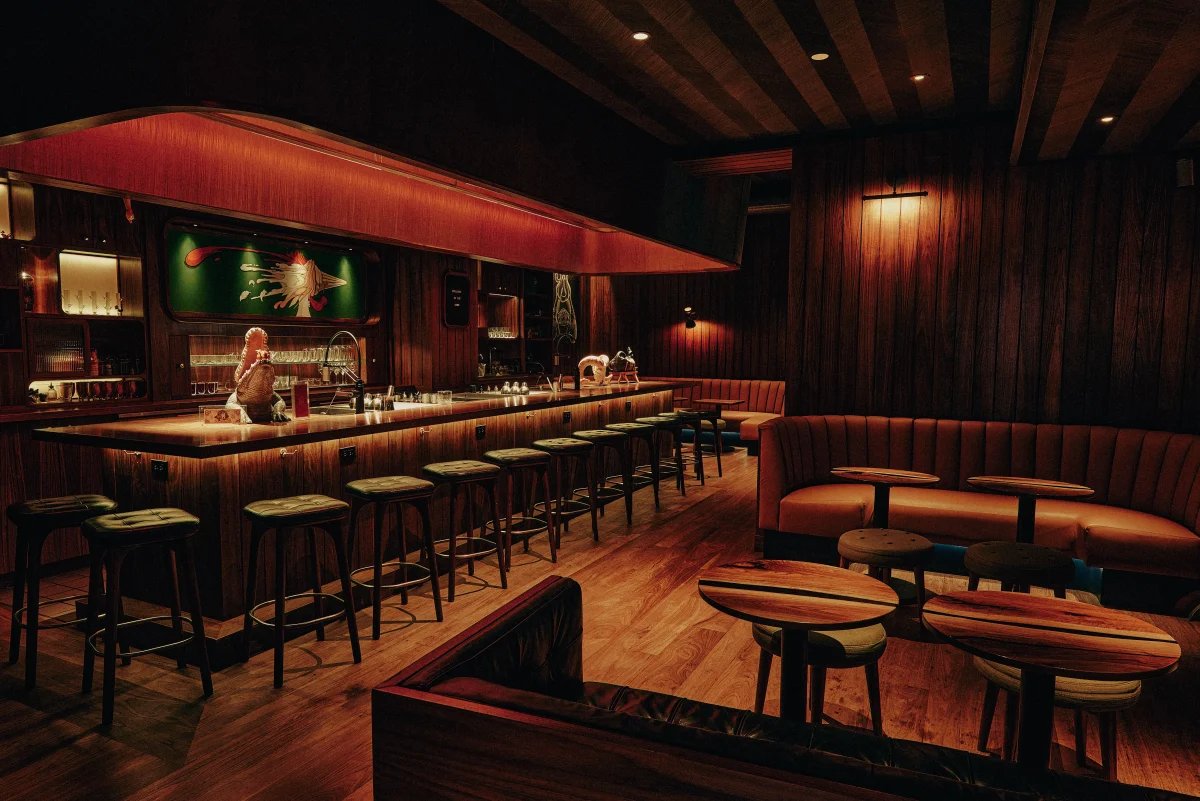
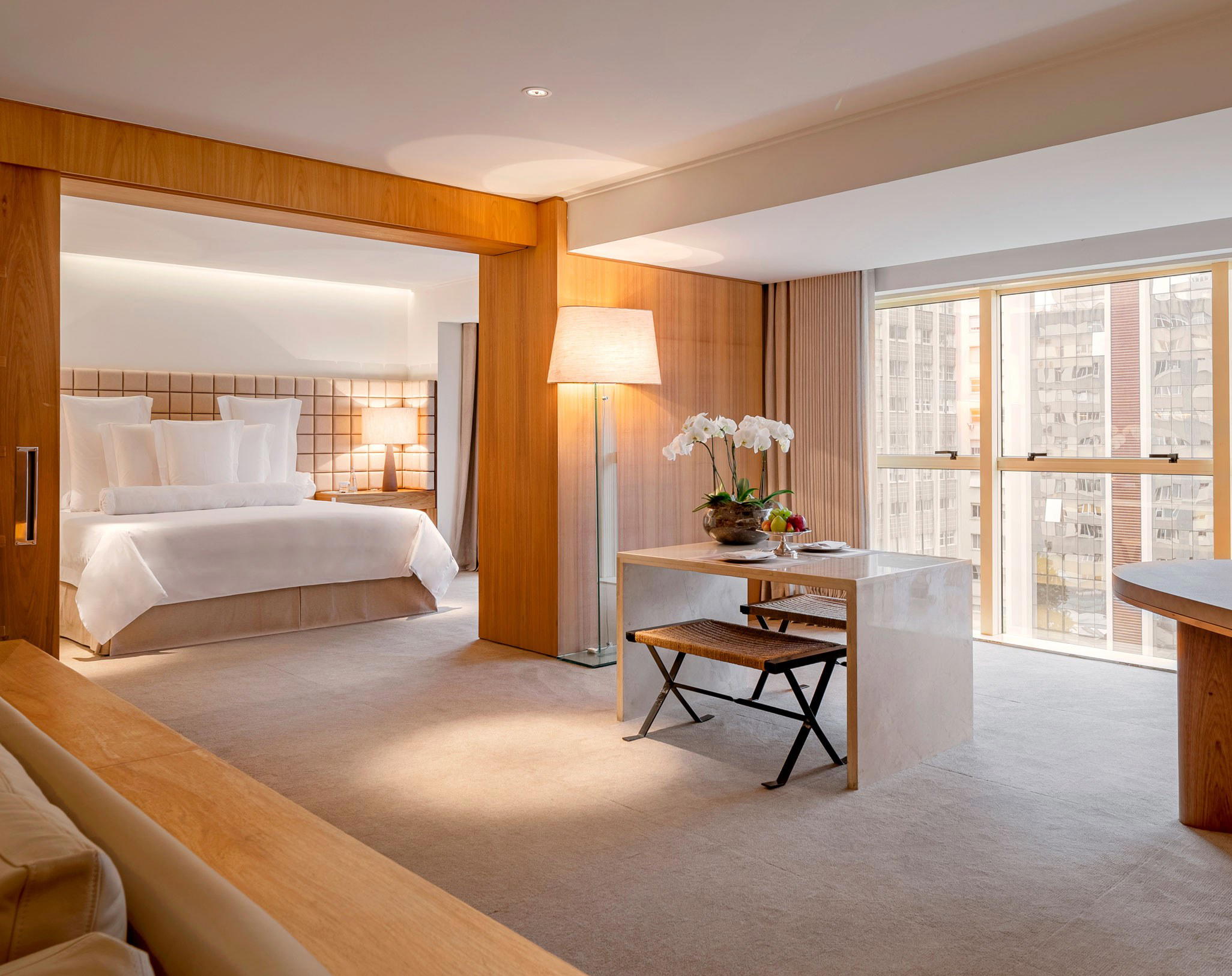
Sophisticated atmosphere with a welcoming lobby fireplace, art-filled corridors, and chic, clean rooms praised for comfort and quietness amid the city buzz.
Tags
Vibe
Best For
Experience
Amenities
View
Accessibility
About the Stay
- Rooms
- 90
- Check-in
- 15:00
- Check-out
- 12:00
- Property Type
- Boutique hotel
- Property Style
- Historic Beaux Arts Boutique with Contemporary Art and Sustainable Design.
- Design Style
- Mid Century Modern Furnishings in Pre War Styling with Original Features.
- Pets
- Allowed
- Cancellation
- Moderate
Know before you go
Know Before You Go
- Getting there
- 34 E 32nd St, New York, NY 10016
Planning details
Location
Recognition and awards

Also consider
Also Consider
- Arlo NoMad, Notable alternative
- Royalton Park Avenue, Notable alternative
- Hotel Seville NoMad - The Unbound Collection by Hyatt, Notable alternative
- NoMad, Notable alternative
- The Fifth Avenue Hotel, Notable alternative
Hotel context
Arlo NoMad is the more obvious choice for travelers who want a compact, social NoMad stay, while HGU New York is the calmer pick when the trip is more about sleep, meetings, and moving around the city. Booking is easy here, so it works well as a practical alternative when nearby lifestyle hotels feel too busy or too tight.
Royalton Park Avenue and The Fifth Avenue Hotel are stronger cross-shops if the stay needs a more pronounced upscale feel. Choose those when ambiance and a more polished hotel experience matter more than keeping the booking simple. Choose HGU New York when the address and easy availability carry the decision.
Hotel Seville NoMad - The Unbound Collection by Hyatt is the better comparison for travelers who care about brand infrastructure, while NoMad is the reference point for a more design-led neighborhood stay. HGU New York sits in the practical middle: less of a statement, more of a functional NoMad base with a useful luxury-membership signal.
Explore New York City
Around this place
Discover more on Pearl
Unlock the full HGU New York guide in Pearl, including awards, comparisons, FAQs, planning details, and nearby places.
Compare HGU New York
| Venue | Location | Awards |
|---|---|---|
| HGU New York | New York City | Small Luxury Hotels Member 2025 |
| Arlo NoMad | New York City | No published awards |
| Royalton Park Avenue | New York City | Preferred Hotels Member 2025 |
| Hotel Seville NoMad - The Unbound Collection by Hyatt | New York City | No published awards |
| NoMad | New York City | No published awards |
| The Fifth Avenue Hotel | New York City | 2026 Food & Wine Top 10 US Hotels for Food and Drink · #62026 World’s 50 Best Hotels 51-100 · #782026 Travel + Leisure 100 Favorite Hotels in the World · #82100 Most Incredible Hotels in the World · 2026Travel + Leisure T+L 500 Hotels 2026 Featured StandoutsLeading Hotels of the World 20262026 La Liste Top Hotels2026 Michelin 2 Keys2025 World’s 50 Best Hotels · #75 |








How HGU New York compares with similar nearby venues.
FAQ
Frequently Asked Questions
How does HGU New York compare to other hotels?
Choose HGU New York if you want a New York City hotel with confirmed Small Luxury Hotels of the World membership in 2025. Arlo NoMad, Royalton Park Avenue, The Fifth Avenue Hotel, and Hotel Seville NoMad - The Unbound Collection by Hyatt are natural comparison points, but travelers should verify current rates, room types, amenities, and policies directly before deciding.
When is the best time to book HGU New York?
Book when your travel dates and requirements are clear, then confirm the current rate, cancellation terms, and room details directly with the hotel or booking channel.
Do loyalty programs work at HGU New York?
Benefits may depend on the booking channel and any program connected to the stay. The trust signal here is HGU New York's Small Luxury Hotels of the World membership in 2025, but the provided record does not confirm specific loyalty credits, upgrades, or benefits. If loyalty mechanics matter, compare the details with Hotel Seville NoMad - The Unbound Collection by Hyatt and check official channels before booking.
Is HGU New York family-friendly?
It may still be worth considering for a New York City stay, but families should confirm room size, bedding, accessibility, and any child-related policies directly before booking. Royalton Park Avenue can also be reviewed as another New York City option.
Is HGU New York good for business travel?
HGU New York may be considered for business travel if its New York City location, rates, and room details fit the trip. The record confirms Small Luxury Hotels of the World membership in 2025, but it does not confirm specific business amenities or services. If a more formal comparison is useful The Fifth Avenue Hotel as another option and confirm current details directly.
Which room category is best at HGU New York?
Choose based on the current room descriptions, rate differences, cancellation terms, and any needs around space, quiet, accessibility, or bedding. Confirm those details directly before booking.