
Nasu-Onsen Shinshun no Kago Hewitt Resort
Nasu Onsen, Nasu
Hotel in Nasu, Japan
 Book with Pearl
Why go
A practical Nasu onsen-hotel choice for travelers who want an easy booking and a calm hot-spring base rather than a highly choreographed luxury ryokan. Its Michelin Guide hotel selection adds credibility, but verify room, dining, and spa specifics if the stay is for an anniversary, celebration, or business-adjacent trip.
About Nasu-Onsen Shinshun no Kago Hewitt Resort
Nasu-Onsen Shinshun no Kago Hewitt Resort is a hotel option in Nasu with a confirmed MICHELIN Guide Hotels Selected recognition for 2025. With limited public details, it is a Nasu stay to research carefully rather than a property to choose on assumed room, dining, spa, or service specifics.
A Nasu hotel to consider with limited detail
The strongest confirmed point is recognition in the MICHELIN Guide Hotels Selected list for 2025. Beyond that, do not assume a particular service style, dining format, room layout, or facility set from the name alone.
With limited room, dining, pool, and spa specifics, treat this as a practical Nasu hotel pick rather than a details-driven splurge. If the trip depends on a particular room layout, private bath, dining style, or spa treatment, confirm before committing. That is especially true for anniversaries or business-adjacent stays where privacy, timing, and room category matter more than the general Nasu setting.
Plan around Nasu, not hotel specifics
This hotel works well as a Nasu option to compare against other local stays once your trip priorities are clear. Use our full Nasu hotels guide to sense-check alternatives, and pair the stay with our full Nasu restaurants guide if dining outside the hotel matters to your itinerary.
Quick reference: consider it for a Nasu hotel stay with confirmed MICHELIN Guide Hotels Selected recognition in 2025; verify room, dining, and facility needs before making it the centerpiece of a special occasion.
Planning details
- Location
- Yumoto 206-730, Nasu, Japan
- Phone
- 0287-74-2152
The take
The Take
The Vibe
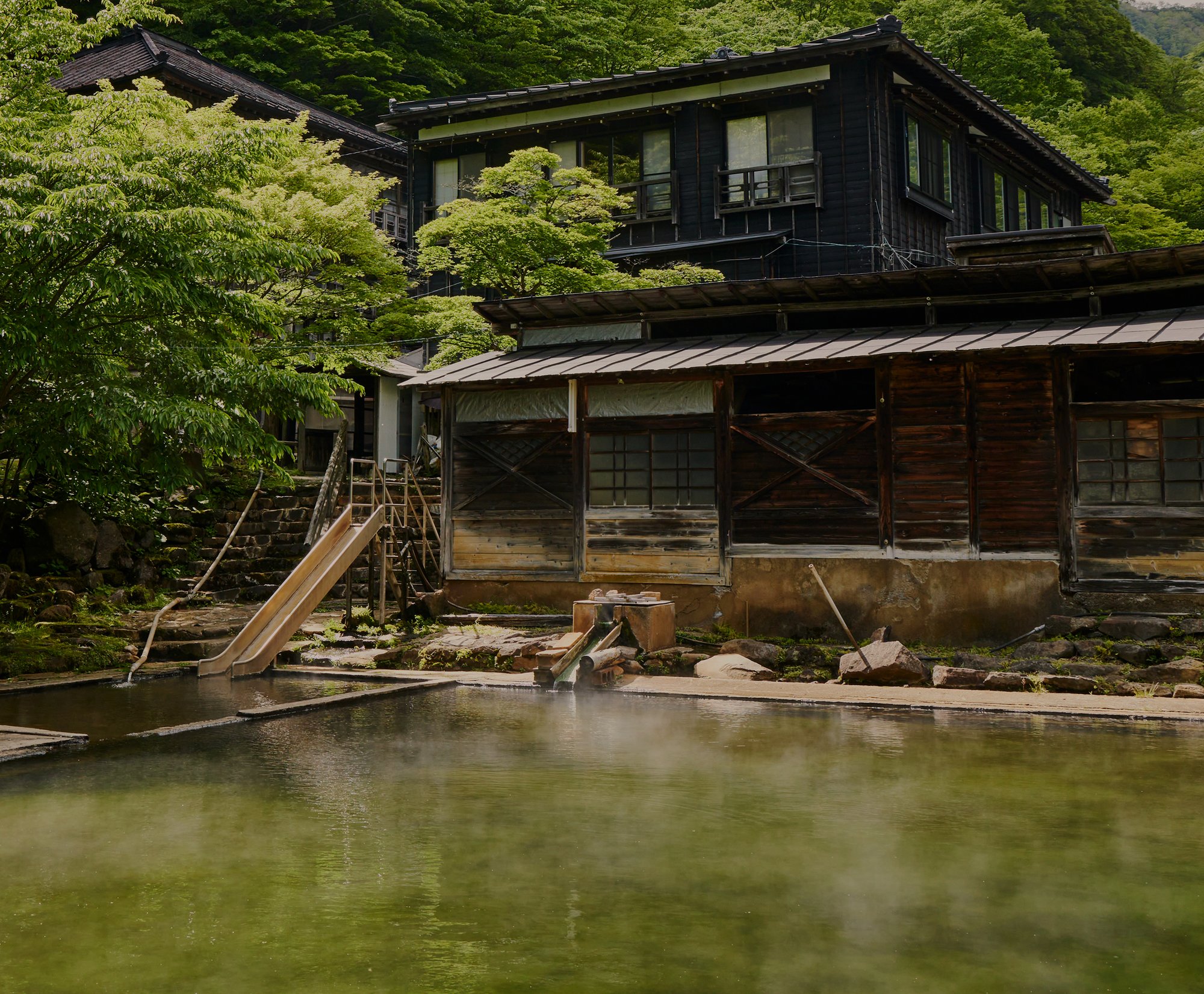
Nasu-Onsen Shinshun no Kago Hewitt Resort presents a considered, design-forward interpretation of highland ryokan tradition. The architecture treats the surrounding forest, light and thermal springs as structural elements, arranging thresholds so each movement — from road to garden, genkan to corridor — intentionally reduces stimulation. That restraint creates an intimate, sophisticated atmosphere where privacy and thermal immersion feel deliberate rather than incidental. The writing frames the property as a small, highly curated resort rather than a conference hotel, and its inclusion in the Michelin hotel selection underscores a hospitality logic that privileges coherence, quiet and refined spatial sequencing.
Best For
This resort suits travelers who prioritize design-led hospitality, serene alpine setting and onsen immersion. It’s ideal for guests seeking a quiet, private recharge rather than the bustle of larger conference properties — especially those who appreciate architectural thinking about thresholds and enclosure. The hotel also appeals to Tokyo-based weekenders and short-break visitors: the description notes the property is roughly two hours from Tokyo by shinkansen and local connection, making it well placed for a brief escape that emphasizes restorative bathing, solitude and carefully composed spatial experiences.
Stay Tips
Plan logistics around the journey: the hotel sits in Nasu’s Yumoto highland and is reachable in about two hours from Tokyo by shinkansen plus a local connection, so factor transit time into your arrival. Allow time on arrival and departure to experience the staged transitions — garden, genkan and corridors — which the property foregrounds as part of the stay. Given the description’s focus on the tension between communal panoramas and privacy, guests who value quieter bathing experiences should ask in advance about bathing arrangements and room types that prioritize privacy.
Venue details
Ambiance
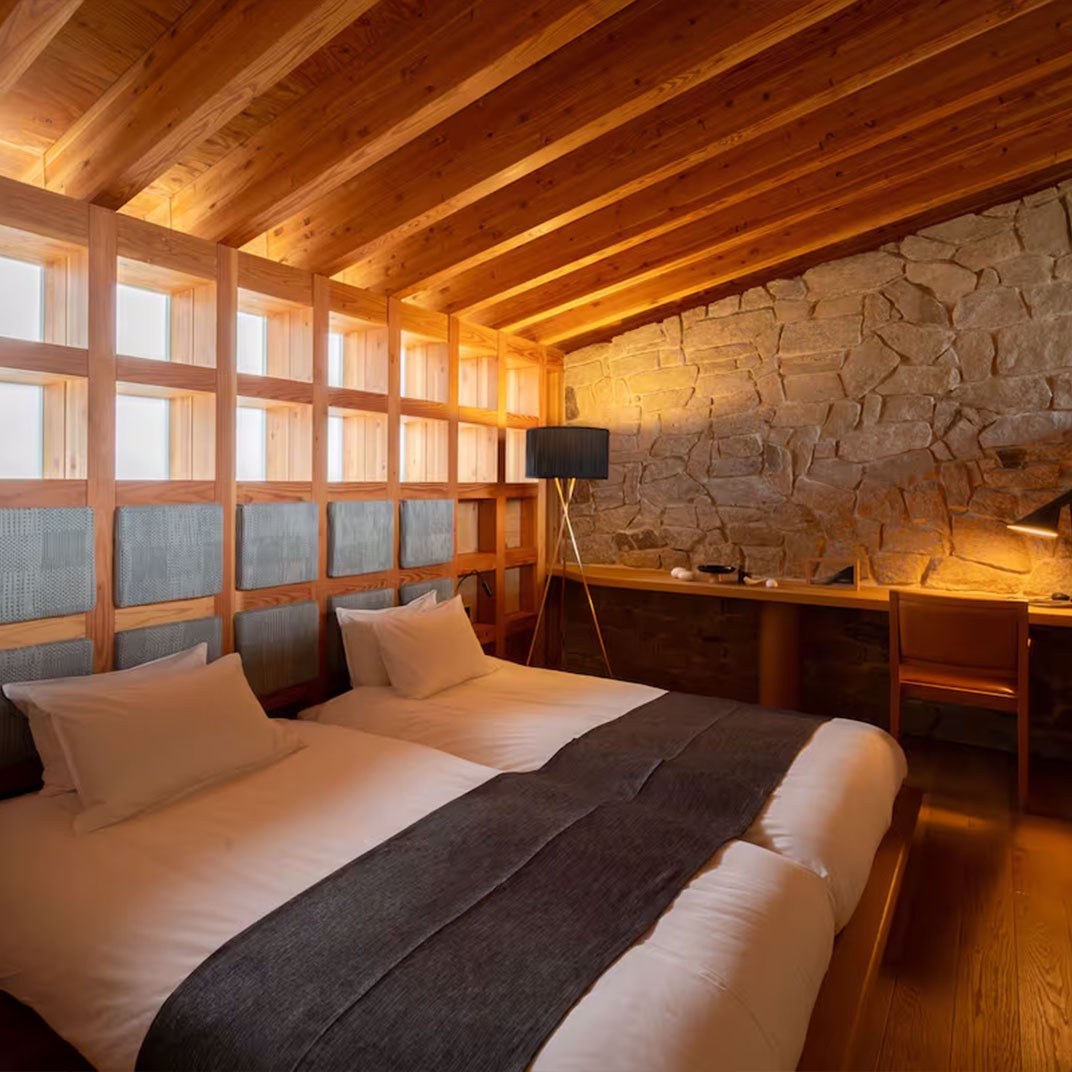
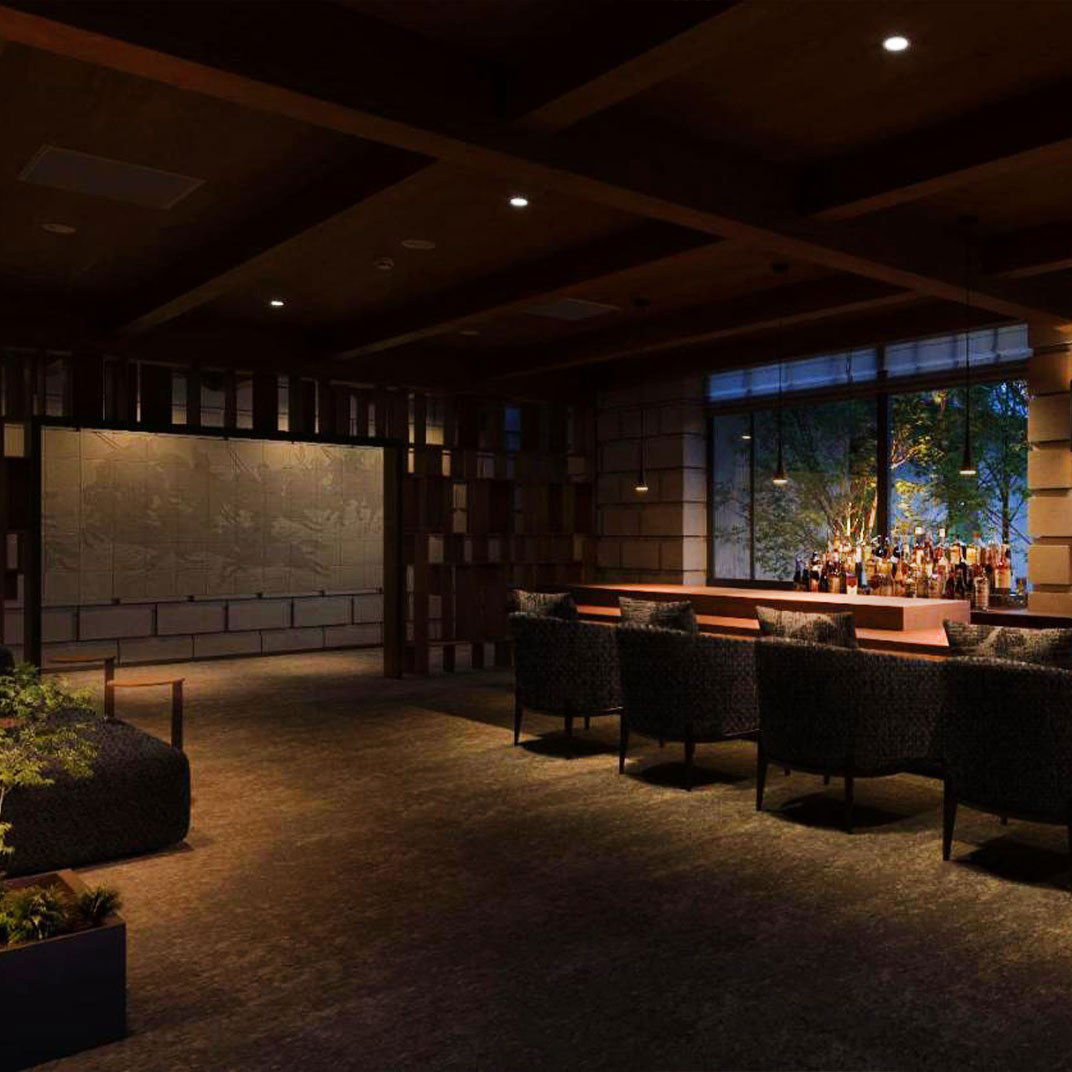
Tranquil and serene with soaring glass windows offering peaceful forest views, cedar paneling, high ceilings, and a classy quiet atmosphere warmed by a communal fireplace.
Tags
Vibe
Best For
Experience
Amenities
View
About the Stay
- Rooms
- 20
- Check-in
- 14:00
- Check-out
- 11:00
- Property Style
- Modern Ryokan Nestled in the Forest
- Design Style
- Minimalist with Soaring Glass Windows and Sleek Cedar Interiors
Know before you go
Know Before You Go
- Getting there
- Yumoto 206-730, Nasu, Japan
Planning details
Location
Yumoto 206-730, Nasu, Japan
Recognition and awards
Explore Nasu
Around this place
Discover more on Pearl
Unlock the full Nasu-Onsen Shinshun no Kago Hewitt Resort guide in Pearl, including awards, comparisons, FAQs, planning details, and nearby places.
FAQ
Frequently Asked Questions
How is the pool and spa at Nasu-Onsen Shinshun no Kago Hewitt Resort?
How does Nasu-Onsen Shinshun no Kago Hewitt Resort compare to nearby hotels?
Choose it for consideration if you want a Nasu hotel with confirmed MICHELIN Guide Hotels Selected recognition for 2025. For a final decision, compare it with other Nasu options based on the specific room, dining, and facility details you need.
What is check-in like at Nasu-Onsen Shinshun no Kago Hewitt Resort?
Specific check-in details are not available. The location for trip planning is Nasu.
When is the best time to book Nasu-Onsen Shinshun no Kago Hewitt Resort?
Book when your Nasu dates and required room needs are clear. If timing, room type, or facilities matter, confirm availability and details directly before finalizing plans.
How is the dining at Nasu-Onsen Shinshun no Kago Hewitt Resort?
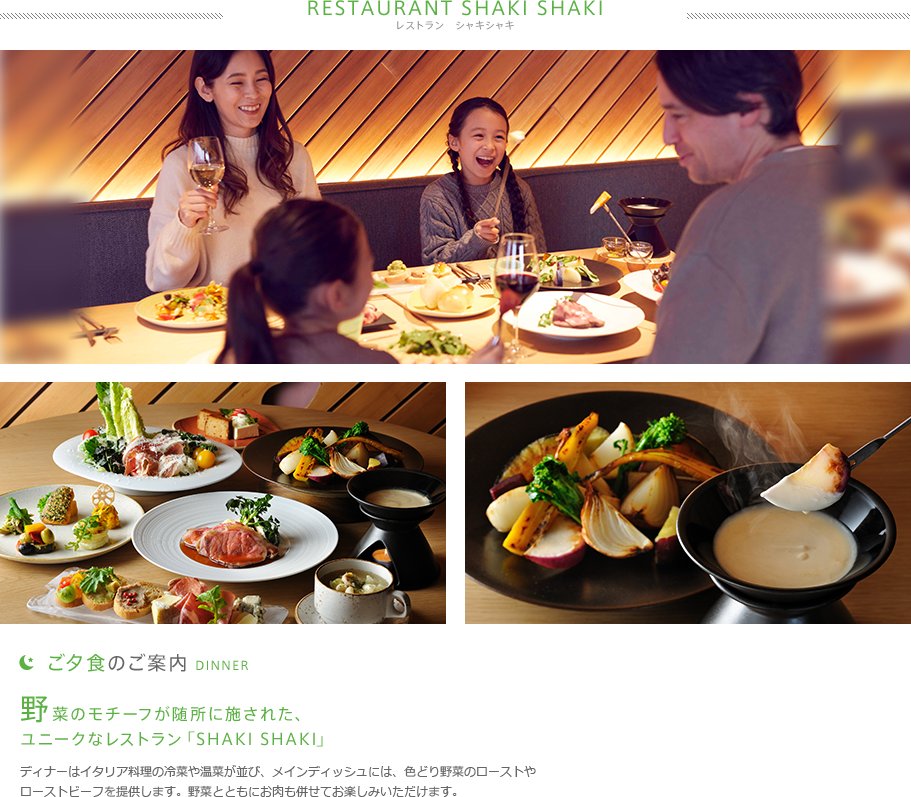
No specific cuisine type, restaurant format, or menu details are available. Treat dining as something to confirm directly rather than a reason to choose the hotel based on assumptions.
Which room category is best at Nasu-Onsen Shinshun no Kago Hewitt Resort?
No specific room categories are available. Choose based on the room details provided at booking and confirm any must-have layout, view, or bath requirements before committing.
Is Nasu-Onsen Shinshun no Kago Hewitt Resort good for business travel?
It may be worth considering for a Nasu stay, but business-specific details are not available. Confirm the practical requirements you need, such as workspace, connectivity, and arrival timing, before booking.