




The Hermitage Hotel
Capitol Hill Area, Nashville
Hotel in Nashville, United States
 Book with Pearl
The Read
Civic Landmark Hospitality
Why go
The Hermitage Hotel is a hotel on Sixth Avenue North in Nashville.
About The Hermitage Hotel
For a Nashville stay where the hotel needs to feel polished, The Hermitage Hotel is best considered as a recognition-backed option. Its strong reputation is supported by: smart casual dress, Michelin 2 Keys, Preferred Hotels membership, Forbes Recommended status, Virtuoso Luxury Hotel Partner recognition, and a La Liste Top Hotels score of 90.5.
The main reason to book is confidence. This is the safer pick for anniversaries, milestone birthdays, parent trips, and business stays where the hotel itself needs to feel composed. It is less useful for travelers who mainly want a looser, more casual hotel mood. For that, Bobby Hotel or Fairlane Hotel Nashville may be worth comparing.
Upgrade only when the room is part of the occasion
The room-category question should come down to how much of the trip will happen at the hotel. If the stay is just a base between Nashville dinners, bars, and plans, keep the booking practical and put more of the budget toward the rest of the trip using Our full Nashville restaurants guide and Our full Nashville bars guide. If the room itself is central to the occasion, a higher category may be easier to justify.
That is where this hotel earns its place against Nashville peers. The value is not about trendiness or a packed social scene. It is about choosing a hotel that feels settled, polished, and appropriate for a high-stakes trip. Guests comparing broader Nashville stays should also look at other hotels in the city depending on whether the priority is personality, flexibility, or a quieter overall feel.
Book it for polish, not for scene-chasing
The hotel's recognition gives it a useful trust signal: Michelin 2 Keys, Forbes Recommended status, Virtuoso Luxury Hotel Partner recognition, Preferred Hotels membership, and a La Liste Top Hotels score of 90.5 all point to a property that has been evaluated beyond local reputation. That matters for guests planning a stay where consistency is more important than novelty.
The tradeoff is that travelers looking for a looser mood may be happier elsewhere. Noelle Nashville Downtown is a useful comparison for guests who want a more contemporary boutique feel, while Holston House Nashville may suit a shorter, style-led stay. The Hermitage Hotel is the pick when the hotel needs to carry the occasion without requiring extra explanation.
Practical read: book for milestone travel, choose a higher room category only when the room will be used beyond sleeping, and compare against Our full Nashville hotels guide if the trip is more casual than ceremonial.
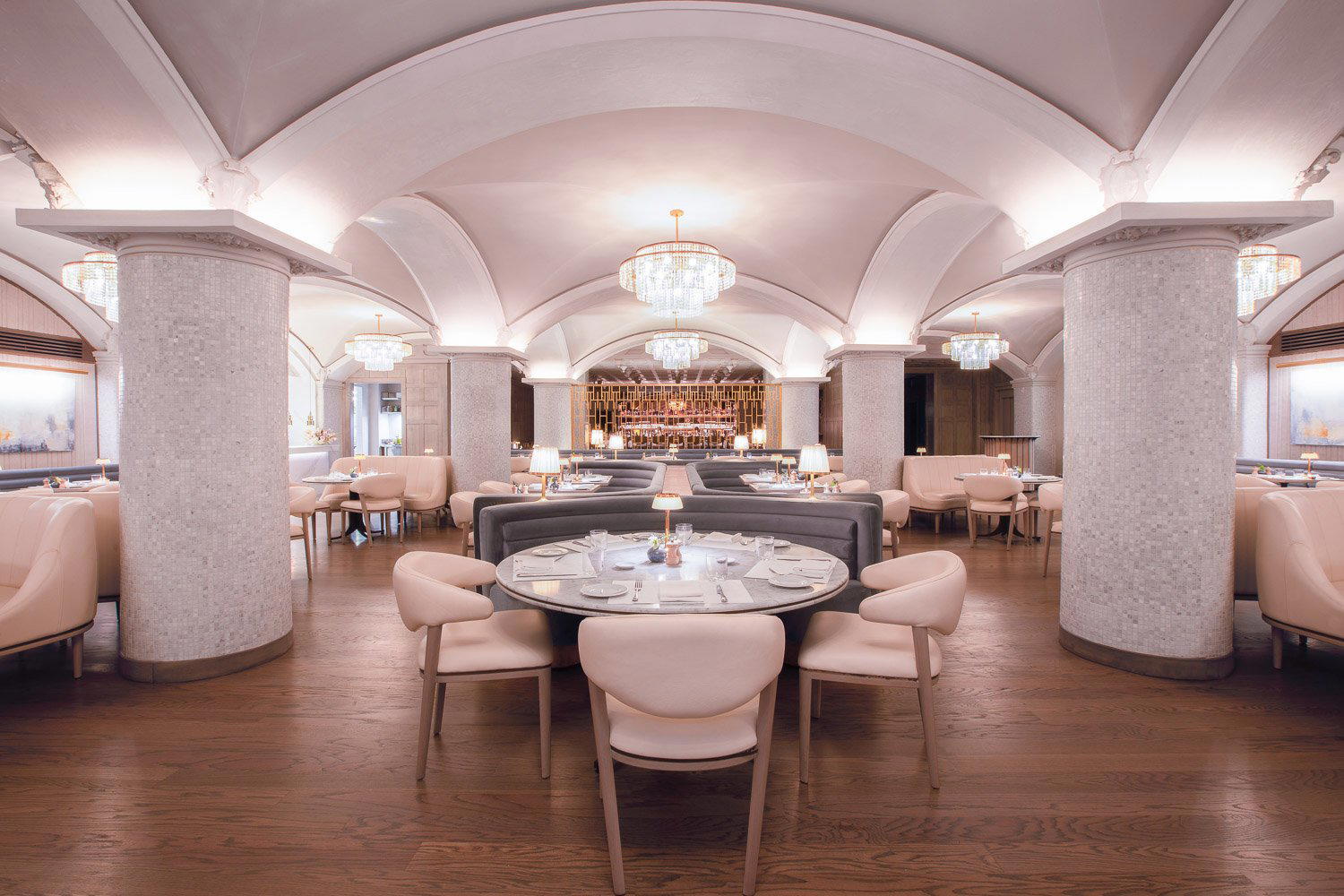
Inside The Hermitage Hotel
Planning details
- Location
- 231 6th Ave N, Nashville, TN 37219
- Website
- thehermitagehotel.com
- Phone
- +1 615-244-3121
The take
The Take
The Vibe
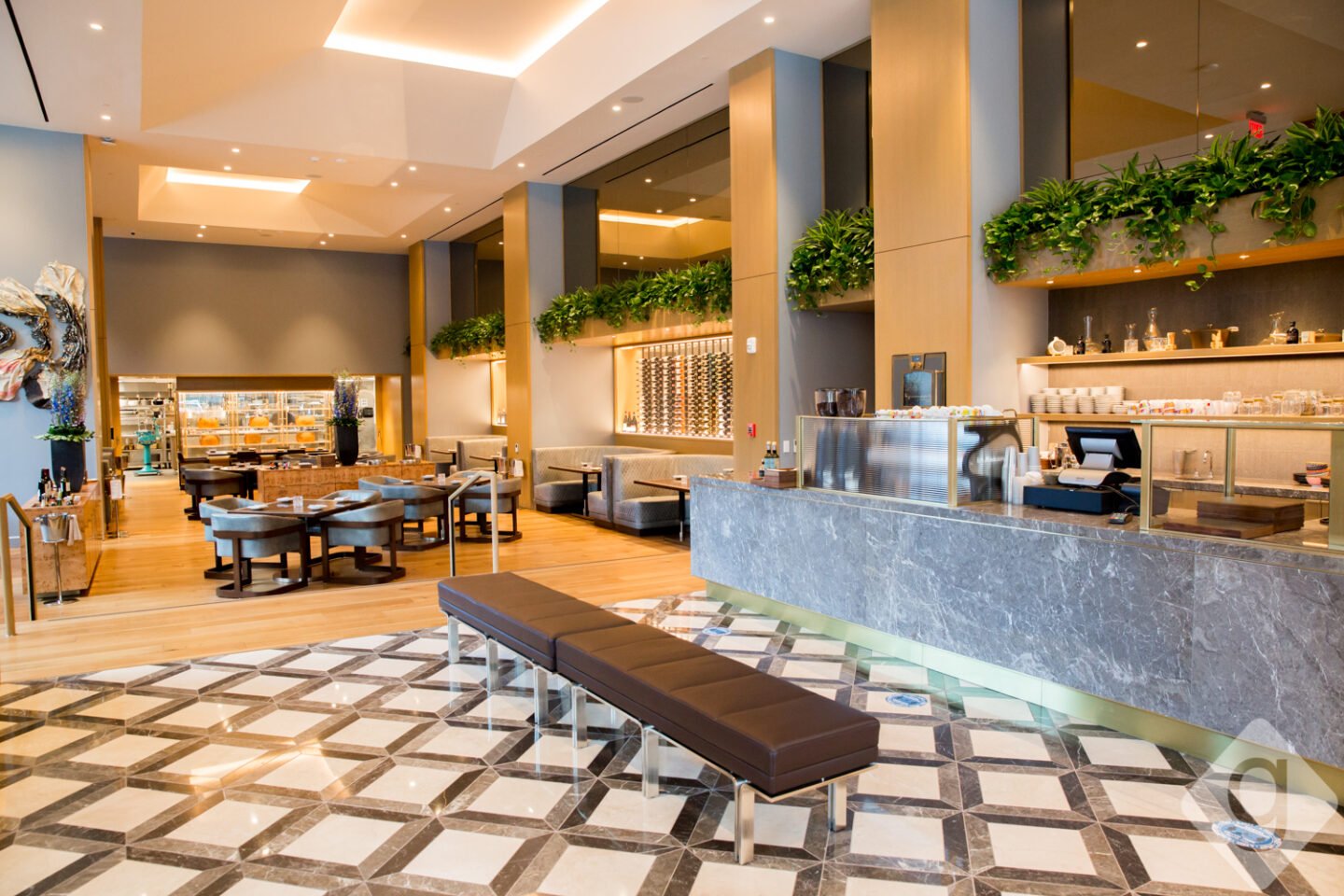
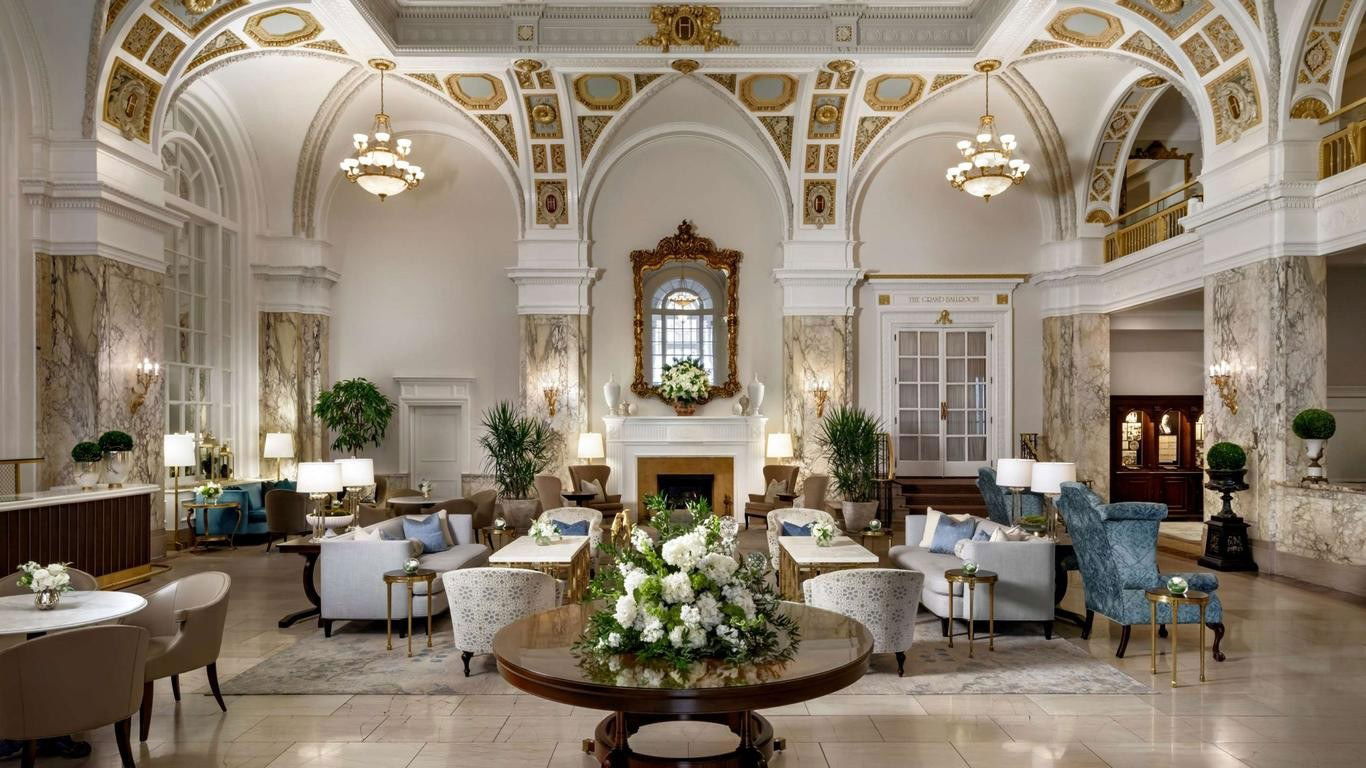
The Hermitage Hotel reads like a living museum of Nashville hospitality. The lobby’s painted glass ceiling and Italian marble set a deliberately ceremonious tone the moment you enter, and the building’s long run as the city’s most prestigious address gives the property a layers-of-history feel. Service and presentation are framed by the hotel’s heritage—rooms that once hosted presidents and public figures reinforce an atmosphere that is dignified, measured and quietly authoritative. It feels less like a recent luxury brand and more like an enduring civic institution, steeped in provenance and ceremony.
Best For
This hotel is best for travelers who prize history, ceremonial luxury and a service-forward stay. Guests seeking a heritage experience—history buffs, travelers celebrating milestone events, and food-focused visitors drawn by the hotel’s Michelin recognition—find its combination of provenance and refined service rewarding. Business travelers who want a stately address in downtown Nashville also benefit from the property’s long-standing prestige. The Hermitage suits anyone who values architecture and legacy as much as modern comforts and who prefers a hotel with a storied civic presence.
Stay Tips
Because the Hermitage trades on prestige and recognized culinary standards, plan ahead: reserve rooms and any on-site dining in advance, particularly around holidays and events. Prioritize a room request early in the booking process if provenance or particular historic details matter to you. If dining is a focus, mention the Michelin 2 Keys recognition when booking to ensure availability and appropriate seating; the property’s reputation and ranking suggest demand, so confirmations well before arrival reduce disappointment.
Venue details
Ambiance
Elegant lobby with fireplace, sophisticated and refined atmosphere blending historic charm with modern luxury, praised for tranquility and attention to detail.
Tags
Vibe
Best For
Experience
Amenities
View
Accessibility
About the Stay
- Rooms
- 122
- Property Style
- Historic Luxury Hotel with Modern Residential Feel Post 2022 Renovation
- Design Style
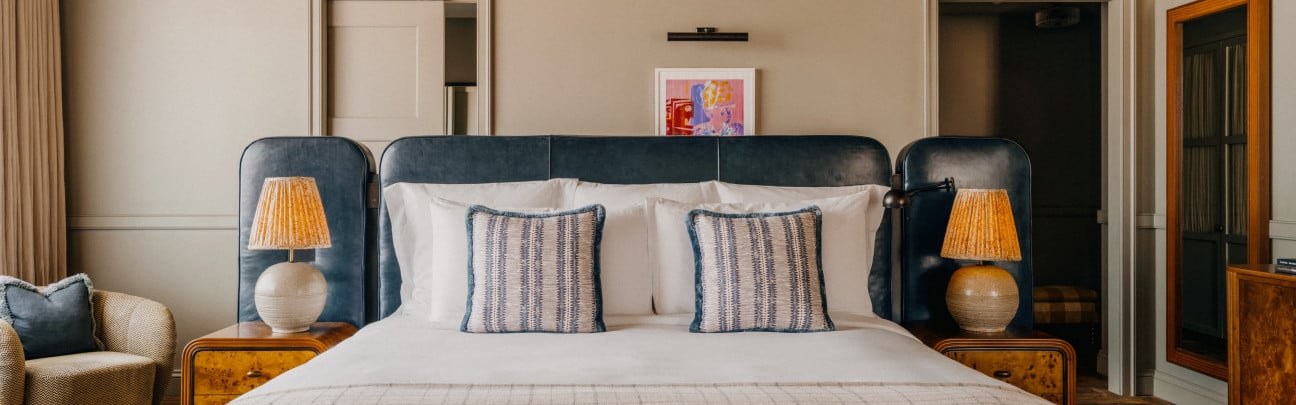
- Beaux Arts Architecture Featuring Elegant Frette Linens, Marble Bathrooms, and Custom Nashville Made Mattresses
Know before you go
Know Before You Go
- Getting there
- 231 6th Ave N, Nashville, TN 37219
Planning details
Location



Also consider
Also Consider
- Fairlane Hotel Nashville, Notable alternative
- Bobby Hotel, Notable alternative
- Noelle Nashville Downtown, Notable alternative
- Holston House Nashville, Notable alternative
- The Bankers Alley Hotel Nashville, Tapestry Collection by Hilton, Notable alternative
Hotel context
How it compares
The Hermitage Hotel is the formal, occasion-driven choice in this Nashville set. Choose it over Fairlane Hotel Nashville if the stay needs polish, recognition, and a more ceremonial feel. Fairlane is the easier call for travelers who want downtown style without making the hotel the emotional center of the trip.
Bobby Hotel is better for guests who want a livelier, more social stay; The Hermitage is better for anniversaries, parent trips, and business travel where a quieter sense of occasion matters. Noelle Nashville Downtown and Holston House Nashville sit closer to the boutique-hotel lane, useful when ambiance matters but the budget or trip purpose does not call for the city's more formal option.
The Bankers Alley Hotel Nashville, Tapestry Collection by Hilton is the practical cross-shop when loyalty-program familiarity or a less ceremonial stay matters more than luxury signals. For a splurge, The Hermitage Hotel is the strongest fit; for value and flexibility, start with Fairlane, Noelle, or Holston House.
Around this place
Discover more on Pearl
Unlock the full The Hermitage Hotel guide in Pearl, including awards, comparisons, FAQs, planning details, and nearby places.
Compare The Hermitage Hotel
| Venue | Location | Awards |
|---|---|---|
| The Hermitage Hotel | Nashville | 2026 Forbes Recommended2026 Virtuoso Luxury Hotel Collection2026 La Liste Top Hotels2026 Michelin 2 KeysMichelin 2 Keys 20252025 Forbes Recommended2025 Michelin 2 KeysPreferred Hotels Member 20252024 Michelin 2 Keys |
| Fairlane Hotel Nashville | Nashville | No published awards |
| Bobby Hotel | Nashville | No published awards |
| Noelle Nashville Downtown | Nashville | No published awards |
| Holston House Nashville | Nashville | No published awards |
| The Bankers Alley Hotel Nashville, Tapestry Collection by Hilton | Nashville | No published awards |

How The Hermitage Hotel Nashville compares with similar nearby venues.
FAQ
Frequently Asked Questions
Which room category is best at The Hermitage Hotel?
Choose the room category that matches how much time you plan to spend in the hotel. If the room is part of the occasion, a higher category may make more sense; if you are mostly using the hotel as a Nashville base, a standard booking is the practical starting point.
What is check-in like at The Hermitage Hotel?
The hotel's recognition profile, including Michelin 2 Keys and Forbes Recommended status, makes it a stronger fit for travelers who want a polished hotel stay in Nashville.
How is the dining at The Hermitage Hotel?
It is best not to book on the basis of a particular restaurant, cuisine, or menu claim. If dining is a major part of the trip, compare other Nashville dining options separately and treat The Hermitage Hotel primarily as a recognition-backed hotel choice.
How is the pool and spa at The Hermitage Hotel?
If pool and spa amenities are essential to your Nashville stay, confirm them directly before booking rather than assuming they are part of the experience.
When is the best time to book The Hermitage Hotel?
Book when the room category and rate match the importance of the trip. Its recognition profile makes The Hermitage Hotel a compelling option for milestone stays in Nashville, but timing and availability should be checked directly for your dates.
How does The Hermitage Hotel compare to nearby hotels?
The Hermitage Hotel is the more polished, recognition-backed choice, while Noelle Nashville Downtown and Holston House Nashville may make more sense if you want a looser, more style-led stay. Fairlane Hotel Nashville and Bobby Hotel are useful comparisons for travelers weighing personality against hotel recognition, and The Bankers Alley Hotel Nashville, Tapestry Collection by Hilton is another Nashville option to consider.
Is The Hermitage Hotel family-friendly?
Families considering The Hermitage Hotel should confirm the details they need directly, then decide whether a polished Nashville hotel with smart casual dress and major hotel recognition fits the trip.