
Precise Tale Poggio Alla Sala
Montepulciano outskirts, Montepulciano
Hotel in Montepulciano, Italy
 Book with Pearl
The Read
Silk Route Tuscan Fusion
Why go
Precise Tale Poggio Alla Sala is worth prioritizing for a slower Montepulciano countryside stay, especially if the hotel is part of the trip rather than just a bed. The Michelin 1 Key and Mr & Mrs Smith recognition support the quality case, but suite-level value depends on how much time will be spent on property.
About Precise Tale Poggio Alla Sala
Precise Tale Poggio Alla Sala is a venue in Montepulciano with clearly recognition: Michelin awarded it 1 Key in 2024, and Mr & Mrs Smith lists a Seal of Approval for 2026. That gives the property a concrete basis for consideration, rather than relying on impressions or assumptions. Beyond those confirmed points, the safest way to evaluate it is not through claims about setting, facilities, room categories, prices, or booking difficulty, but through the facts available: it is a recognized Montepulciano venue with a smart casual dress code. In practical terms, that means the venue can sit on a shortlist with a degree of confidence, while still leaving important trip-planning questions open until they are checked at source.
Bookers comparing Montepulciano options should treat the Michelin 1 Key as the main confirmed quality signal here. A Key is a meaningful marker because it identifies a venue that has been singled out by Michelin, and in this case the level is specifically 1 Key in 2024. The Mr & Mrs Smith Seal of Approval adds another recognition point, giving travelers another reason to pay attention. Even so, recognition is not the same as a full planning brief: details such as specific amenities, room layouts, service style, rates, and seasonal availability should be checked directly before committing. The strongest reading is therefore balanced: Precise Tale Poggio Alla Sala has clear external validation, but the finer mechanics of a visit still need direct confirmation.
What the recognition does and does not confirm
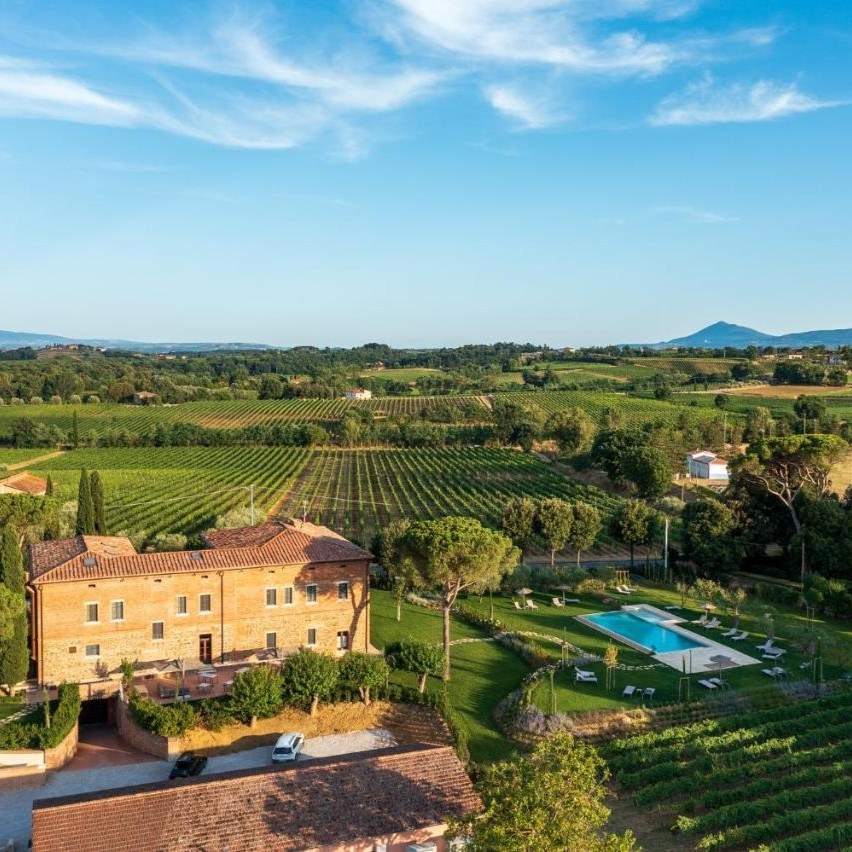
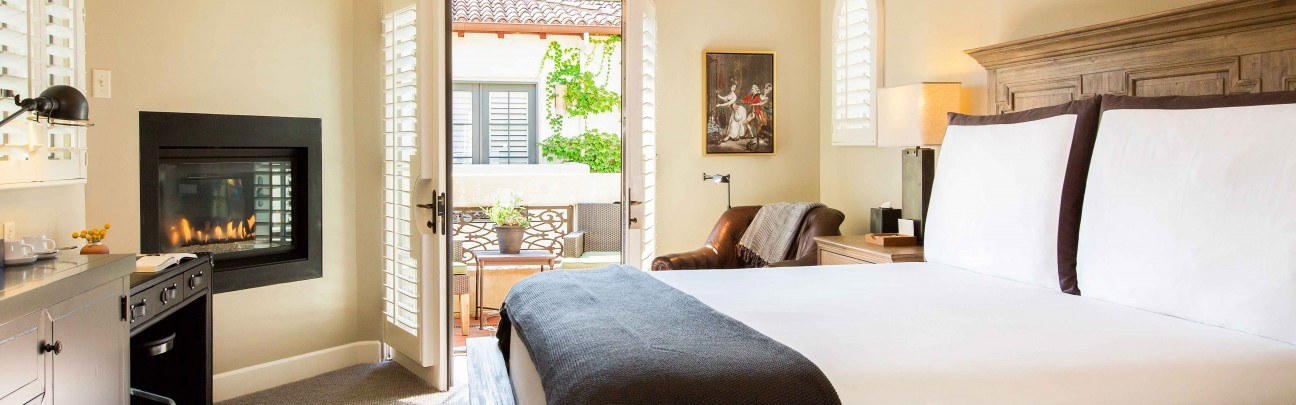
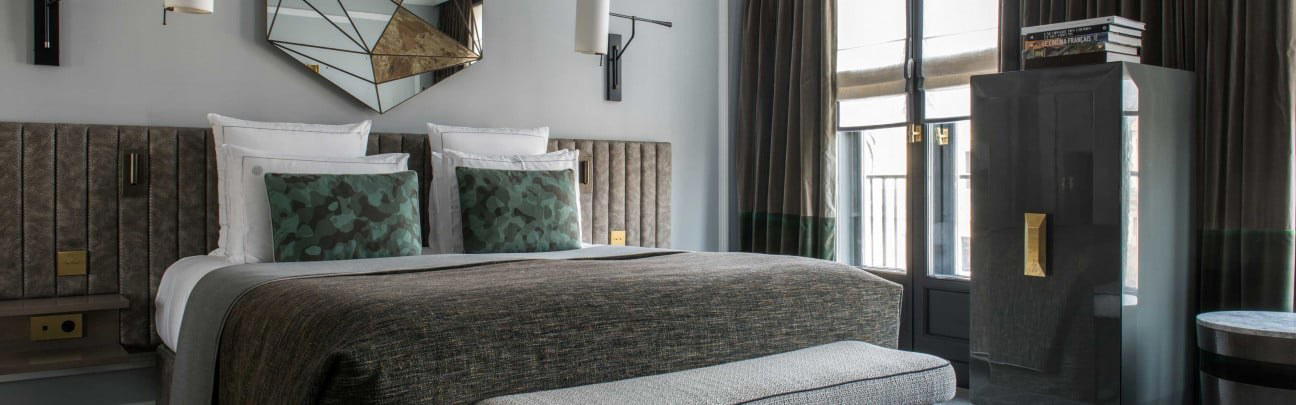
There is not enough information here to recommend a specific room category or to state that any particular style of visit is the best choice. If room size, views, outdoor access, or in-room features are important to the trip, confirm those details with the venue before booking. The same cautious approach applies to any expectation that depends on the exact accommodation selected: recognition can indicate a level of confidence in the property overall, but it does not, by itself, describe every room or every guest experience in useful detail.
The grounded reason to keep Precise Tale Poggio Alla Sala on a Montepulciano shortlist is its confirmed recognition: Michelin 1 Key in 2024 and a Mr & Mrs Smith Seal of Approval in 2026. For travelers choosing between recognized venues and other accommodations in the area, those accolades are the clearest differentiators. They help separate the venue from a general field of options without requiring unsupported statements about what a visit will feel like in practice. The most accurate conclusion is modest but useful: this is a Montepulciano venue with documented recognition, and that recognition is the strongest available reason to investigate it further.
Verify practical details before booking
It also does not establish whether a particular date, room type, or rate will match a traveler's priorities. A more reliable approach is to treat Precise Tale Poggio Alla Sala as a Montepulciano venue with confirmed recognition and to verify practical details directly for the dates and room type under consideration. Before committing, bookers should use the confirmed accolades as a starting point, then check the operational specifics that will shape the actual visit. That keeps the decision aligned with what is known, while avoiding the risk of building plans around details that have not been.
Planning details
- Location
- Via Poggio alla Sala, 10, 53045 Montepulciano SI
- Website
- precisehotels.com/it/poggio-alla-sala
- Phone
- +39 0578 820050
The take
The Take
The Vibe
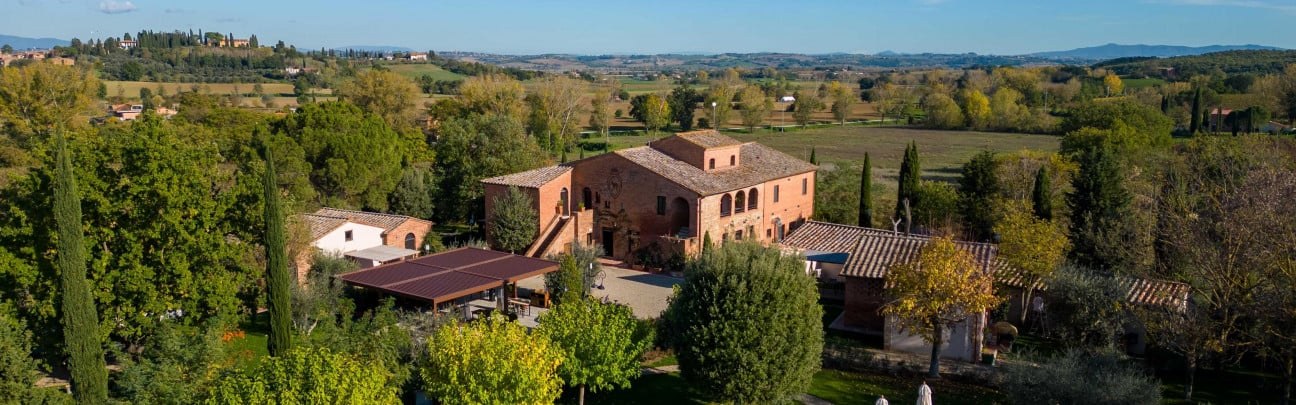
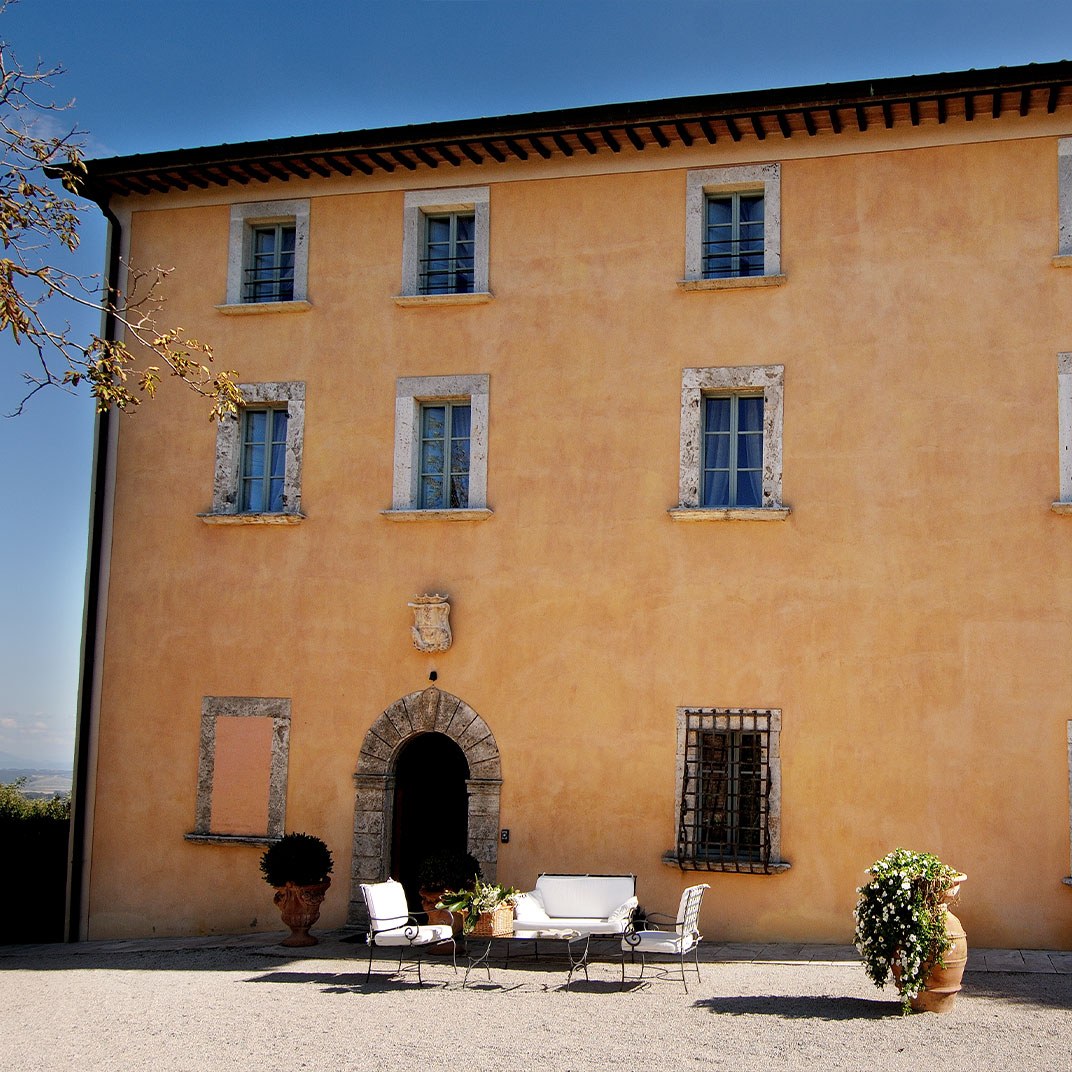
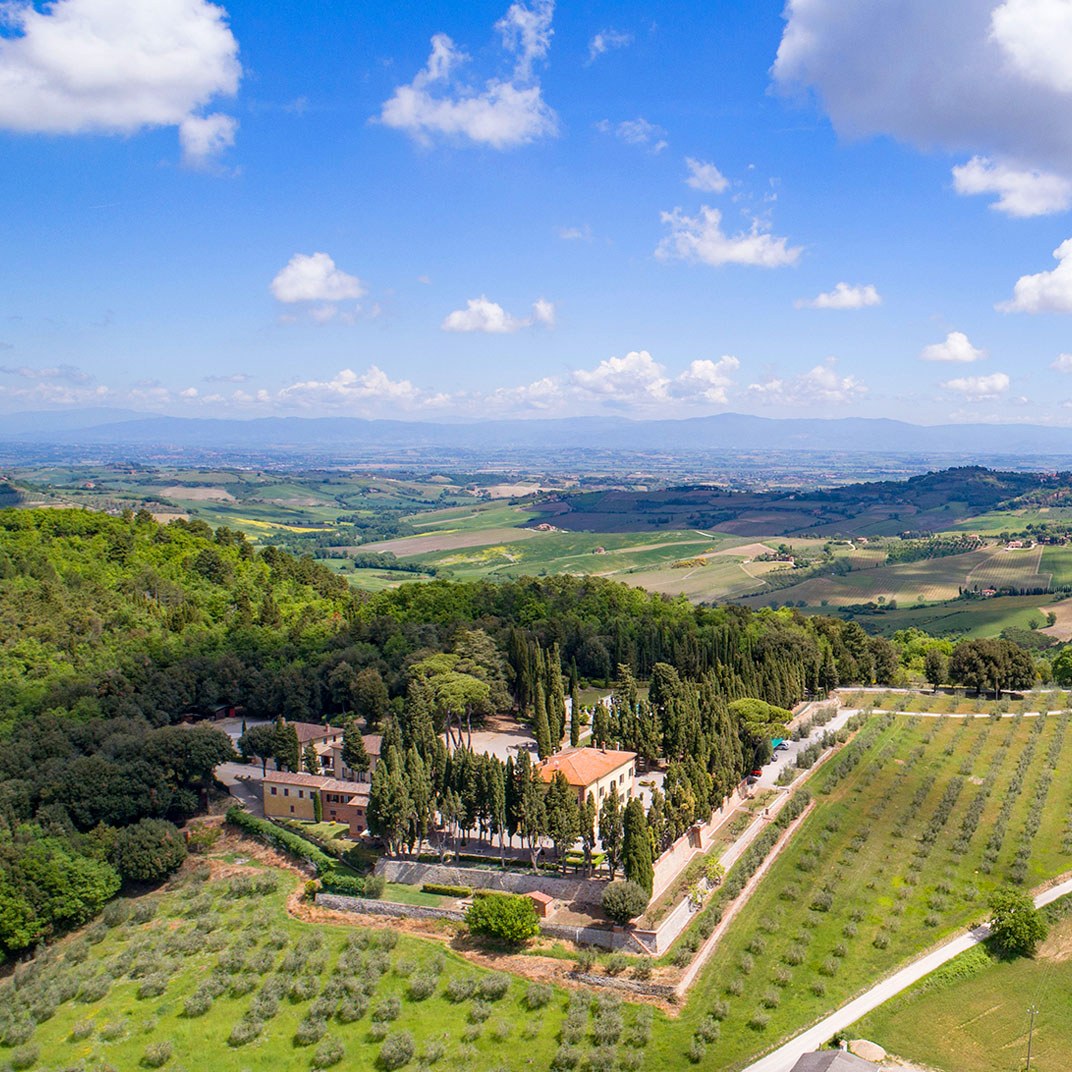
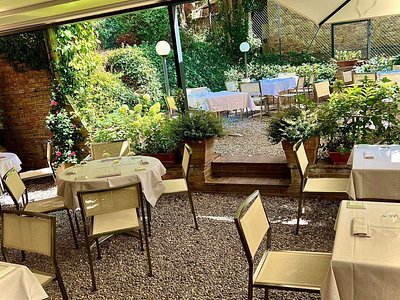
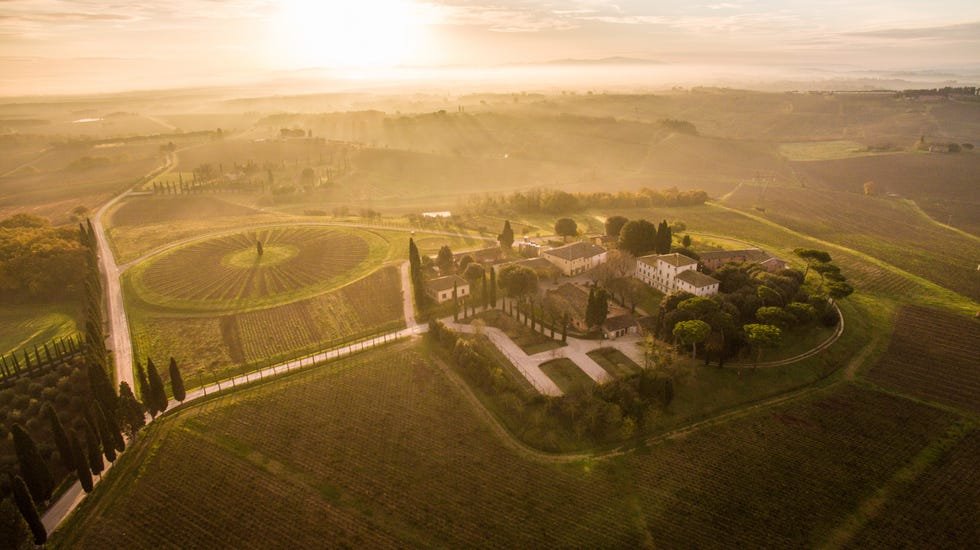
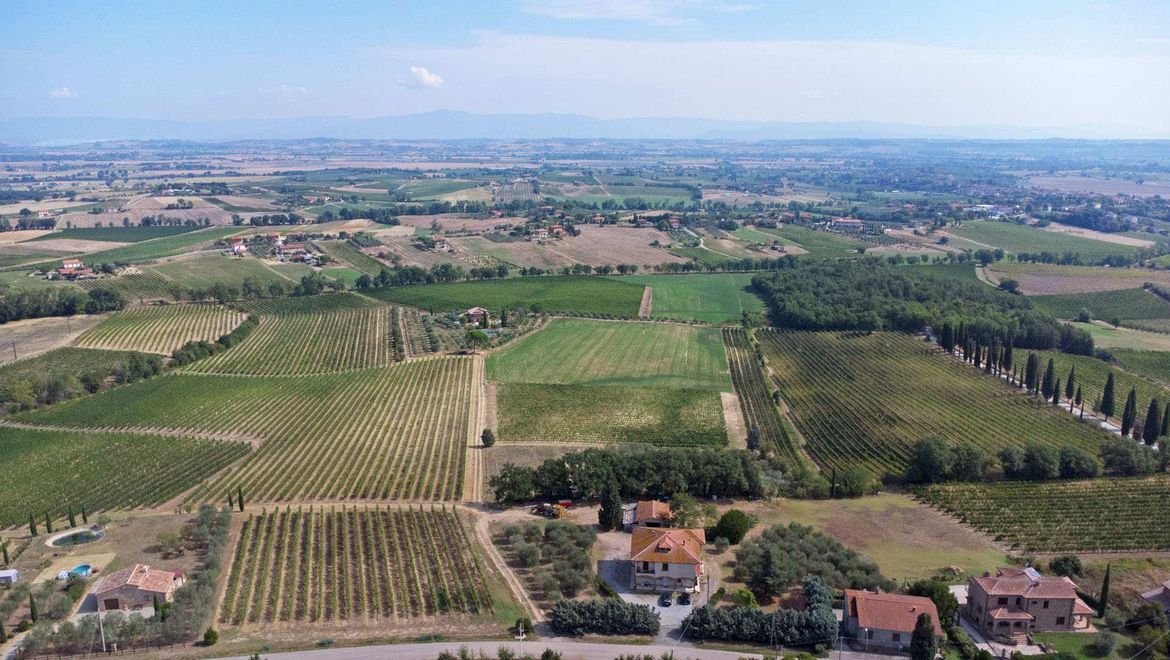
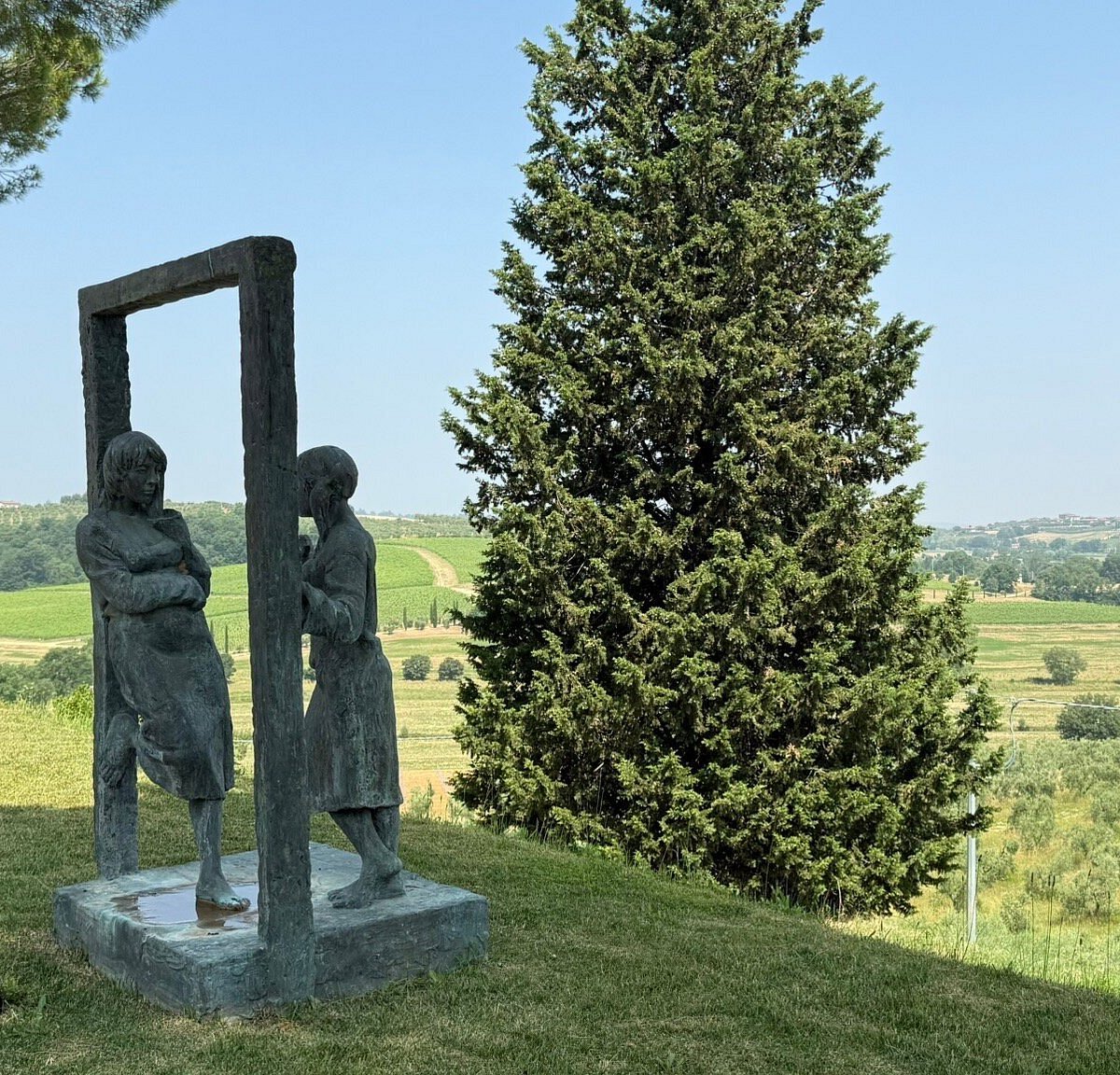
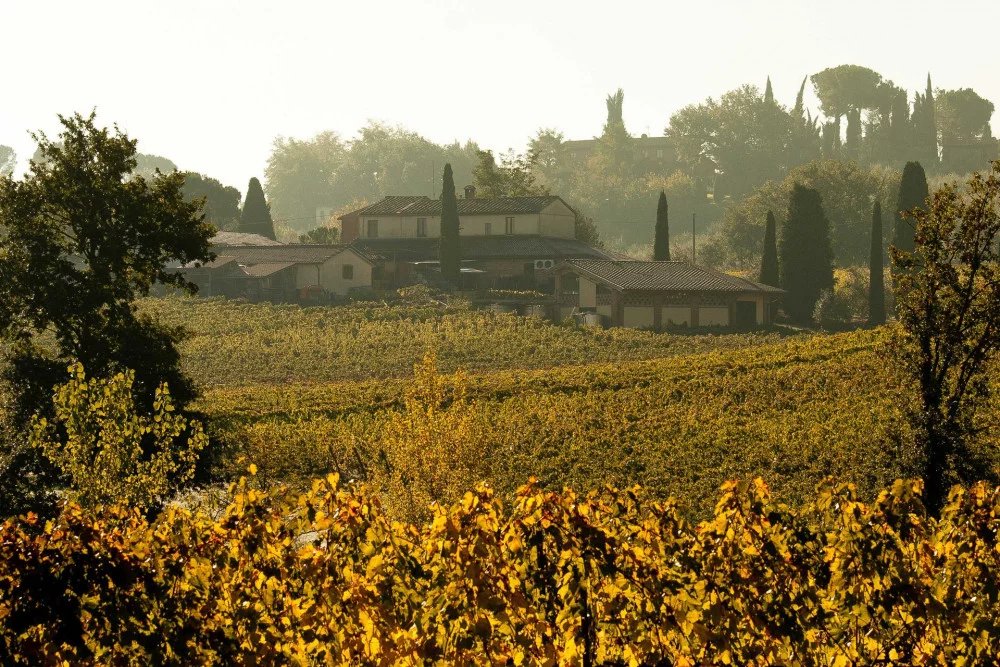
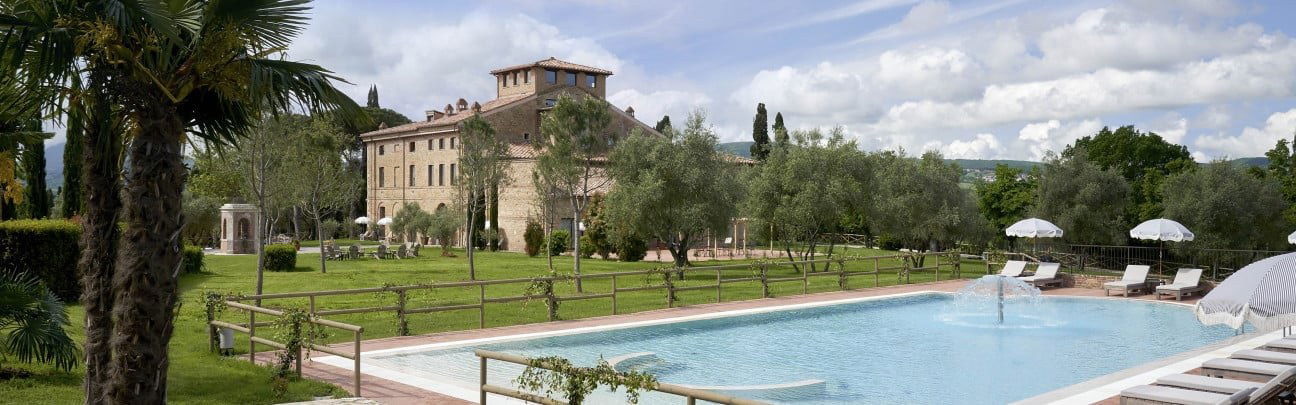
Precise Tale Poggio Alla Sala sets a layered, design-forward tone: the hotel reads as securely Tuscan in its bones while introducing a cosmopolitan register drawn from the Silk Routes. Stone walls, terracotta textures and regional crafts sit alongside Iznik- and Persian-inspired geometries, curated textiles and finishes that register as worldly rather than purely regional. The property feels scenic and intimate, with cypress-lined approaches and olive-grove slopes composing the postcard landscape, and an interior sensibility that skews elegant and sophisticated without feeling austere. A Michelin Key in 2024 underscores the careful hospitality curation that shapes the guest experience.
Best For
This is a property for travelers who prize atmosphere and design as much as setting. It suits couples on honeymoon or romantic getaways, guests marking anniversaries, and small groups seeking a refined weekend escape in the Tuscan countryside. The hotel’s distinct visual identity and the Michelin Key recognition make it an attractive option for destination weddings and other celebratory stays where a memorable, picture-book landscape and thoughtful interiors matter. Guests come for the landscape, stay for the layered design, and expect a composed, hospitality-led experience.
Stay Tips
Book with an eye to dining and design: the property’s Michelin Key signals that its hospitality and food offerings merit advance reservations. When making a reservation, note the hotel’s emphasis on its landscape and design concept—ask the front desk about rooms or suites that best showcase the cypress-lined approach and surrounding olive groves, and mention any preference for Silk Routes–inspired interiors if that detail matters to your stay. For celebratory stays such as anniversaries or weddings, inquire early about available packages or hospitality arrangements tied to events.
Venue details
Ambiance
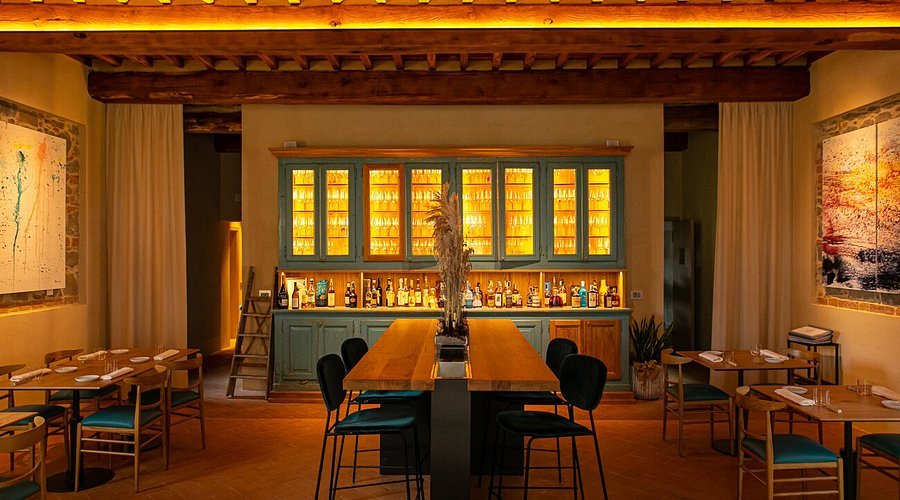
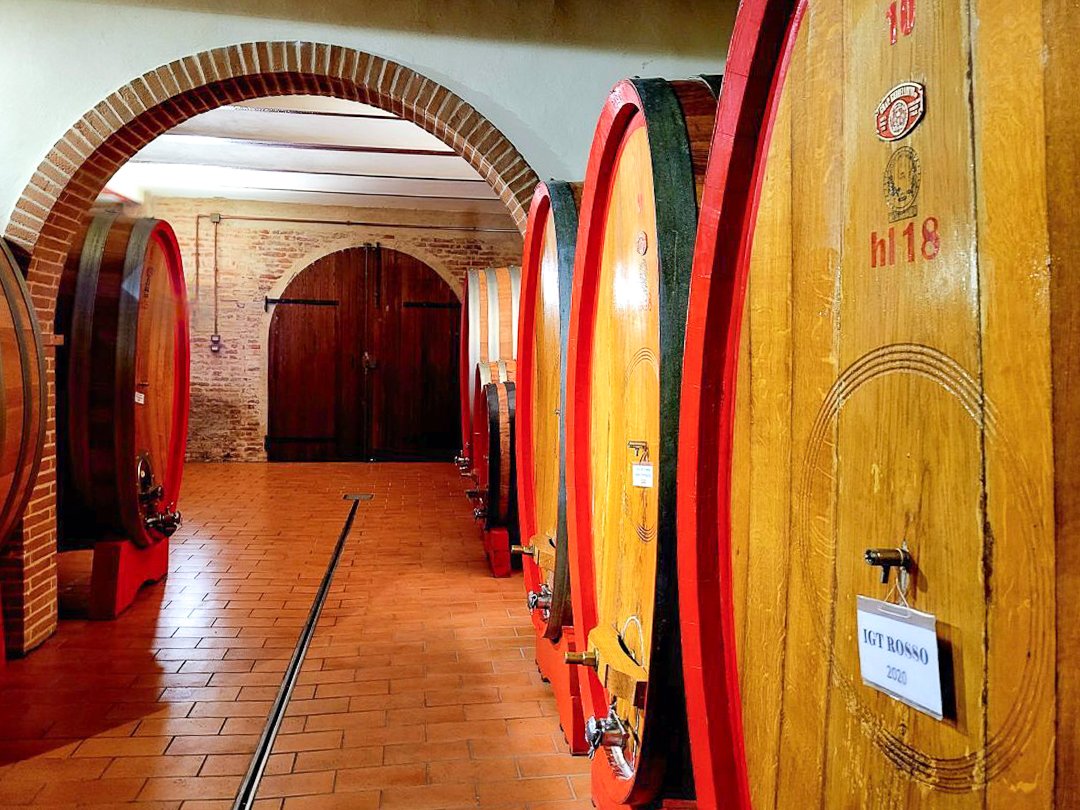
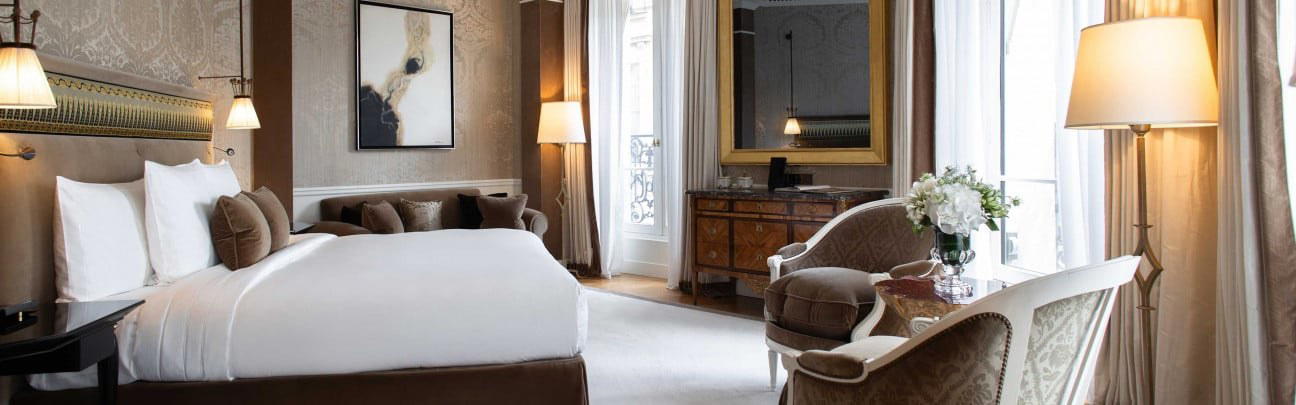
Serene and tranquil atmosphere with elegant lighting, terracotta floors, preserved frescos, and vaulted ceilings blending historic charm with sophisticated modern design.
Tags
Vibe
Best For
Experience
Amenities
View
Accessibility
About the Stay
- Rooms
- 62
- Check-in
- 15:00
- Check-out
- 11:00
- Property Style
- Historic Residence Blending Tuscan Heritage with Contemporary Luxury
- Design Style
- Understated Tuscan Aesthetic with Neoclassical Elements, Terracotta Floors, Frescos, and Neutral Modern Furnishings
Know before you go
Know Before You Go
- Getting there
- Via Poggio alla Sala, 10, 53045 Montepulciano SI
Planning details
Location
Via Poggio alla Sala, 10, 53045 Montepulciano SI · Directions
Recognition and awards
Also consider
Also Consider
- Borgo San Vincenzo, Notable alternative
- Villa Cicolina, Notable alternative
- Monteverdi Tuscany, Notable alternative
- Podere Zingoni, Notable alternative
- VILLA POGGIANO, Notable alternative
Hotel context
How It Compares
Choose Precise Tale Poggio Alla Sala over Borgo San Vincenzo or Villa Cicolina if the priority is a more recognition-backed countryside stay and dates can be locked early. Booking difficulty is the catch: this is the harder play, so value depends on planning ahead and using the property as more than a sleep stop.
Villa Cicolina and VILLA POGGIANO are stronger cross-shops for travelers who want the feel of a classic Montepulciano villa stay without committing to the same level of scarcity. Podere Zingoni makes more sense for a quieter, lower-key rural comparison, while this property is the better fit when hotel polish carries more weight.
Monteverdi Tuscany is the out-of-metro comparison for guests willing to widen the map for a more destination-led Tuscan stay. Stay closer to Montepulciano if the trip is built around the town and nearby wine country; widen to Monteverdi only if the hotel itself is meant to anchor the itinerary.
Explore Montepulciano
Around this place
Discover more on Pearl
Unlock the full Precise Tale Poggio Alla Sala guide in Pearl, including awards, comparisons, FAQs, planning details, and nearby places.
Compare Precise Tale Poggio Alla Sala
| Venue | Location | Awards |
|---|---|---|
| Precise Tale Poggio Alla Sala | Montepulciano | 2026 Mr & Mrs Smith Luxury HotelsMichelin 1 Key 20252025 Michelin 1 Key2024 Michelin 1 Key |
| Borgo San Vincenzo | Montepulciano | No published awards |
| Villa Cicolina | Montepulciano | No published awards |
| Monteverdi Tuscany | Castiglioncello Del Trinoro | 2026 Virtuoso Luxury Hotel Collection2026 Mr & Mrs Smith Luxury Hotels2025 Michelin 2 Keys |
| Podere Zingoni | Sarteano | No published awards |
| VILLA POGGIANO | Montepulciano | No published awards |


How Precise Tale Poggio Alla Sala compares with similar nearby venues.
FAQ
Frequently Asked Questions
How is the pool and spa at Precise Tale Poggio Alla Sala?
Which room category is best at Precise Tale Poggio Alla Sala?
No specific room category can be recommended from the information available. Compare the venue's current room descriptions directly, and consider other options such as Borgo San Vincenzo or Villa Cicolina if you are building a broader shortlist.
When is the best time to book Precise Tale Poggio Alla Sala?
The confirmed points are that Precise Tale Poggio Alla Sala is in Montepulciano, has a smart casual dress code, received Michelin 1 Key in 2024, and has a Mr & Mrs Smith Seal of Approval for 2026.