

Monteverdi Tuscany
Castiglioncello del Trinoro, Castiglioncello Del Trinoro
Hotel in Castiglioncello Del Trinoro, Italy
 Book with Pearl
The Read
Medieval Village Conversion
Why go
Monteverdi Tuscany is worth prioritizing for a special-occasion countryside stay or executive retreat where privacy, setting, and luxury recognition matter. It is less convincing as a standard business base, because rural Tuscany logistics add planning pressure. Compare it with Podere Zingoni, Borgo San Vincenzo, and Villa Cicolina if value or easier availability matters more than a destination-hotel feel.
About Monteverdi Tuscany
Should you book Monteverdi Tuscany? Consider it when you specifically want a recognized stay in Castiglioncello Del Trinoro and the venue itself is central to the trip. Highlights include Michelin 2 Keys (2025), Mr & Mrs Smith Seal of Approval (2026), and Virtuoso Luxury Hotel Partner (2026). The dress code is smart casual. If your decision depends on detailed services, dining specifics, room types, pricing, hours, or exact logistics, confirm those directly before booking.
A recognized Castiglioncello Del Trinoro stay
Monteverdi Tuscany is best evaluated as a recognized stay in Castiglioncello Del Trinoro. The recognition gives it credibility for travelers who want an externally recognized property rather than an option chosen only by location or price.
The booking case is strongest when the recognized status matters to the trip. If the stay is simply a practical overnight stop, confirm whether the location, availability, and logistics fit before committing.
Who should choose it over other comparison options
Choose Monteverdi Tuscany over Podere Zingoni, Precise Tale Poggio Alla Sala, VILLA POGGIANO, Borgo San Vincenzo, and Villa Cicolina when recognition matters to the decision. The clearest differentiator is its Michelin 2 Keys status, alongside Mr & Mrs Smith and Virtuoso recognition.
For travelers who value those external signals, that recognition may make the choice easier. For anyone whose decision depends on room configuration, family facilities, workspace needs, meals, transfers, or other specific services, confirm them directly with the property before treating it as the right fit.
How to think about value before committing
There is no public price signal to use here, so the value question should be judged against trip purpose rather than a nightly-rate benchmark. If recognition is central to the choice, Monteverdi Tuscany has clear credentials. If it is one stop in a larger itinerary, compare it carefully with the other named options before deciding.
The practical advice: treat this as a booking that deserves direct verification if the trip is tied to a specific date or requirement. If a preferred room type, arrival timing, or transfer plan is central to the stay, verify those details before committing. The facts support Monteverdi Tuscany as a recognized Castiglioncello Del Trinoro stay; the rest should be checked directly with the venue.
Planning details
- Location
- Via di Mezzo, 2, 53047 Castiglioncello del Trinoro SI
- Website
- monteverdituscany.com
- Phone
- +39 0578 268146
The take
The Take
The Vibe
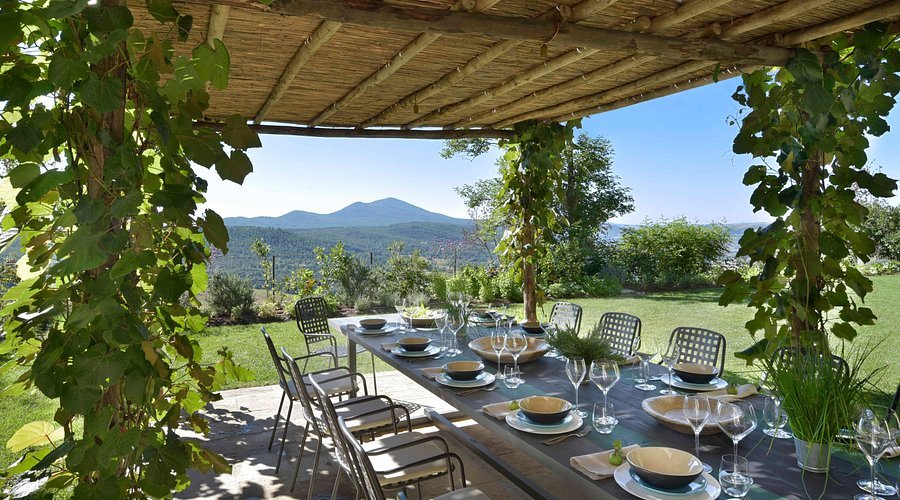
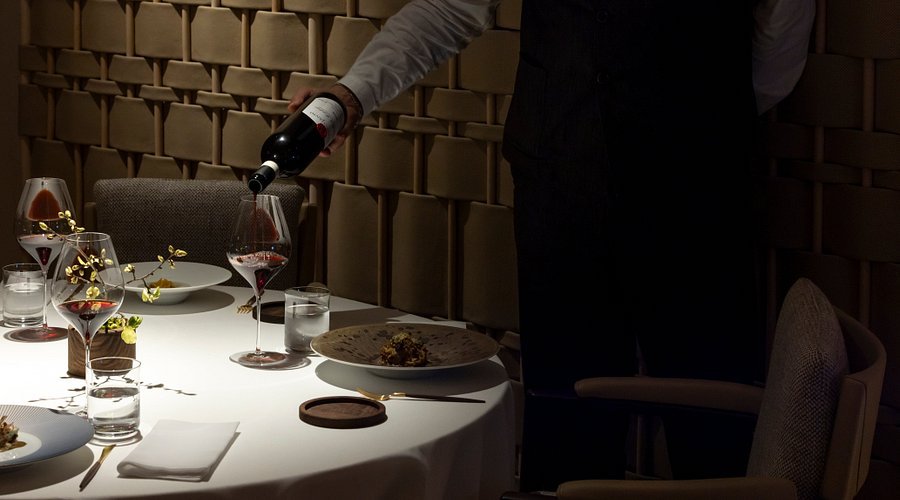
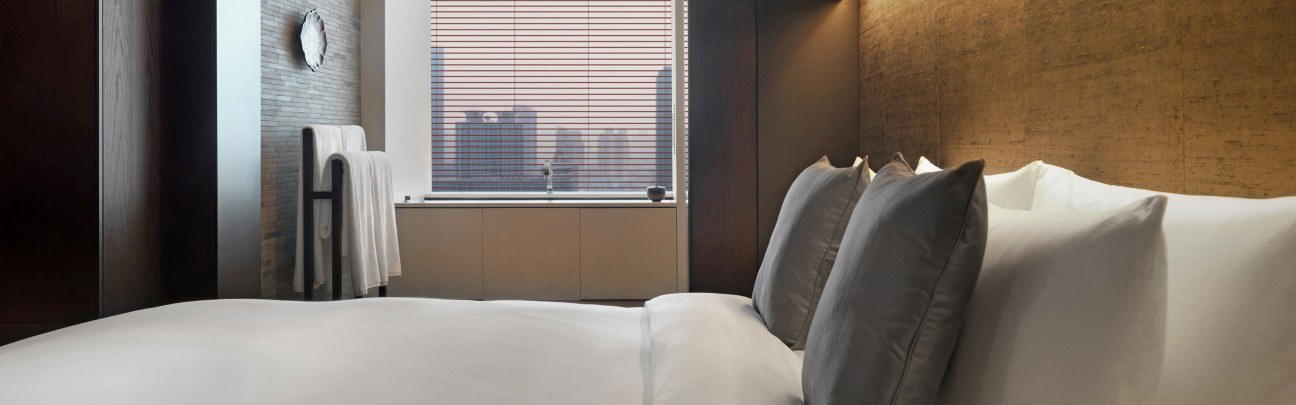
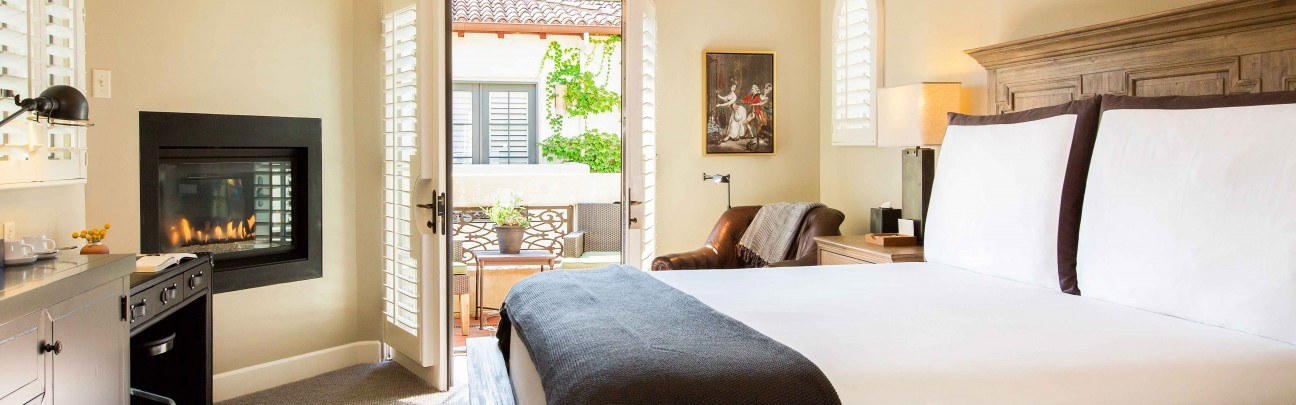
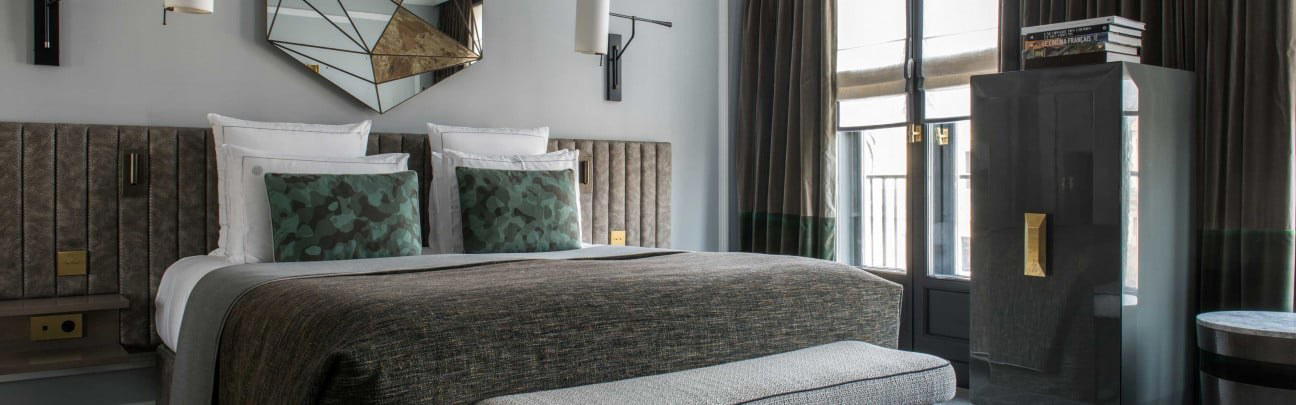
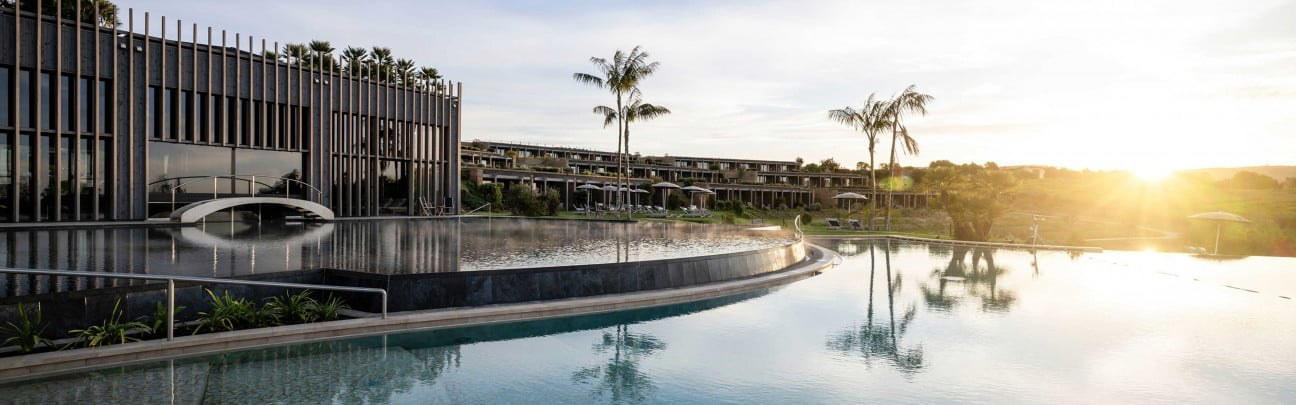
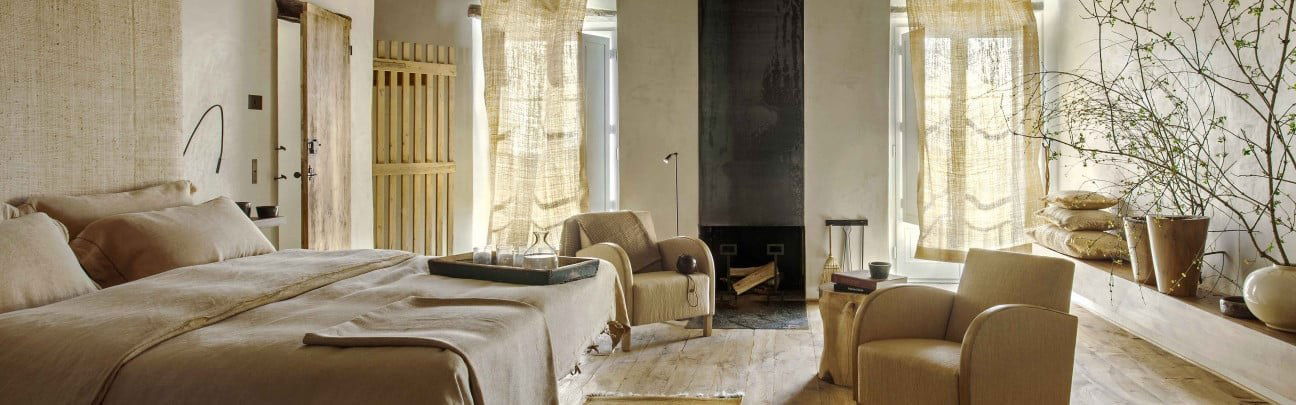
Monteverdi Tuscany presents as a living medieval village restored for contemporary hospitality. Guest rooms punctuate ancient cobblestoned streets, and communal amenities — a stone-walled pool, gardens, a spa and a gallery — sit within the original fabric. The presence of a 14th-century church repurposed as a concert venue reinforces the property's historic character, while the commission of Foster + Partners for the main restaurant signals a measured modern counterpoint. The result is an experience that reads as continuity with place: quietly refined, architecturally engaged and unmistakably rooted in Tuscany’s past.
Best For
Monteverdi is well suited to travelers seeking an intimate, culture-forward escape. The village layout and small scale favor couples and visitors after a romantic or restorative stay, and the on-site spa, gardens and concert program in the old church make it attractive for guests who value relaxation and cultural programming. Its blend of medieval ambiance and contemporary architecture also appeals to design-minded guests who want to stay somewhere that reads as both historic and deliberately curated.
Stay Tips
When planning a stay, factor the village’s program into your itinerary: reserve a table at Zita, the main restaurant designed by Foster + Partners, and check the schedule for concerts in the restored 14th-century church. Book spa treatments early in the booking process to secure preferred times. Allow time to wander the cobblestoned streets, visit the gallery and relax in the gardens and by the stone-walled pool; these on-site offerings define much of the guest experience and are best enjoyed without a rushed schedule.
Venue details
Ambiance
Rustic-chic with stone walls, wooden beams, subtle lighting, cozy low-lit bars, and serene hilltop serenity.
Tags
Vibe
Best For
Experience
Amenities
View
Accessibility
About the Stay
- Rooms
- 18
- Check-in
- 16:00
- Check-out
- 11:00
- Property Style
- Restored Medieval Tuscan Village
- Design Style
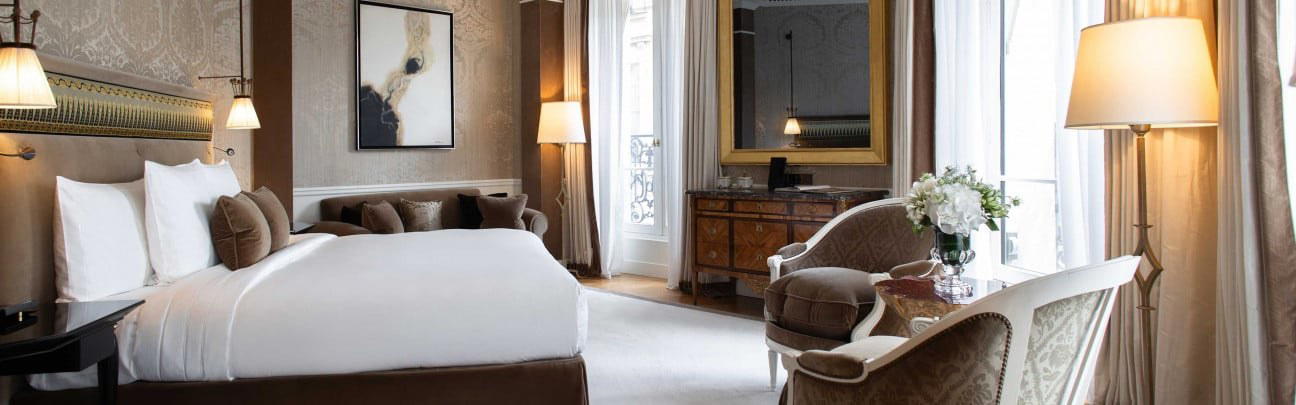
- Rustic Chic with Polished Modern Touches
Know before you go
Know Before You Go
- Getting there
- Via di Mezzo, 2, 53047 Castiglioncello del Trinoro SI
Planning details
Location
Via di Mezzo, 2, 53047 Castiglioncello del Trinoro SI · Directions
Recognition and awards

Also consider
Where to Look If Dates Do Not Work
If Monteverdi Tuscany is full, start with Borgo San Vincenzo for a similar wine-country mindset with a less all-or-nothing feel. For a more classic villa stay, compare Villa Cicolina before widening the search.
Hotel context
How It Compares
Monteverdi Tuscany is the higher-commitment choice in this set: stronger for a polished celebration, senior retreat, or destination stay than for a simple countryside base. Podere Zingoni is the better cross-shop if the priority is a lower-key rural stay, while Precise Tale Poggio Alla Sala is the more sensible comparison for travelers who want resort-style scale.
For ambiance, Monteverdi Tuscany is the pick when a village setting is the point of the trip. VILLA POGGIANO and Villa Cicolina are better alternatives if a classic villa mood feels more useful than a destination-hotel stay. Borgo San Vincenzo is the practical backup for travelers who want wine-country atmosphere without making Monteverdi the whole reason for the itinerary.
On booking difficulty, assume Monteverdi Tuscany needs earlier planning than the easier fallback options in the group. If dates are fixed, start here first; if flexibility is low, cross-shop Borgo San Vincenzo or Villa Cicolina before the trip gets boxed in.
Explore Castiglioncello Del Trinoro
Around this place
Discover more on Pearl
Unlock the full Monteverdi Tuscany guide in Pearl, including awards, comparisons, FAQs, planning details, and nearby places.
Compare Monteverdi Tuscany
| Venue | Location | Awards |
|---|---|---|
| Monteverdi Tuscany | Castiglioncello Del Trinoro | 2026 Virtuoso Luxury Hotel Collection2026 Mr & Mrs Smith Luxury Hotels2026 Michelin 2 KeysMichelin 2 Keys 20252025 Michelin 2 Keys |
| Podere Zingoni | Sarteano | No published awards |
| Precise Tale Poggio Alla Sala | Montepulciano | 2026 Mr & Mrs Smith Luxury Hotels2026 Michelin 1 Key2025 Michelin 1 Key2024 Michelin 1 Key |
| VILLA POGGIANO | Montepulciano | No published awards |
| Borgo San Vincenzo | Montepulciano | No published awards |
| Villa Cicolina | Montepulciano | No published awards |


How Monteverdi Tuscany compares with similar nearby venues.
FAQ
Frequently Asked Questions
When is the best time to book Monteverdi Tuscany?
If the stay is tied to a specific date or occasion, book early enough to secure the details that matter. Monteverdi Tuscany is in Castiglioncello Del Trinoro, so confirm availability, arrival timing, and any required logistics directly with the venue.
How is the dining at Monteverdi Tuscany?
How does Monteverdi Tuscany compare to other hotels?
Choose Monteverdi Tuscany when recognition is important to the decision, especially its Michelin 2 Keys status. Against Podere Zingoni, Precise Tale Poggio Alla Sala, VILLA POGGIANO, Borgo San Vincenzo, and Villa Cicolina, the distinction is its set of external recognitions rather than any specific amenity or service claim.
Is Monteverdi Tuscany family-friendly?
How is the location of Monteverdi Tuscany?
Monteverdi Tuscany is in Castiglioncello Del Trinoro. For any trip where transfers, arrival timing, or daily movement matter, confirm the practical logistics directly before booking.
Which room category is best at Monteverdi Tuscany?
Choose only after confirming the current room types, layout, and any stay requirements directly with Monteverdi Tuscany.