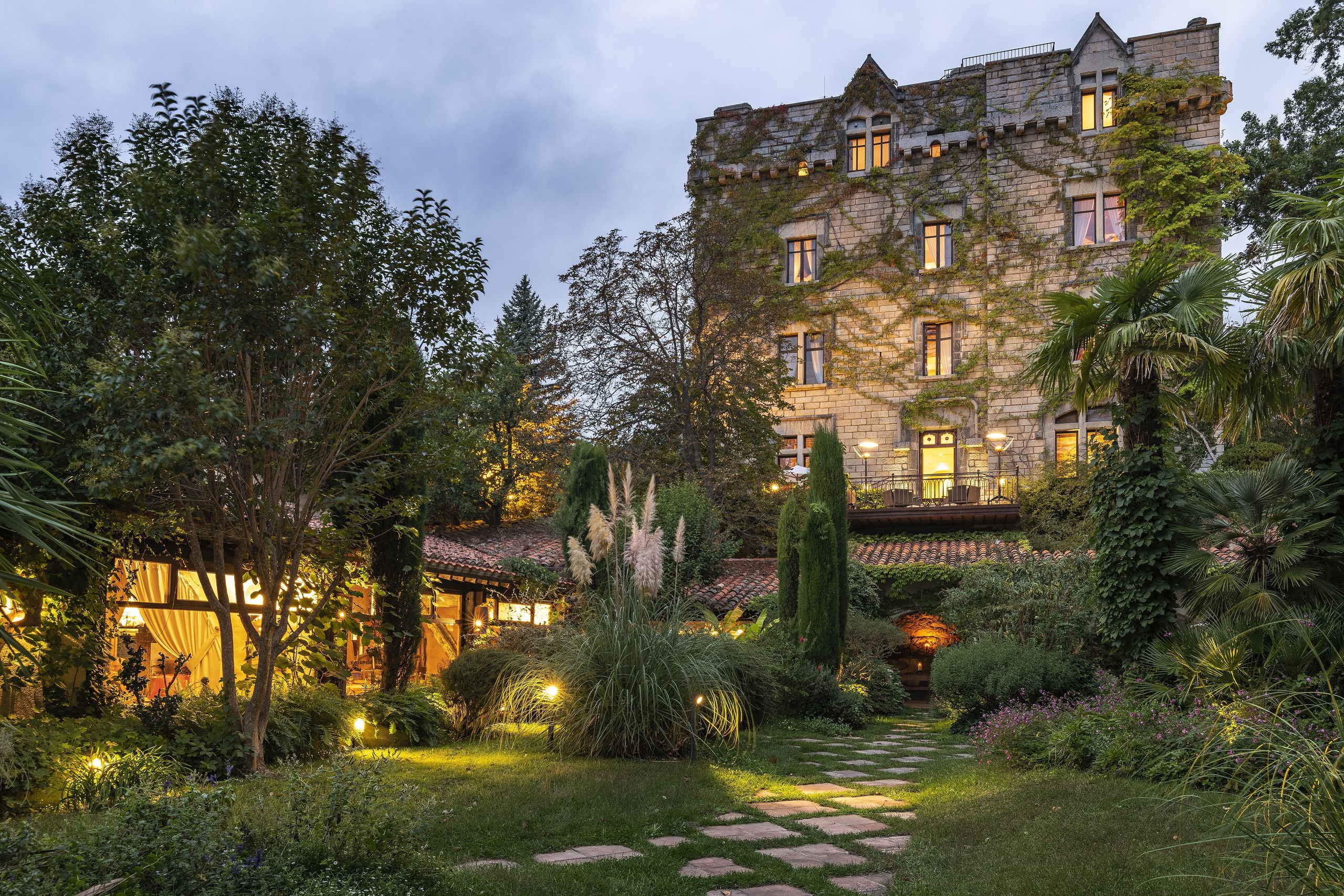


Château de Riell
Molitg-les-Bains
Hotel in Molitg-les-Bains, France
 Book with Pearl
The Read
Pyrénean Thermal Heritage
Why go
A Moorish-inflected château perched above a thermal valley in the Pyrénées-Orientales, Château de Riell pairs a 16,000-square-foot thermal spa with direct views of Canigó mountain. Rates from US$242 per night, with a 4.8/a 2025 Gault & Millau Exceptional Hotel designation (5 points). For the wider area, see our full Molitg-les-Bains hotels guide.
About Château de Riell
A Château at the Foot of Canigó
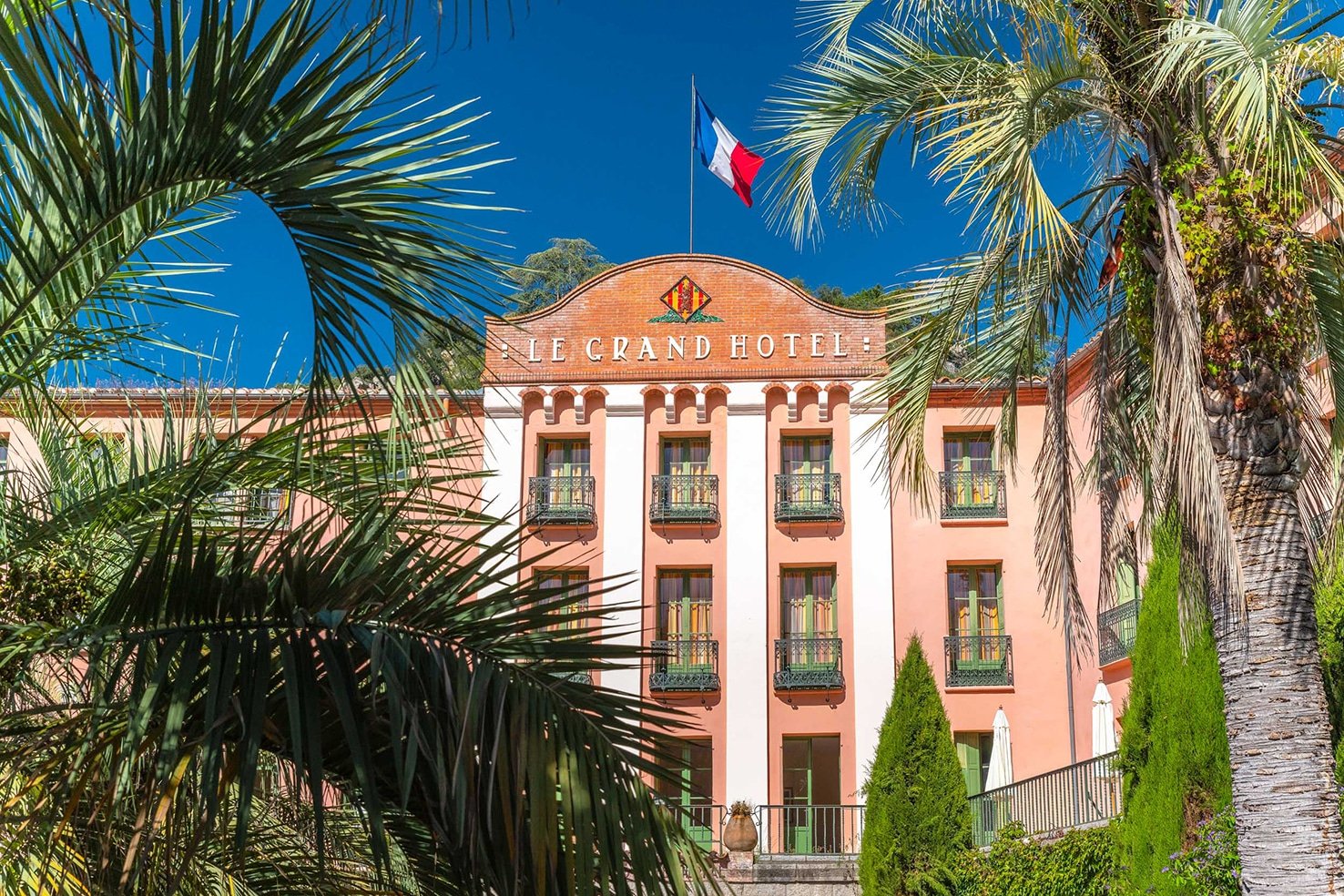
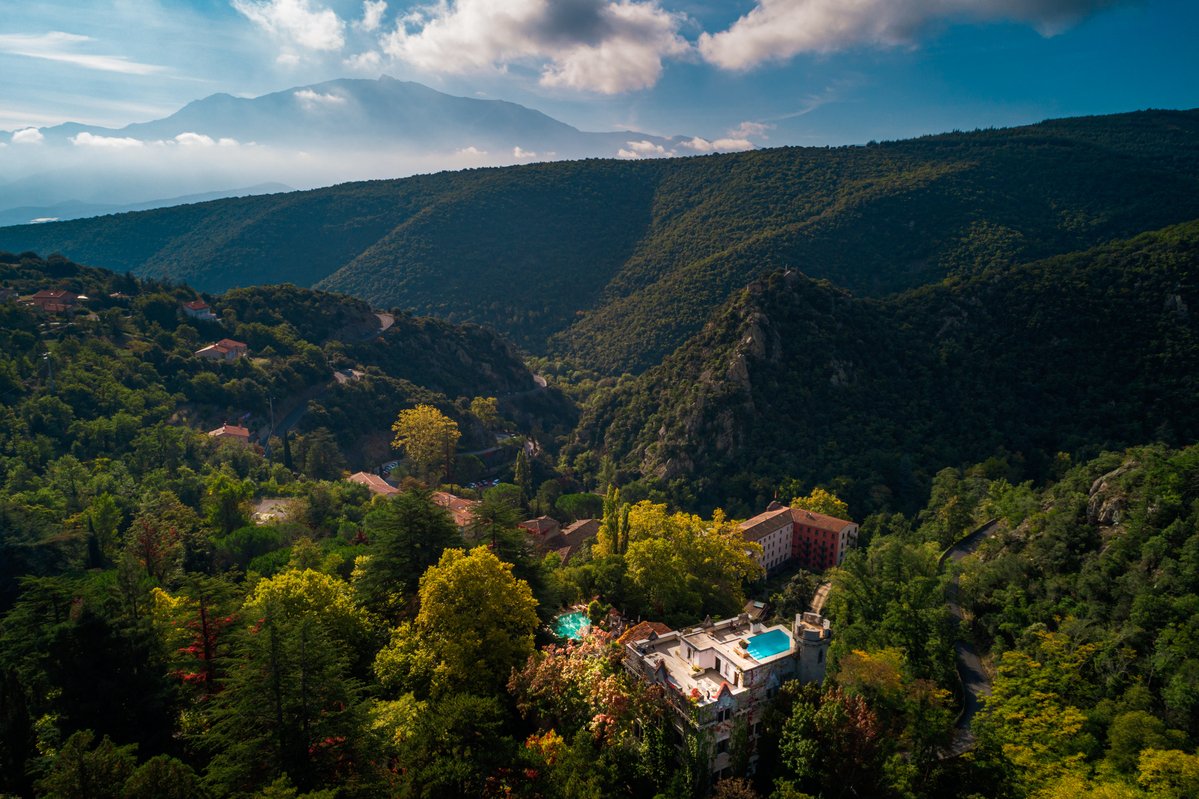
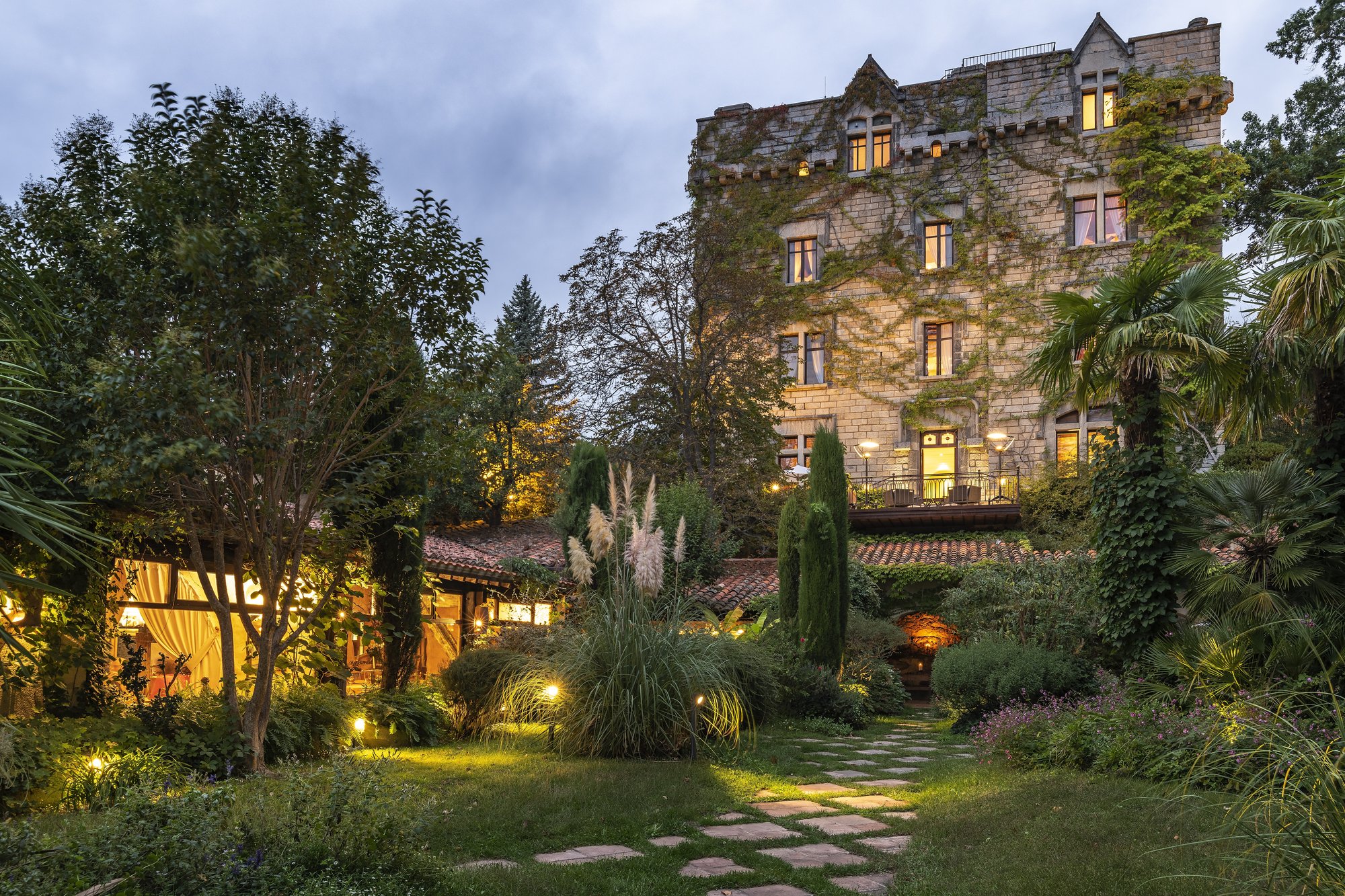
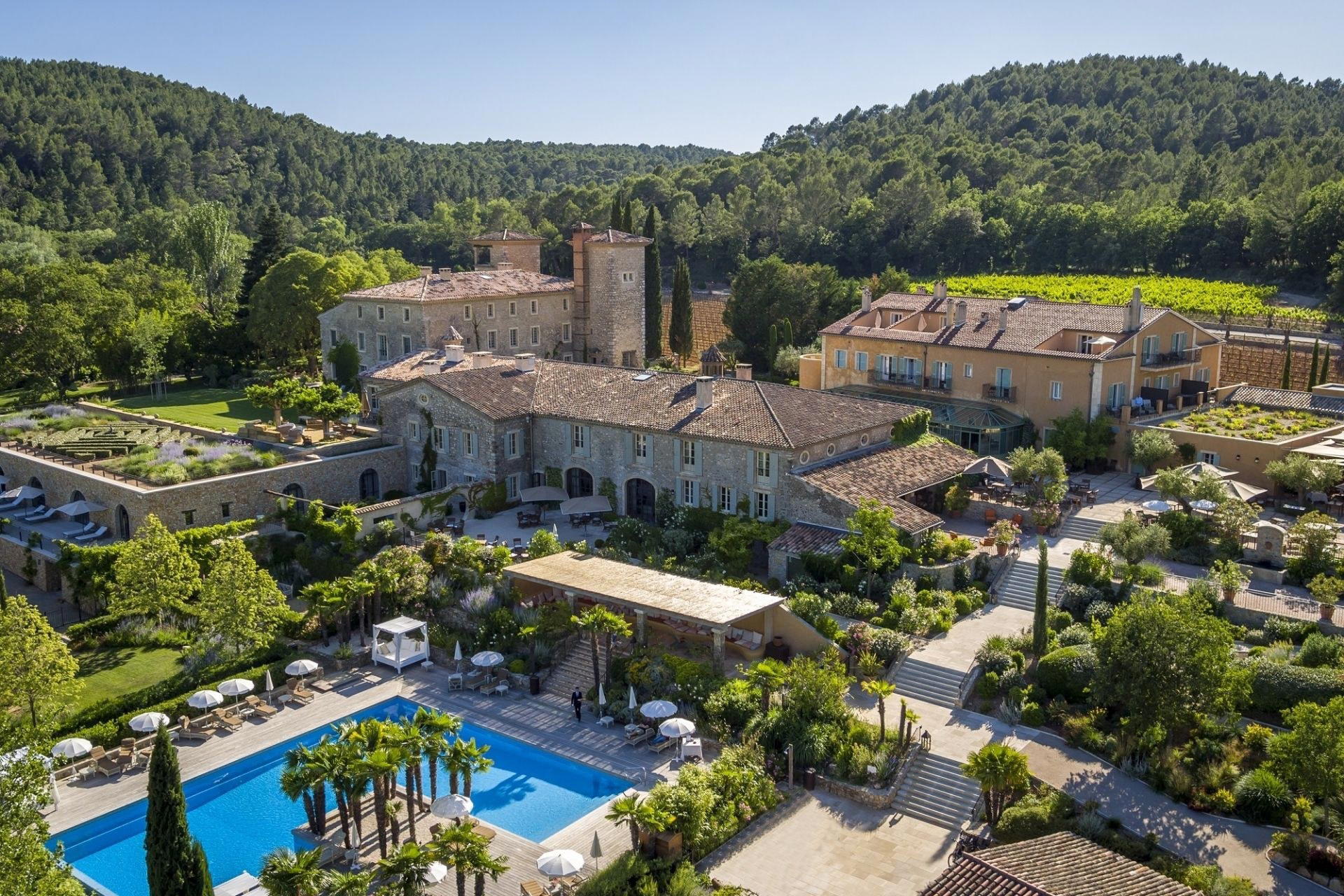
The approach to Molitg-les-Bains from Prades is a slow compression of the valley: the road narrows, the Pyrénées tighten on either side, Canigó, the sacred peak of Catalan tradition, rising to 2,784 metres, fills the windscreen in a way that makes the scale of the surrounding mountains feel less picturesque and more confrontational. Château de Riell appears at this point as something architecturally incongruous and entirely deliberate: a Moorish-inflected façade with crenellated towers and ornamental ironwork, set against a valley wall of schist and pine. The effect is not themed-resort pastiche but something closer to the extravagant historicism that defined the grands établissements thermaux of nineteenth-century France, when spa towns competed to outdo each other in architectural ambition. Molitg, with its sulphurous thermal springs, was part of that tradition, the château's form still reads as a product of it.
For travellers already familiar with France's design-led château hotel circuit, properties like Château de la Chèvre d'Or in Èze or Baumanière Les Baux-de-Provence, Château de Riell occupies a different niche. Where those properties sit inside recognised prestige circuits on the Riviera and in Provence, Riell operates in deliberate geographic remove, in a valley that most international travellers pass through without stopping. That distance is not a deficit; it is the proposition.
The Architecture as Orientation Device
French spa heritage has always used architecture instrumentally. The ornate bath houses, the colonnaded promenades, the casino-adjacent grand hotels of places like Vichy and Aix-les-Bains were designed not merely to house guests but to signal that the act of taking the waters was a serious, ritualised affair requiring a correspondingly serious stage set. Château de Riell belongs to the southern branch of that tradition, where Catalonia and Moorish Iberia bleed into the French Pyrénées through arched windows, azulejo-adjacent tilework, a silhouette that would look at home in Granada as much as in Languedoc-Roussillon.
The positioning within the landscape matters. The château sits above the valley floor, which means the thermal infrastructure below, the spa, the pools, the treatment facilities, functions as a separate layer, one you descend to rather than stumble into. That vertical separation between the architectural spectacle of the main building and the operational reality of the spa gives the property a spatial coherence that flatter resort layouts often lack. The mountain view from any refined position on the grounds is not incidental decoration but a fixed orientation point: Canigó frames the entire experience, a geographic anchor with cultural weight for the Catalan-speaking region that straddles this part of the Pyrénées.
The Thermal Dimension
Molitg-les-Bains has been a functioning thermal station for well over a century. The waters here, rich in sulphur and minerals, have historically been used for dermatological and respiratory treatments, the village remains a medical-thermal destination in the French sense, where the distinction between therapeutic and leisure spa use is taken more seriously than in many international resort contexts. Château de Riell's 16,000-square-foot thermal spa sits at the centre of the property's practical offer, its scale places it significantly above the amenity-spa tier that characterises most luxury hotels. Properties in the same broad conversation, Les Sources de Caudalie in Bordeaux, where the vinotherapy concept is built directly into the estate's wine identity, or Royal Champagne Hotel & Spa in Champillon, each anchor their spa offer to a specific local resource or landscape logic. At Molitg, that logic is the thermal spring itself, which gives the spa a specificity that generic wellness programming cannot replicate.
For comparison, the spa footprint at Château de Riell exceeds what you would find at many comparable city or mountain hotels, where large-format thermal infrastructure is impractical. Scale here is not a vanity metric; it reflects the property's identity as a destination built around water rather than one that has added water as an afterthought.
Recognition and Positioning
In 2025, Gault & Millau awarded Château de Riell its Exceptional Hotel designation with 5 points, a signal that the guide's assessors place it in the upper tier of French hotel properties by experience standard. The is a consistency signal worth noting: at that volume, the score reflects accumulated experience rather than a cluster of early enthusiast reviews. Properties earning similar recognition in the broader French hotel circuit, Domaine Les Crayères in Reims, La Bastide de Gordes, Villa La Coste in Le Puy-Sainte-Réparade, each occupy distinct regional identities rather than competing on a single national ranking logic. Riell's Pyrénéan position and thermal-heritage specificity give it a comparable set defined by place type rather than star count.
Rates from US$242 per night position the property accessibly within the French luxury château tier, where properties like Hotel Du Cap-Eden-Roc in Cap d'Antibes, Grand-Hôtel du Cap-Ferrat, or La Reserve Ramatuelle operate at significantly higher entry points driven by coastal prestige premiums. The Pyrénéan location, away from Riviera pricing logic, makes Riell a value-relative proposition for travellers prioritising landscape immersion and thermal programming over social-scene adjacency.
Getting There and Planning Your Stay
Access is direct by car: take the A9 motorway, exit at Perpignan South, then follow the D route towards Prades and Andorra. From Prades, Molitg-les-Bains is 7 kilometres further into the valley. Perpignan International Airport is 50 kilometres away, making a hire car from the airport the practical entry point for most international arrivals. If travelling by rail, Prades station, on the line from Perpignan (45 kilometres), sits 5 kilometres from the property, manageable by taxi, though the valley road rewards driving at your own pace. The GPS coordinates 42.6484, 2.3873 place the château precisely at the head of the thermal village.
The broader area rewards more than a single overnight. Prades hosts the Pablo Casals Festival each July and August, one of the more serious chamber music events in the French south. The Abbaye de Saint-Michel de Cuxa, a Romanesque monastery within walking distance of Prades, the Gorges de la Carança hiking circuit offer cultural and physical counterweights to full days in the spa. For those building a wider southern France itinerary, see our full Molitg-les-Bains hotels guide, our Molitg-les-Bains restaurants guide, bars guide, wineries guide, experiences guide.
Inside Château de Riell
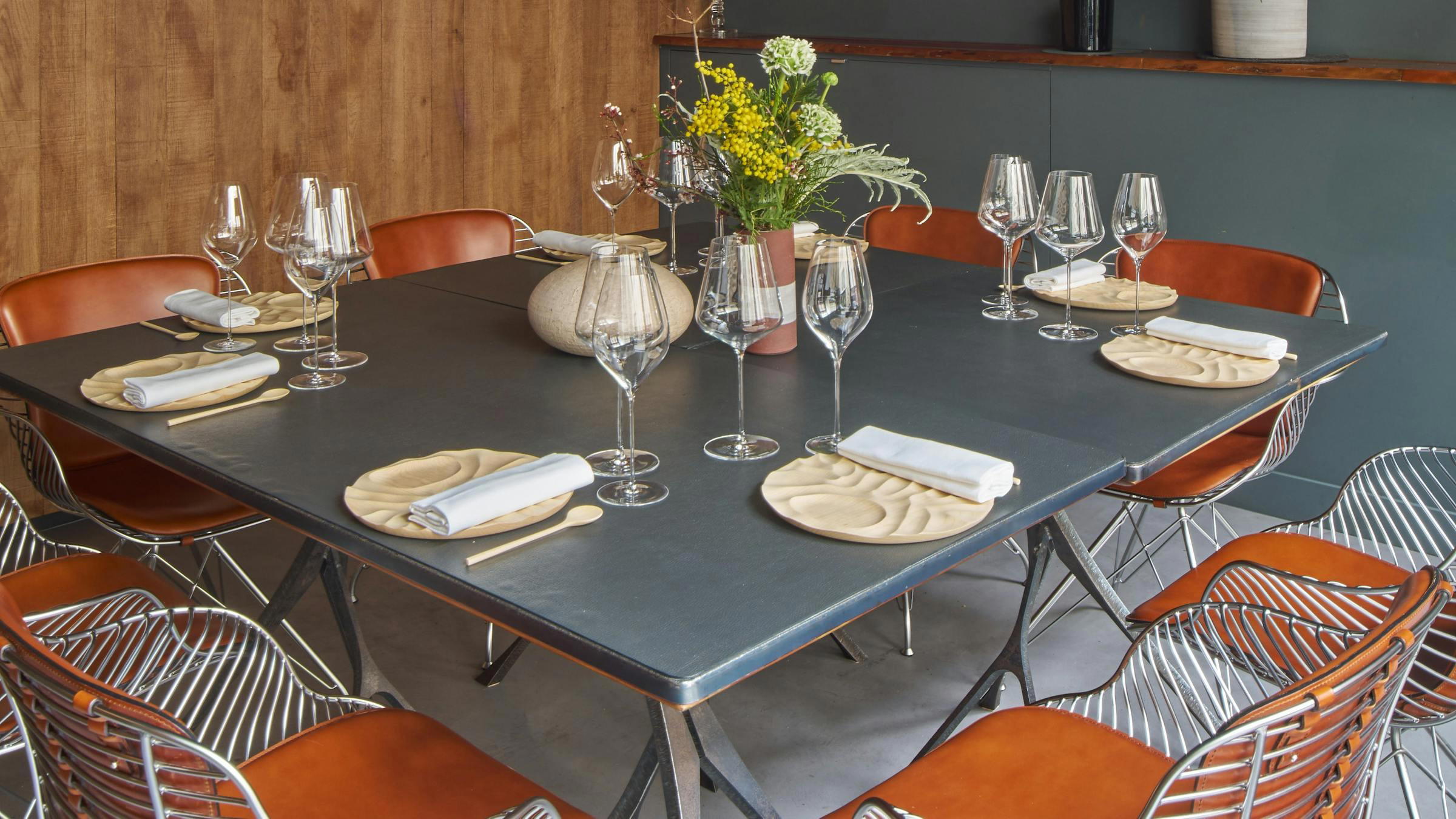
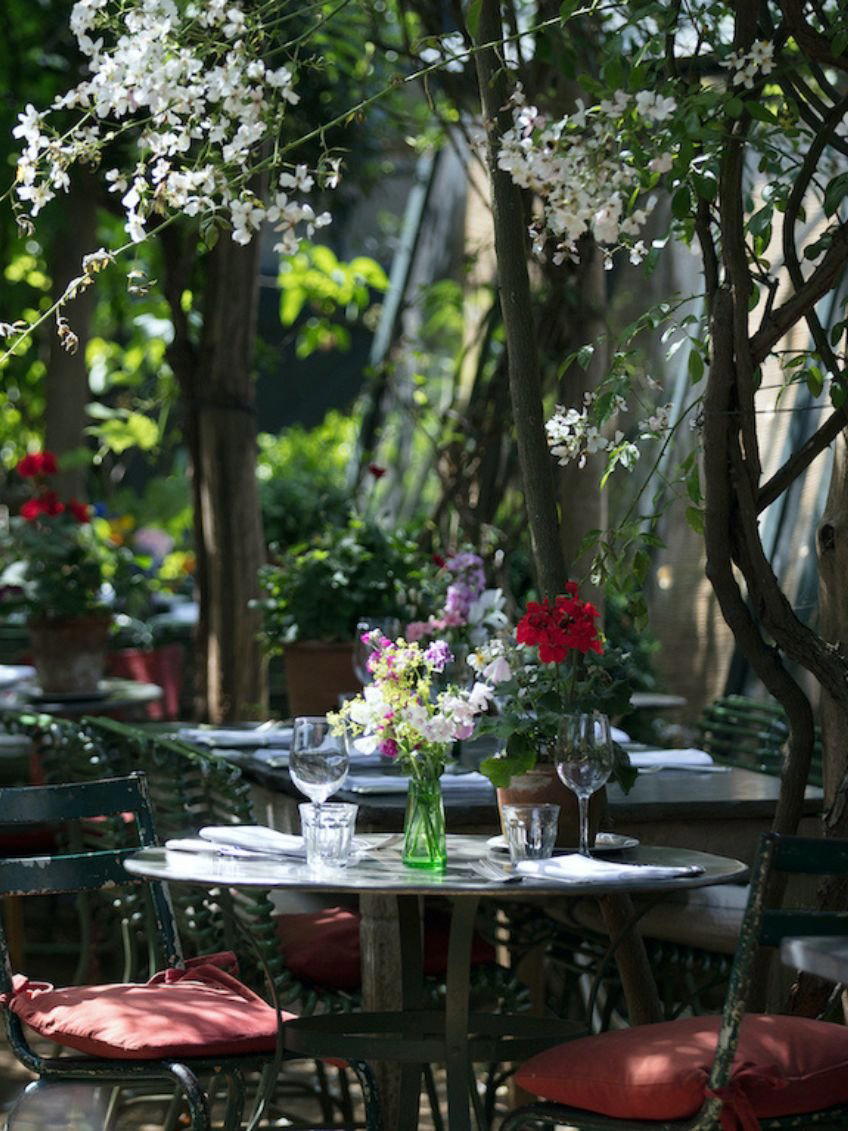 restaurantÒlibaÒliba brings Catalan-inflected cooking to the thermal village of Molitg-les-Bains, earning consecutive Michelin Plate recognition in 2024 and 2025 for creative small-plates work by chef Nelson Müller. The setting, deep in the Pyrénées-Orientales, places it at an unusual intersection of French and Catalan culinary traditions, making it a worthwhile stop for anyone touring the region's serious dining circuit.
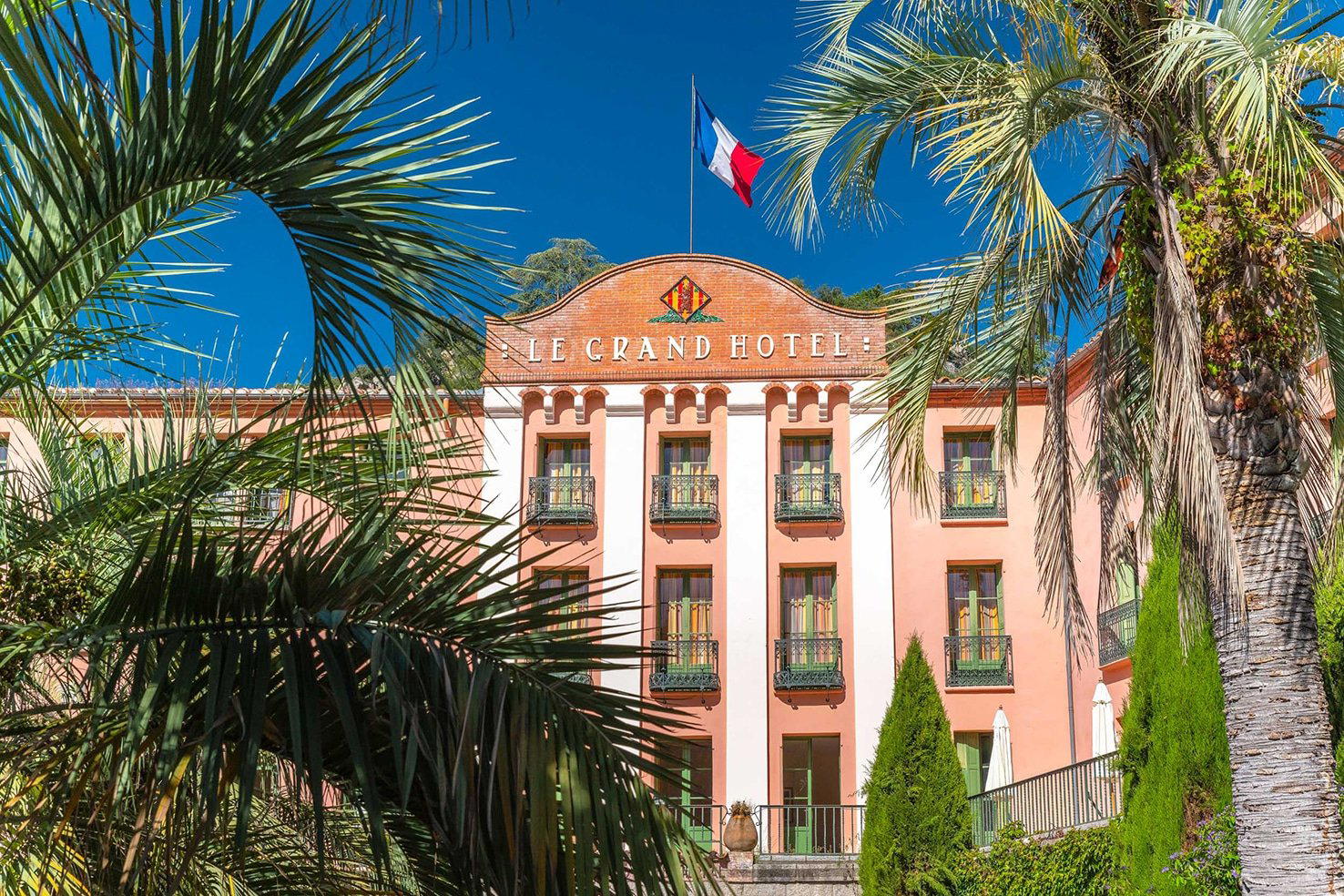 restaurantBistro CasalsBistro Casals sits on the Route des Bains in Molitg-les-Bains, a village in the Pyrenean foothills of Roussillon where the thermal tradition and the Catalan agricultural hinterland shape what ends up on the table. This is the kind of address that rewards travellers who treat a meal as inseparable from its terrain, a counterpoint to the resort-driven dining of larger French spa towns.
Planning details
- Location
- Rte des Bains, 66500 Molitg-les-Bains, France
- Website
- chateauderiell.com
- Phone
- +33 4 68 05 04 40
The take
The Take
The Vibe
Château de Riell reads like an exercise in cultivated historicism: a Moorish‑inflected façade, crenellated towers and ornamental ironwork sit against a schist-strewn valley wall with the Pyrénées looming behind. The property channels the grand spa hotels of nineteenth‑century France rather than pastiche, so the sense of scale and architectural ambition feels deliberate and serious. Its remote siting—where Canigó fills the windshield on the approach—gives the place a secluded, almost conspiratorial allure. The result is less buzzy resort and more accomplished, quietly theatrical retreat, a hotel that trades easy accessibility for concentrated atmosphere and a resolutely historic character.
Best For
This château is best for travellers who prize architecture, landscape and thermal‑spring heritage over chain‑hotel familiarity. It suits people seeking a restorative break built around the region's sulphurous springs, and guests who want to wake to dramatic mountain views rather than city lights. The property is particularly appropriate for design-minded weekenders and wellness‑minded visitors who appreciate a deliberately remote setting—those after a measured, elegant escape rather than a bustling resort experience.
Stay Tips
Plan logistics around the approach from Prades—arriving in daylight maximises the dramatic view of Canigó that dominates the route. Given Molitg's sulphurous thermal springs and the château’s spa tradition, book any thermal or wellness treatments in advance when possible. When reserving accommodation, request a room oriented toward the mountain vistas so you can make the most of the setting. Expect a measured, architecture-forward experience rather than a high-energy resort atmosphere; allow time to explore the building and the surrounding valley on foot.
Venue details
Ambiance
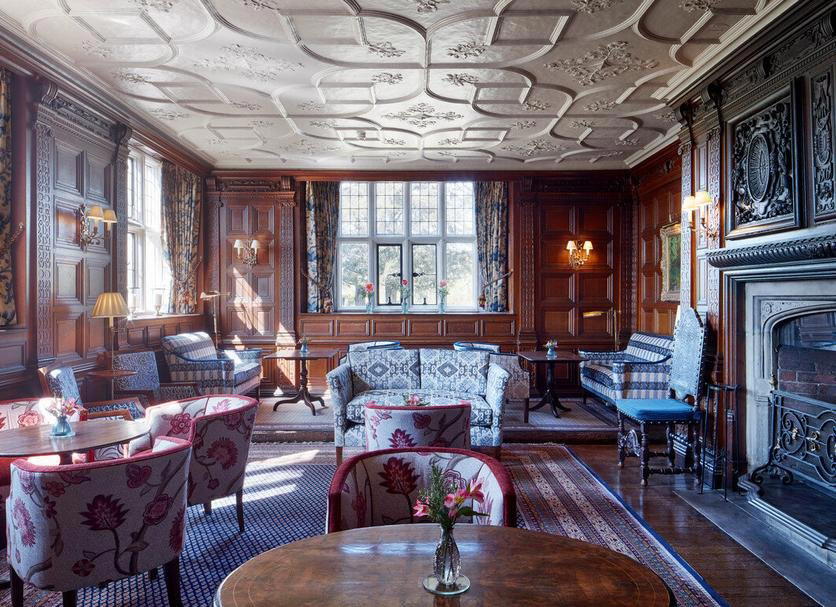
Warm baroque lounges with fireplaces, exotic themed bars, serene gardens, and rooftop terrace offering panoramic mountain views.
Tags
Vibe
Best For
Experience
Amenities
View
Accessibility
About the Stay
- Rooms
- 17
- Check-in
- 16:00
- Check-out
- 12:00
- Property Style
- Restored 19th Century Baroque Chateau in Elegant French Style Amidst Unspoilt Pyrenean Nature.
- Design Style
- Baroque with Exotic Accents and Modern Comforts.
Planning details
Location
Recognition and awards


Explore Molitg-les-Bains
Around this place
Discover more on Pearl
Unlock the full Château de Riell guide in Pearl, including awards, comparisons, FAQs, planning details, and nearby places.