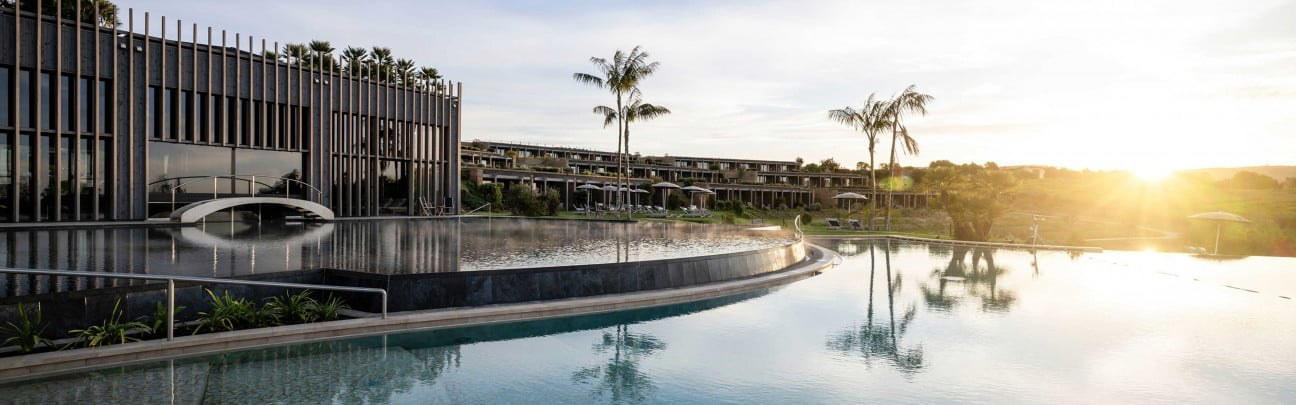


Elizabeth Country House
Minerbio
Hotel in Minerbio, Italy
 Book with Pearl
Why go
Elizabeth Country House is worth booking if a quiet Minerbio base matters more than central Bologna convenience. The draw is the country-house positioning backed by Design Hotels, Mr & Mrs Smith, and MICHELIN Guide hotel recognition; choose a Bologna hotel instead if walkable dining, meetings, or late arrivals are the priority.
About Elizabeth Country House
Elizabeth Country House is a stay in Minerbio with a smart-casual dress code and hotel recognitions including 2026 Design Hotels Member status, a 2026 Mr & Mrs Smith Seal of Approval, and selection in the MICHELIN Guide Hotels list for 2025.
A Minerbio stay with limited detail
The practical appeal is simple: this is Elizabeth Country House in Minerbio. That makes it a relevant choice for travelers specifically considering Minerbio, while guests comparing different bases should review alternatives before booking.
The strongest trust signal is recognition across hotel-focused lists: 2026 Design Hotels Member status, a 2026 Mr & Mrs Smith Seal of Approval, and selection in the MICHELIN Guide Hotels list for 2025. Those signals point to hotel-level recognition, but they do not, on their own, confirm specific facilities, dining details, room categories, or service formats. Book based on the location, dress code, and recognition rather than assuming unlisted amenities.
Where it fits against other hotel options
Compared with Grand Hotel Majestic Gia' Baglioni, this is the Minerbio choice. Against I Portici Hotel Bologna or Hotel Metropolitan, choose Elizabeth Country House if staying in Minerbio is part of the plan; choose another hotel if a different base matters more.
For value, the decision comes down to what the trip needs. Casa Bertagni and The Met's Apartments may make more sense for travelers who want a different type of stay, while Elizabeth Country House is the option to consider when Minerbio and its hotel recognitions are the priority. If the itinerary includes other dining in Minerbio, compare those options generically before locking the stay.
Planning details
- Location
- Via Savena Superiore 28, Minerbio 40061, Italy
- Website
- marriott.com/en-us/hotels/blqec-elizabeth-country-house-a-member-of-design-hotels/overview
- Phone
- +39 051 1987 6689
The take
The Take
The Vibe
Elizabeth Country House presents itself first as an architectural proposition: a restored aristocratic residence whose proportions, ceiling heights and axial planning read like an argument for visiting. The experience is deliberately about formality and quiet refinement rather than branded programming or production agriculture. Manicured gardens and estate grounds are treated as extensions of interior rooms, and the property sits within a small medieval village that amplifies its sense of removal from the nearby motorway. The overall effect is a composed, historically rooted retreat that privileges heritage, ordered landscapes and the tactile weight of old domestic architecture.
Best For
This estate is best for travelers who prize architecture and contemplative seclusion over conventional resort programming. It suits couples seeking a quietly elevated weekend away, culture-minded visitors who appreciate restored historic residences, and anyone after a slow escape from urban noise. Guests come to inhabit the proportions of the house and to walk its formal garden axes rather than to chase amenities; the property reads as a pleasure villa for withdrawal, so itineraries that allow unhurried exploration of the building and grounds are the most rewarding.
Stay Tips
Prioritize time and perspective when planning a stay: the property is an architectural experience first, so allow long stretches for wandering the formal garden axes and inspecting interior proportions. When booking, request accommodations that engage the grounds or garden—much of the appeal derives from the relationship between interior rooms and exterior space. Expect an emphasis on place and design rather than amenity stacking; plan to arrive ready to appreciate the house itself and the quietly removed medieval-village setting rather than to rely on extensive on-site programming.
Venue details
Ambiance
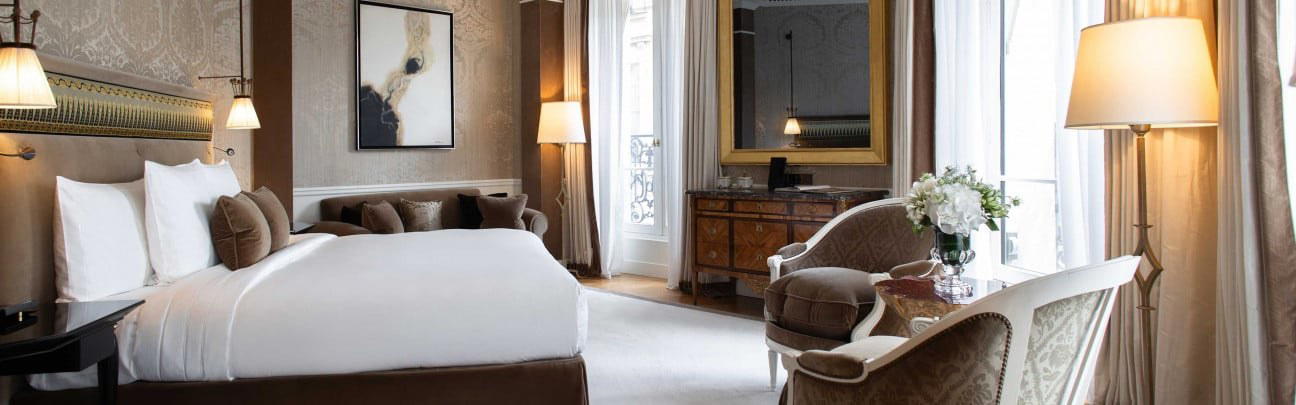
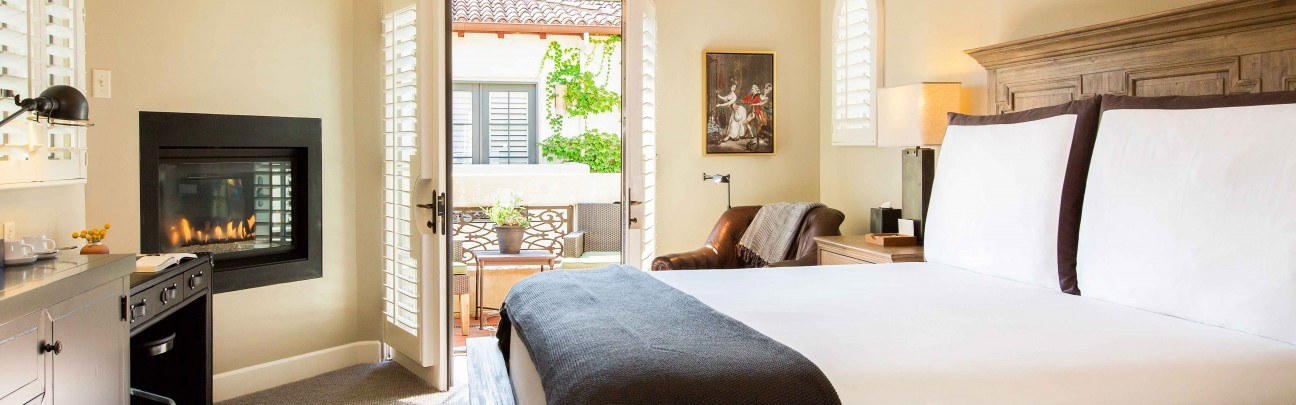
Peaceful and relaxing oasis with bright spacious rooms, wooden beams, Provençal style walls, and a tranquil garden atmosphere praised for its serenity and comfort.
Tags
Vibe
Best For
Experience
Amenities
View
Accessibility
About the Stay
- Rooms
- 11
- Check-in
- 15:00
- Check-out
- 12:00
- Property Type
- Boutique hotel
- Property Style
- Historic Country House with Three Restored Villas Featuring Frescoed Ceilings and Large Bright Spaces.
- Design Style
- Elegant Historic with Antique Furnishings, Wooden Beams, and Provençal Style Walls.
- Breakfast
- Included
- Airport Transfer
- Available
- Pool
- Yes
- Spa
- Yes
- Pets
- Allowed
- Families
- Welcome
- Cancellation
- Moderate
Know before you go
Know Before You Go
- Getting there
- Via Savena Superiore 28, Minerbio 40061, Italy
Planning details
Location
Via Savena Superiore 28, Minerbio 40061, Italy · Directions
marriott.com/en-us/hotels/blqec-elizabeth-country-house-a-member-of-design-hotels/overview
Recognition and awards
Also consider
Where to Look If This Is Not the Right Fit
Choose Grand Hotel Majestic Gia' Baglioni if the trip needs central Bologna convenience and a more formal hotel setting. Choose The Met's Apartments if extra independence matters more than country-house atmosphere.
Hotel context
How It Compares
Elizabeth Country House is the pick for travelers who want a quieter Minerbio-area stay with design-led hotel recognition. Grand Hotel Majestic Gia' Baglioni is the stronger fit for central Bologna access and a more formal city-hotel feel, while Elizabeth Country House is better when privacy and a slower setting are the point of the trip.
I Portici Hotel Bologna and Hotel Metropolitan are easier choices for business travelers who need Bologna logistics, restaurants, and transport close by. Elizabeth Country House is easier to justify for a couple's stay or a short countryside break, especially when booking difficulty matters less than ambiance.
If the main need is independence, compare it with The Met's Apartments. If the goal is a character-led stay with city access, Casa Bertagni is the closer cross-shop. Choose Elizabeth Country House when the rural address is an advantage, not a compromise.
Explore Minerbio
Around this place
Discover more on Pearl
Unlock the full Elizabeth Country House guide in Pearl, including awards, comparisons, FAQs, planning details, and nearby places.
Compare Elizabeth Country House
| Venue | Location | Awards |
|---|---|---|
| Elizabeth Country House | Minerbio | 2026 Design Hotels Collection2026 Mr & Mrs Smith Luxury Hotels2025 Michelin Selected Hotels |
| Casa Bertagni | Bologna | No published awards |
| I Portici Hotel Bologna | Bologna | No published awards |
| Hotel Metropolitan | Bologna | No published awards |
| The Met's Apartments | Bologna | No published awards |
| Grand Hotel Majestic Gia’ Baglioni | Bologna | No published awards |
How Elizabeth Country House Minerbio compares with similar nearby venues.
FAQ
Frequently Asked Questions
How is the pool and spa at Elizabeth Country House?
Pool and spa details should not be the main reason to book without checking directly. The confirmed signals are the 2026 Design Hotels Member status, the 2026 Mr & Mrs Smith Seal of Approval, and MICHELIN Guide hotel selection from 2025.
Which room category is best at Elizabeth Country House?
Specific room categories are not provided. Choose based on the room information available at booking, and compare with another hotel like I Portici Hotel Bologna if location or stay style is more important than staying in Minerbio.
Is Elizabeth Country House good for business travel?
It can be considered for business travel if Minerbio is the right base for the trip. If you need a different location or stay format, Hotel Metropolitan or The Met's Apartments may be practical comparisons.
How is the location of Elizabeth Country House?
Elizabeth Country House is in Minerbio. That is the key location point to plan around; Grand Hotel Majestic Gia' Baglioni is a comparison to consider if you specifically want a different hotel setting.
How does Elizabeth Country House compare to other hotels?
Choose this for a Minerbio stay with hotel recognition from Design Hotels, Mr & Mrs Smith, and the MICHELIN Guide. Casa Bertagni, I Portici Hotel Bologna, Hotel Metropolitan, and The Met's Apartments are relevant comparisons if your priority is a different base or stay type.
How is the dining at Elizabeth Country House?
Dining details are not provided here, so dining should not be assumed as the main reason to book. If food planning matters, compare other dining in Minerbio or consider another hotel such as I Portici Hotel Bologna as a different base.