
Le Kaila
Méribel center, Méribel
Hotel in Méribel, France
 Book with Pearl
Why go
Le Kaila is a strong Méribel shortlist pick if the stay needs a central resort address and MICHELIN-Key hotel recognition. It makes the most sense for travelers who will use the hotel beyond sleeping, especially for spa, pool, post-ski recovery time; value is harder to judge without confirmed public pricing or room-category detail.
About Le Kaila
Le Kaila is a Méribel hotel with a clearly confirmed recognition signal: MICHELIN Guide Hotels 1 Key in 2025. That makes it worth shortlisting for travelers who want an externally recognized hotel stay in Méribel, while still leaving practical questions to confirm directly before booking.
The verified profile is intentionally limited. The confirmed facts here are the venue name, its Méribel location, its smart-casual dress code, its 2025 MICHELIN Guide Hotels 1 Key recognition. Specific claims about prices, room categories, amenities, dining formats, or booking conditions should be checked with the venue rather than assumed from secondary summaries.
A MICHELIN-Key hotel to consider in Méribel
The 2025 MICHELIN Guide Hotels 1 Key recognition is the strongest trust signal attached to Le Kaila. Read that as a quality marker for the overall stay rather than a promise about any single feature. It supports booking for travelers who value a recognized hotel in Méribel. It is less useful for travelers trying to compare nightly rates, dining formats, room categories, or inclusions in detail before making contact.
Because the confirmed data does not include a published price or amenity breakdown, the smart move is to judge value against your own plans and the details supplied directly by the hotel. If the decision depends on a particular room setup, facility, dining arrangement, or package inclusion, confirm it before committing. The verified profile supports Le Kaila as a hotel enquiry, not as a specification-heavy booking decision based only on public summary data.
Who should book, who should look elsewhere
Book this if the goal is a Méribel hotel with external recognition and a confirmed smart-casual dress code. It suits travelers who place weight on MICHELIN Guide Hotels recognition and are comfortable confirming practical details directly with the property.
Be more cautious if the decision depends on transparent pricing, named restaurant details, room categories, amenities, or a specific booking channel. Those details are not part of the confirmed profile here, so this is not the easiest hotel to evaluate purely from a quick scan. Treat booking as an enquiry-led decision: verify the details that matter most before making plans around the stay.
For broader trip planning, use the Méribel restaurants guide alongside other Méribel resources. If the trip is part of a wider France hotel itinerary, compare Le Kaila with other hotels generically rather than assuming matching amenities, pricing, or service details without confirmation.
Planning details
- Location
- 124 Rue des Jeux Olympiques, Méribel, France
- Phone
- +33 4 79 41 69 30
The take
The Take
The Vibe
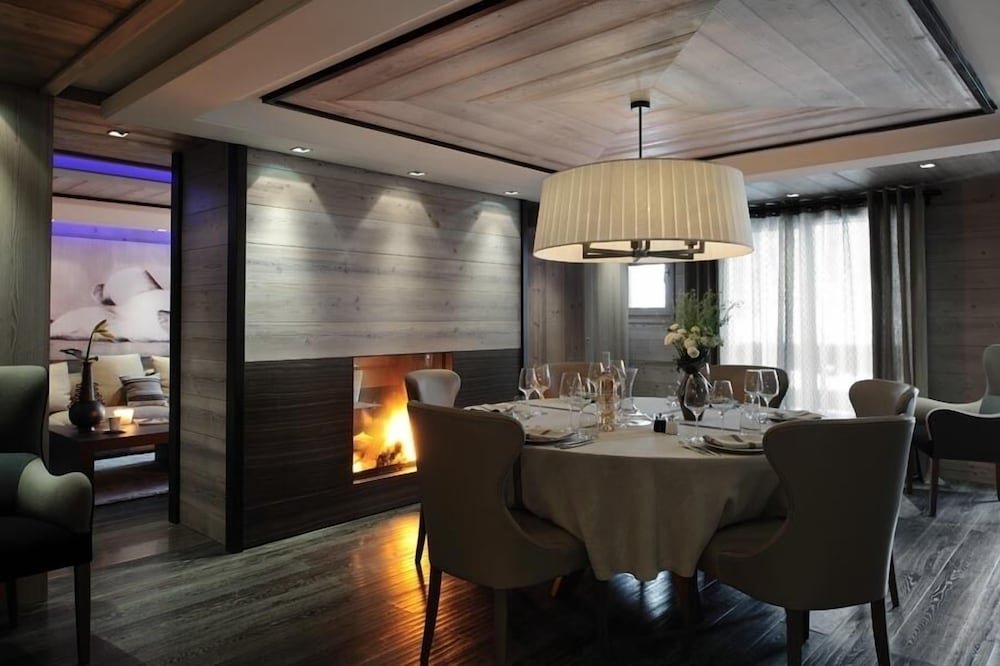
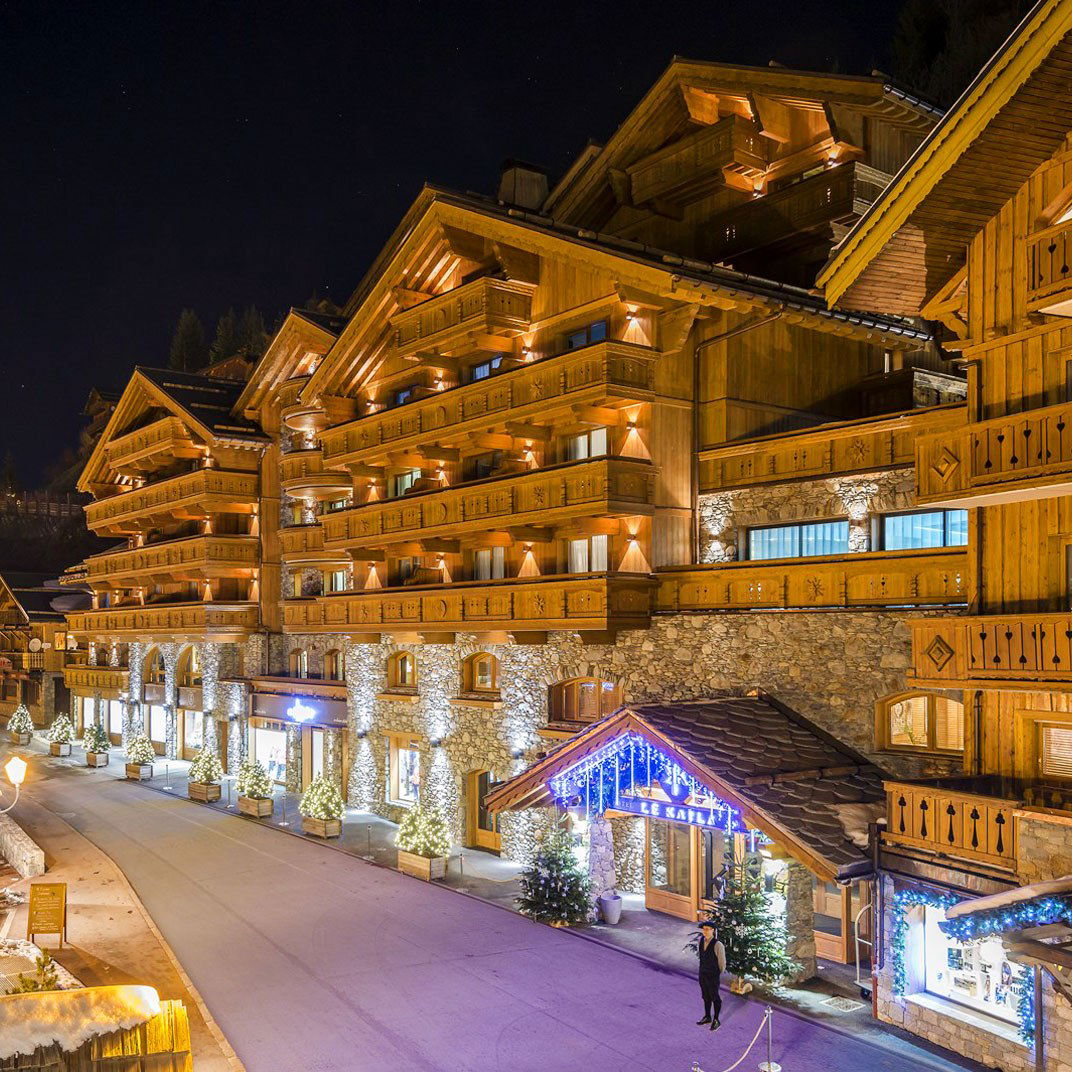
Le Kaila presents a quietly assured alpine character where chalet-vernacular forms meet a considered layer of luxury. The exterior language—Savoyard stone and heavy timber framing—anchors the hotel in Méribel’s collective architectural identity, while interiors and detailing push craft beyond the resort average. The result reads as refined rather than showy: architecturally coherent, warm, and attentive to materiality. Its placement in the upper sections of the village reinforces a sense of measured civic scale, so arrival and first impressions feel deliberate and composed rather than frenetic or ostentatious.
Best For
Le Kaila suits travelers who want an elevated ski-base that prioritizes design coherence and a quieter village presence. It works well for couples on a romantic getaway, families seeking a calm, well-considered home in Méribel, and short-stay weekend escapes where proximity to lifts and a refined chalet atmosphere matter. The hotel's setting in the upper part of the village balances access to lift infrastructure with distance from the busiest pedestrian flows, making it appealing to guests who value both convenience and a more discreet alpine experience.
Stay Tips
Factor the arrival sequence into your booking: the description stresses that guests typically arrive on foot through snow and in ski boots, and that approach and entry shape first impressions. The hotel’s address on Rue des Jeux Olympiques signals a position in Méribel’s upper sections that balances lift access with separation from busy pedestrian corridors. When confirming a stay, consider the trade-off between immediate proximity to lifts and a slightly quieter approach—the write-up highlights that this balance is a defining feature of the property rather than specific room amenities or restaurant offerings.
Venue details
Ambiance
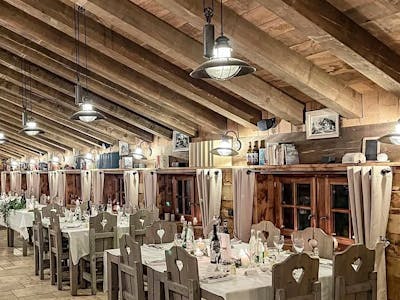
Cosy and warm with wooden interiors, fur throws, fireplaces, and a tranquil family-friendly atmosphere.
Tags
Vibe
Best For
Experience
Amenities
View
Accessibility
About the Stay
- Rooms
- 43
- Check-in
- 16:00
- Check-out
- 12:00
- Property Style
- Contemporary Alpine Chalet with Modern Luxury.
- Design Style
- Rustic Wooden Interiors with Fur Throws and Warm Materials.
Planning details
Location
124 Rue des Jeux Olympiques, Méribel, France
Recognition and awards
Explore Méribel
Around this place
Discover more on Pearl
Unlock the full Le Kaila guide in Pearl, including awards, comparisons, FAQs, planning details, and nearby places.
FAQ
Frequently Asked Questions
How is the dining at Le Kaila?
The confirmed profile does not specify dining details, so do not treat any particular restaurant format, cuisine, menu, or meal service as verified here. If food is the priority, compare options elsewhere in Méribel and confirm Le Kaila's current dining arrangements directly.
Is Le Kaila family-friendly?
The confirmed data does not specify family facilities, room sizes, bedding setups, or child-focused services. Families considering Le Kaila should confirm those details directly before committing.
How does Le Kaila compare to nearby hotels?
Le Kaila's clearest verified advantage is its 2025 MICHELIN Guide Hotels 1 Key recognition in Méribel. For other comparisons, confirm prices, room categories, amenities, booking terms directly rather than assuming details from the recognition alone.
How is the location of Le Kaila?
Le Kaila is in Méribel. The verified profile does not include a more specific address or neighborhood detail, so location planning should be confirmed through the venue's official channels.
Which room category is best at Le Kaila?
The data does not list room categories, so there is no safe way to name a single best option. Choose based on the room details supplied directly by the hotel, especially if space, view, bedding, or accessibility matters.