
Wake BioHotel
El Poblado, Medellín
Hotel in Medellín, Colombia
 Book with Pearl
Why go
Wake BioHotel works if design credentials matter more than a long checklist of confirmed amenities. Its 2026 Design Hotels membership gives it a stronger signal than many small Medellín stays, but travelers needing firm details on dining, spa, family setup, or business services may be better off comparing alternatives first.
About Wake BioHotel
Wake BioHotel is a Medellín hotel with a clearly verified 2026 Design Hotels Member recognition. That is the strongest grounded reason to consider it, because the affiliation is a useful signal for travelers who pay attention to design-minded independent hotels and want some external context before adding a property to a shortlist. In this case, the credential does most of the work: it gives Wake BioHotel a defined point of interest without requiring assumptions about features that have not been verified.
Beyond that recognition, the verified public record here is limited. Specifics on rooms, dining, facilities, service format, trip-planning details are not confirmed in the available data, so the safest recommendation is to treat Wake BioHotel as a Medellín stay to research directly rather than a hotel to book for any particular unverified feature. That distinction matters. The hotel may still be worth serious consideration, but the available information supports a cautious, evidence-led approach rather than a detailed promise about the on-property experience.
Book it for a verified design-hotel credential, then confirm the practical details
For a Medellín trip, Wake BioHotel makes the most sense for travelers who value the Design Hotels connection and are comfortable confirming operational details before booking. If your decision depends on a particular room type, dining setup, wellness facility, or family arrangement, check the hotel's official channels before committing. The same applies to any practical preference that could materially shape the trip, since the verified record does not establish those details clearly enough to rely on them here.
Decision-wise, this is a promising option for design-aware travelers considering Medellín, but the recommendation should stay cautious where practical specifics matter. Use the verified 2026 Design Hotels Member credential as the starting point, then confirm the stay details that are essential for your trip. In Pearl terms, Wake BioHotel is best framed as a hotel with a meaningful design-world signal, not as a fully described experience based on the information currently available.
Planning details
- Location
- Carrera 25 No 3 115 Tesoro, Medellín Medellin, 050021, Colombia
- Website
- marriott.com/en-us/hotels/mdewt-wake-biohotel-a-member-of-design-hotels/overview
The take
The Take
The Vibe
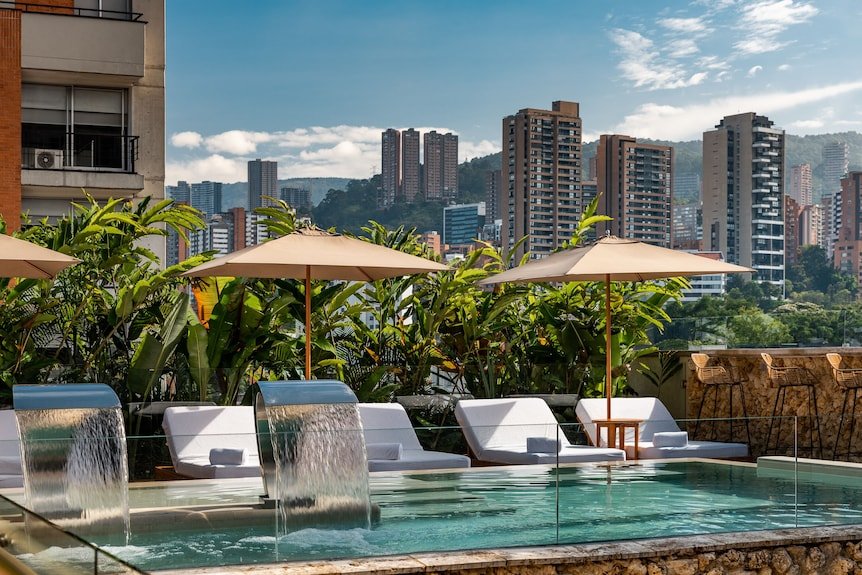
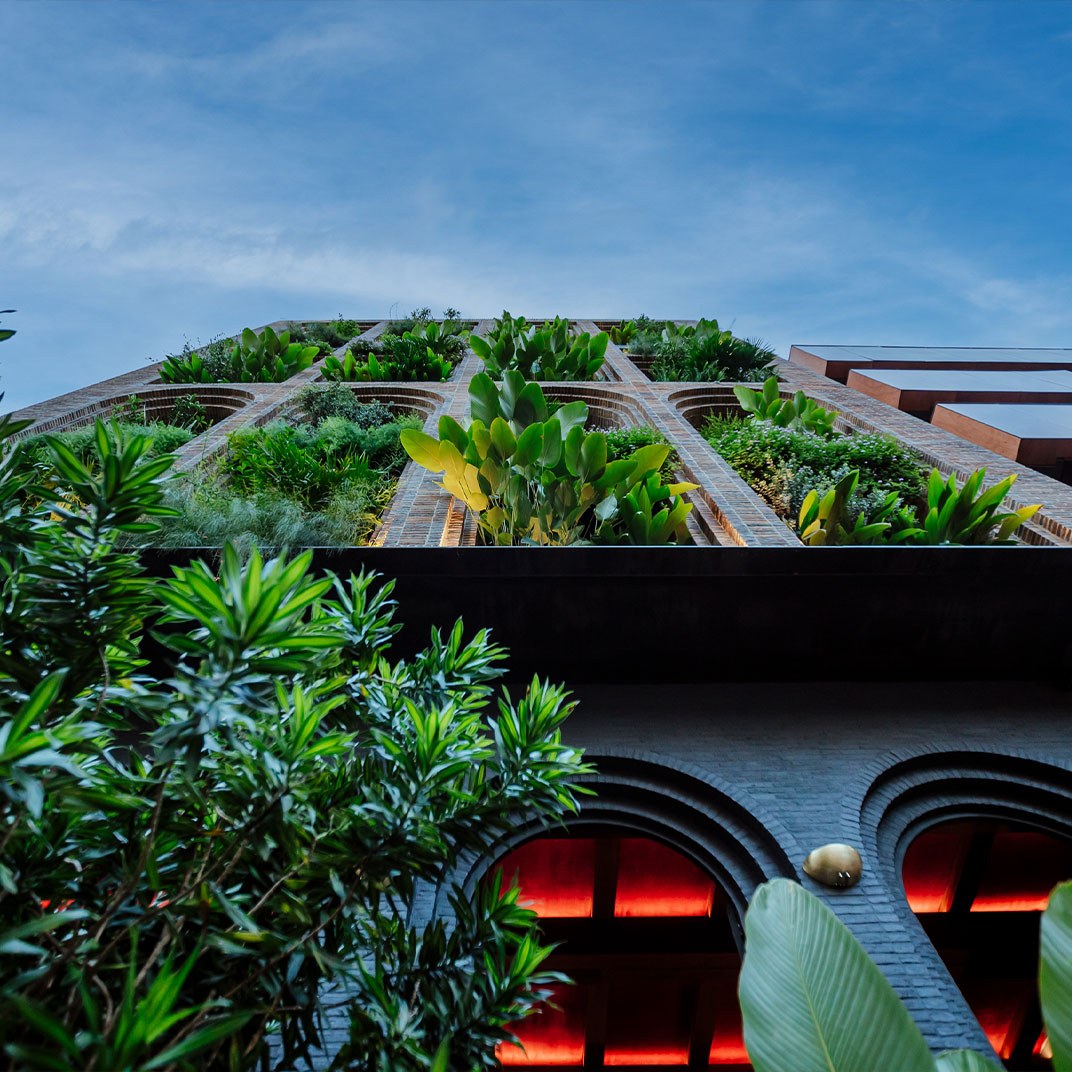
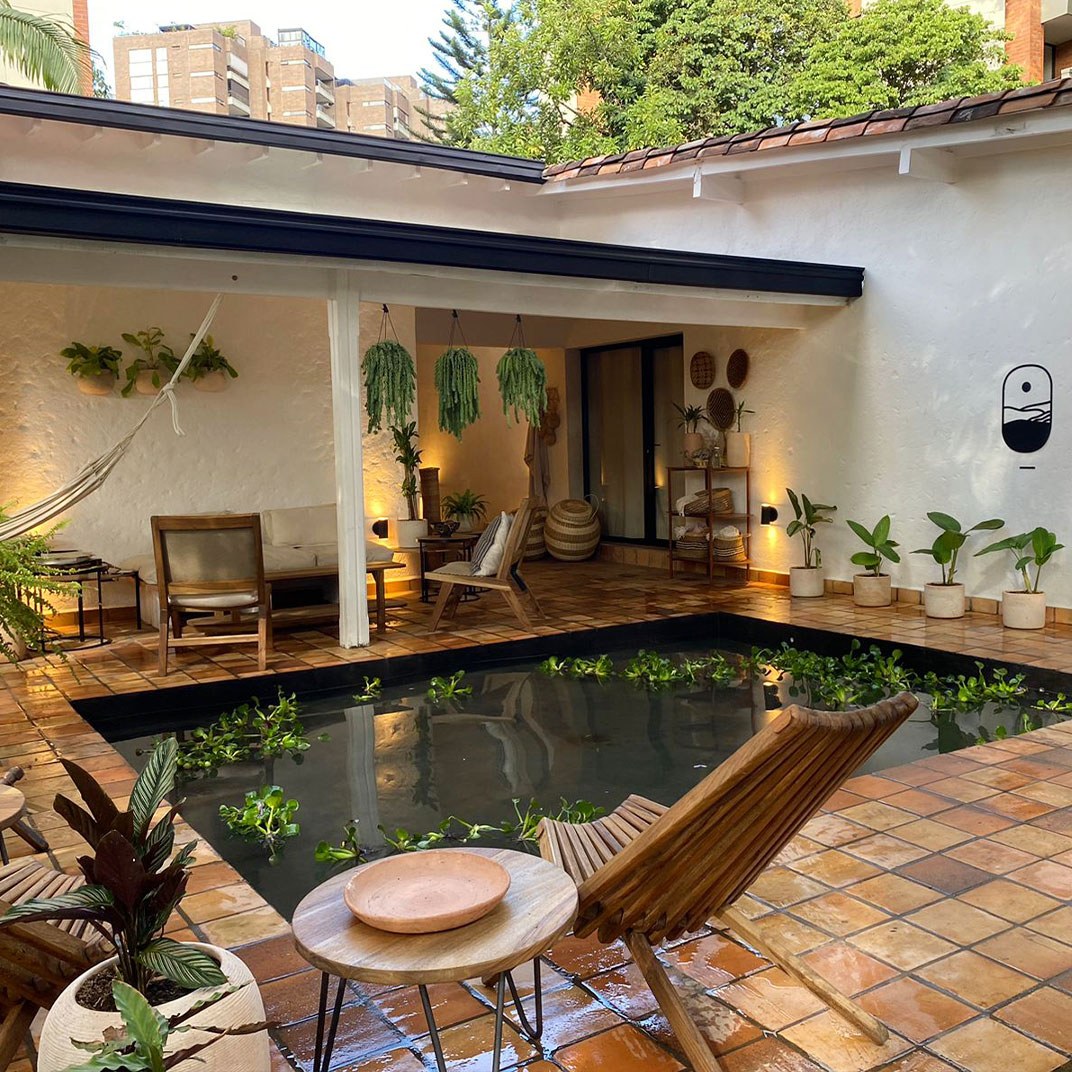
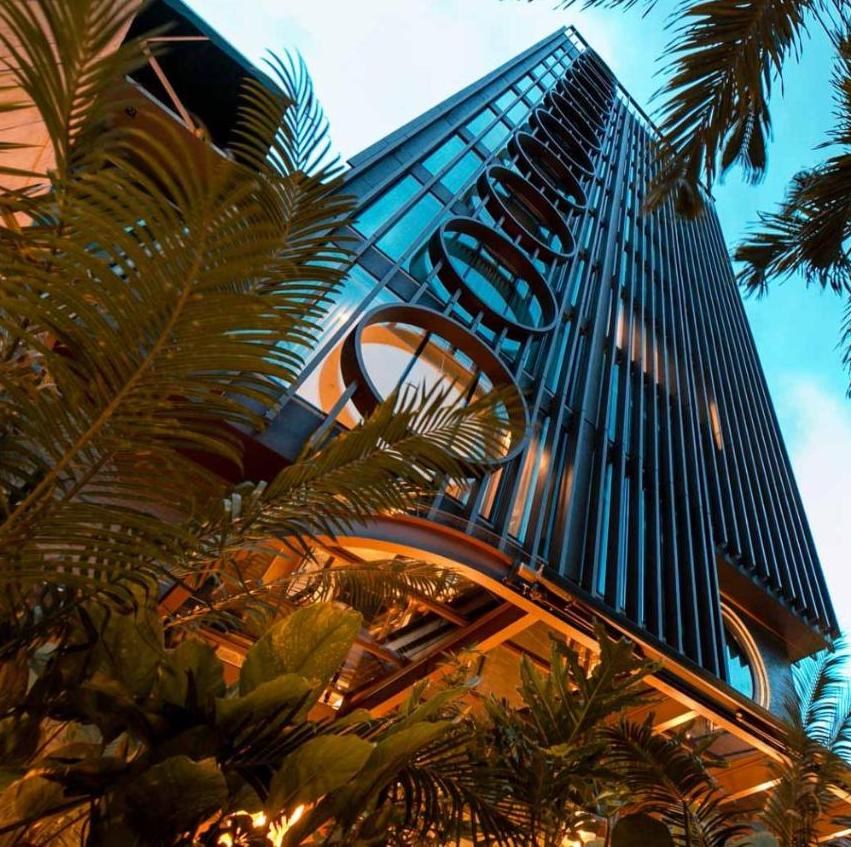
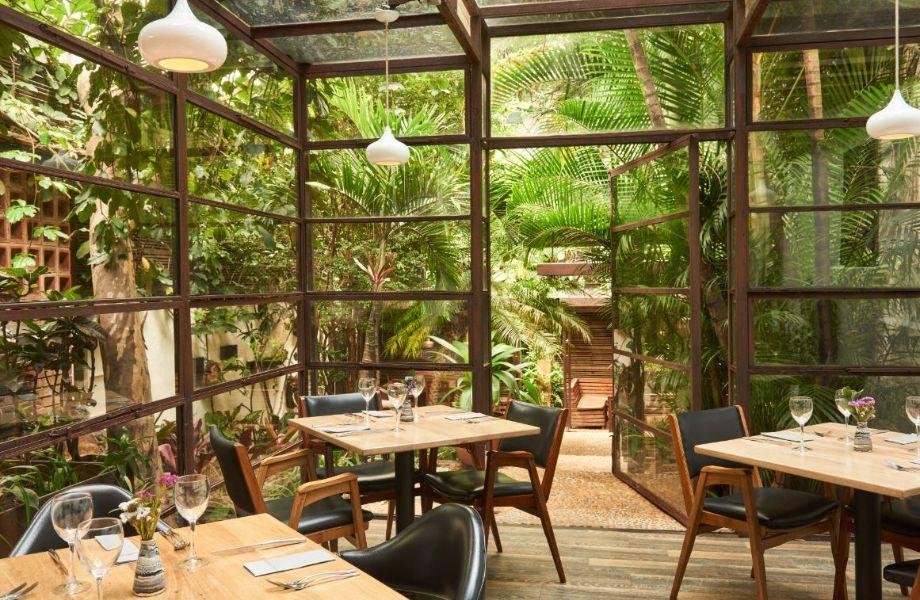
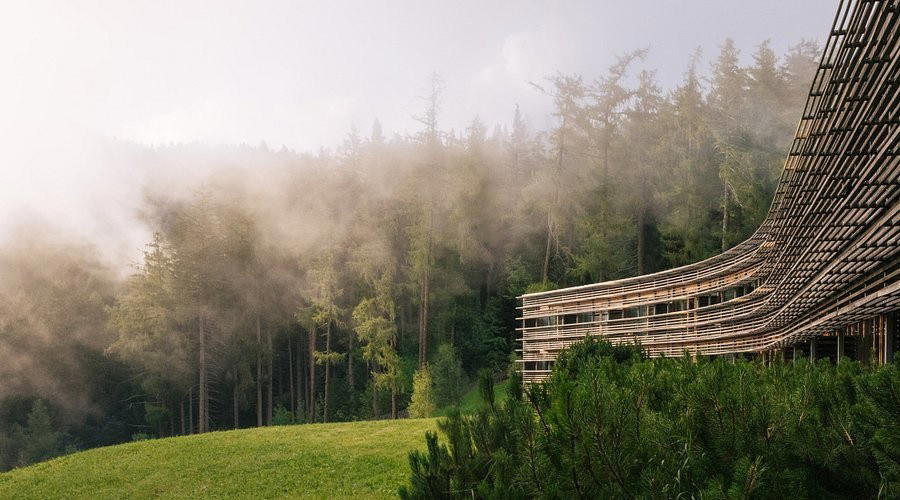
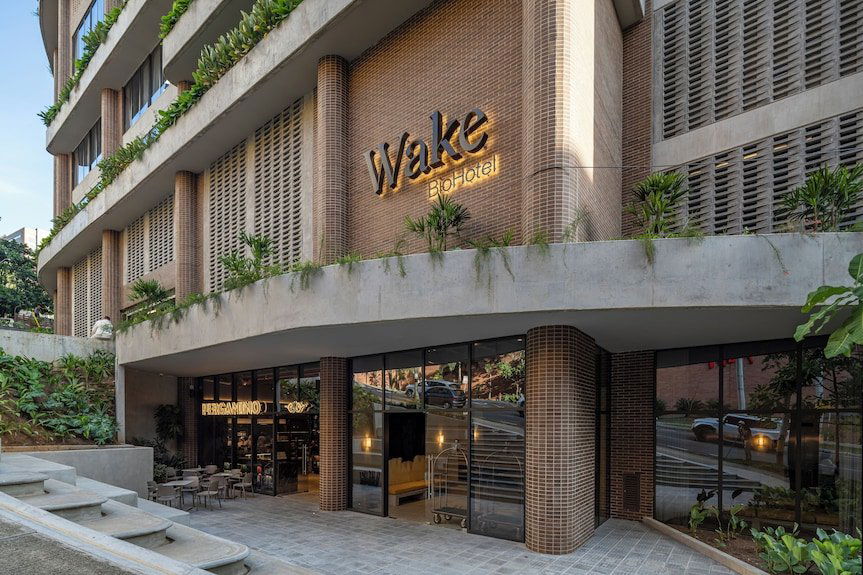
Wake BioHotel reads less like a conventional lodging option and more like a deliberate, design-led statement about urban wellbeing. Situated in Tesoro on Carrera 25, the property translates a nature-inflected, low-impact aesthetic into a city setting, using its design language to cultivate balance and calm. The editorial tone positions the hotel among Colombia’s boutique, philosophy-driven addresses: small-footprint, intentional and quietly sophisticated. Rather than loud theatrics, Wake focuses on atmosphere and pace, making the place feel considered and serene within Medellín’s evolving design-forward context.
Best For
This hotel suits travelers who prioritize atmosphere and wellbeing over scale. It’s a natural pick for design-minded visitors and wellness-oriented guests who want a calm, intentional base inside the city rather than a countryside retreat. The description also frames Wake as an alternative to the international-flag business hotels—appealing to visitors who value thoughtful materials, lower-impact design and a quieter pace. Readers building a broader Colombia itinerary will find it useful as the urban counterpart to rural, wellness-inflected boutique properties.
Venue details
Ambiance
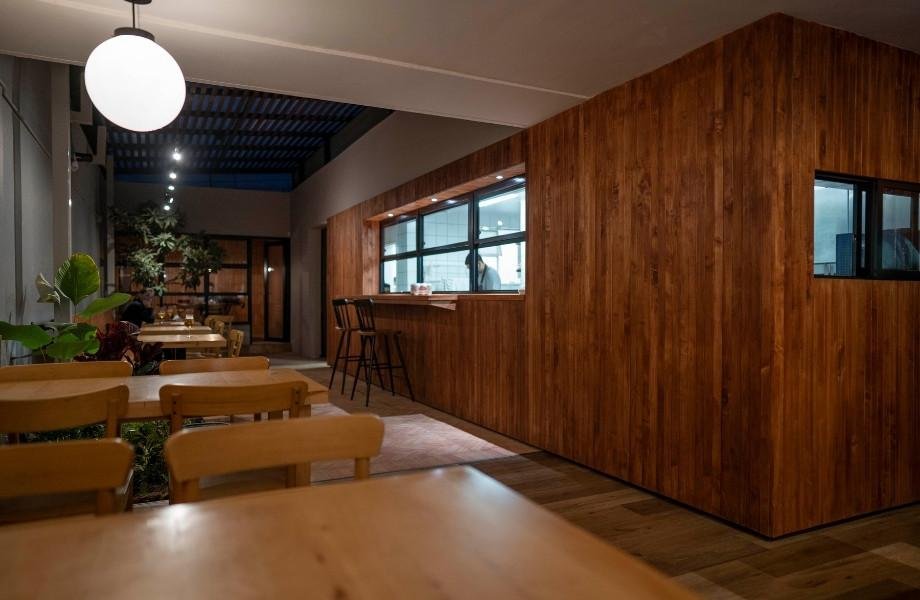
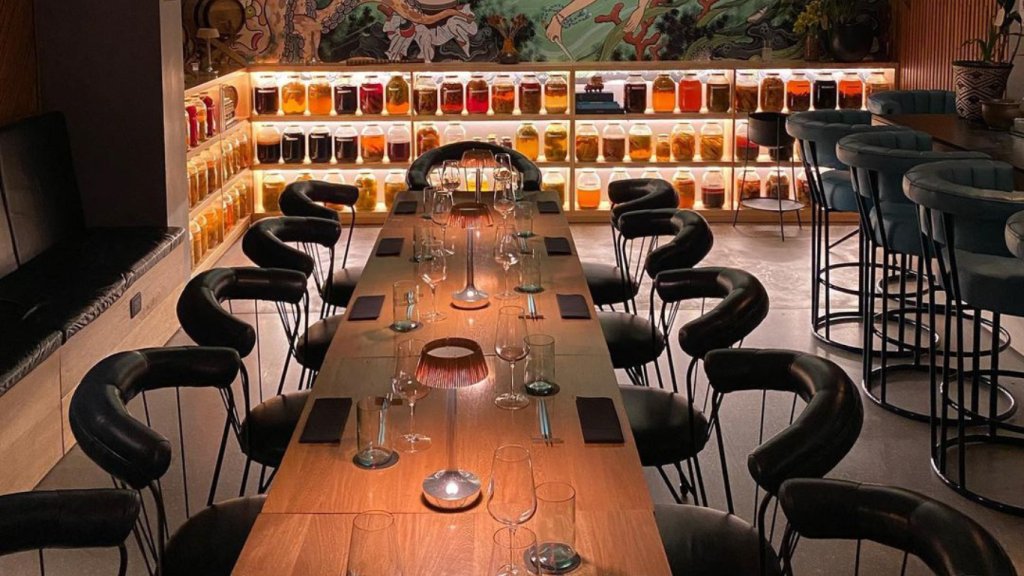
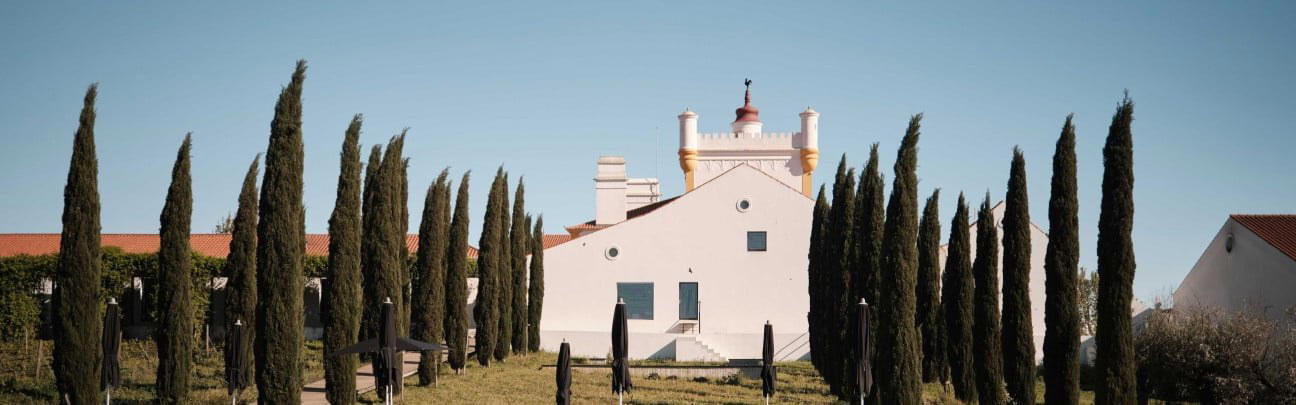
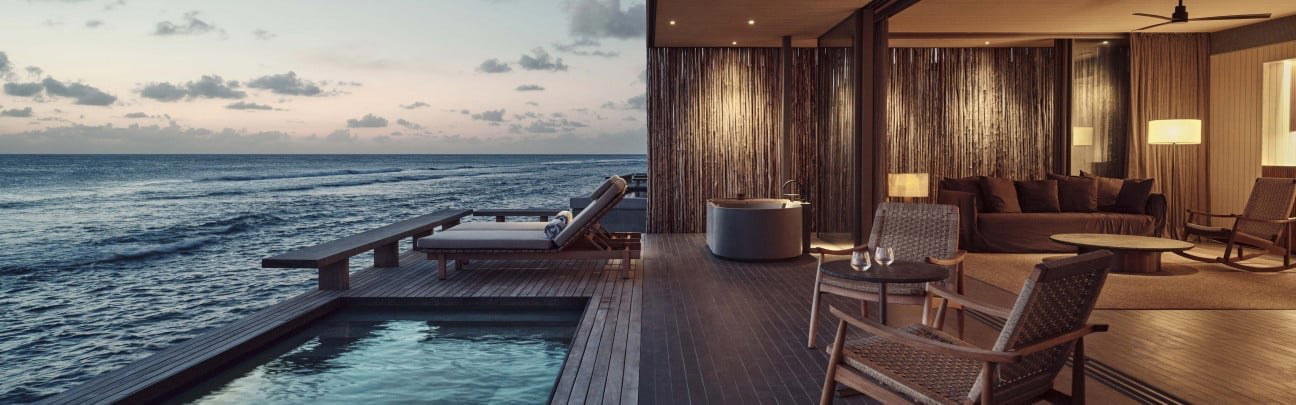
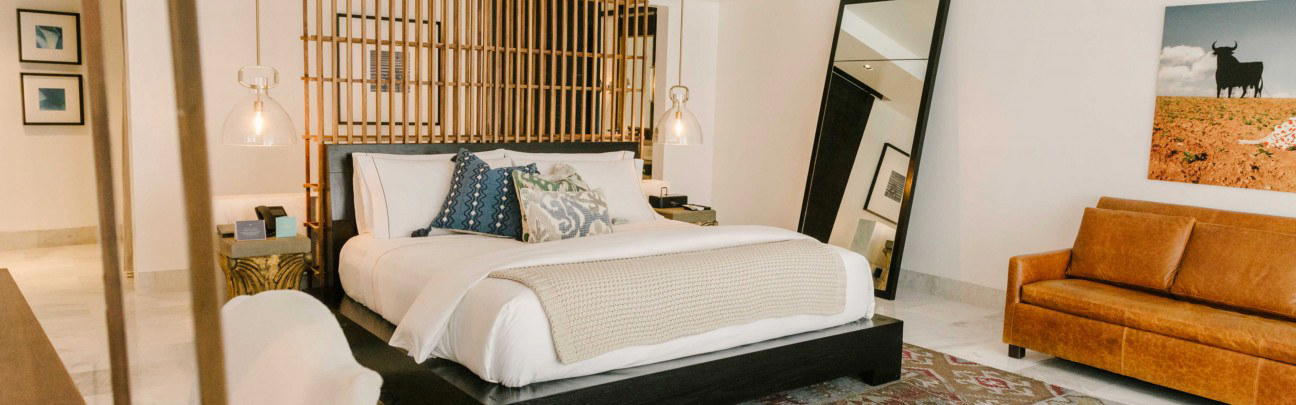
Minimalist and calming with generous natural light, soft neutrals, tactile earth-toned materials, and a sensorial atmosphere of clarity, stillness, and renewal.
Tags
Vibe
Best For
Experience
Amenities
View
Accessibility
About the Stay
- Rooms
- 149
- Check-in
- 15:00
- Check-out
- 12:00
- Property Style
- Terraced Wellness Sanctuary Blending Science, Nature, and Regenerative Hospitality.
- Design Style
- Minimalist Modern with Exposed Concrete, Natural Wood, Soft Neutrals, and Tactile Materials.
Planning details
Location
Carrera 25 No 3 115 Tesoro, Medellín Medellin, 050021, Colombia · Directions
marriott.com/en-us/hotels/mdewt-wake-biohotel-a-member-of-design-hotels/overview
Recognition and awards
Also consider
Also Consider
- Hotel Quinta Ladera, Notable alternative
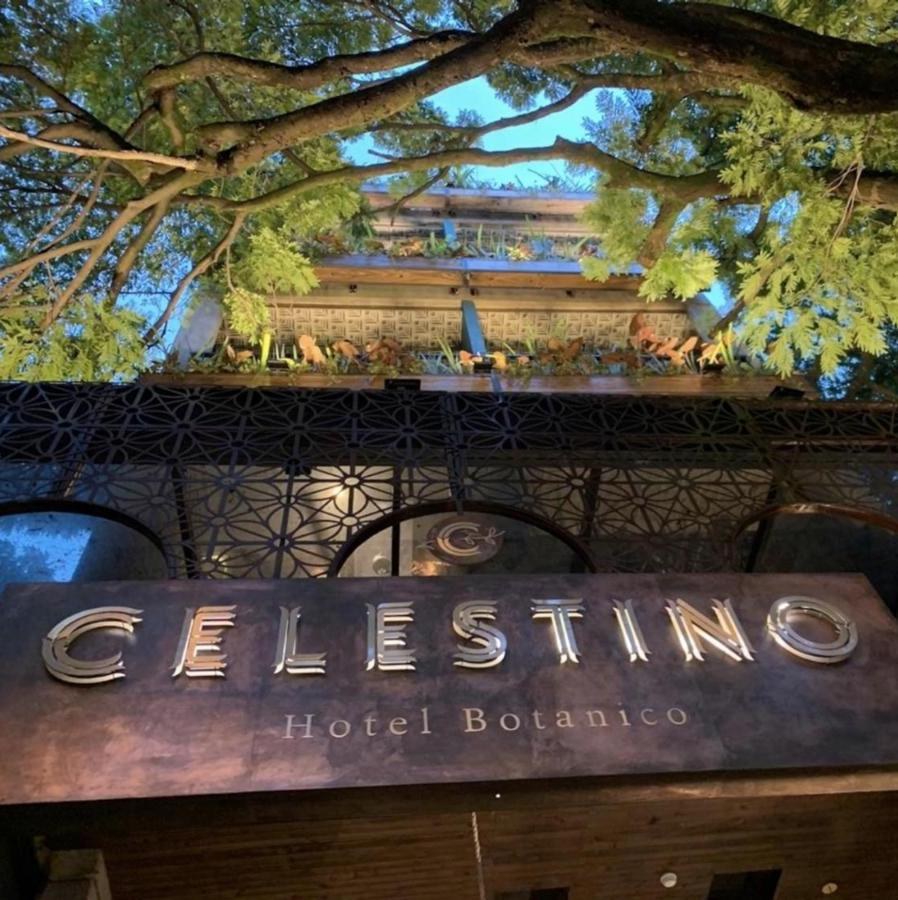
- Celestino Boutique Hotel, Notable alternative
- Marquee Medellin, Notable alternative
- Hotel El Zarzo Medellín, Notable alternative
- Elcielo Hotel & Restaurant, Notable alternative
Hotel context
How Wake BioHotel compares in Medellín
Wake BioHotel is the design-led pick in this set, mainly because of its 2026 Design Hotels membership. Hotel Quinta Ladera and Celestino Boutique Hotel are better cross-shops if the priority is a boutique Medellín stay with a more familiar neighborhood-hotel feel, while Wake is the stronger choice for travelers who want the hotel itself to feel more curated.
Marquee Medellin is the better fit for travelers who want a livelier urban base, while Hotel El Zarzo Medellín reads as a closer alternative for guests who want a smaller, softer stay. Wake should be easier to justify when design is the deciding factor, but less so if the trip depends on confirmed dining, wellness, or business amenities.
If food is central to the stay, compare against Elcielo Hotel & Restaurant first. Wake is the cleaner recommendation for a design-forward hotel base; Elcielo is the smarter backup when the restaurant component carries more weight in the booking decision.
Explore Medellín
Around this place
Discover more on Pearl
Unlock the full Wake BioHotel guide in Pearl, including awards, comparisons, FAQs, planning details, and nearby places.
Compare Wake BioHotel
| Venue | Location | Awards |
|---|---|---|
| Wake BioHotel | Medellín | 2026 Design Hotels Collection |
| Hotel Quinta Ladera | Medellín | No published awards |
| Celestino Boutique Hotel | Medellín | No published awards |
| Marquee Medellin | Medellín | No published awards |
| Hotel El Zarzo Medellín | Medellín | No published awards |
| Elcielo Hotel & Restaurant | Medellín | 2025 Michelin 1 Key |

How Wake BioHotel Medellín compares with similar nearby venues.
FAQ
Frequently Asked Questions
Which room category is best at Wake BioHotel?
Verified room-category details are not available in the provided record. Choose based on your trip length and sleep needs after checking the venue's official channels for the latest details.
How does Wake BioHotel compare to nearby hotels?
Wake BioHotel stands out in the verified record for its 2026 Design Hotels Member recognition. Travelers comparing Medellín options can also look at Hotel Quinta Ladera, Celestino Boutique Hotel, Marquee Medellin, Hotel El Zarzo Medellín, Elcielo Hotel & Restaurant, then choose based on the confirmed details that matter most for the trip.
When is the best time to book Wake BioHotel?
Book once your Medellín dates are fixed and you have confirmed the details that matter for your stay. The verified 2026 Design Hotels Member recognition may make it especially relevant for travelers who prioritize design-minded hotels.
Is Wake BioHotel family-friendly?
Verified family-specific details are not available in the provided record. If you are traveling with children or a larger group, confirm room setup, facilities, policies directly through the venue's official channels.