Hotel in Manduria, Italy
Vinilia Wine resort
150ptsEstate-Format Wine Immersion

About Vinilia Wine resort
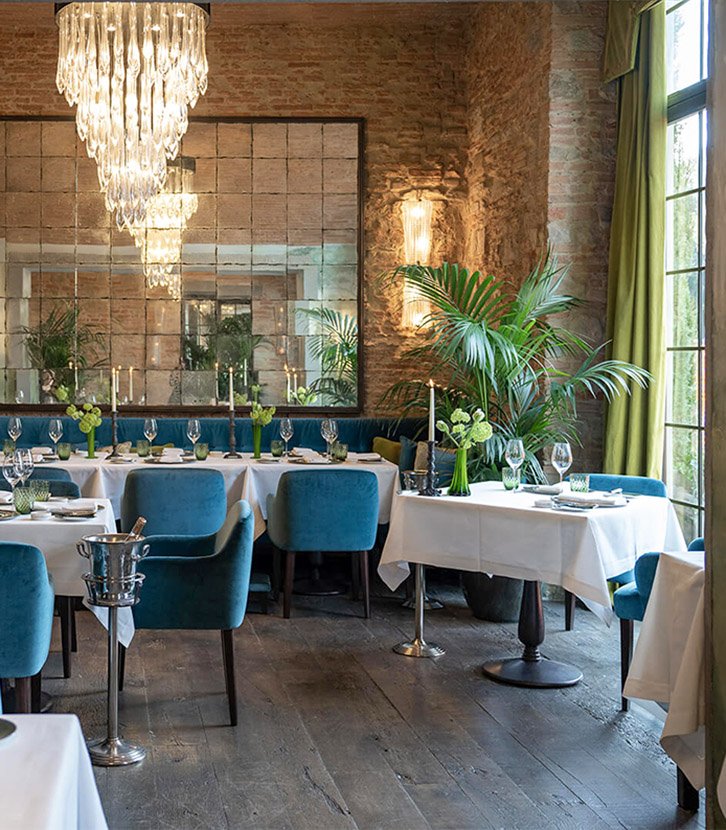
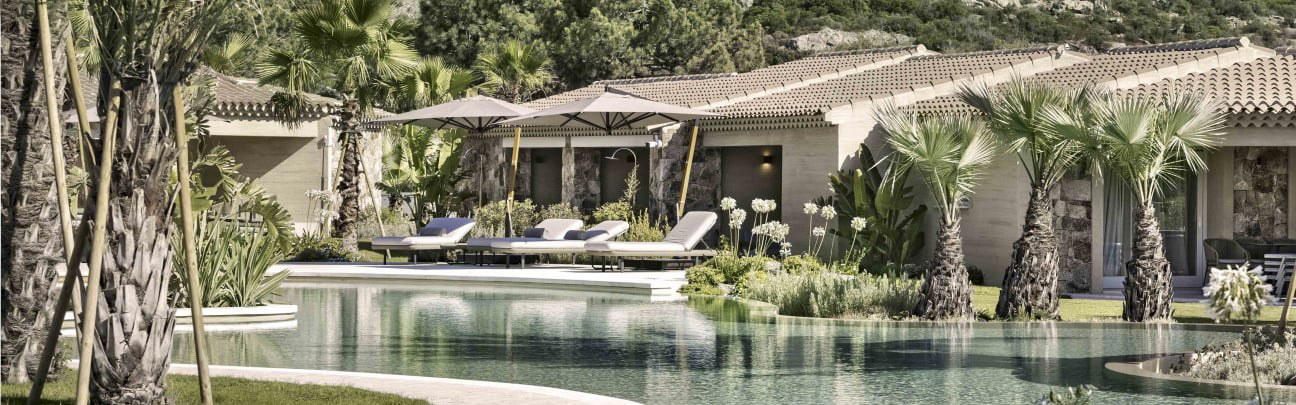
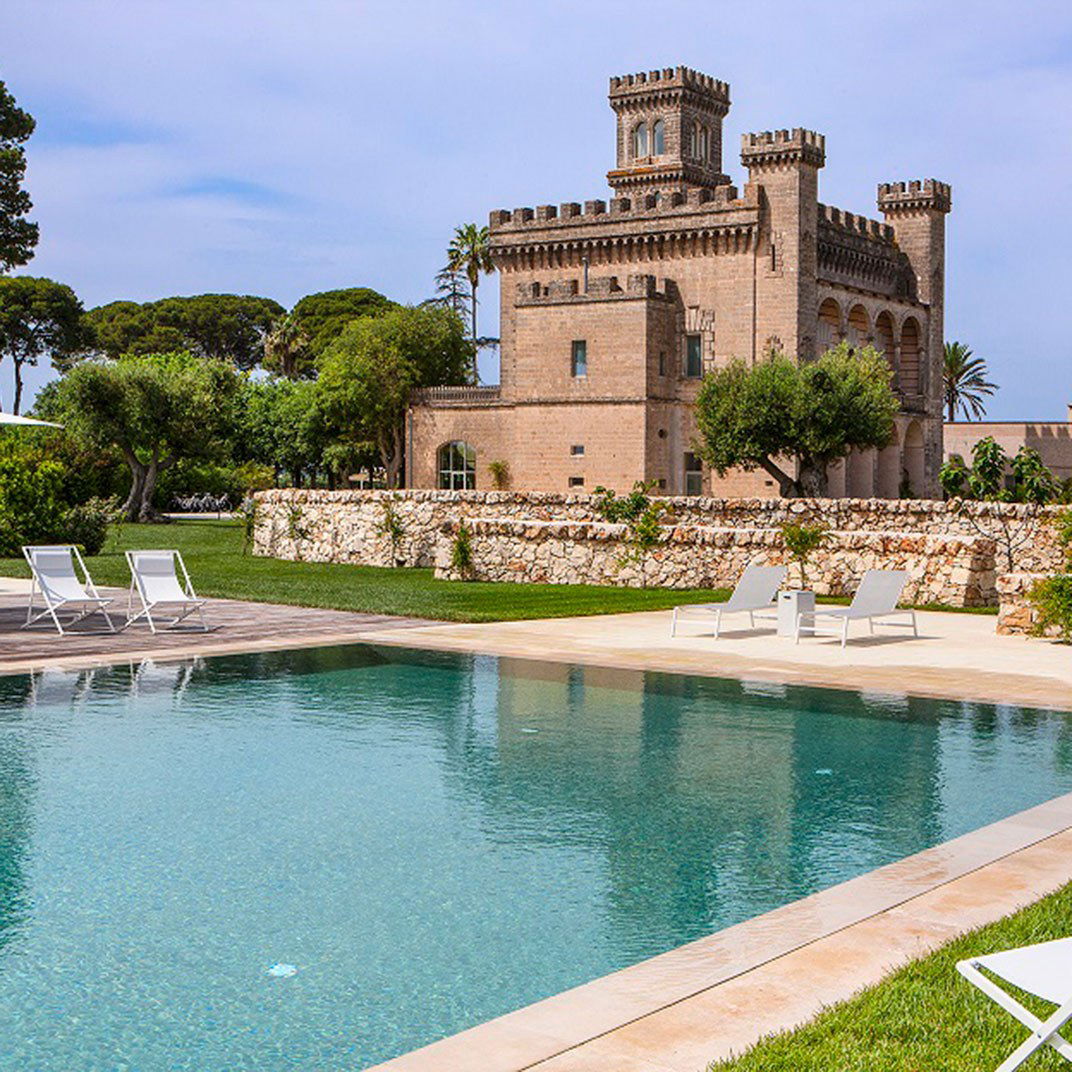
A Michelin Selected wine resort on the Primitivo heartland of Manduria, Vinilia occupies a masseria-style estate in the Contrada Scrasciosa where the architecture speaks the language of Pugliese agricultural heritage. The property sits within one of southern Italy's most consequential DOC zones, making it a natural base for understanding the region's canonical red grape at close range. For travellers calibrating between beach-resort Puglia and something rooted in place, it lands on the quieter, more considered end of the spectrum.
Stone, Vine, and the Salento Interior
Puglia's premium hospitality has divided into two increasingly distinct camps. The coastal tier, anchored by properties like Borgo Egnazia in Savelletri di Fasano, packages the region's trulli architecture and olive-grove aesthetics for a guest who arrives primarily for the Adriatic. The inland tier is smaller, less trafficked, and considerably more specific. Vinilia Wine Resort belongs to the second group. Positioned in the countryside outside Manduria on a road address that requires intent to find (Contrada Scrasciosa, a agricultural district rather than a named village), the property operates less as a destination hotel and more as a point of entry into the Primitivo di Manduria DOC, one of the south's most structurally important wine appellations.
That geographic anchoring is not incidental to the design logic. Across southern Italy, a cohort of agriturismo-scale wine resorts has emerged that treats the estate as both accommodation and argument: the buildings, the land, and the cellar are meant to be read together. Vinilia holds a Michelin Selected designation in the 2025 guide, a recognition that places it in a curated tier without the starred-property formality of, say, Rosewood Castiglion Del Bosco in Montalcino, but signals that the physical and hospitality standards clear a threshold that many rural Pugliese properties do not.
Architecture as Editorial Statement
The masseria typology that defines much of Puglia's premium rural accommodation is itself a form of argument about how land and shelter relate. These fortified farmhouses, built between the sixteenth and eighteenth centuries across the Salento plateau, were working agricultural compounds first, and their conversion into hospitality spaces carries an inherent tension: too much intervention and the integrity of the original structure dissolves; too little and the result is discomfort dressed as authenticity. The properties that resolve this tension most effectively tend to keep the load-bearing spatial logic intact while updating the thermal envelope and services. The low, horizontal massing typical of a masseria, its internal courtyard orientation, and its thick limestone walls read as climate response long before they became aesthetic choices.
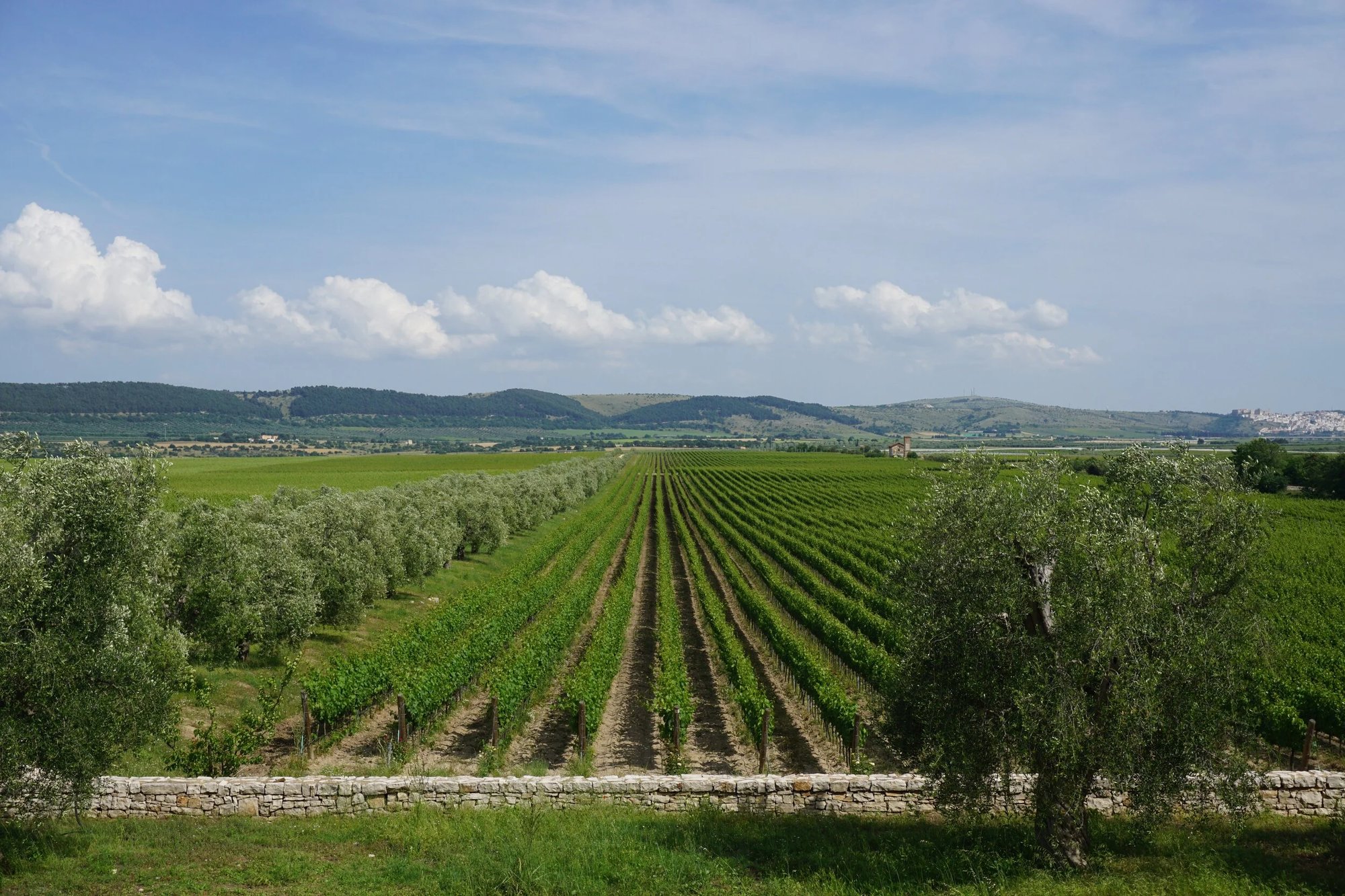
At Vinilia, the estate address in the Contrada Scrasciosa places it within a zone of Manduria's agricultural hinterland where dry-farmed Primitivo bush vines, some among the oldest in Italy's south, are a dominant feature of the visual field. The relationship between the built environment and the vine rows is the core design proposition: arrival at a property like this is structured so that the guest encounters the vineyard before the reception desk. That sequencing is deliberate in the better-executed wine resorts of the Mezzogiorno, and it shifts the guest's interpretive frame from hotel logic to estate logic. Compare this approach to the more palatial Tuscan model at Borgo San Felice Resort in Castelnuovo Berardenga, where the village-within-a-village format creates a different kind of enclosure, or the deliberate remoteness of Castello di Reschio in Lisciano Niccone, where the restoration project is the narrative. Vinilia's version of this genre is more austere and more specifically wine-forward.
The Primitivo di Manduria Context
Understanding why this region supports a wine resort at all requires a brief account of Primitivo's trajectory. Long treated as a blending grape for northern Italian and French wines lacking alcohol and body, Primitivo di Manduria gained DOC status in 1974 and Dolce Naturale DOCG recognition in 2011 for its sweet-wine expression. The grape's genetic identity as Zinfandel's ancestor gave it international legibility in the 1990s, and subsequent decades saw serious producers in Manduria reframe it as a site-specific variety capable of complexity rather than simply concentration. The old bush-trained vines (alberello pugliese) that survive in the Contrada Scrasciosa zone yield at low volumes and produce fruit with a structural profile quite different from the higher-yielding trained systems planted later.
A wine resort positioned inside this DOC is making a specific claim: that proximity to the source adds interpretive value to the tasting experience. For guests whose travel is organised around wine regions in the way that others organise around golf courses, Manduria occupies a niche analogous to what Montalcino offers Brunello tourists or what Barolo's Langhe provides for Nebbiolo obsessives. It is a smaller, less internationally trafficked niche, which is part of its appeal to a particular traveller. For those building an itinerary across southern Italy's wine country, see also our full Manduria restaurants guide for table recommendations in the town itself.
Placing Vinilia in the Italian Wine Resort Tier
Italy's wine resort category now runs from grand-scale operations with spas, Michelin-starred restaurants, and three-digit room counts down to intimate estates where the owner's family manages everything and dinner means a single sitting. Vinilia's Michelin Selected status positions it in a mid-to-upper band of this tier: acknowledged by the guide's hotel arm for hospitality quality, but not at the scale of a Four Seasons Hotel Firenze or the civic-landmark register of Aman Venice. That mid-register positioning is often where wine-region travel delivers the most direct return: enough infrastructure to be genuinely comfortable, focused enough to remain editorially coherent about what the property is for.
For comparison across Italy's broader luxury rural spectrum: Casa Maria Luigia in Modena executes the food-centred estate model in Emilia-Romagna with a more explicitly gastronomic programme; Corte della Maestà in Civita di Bagnoregio handles the heritage-village format in Lazio. Vinilia's specific argument is the Pugliese one: land, sun, ancient vine age, and a DOC whose international profile remains below its actual quality ceiling, which means arrival before the crowd.
Planning Your Stay
Manduria sits roughly 30 kilometres southwest of Taranto and about 90 kilometres from Brindisi Airport, which handles the most direct international connections into the Salento. The Contrada Scrasciosa address sits outside the town centre, making a rental car a practical requirement rather than a preference. The Primitivo harvest runs through September and into October, when the estate context is most actively legible on the land. Spring visits, particularly May, offer lower temperatures for walking the vineyard and access to the regional olive oil season. Given the Michelin Selected designation and the limited scale typical of properties in this format, advance booking is the operative assumption rather than a precaution. The property has no listed website or phone in public records; booking through the Michelin guide's hotel platform or specialist Italy travel operators is the most reliable current route.
Those extending a southern Italy circuit will find natural companions in the region's coastal properties: Il San Pietro di Positano for the Amalfi edge, or Borgo Santandrea for a clifftop counterpoint. For those extending north into Italian wine territory, Therasia Resort in Lipari offers a volcanic island variation on the estate model, and Il Pellicano in Porto Ercole represents the Tuscan coast alternative for travellers threading multiple regions into one journey. For those anchoring a city segment at either end: Bulgari Hotel Roma in Rome, Portrait Milano, Passalacqua in Moltrasio on Lake Como, Grand Hotel Tremezzo, Il Sereno in Torno, Savoia Excelsior Palace Trieste, JK Place Capri, Castel Fragsburg in Merano, Bellevue Hotel & Spa in Cogne, Badrutt's Palace Hotel in St. Moritz, and Hôtel de Paris Monte-Carlo complete the reference map for travellers calibrating their Italy stay against a wider European circuit. The Fifth Avenue Hotel in New York City rounds out the broader peer set for transatlantic travellers.
Frequently Asked Questions
What's the atmosphere like at Vinilia Wine Resort?
The atmosphere is agricultural-estate rather than resort-hotel. The property sits in the Contrada Scrasciosa district outside Manduria, within the Primitivo di Manduria DOC, and its character is shaped by the vineyard setting rather than by amenity programming. The Michelin Selected recognition confirms that the hospitality delivery meets a documented standard; the physical context is quiet, rural, and oriented around the estate rather than toward beaches or town activity.
What's the most popular room type at Vinilia Wine Resort?
Room-type data is not in the public record for this property. Properties holding Michelin Selected status in the 2025 guide at this scale in rural Puglia typically offer a mix of converted masseria rooms and detached or semi-detached suite configurations; the estate format usually makes the larger, more private units the reference point for the property's positioning.
Why do people go to Vinilia Wine Resort?
The primary draw is location within the Primitivo di Manduria DOC, one of southern Italy's historically significant wine appellations, combined with a Michelin Selected designation that signals a hospitality standard above most rural agriturismo. Manduria itself is not a major international tourism hub, which means guests who choose the property are typically those whose itinerary is organised around wine-region access rather than a general Puglia holiday.
Do I need a reservation for Vinilia Wine Resort?
Given the property's Michelin Selected status and the limited room count typical of estate-format wine resorts in this DOC zone, advance booking is the operative assumption. No direct phone or website is listed in current public records; the Michelin guide hotel platform at guide.michelin.com and specialist Italy travel operators are the most reliable current booking routes. Harvest season (September through October) and late spring are the periods most likely to see full occupancy.
Is Vinilia Wine Resort a practical base for exploring the broader Salento wine region?
Yes, and that is largely the point. Manduria sits at the heart of the Primitivo DOC, and the Salento peninsula's other significant wine zones, including Negroamaro-based appellations around Leverano and Copertino, are within day-trip range. The property's Michelin Selected status in 2025 confirms it meets a comfort threshold that supports multi-day stays rather than just a one-night transit stop. A rental car is essential given the rural Contrada Scrasciosa address.
Recognized By
Explore Manduria
Similar venues by awards
Related editorial
- Asia's 50 Best Restaurants 2026: The Chairman and Wing Go 1-2 from the Same BuildingThe Chairman takes No. 1 and Wing climbs to No. 2 at Asia's 50 Best Restaurants 2026. Both operate from the same Hong Kong building. Here's what it means.
- Four Seasons Yachts Debut: 95 Suites, 11 Restaurants, and a March 2026 Maiden VoyageFour Seasons I launches March 20, 2026, with 95 suites, a one-to-one staff ratio, and 11 onboard restaurants. Worth tracking if you want hotel-grade service at sea.
- LA Michelin Guide 2026: Seven New Restaurants from Tlayudas to Uzbek DumplingsMichelin's March 2026 California Guide update adds six LA restaurants and one Montecito newcomer, spanning Oaxacan tlayudas, Uzbek manti, and Korean-Italian pasta.
Save or rate Vinilia Wine resort on Pearl
Keep this venue in your Pearl passport, rate it after you visit, and track it alongside every other place you collect.