
Biohotel Hermitage
Madonna di Campiglio
Hotel in Madonna di Campiglio, Italy
 Book with Pearl
The Read
Certified Alpine Organics
Price
$200–300per night
Why go
Book Biohotel Hermitage if the priority is a calm Madonna di Campiglio base with wellness appeal and Michelin-recognized hotel credibility. Cross-shop Lefay Resort & Spa Dolomiti for a more spa-led trip, or DV Chalet if a chalet-style local stay feels more useful than a quieter retreat format.
About Biohotel Hermitage
Biohotel Hermitage is a hotel in Madonna di Campiglio with Michelin hotel recognition: Michelin 1 Key in 2024 and selection in the MICHELIN Guide hotels list in 2025.
A Madonna di Campiglio hotel with Michelin recognition
The clearest distinction for Biohotel Hermitage is its hotel recognition. It has a Michelin 1 Key from 2024 and appears in the MICHELIN Guide hotel selection for 2025.
If you are comparing stays, Biohotel Hermitage can be considered alongside other options such as Lefay Resort & Spa Dolomiti. For travelers focused specifically on Madonna di Campiglio, Biohotel Hermitage remains the relevant name to contact directly.
Who should book, and who should cross-shop
Book here if the Michelin hotel recognition and a Madonna di Campiglio base are enough to put the property on your short list, and if you are comfortable checking the remaining details directly with the hotel.
For comparison, look at DV Chalet. Agritur La Dolce Mela may also be a useful counterpoint for travelers considering alternatives. Vivere Suites and Rooms and Lido Palace are additional comparisons when weighing broader options rather than only Madonna di Campiglio.
The practical advice is simple: check the details that matter to your trip before booking. Then use the city guides for the rest of the trip: Madonna di Campiglio hotels, restaurants, and experiences.
Inside Biohotel Hermitage
Planning details
- Location
- Via Castelletto Inferiore, 69, 38086 Madonna di Campiglio TN
- Website
- biohotelhermitage.it
- Phone
- +39 0465 441558
The take
The Take
The Vibe
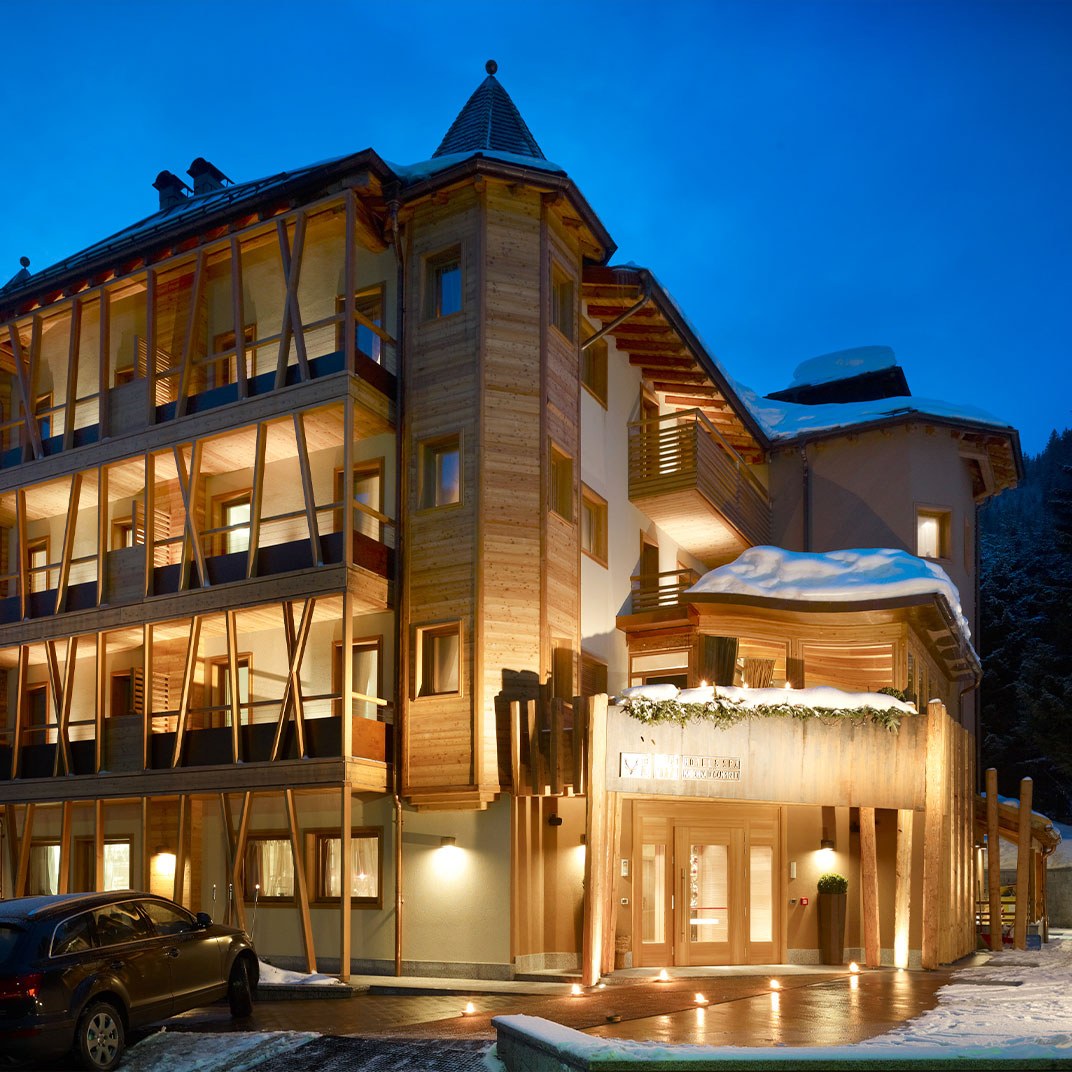
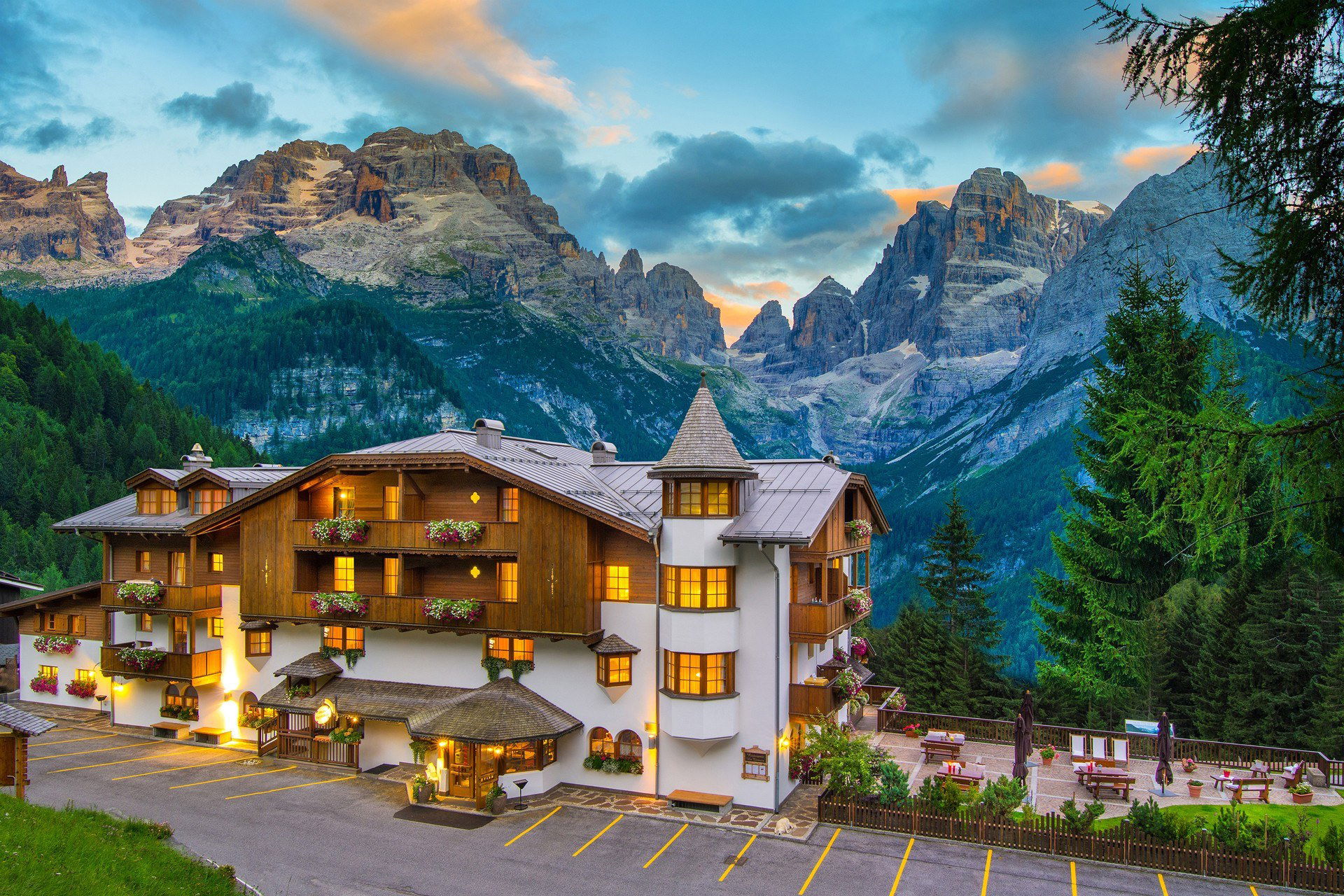
Biohotel Hermitage reads as a quietly assertive mountain hotel that privileges vernacular materials and environmental logic over architectural showiness. Timber cladding, stone detailing and rooflines that follow the slope create a cohesive, rustic sensibility while the property's biocertified approach and considered detailing give that rustic grounding a sophisticated edge. The building deliberately converses with the treeline, producing an intimate, design-forward lodging that feels rooted in local craft and alpine tradition rather than in the grand-hotel or generic chalet registers.
Best For
Hermitage suits travelers who value thoughtful alpine design and environmental credentials as much as location. It works well for couples seeking a romantic mountain retreat or honeymooners after a quietly refined base in Madonna di Campiglio, and for guests chasing a restorative weekend escape. The hotel also appeals to those interested in the biocertified, architecture-forward end of alpine hospitality — people who prefer a smaller, material-driven property to a conspicuous grand hotel or a row of ski-week rentals.
Stay Tips
When booking, pay attention to the property's biocertification and the Michelin Key mention in descriptions, which speak to its design and service positioning. Note the setting in the upper Rendena Valley: winters are described as substantial and summers short, so plan seasonally and reserve early for peak ski or holiday periods. If sustainable sourcing and alpine detailing matter to you, ask the hotel for specifics about room finishes and any seasonal programming tied to the mountain context before confirming a stay.
Venue details
Ambiance
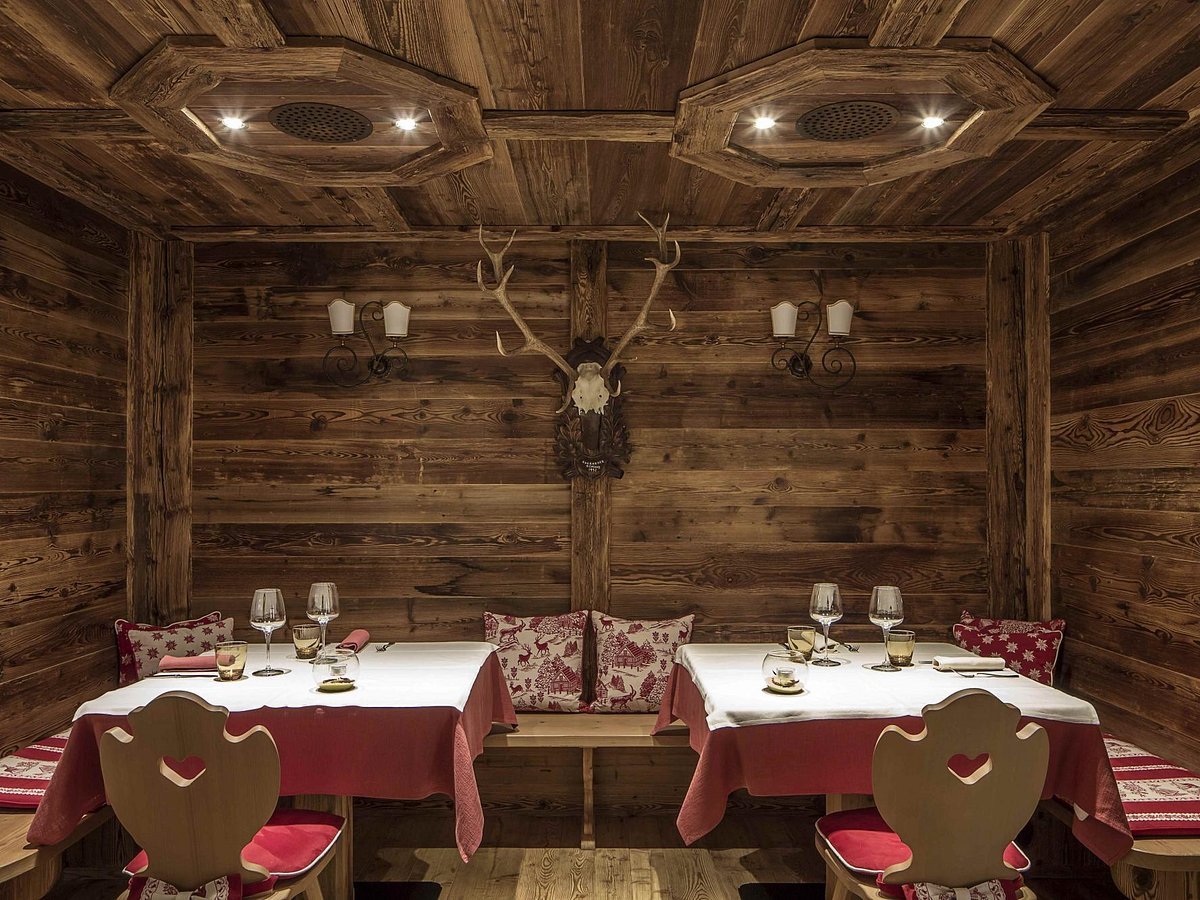
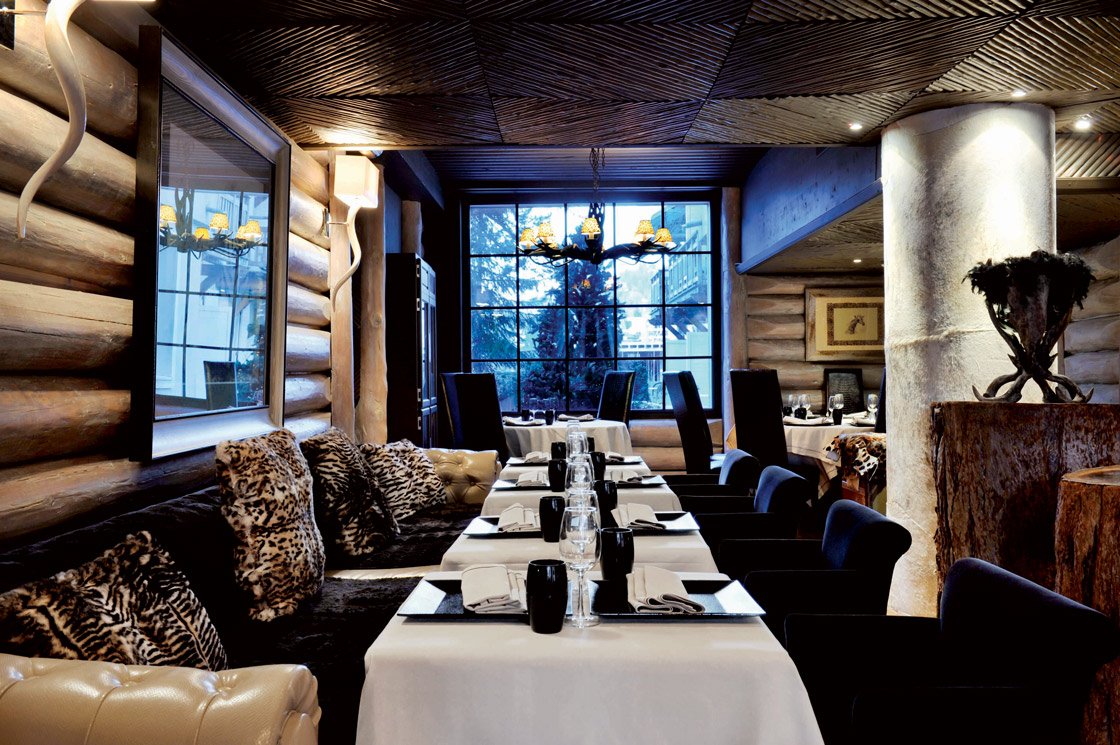
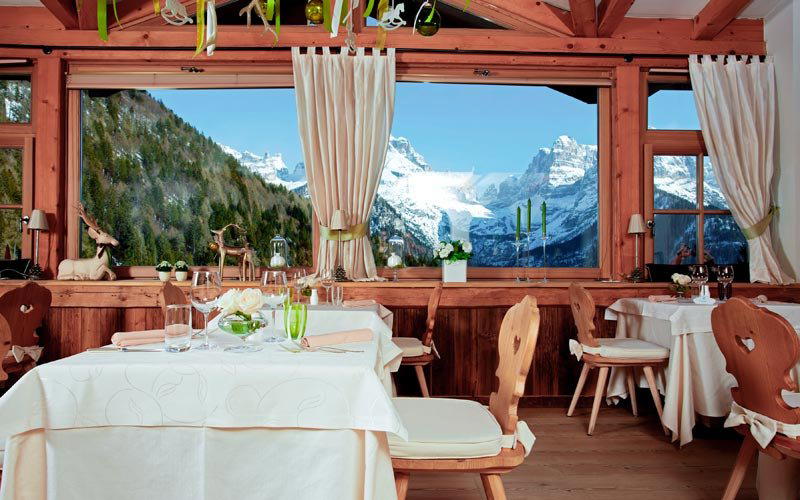
Warm and welcoming mountain elegance with relaxing spa atmosphere, soft lighting, and natural wood interiors.
Tags
Vibe
Best For
Experience
Amenities
View
Accessibility
About the Stay
- Rooms
- 0
- Check-in
- 14:00
- Check-out
- 10:30
- Property Type
- Eco-lodge
- Property Style
- Bio Architectural Design Using Natural Materials Like Wood and Stone
- Design Style
- Mountain Chic with Contemporary Wood and Steel Details
- Breakfast
- Included
- Airport Transfer
- Available
- Pool
- Yes
- Spa
- Yes
- Families
- Welcome
- Cancellation
- Moderate
Know before you go
Know Before You Go
- Getting there
- Via Castelletto Inferiore, 69, 38086 Madonna di Campiglio TN
Planning details
Location
Via Castelletto Inferiore, 69, 38086 Madonna di Campiglio TN · Directions
Recognition and awards
Also consider
Also Consider
- DV Chalet, Notable alternative
- Lefay Resort & Spa Dolomiti, Notable alternative
- Agritur La Dolce Mela, Notable alternative
- Vivere Suites and Rooms, Notable alternative
- Lido Palace, Notable alternative
Hotel context
How It Compares
Biohotel Hermitage is the stronger Madonna di Campiglio choice for travelers who want a quieter, recovery-focused stay with recognized hotel credibility. DV Chalet is the more natural cross-shop if the brief is a chalet-style local stay rather than a wellness-leaning retreat.
If spa time is the reason for the trip, compare hard with Lefay Resort & Spa Dolomiti. Lefay is the more obvious spa-first option; Biohotel Hermitage makes more sense when staying in Madonna di Campiglio itself is part of the value. For a quieter rural alternative, Agritur La Dolce Mela is likely to suit travelers who care less about resort polish.
Vivere Suites and Rooms and Lido Palace are better cross-shops for travelers willing to look outside the immediate Madonna di Campiglio hotel set. Choose Biohotel Hermitage when the decision is about a calm mountain base; look to those peers when design-suite format or a broader resort-hotel feel matters more.
Explore Madonna di Campiglio
Around this place
Discover more on Pearl
Unlock the full Biohotel Hermitage guide in Pearl, including awards, comparisons, FAQs, planning details, and nearby places.
Compare Biohotel Hermitage
| Venue | Location | Awards |
|---|---|---|
| Biohotel Hermitage | Madonna di Campiglio | 2025 Michelin Selected Hotels2024 Michelin 1 Key |
| DV Chalet | Madonna di Campiglio | No published awards |
| Lefay Resort & Spa Dolomiti | Pinzolo | 2026 Forbes 4-Star2026 Virtuoso Luxury Hotel Collection2026 Mr & Mrs Smith Luxury Hotels2026 La Liste Top Hotels2026 Michelin 2 KeysWorld Luxury Hotel Awards 2025World Travel Awards 20252025 Michelin 2 Keys2025 Forbes 4-Star |
| Agritur La Dolce Mela | Vallelaghi | No published awards |
| Vivere Suites and Rooms | Arco | 2026 Mr & Mrs Smith Luxury Hotels2026 Michelin 1 Key2025 Michelin 1 Key2024 Michelin 1 Key |
| Lido Palace | Riva del Garda | Leading Hotels of the World 20262026 Michelin 1 Key2025 Michelin 1 Key2024 Michelin 1 Key |








How Biohotel Hermitage Madonna di Campiglio compares with similar nearby venues.
FAQ
Frequently Asked Questions
How does Biohotel Hermitage compare to other hotels?
Biohotel Hermitage is a Madonna di Campiglio hotel with Michelin 1 Key recognition from 2024 and MICHELIN Guide hotel selection in 2025. For comparison, travelers can also look at Lefay Resort & Spa Dolomiti and DV Chalet, then check current details directly with each property.
How is the dining at Biohotel Hermitage?
Its Michelin recognition is hotel-level, not a restaurant-specific award or dining format. If dining is important, check current options directly with Biohotel Hermitage in Madonna di Campiglio and compare with other dining in Madonna di Campiglio.
Do loyalty programs work at Biohotel Hermitage?
For loyalty programs, check booking channels and benefits directly before reserving. The main reasons to consider the hotel are its Madonna di Campiglio location and Michelin hotel recognition.
Is Biohotel Hermitage good for business travel?
How is the pool and spa at Biohotel Hermitage?
If wellness facilities are central to the trip, check current amenities directly with Biohotel Hermitage and compare with options such as Lefay Resort & Spa Dolomiti.
When is the best time to book Biohotel Hermitage?
Because availability, rates, and policies can change, the safest approach is to check directly with Biohotel Hermitage once your Madonna di Campiglio travel dates are firm.
Which room category is best at Biohotel Hermitage?
Choose only after checking current room types, size, layout, view, accessibility, and cancellation terms directly with the hotel.